


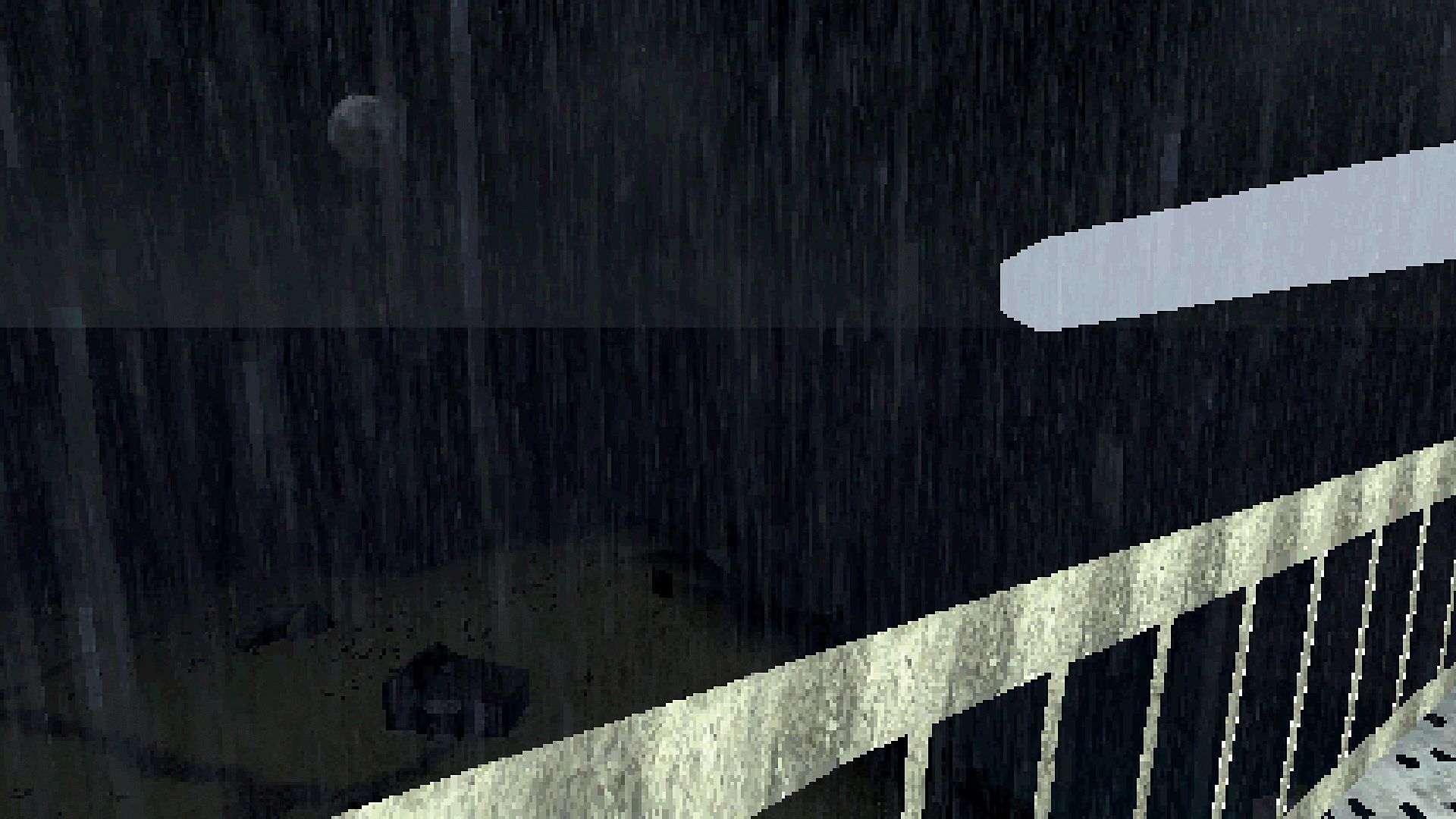
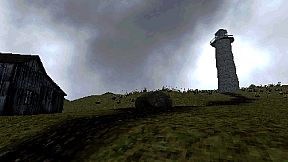
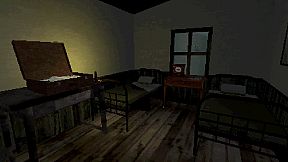
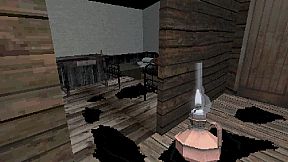
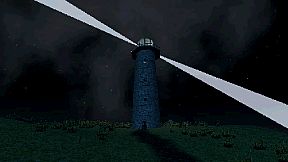
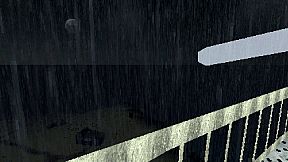
No One Lives Under the Lighthouse is a single-player psychological horror adventure game developed by Marevo Collective and available on PS5. Players step into the role of a new lighthouse keeper on a remote, desolate island after the previous keeper vanishes without explanation. The experience emphasizes isolation, routine maintenance, and escalating supernatural events in a low-polygon style reminiscent of PlayStation 1 era titles.
Gameplay
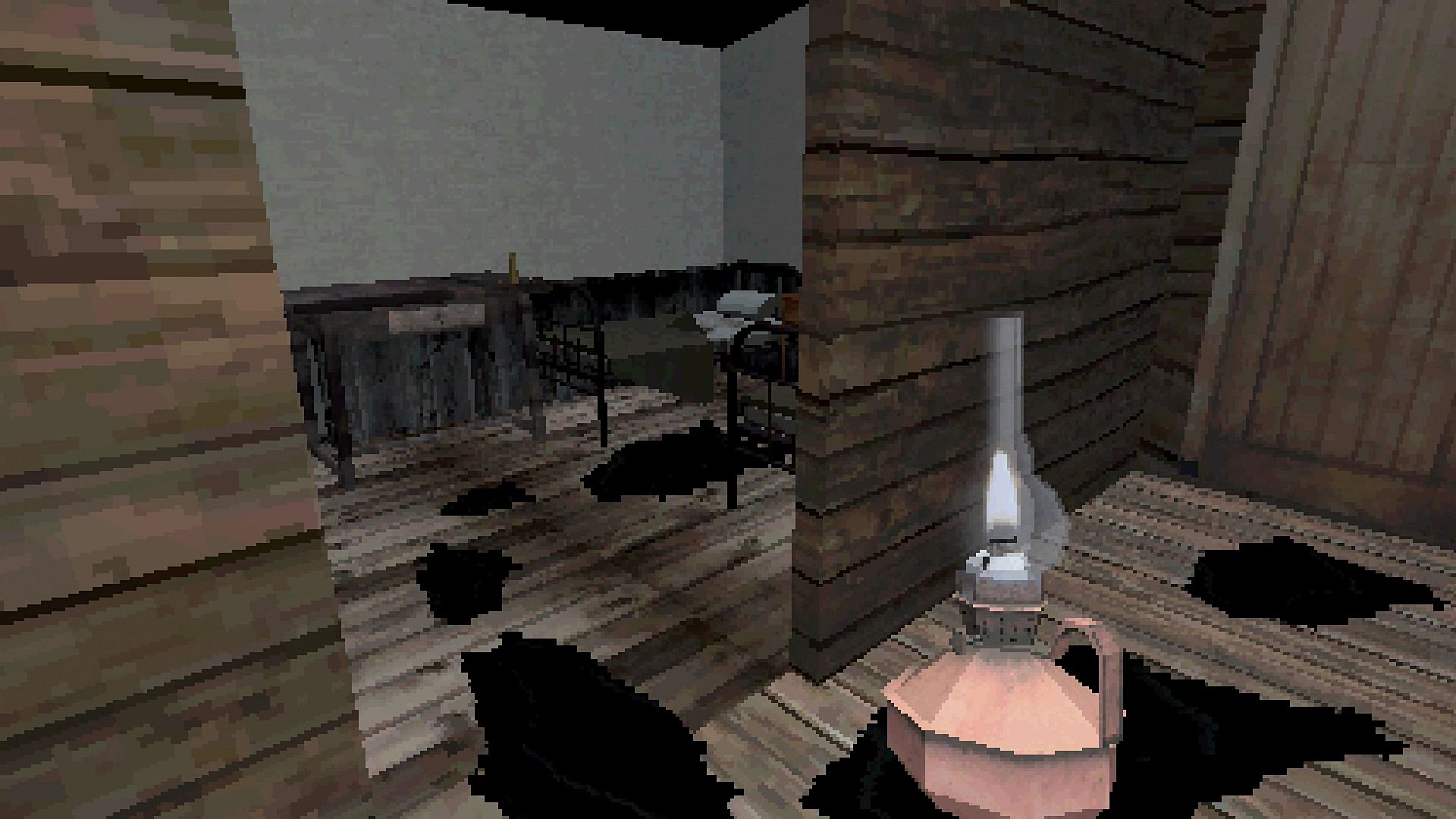
The core loop revolves around daily lighthouse duties that gradually introduce tension through repetition and environmental storytelling. Tasks include fetching oil to fuel the beacon, filling the tank, cranking mechanisms to rotate the light, cleaning surfaces, and handling repairs such as replacing sandbags. Exploration across the small island reveals tools and items needed for these duties, with a minimal interface that provides no on-screen guidance or heads-up display.
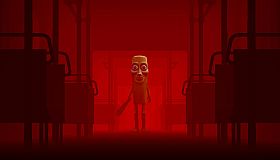
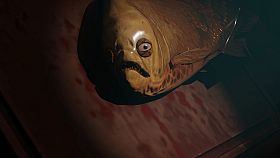
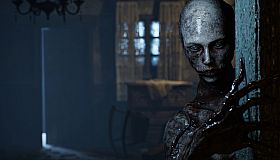
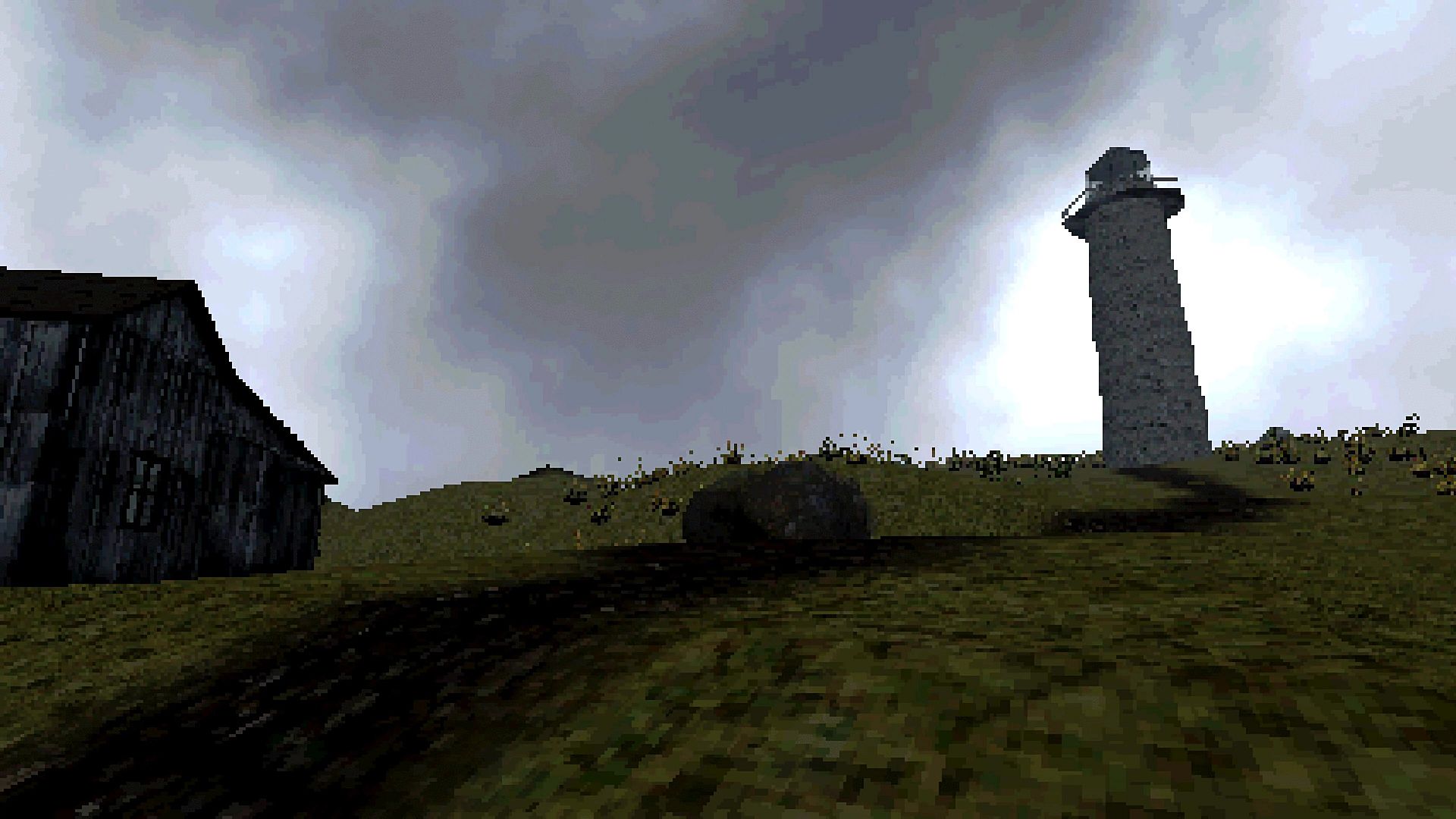
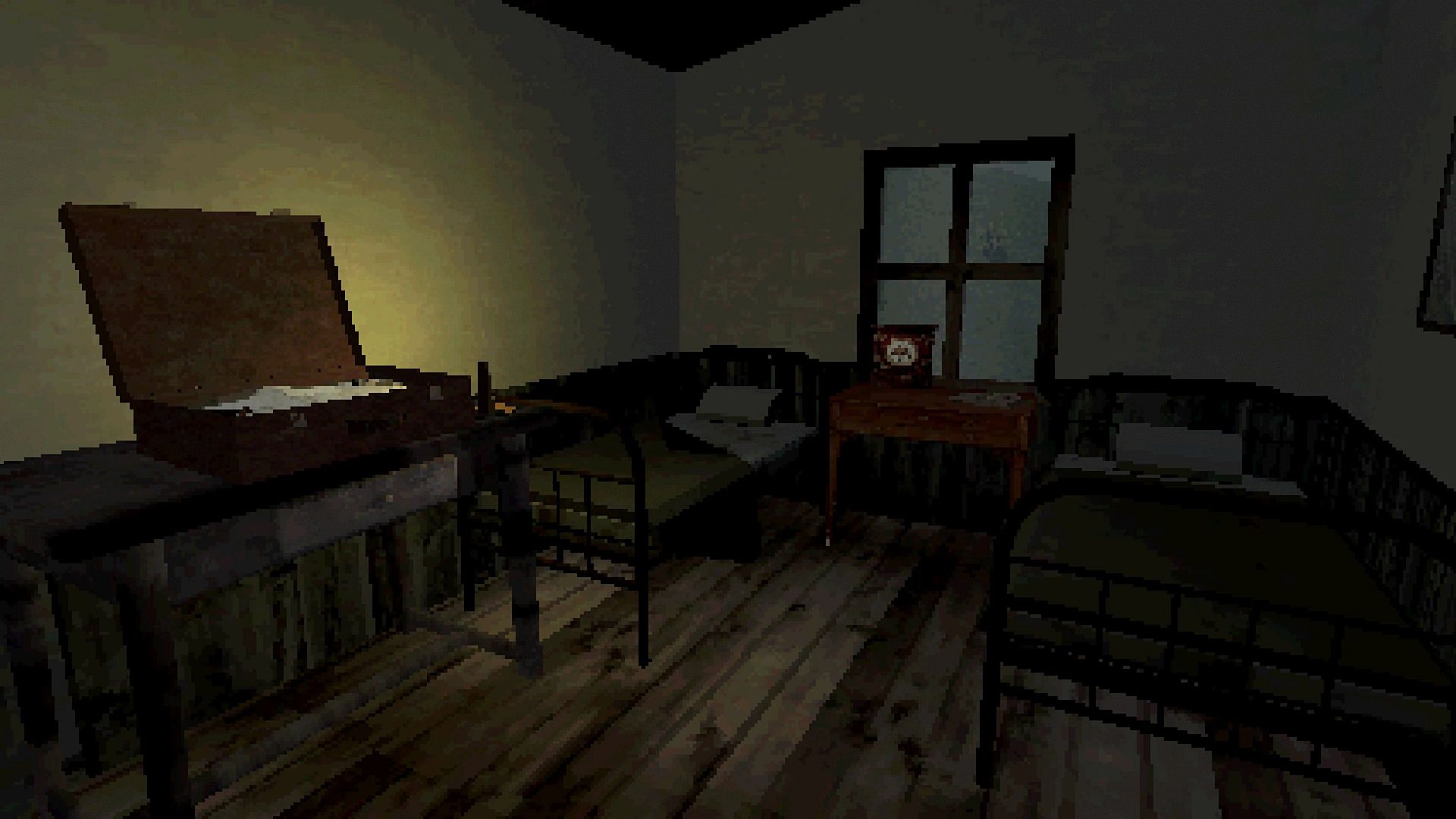
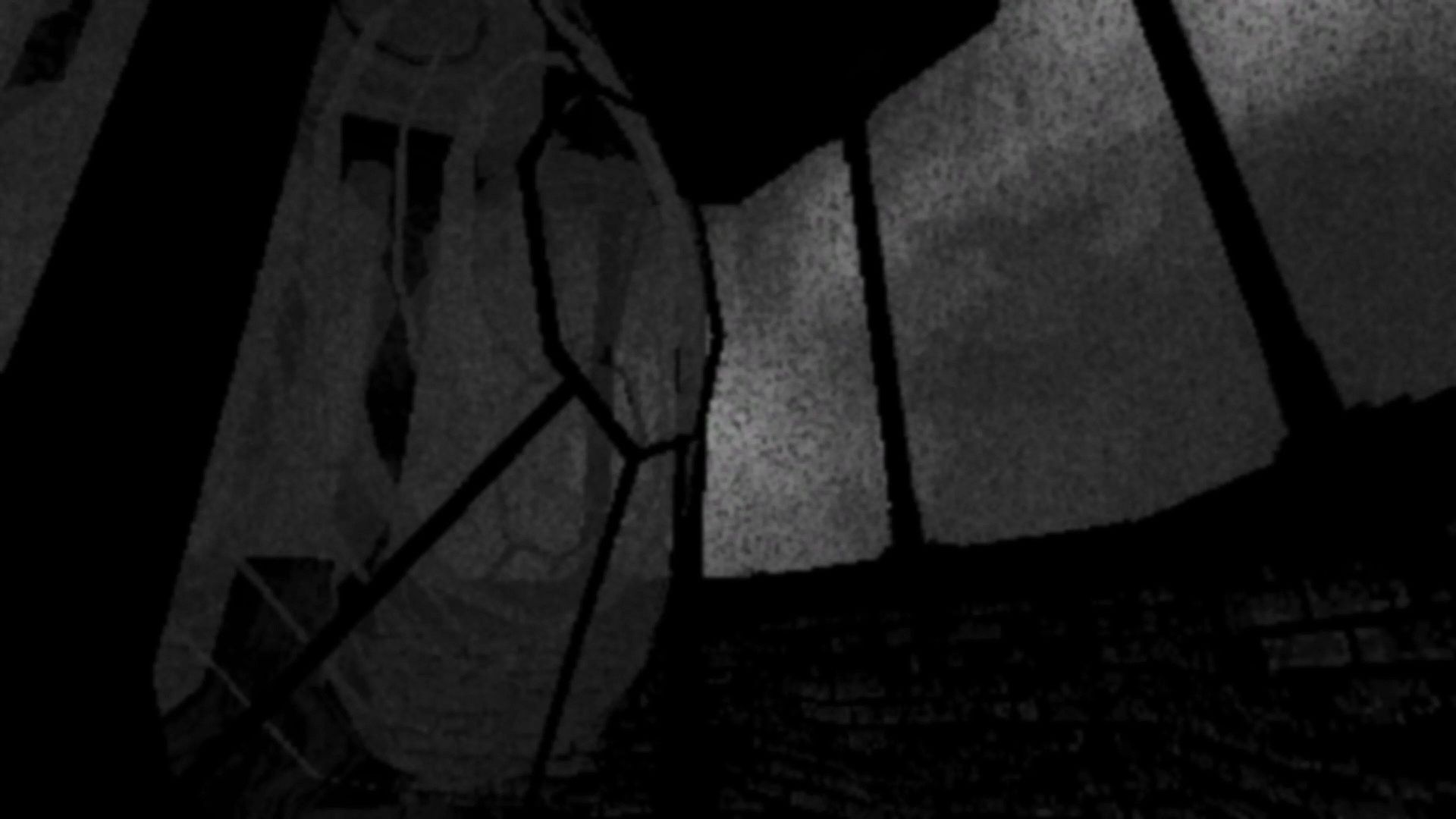
Sound design relies entirely on ambient effects like wind, waves, creaking structures, and seagull calls rather than a musical score or voiced dialogue. Supernatural elements build slowly at first, manifesting as strange occurrences and potential hallucinations that test the keeper's sanity. Later sequences introduce chases and confrontations where the camera perspective shifts, altering controls and heightening disorientation. Puzzle elements emerge through item collection and environmental interactions, while the retro visual style with blocky models and limited textures reinforces the sense of stepping into an old, forgotten game.
A Director's Cut version refined the second half of the experience with adjustments to pacing, object clarity, and additional content while preserving the original's deliberate pace.
Game Modes
The game features only a single-player story campaign with no multiplayer options or separate modes. The narrative unfolds over a short main playthrough lasting roughly one to two hours, centered on completing lighthouse responsibilities while uncovering the island's mysteries. Multiple endings exist, which encourage additional runs to discover alternate outcomes based on choices, exploration thoroughness, and timing of actions. Chapter selection becomes available after the initial completion to facilitate replays without restarting from the beginning.
Atmosphere and Story
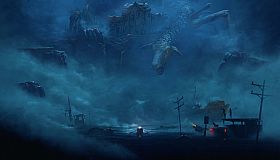
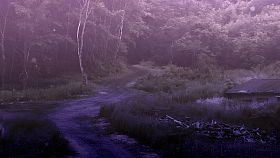
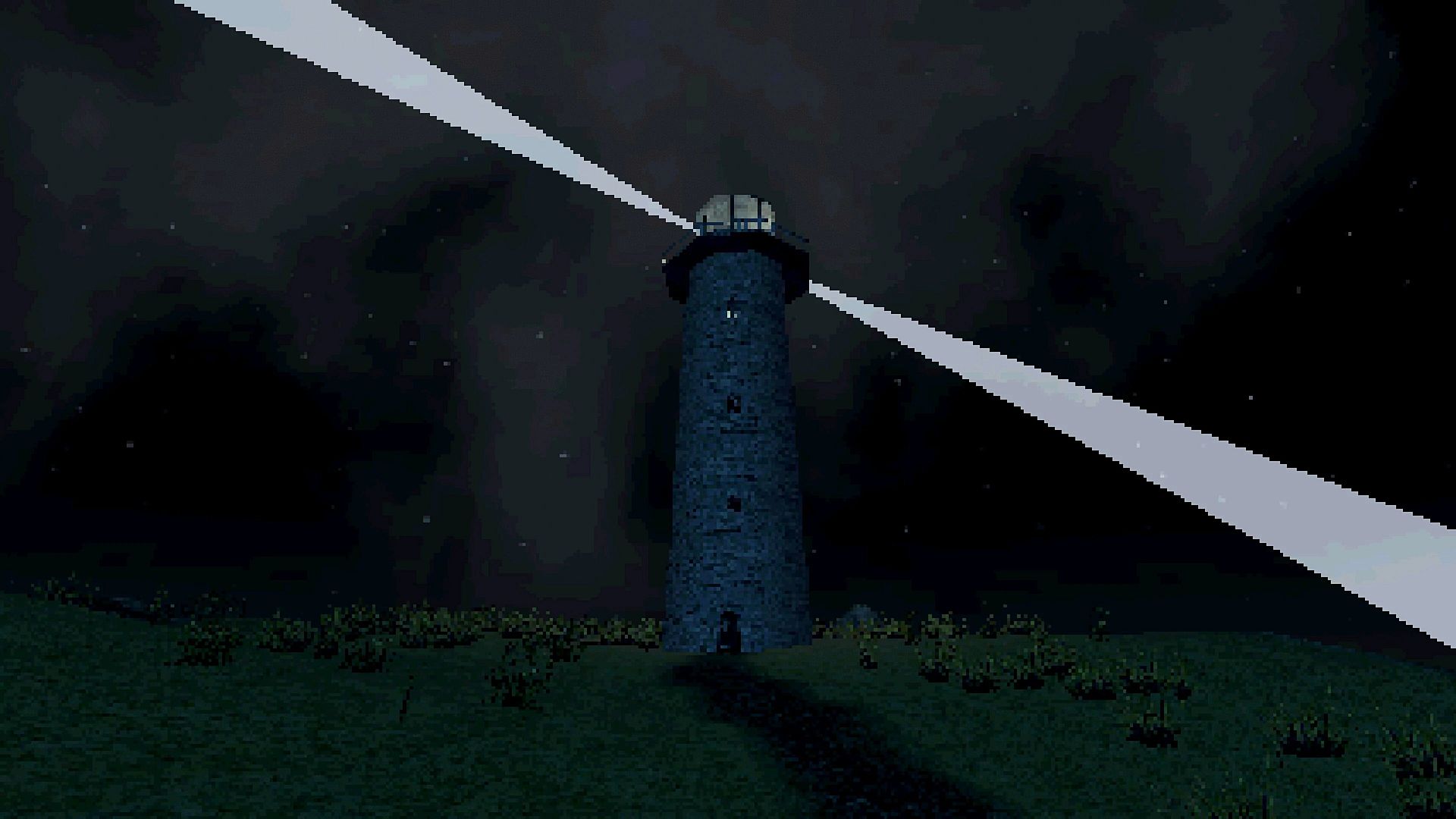
Isolation defines the setting on a rocky outcrop surrounded by ocean, with only the lighthouse, a small cabin, and basic structures present. The story progresses without explicit exposition, relying on visual cues, environmental changes, and the player's growing unease to convey a Lovecraftian sense of cosmic dread and the unknown. Events escalate from mundane chores to encounters with grotesque entities and altered realities, all while the keeper repeats the reminder that no one else inhabits the island.
The low-fidelity graphics and restrained audio contribute to an unsettling authenticity, evoking early 3D horror games where technical limitations amplify dread rather than detract from it. Perspective shifts during key moments further immerse players in the keeper's deteriorating mental state.
Is It Worth Playing?
This title suits players who appreciate slow-burn atmospheric horror with retro aesthetics and a focus on psychological tension over fast action or jump scares. The short length makes it accessible for a single evening session, while the multiple endings provide replay value for those invested in piecing together the narrative. Reception highlights strong atmosphere, unique concept, and effective use of the PS1-inspired style, though some note the repetitive tasks and occasional control quirks during action segments as potential drawbacks. Console versions on PS5 include the updated features from the Director's Cut, delivering a refined experience for fans of deliberate, exploration-driven horror adventures. Those seeking high-intensity combat or lengthy campaigns may find the pace too measured, but it delivers a memorable, unsettling journey for the right audience.