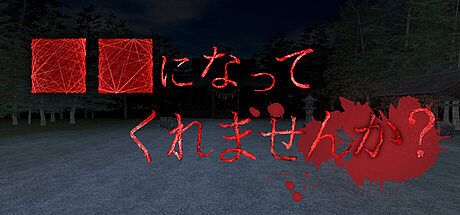


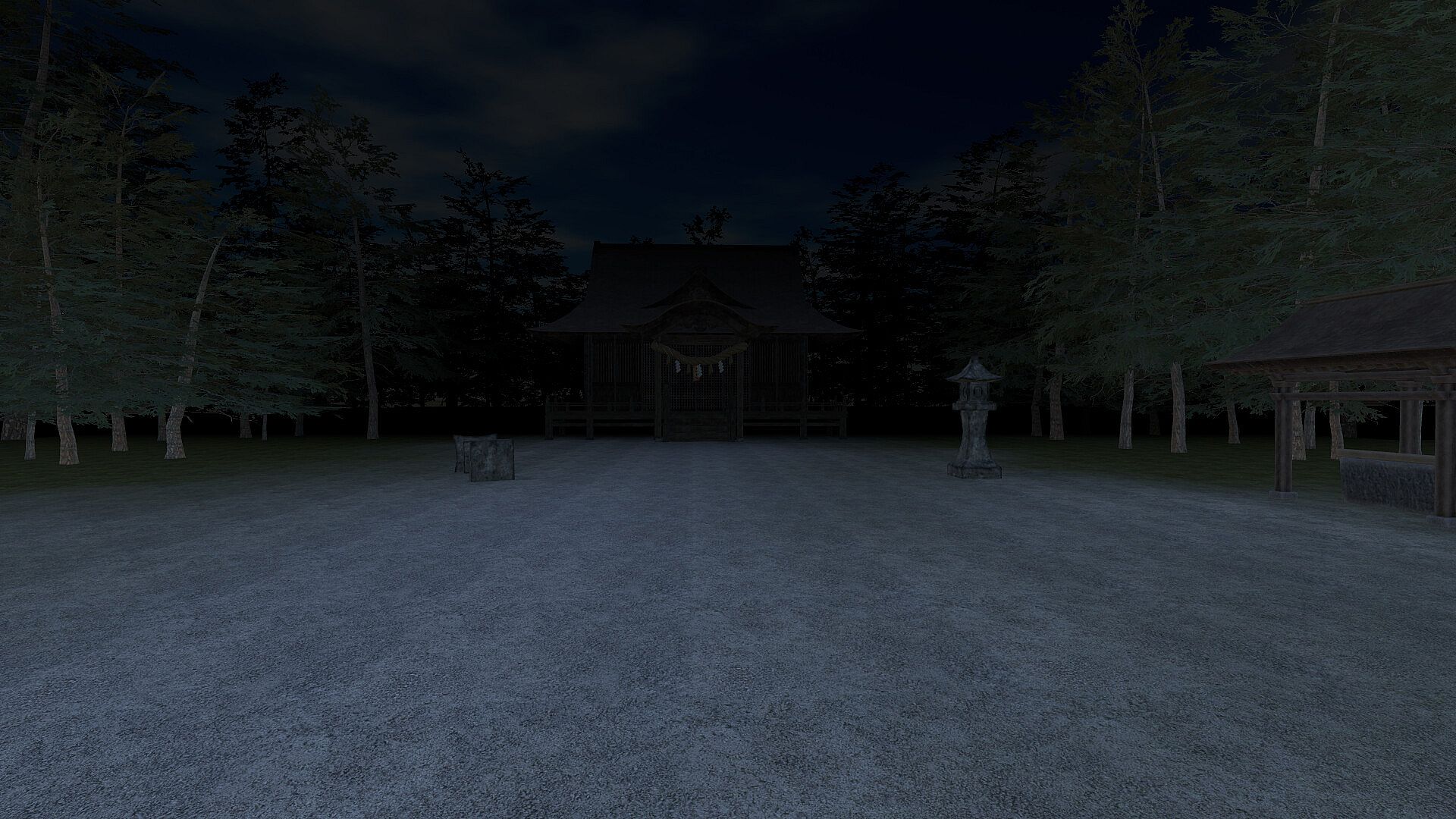
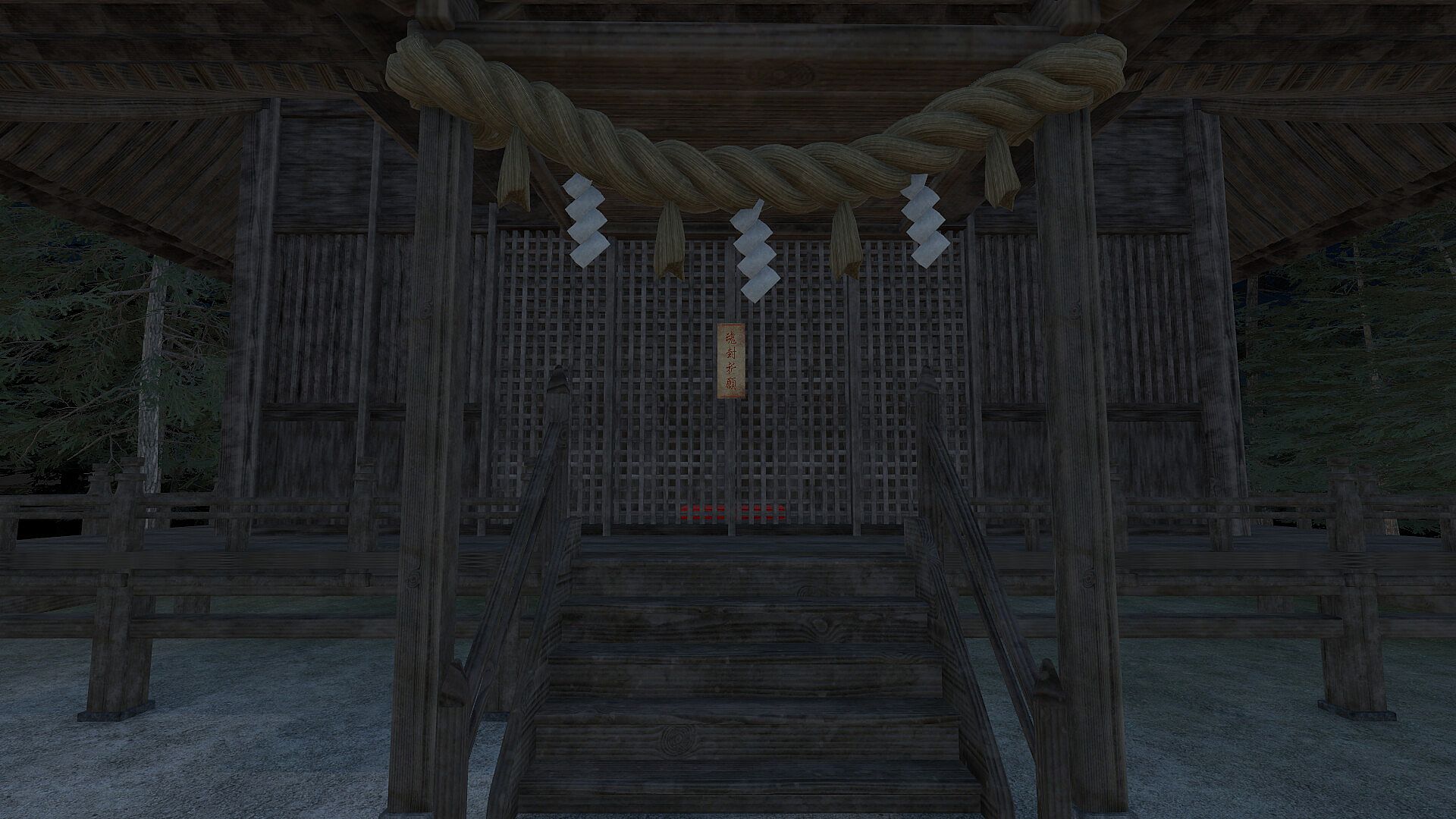
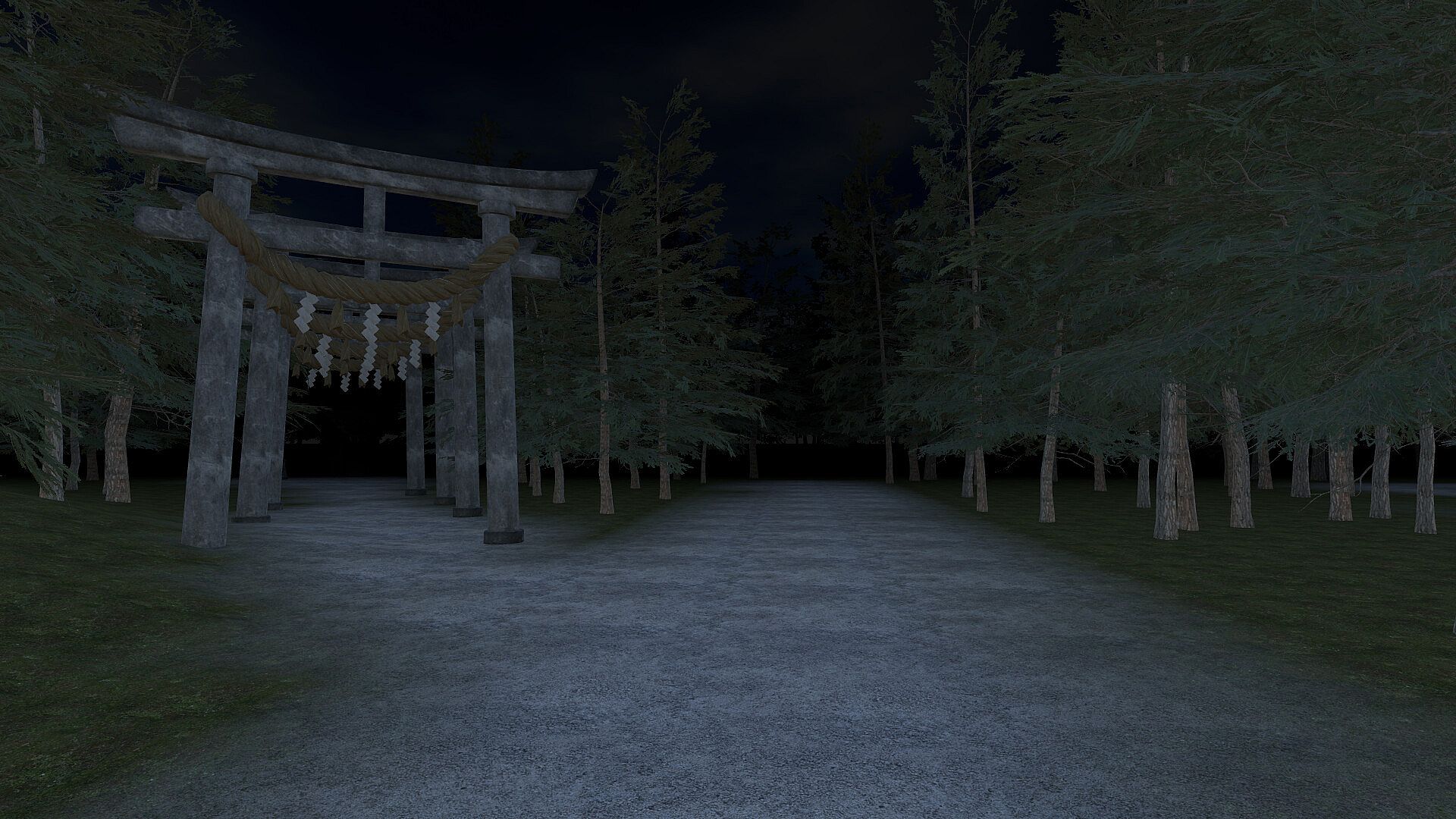
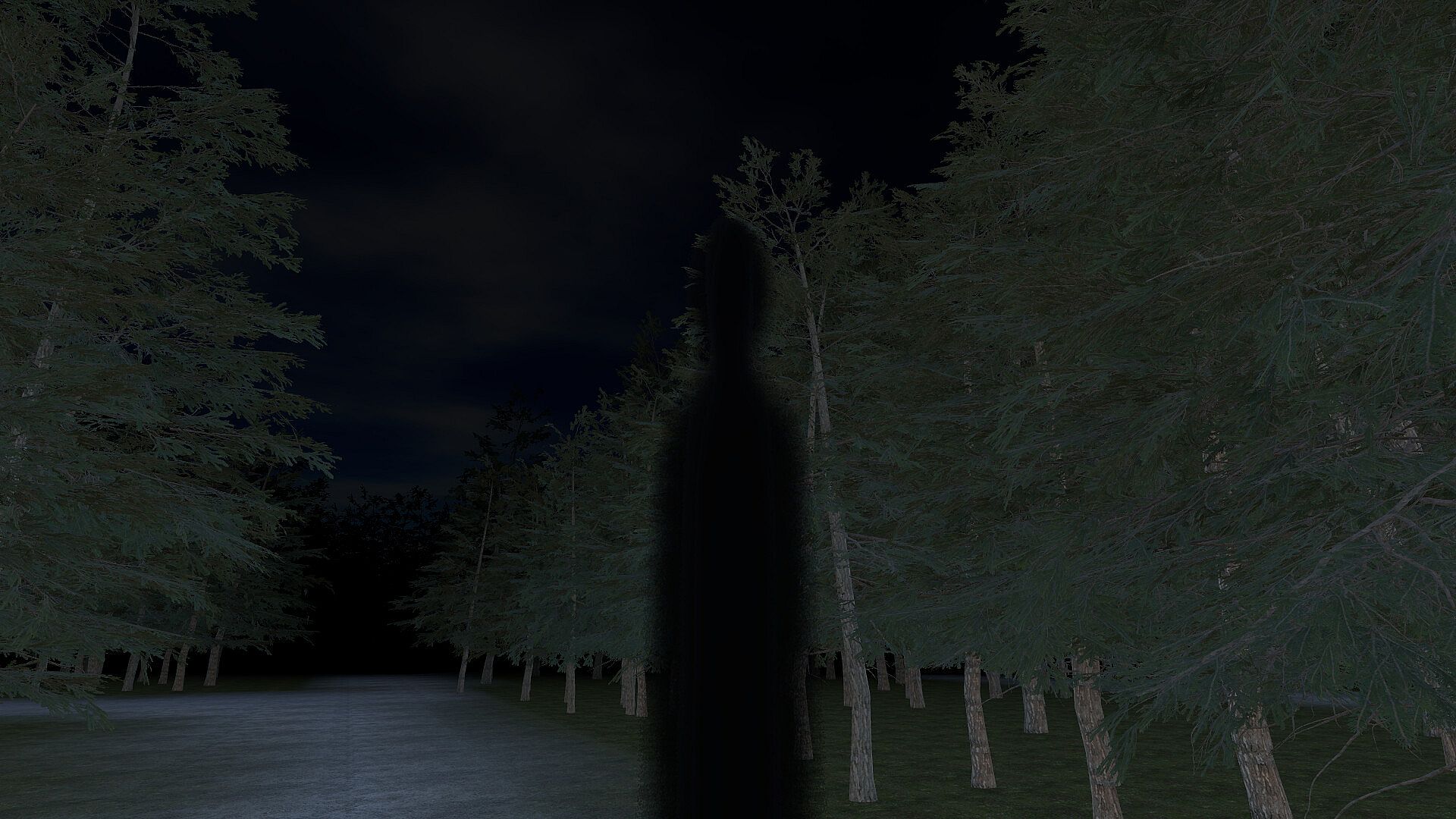
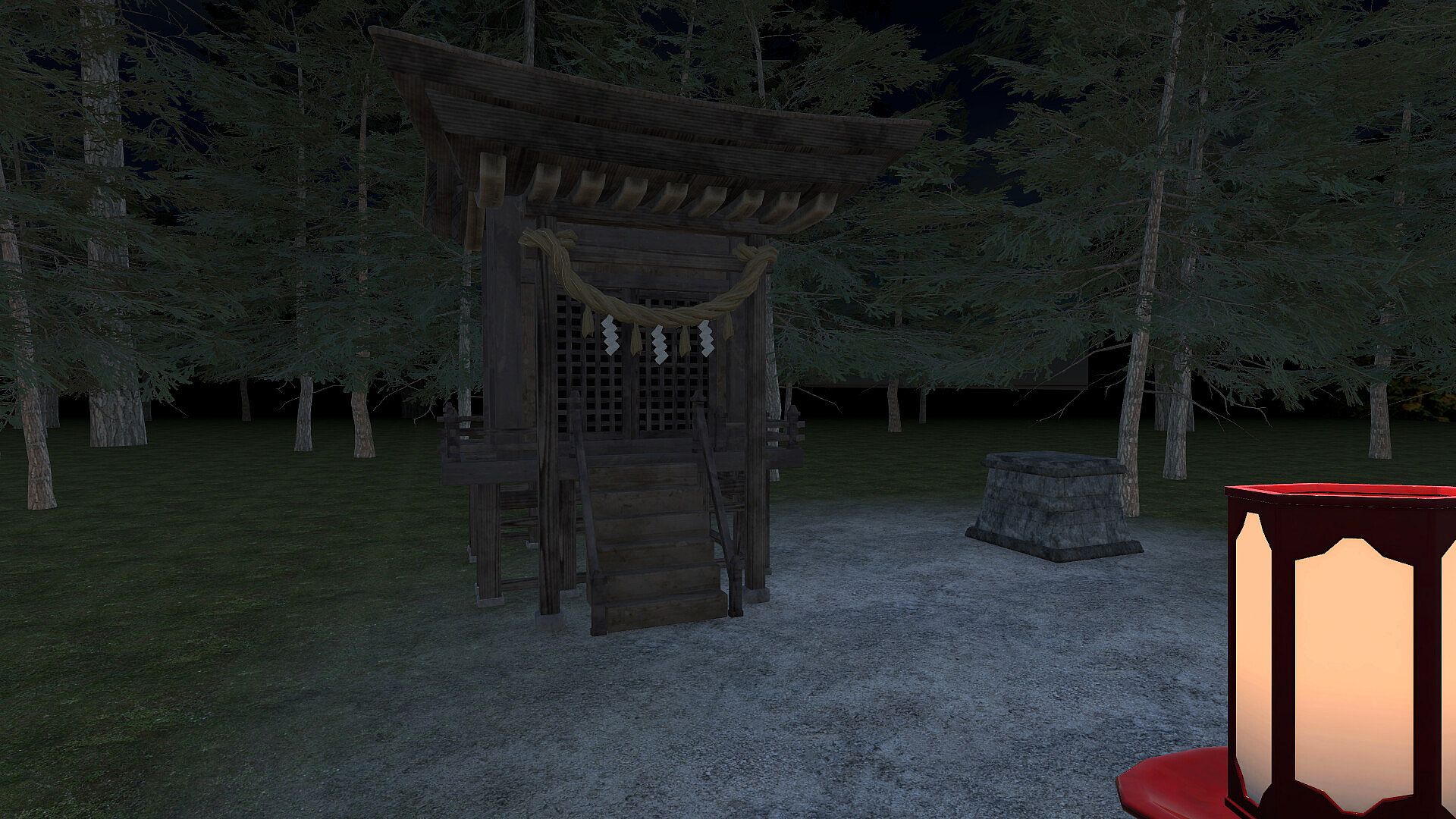

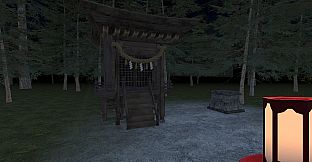
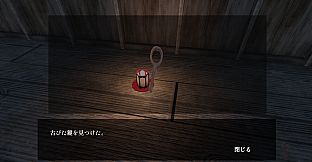
This horror simulation game places players in a first-person perspective as an ordinary person who makes an everyday mistake with unexpected consequences. The premise revolves around a casual encounter on the street that leads to disorientation and a shift into an unfamiliar environment, exploring themes of regret and the unknown through a compact narrative experience on PC.
Gameplay
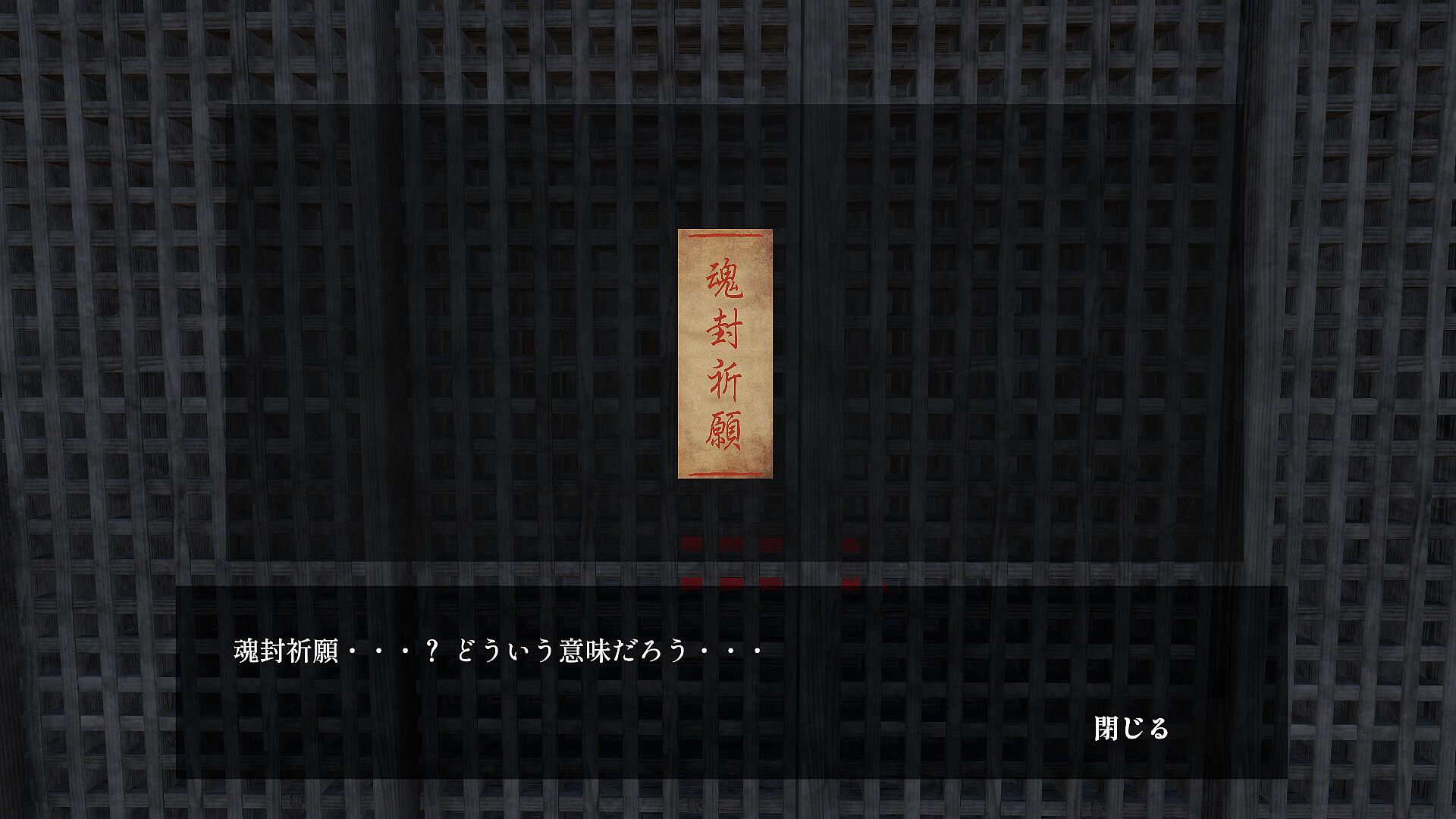
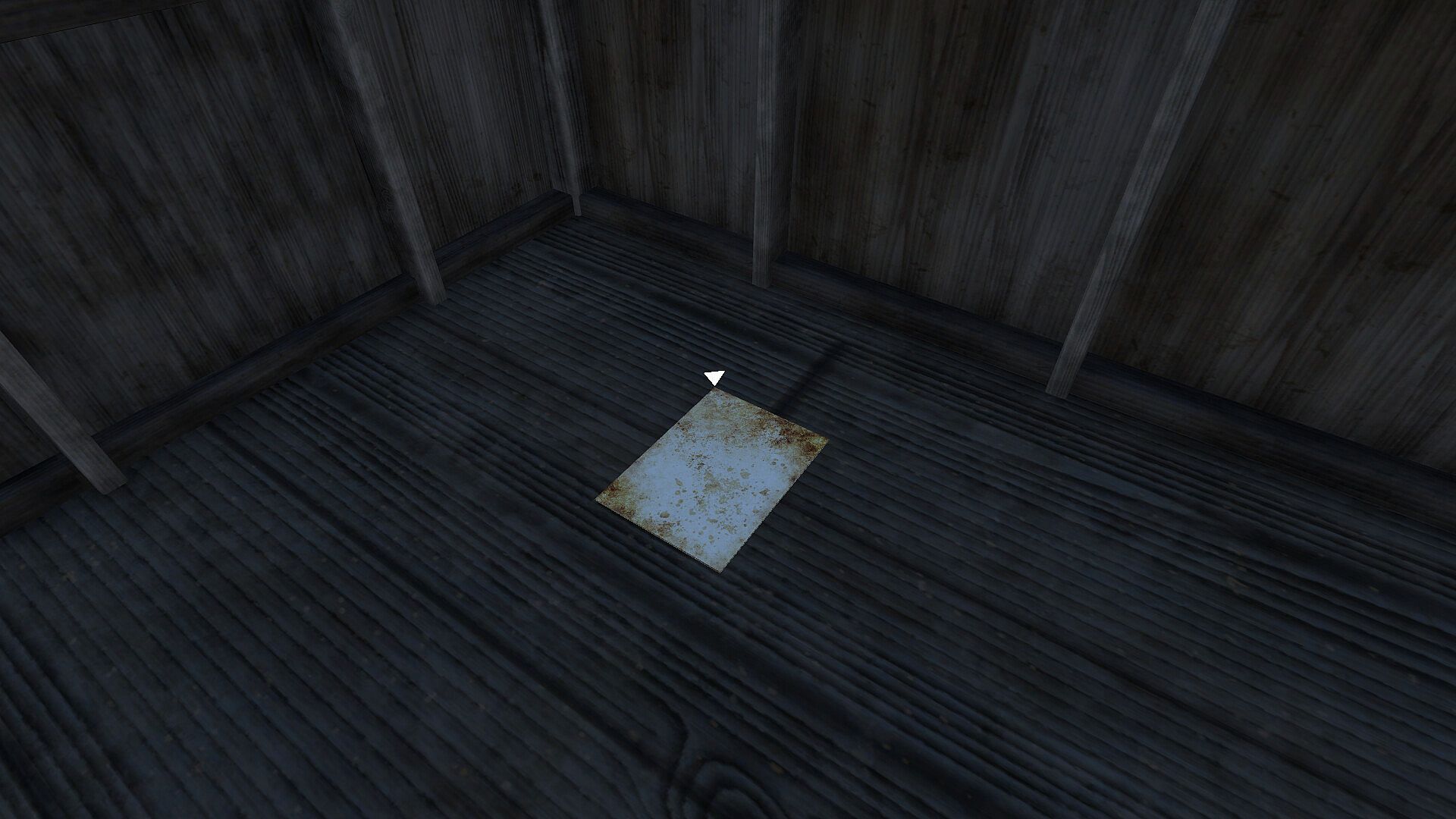
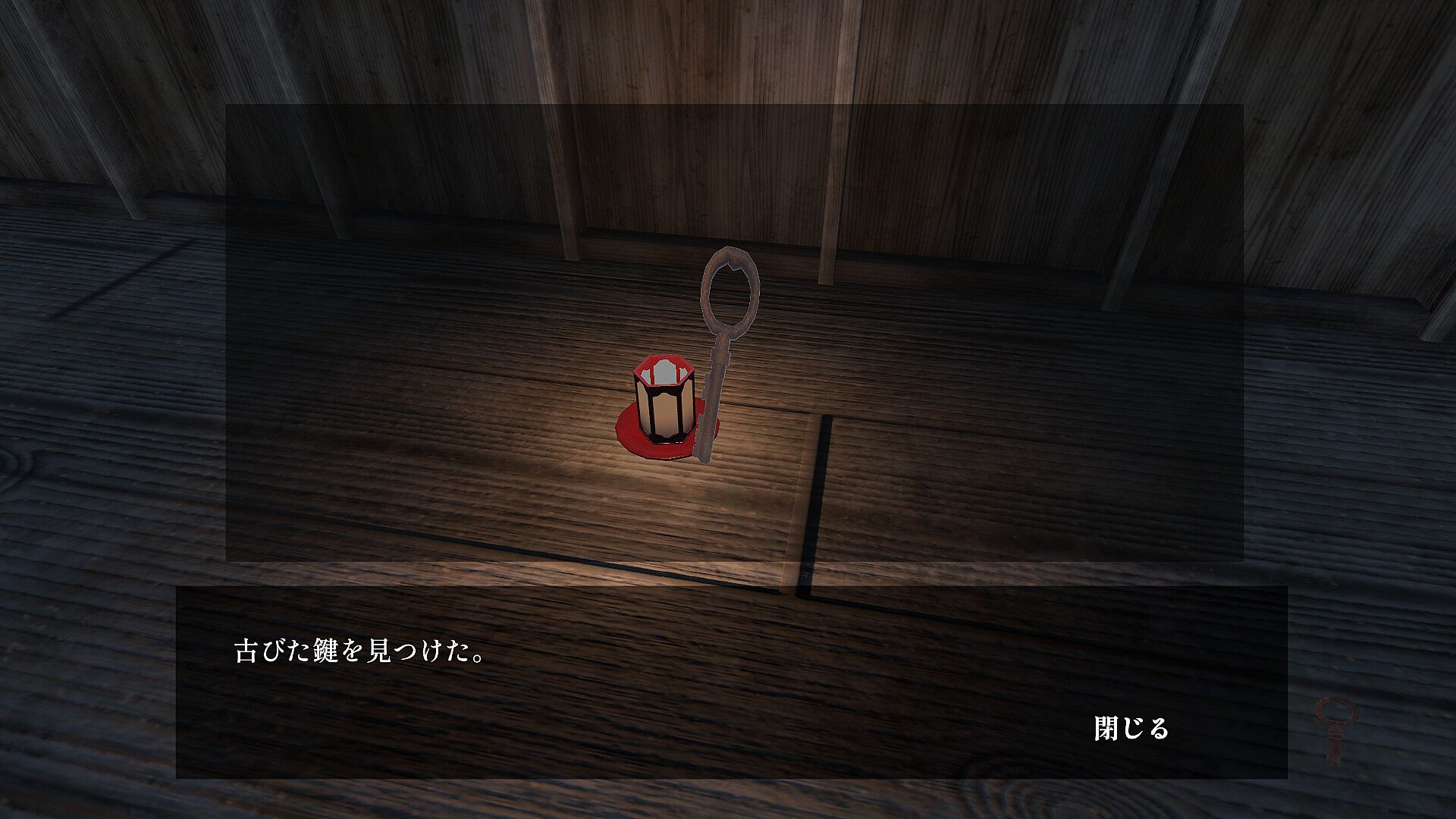
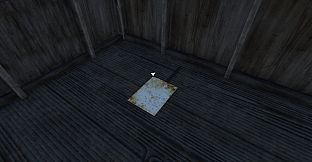
Players navigate in first-person view using standard keyboard and mouse controls for movement and interaction. The core loop involves exploring spaces, locating scattered notes or items that provide clues, and making decisions through dialogue selections or deliberate non-responses. Choices extend beyond words to include decisions about carrying specific objects and selecting destinations, which directly influence how events unfold. The experience emphasizes careful observation and experimentation rather than combat or complex systems, creating tension through uncertainty and limited information.
Progression relies on trial and error across repeated sessions, as new details emerge only after prior playthroughs reveal different paths. Visual and audio cues guide players without overt direction, rewarding attention to environmental details. Options allow adjustment of mouse sensitivity, toggling of a crosshair, and switching between full-screen and windowed display to suit individual preferences.
Game Modes
The game operates as a single-player experience centered on branching story outcomes rather than separate modes. Five distinct endings exist, each unlocked through variations in item collection, dialogue handling, and movement decisions. No multiplayer elements or additional game types are present, keeping focus on the narrative branches that require multiple sessions to fully uncover.
Each ending represents a self-contained resolution that can be reached in a short session, encouraging players to revisit the scenario with altered approaches. The structure supports efficient completion of all paths without extended commitment per attempt, though full exploration demands at least five separate runs to account for the dependencies between choices.
Story and Atmosphere
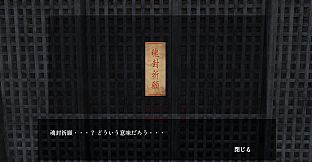
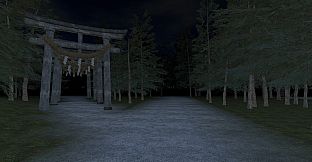
The narrative begins with a mundane street interaction that quickly escalates into confusion and isolation. Players awaken in an unknown location after an unclear request, prompting investigation into the meaning behind the initial encounter and methods for returning to familiar surroundings. The tone draws from common real-life oversights, building unease through ambiguity and the weight of small decisions rather than graphic content or prolonged sequences.
Atmosphere relies on subtle environmental shifts and incomplete information to maintain suspense. Short individual play sessions allow the story to unfold in focused bursts, with each ending providing a different perspective on the central events without requiring lengthy investment.
Is It Worth Playing?
This title suits players who enjoy concise horror experiences with replay value through multiple endings and choice-driven outcomes. The first-person exploration and decision mechanics deliver a focused loop that highlights the impact of everyday actions in an unsettling context. Those seeking longer campaigns or competitive elements may find the brevity limiting, while fans of short-form narrative games with branching paths will appreciate the structure that rewards repeated play to see all resolutions. Availability on PC makes it accessible for quick sessions, and the absence of excessive violence keeps the emphasis on psychological elements and consequence.