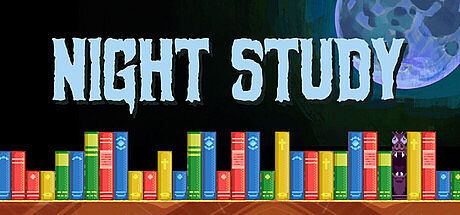


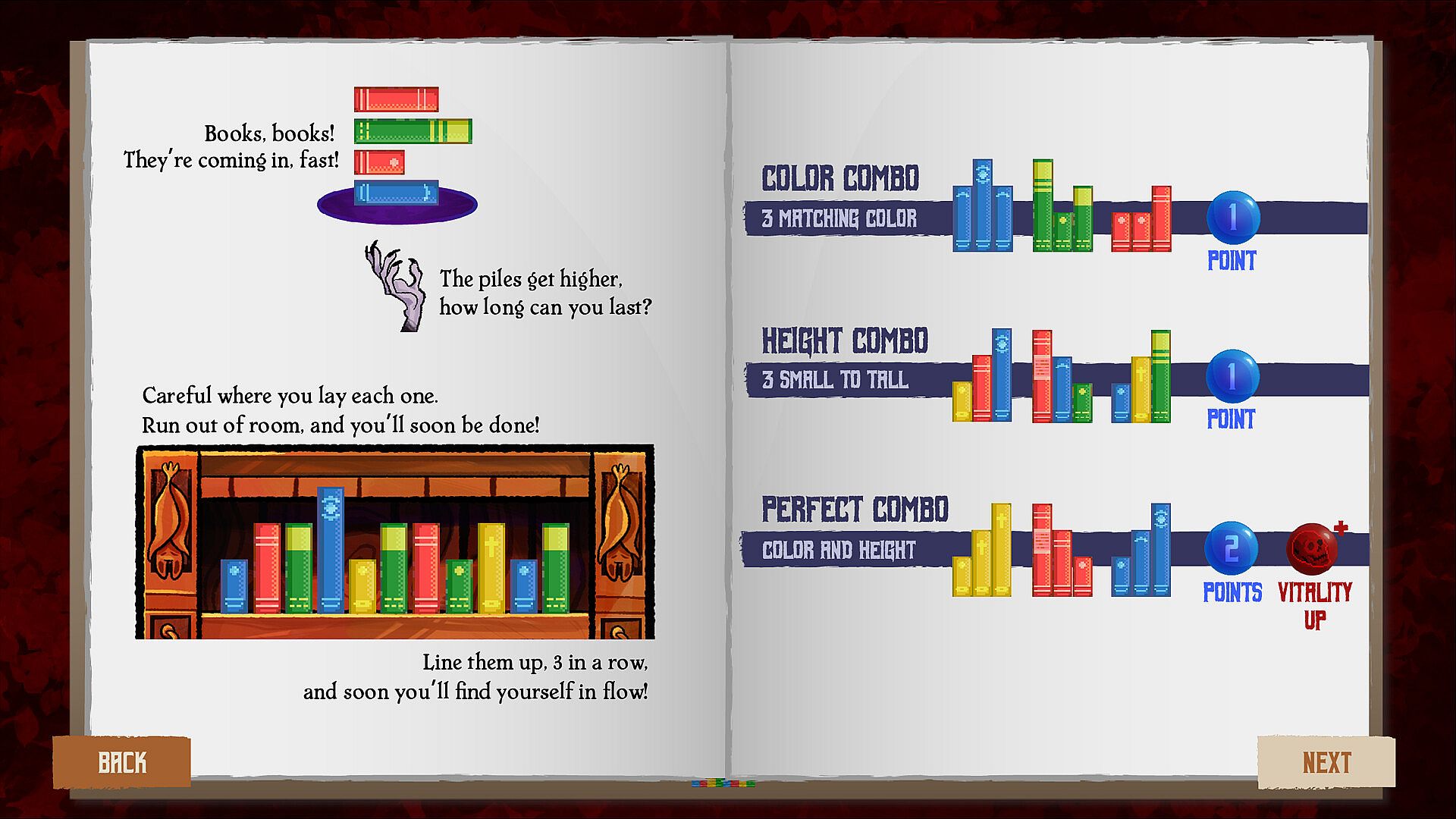
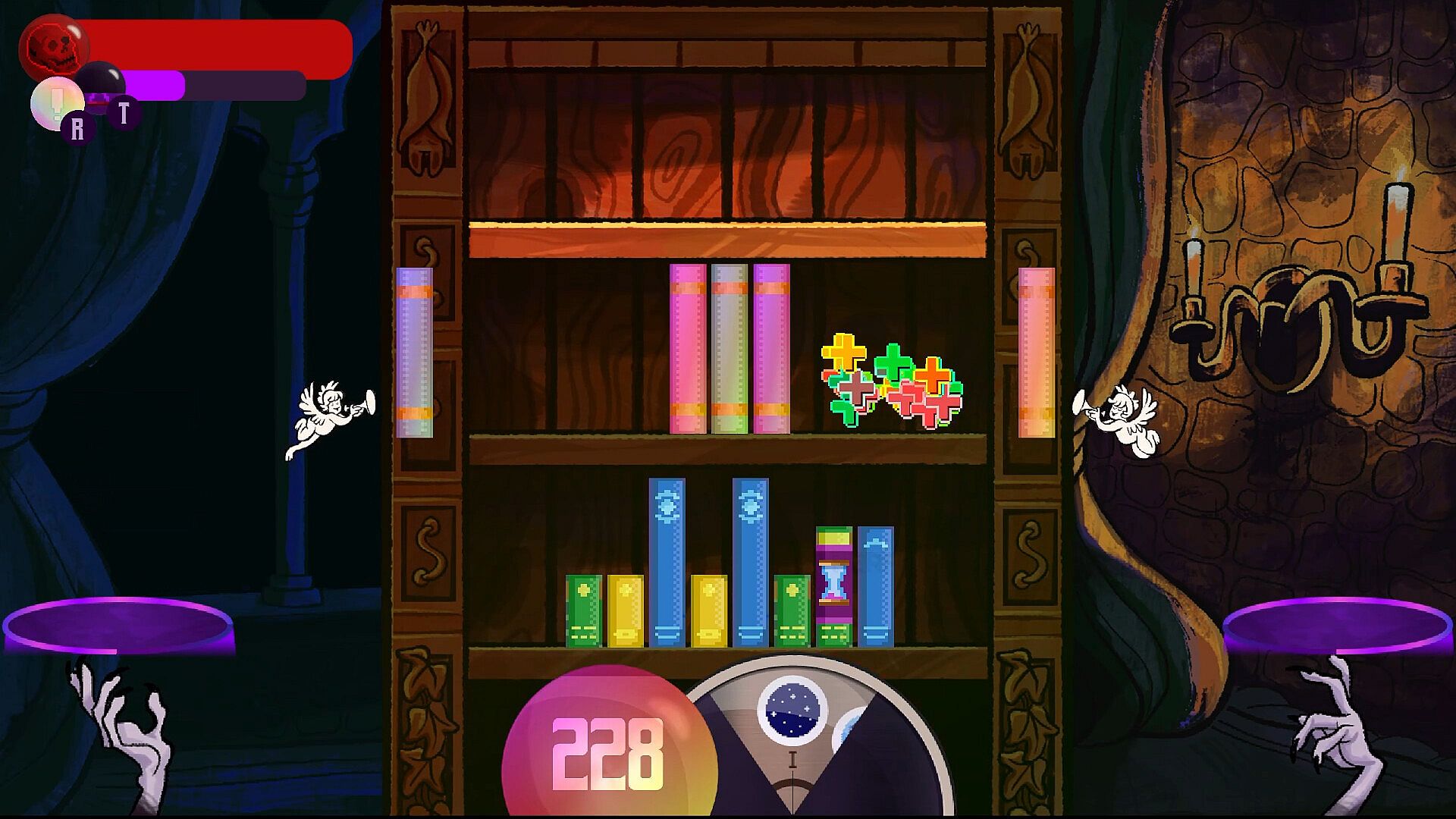
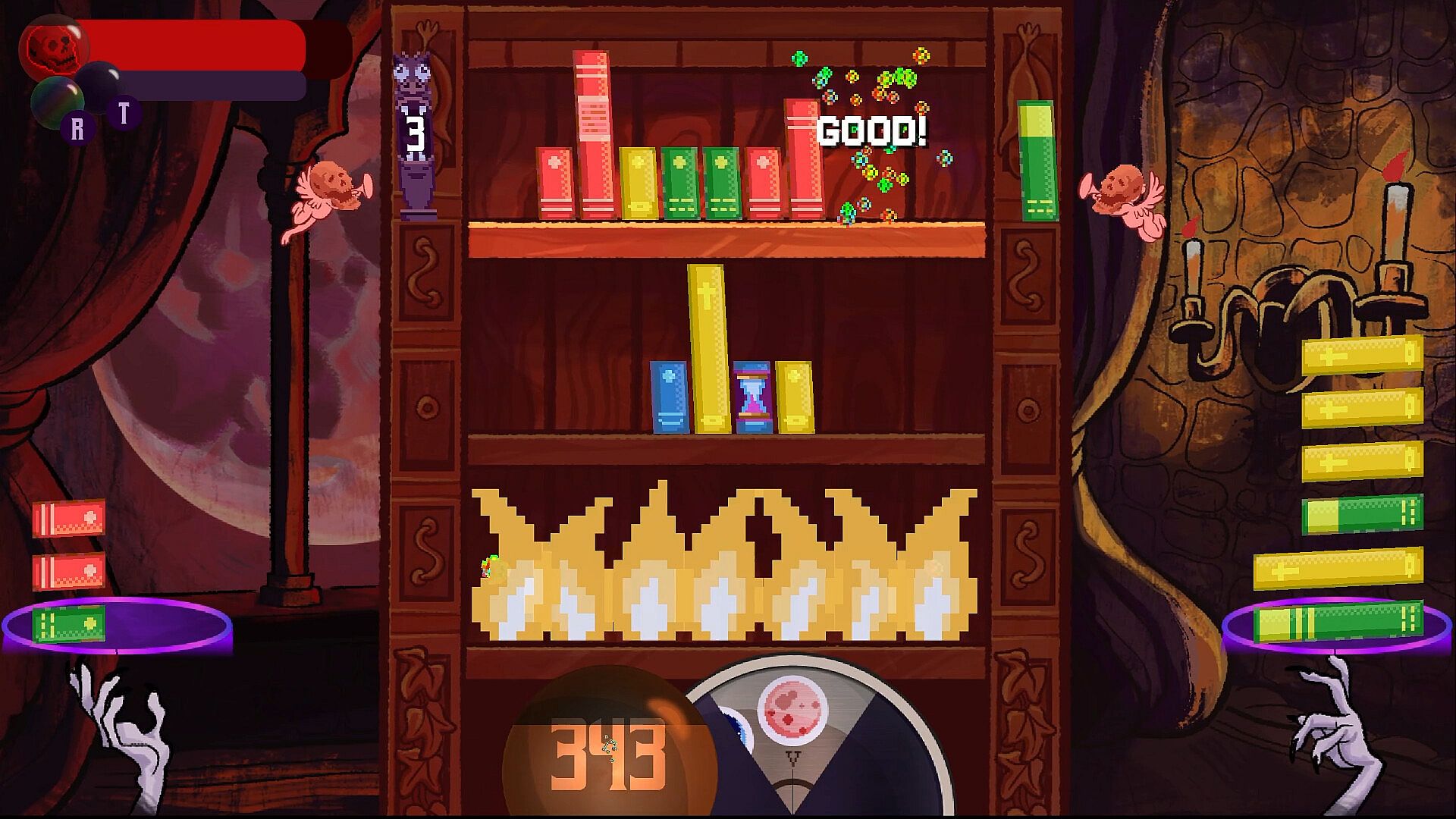
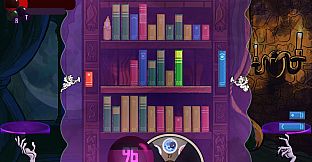
Night Study is a single-player indie casual game for PC that blends shelf organization with frantic matching mechanics. Players arrange incoming books and assorted baubles on cluttered shelves while aiming to form sets of three identical items in a row. The core loop revolves around quick placement decisions under increasing pressure as the night progresses.
Gameplay
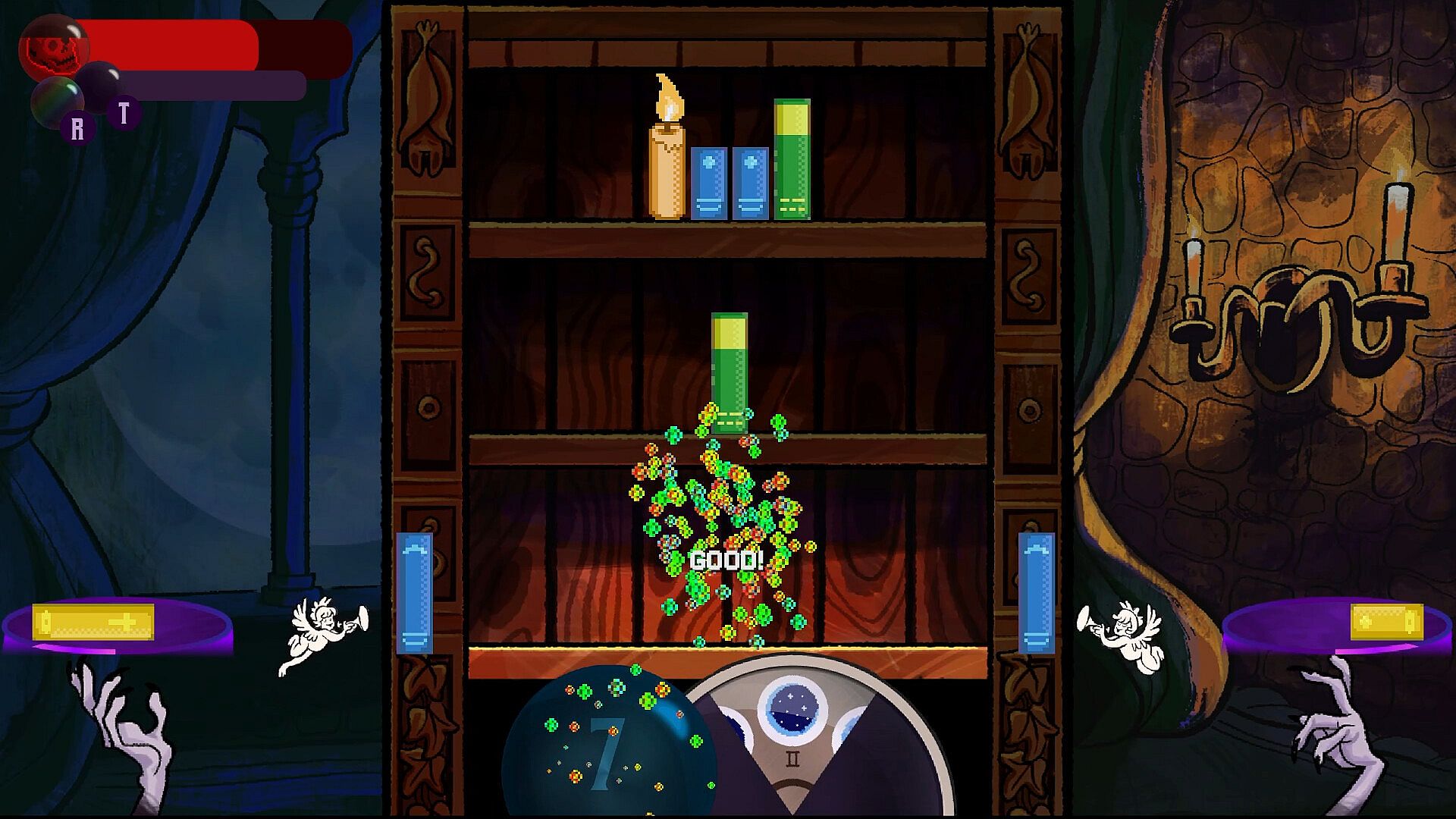
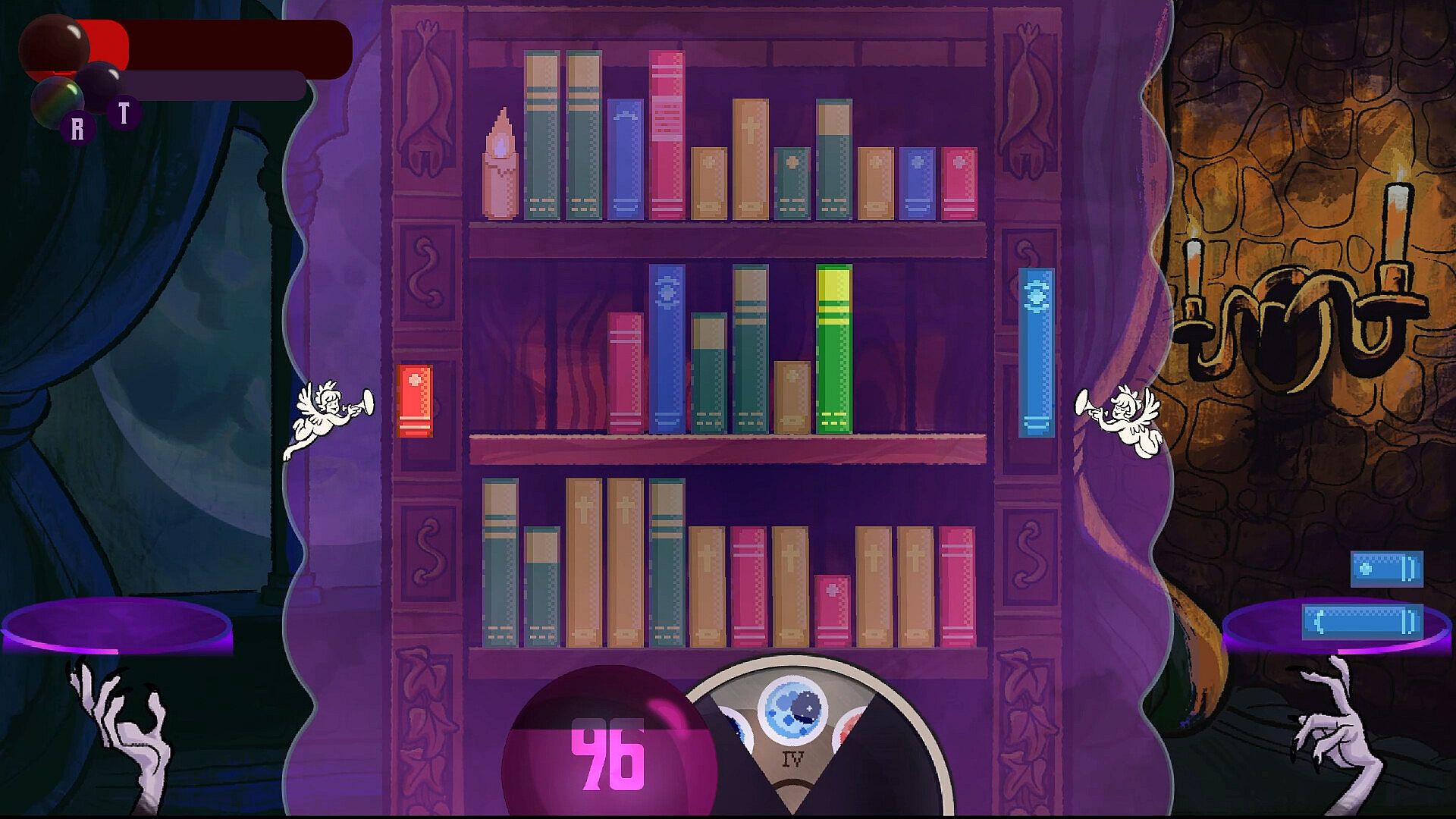
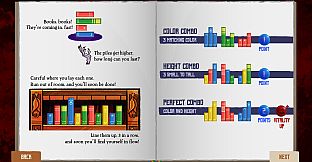
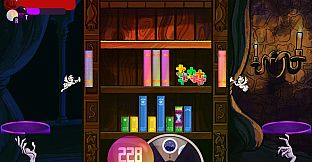
The experience centers on positioning objects efficiently to clear space and score points through matches. Books arrive rapidly, and the shelves fill quickly if placements lack foresight. Matching three in a row removes those items and opens room for more, creating a steady rhythm once the flow sets in. Additional clutter in the form of various baubles appears alongside the books, requiring players to decide whether each piece helps or hinders survival on the limited shelf space.
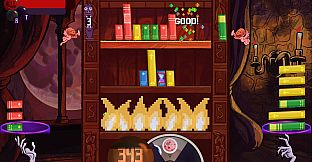
When pressure builds, a magic option allows players to influence outcomes and shift the odds in their favor. The moon overhead advances through its phases, with the Blood Moon introducing faster item arrivals and heightened difficulty. These phases demand sharper focus and more precise placement to avoid running out of room. Each completed night ends with a score evaluation that tracks how far the player progressed before the shelves overflowed.
Game Modes
Night Study operates as a single-player arcade-style challenge without separate named modes. The primary loop involves surviving successive nights of escalating item flow, incorporating the Blood Moon phases as built-in intensity spikes. Leaderboards track high scores across sessions, encouraging repeated attempts to improve placement efficiency and endurance. The structure emphasizes endurance and adaptation within this unified experience rather than distinct variants.
Core Mechanics and Progression
Placement strategy forms the foundation, with attention paid to grouping like items while managing the irregular shapes and effects of baubles. The match-three system provides the main method for clearing space, rewarding chains that keep the shelves manageable during peak influxes. Magic serves as a tactical tool for moments when standard placement falls short, adding a layer of resource management to the otherwise direct action. The Blood Moon phases alter the pace dramatically, forcing quicker reactions and tighter organization to maintain control.
Scoring at the end of each night reflects both duration survived and quality of matches achieved. This feedback loop supports incremental improvement as players learn optimal shelf layouts and timing for magic use. The endless nature of the book arrivals ensures every session tests consistency under growing constraints.
Is It Worth Playing?
Night Study suits players who enjoy casual puzzle and matching games with an arcade survival twist. Its straightforward mechanics make it accessible for short sessions, while the Blood Moon intensity and scoring system provide replay motivation for those seeking higher results. As a single-player title with leaderboards, it appeals to individuals focused on personal bests rather than multiplayer competition. The game remains in a coming-soon state with no user reviews available yet, so prospective players can follow its development for updates on the full release. Those drawn to shelf-management challenges and rhythmic matching will find the described systems align closely with that preference.