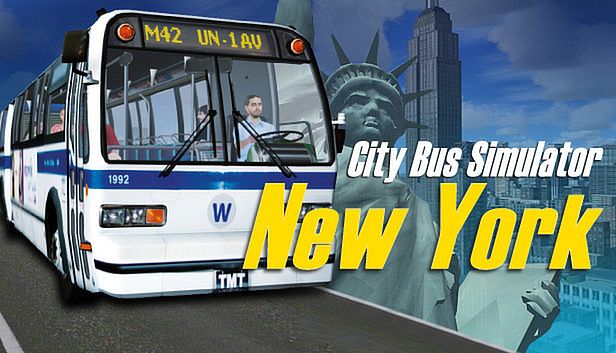














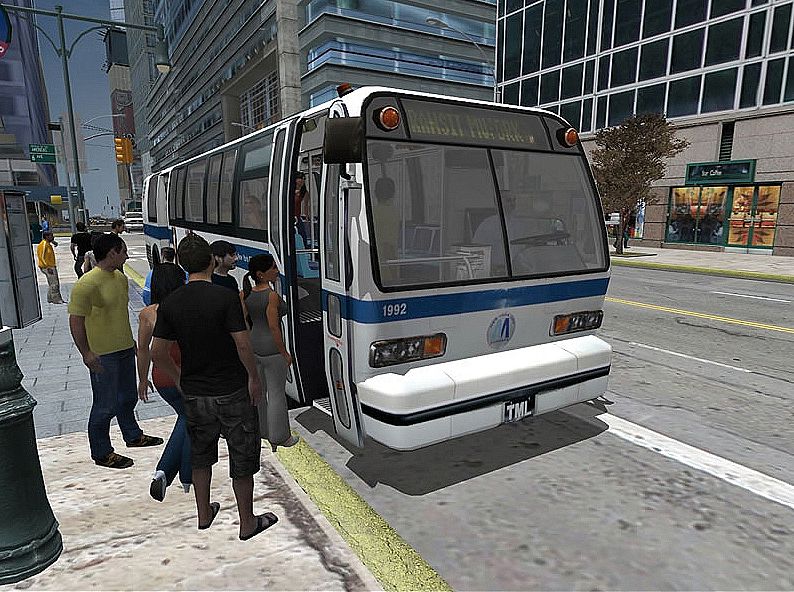
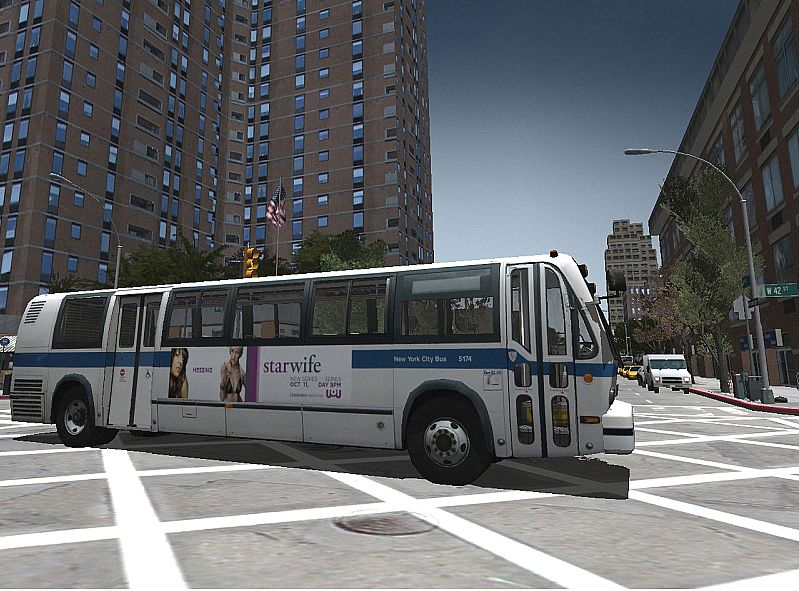
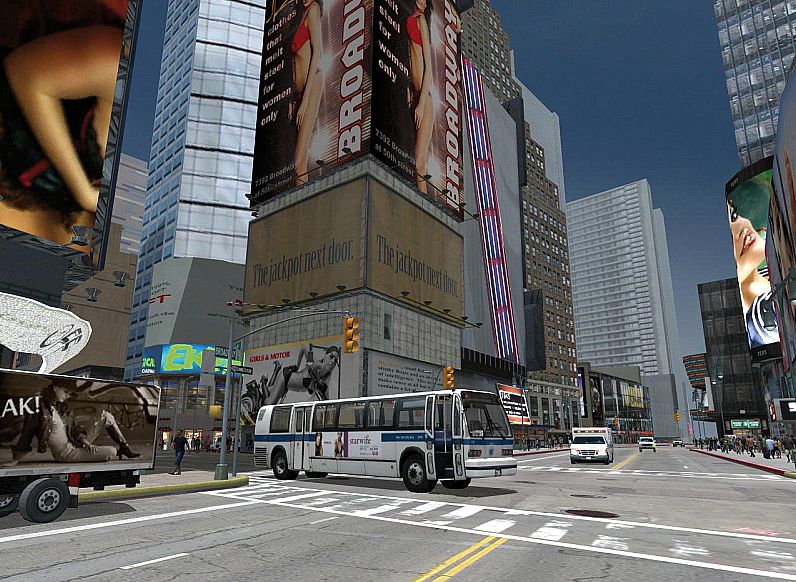
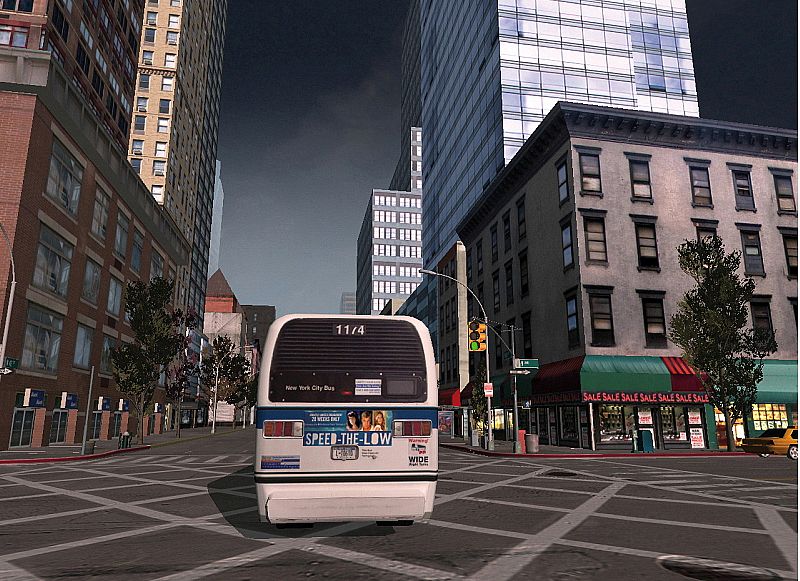
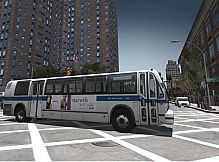
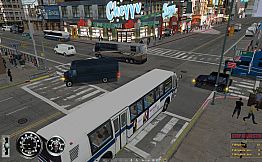

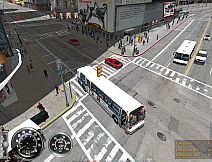
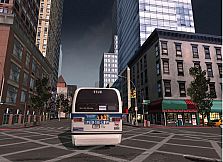
New York Bus Simulator is a single-player simulation game that places players behind the wheel of a detailed Nova RTS T 80-260 bus on Manhattan's M42 route. The experience centers on operating this iconic line that crosses 42nd Street from the Hudson River to the East River, following the original timetable while managing a full workday of driving duties in a recreated section of New York City.
Gameplay
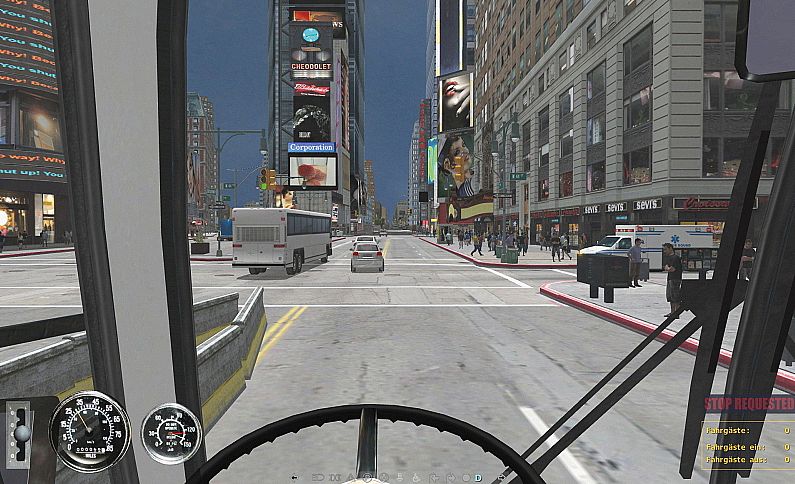
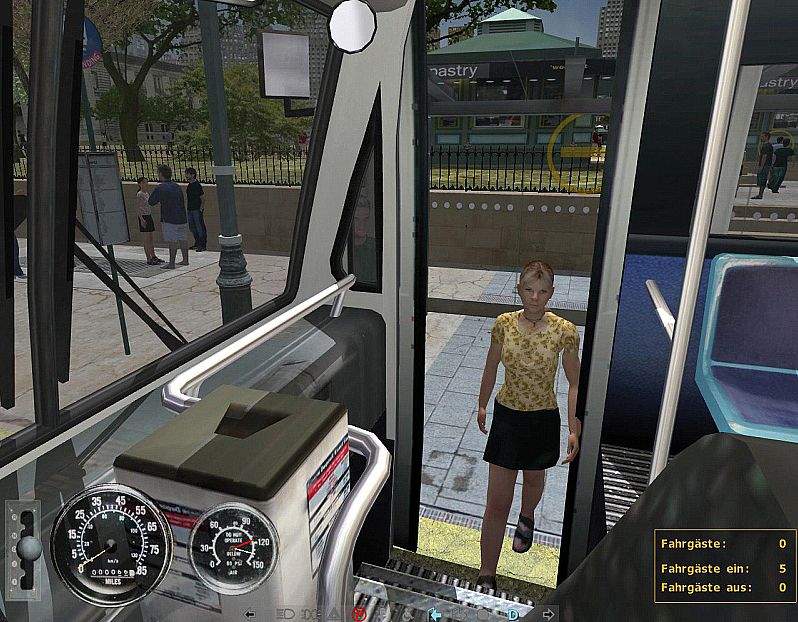
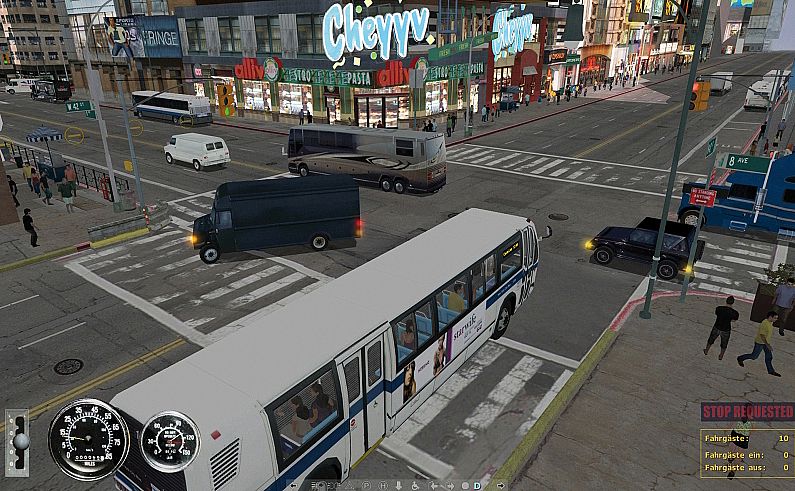
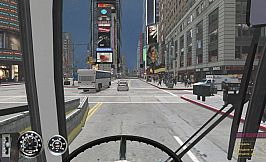
Players assume the role of Carlos, an animated and controllable bus driver character in Manhattan. The simulation includes a realistic 3D cockpit with all controls accessible and a rotatable view for monitoring surroundings. A dedicated physics engine handles vehicle behavior to reflect real driving conditions on city streets and side roads.
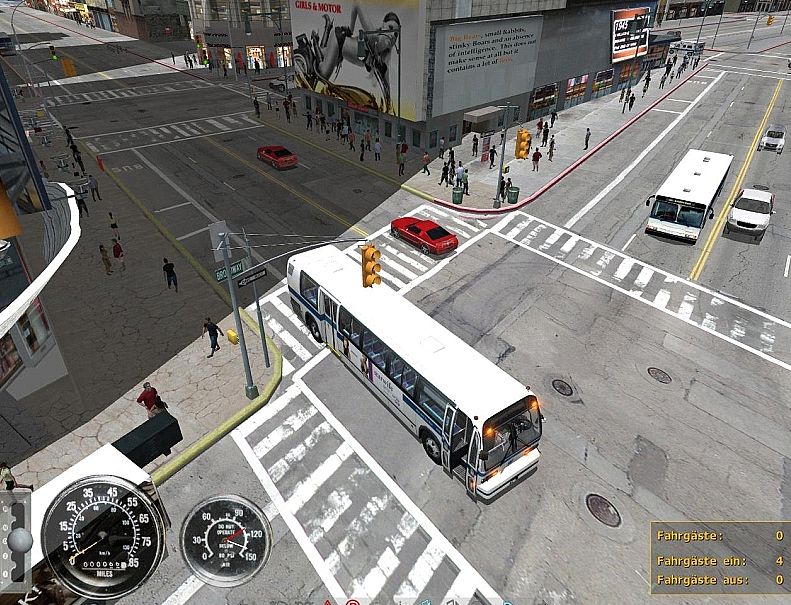
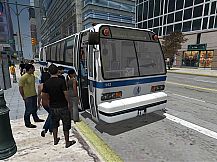
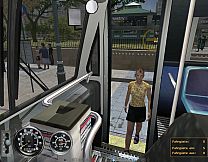
Dynamic AI traffic populates the environment, creating interactions that require attention to other vehicles. Passengers board and exit at stops with animated movements and voice output that adds to the daily routine. Six exterior camera views along with left and right mirror perspectives support situational awareness during routes.
Weather conditions and daytimes shift dynamically throughout sessions, affecting visibility and road feel. The full route, including side streets, opens for exploration right after the tutorial, allowing bus driving or on-foot movement through the area. A vehicle editor lets players customize and expand their fleet beyond the base model.
Background audio comes from the in-game virtual radio station Double Bass FM, which features over 43 tracks from various bands and artists to accompany longer shifts.
Game Modes
The core experience revolves around timetable-based driving on the M42 line, where players complete scheduled runs while responding to the variety of events that occur during a typical bus driver's shift. Numerous tasks integrated into the schedule test skills in punctuality, passenger management, and route adherence.
Exploration forms another layer, as the complete map area becomes available immediately for free-form driving or walking after initial guidance. This setup emphasizes the full workday simulation without separate named modes, keeping focus on realistic operations in the dense urban setting.
Key Features and Mechanics
Realistic passenger interactions and voice elements bring the route to life, while the physics system and AI traffic demand precise handling in traffic and at stops. The combination of fixed timetable challenges and open exploration of the 42nd Street corridor and surrounding blocks creates a grounded loop centered on professional bus operation.
Time-of-day and weather variations introduce variety to repeated runs, and the vehicle editor provides options for fleet customization to suit different preferences within the single-player framework.
Is It Worth Playing?
Player reception stands at mixed levels based on available reviews, with roughly half of users expressing positive views on the simulation depth. The game suits those seeking a focused, older-style bus driving experience with authentic route details and cockpit controls rather than modern graphical polish or additional systems.
Its strengths lie in the verified timetable integration, passenger handling, and radio soundtrack that support extended sessions for simulation enthusiasts. Those preferring contemporary visuals or broader gameplay variety may find the 2009 release limited in scope, though the core driving loop remains intact for dedicated players.