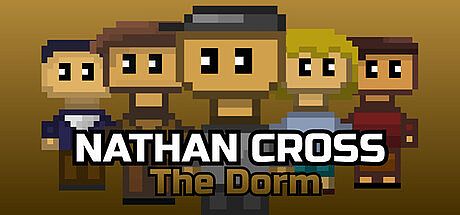


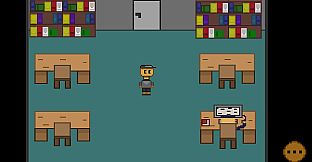
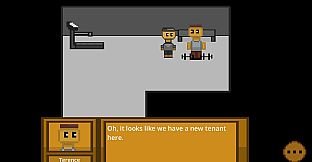
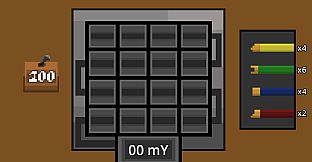
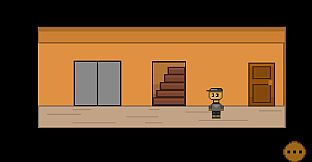
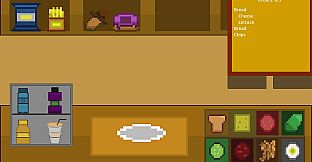
Nathan Cross: The Dorm is a point-and-click adventure game set on PC. Players take on the role of a young student who arrives in a new city and moves into an aging dormitory building where unusual events have begun to unfold. The experience centers on investigation and discovery within this confined environment, blending narrative progression with interactive challenges.
Gameplay
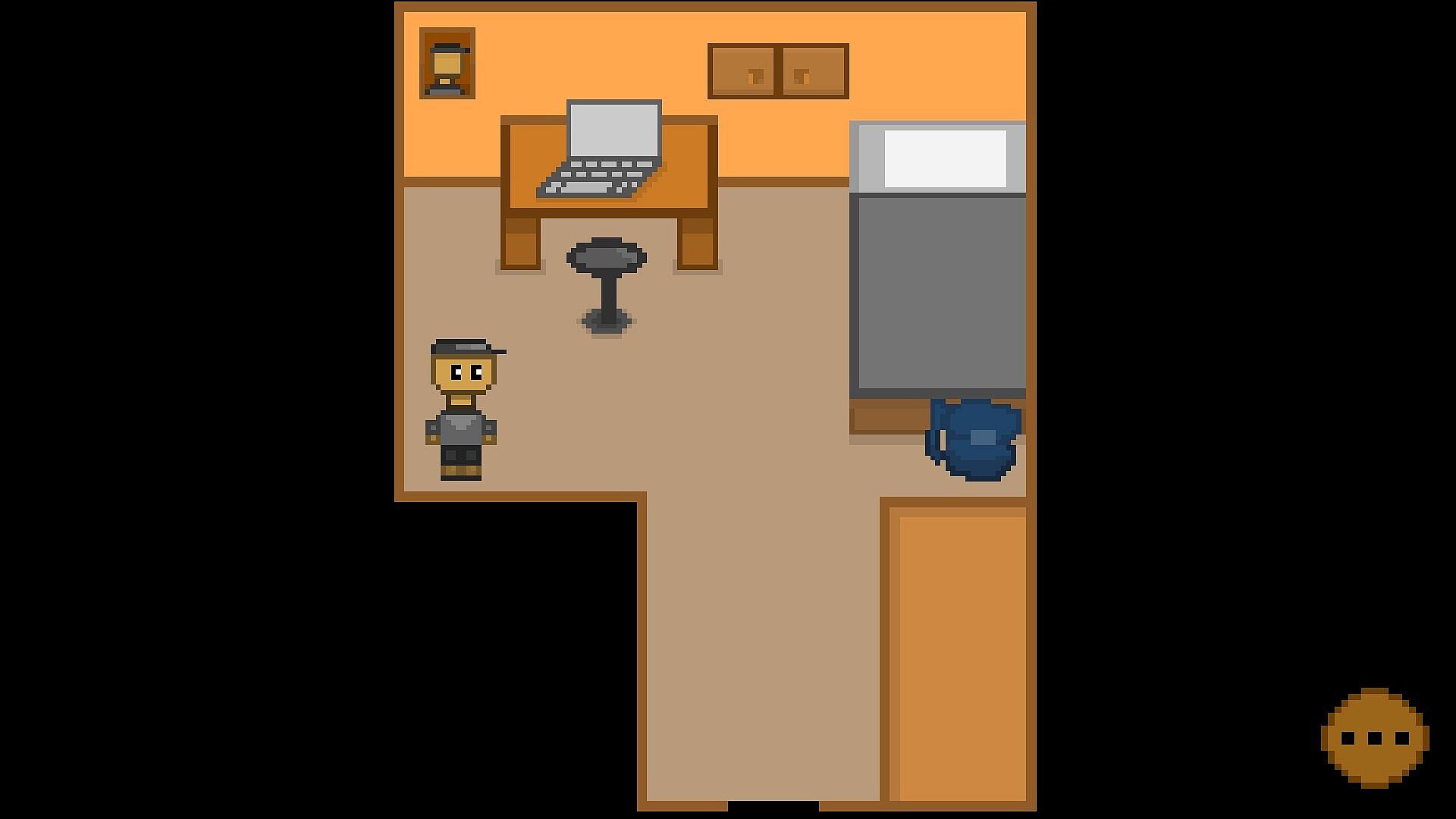
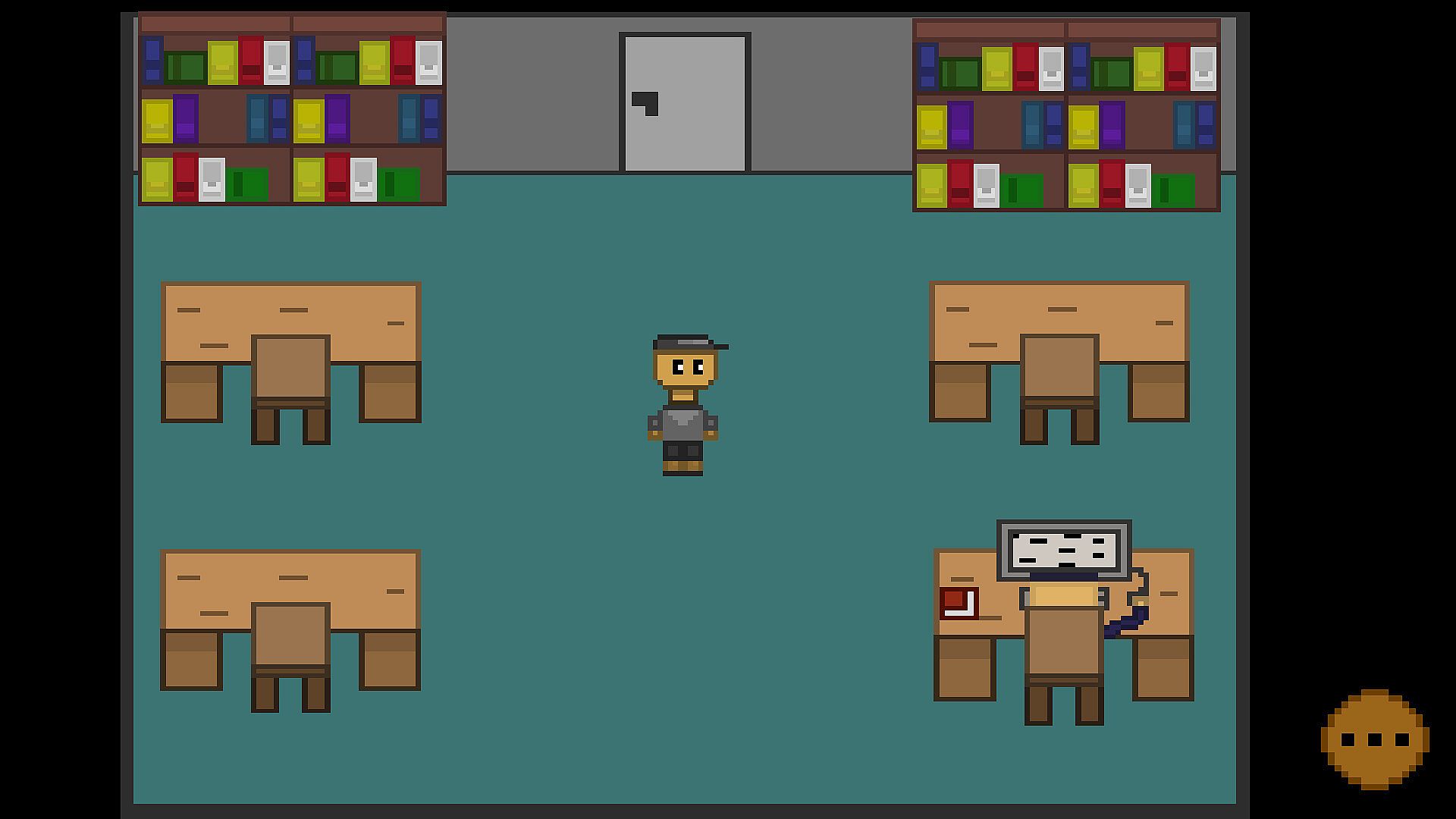
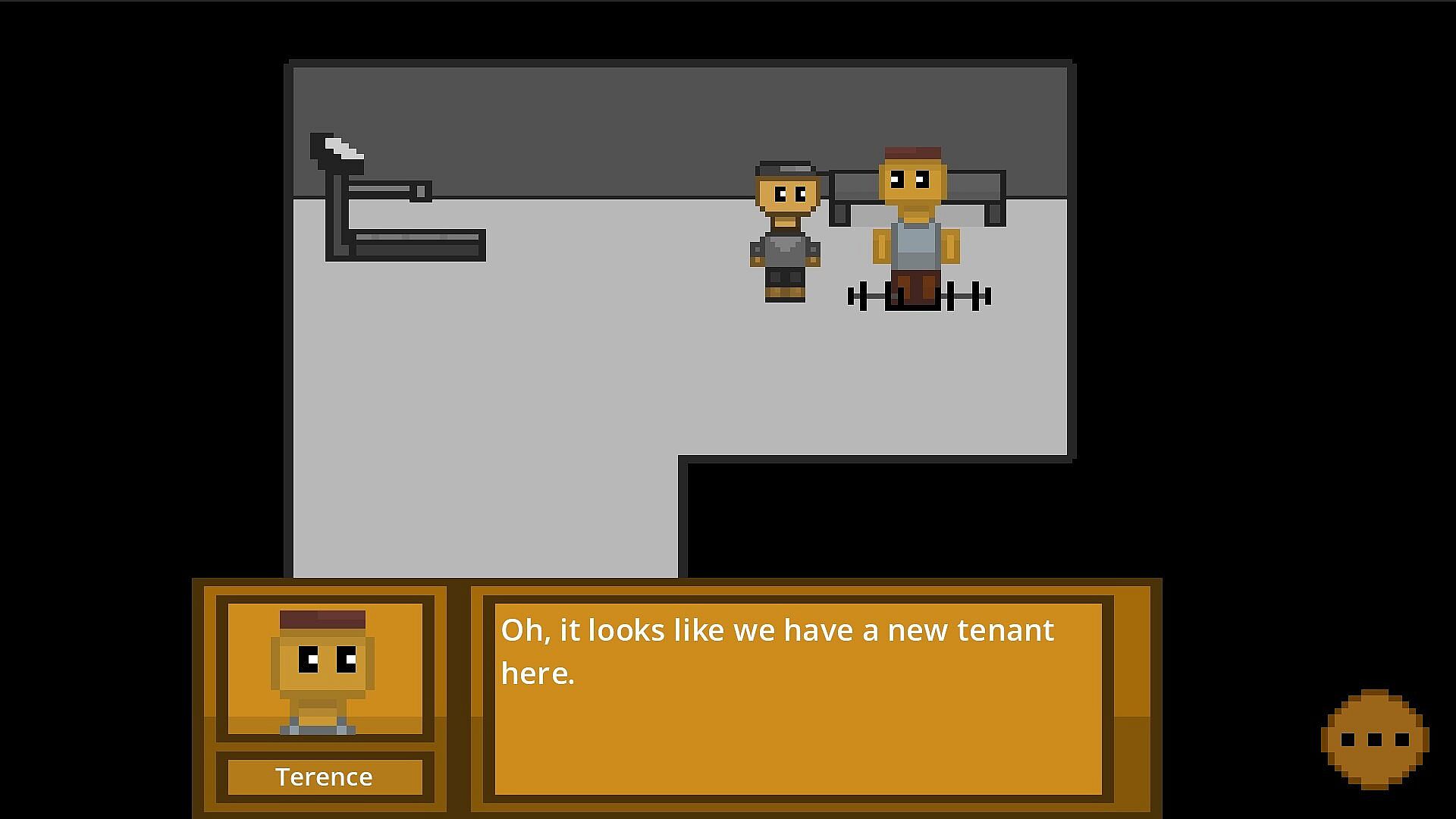
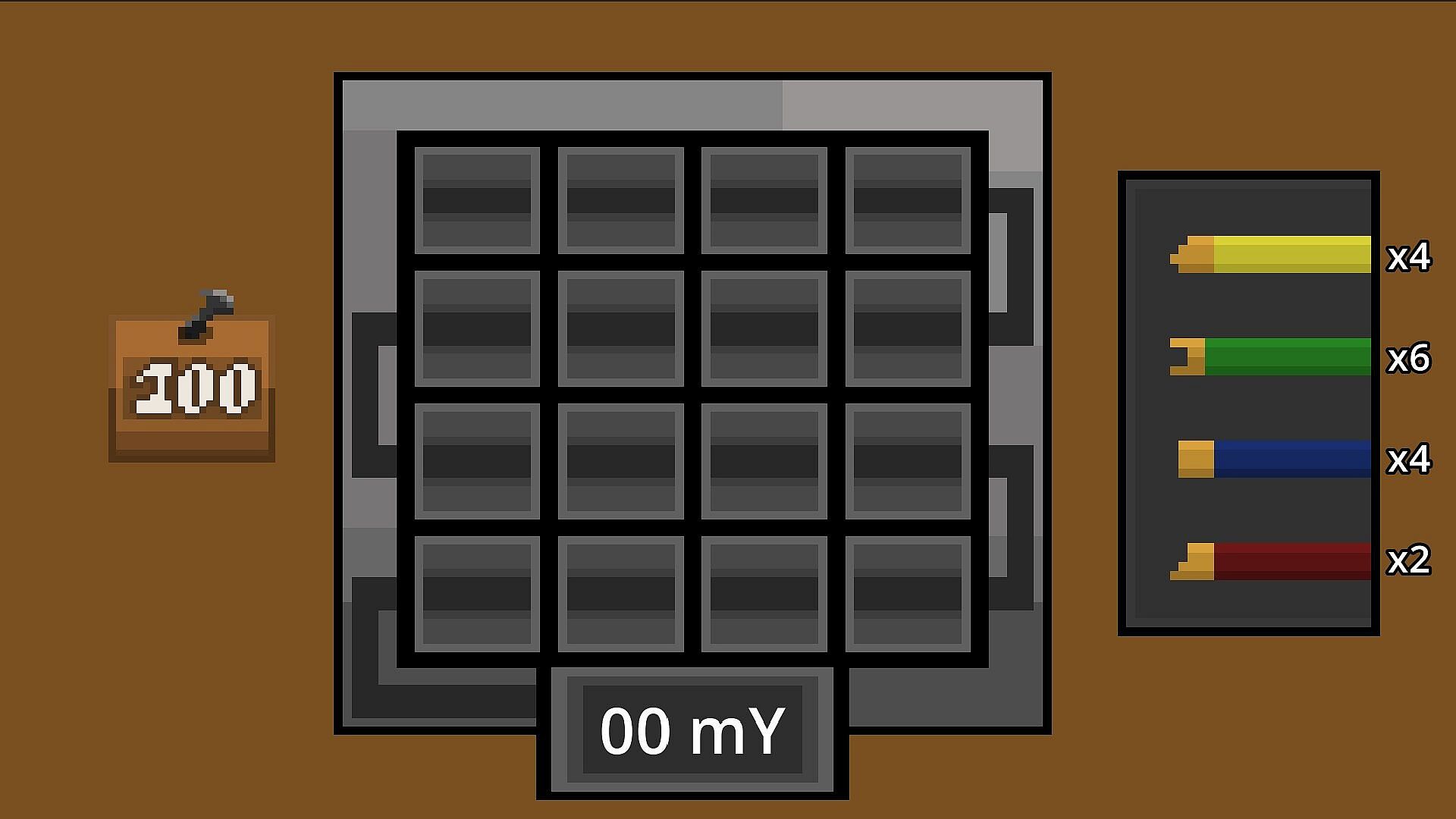
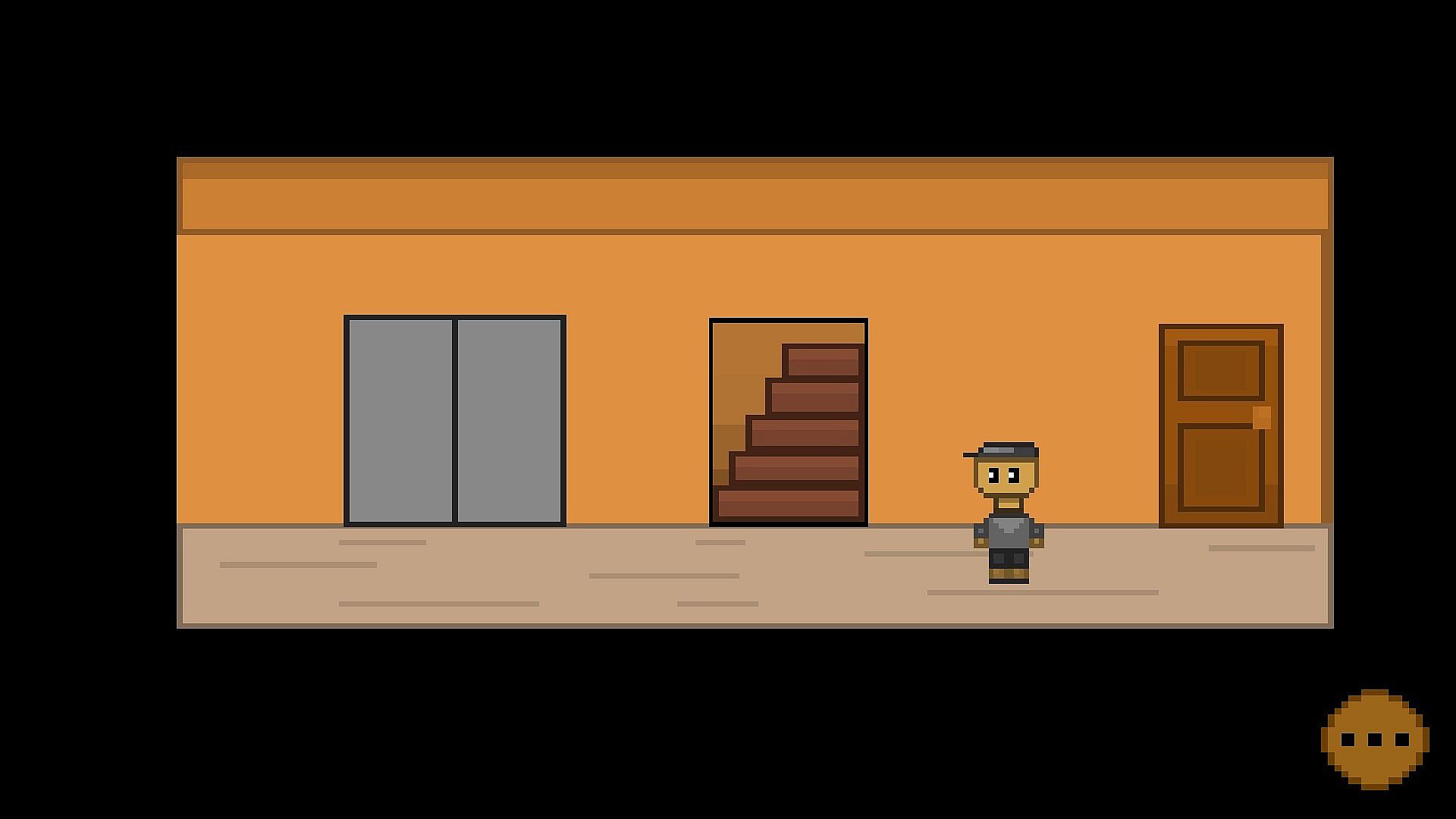
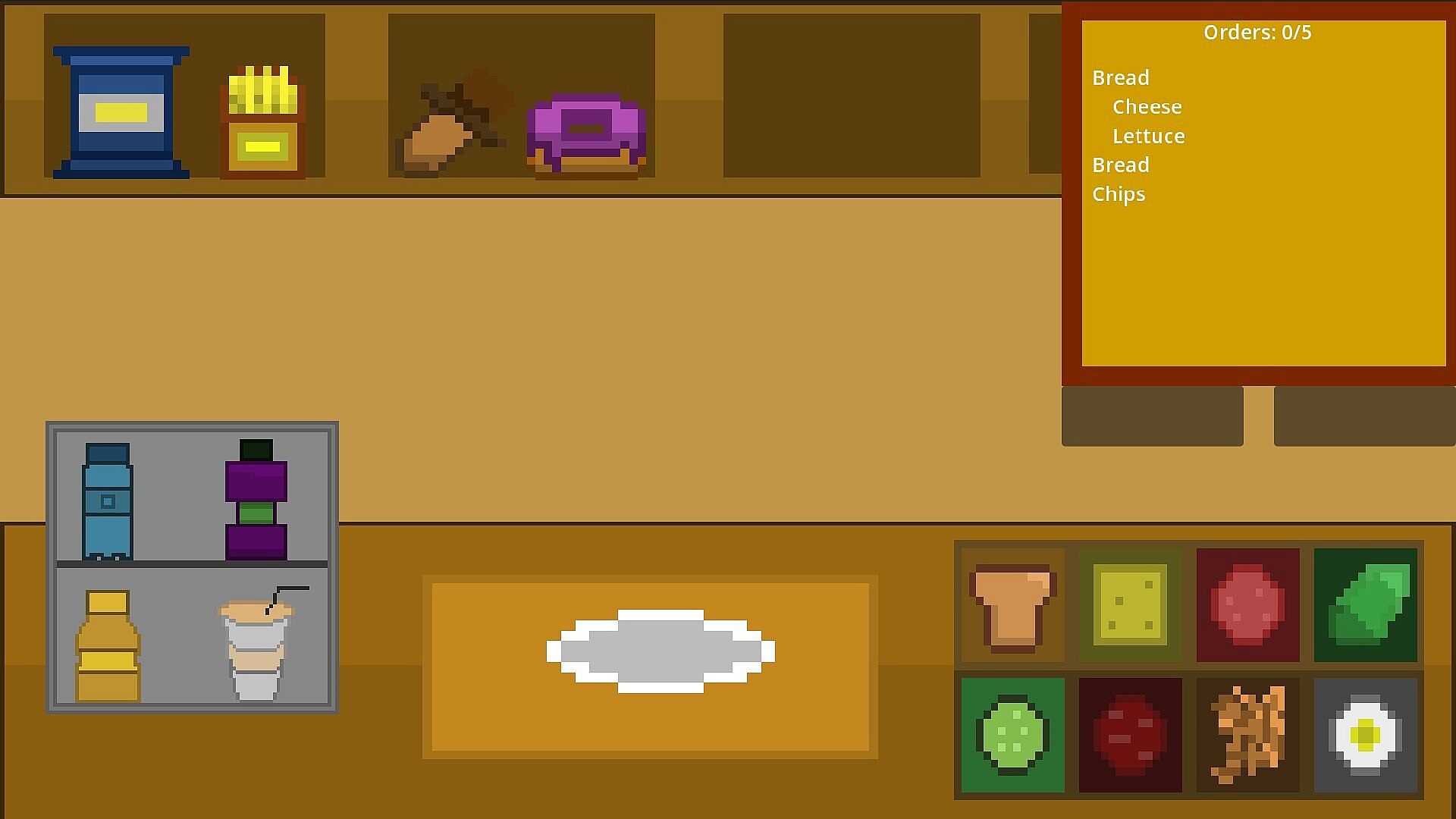
The core loop revolves around exploring the dormitory's rooms and hallways to locate clues and useful items. Players interact with a variety of residents through dialogue trees that reveal background details and advance the central mystery. Puzzles appear frequently and range from logic-based riddles to object combinations that require careful observation of the surroundings. These elements test deductive reasoning without relying on external knowledge or trial-and-error alone. Mini-games provide occasional breaks from the heavier investigative sequences, offering shorter, lighter activities that still tie into the building's atmosphere. Exploration remains deliberate, with each area yielding new information or tools that support later progress through the story.
Game Modes
The game presents a single continuous narrative experience focused on one protagonist's investigation. There are no separate competitive or cooperative modes, and progression follows a linear path through the dormitory's events. All activity stays within this single-player framework, emphasizing personal discovery over multiplayer elements or branching campaign structures.
Story and Setting
The narrative unfolds inside an old dormitory on the edge of town, where the player gradually pieces together the history of the building and the secrets held by its current residents. Dialogue choices and item collection directly influence how much information becomes available, shaping the depth of the unfolding events. The atmosphere draws from the everyday details of student life mixed with growing unease, encouraging repeated visits to previously explored spaces as new leads emerge. This structure keeps the focus on character interactions and environmental storytelling rather than action or combat sequences.
Is It Worth Playing?
Players who enjoy adventure titles built around conversation, exploration, and puzzle solving will find a consistent match in the game's structure. The combination of dialogue-driven information gathering and varied puzzle types supports steady progress through the mystery without excessive backtracking. Those seeking a contained, story-led experience on PC can approach it as a focused single-player title that balances investigative depth with lighter mini-game interludes. Reception details and ongoing updates remain limited in public records, so interest should center on the described mechanics of communication, riddles, and secret uncovering rather than expectations of live service content or large-scale multiplayer features.