




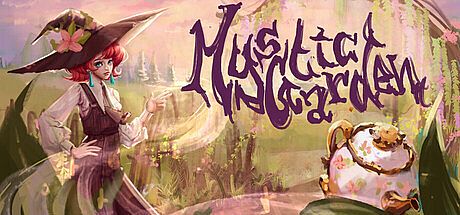



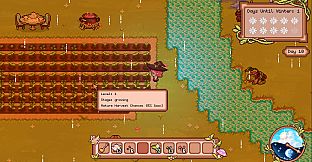

Mystic Garden is a free to play indie casual simulation game developed for PC. Players take on the role of a witch exiled from a garden for practicing sorcery and must build a new conservatory from the ground up while mastering magical abilities to tend crops and restore balance to the land.
Gameplay
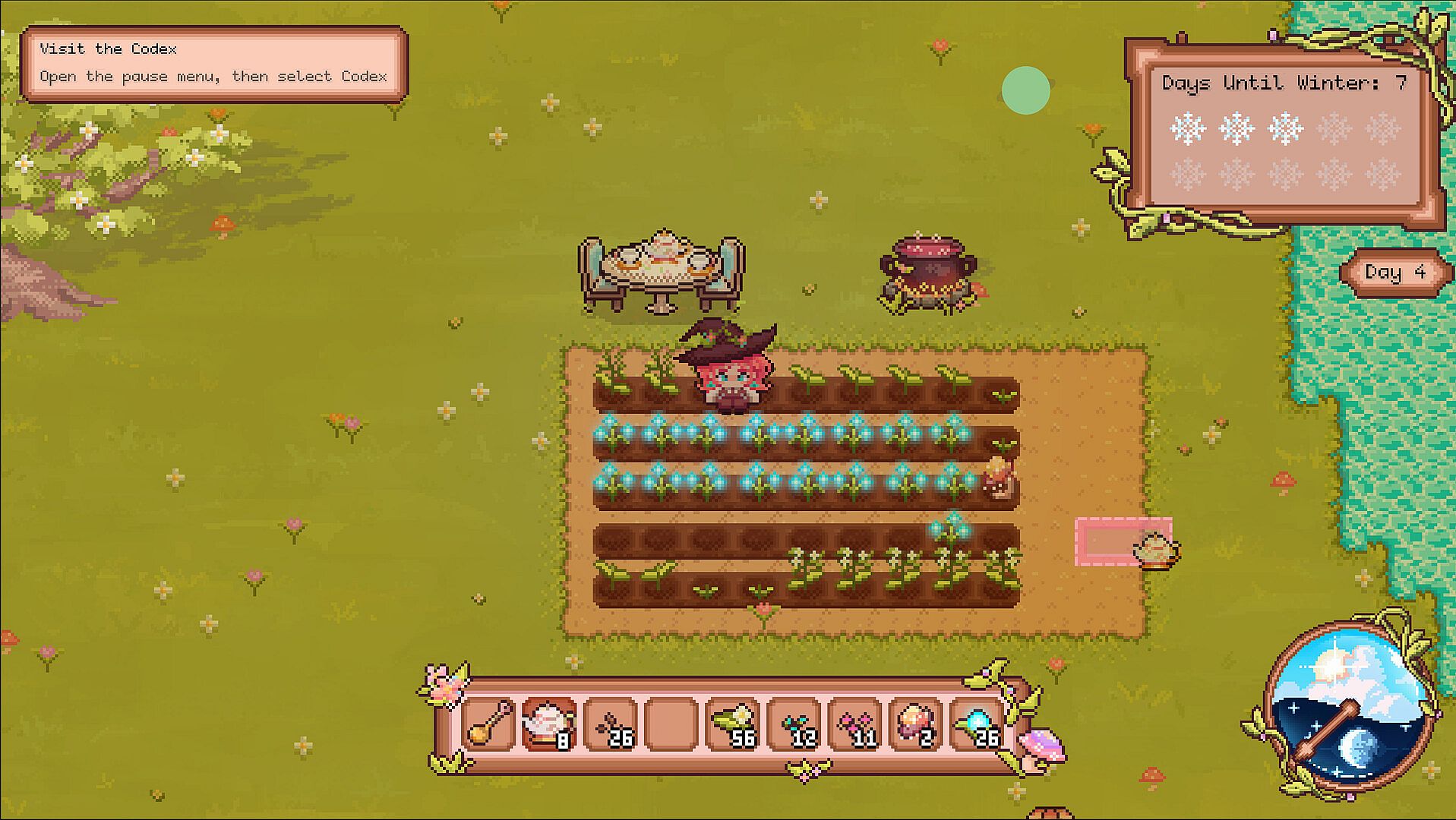
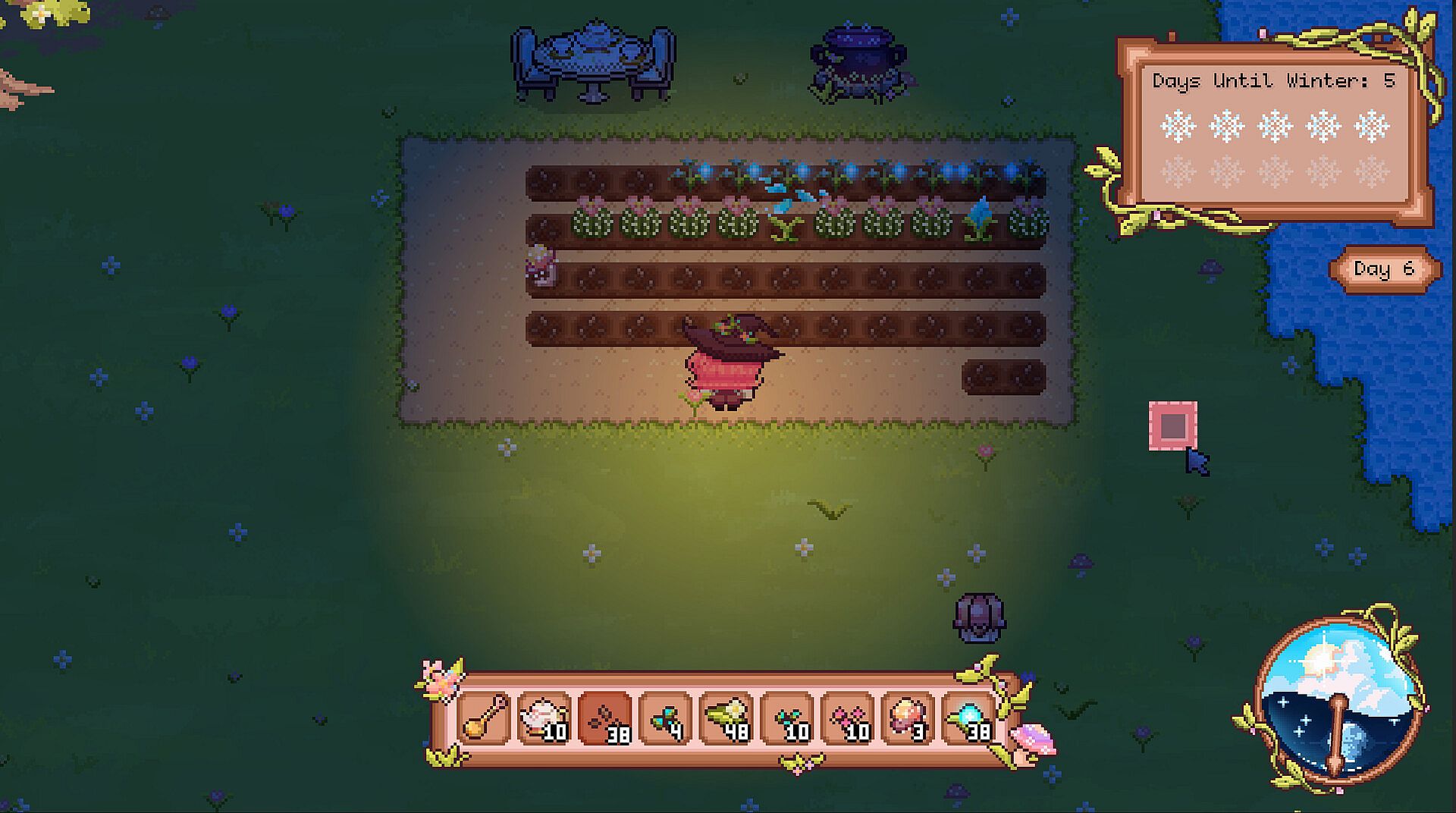
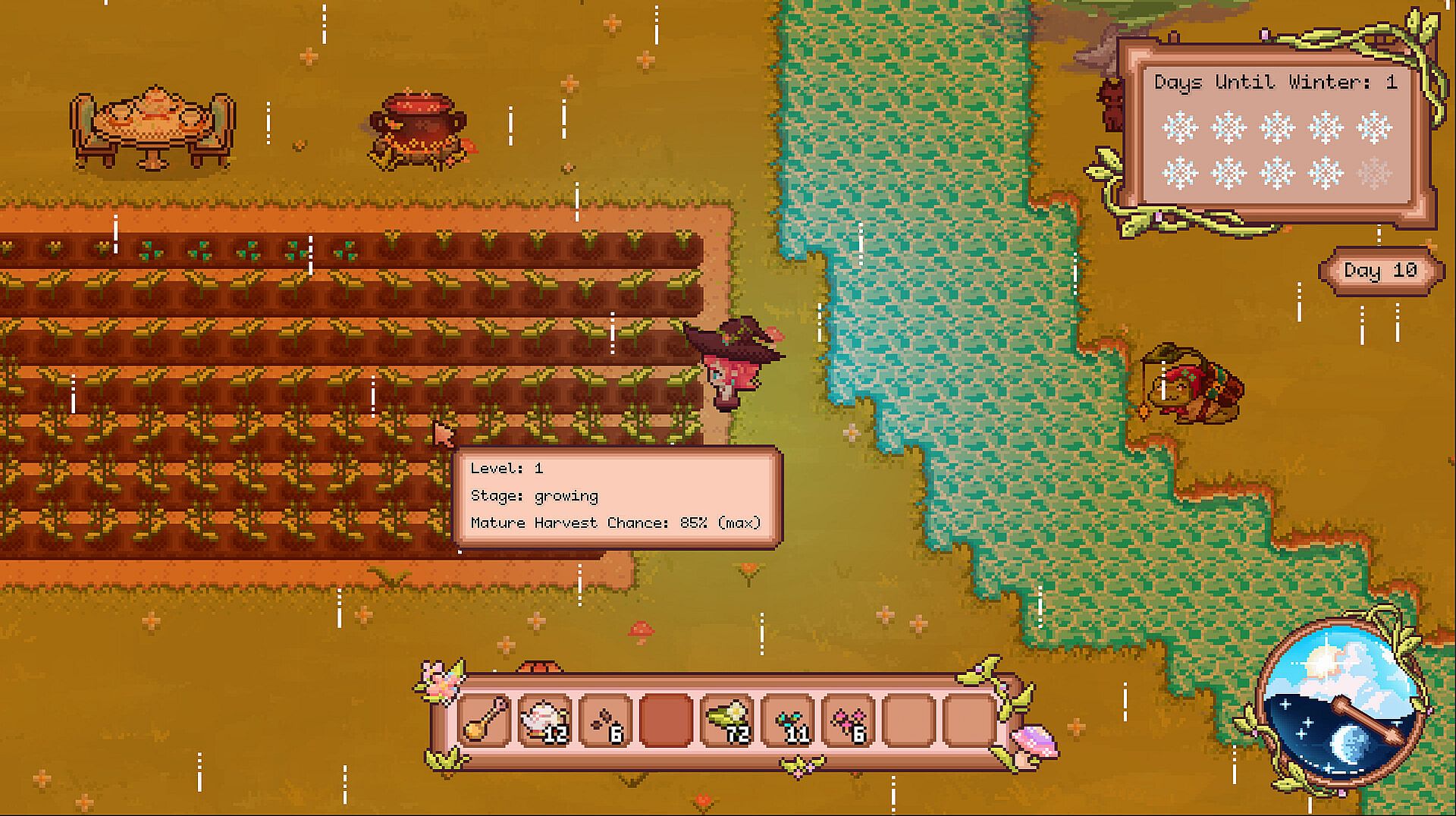
The core loop centers on managing a magical garden through planting, watering, harvesting, and resource management. Players till soil, select from a variety of seeds, and apply care to boost yields. Magical plants provide support functions such as retaining water for neighboring crops or expanding available soil through root systems. With more than twenty unique plants available, gardens can be arranged for efficiency and diversity, where each choice influences overall productivity.
Tool upgrades occur at a dedicated tea table station. Players improve watering implements like the teapot and teaspoon to cover larger areas without manual effort on every crop. These enhancements streamline daily tasks and allow focus on expansion and experimentation with plant combinations.
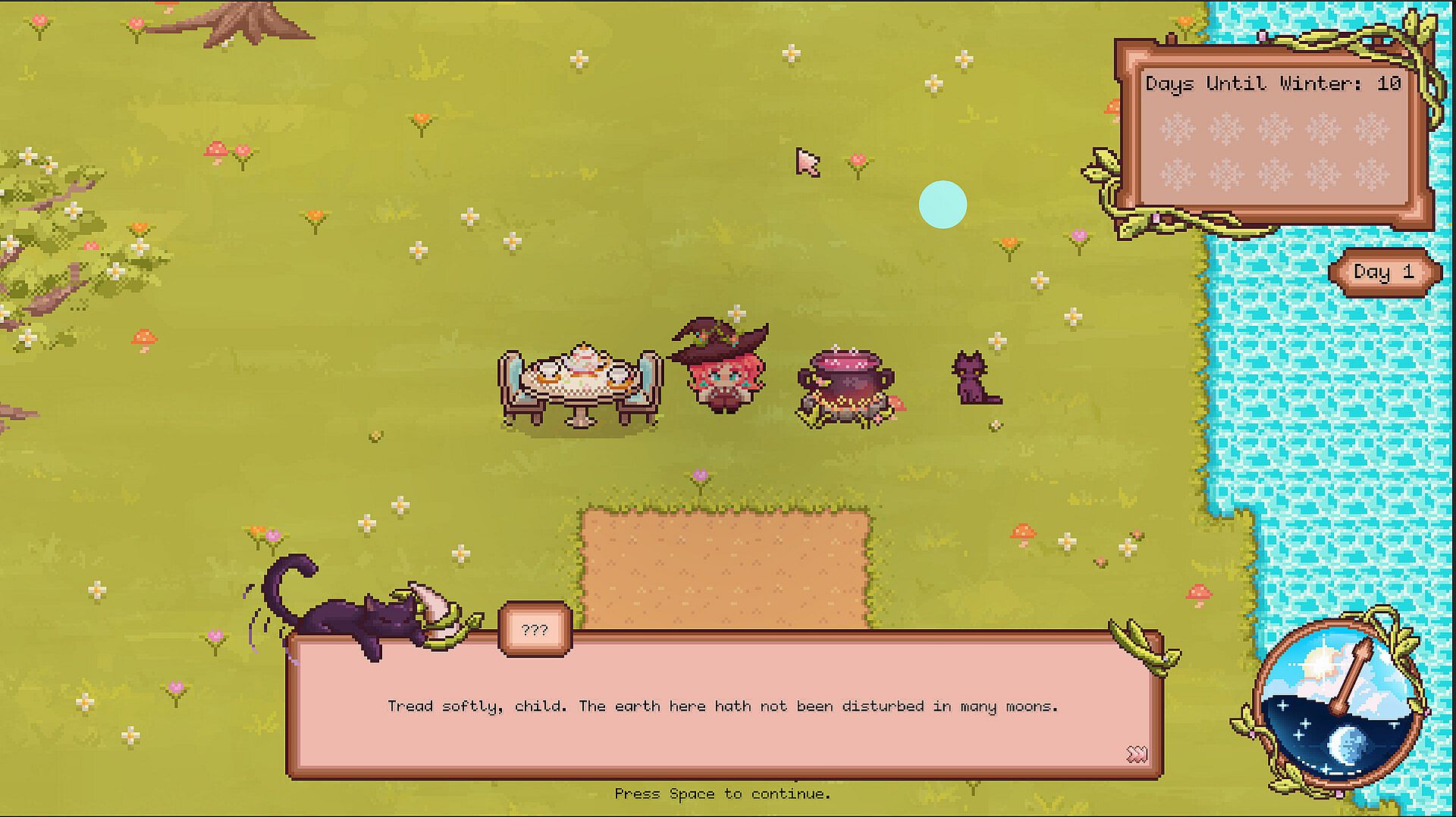
Story progression involves interacting with non player characters who offer quests and assistance. Mistral, a talking cat, provides guidance and tasks. Peeper, a former merchant, seeks help reopening a shop in exchange for specialized farming tools. Additional surprise characters appear as the garden develops, adding layers to the single player experience through dialogue and side objectives.
Game Modes
Mystic Garden operates as a single player experience with no separate competitive or multiplayer modes. The primary structure revolves around progressive garden building and blight healing in a continuous simulation format. Players advance by completing cultivation goals, crafting specific legendary items, and expanding their conservatory at their own pace.
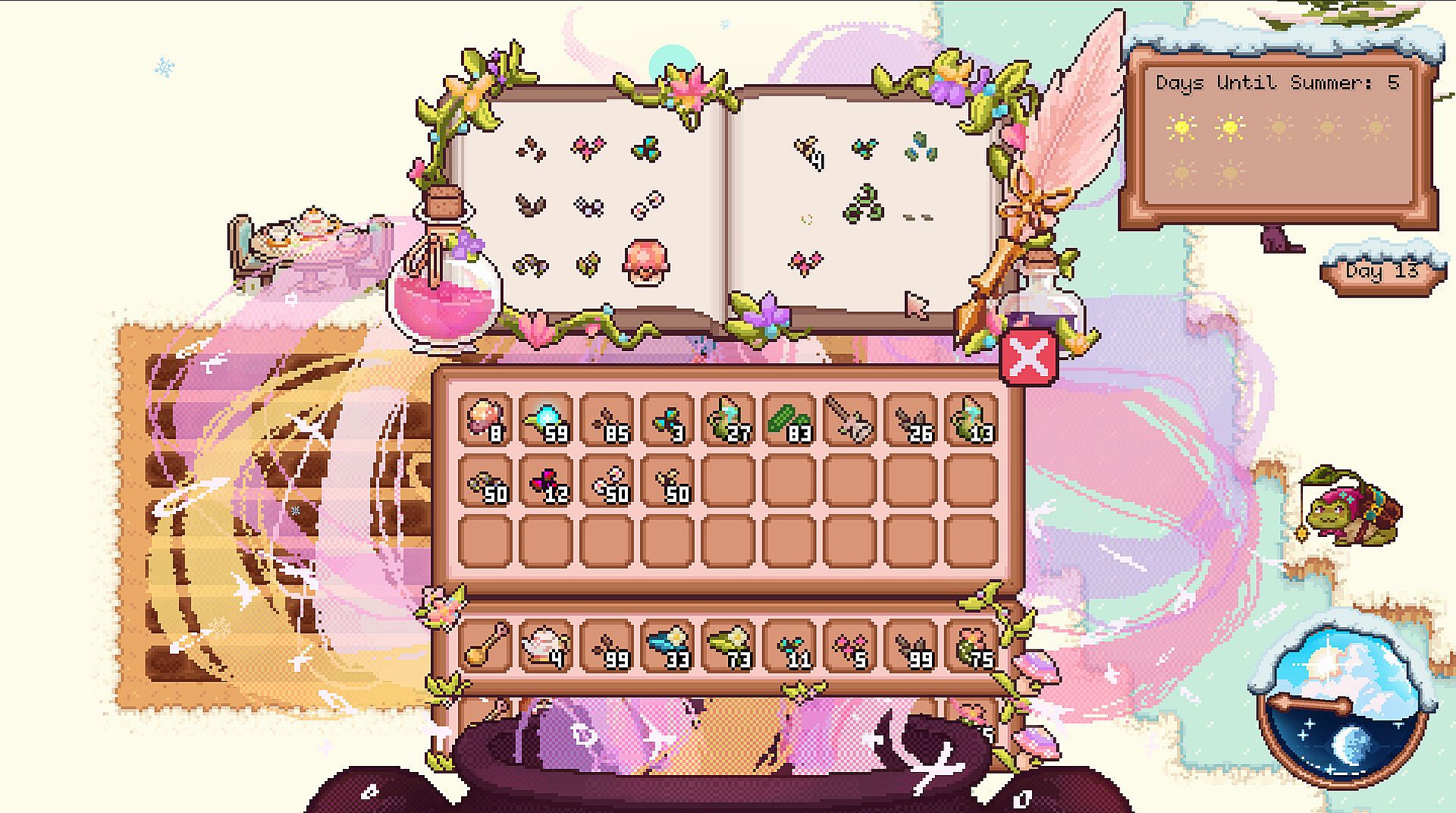
Resource management and crafting form the central activities. Seeds are created and planted to fulfill support roles, while the ultimate objective requires assembling and growing the Raphael's Lotus to address the garden's blight. This linear yet open ended progression encourages repeated visits to refine layouts and maximize output without time limited events or alternate scenarios.
Key Mechanics and Features
Magical seed crafting stands out as a distinctive system. Examples include the Caxius for water retention, the Sprinkler for automated watering, and the Flarecap for soil expansion. These plants integrate into the broader ecosystem, rewarding thoughtful placement and combinations across the over twenty available varieties.
Character interactions tie directly into progression. Quests from Mistral and Peeper yield practical rewards such as new tools, while conversations reveal more about the world's magic and the player's exile. The narrative frames all activities around proving worth as a greenskeeper through successful cultivation.
Pixel art visuals and a colorful, cute aesthetic support the relaxed simulation style. Accessibility options include full controller support, adjustable difficulty, and the ability to save at any time, allowing play sessions of varying lengths.
Is It Worth Playing?
Mystic Garden suits players who enjoy casual farming simulations with fantasy and crafting elements. The free to play model on PC removes any upfront cost barrier, and the single player focus delivers a self contained experience centered on garden management and light story elements.
Since the game has not yet released, player reception data remains unavailable. Its confirmed features emphasize steady progression through magical mechanics and character driven tasks rather than high intensity action or competitive play. Those drawn to resource management, plant experimentation, and cozy world building may find it aligns with their preferences once available.
The upcoming release on August 18, 2026, positions it as an accessible entry in the casual simulation genre for anyone interested in magical gardening without complex multiplayer systems or seasonal content cycles.











