




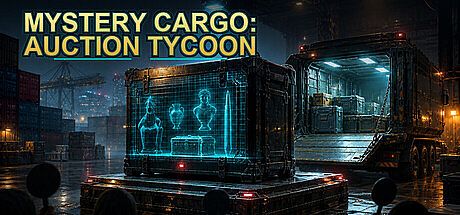


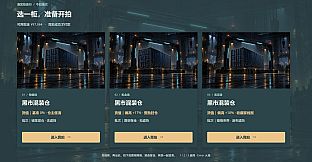
Mystery Cargo: Auction Tycoon is a single-player strategy and simulation game that places players in the role of a container auction participant on PC. The core loop revolves around bidding on sealed lots of goods, using limited observations to gauge value, then managing the revealed items through resale or storage decisions. Genres include strategy, indie, and simulation, with mechanics centered on risk assessment, opponent behavior reading, and resource management across repeated auction cycles.
Gameplay
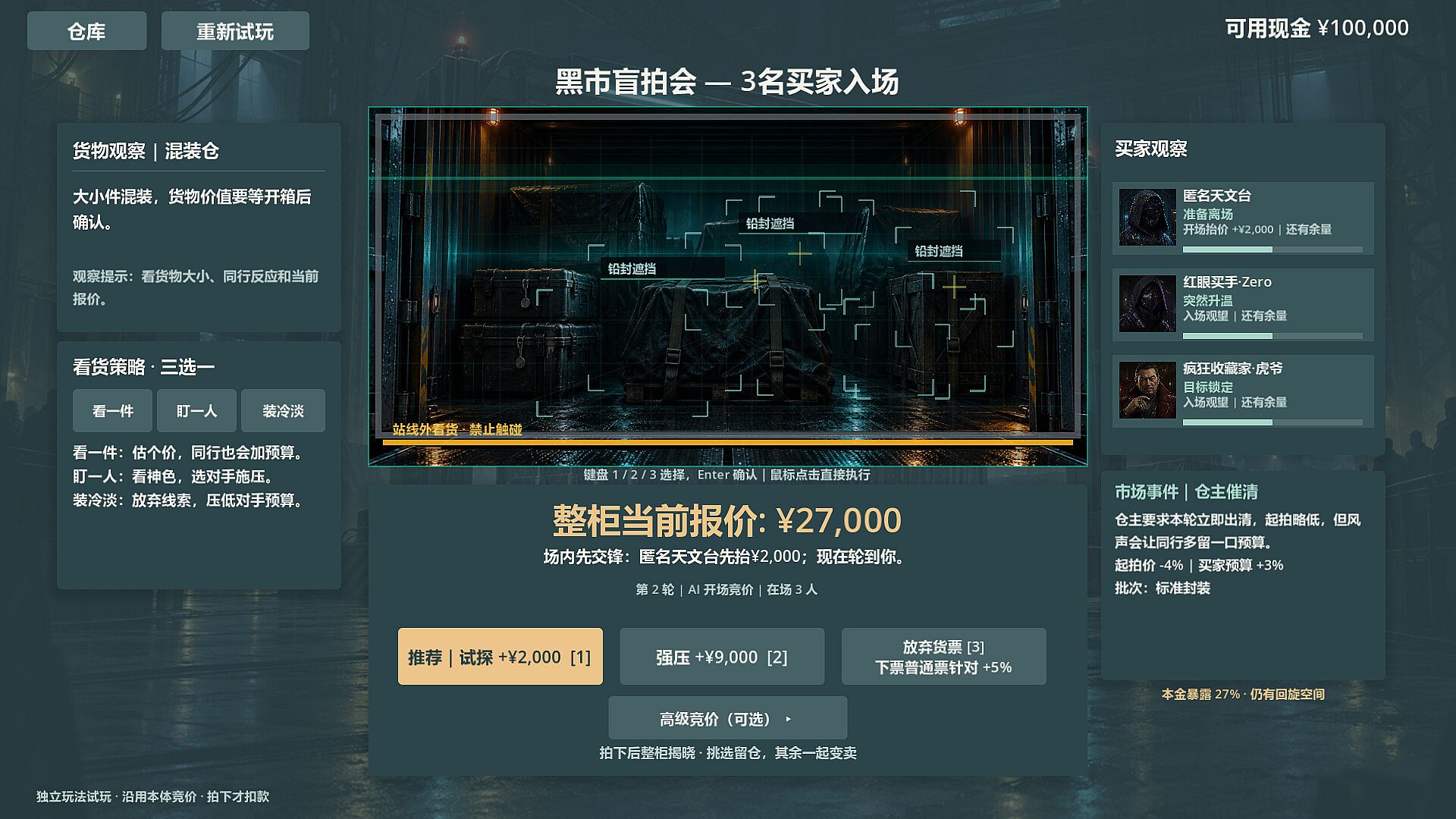
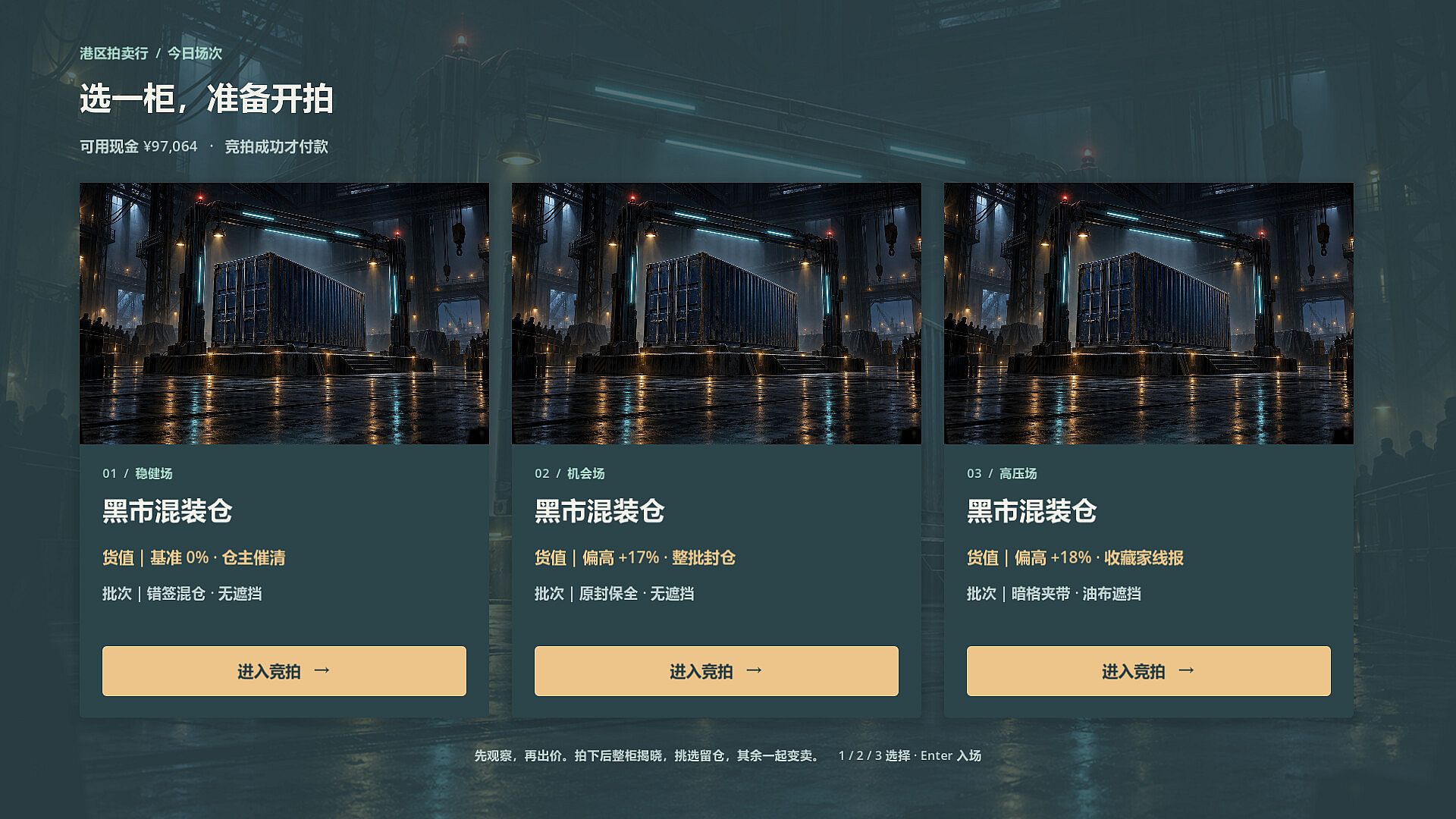
The auction phase forms the heart of each round. A container appears with visible clues about its contents, but the full haul remains hidden until after the winning bid. Three rival buyers compete for the same lot, and their bidding patterns offer indirect information. Some raise aggressively while others hesitate or drop out, providing signals that can influence strategy without guaranteeing outcomes.
Each container allows one observation action. This can involve inspecting a single item for an estimated value or studying one buyer to anticipate their next move. Observation results adjust rival budgets in real time, adding a layer of tactical choice before bidding begins. Bidding itself offers several paths: incremental raises, aggressive jumps, or immediate withdrawal. Proxy bidding sets a personal maximum, with payment only required upon winning.
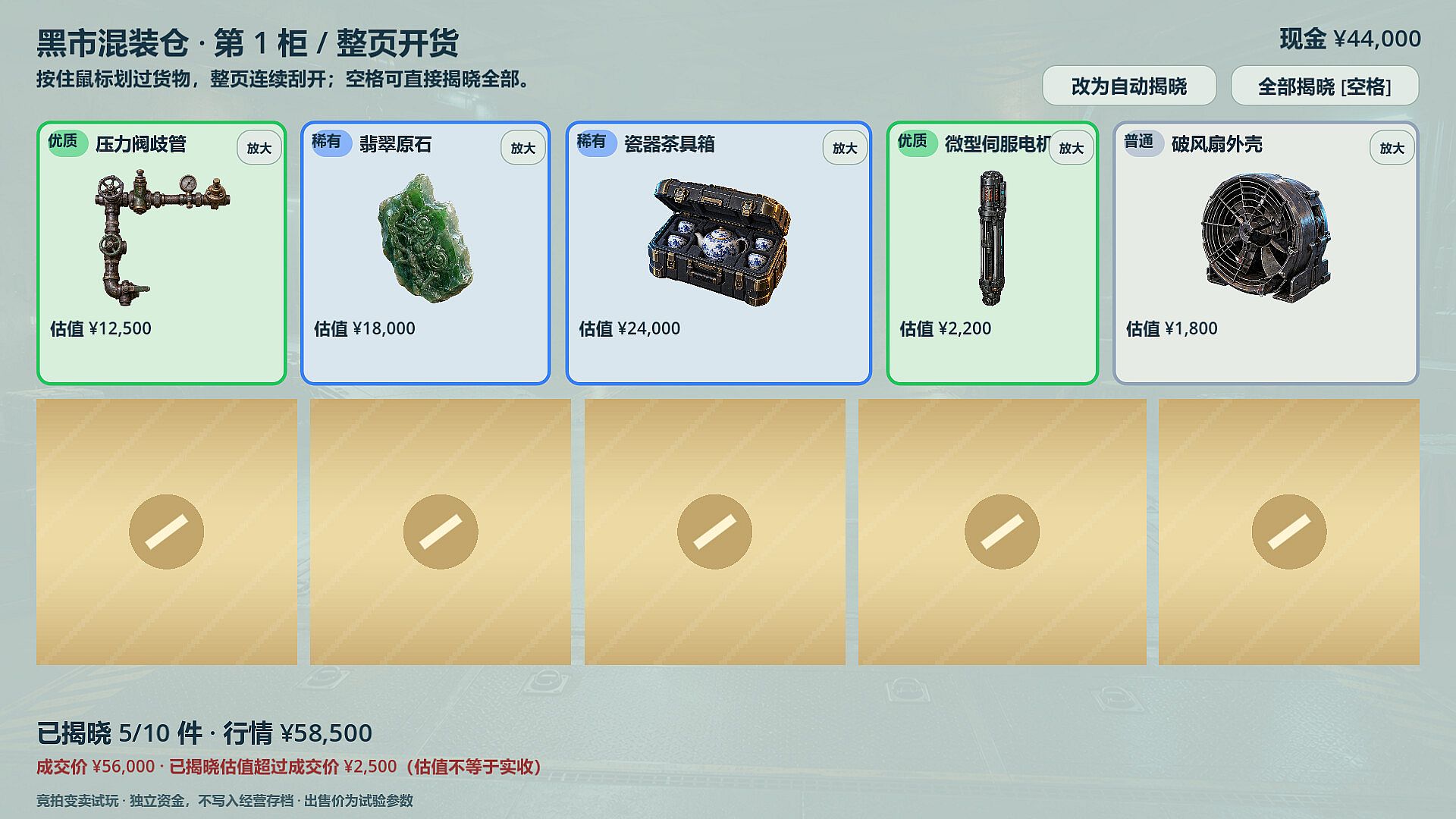
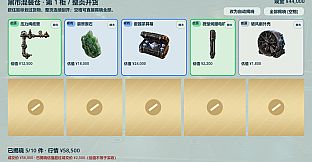
Once the auction concludes, the entire lot reveals on a single screen. Players drag to scratch away coverings on individual items, uncovering full images and rarity indicators. An automatic reveal option sequences the process, while a skip function advances quickly. Each uncovered item contributes to a running valuation total that remains incomplete until the final reveal.
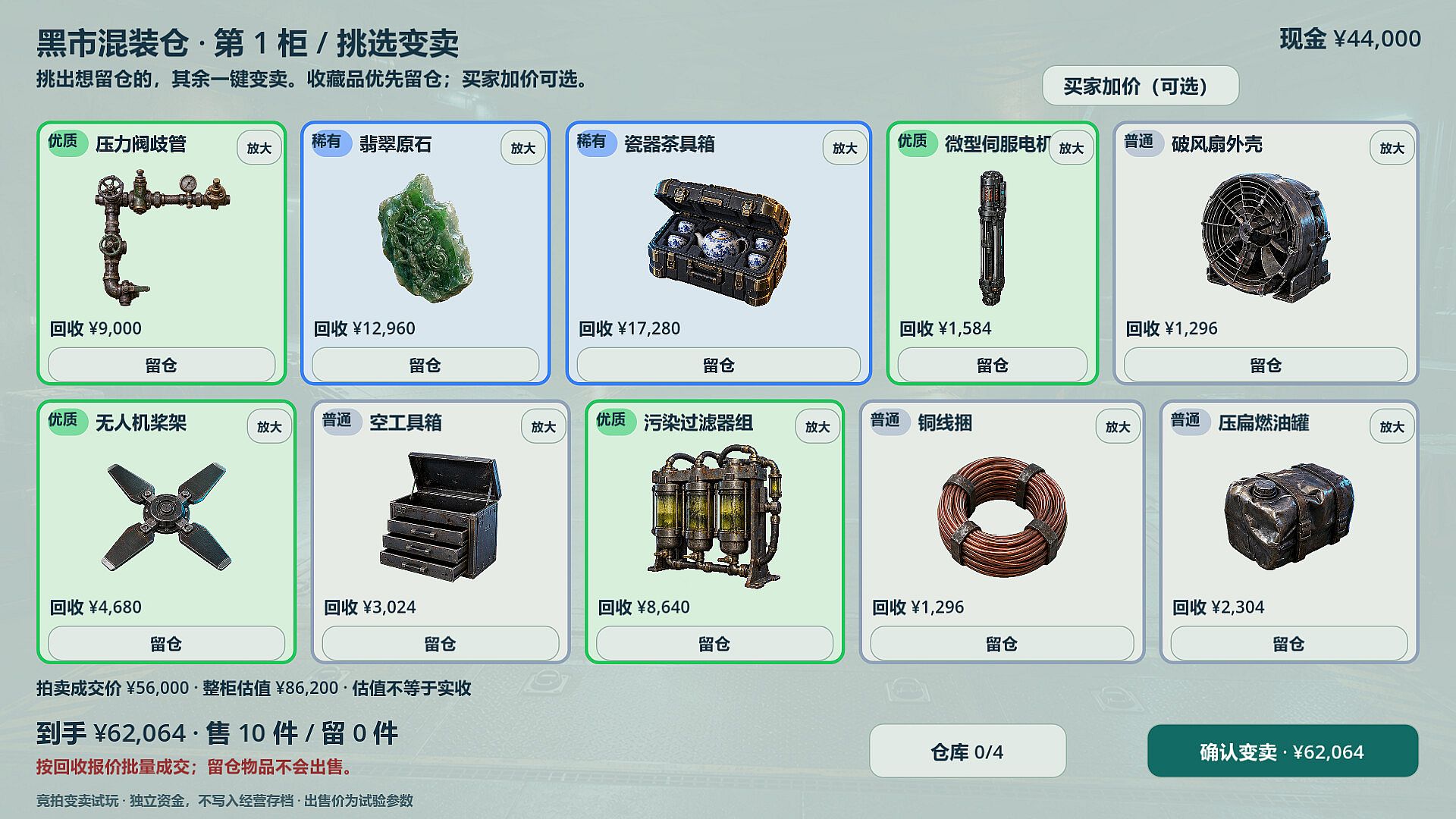
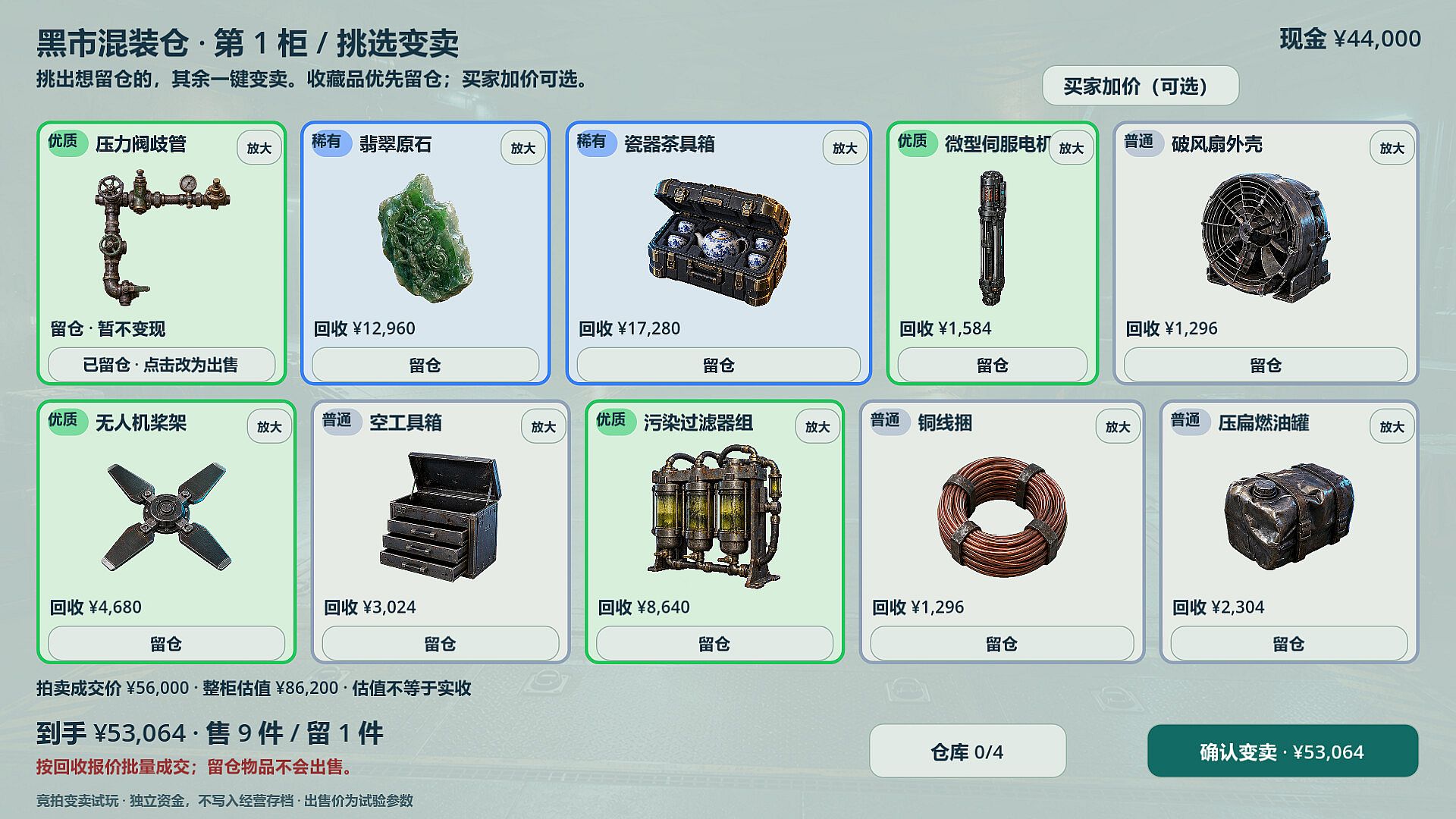
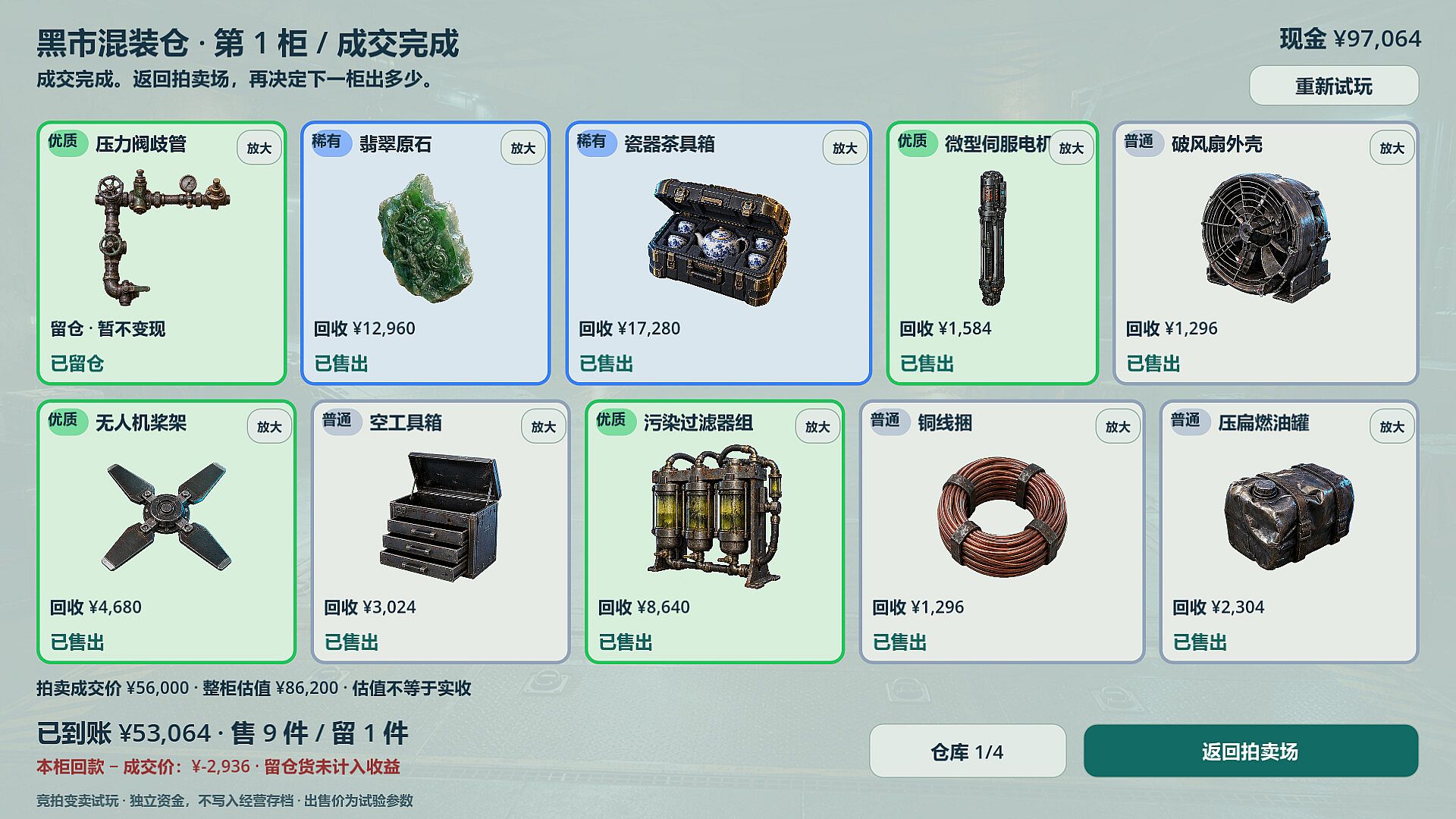
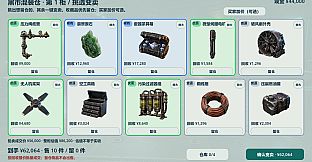
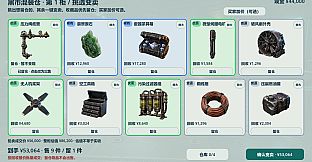
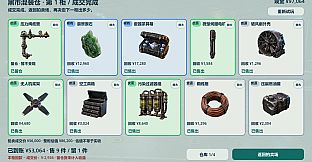
Post-reveal decisions focus on warehouse allocation. Selected items move into limited storage space for potential future use or sale, while the remainder sells in a single batch to specialized buyers. Antique and machinery specialists pay premiums for matching goods but operate under budget and quantity caps. Retained items forgo immediate cash, creating ongoing trade-offs between liquidity for future auctions and long-term holdings.
Game Modes
The game operates entirely as a single-player experience with no multiplayer components. Progression follows a repeating cycle of auction participation, item revelation, selective storage, and resale. Each container represents an independent challenge within this loop, with cash carried forward to fund subsequent bids. Warehouse constraints and buyer limitations introduce variety across sessions without altering the fundamental single-player structure.
Optional proxy bidding and observation choices allow different approaches to the same container, encouraging experimentation within the core auction format. The absence of separate named modes keeps focus on refining bidding intuition and resale timing over repeated plays.
Key Mechanics and Decision Making
Observation and bidding interact directly with rival behavior. Selecting an item for inspection raises the perceived value for all participants, while buyer analysis can pressure specific competitors or reduce overall competition. These tools operate once per container, forcing prioritization based on visible clues.
Profit verification occurs after every sale batch. The final proceeds compare against the original bid cost, highlighting that high valuations do not always translate to net gains. Extra bids from aggressive competition can erase margins even on strong individual finds. Sorting the warehouse between rounds prepares for the next container while respecting space limits.
Item rarity colors and buyer preferences guide retention choices. Keeping high-potential pieces requires sacrificing immediate revenue, and the next auction always demands fresh capital. This balance between short-term cash flow and selective accumulation defines long-term progress.
Is It Worth Playing?
Players who enjoy deliberate strategy and simulation titles focused on auctions and inventory management will find a consistent experience here. The single-player loop rewards careful observation and measured risk without requiring external knowledge or prior series familiarity. Limited warehouse space and buyer budgets create natural tension across sessions, while the reveal process adds tactile satisfaction to each outcome.
The game suits those comfortable with repeated decision cycles rather than fast-paced action or narrative elements. Cash management and opponent reading form the primary skill ceiling, with each container offering fresh opportunities to refine approach. Availability on PC supports straightforward access for interested strategy fans seeking a focused indie simulation.











