


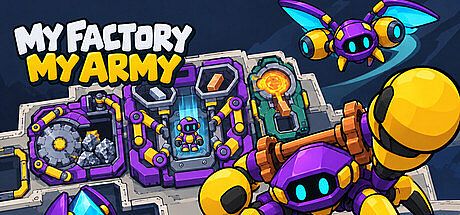


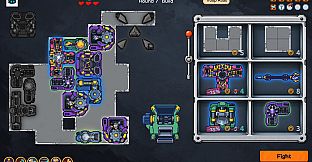
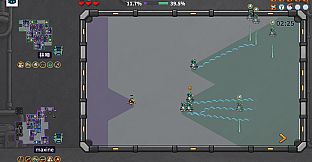
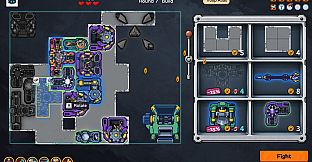
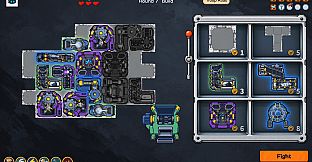
My Factory, My Army is a strategy, indie, and simulation game for PC that combines factory layout design with ongoing army production and combat. Players arrange machines on a grid to process materials into troops, creating efficient production lines that supply reinforcements during fights. The core loop revolves around optimizing space, material flows, and upgrades to sustain an army that continues generating units even as battles unfold on the field.
Gameplay
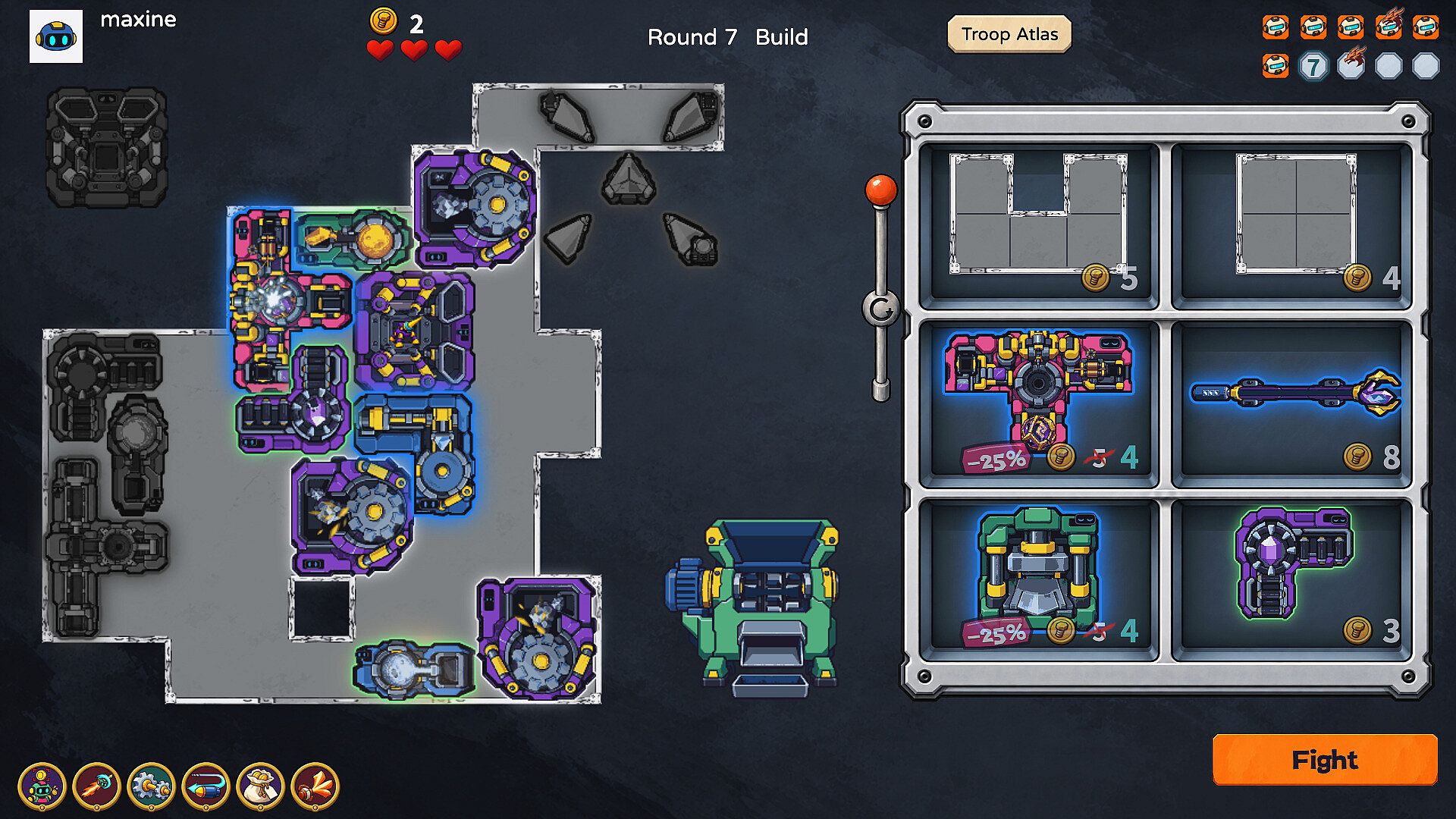
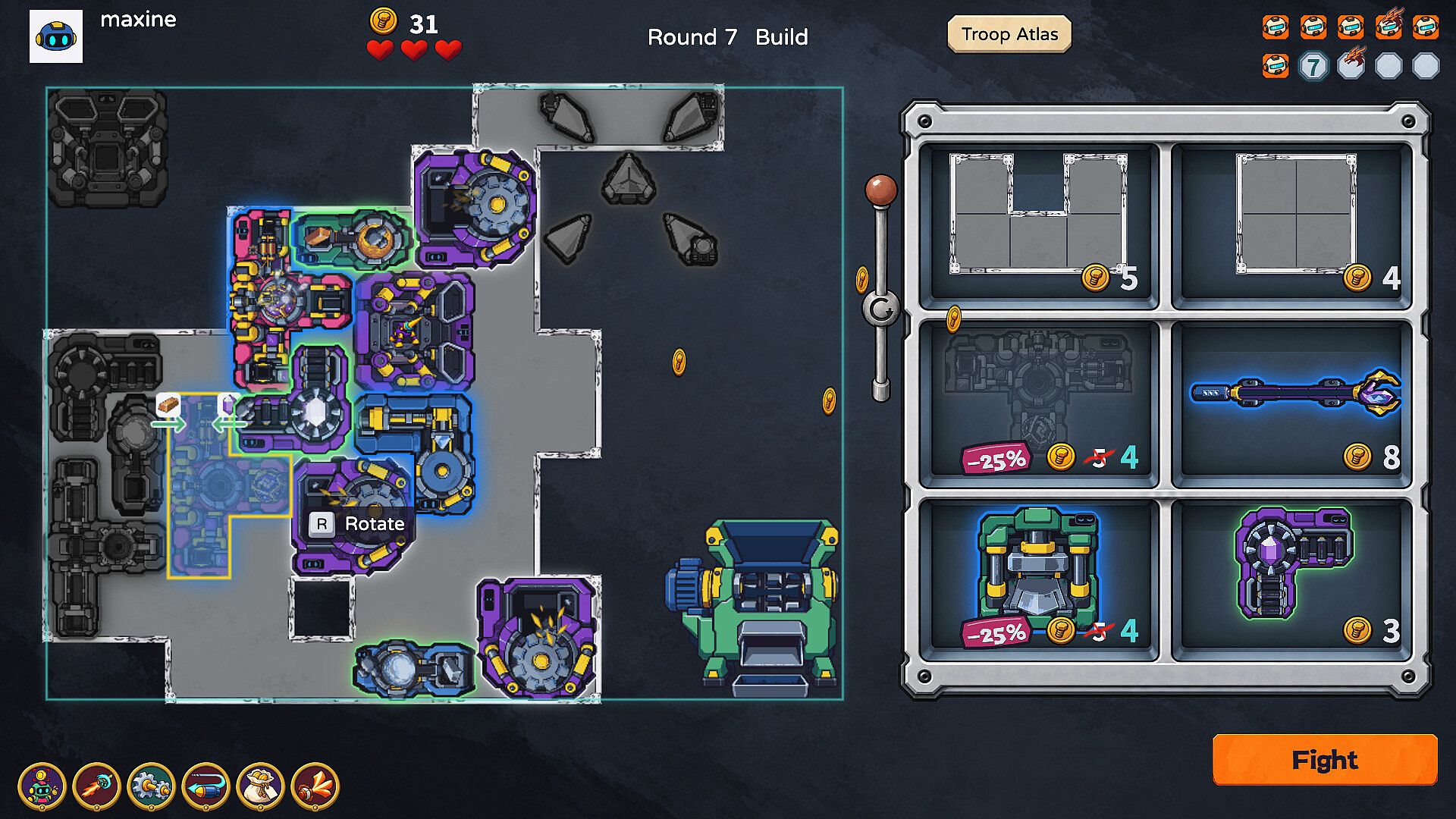
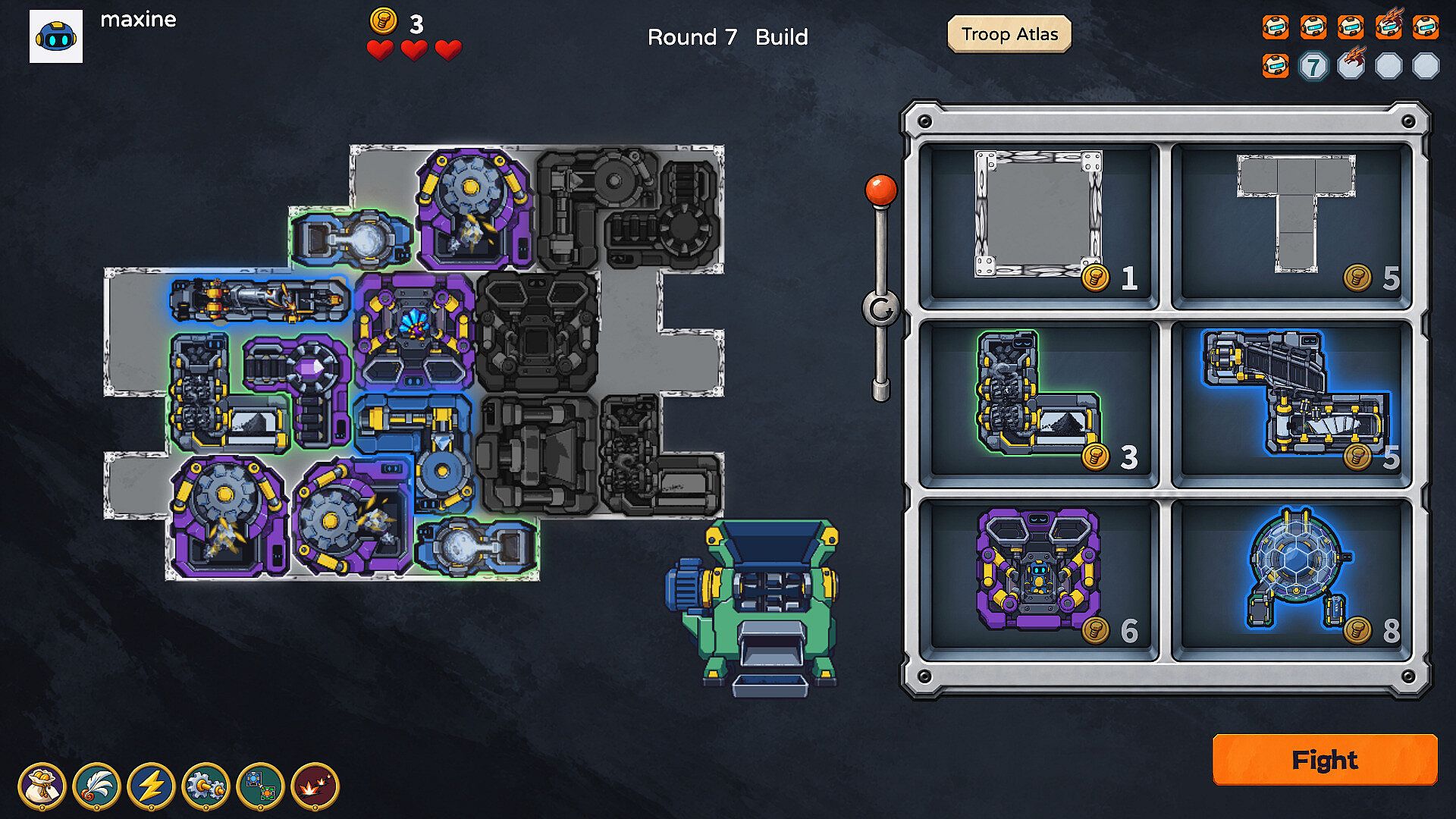
Factory building forms the foundation of every engagement. Machines must fit into available spaces on the floor grid, and players rotate them or expand the layout with additional floor tiles to accommodate more equipment. Coins earned during play fund new machines, extra floor space, or rerolls in the shop to refresh available options. Materials move automatically between connected machines, turning raw inputs into finished troops without constant manual intervention.
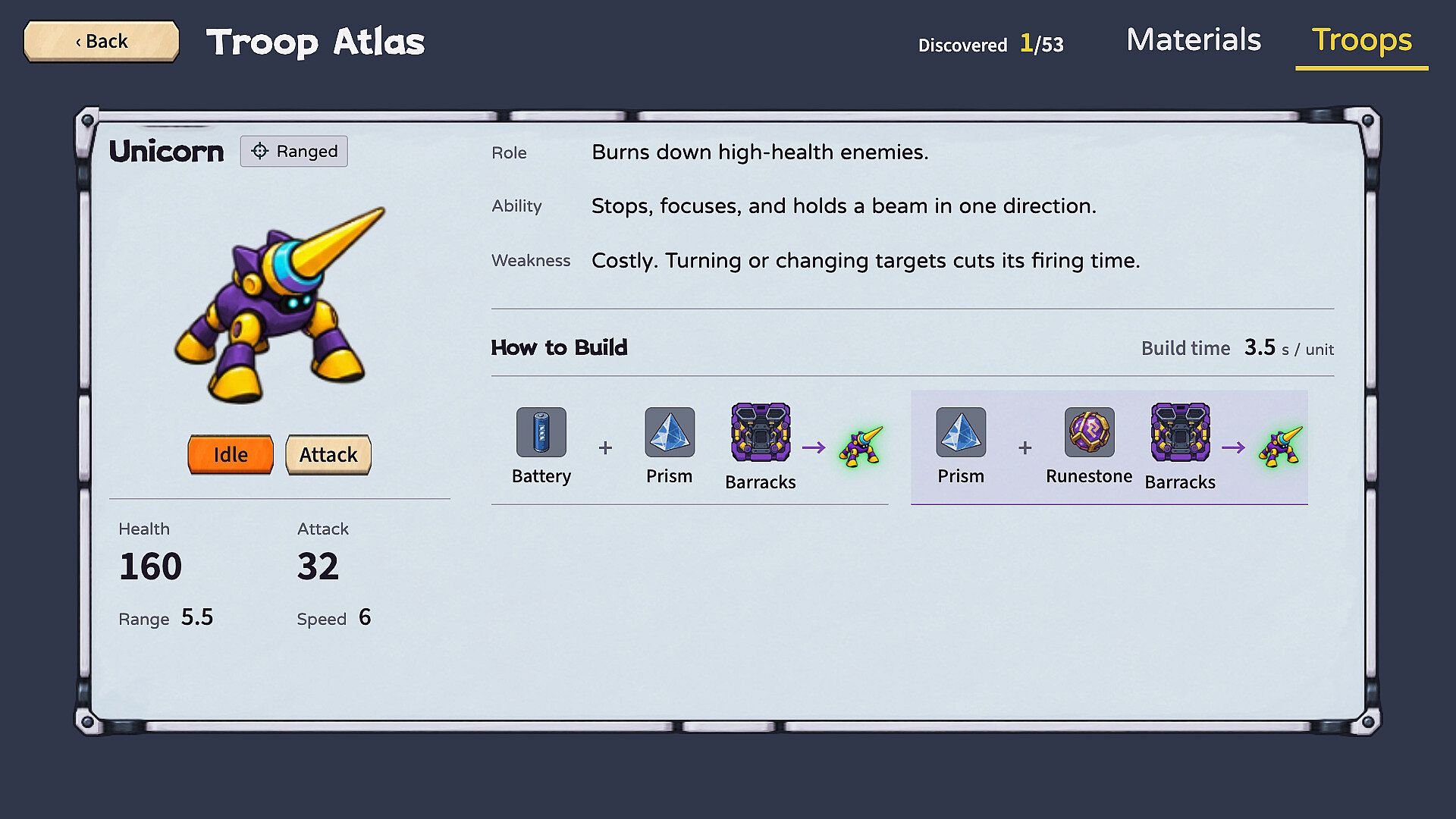
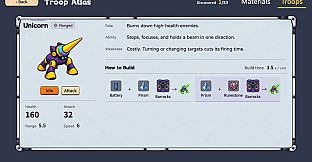
Material combinations determine troop types. Pairing iron with copper produces infantry units, while two circuit boards create hive bugs. This mixing system encourages experimentation with different resource pairings to unlock varied units suited to different combat needs. Production lines keep running in the background once established, feeding a steady stream of reinforcements to the battlefield.
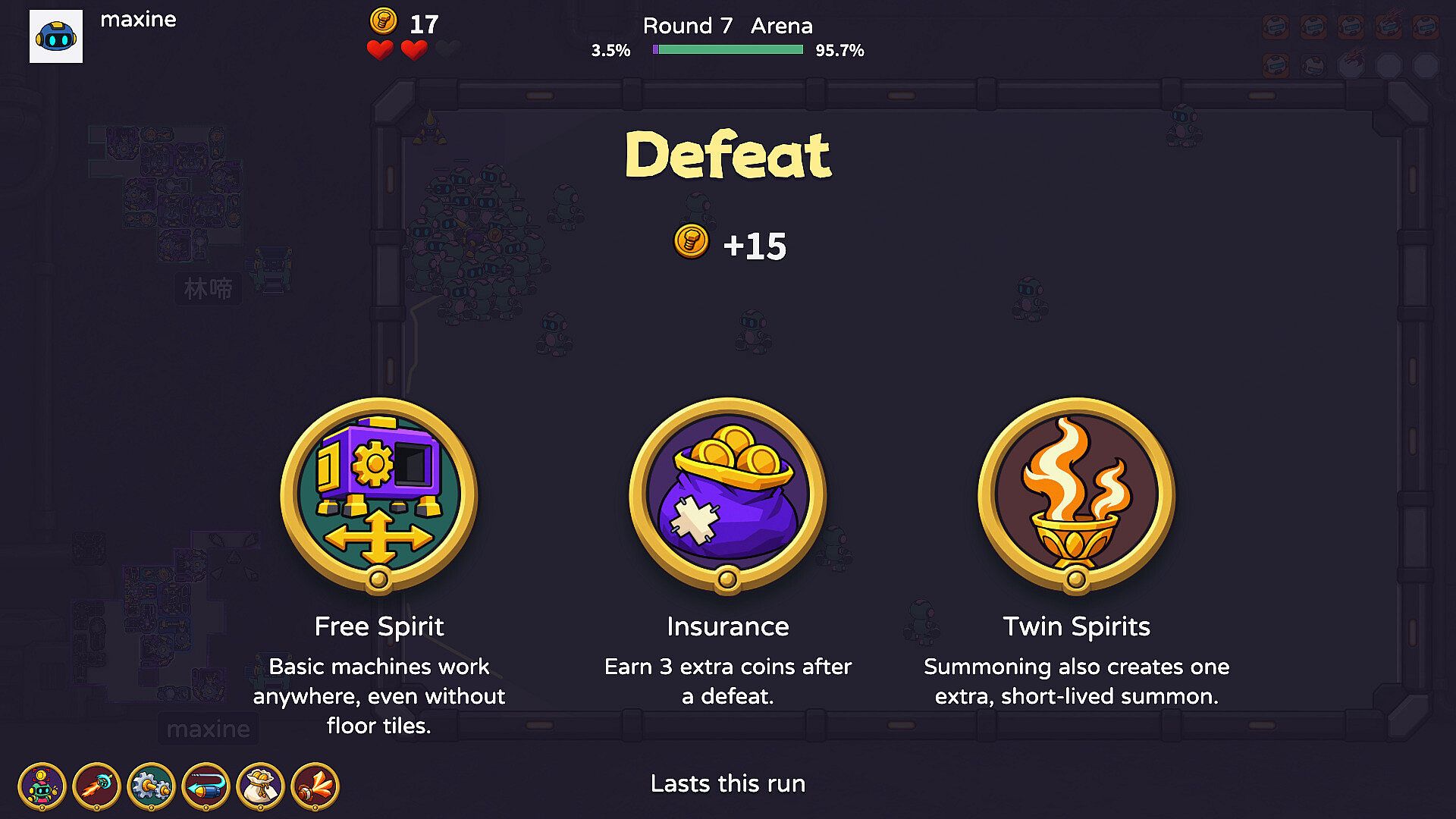
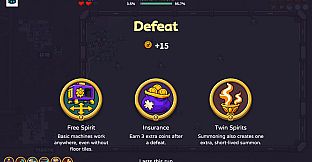
Badges introduce meaningful variations to both construction and combat. One badge allows basic machines to operate without requiring floor tiles underneath them. Another generates an extra, short-lived troop with every summon action. These modifiers alter how factories are arranged and how armies perform once deployed, rewarding players who adapt their layouts to specific badge effects.
Game Modes
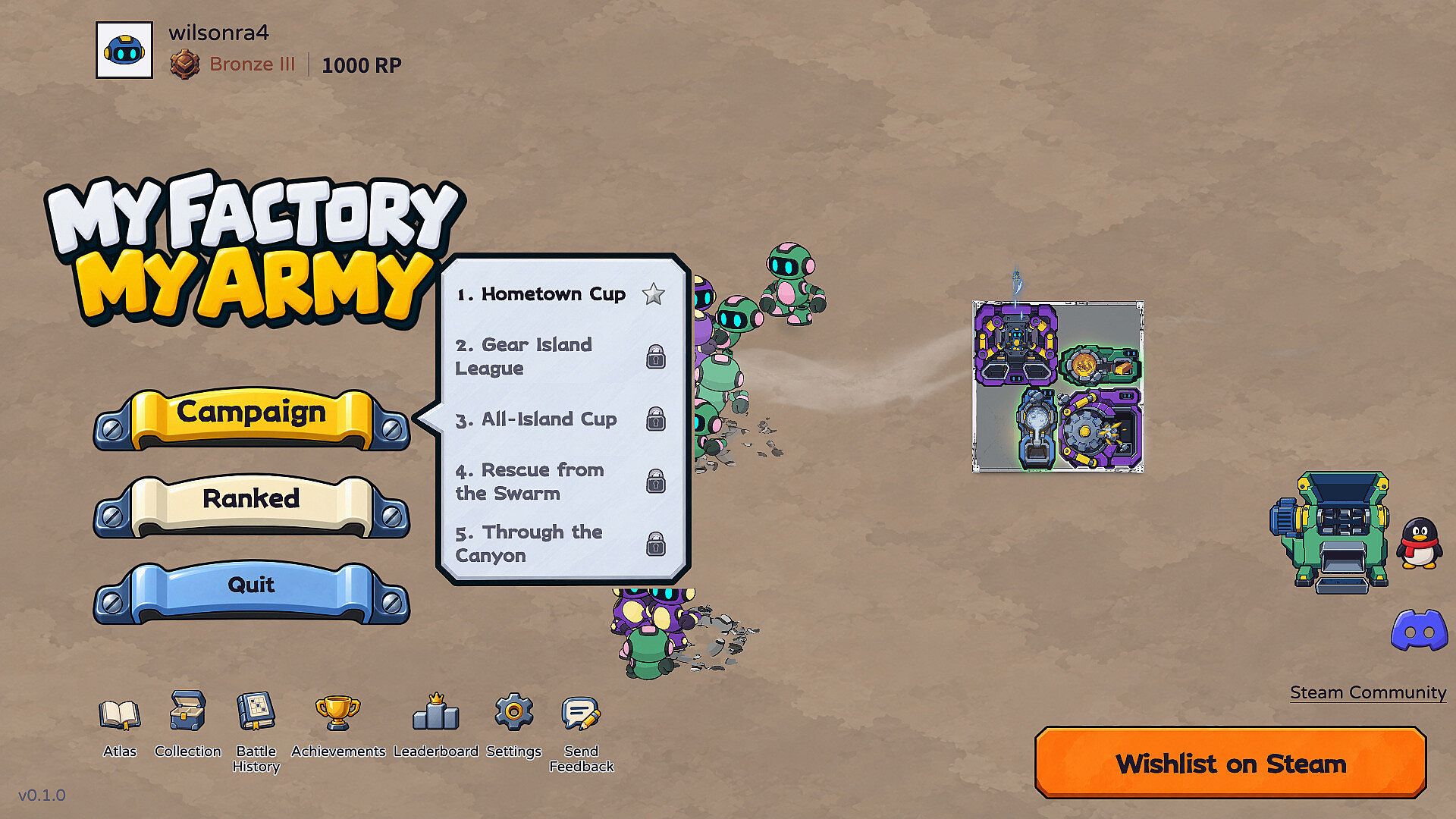
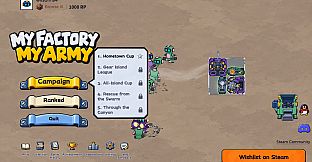
The single-player campaign lets players explore production line setups across a series of scenarios. Each stage focuses on refining layouts, managing material flows, and scaling output to meet increasing demands. Progress comes from efficient machine placement and resource mixing that builds stronger, more consistent troop streams.
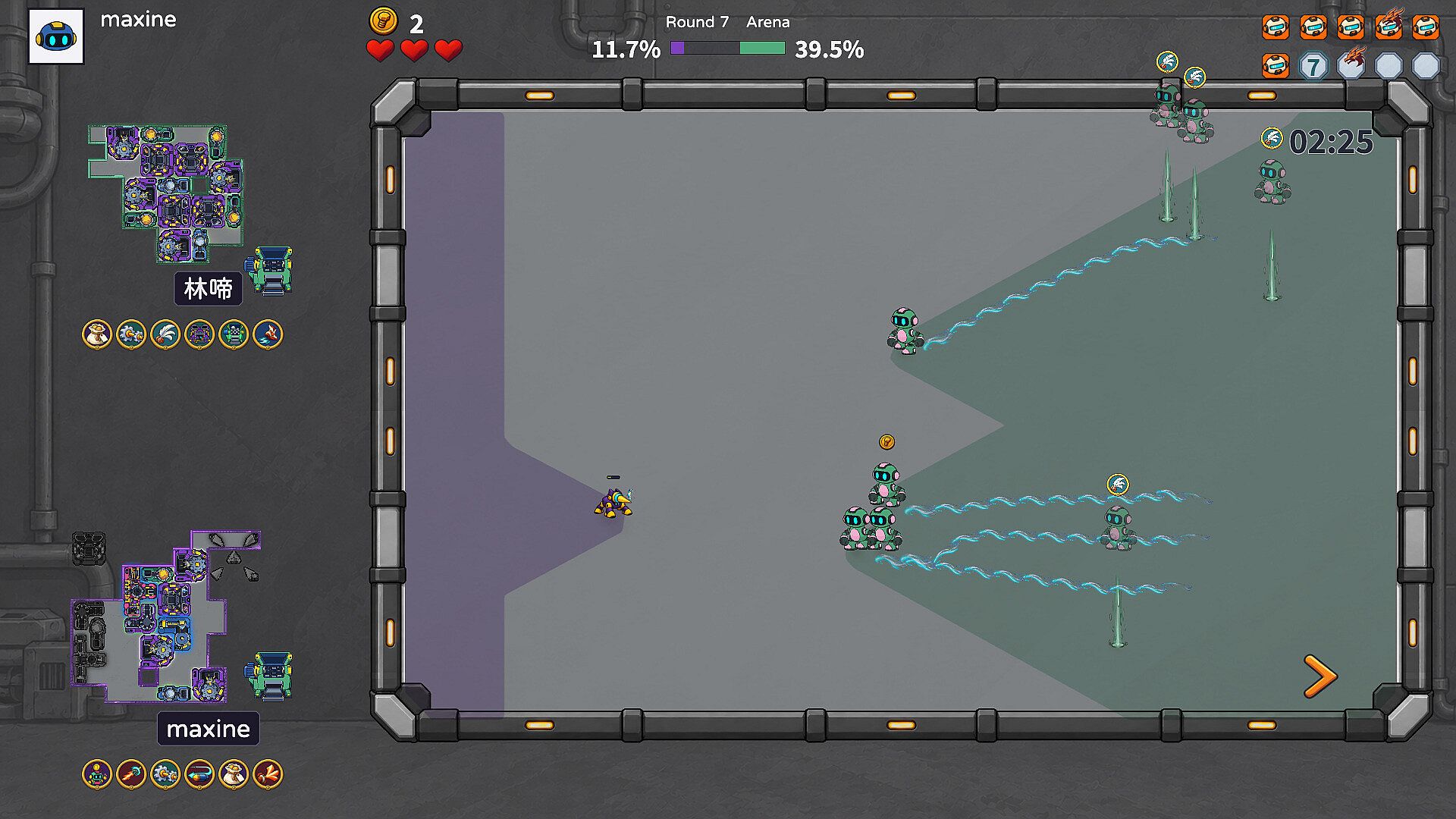
Asynchronous battles extend the experience into player-versus-player competition. Factories continue producing units independently while armies clash over ground control. Opponents do not need to be online simultaneously, as each side maintains its own production lines that feed reinforcements over time. Matches emphasize sustained output and layout efficiency rather than real-time micromanagement.
Factory Layout and Upgrades
Space management drives much of the decision-making. Limited floor area forces choices between adding more machines for higher throughput or leaving room for expansion later. Rotating equipment helps fit additional barracks or production lines into tight spots. Shop rerolls provide fresh machine options when current selections do not align with the desired troop mix or layout goals.
Coins serve as the primary currency for growth. They purchase machines that process specific materials, extra floor sections to increase capacity, or rerolls that change shop inventory. Efficient layouts that minimize wasted space and maximize material conversion rates generate more coins over time, creating a positive feedback loop for further upgrades.
Is It Worth Playing?
This game suits players who enjoy deliberate factory optimization combined with persistent production during combat. The asynchronous multiplayer format rewards thoughtful long-term layouts that keep generating units without constant oversight. Those who appreciate mixing resources to create different unit types and experimenting with badge effects will find depth in adapting factories to new challenges.
The single-player campaign provides a structured way to learn core systems before moving into competitive battles. Because factories operate independently once set up, the experience accommodates varied play sessions without requiring constant attention. Fans of strategy titles that blend building, resource management, and ongoing army support will likely find the mechanics engaging and replayable through different layout approaches.












