

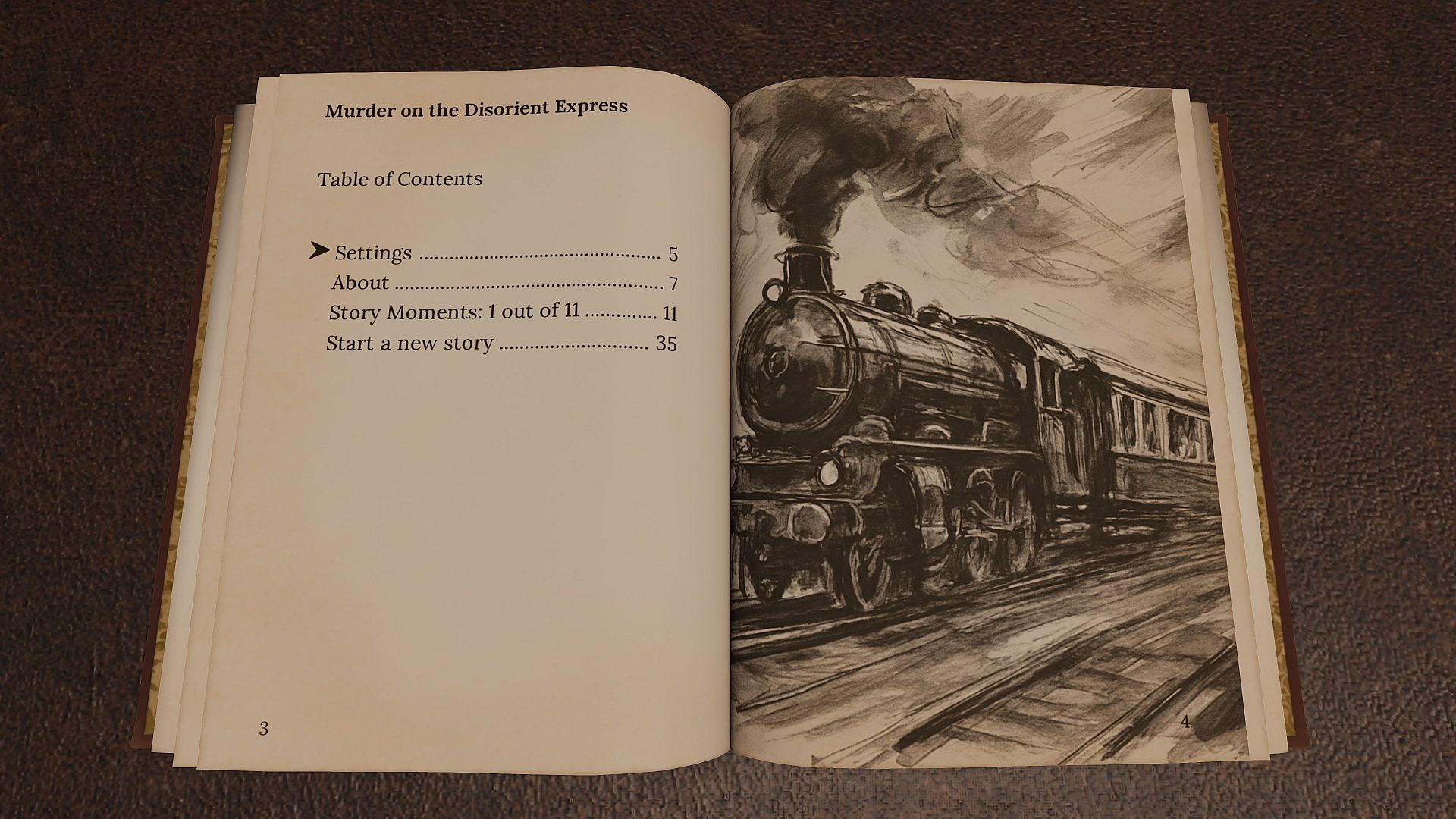
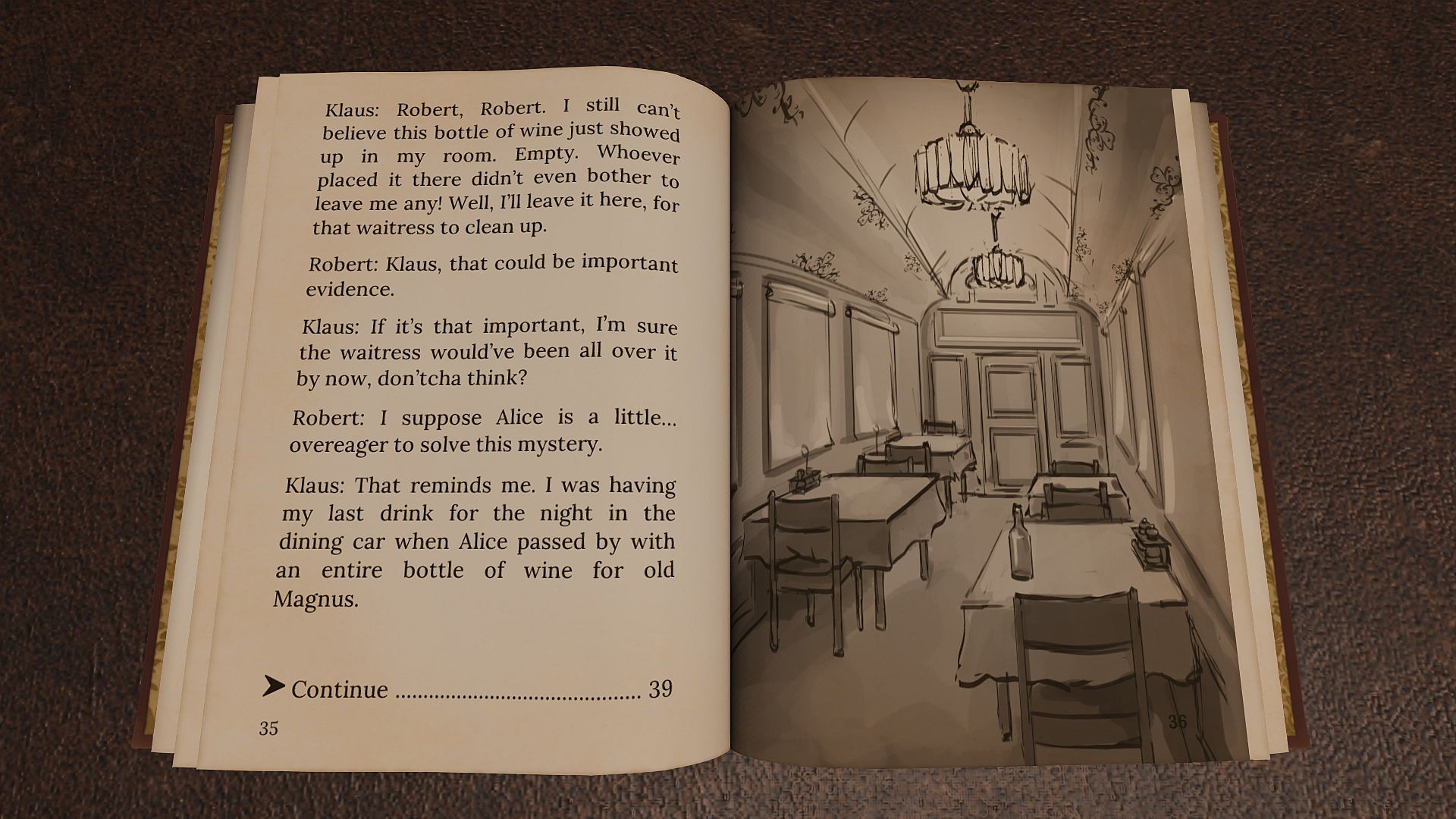






Murder on the Disorient Express is an RPG that places players in the role of a detective investigating a murder aboard a speeding train. The game unfolds as an interactive narrative where choices determine which leads to pursue and which evidence to gather before the train reaches its destination. William James Magnus III has been killed, and the culprit remains among the passengers. Time pressure shapes every decision, as the journey has a fixed duration that limits how many conversations and investigations fit into a single run.
Gameplay
The core loop centers on selecting passengers to speak with, examining locations on the train, and piecing together clues from limited information. Each interaction reveals fragments of dialogue or physical evidence that can support or contradict other statements. Players manage a finite amount of time, deciding whether to follow one lead deeply or spread attention across multiple suspects. The system rewards careful selection because not every option can be explored before the train arrives at the station.
Evidence collection works through direct choices rather than open-world searching. When a character mentions a detail, players can note it for later cross-referencing or move on to another conversation. Deductions happen at key moments when enough information has been gathered to form a conclusion about the killer. Wrong deductions close off certain paths, while accurate ones open routes to different endings. The mechanics stay grounded in conversation trees and inventory-style clue tracking, keeping focus on deduction rather than action sequences.
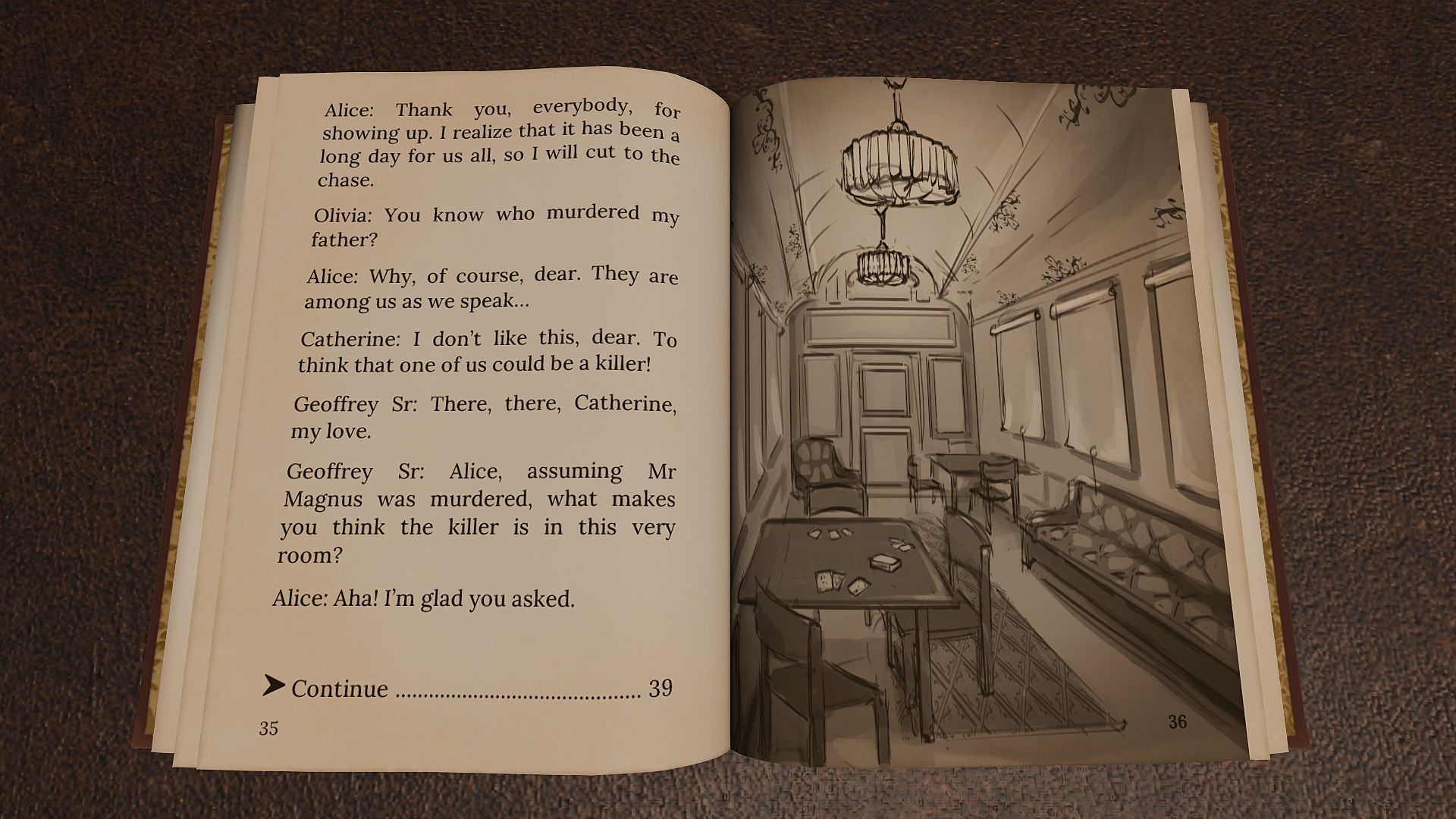
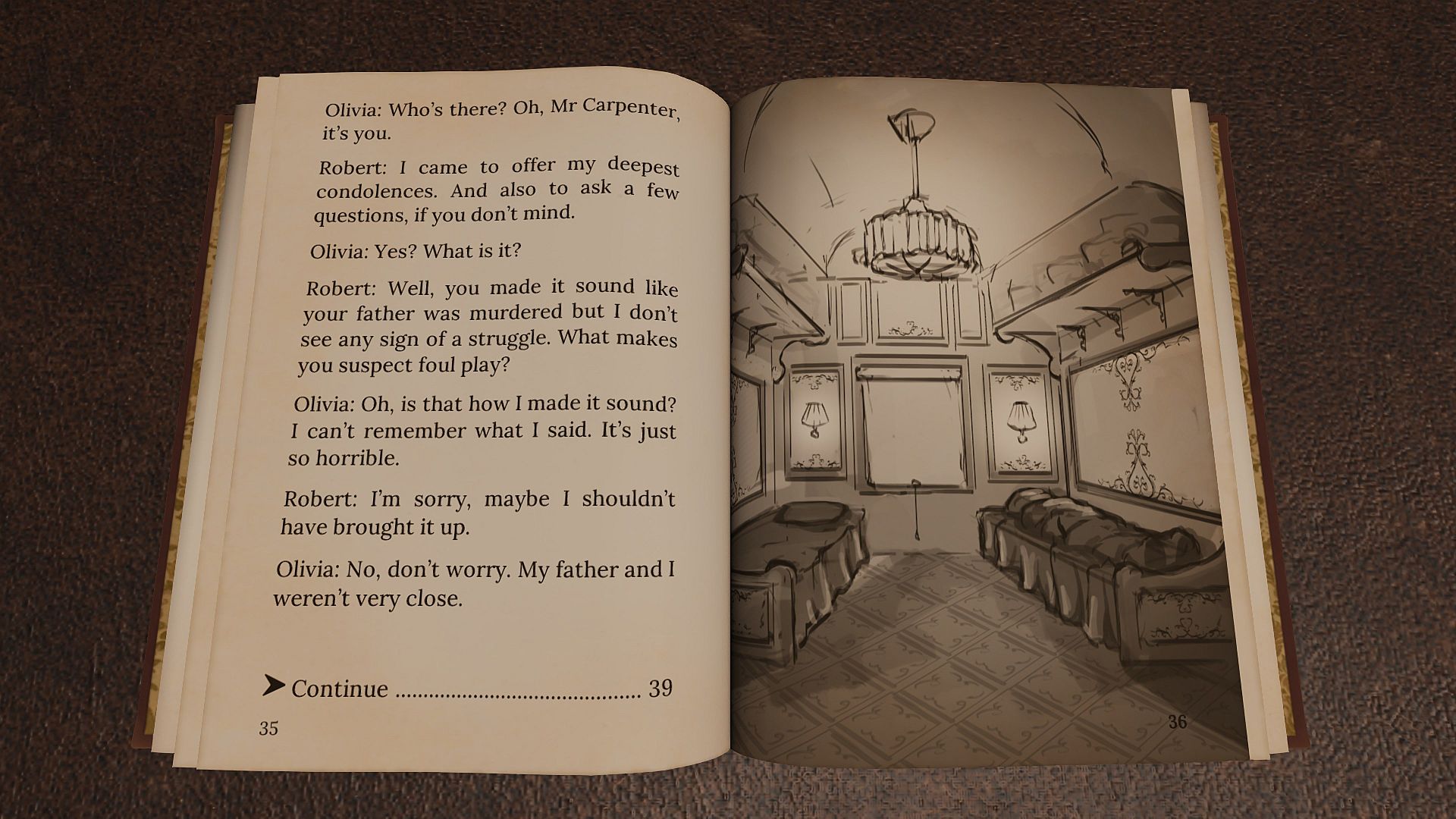
Colorful characters populate the train cars, each with distinct personalities and potential motives. Conversations branch based on prior choices, so repeating a question to a different passenger can yield new context or contradictions. The limited scope of available interactions means every playthrough feels focused, yet incomplete without additional runs that explore alternate lines of inquiry.
Game Modes
The game operates entirely in a singleplayer format built around one central case. There are no separate competitive or cooperative modes. Instead, the experience emphasizes replayability through different paths and endings. A single session typically covers only a portion of the total conversations and clues, encouraging players to start fresh with new priorities on subsequent attempts.
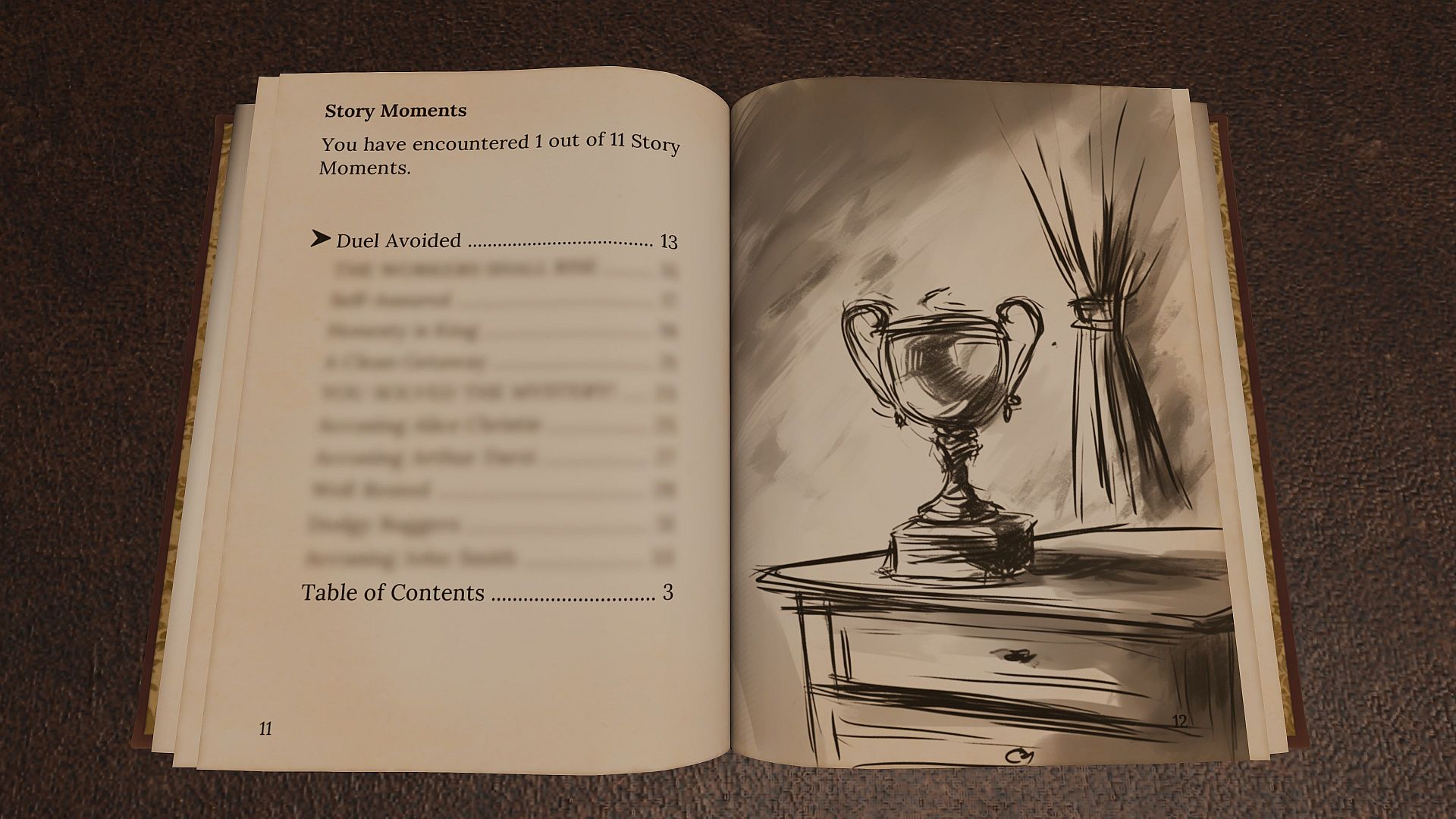
Over a dozen endings exist, each tied to the accuracy of the final deduction and the specific evidence presented. Reaching them requires varying the order of interviews, the depth of certain investigations, and the timing of key decisions. No additional modes alter the core structure; the variety comes from within the narrative itself as players test different approaches to the same mystery.
Story and Characters
The narrative draws from classic mystery novel conventions while allowing player input to shape the outcome. The setting remains confined to the train, creating a contained environment where every passenger and compartment holds potential relevance. Dialogue drives the plot forward, with each character offering partial truths or outright lies that must be weighed against physical clues.
Character interactions feel personal because responses change based on what has already been discovered. A passenger questioned early might withhold information that becomes available only after another lead is pursued. This structure mirrors the source material of choose-your-own-adventure books, where limited options force prioritization and create natural tension around the ticking clock.
Replayability and Structure
Full understanding of the events requires multiple playthroughs because the game deliberately restricts how much can be uncovered in one go. Different starting points and investigation orders produce distinct sequences of revelations. The design avoids filler by keeping the total number of conversations manageable, so each new run feels purposeful rather than repetitive.
Players who enjoy mapping out possibilities will find value in tracking which clues appear under which conditions. The structure supports this without external tools, as the game presents clear decision points and outcome variations tied directly to prior choices.
Is It Worth Playing?
Murder on the Disorient Express suits players who prefer narrative-driven experiences focused on deduction and choice consequences. The short session length and emphasis on replay make it accessible for those who want to complete multiple endings without a large time commitment. Availability on Xbox One and Xbox Series X|S means it runs on current hardware without additional requirements.
Those drawn to interactive mysteries will appreciate the direct control over which leads to follow and the clear feedback from correct or incorrect deductions. The game delivers a self-contained story that rewards careful attention to dialogue and evidence over extended campaigns or complex systems. If the appeal lies in classic whodunit pacing with modern branching, the title provides a focused alternative to longer RPGs.