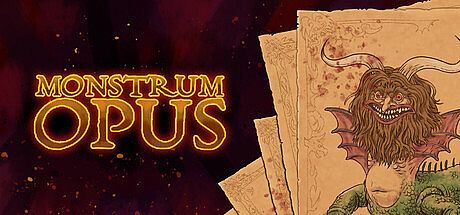


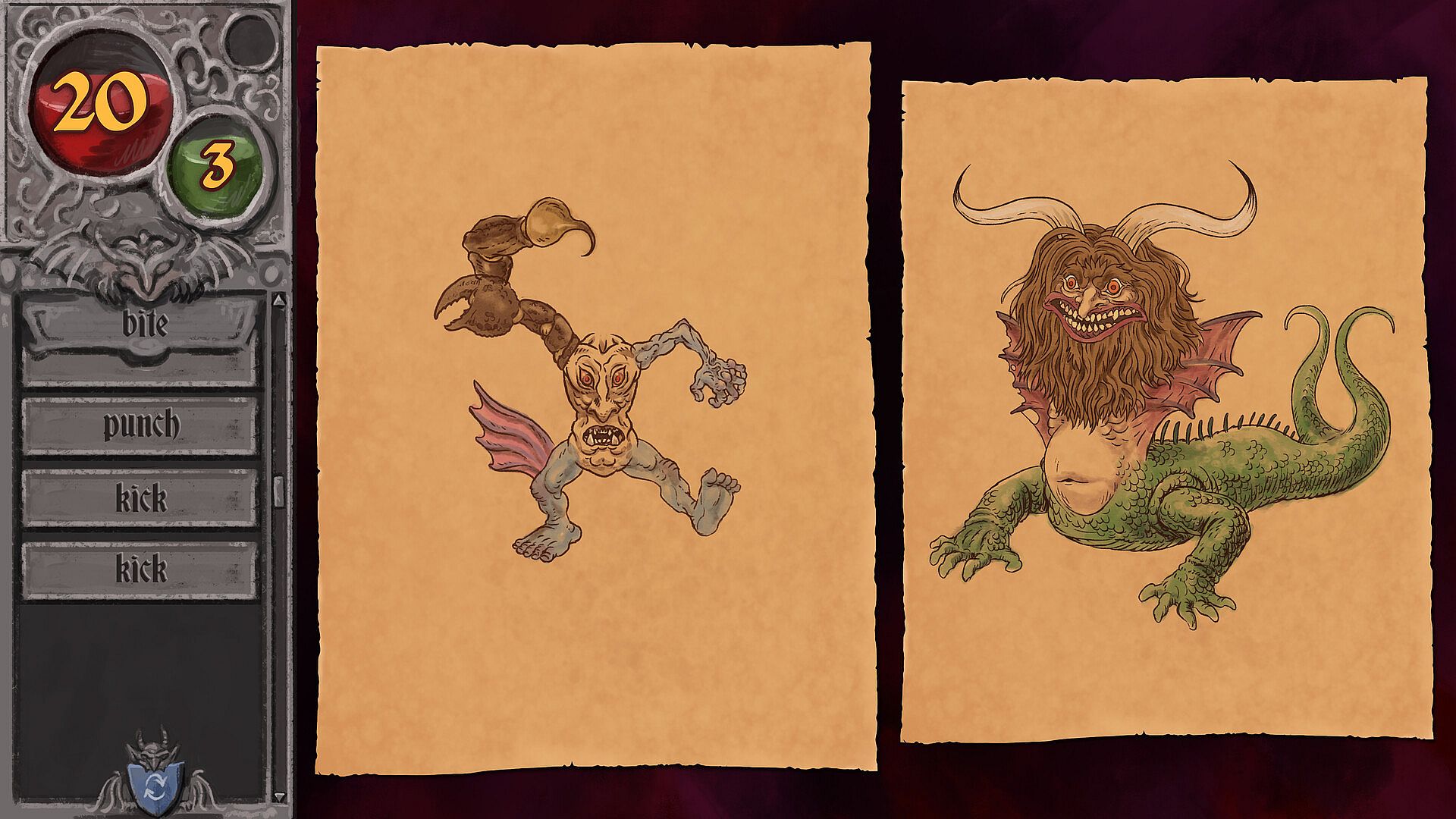
Monstrum Opus is a strategy RPG for PC in which players control a freshly created chimera that must survive a multi-level dungeon by grafting monster parts onto its body. The core loop revolves around exploration, combat decisions, and permanent changes to the player's capabilities through acquired limbs and organs. Each run involves locating the entrance to the next floor while managing health, abilities, and the constant threat of stronger encounters.
Gameplay
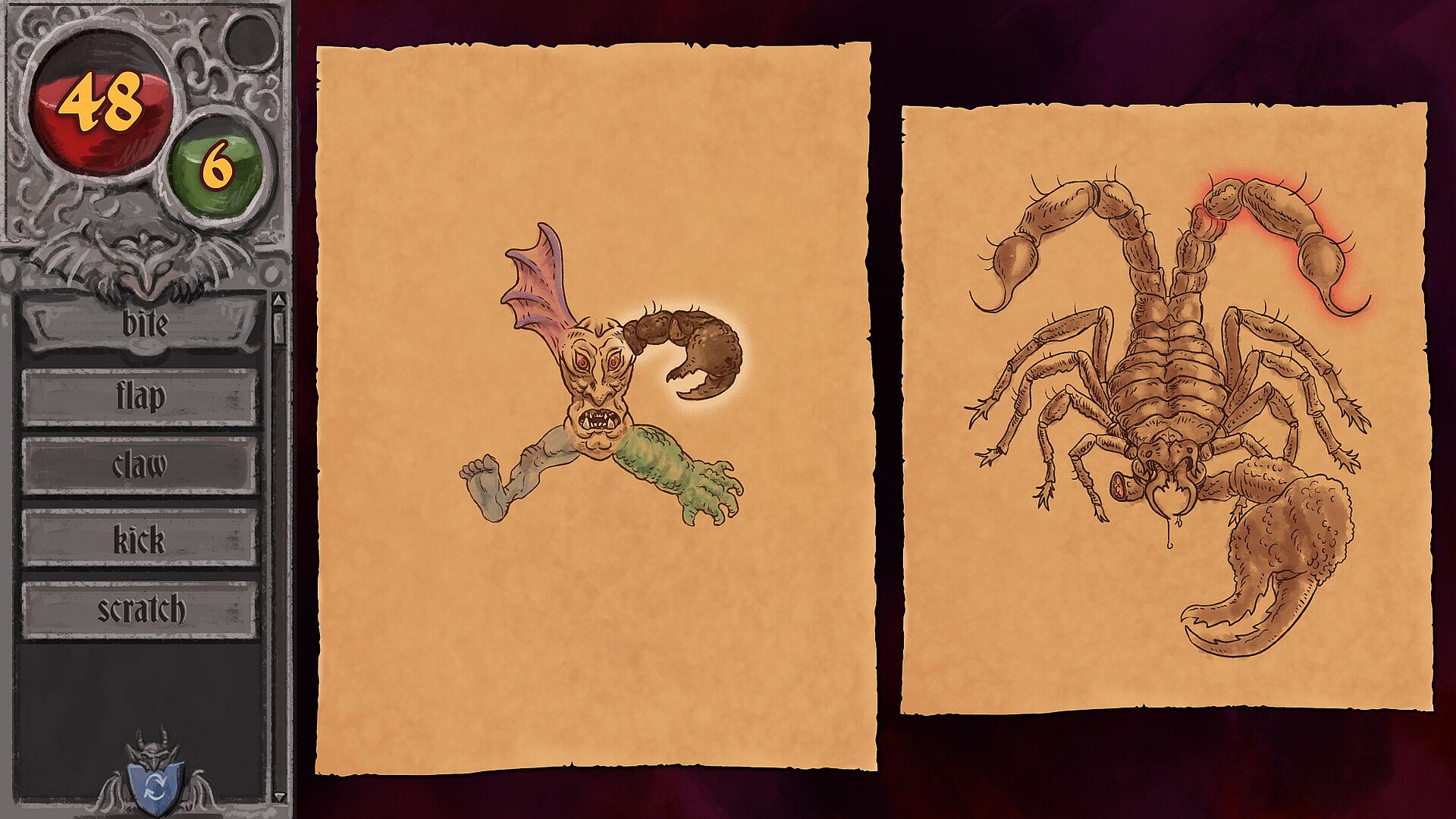
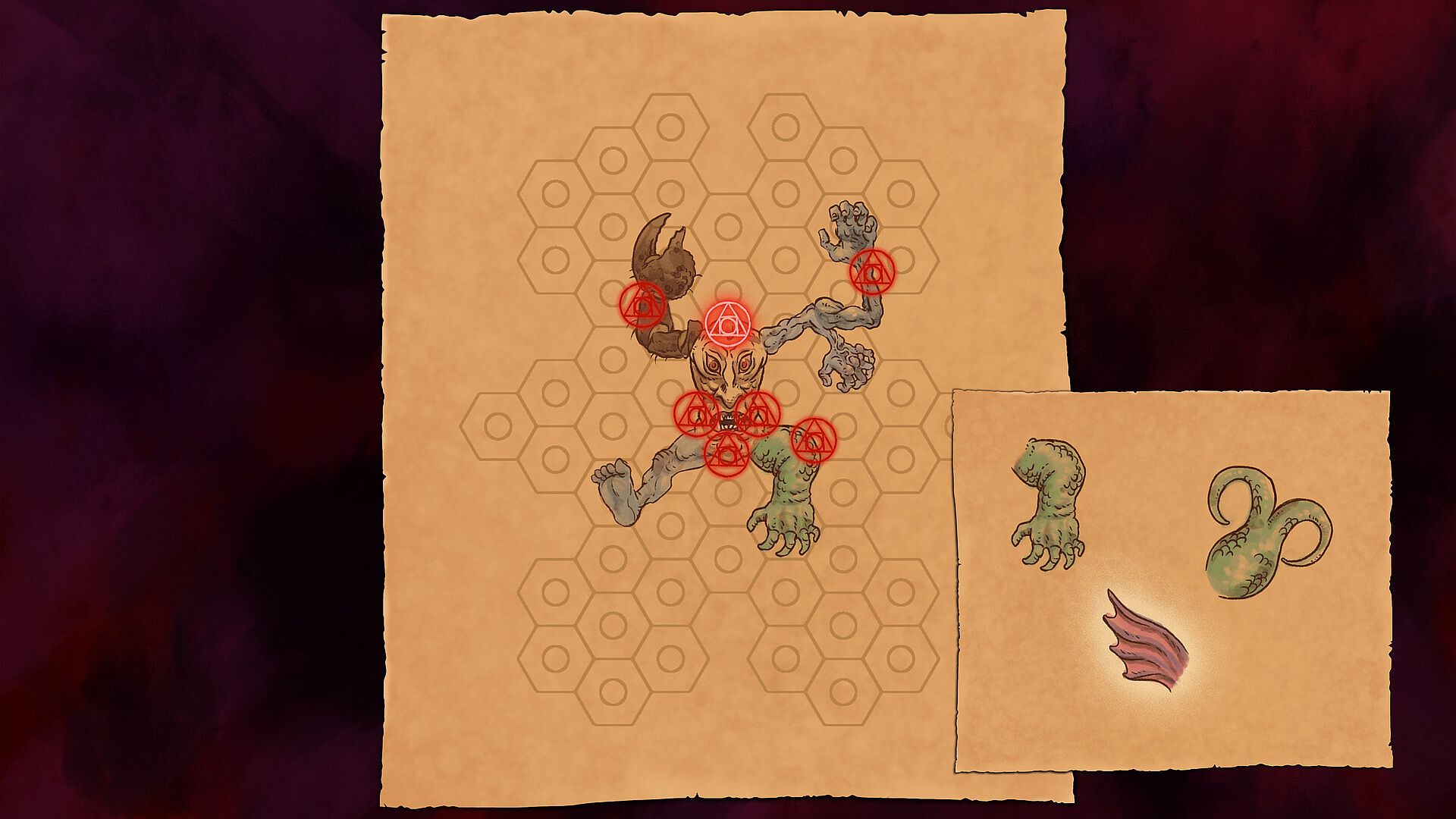
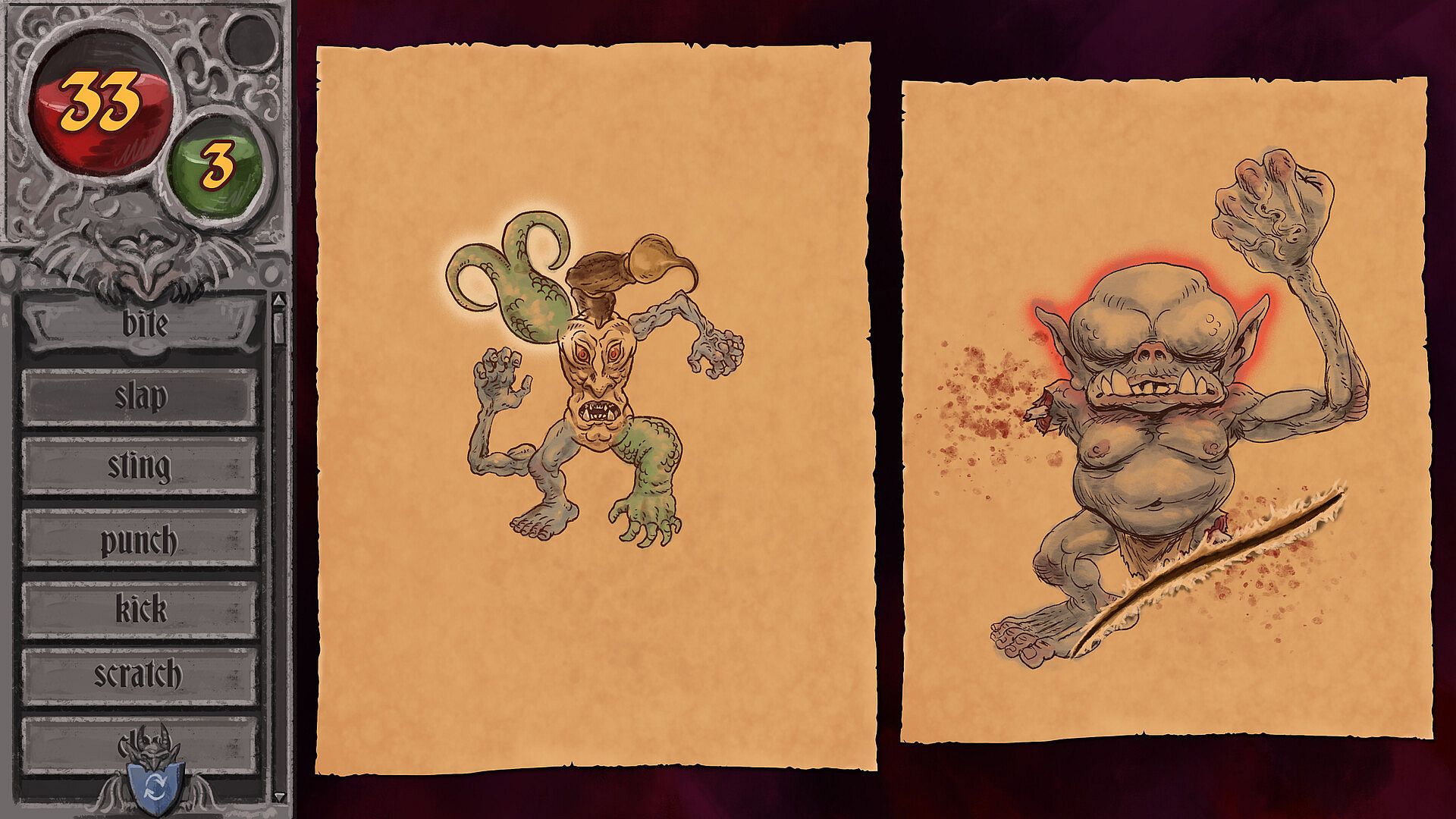
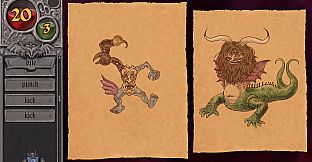
Combat requires careful choices between severing usable body parts from enemies or striking vital areas for quicker victories. Targeting weak points ends fights faster but yields fewer resources for growth. Severing extends battles and raises difficulty yet provides new limbs that carry distinct stats and abilities. These grafted parts determine available actions each turn and possess their own health pools, meaning they can be damaged or destroyed during later encounters.
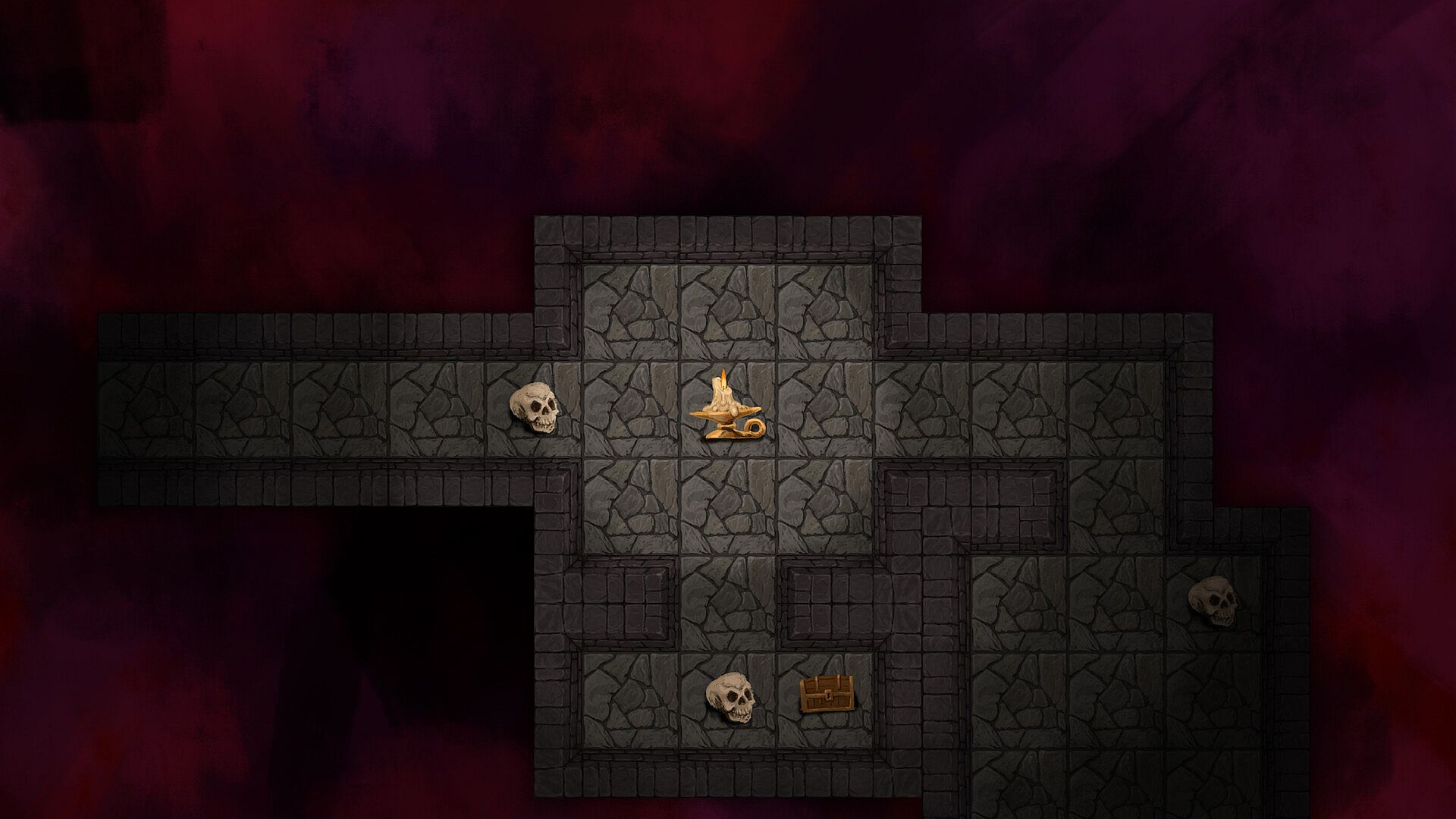
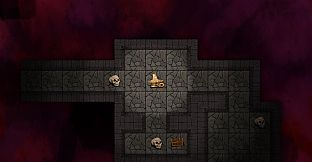
Outside of fights the chimera moves through procedurally arranged dungeon spaces filled with roaming monsters and scattered points of interest. Progress depends on locating the passage to the subsequent floor and defeating its guardian boss. Players weigh the benefits of thorough searching against the rising chance of meeting elite opponents that can overwhelm an unprepared character. Body parts lost in combat force adaptation because the loss removes both the attached abilities and the defensive value they provided.
Every grafted piece alters the available tactics for the remainder of the current floor and beyond. A limb that grants extra reach or a special attack might prove essential in one situation yet become a liability if its health drops too low. This system creates ongoing tension between immediate survival and long-term power increases.
Game Modes
Monstrum Opus presents a single continuous experience rather than separate game modes. Players advance through successive dungeon floors in one unbroken sequence of exploration and combat. There are no alternate rulesets, competitive brackets, or cooperative options described in the available information. The focus remains on individual progression where each decision about grafting or fighting shapes the chimera for the challenges ahead.
The absence of distinct modes keeps attention on the risk-reward loop that defines every floor. Exploration depth directly influences the strength of the character before each boss encounter, and the same core systems apply from the first room to the final confrontation on a given level.
Is It Worth Playing?
Monstrum Opus suits players who enjoy turn-based strategy combined with resource management and permanent character changes. The grafting mechanic rewards deliberate planning because stronger parts improve future fights yet increase the stakes when those parts can be lost. Individuals who prefer quick, low-risk clears may find the longer encounters frustrating, while those who appreciate adapting to setbacks will find value in rebuilding after limb losses.
The dungeon layout encourages repeated attempts as each run offers different monster placements and point-of-interest locations. Success hinges on balancing aggressive grafting against the need to reach the next floor before health or resources run out. This structure appeals to fans of roguelike progression within a strategy RPG framework where every body part carries both opportunity and vulnerability.
Overall the game delivers a focused single-player experience centered on tactical combat choices and exploration trade-offs. Those drawn to games that emphasize meaningful decisions over spectacle will likely find the risk-reward tension engaging across multiple floor descents.