






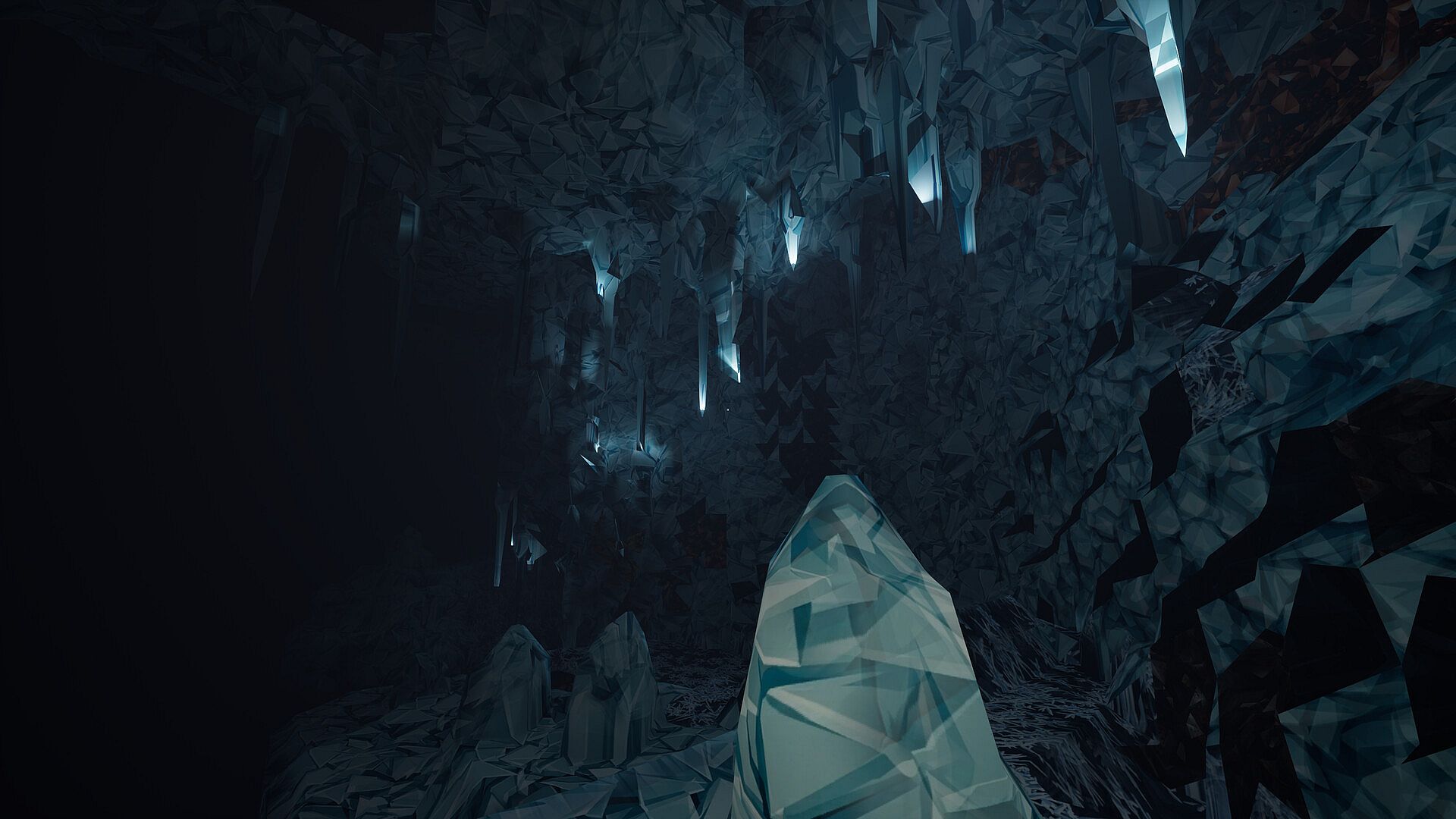
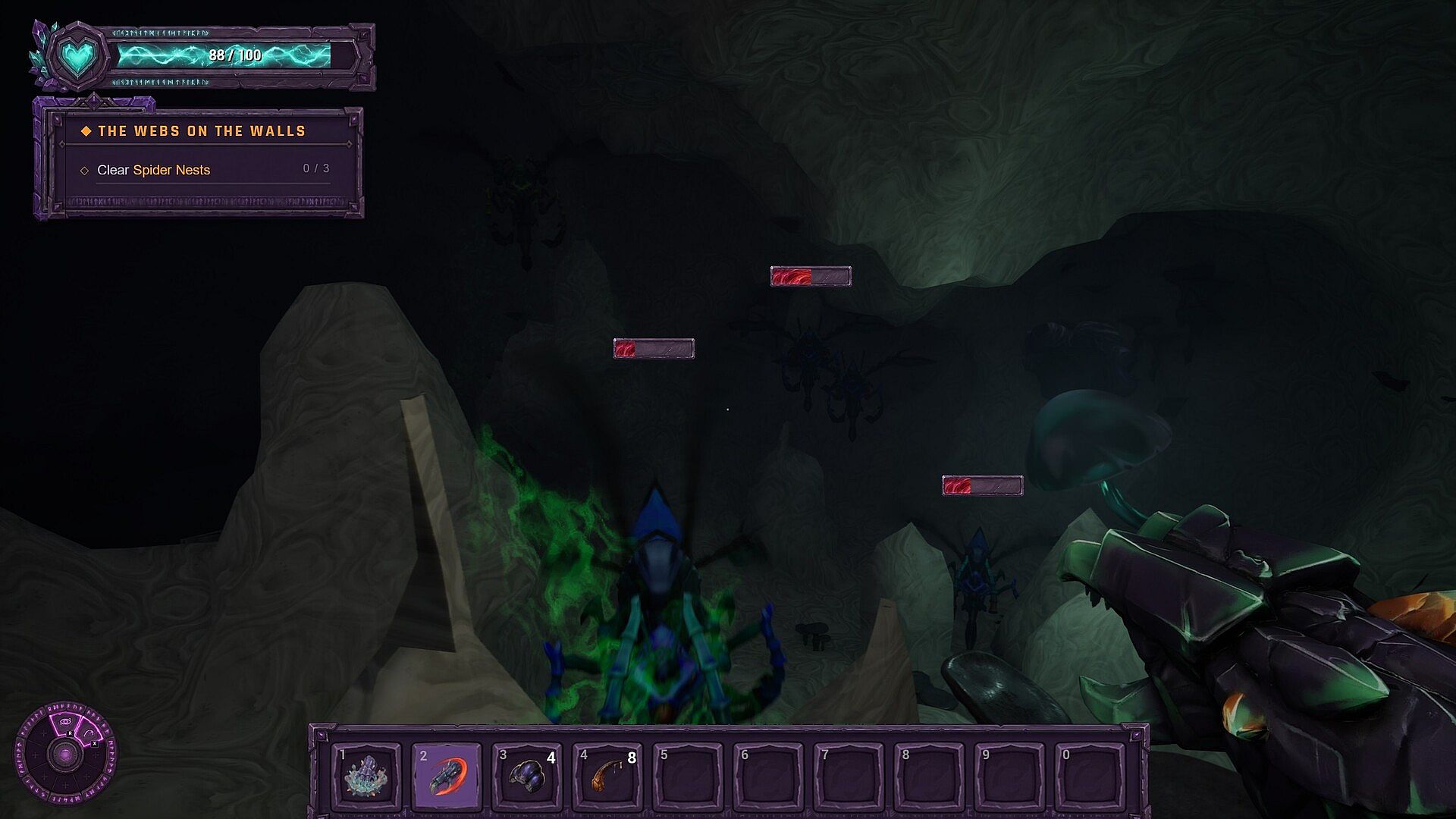
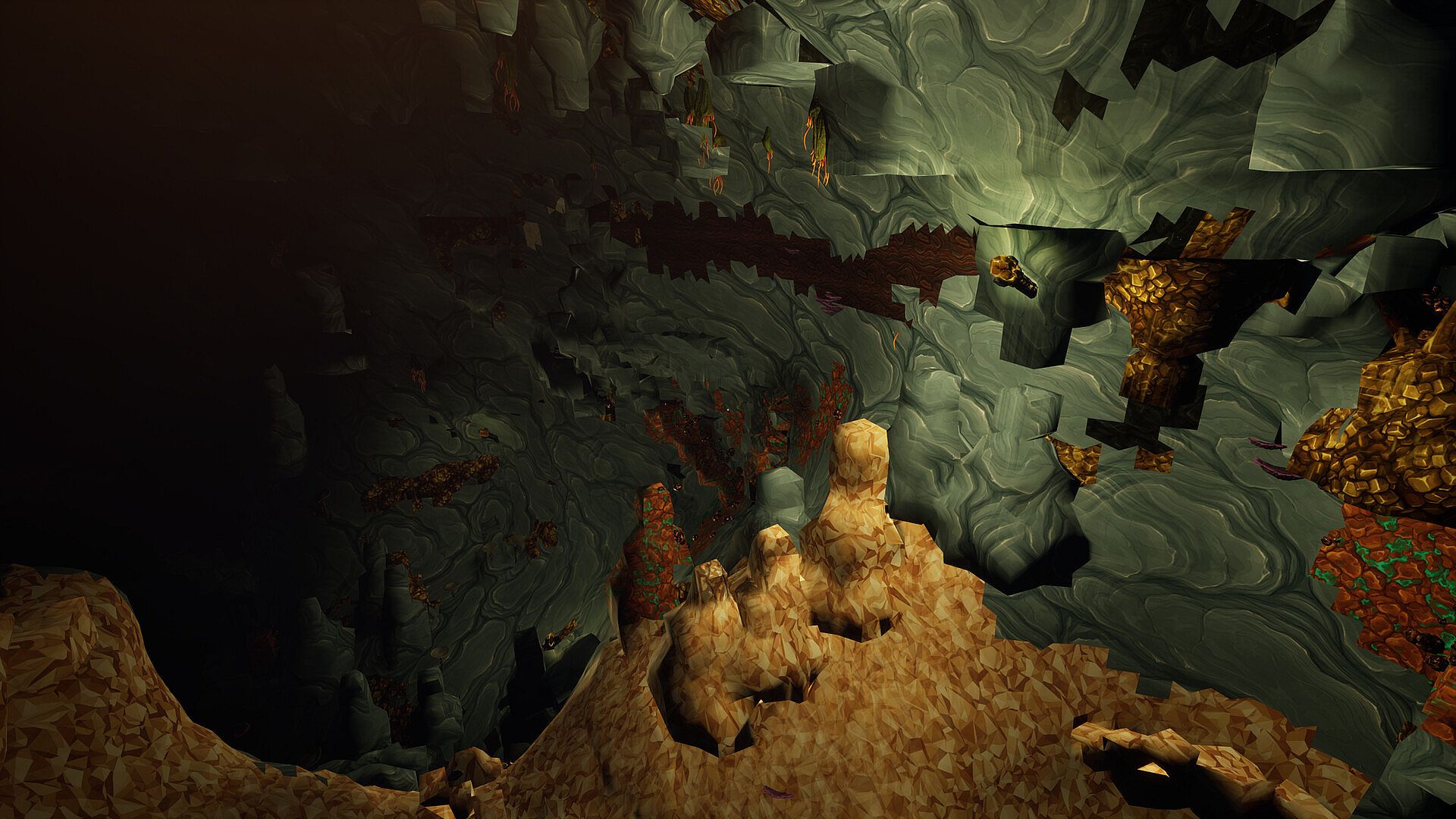
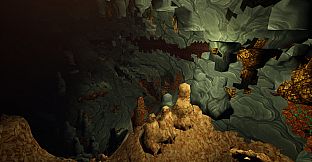
Mithril is an indie voxel cave mining survival game set on PC in early access. Players explore procedurally generated cave systems where geological simulation drives the core experience, allowing the environment to evolve based on actions taken during play.
Gameplay
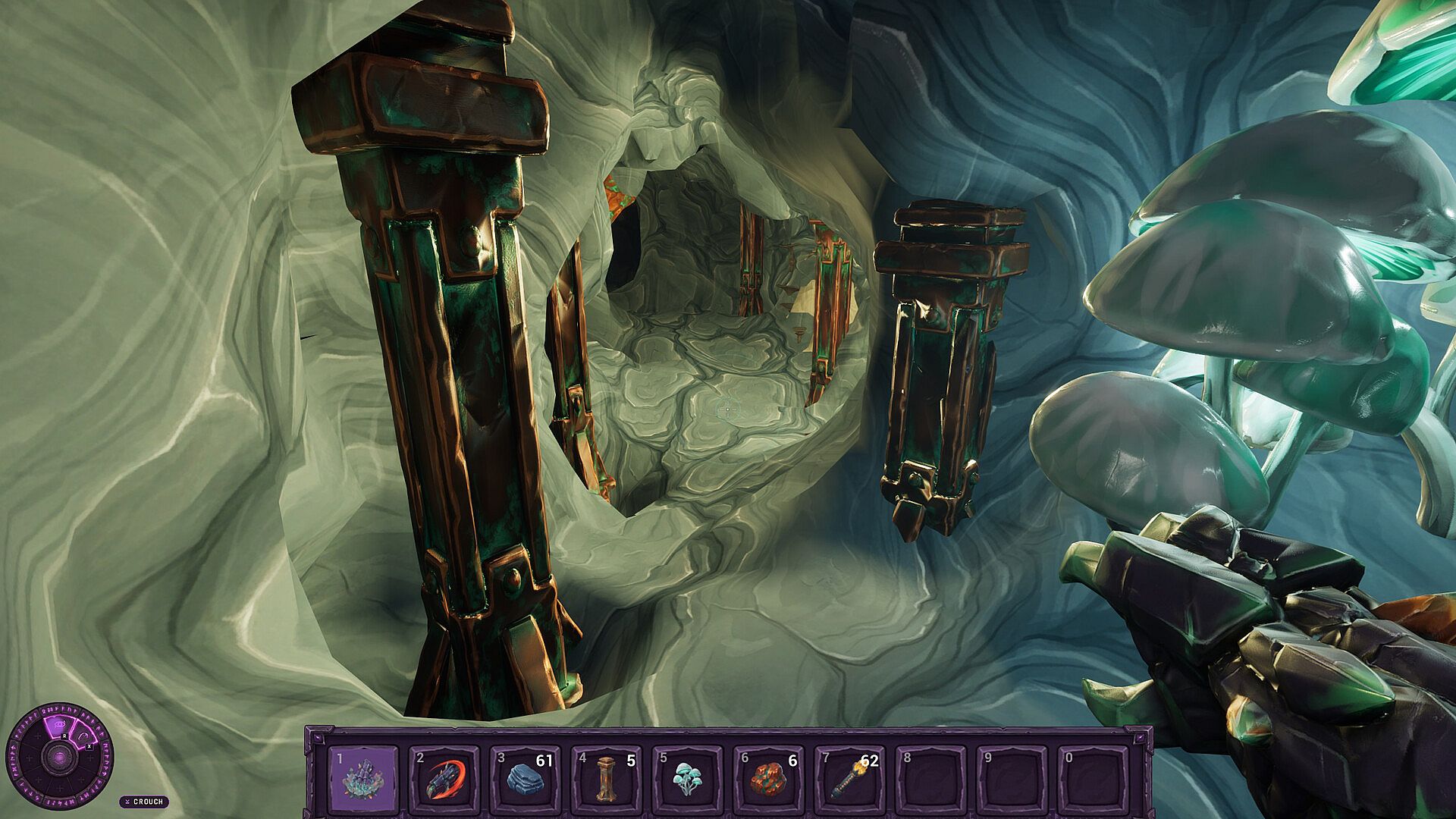
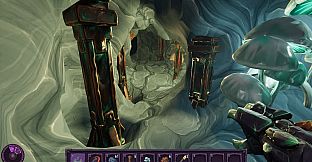
The central loop involves mining by hand at first, then constructing machines to automate extraction and processing. Players dig tunnels, manage resources like ores and minerals, and contend with structural integrity as every removed block shifts weight onto remaining rock. Real-time stress propagation means unsupported ceilings can collapse without warning, requiring careful placement of supports or attentive listening for warning signs from the stone itself.
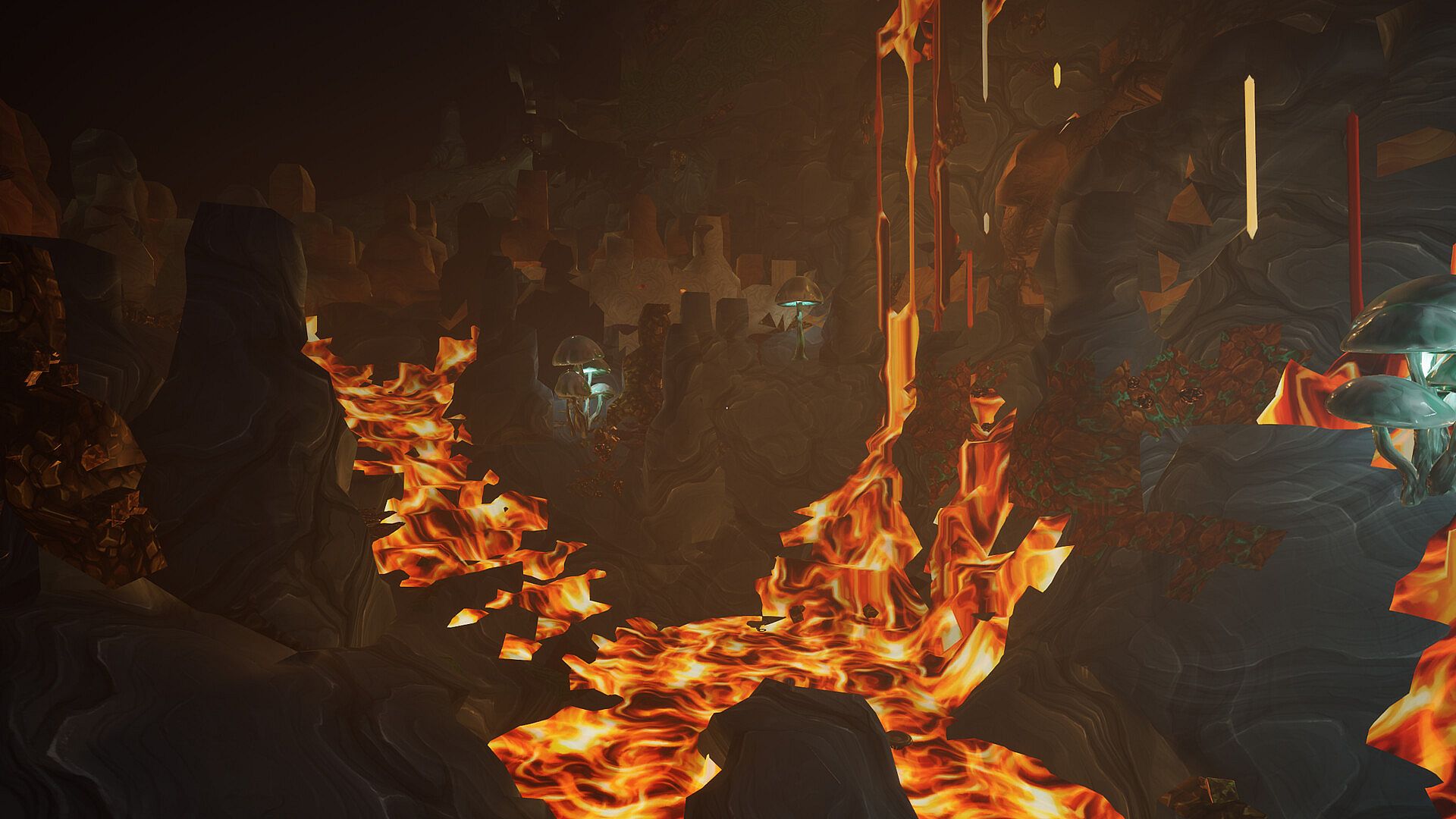
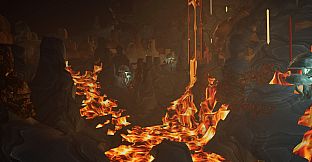
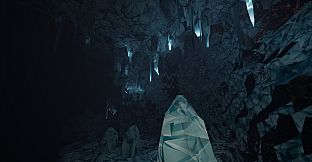
Geology plays a central role through layered rock strata, accurate mineral veins, and formations such as stalactites, lava pools, and water systems. Each material carries distinct physical properties that influence mining speed, tool effectiveness, and tunnel stability. Players can channel water or lava to trigger transformations, concentrating ores along new paths or altering rock composition over simulated time.
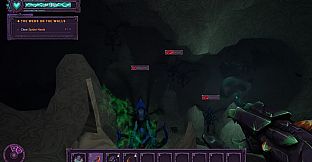
Creatures inhabit the darkness and observe player behavior. They adapt based on previous encounters, returning after major world changes with adjusted tactics. This creates a persistent threat that evolves alongside the cave systems rather than resetting with each session.
Game Modes
Standard play includes survival elements with creatures that learn and adapt through the Memory system. A separate freeplay option removes the hostile creatures entirely, focusing solely on cave exploration, geological processes, and machine building. Both modes support online and local co-op for up to four players, enabling division of labor such as one player digging while others monitor threats or manage automation lines.
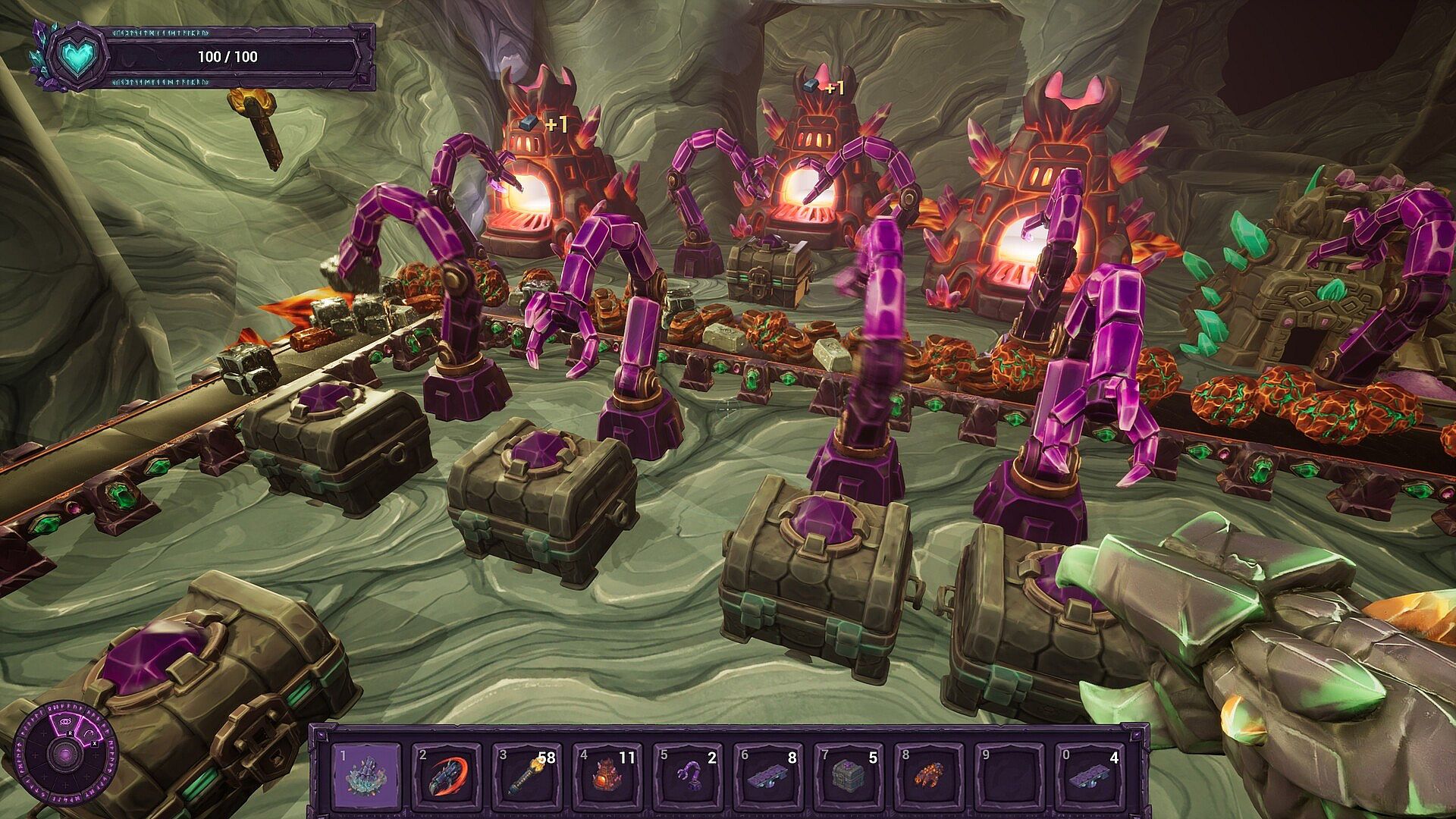
Co-op extends the automation focus, as teams can construct interconnected systems of crushers, furnaces, conveyors, and storage across multiple tunnels. Machines continue operating even when players shift attention elsewhere, though all constructions remain subject to geological shifts.
World Simulation and Progression
Dormancy serves as the key progression mechanic, advancing the cave through a million years of simulated geological time in minutes. Triggering it allows water tables to shift, lava interactions to form new minerals, and unsupported structures to fail naturally. Returning players encounter unrecognizable layouts with fresh ore deposits that did not exist before.
An NPC known as the Ancient One provides guidance on rock selection, roof support techniques, and interpreting structural sounds. This figure appears after significant progress and offers practical advice without revealing full motivations.
The custom voxel engine handles procedural cave generation, depth-layered strata, and physical simulations for stress and material behavior. Every descent presents unique layouts due to these systems, ensuring no two playthroughs follow identical paths.
Is It Worth Playing?
Mithril suits players interested in simulation-heavy survival experiences that emphasize environmental interaction and long-term world alteration over traditional combat loops. The combination of hand mining, automation chains, and time-based geological changes offers a distinct focus on cause-and-effect systems within cave environments.
Early access includes the core survival mode with adaptive creatures and the freeplay variant for pure geological and building focus, both available with co-op support. The solo-developed title continues to evolve through its engine and mechanics, appealing to those who value detailed simulation over broad action elements.











