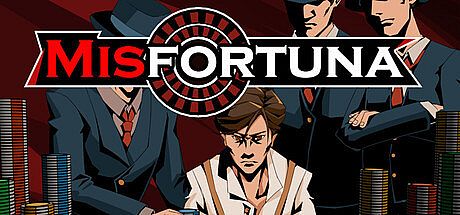



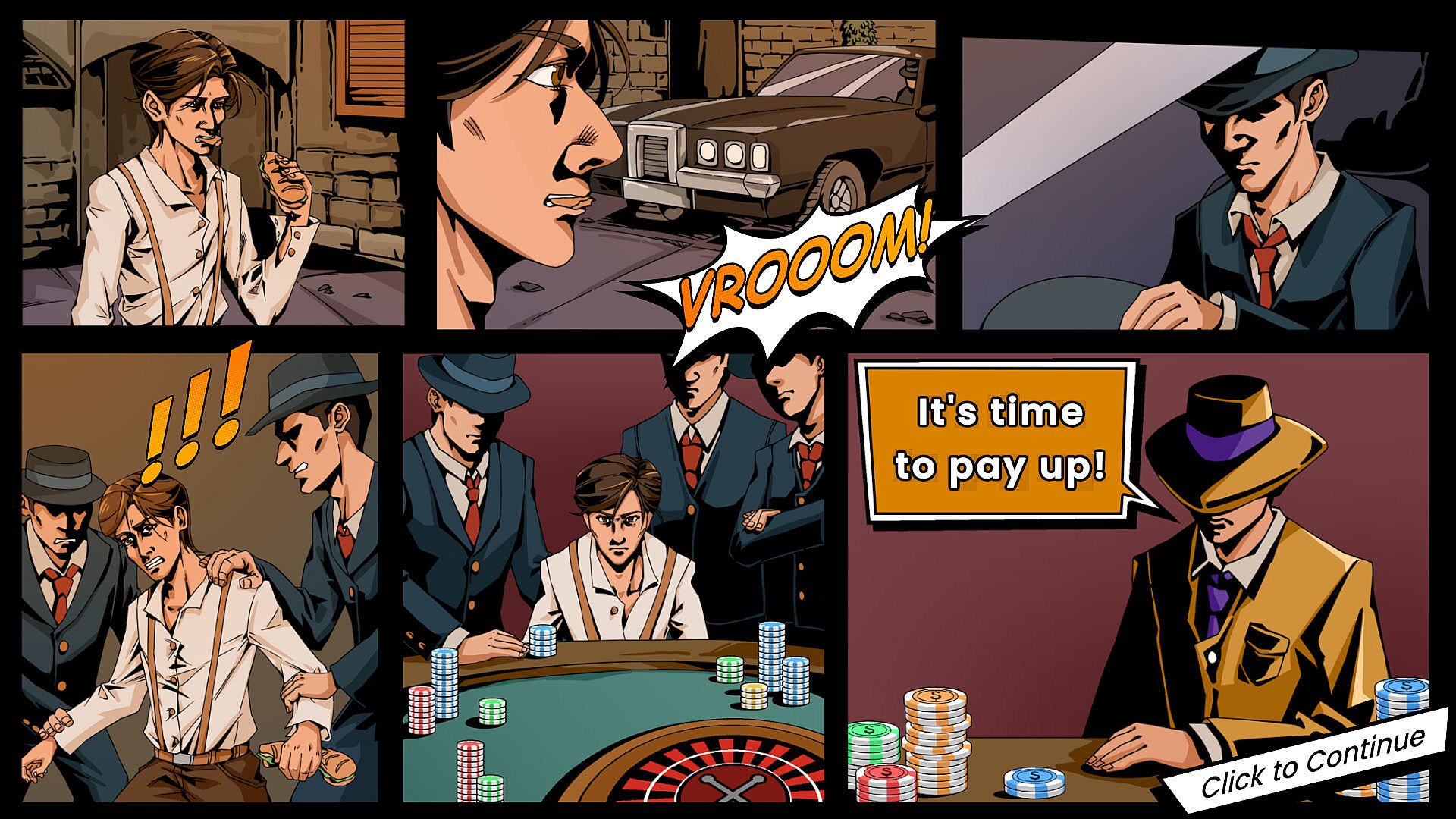
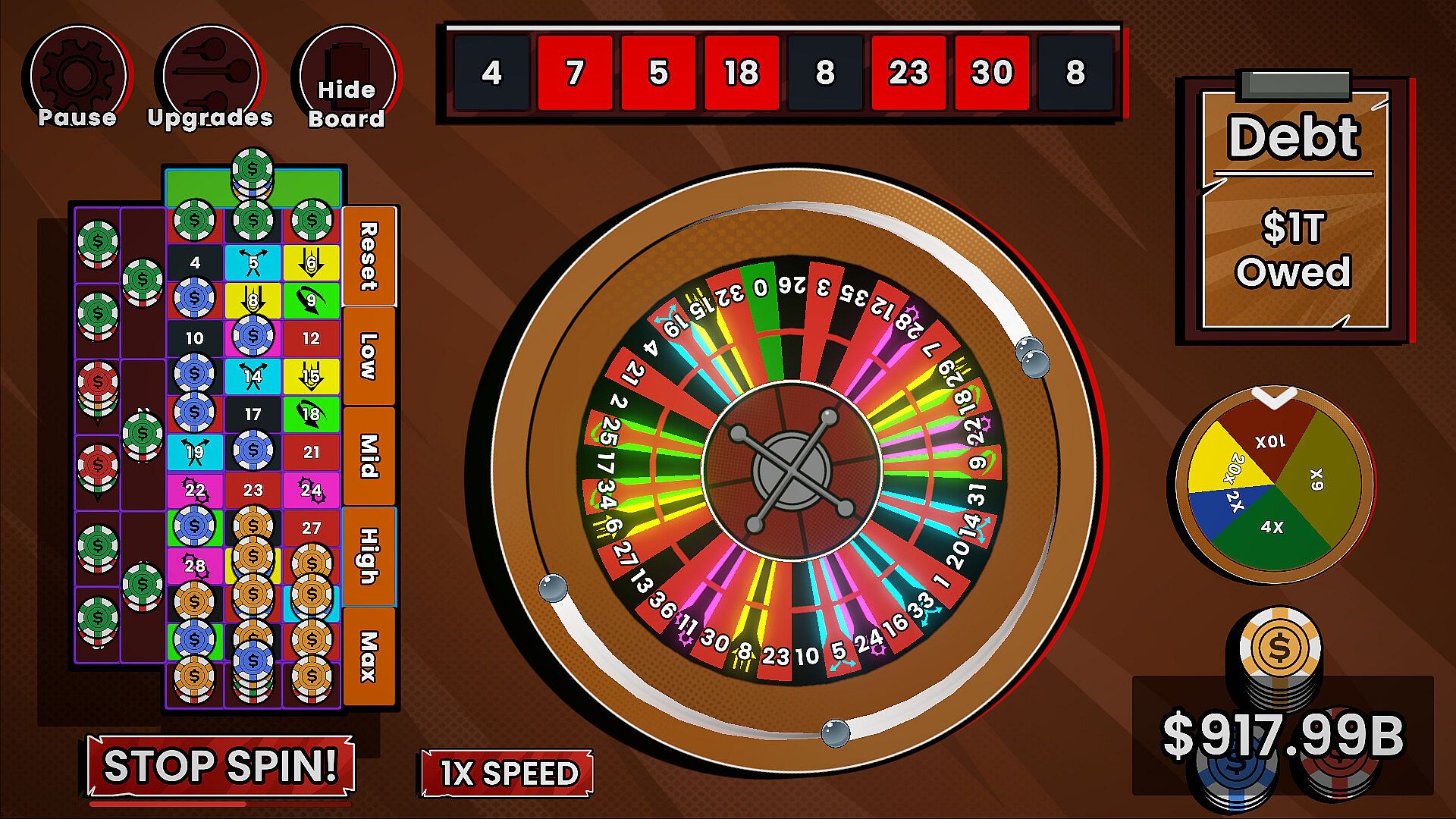


Misfortuna is an indie casual simulation game for PC built around incremental roulette mechanics. The premise places players in charge of clearing an overwhelming family debt owed to the mafia after a disappearance leaves the responsibility behind. Core play revolves around repeated spins that generate payouts, followed by reinvestment into upgrades that scale earnings dramatically over time.
Gameplay
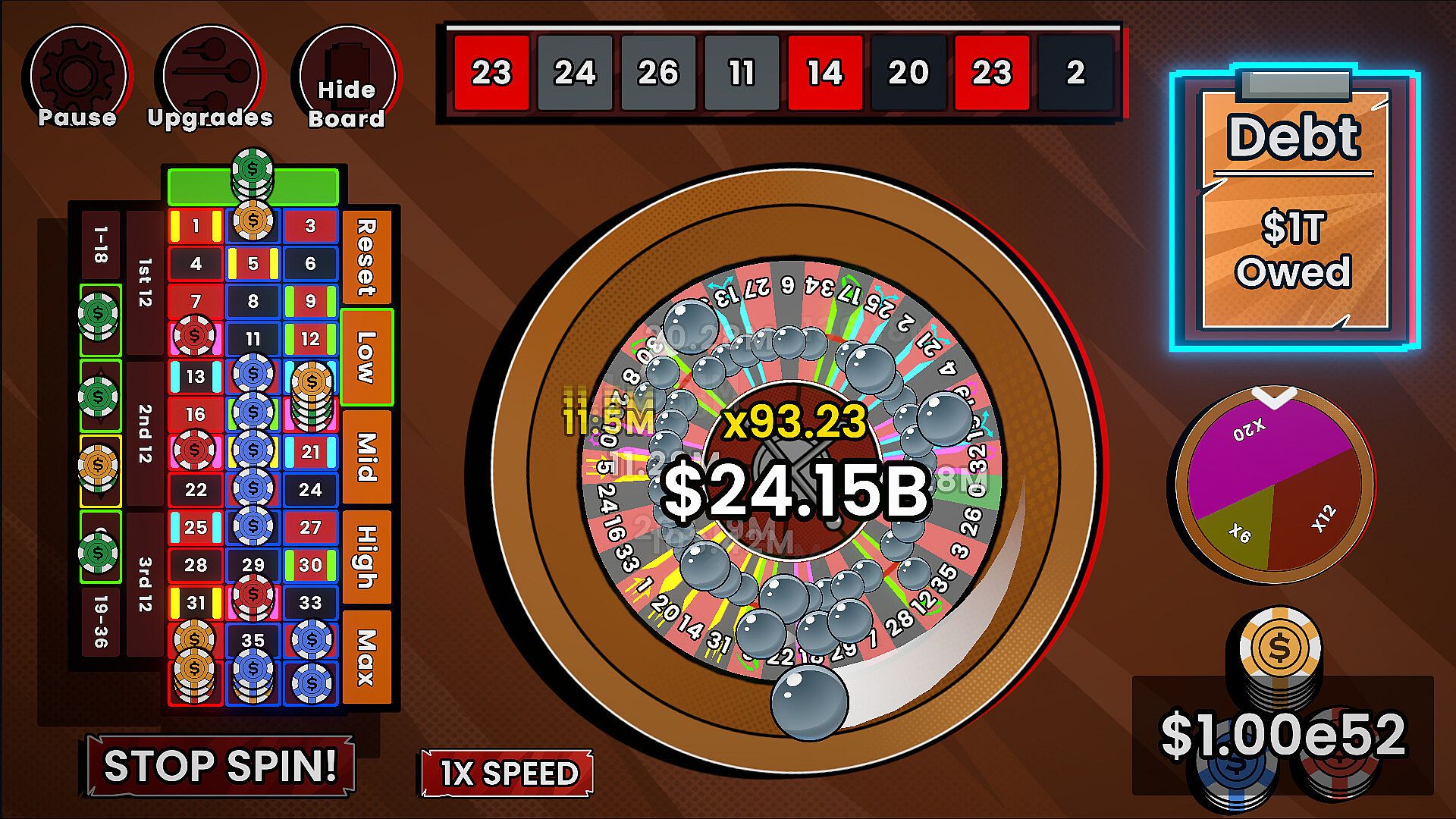
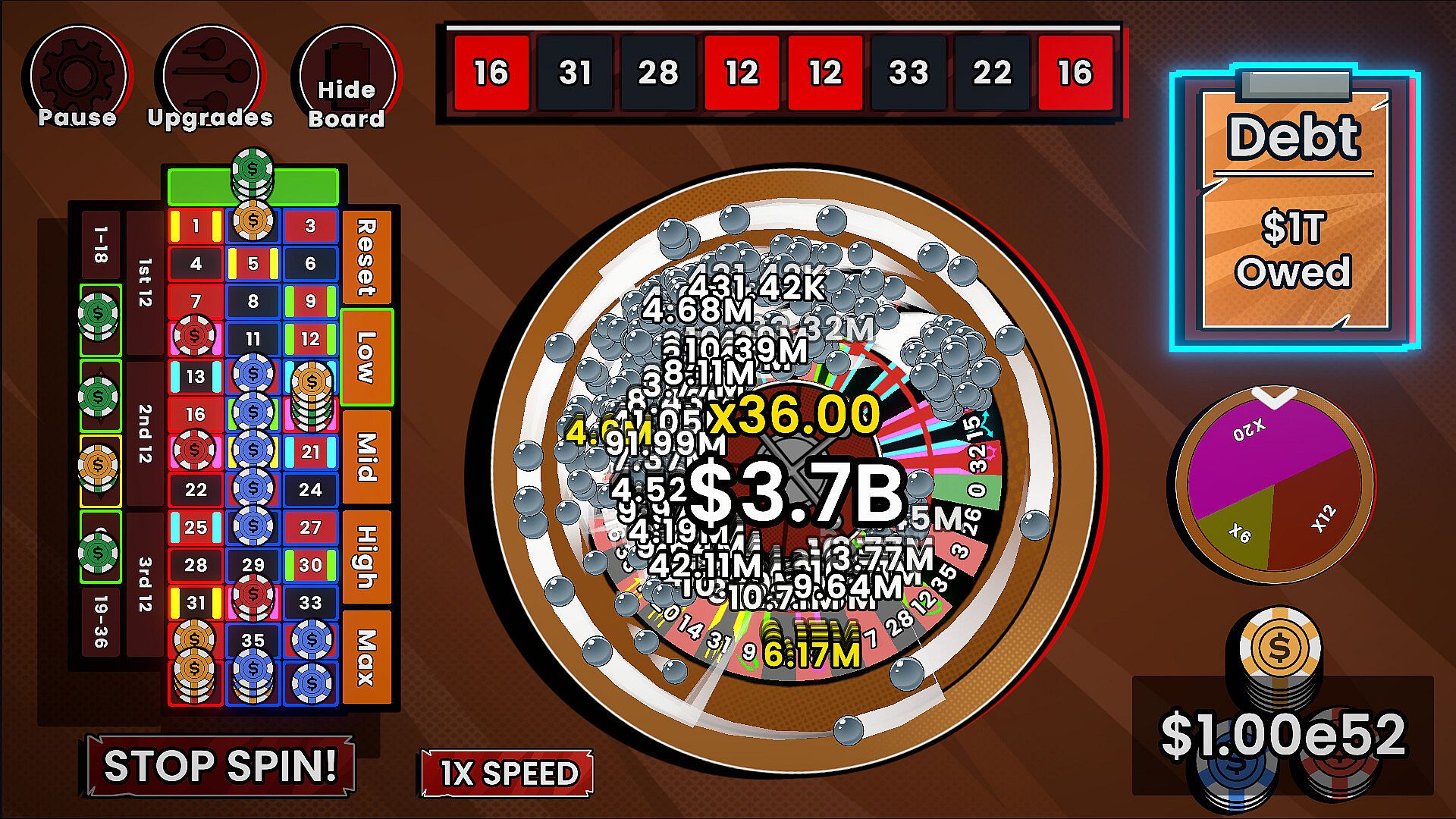
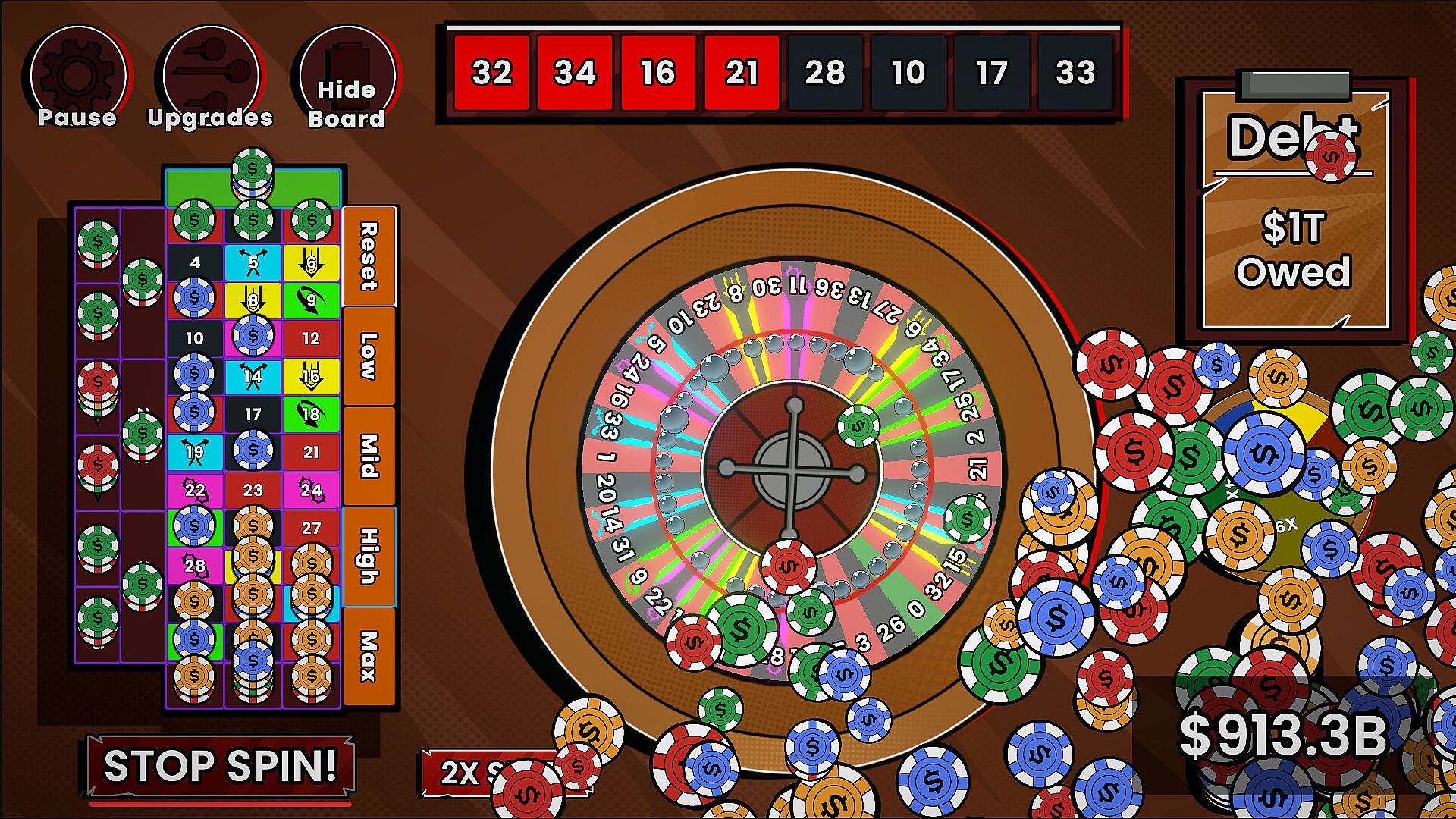
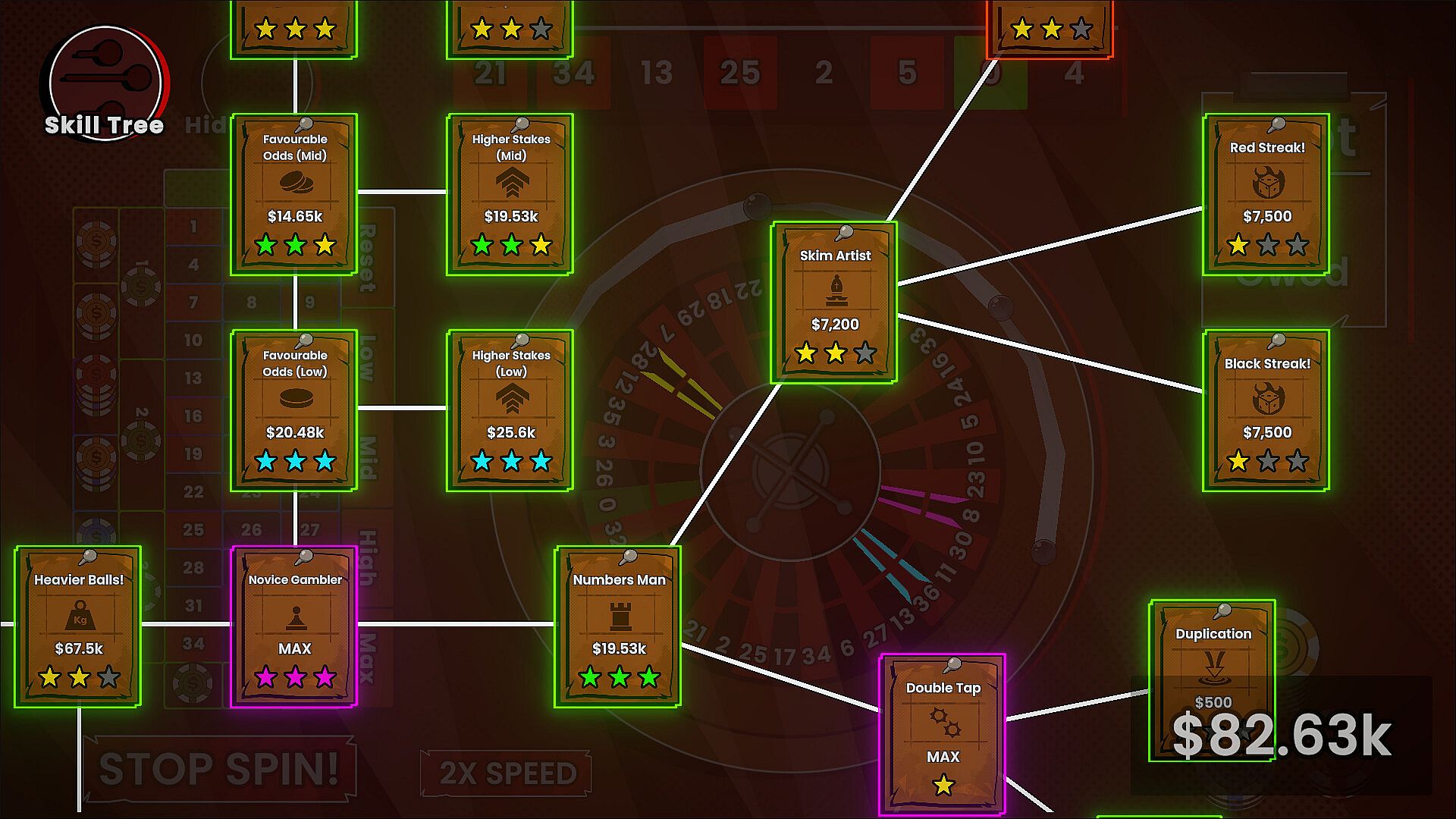
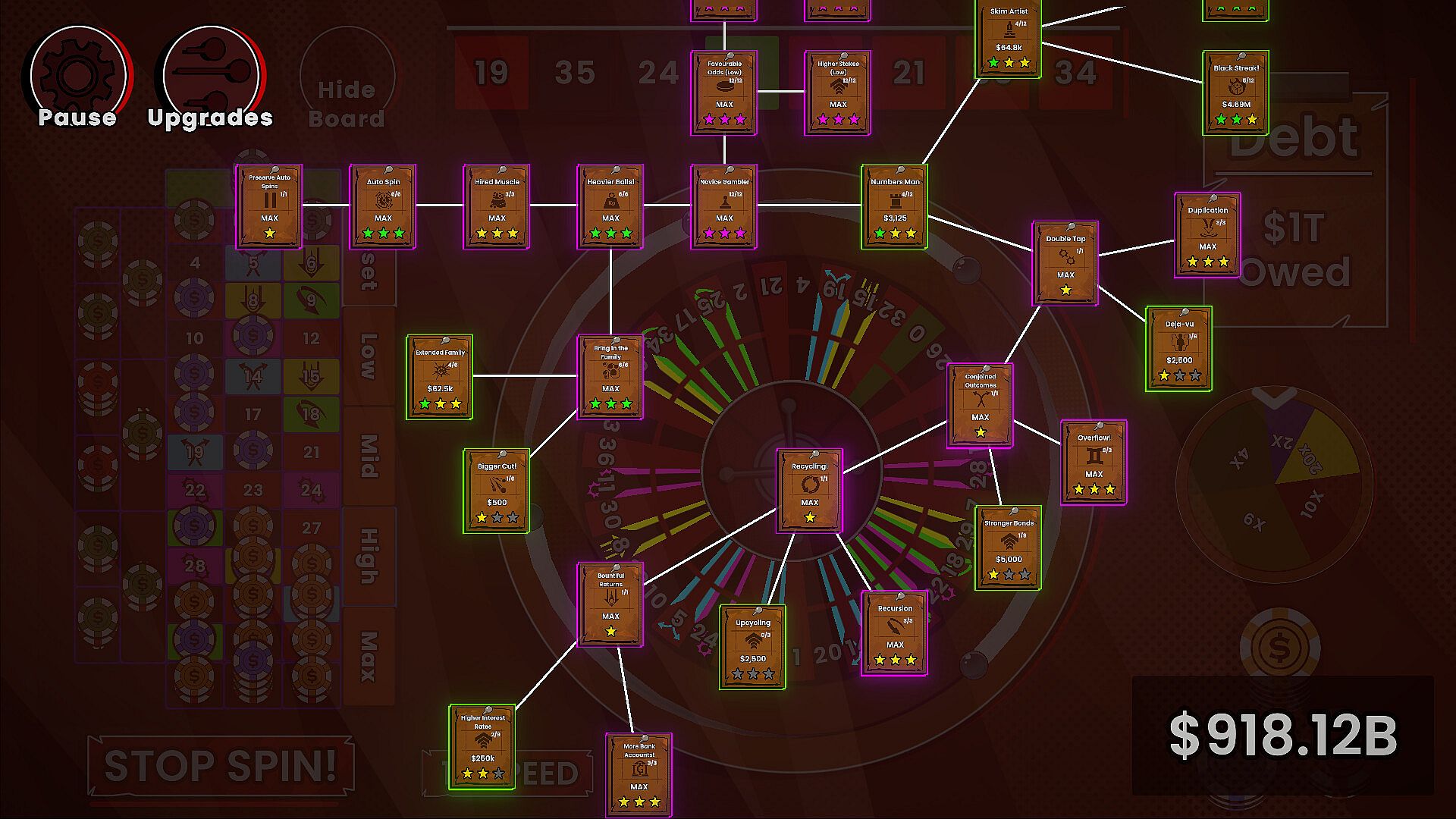
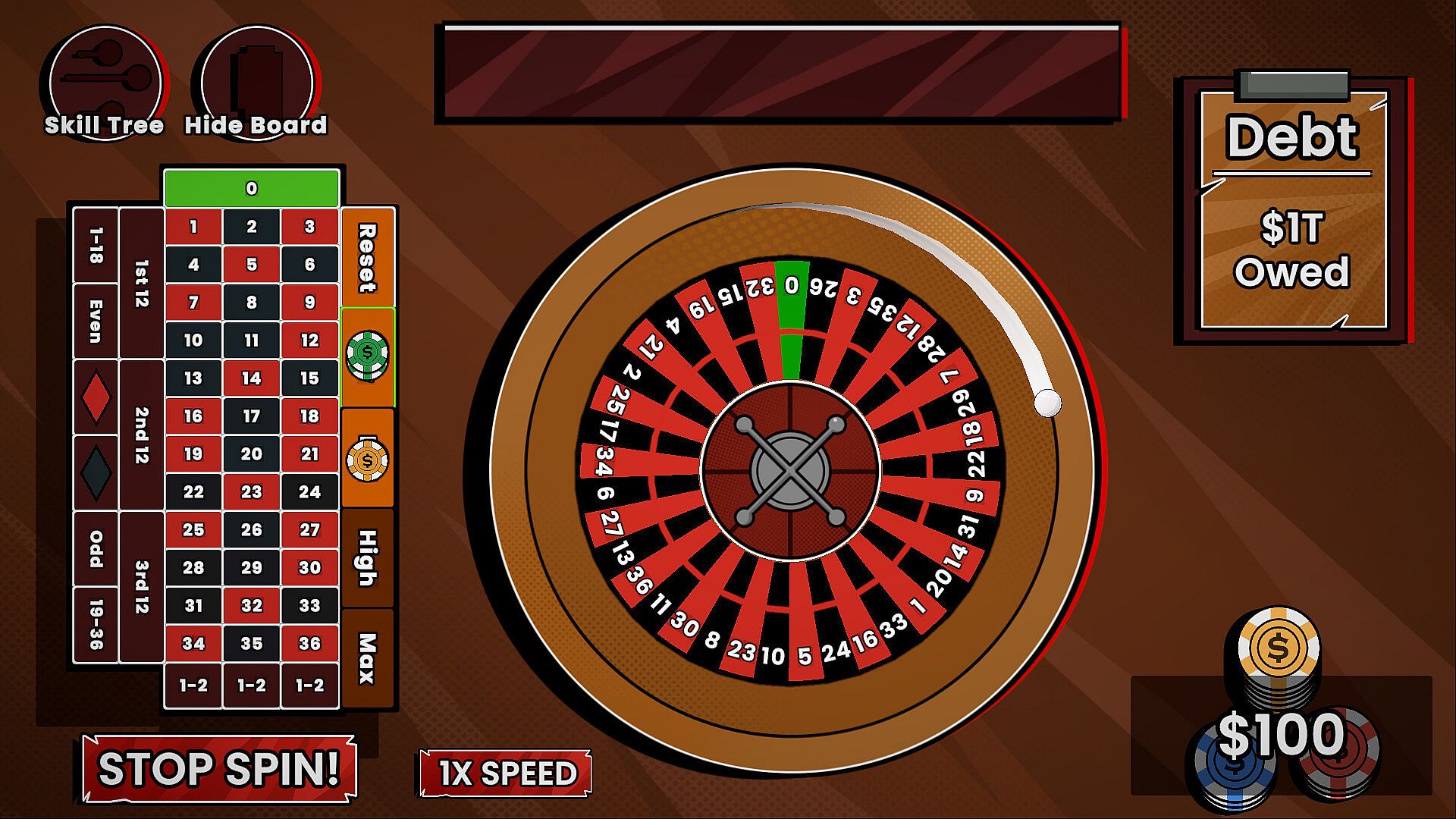
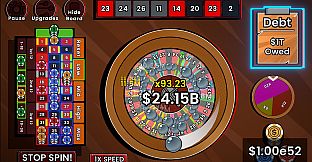
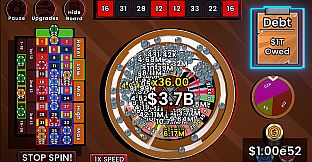
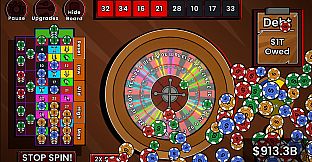
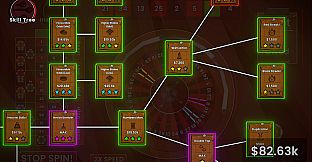
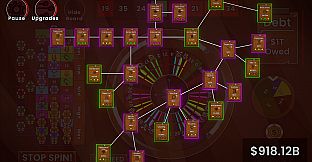
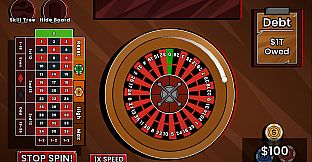
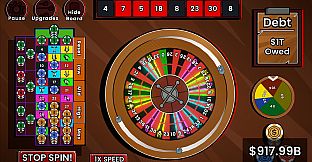
The central loop involves spinning a roulette wheel to produce winning numbers and collect money. Payouts start modest but expand exponentially as upgrades take effect. Players purchase improvements that boost overall returns by large margins, multiply the number of balls in play for higher win chances, and swap ball types for varied performance. Streaks become available as another layer that rewards consistent success with extra funds. Powerups add further layers of strategy, though their exact effects emerge through experimentation during runs. The numbers on screen grow to enormous sizes, emphasizing the satisfaction of watching progress compound. All of this occurs in a single-player environment where the goal remains steady repayment of the debt through sustained play sessions.
Visual feedback highlights the growth of totals and the impact of each upgrade choice. The experience stays focused on the table itself, with mechanics that reward repeated spins and careful allocation of earnings. No generative AI appears in any part of the development, keeping the presentation hand-crafted.
Game Modes
Misfortuna delivers its content through a single-player incremental structure centered on the roulette wheel. Sessions build on previous progress as players unlock and combine upgrades to push totals higher. Planned stages introduce new environments that expand the available upgrades and change the visual setting around the core spinning action. These additions aim to layer fresh progression paths onto the base loop without altering the fundamental roulette focus. The design keeps everything accessible for short or extended play periods, suiting the casual simulation genre.
Progression Systems
Upgrades form the backbone of long-term advancement. Early purchases increase payout multipliers, while later options introduce ball multiplication that can reach dozens of additional spheres. Ball type changes alter spin behavior, and streak systems reward chains of successful outcomes with bonus payments. Powerups provide temporary or situational advantages that combine with permanent upgrades. A prestige system appears among the planned features, allowing meta-progression that carries benefits into new runs and makes subsequent attempts more powerful. Customization options for the wheel itself are also listed for future updates, alongside automation tools that could streamline repeated actions.
- Exponential number growth through repeated spins and upgrades
- Ball multiplication and type changes for varied strategies
- Streak rewards and powerup collection
- Planned prestige and stage-based expansion
Is It Worth Playing?
Players who enjoy incremental games that emphasize steady growth and upgrade experimentation will find the roulette foundation engaging. The mafia debt narrative adds light context without requiring deep investment, keeping the focus on mechanical satisfaction. Because the title remains in development with features such as additional wheels, soundtracks, and comics still listed as upcoming, the current experience centers on the core spin-and-upgrade loop. Those drawn to casual simulation titles with satisfying numerical progression and single-player pacing may appreciate the straightforward yet expandable design. Wishlisting provides notifications for future updates that could expand the stages and meta elements further.