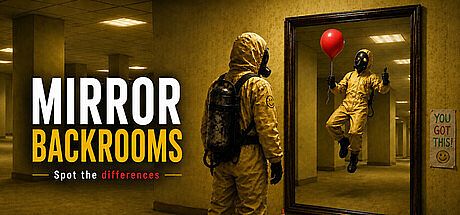


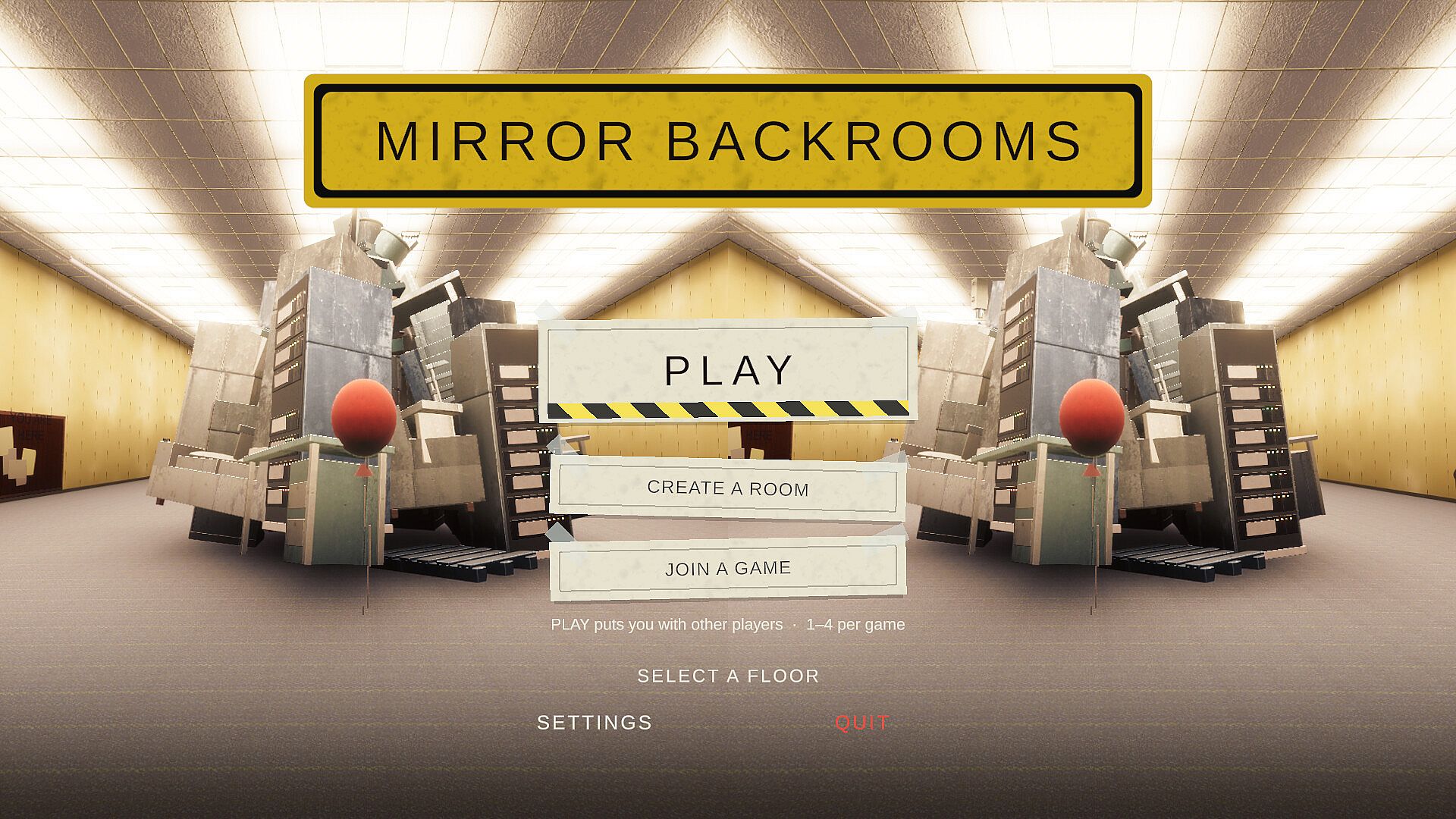
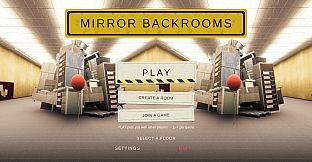
Mirror Backrooms is an indie adventure game for PC that places players in mirrored corridors where identical appearances hide constant discrepancies. The experience centers on observation, memory, and precise decision making as participants identify and correct anomalies before advancing through procedurally generated spaces.
Gameplay
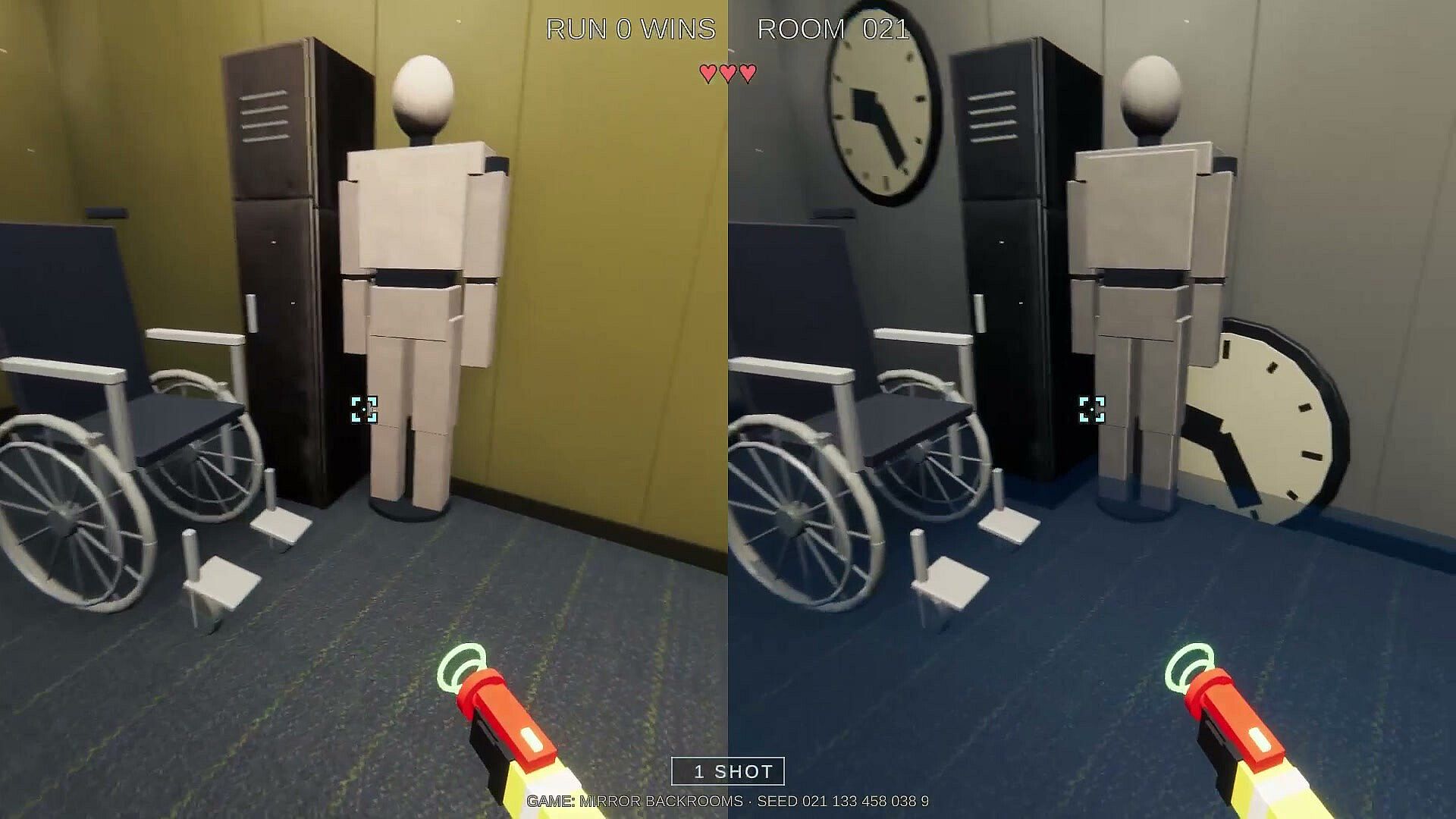
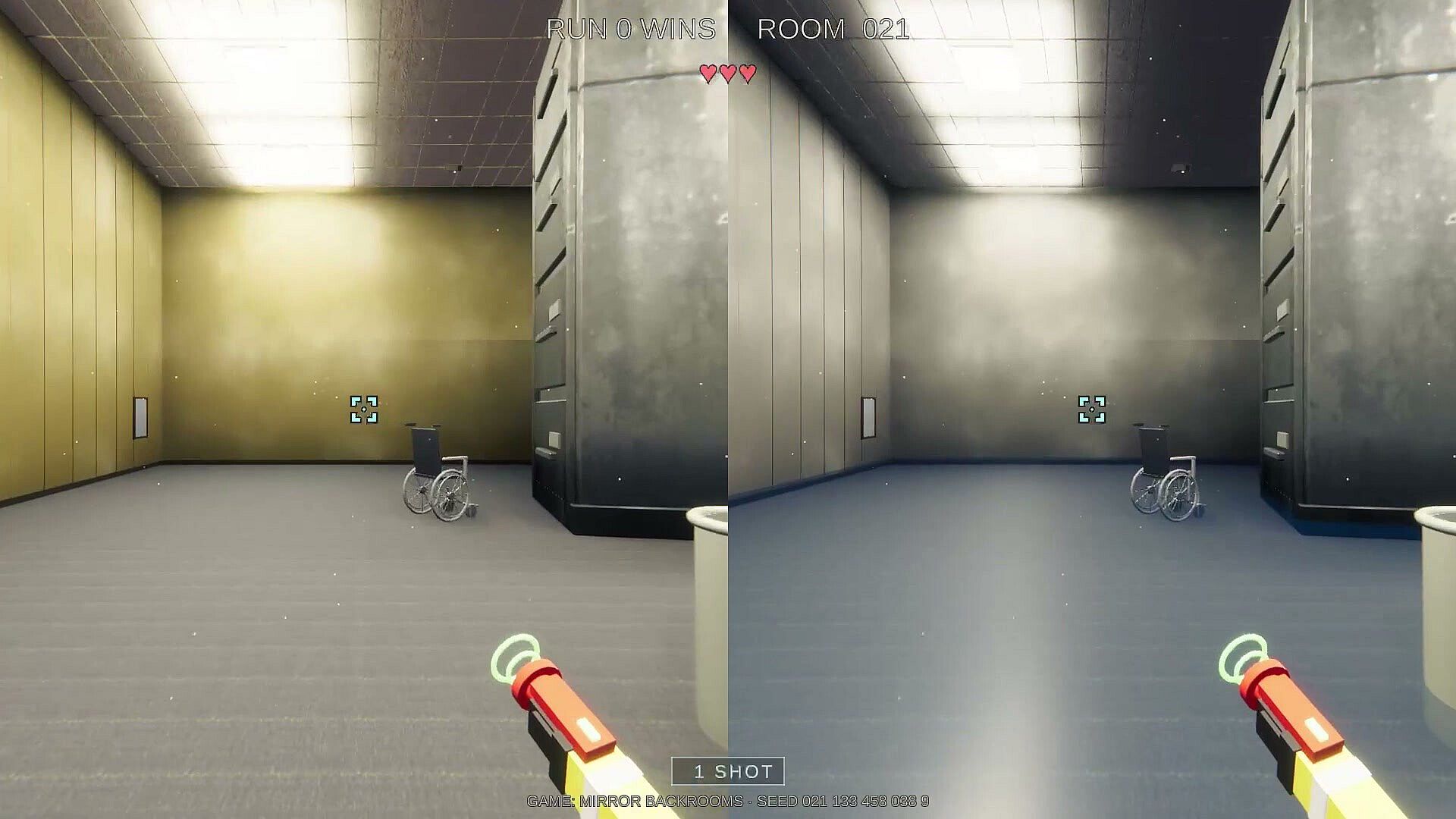
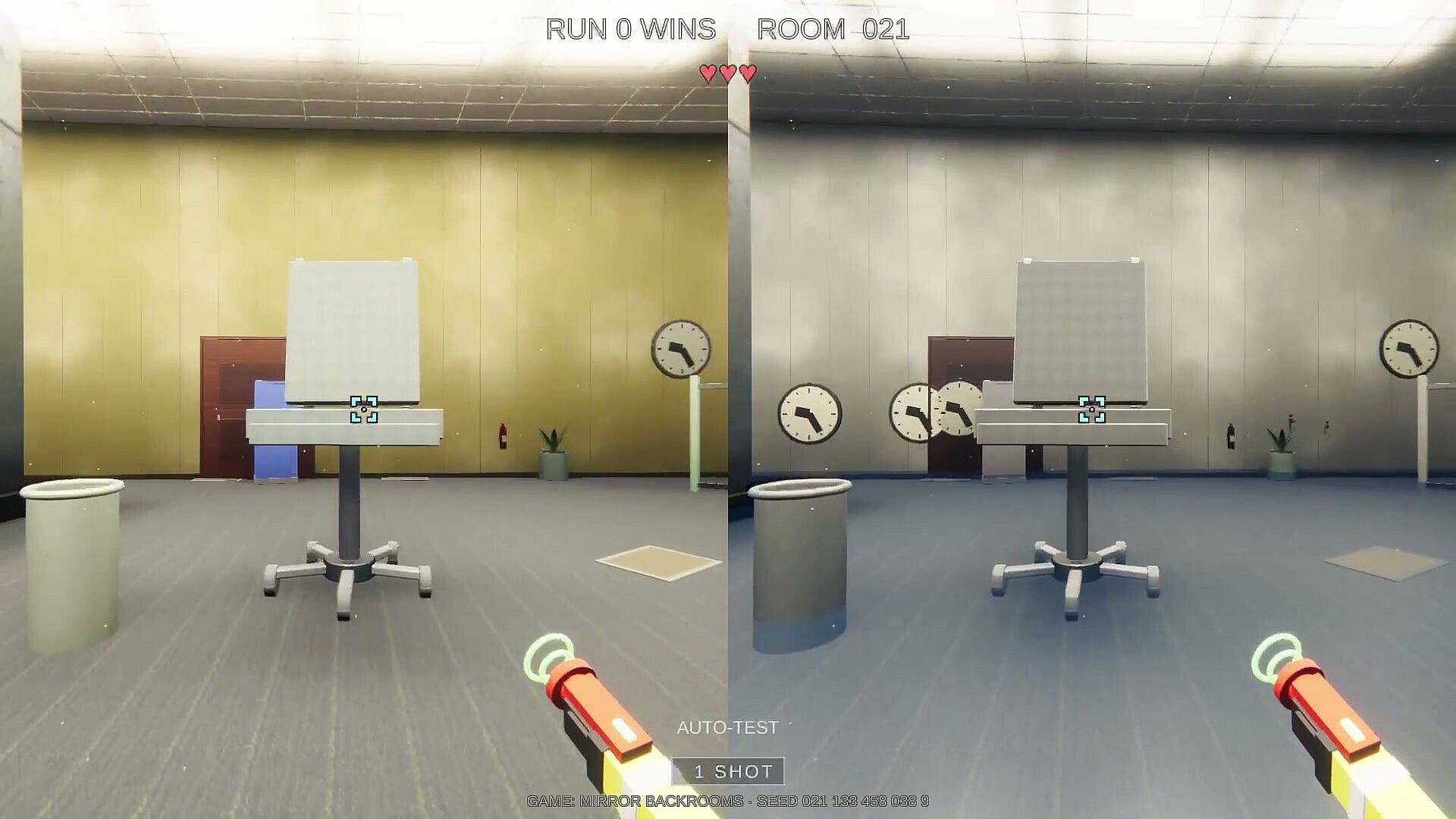
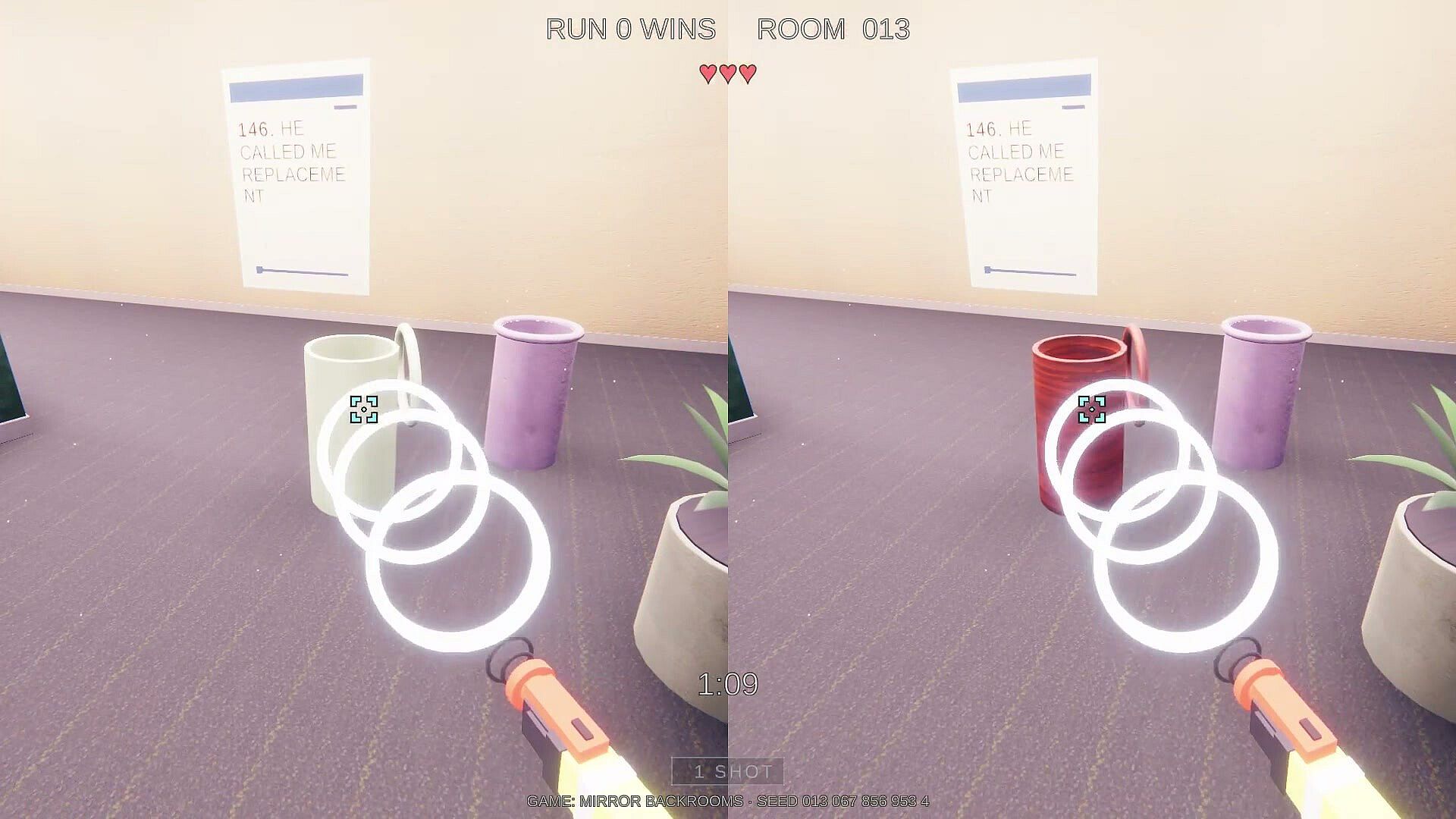
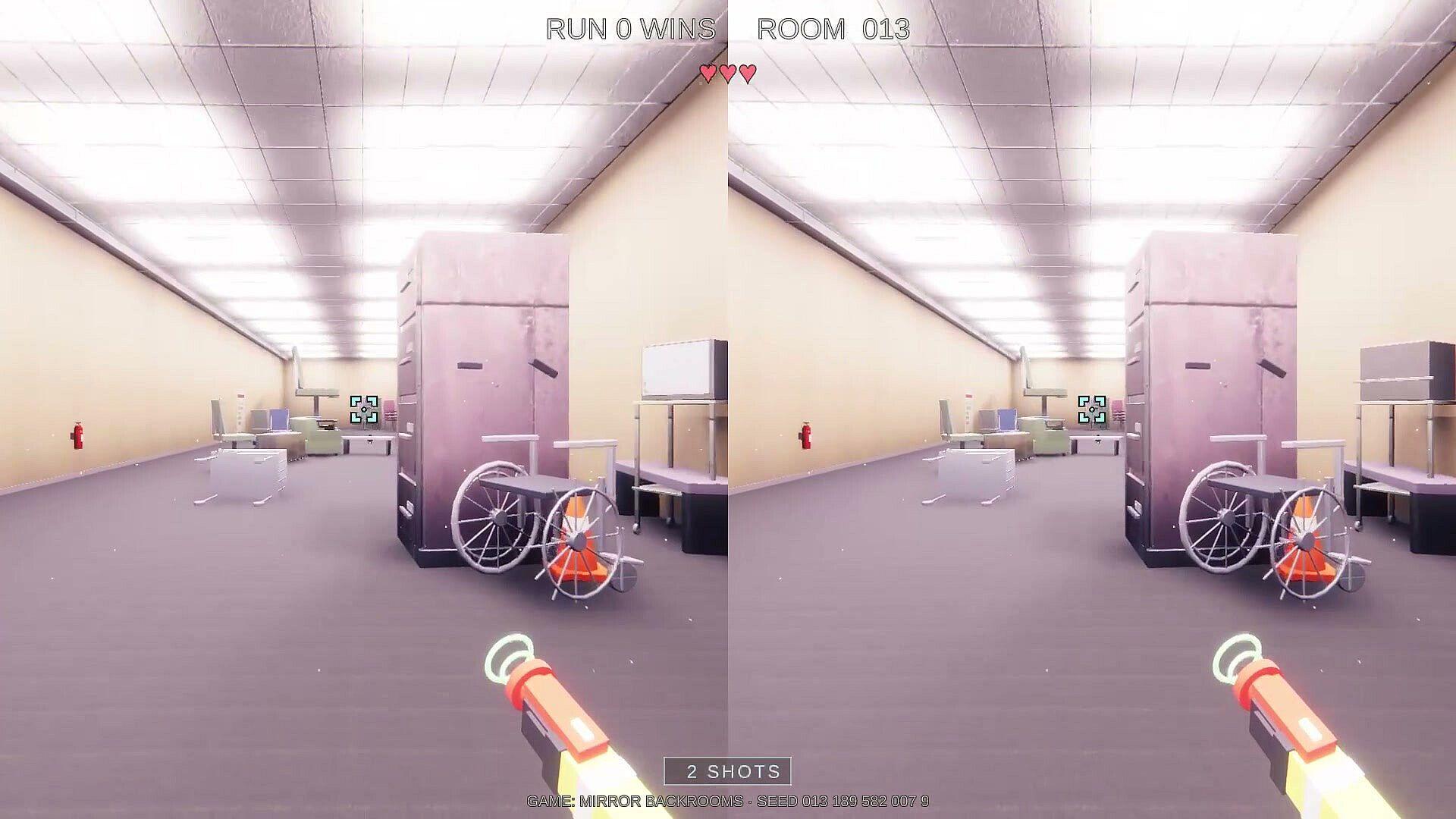
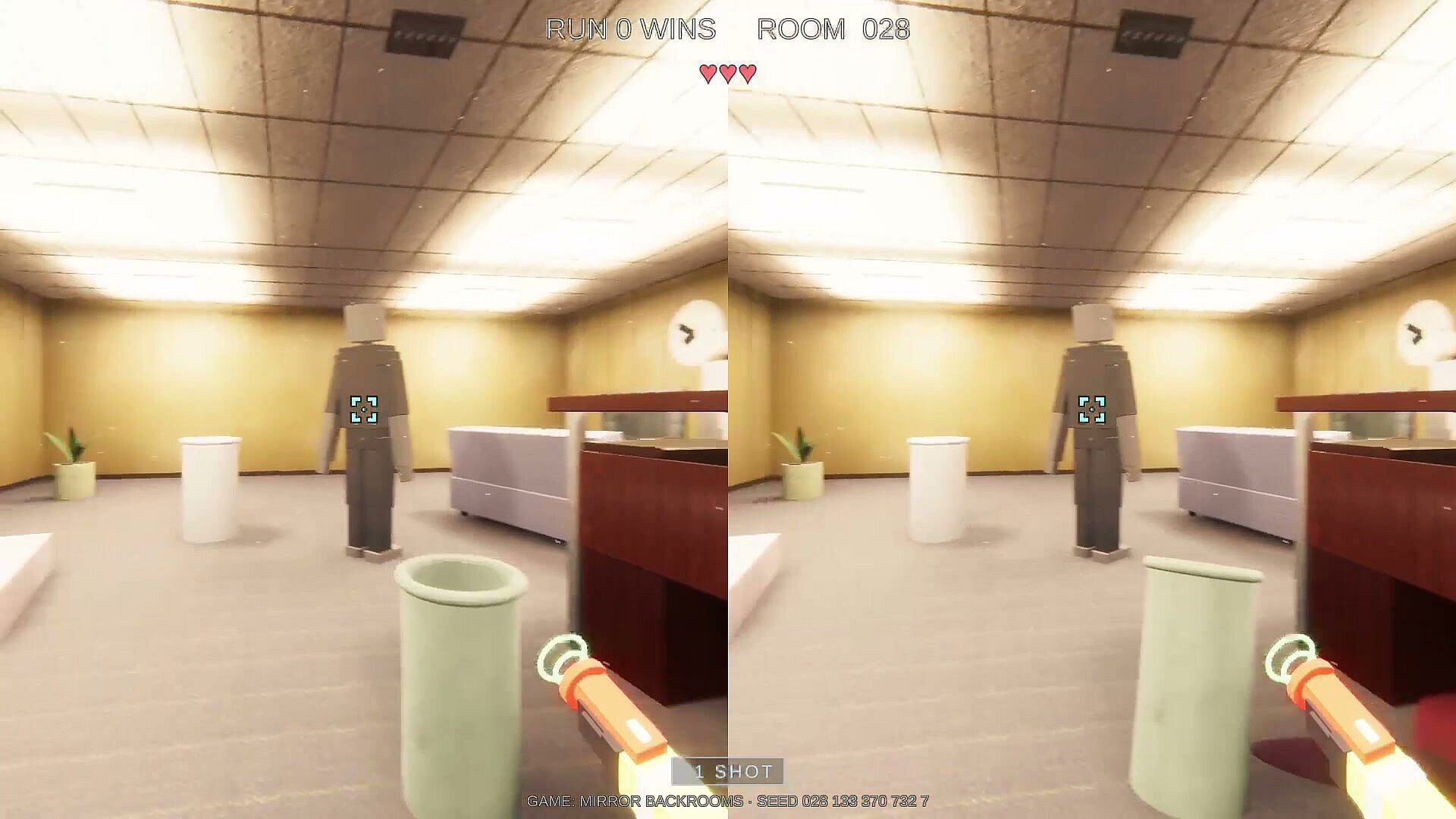
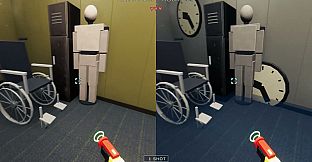
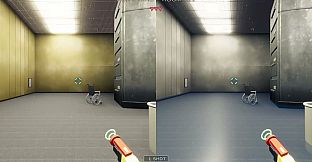
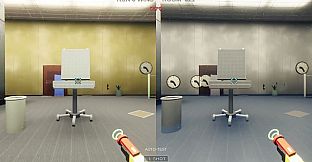
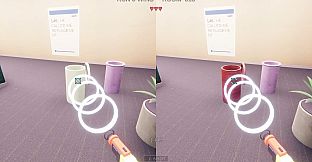
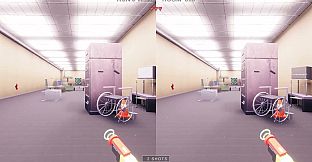
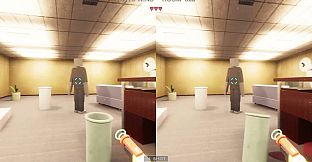
Players navigate two nearly identical corridors that shift in subtle ways. Furniture repositions, doors appear on one side only, and distant figures change form without warning. Each participant views both spaces simultaneously but from unique vantage points, encouraging coordinated searches across the twin environments.
Confirmation relies on a sonic ring fired at suspected anomalies. A correct hit returns the ring, while an incorrect call leaves no margin for error. Rooms enforce unique rules that alter visibility, movement, or the emitter itself, forcing constant relearning of mechanics as progress continues.
More than one hundred Crawlers populate the spaces. Each follows distinct behaviors, such as tracking footsteps or activating only when unobserved. These entities may observe silently or intervene directly, adding layers of tension without immediate aggression in every encounter.
Procedural generation draws from over 2.1 billion seeds to recombine layouts, lighting, anomalies, and Crawler placements. One hundred named floors contain one thousand numbered rooms, yet reaching the final door reveals no guaranteed conclusion. Weekly synchronized runs allow global competition on identical sequences tracked through leaderboards.
Game Modes
Single player sessions let one person handle all observation and confirmation tasks alone. The full procedural structure and Crawler encounters remain available without assistance, testing individual memory and judgment across the room laws.
Online co op supports up to four participants who divide responsibilities such as monitoring exits, tracking entities, or rechecking distant sections. Voice communication becomes essential for sharing observations and debating whether a detail matches prior memory or represents a new discrepancy.
No additional named modes exist beyond these core options. The same anomaly detection and exit validation loop applies in both formats, with co op simply distributing the visual and auditory workload across multiple perspectives.
Progression and Challenges
Deeper rooms introduce escalating complexity. Simple positional shifts give way to alterations in direction, distance, time perception, or the sonic emitter rules themselves. What resolved an earlier discrepancy may prove fatal in the next environment.
Crawlers adapt their interference patterns, sometimes revealing anomaly locations indirectly or forcing players to weigh continued observation against the risk of exposure. The exit activates only when the group confirms the spaces match, exposing any overlooked detail through environmental feedback.
Procedural variety ensures no two runs follow identical patterns. Room numbers provide no reliable indicator of remaining distance, and the absence of external guides leaves players reliant on direct observation and team discussion.
Is It Worth Playing?
Mirror Backrooms remains unreleased, scheduled for October 27, 2026, with a demo currently available for testing core mechanics. No user reviews exist yet, so reception cannot be assessed through ratings or aggregated feedback.
The game suits players who enjoy deliberate puzzle solving, memory challenges, and cooperative deduction in a liminal setting. Those who prefer fast action or clearly signposted objectives may find the emphasis on uncertainty and repeated verification less engaging.
Single player offers a solitary test of perception, while co op adds layers of miscommunication and shared discovery. The procedural depth and weekly leaderboard competition provide ongoing variety for those who complete the initial sequence.
Availability on PC through standard digital storefronts will determine access once the full version launches. The demo provides the clearest preview of whether the anomaly detection loop and Crawler behaviors align with individual preferences.