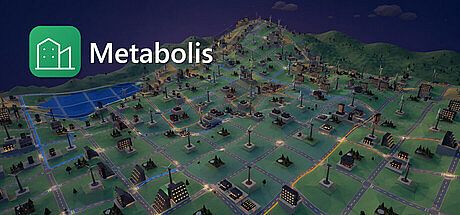


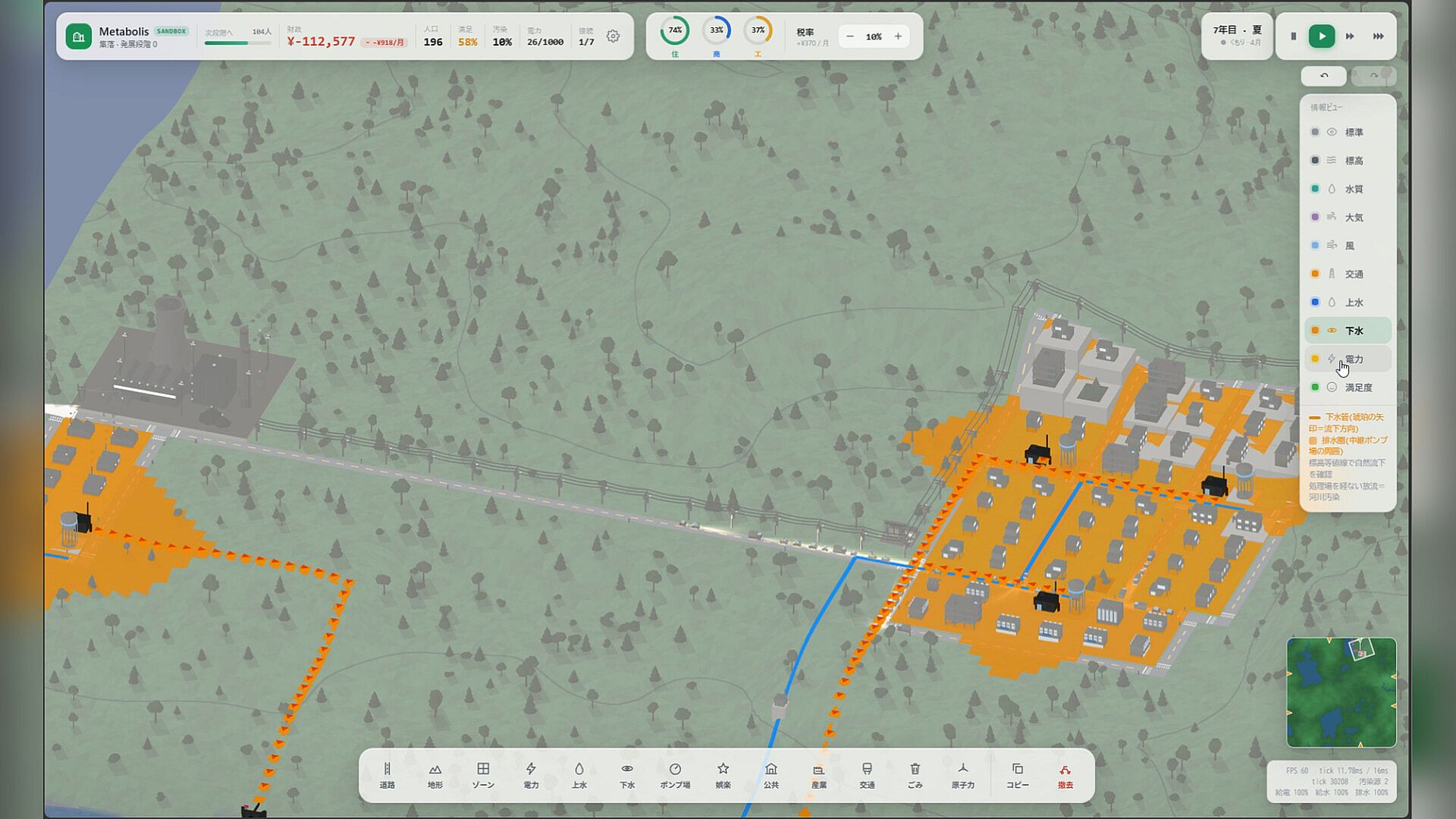
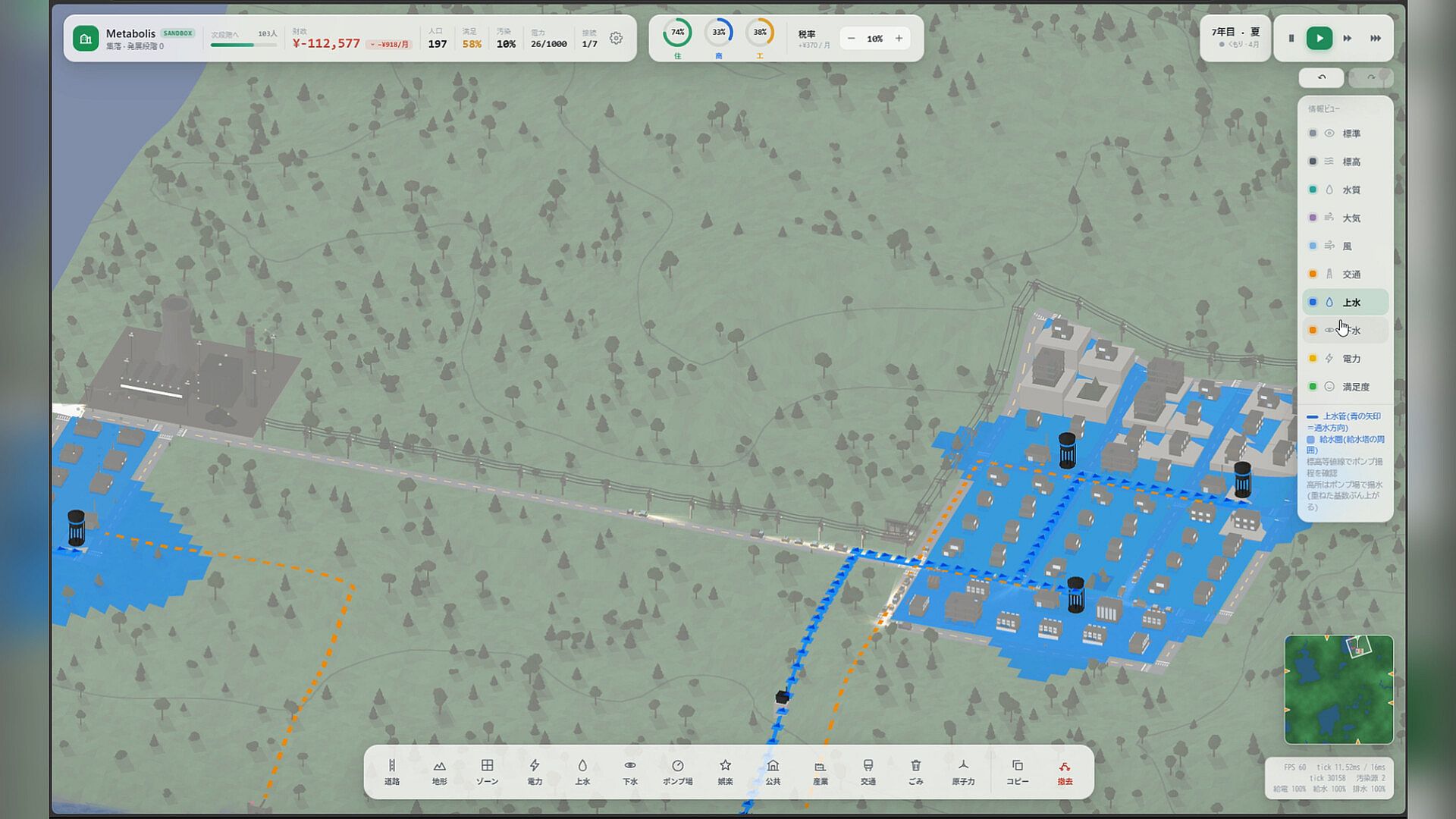
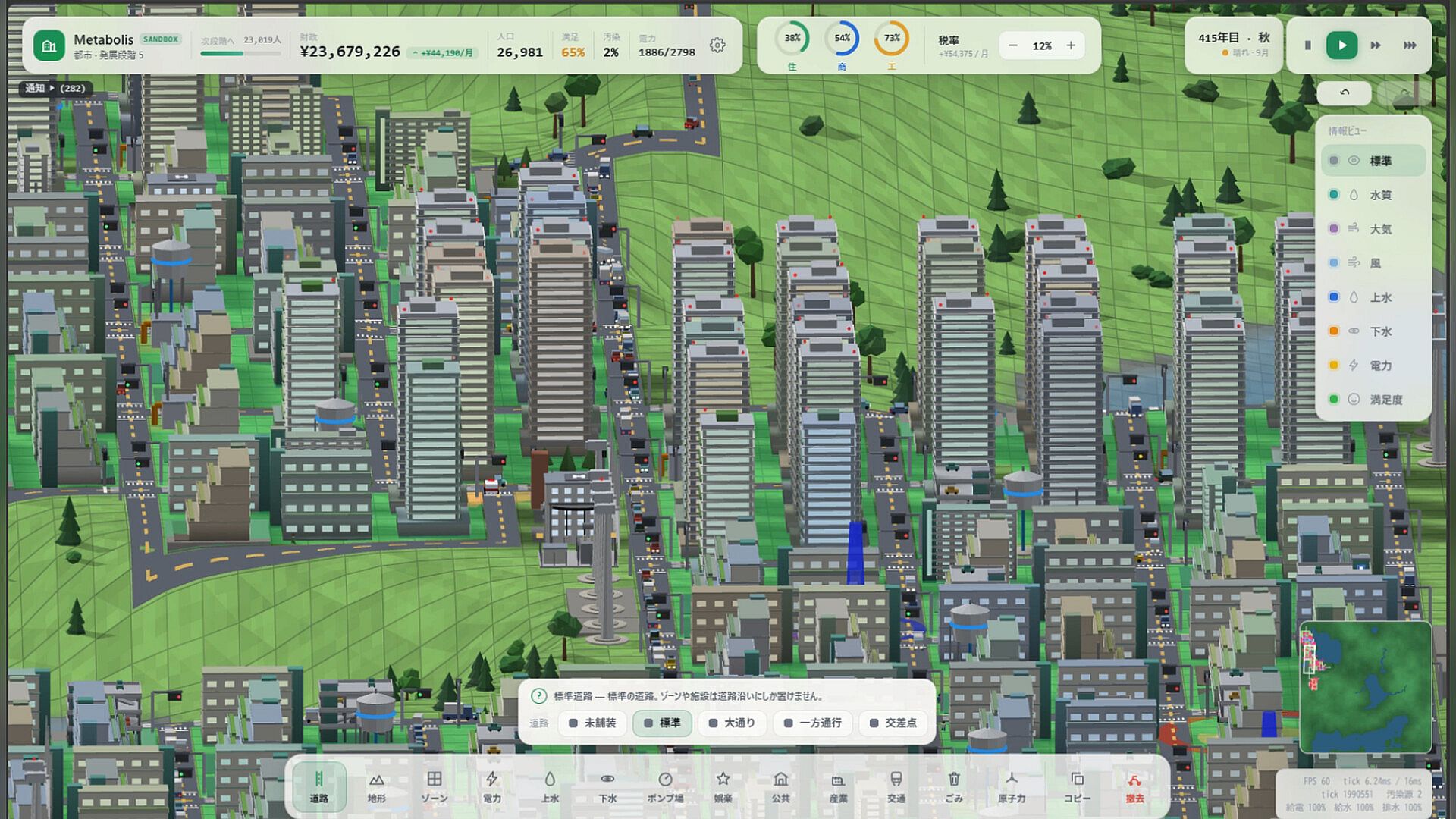
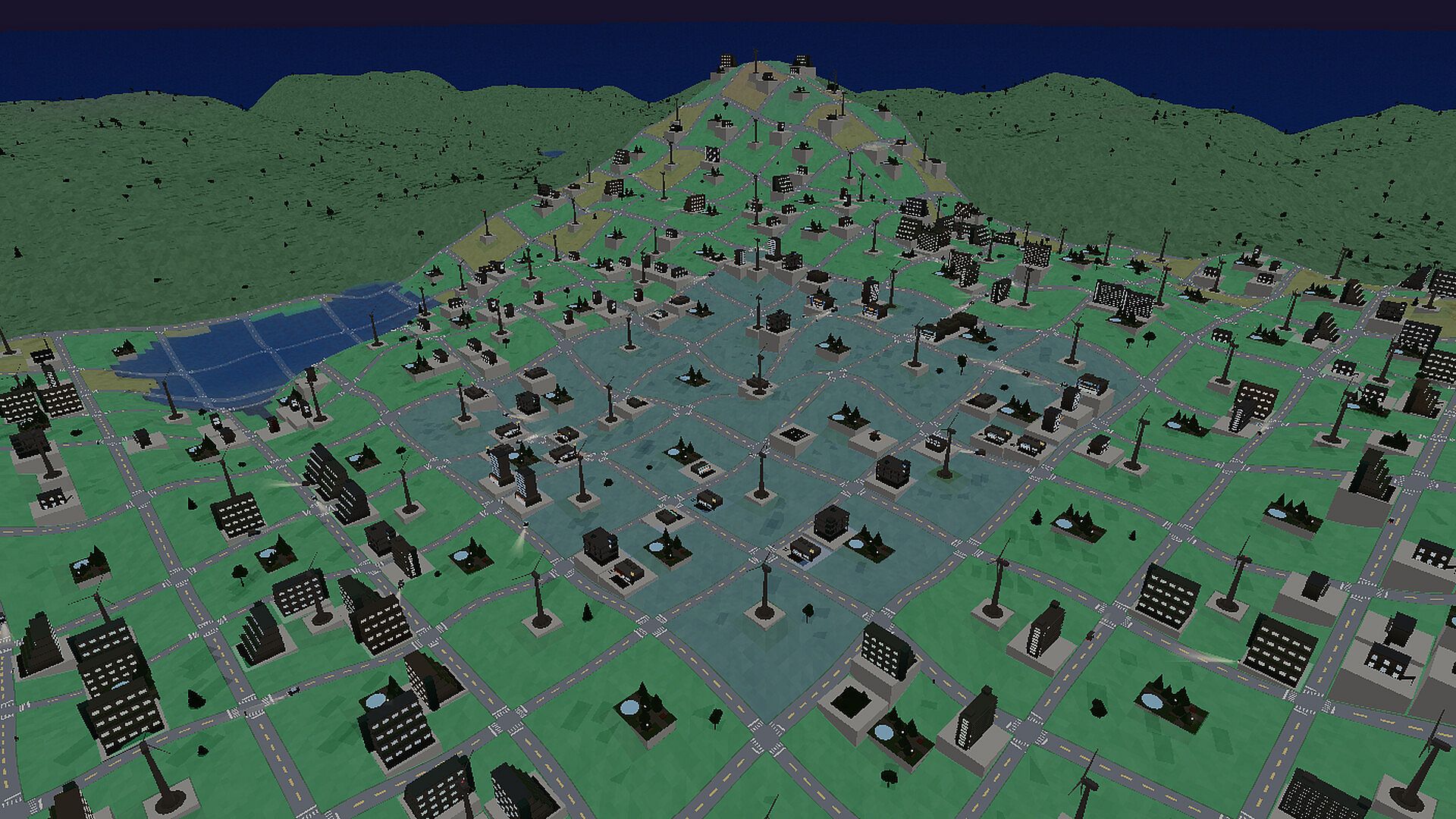
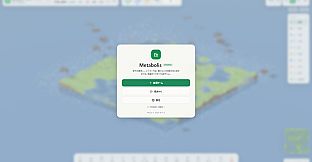
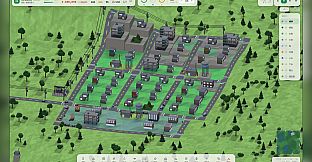
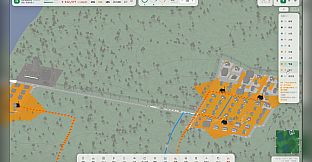
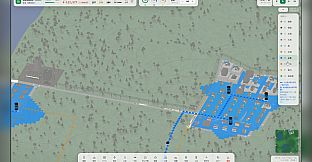
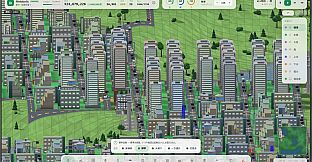
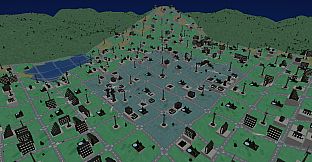
Metabolis is an indie city builder simulation game focused on the realistic flow of matter through urban systems. Set on procedurally generated maps with rivers, lakes, seas, and hills, the title emphasizes a hydrodynamic simulation that governs water movement, pollution spread, and resource delivery on PC in early access.
Gameplay
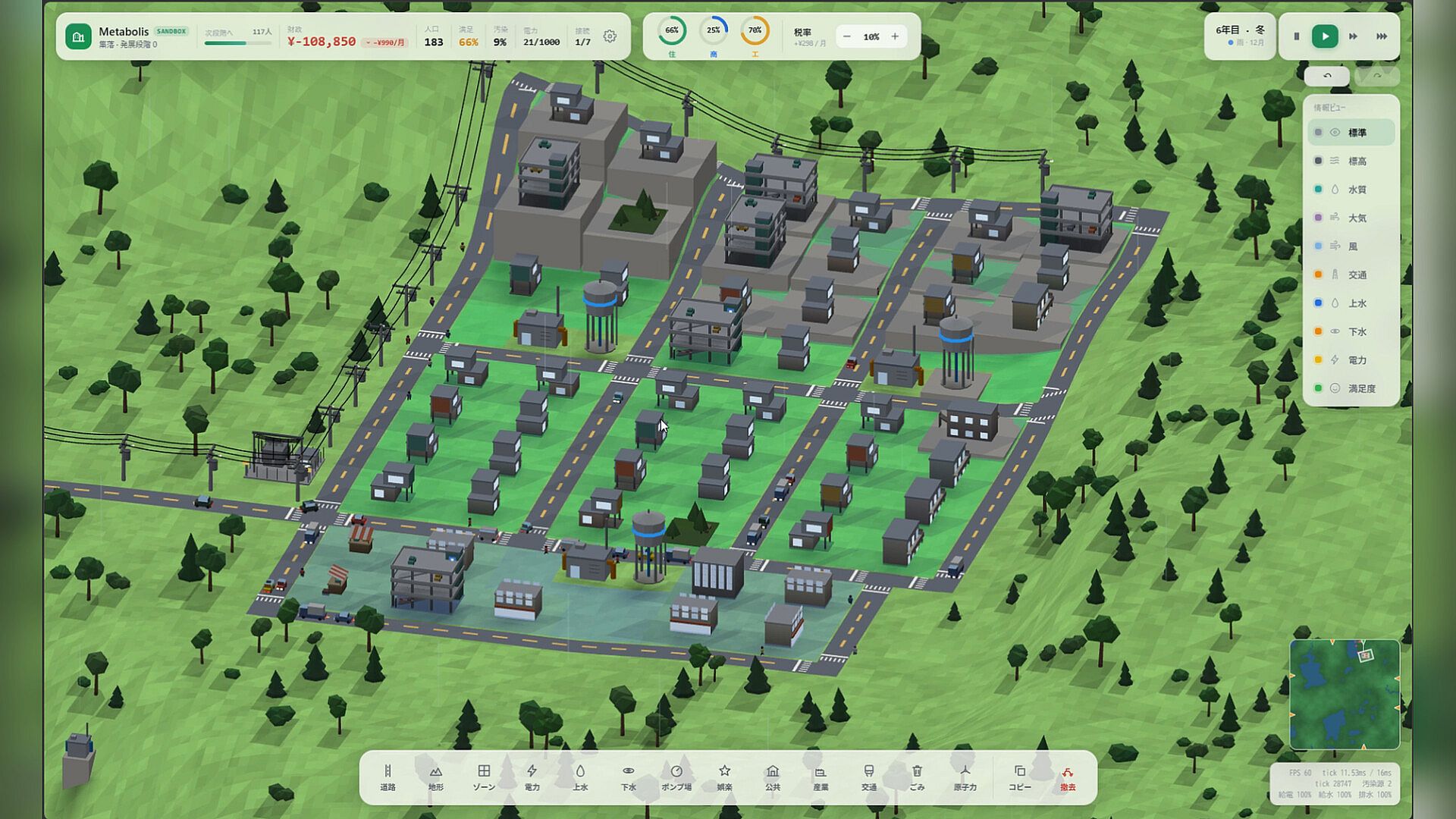
The core loop centers on managing the physical movement of water and waste while expanding a settlement through eight distinct infrastructure stages. Rivers respond to rainfall by swelling and receding during dry periods, and players must account for gravity and elevation when placing pumps, pipes, and treatment facilities. High ground requires additional pump stations to maintain supply, while sewage naturally flows downhill to processing plants.
Pollution mechanics create direct consequences. Untreated sewage released into waterways contaminates downstream sections, and drawing water from a polluted source carries contaminants back through the city pipes, leading to disease outbreaks. Thermal power plants provide strong output but introduce environmental drawbacks, whereas wind turbines offer cleaner energy that fluctuates with weather patterns. Power distribution relies on lines and substations, with shortages manifesting as visible brownouts where building windows darken.
Traffic operates on an agent-based system where each vehicle independently selects lanes, responds to signals, and navigates intersections before parking at its destination. Emergency responses for fires, disease, and crime route through the same road network. A day and night cycle affects visibility, with headlights activating after dark and long shadows appearing at dusk. Terraforming tools allow modification of the seed-generated terrain to shape valleys and hills for optimal city layout.
Game Modes
Metabolis operates as a single-player sandbox experience without separate named modes. Players progress through infrastructure stages that unlock new requirements for growth, starting from a small hamlet and scaling toward a full metropolis. The economy runs on taxes, budgets, and demand from residential, commercial, and industrial zones, all tied to the underlying simulation rather than abstract numbers.
Weather cycles influence both river levels and wind power availability, adding variability to long-term planning. The simulation runs continuously, so every decision about placement and release points affects downstream conditions across the map.
Visual and Creative Tools
A dedicated photo mode provides a free camera that can position anywhere on the map. Presets allow quick switches between day, dusk, and night lighting, supported by bloom effects, filmic tone mapping, and starry skies for atmospheric captures. One-key screenshots streamline the process of documenting city layouts and simulation events.
Low-poly visuals maintain a cozy aesthetic while the underlying physics engine handles the detailed water and flow calculations. Pedestrians move along sidewalks as vehicles traverse roads, contributing to the living feel of the environment without requiring direct player control over individual agents.
Is It Worth Playing?
Metabolis suits players who enjoy detailed simulation city builders where cause-and-effect relationships drive decisions. The emphasis on real hydrodynamic modeling, agent-based traffic, and visible infrastructure constraints offers a hands-on approach to urban planning that rewards careful observation of flows and elevations. Early access status means the title continues to receive updates focused on expanding these systems.
Those seeking straightforward building without physics considerations may find the gravity, pollution feedback, and weather dependencies more demanding than typical titles in the genre. The sandbox format supports extended play sessions centered on optimizing a city's metabolism from initial settlement through full metropolitan scale.