









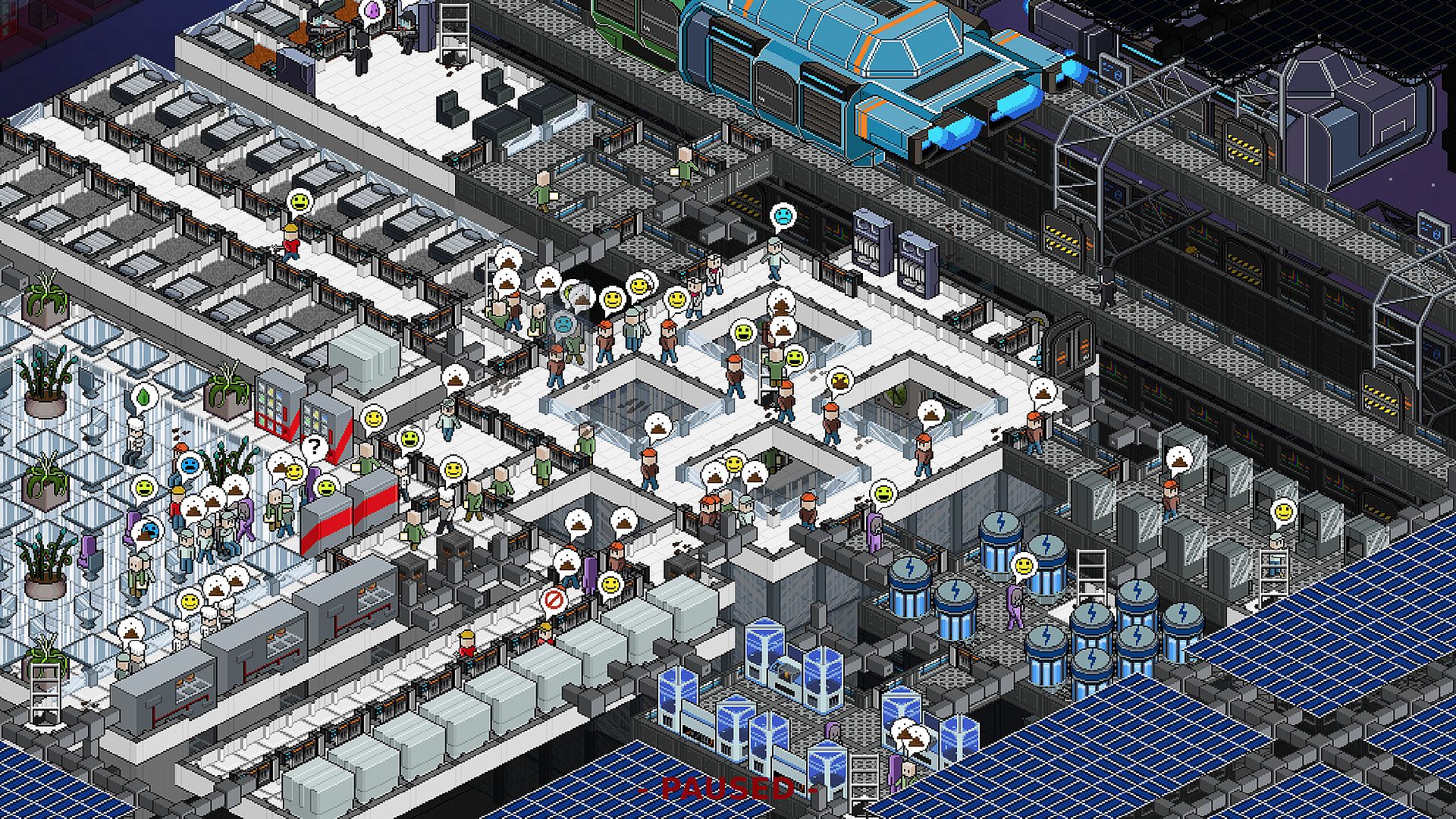
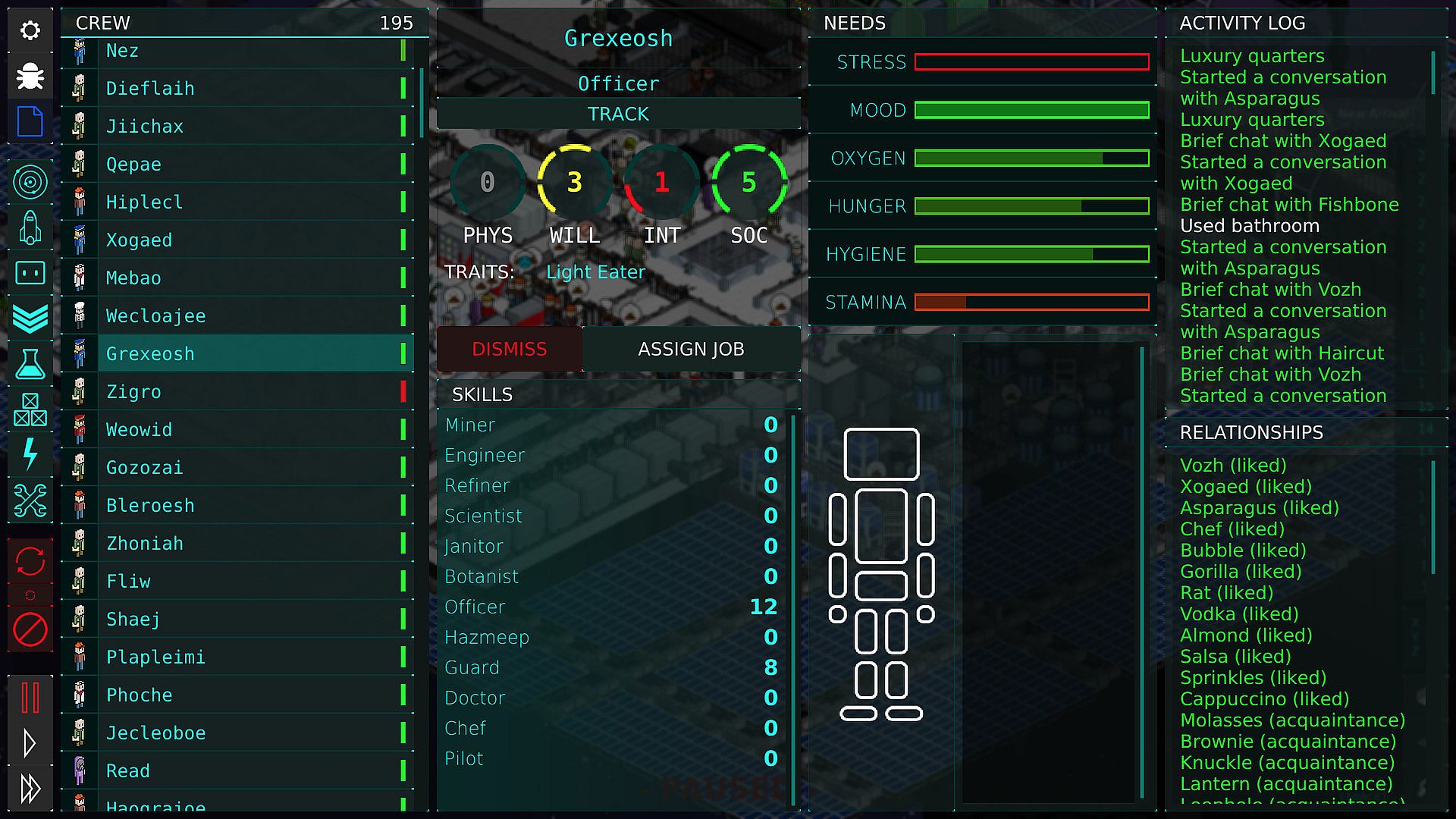
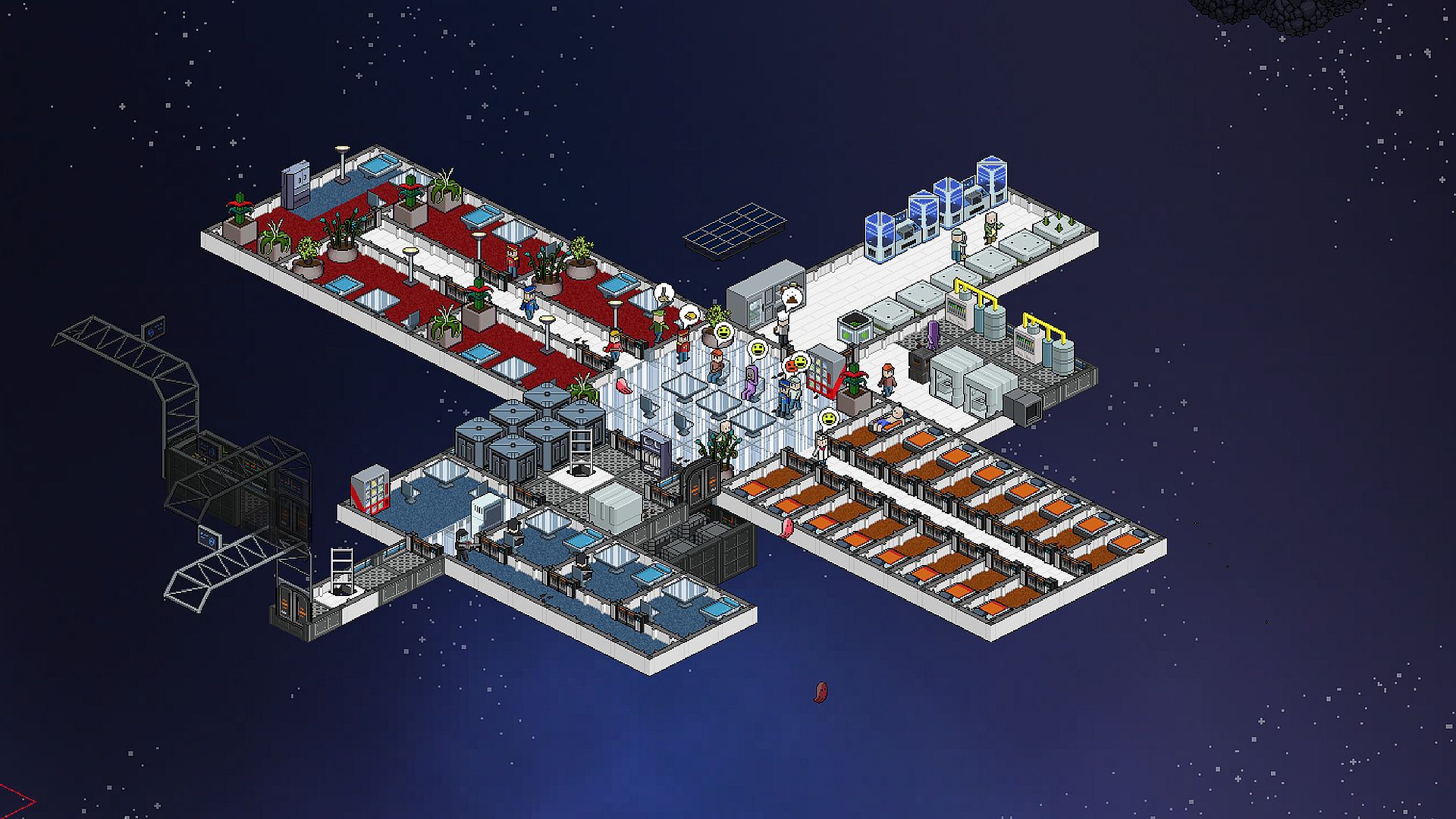
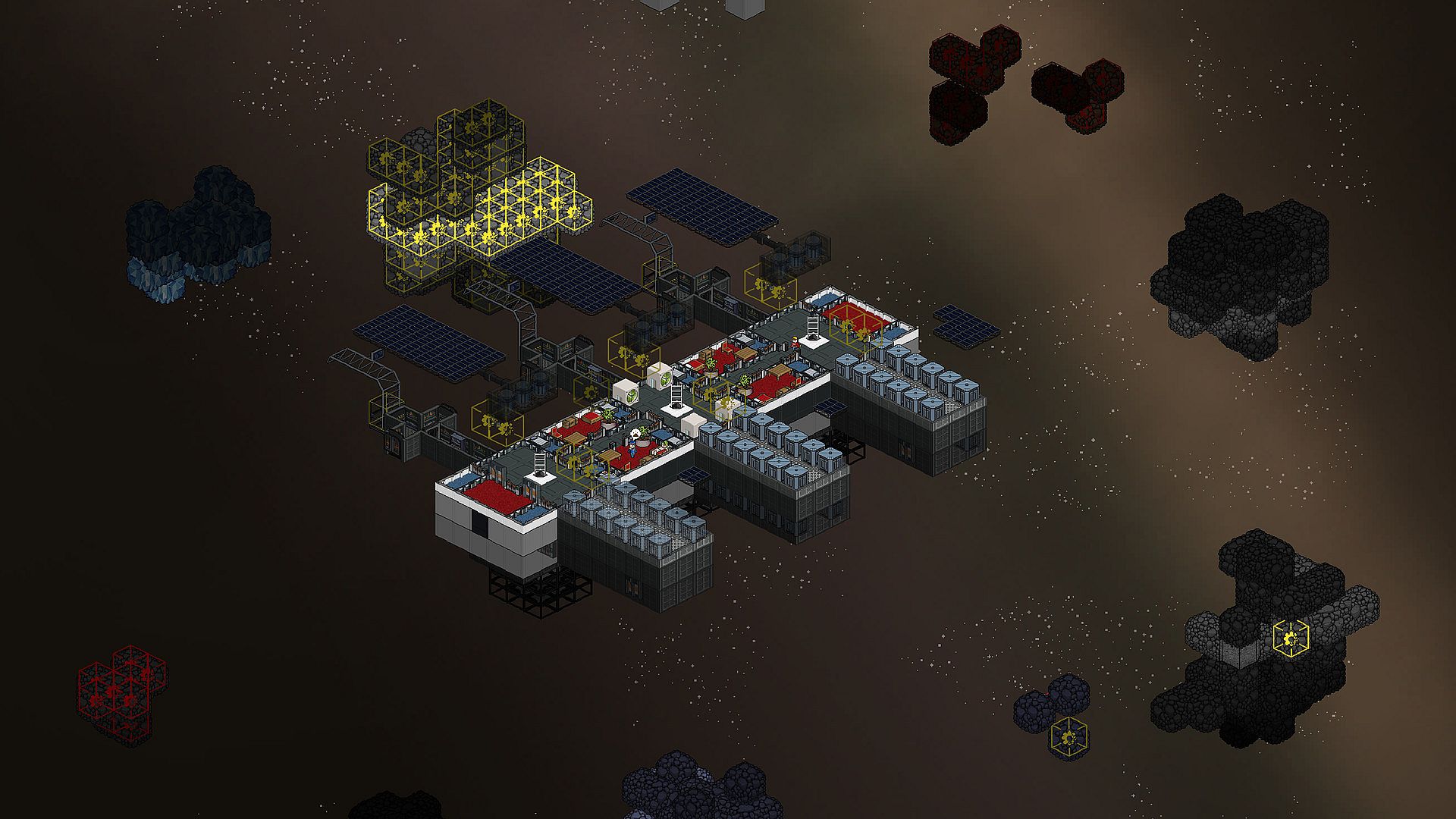
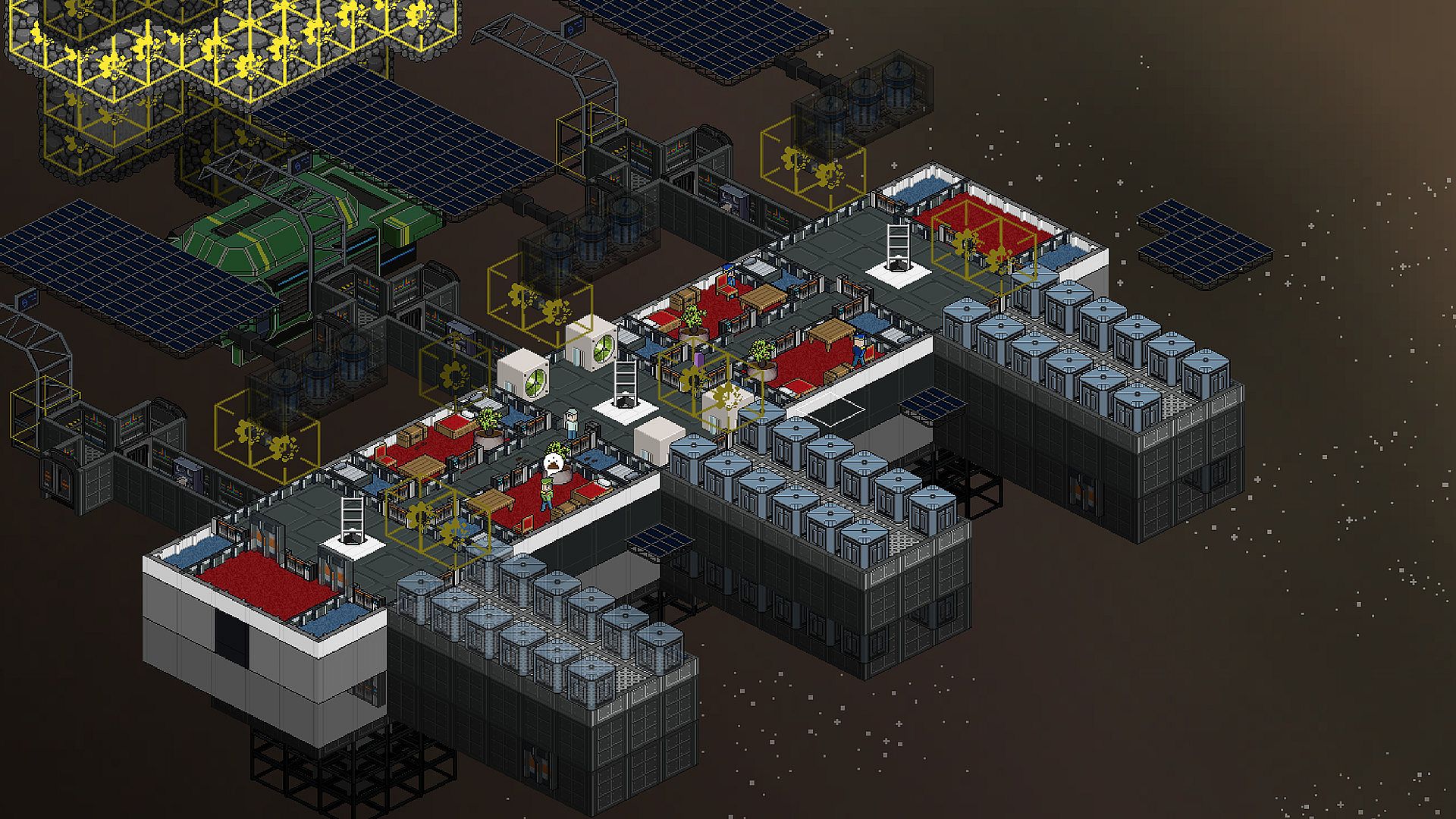
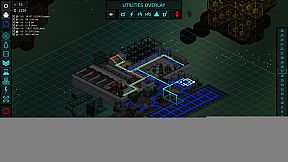
Meeple Station is a single-player space station building and management simulation for PC that blends strategy, simulation, and light RPG elements in an isometric pixel-art style. Players construct and oversee orbital habitats inspired by classic colony management titles, starting with basic infrastructure and expanding into complex, multi-level facilities populated by autonomous Meeple characters.
Gameplay
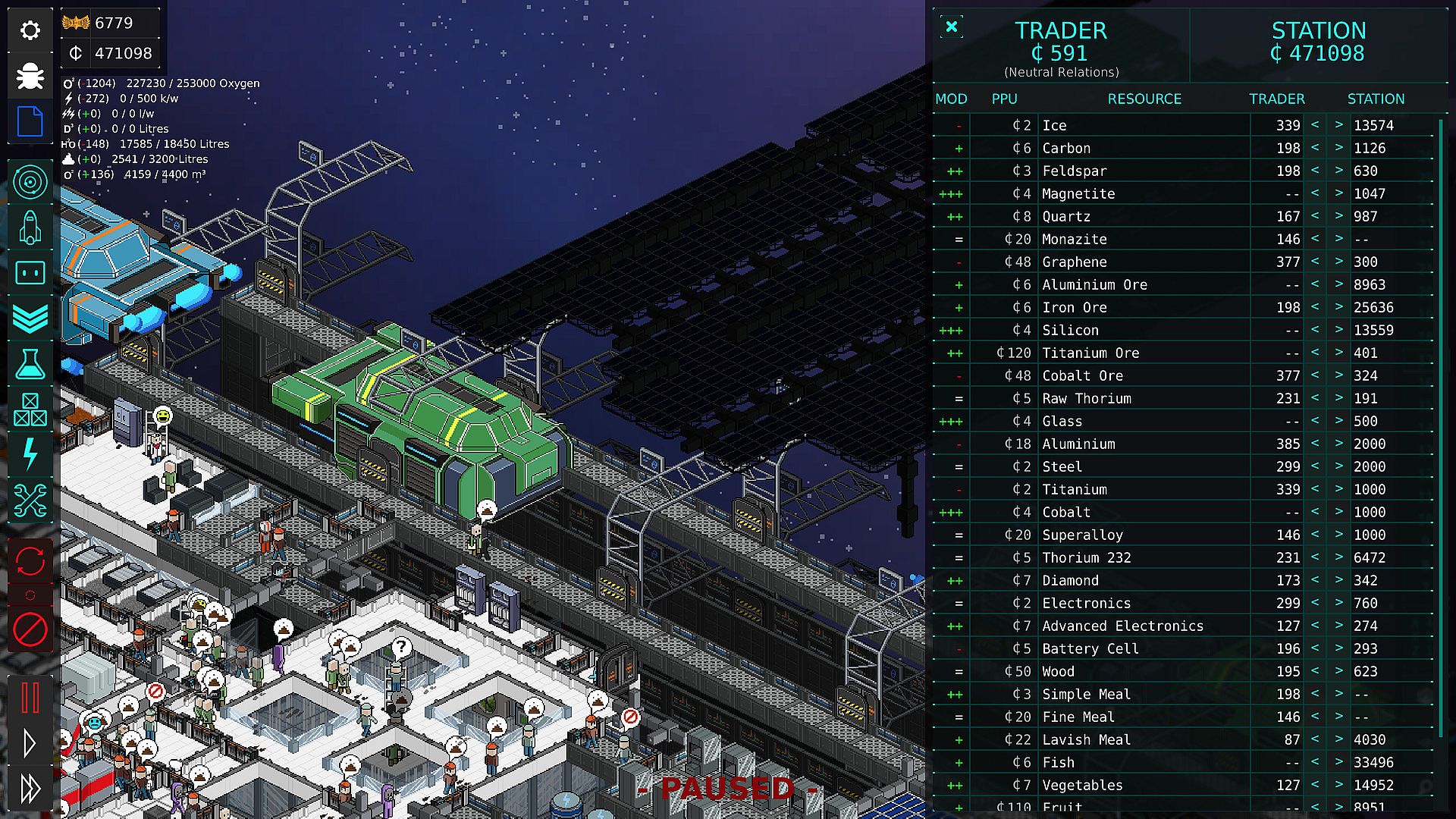
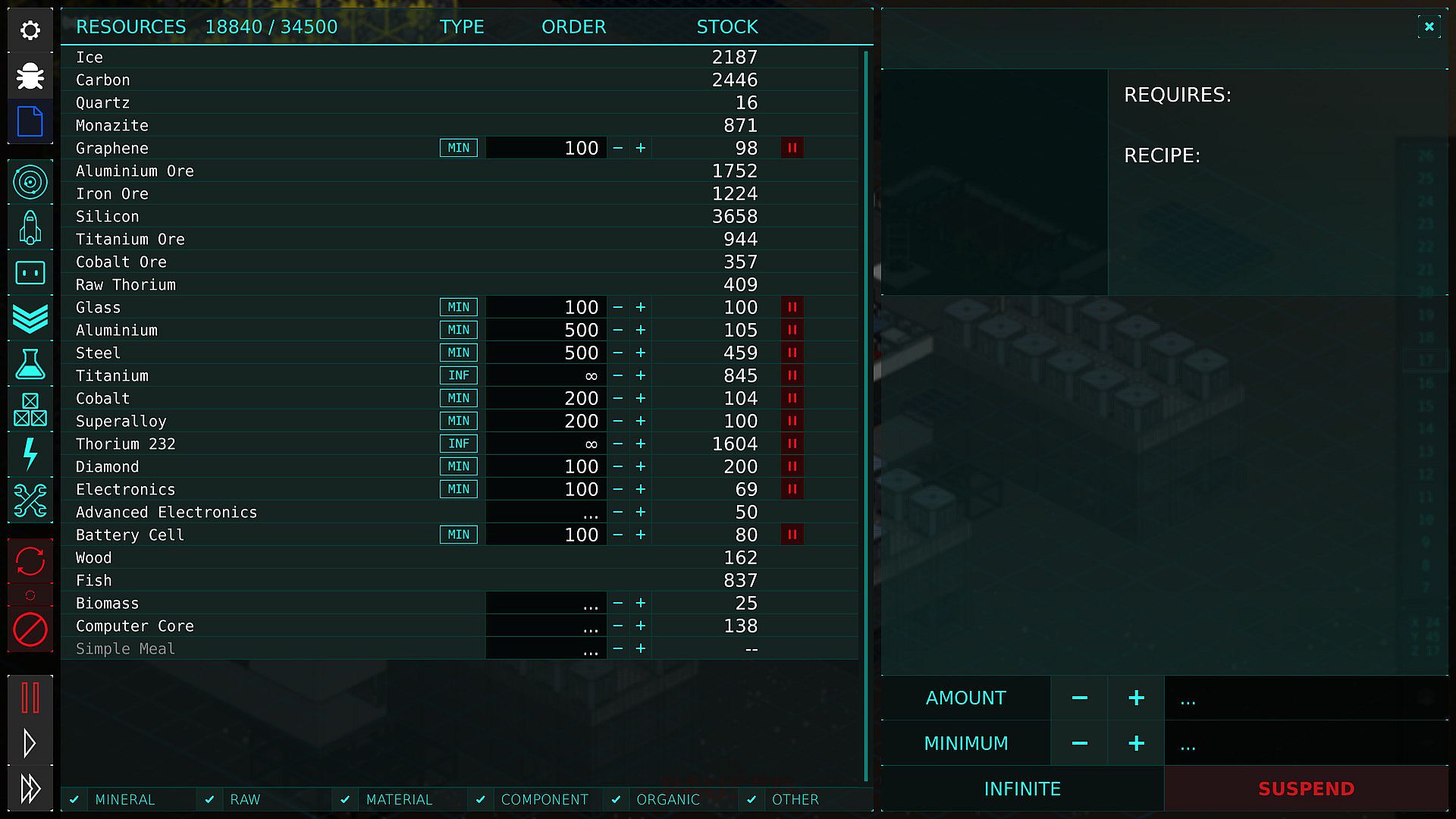
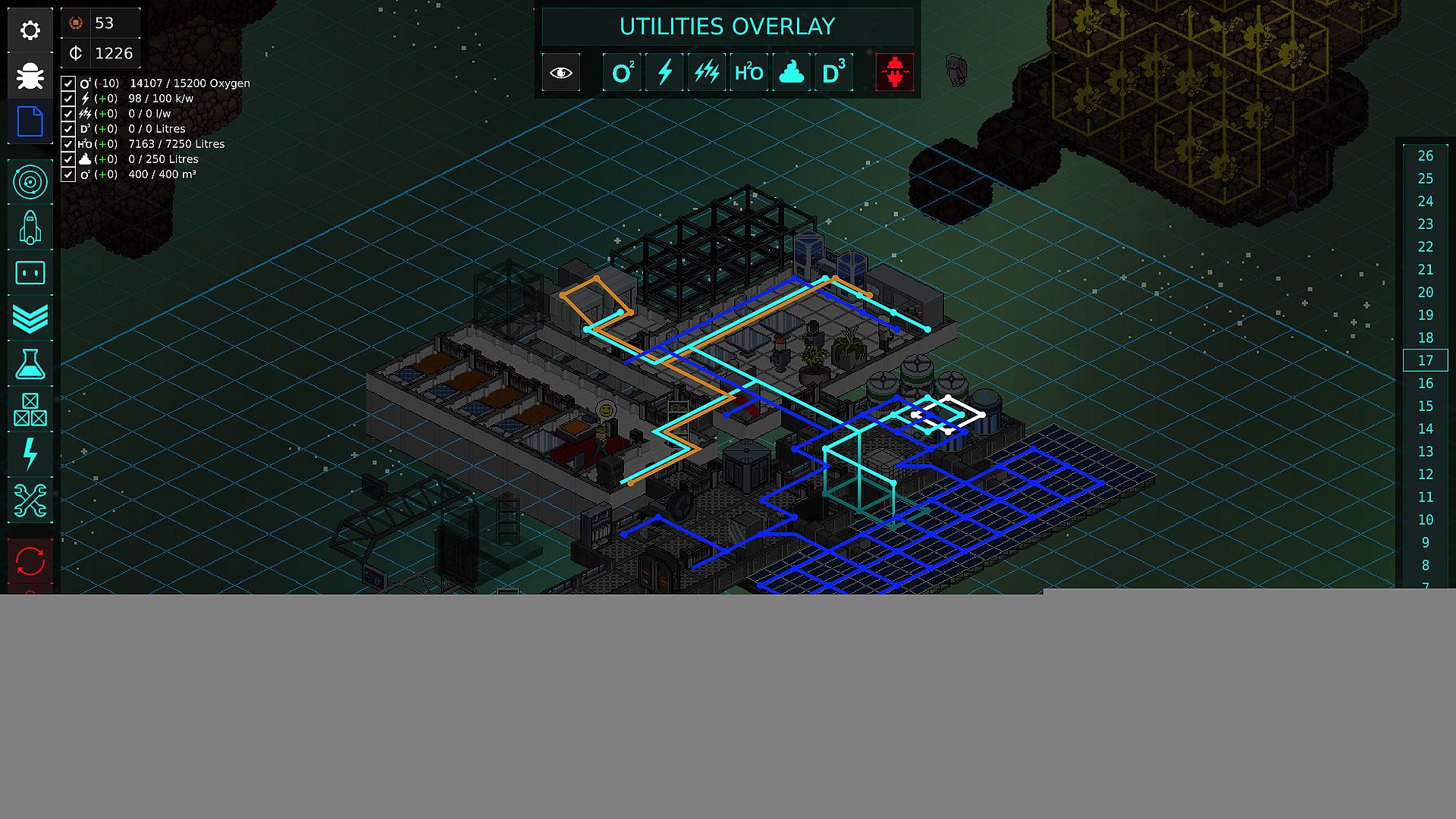
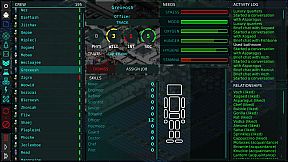
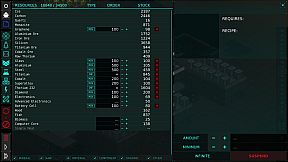
The core loop centers on resource gathering, station construction, and Meeple oversight. Ice serves as a key raw material that can be processed into oxygen to sustain breathable environments, while food production and sanitation facilities like bathrooms prevent health issues and maintain station habitability. Meeple are assigned to specialized roles based on their aptitudes, with living quarters and working conditions directly influencing morale. Low happiness can lead to disruptive behavior from roles such as officers, affecting overall productivity.
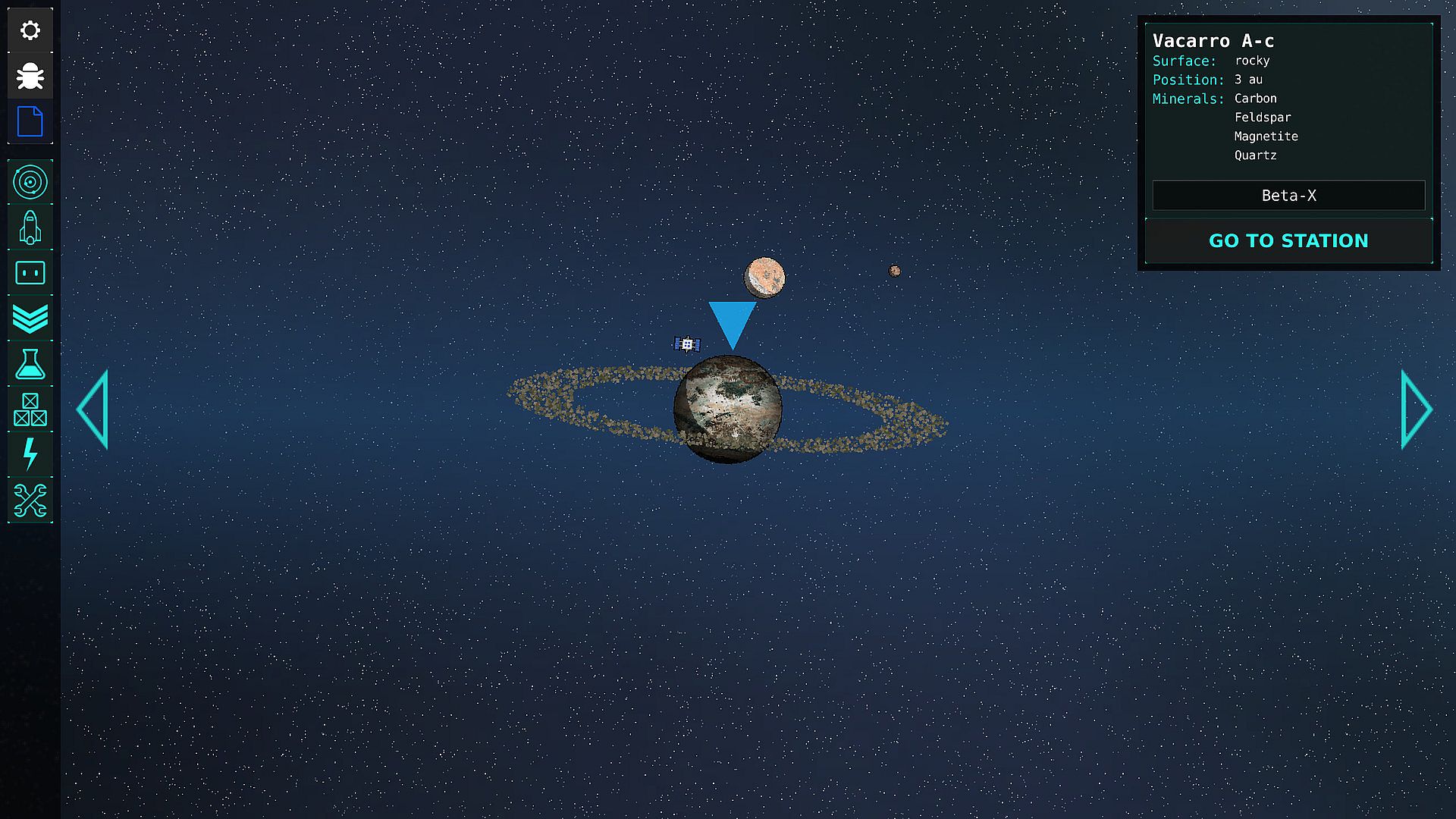
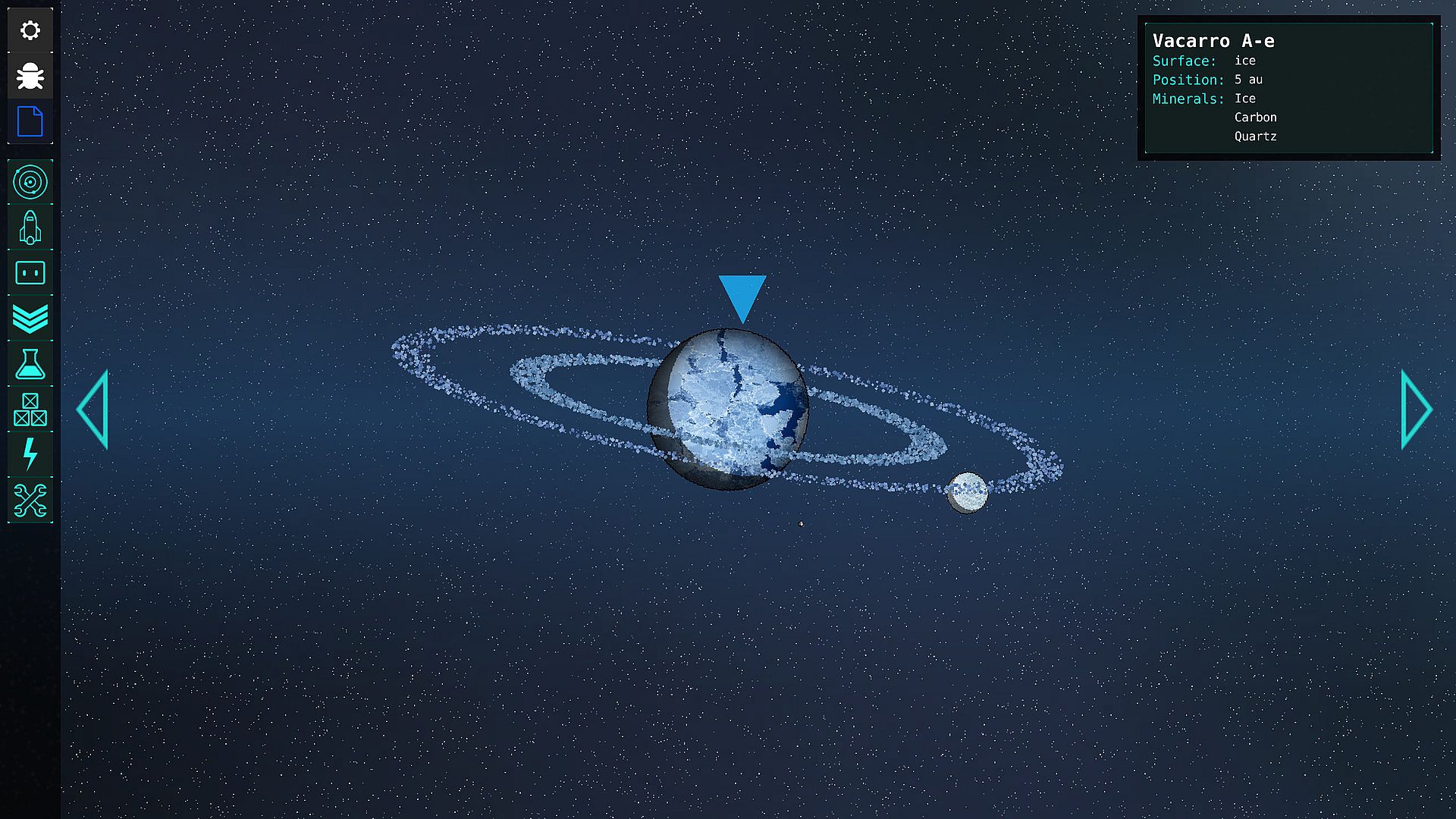
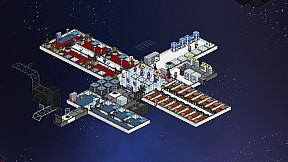
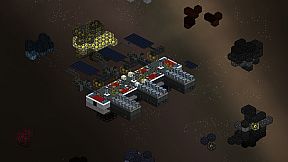
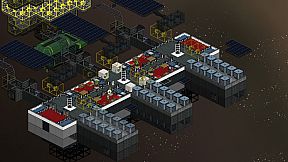
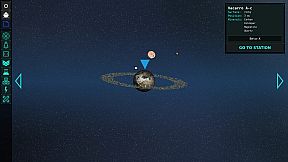
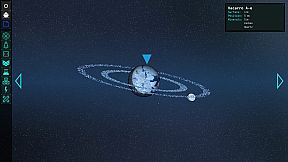
Prestige from a well-run station attracts additional Meeple, prompting further expansion that demands more mined resources. A distinctive Z-layer system supports up to 32 vertical levels, enabling tall, intricate station designs uncommon in similar isometric titles. Trade interactions begin with acquiring scarce goods from visiting traders and later shift toward exporting refined materials and manufactured items for profit. The Planets Update introduced early player-owned ships, allowing pilots to transport construction crews for building additional stations across different planetary orbits. Defensive measures include guard Meeple, station shields, and turrets to repel pirate raids that target accumulated resources.
Game Modes
Meeple Station operates as an open-ended single-player experience without separate named modes such as competitive multiplayer or distinct campaign variants. All play revolves around the same management sandbox, where the focus remains on iterative station growth, resource balancing, and adaptation to events like pirate attacks or expanding needs. The structure encourages long-term progression through multiple stations enabled by the Planets Update, but players engage in one continuous session rather than switching between predefined scenarios.
Key Mechanics and Progression
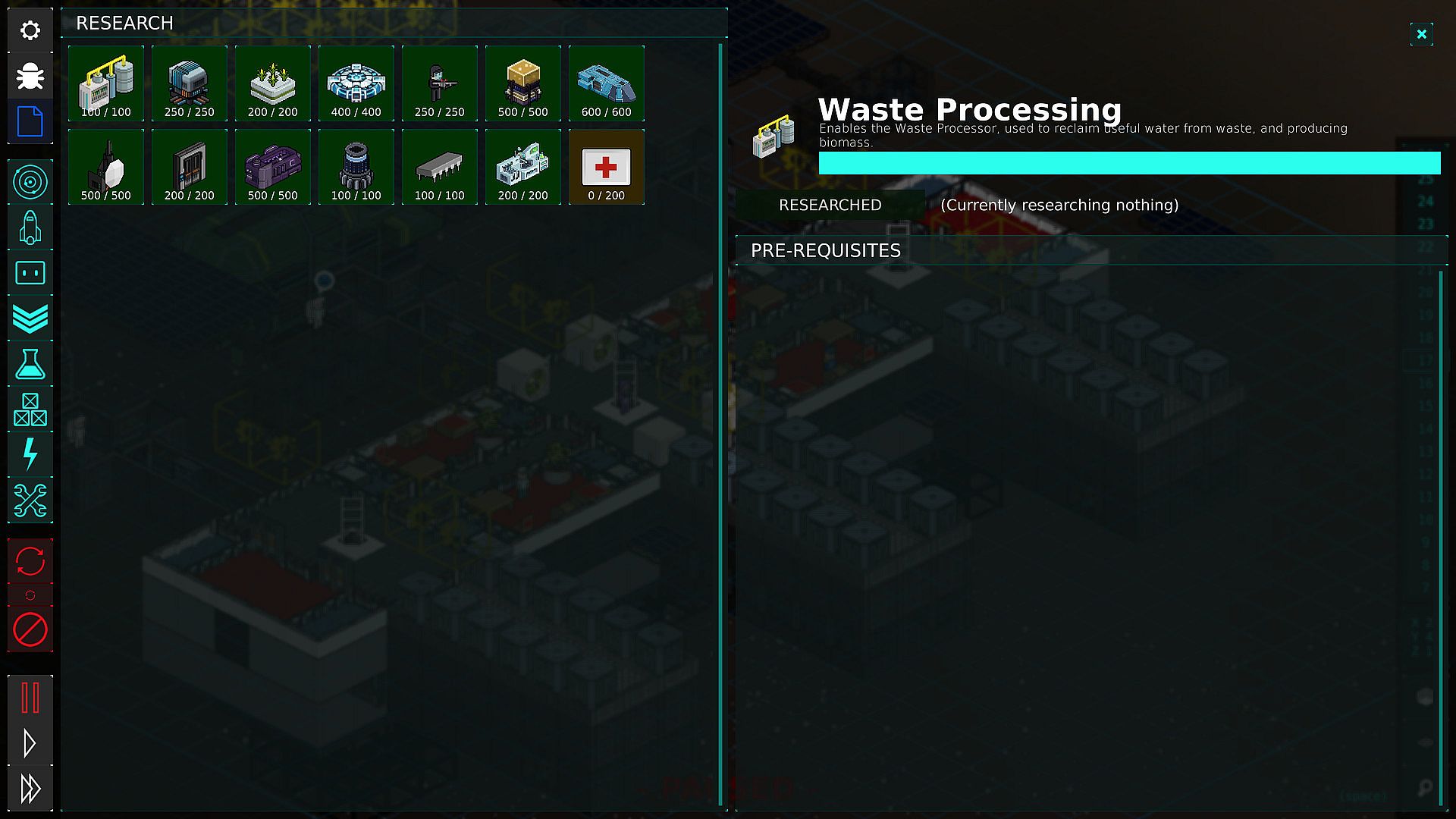
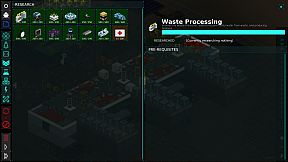
Progression ties directly to station prestige and operational efficiency. Successful management draws new arrivals, which in turn requires scaling mining operations and infrastructure. The vertical building freedom supports creative layouts that optimize workflows, such as placing medical facilities or production zones across floors. Trading evolves from dependency on external suppliers to a revenue source once internal manufacturing matures. Ship systems from the Planets Update add layers of logistics, letting players coordinate inter-station activities while defending against opportunistic threats. These elements combine to create a simulation where small decisions in layout and staffing compound into larger operational challenges over time.
Current State and Development
The game reached a full release after its early access period, with the Planets Update serving as a foundation for expanded solar system features. Subsequent patches addressed elements like medical systems, though community reports indicate limited activity in recent years. The pixel-art presentation and intuitive building tools remain consistent strengths for players who enjoy detailed oversight of simulated populations and facilities.
Is It Worth Playing?
Meeple Station suits players who appreciate deliberate, systems-driven management simulations with a focus on station design and character needs. Its combination of vertical construction, trade dynamics, and defensive elements provides depth for those drawn to titles emphasizing planning and adaptation. Reception highlights enjoyable core loops alongside occasional technical issues, and the absence of recent major updates means the experience reflects its post-Planets Update state. Those seeking a niche space colony builder without multiplayer components or frequent seasonal content will find the most alignment here, particularly if they value the freedom to scale stations across multiple locations.