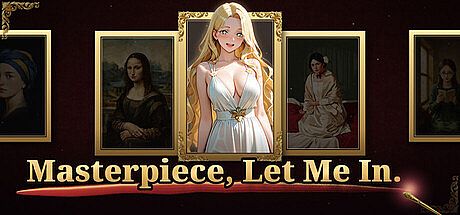









Masterpiece, Let Me In. is a strategy and simulation game for PC centered on a distinctive row-based card battler called Il Duello Duel of the Brush. Players inherit an old gallery and use a special ability to enter paintings, where they duel to free heroines from fictional masterpieces. The experience blends deck construction, resource management through part-time work, and narrative rewards in a single-player loop that emphasizes reads, bluffs, and incremental progression.
Gameplay
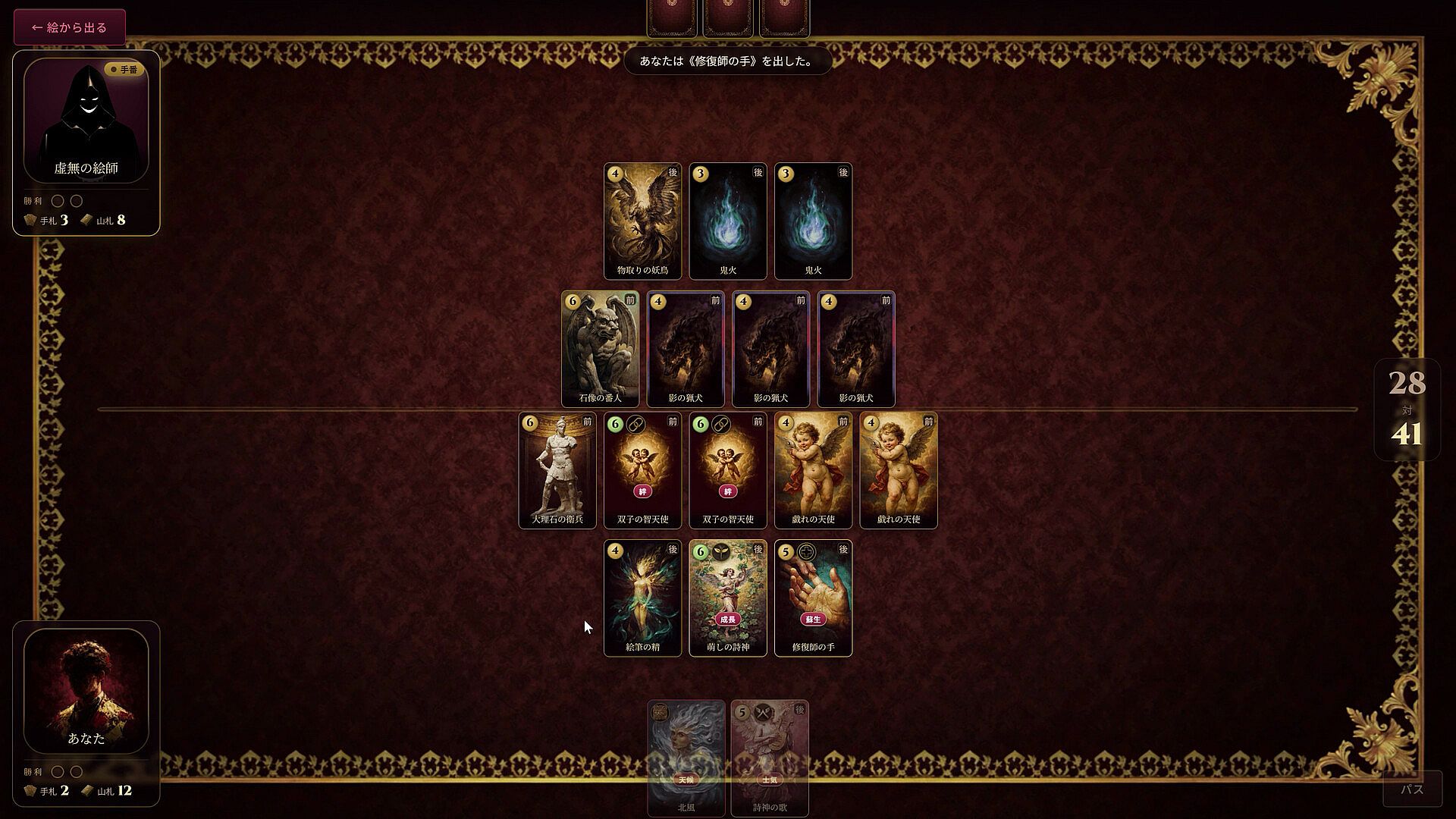
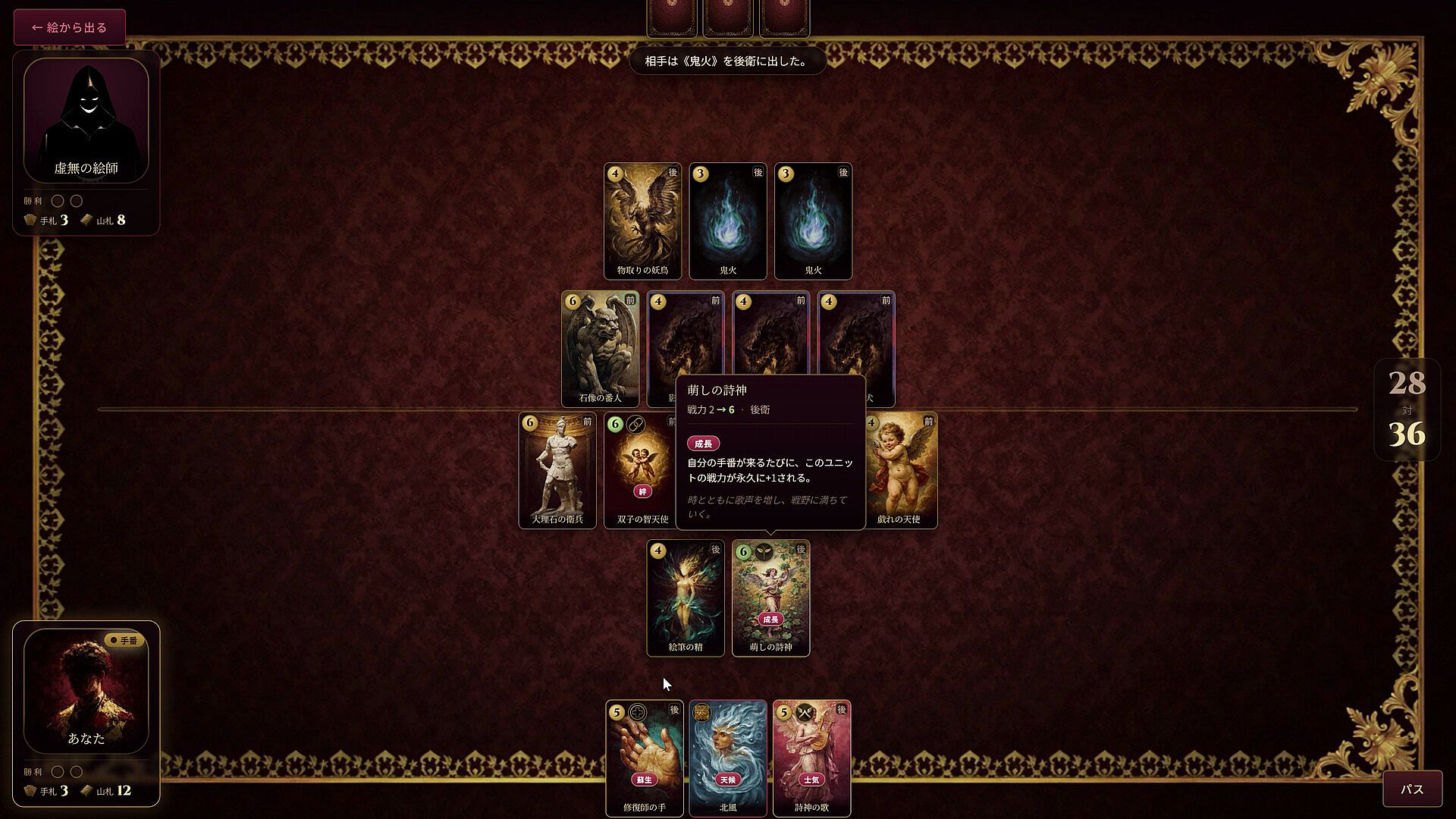
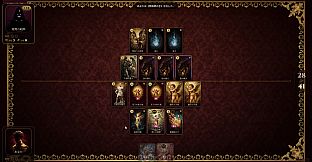
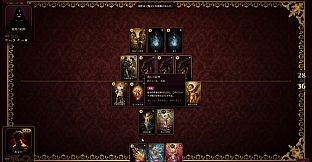
The core of the game revolves around Il Duello Duel of the Brush, a two-row card battle system played in best-of-three rounds. Players manage hand attrition by deciding which cards to commit each round and when to pass in order to preserve options for later rounds. Front and back rows interact with effects such as Growth, Bond, Rally, and Weather, which create opportunities for comebacks through careful positioning and timing. Special effects resolve automatically without manual targeting, keeping the focus on strategic choices rather than interface complexity.
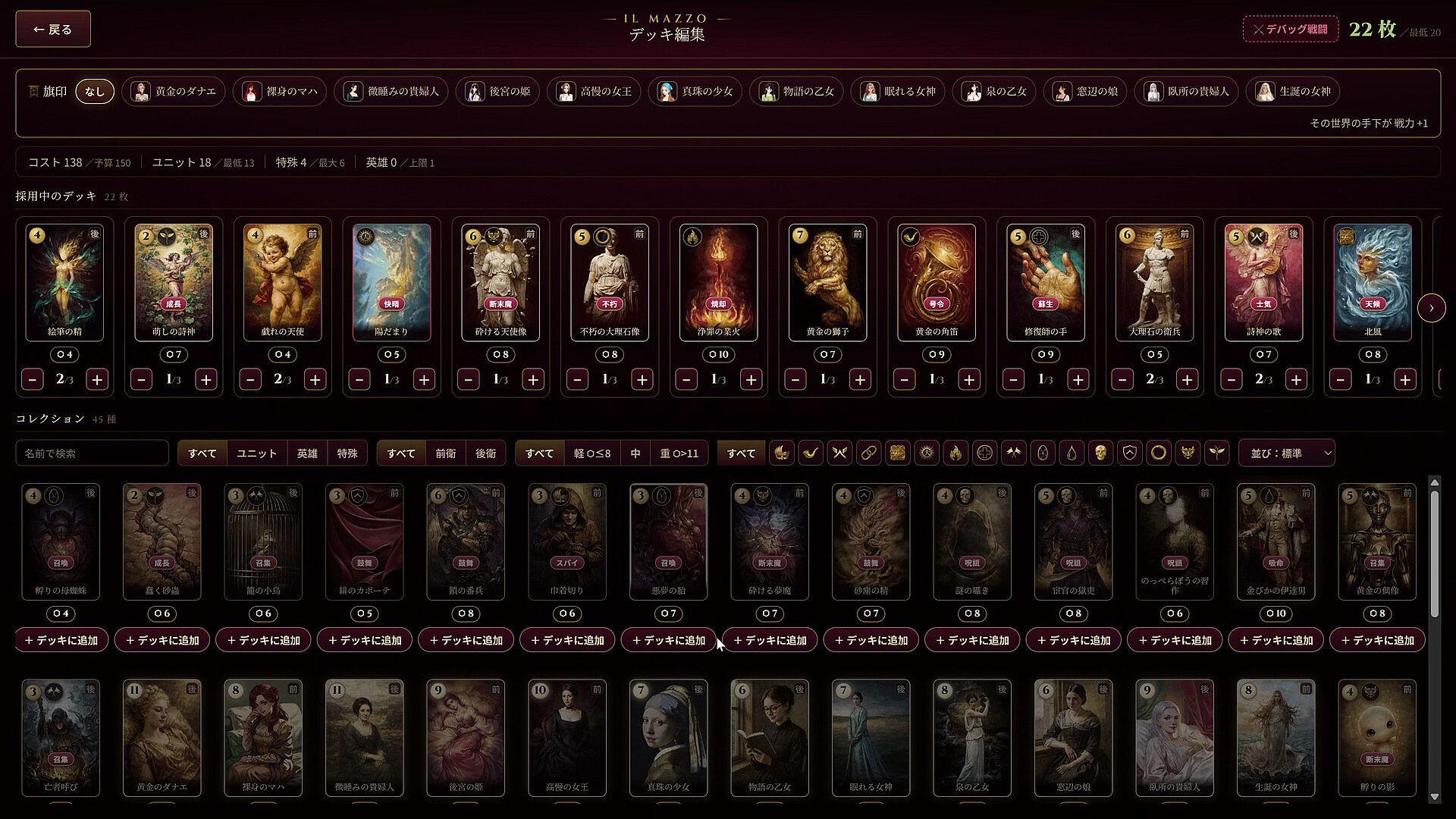
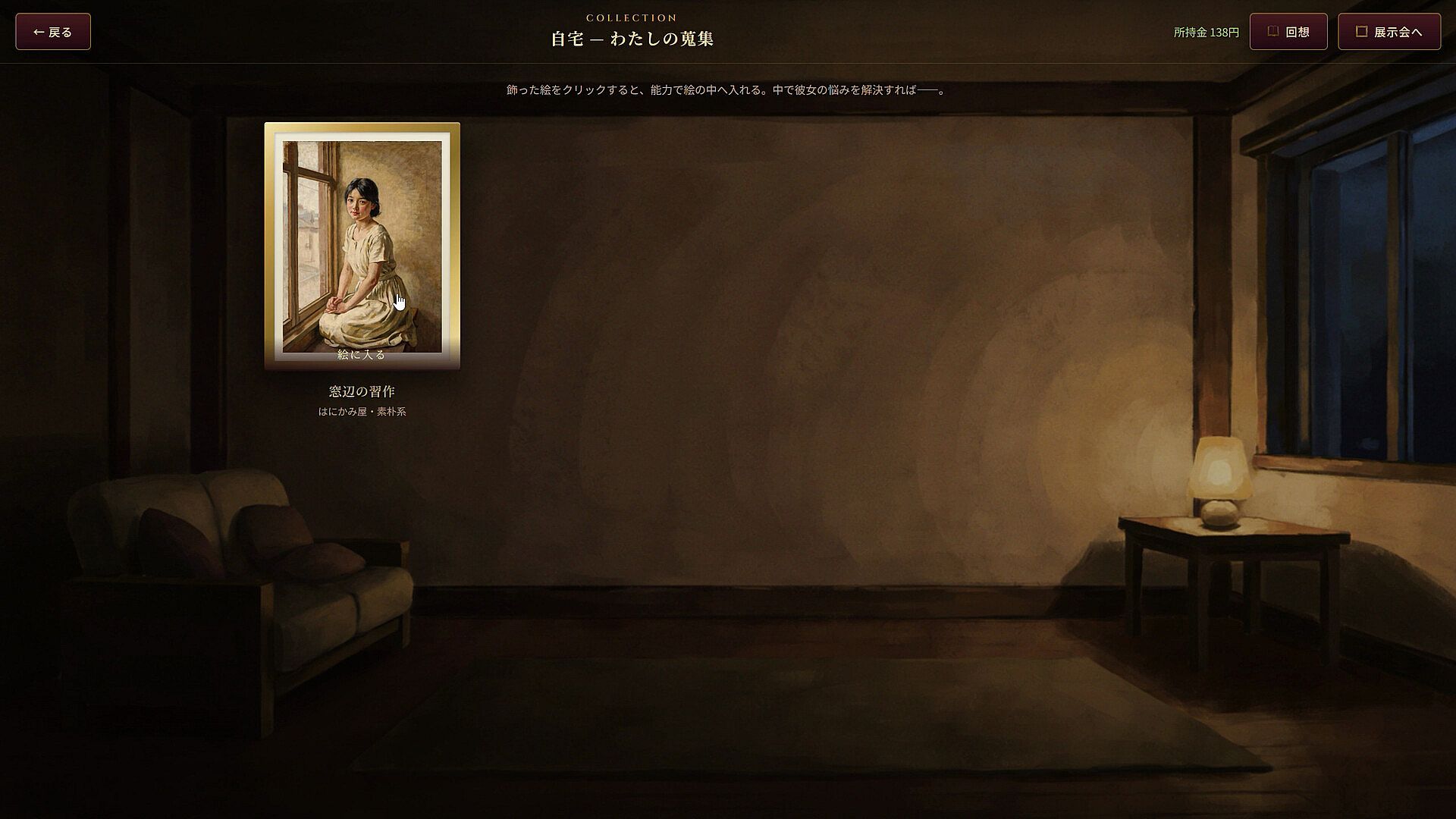
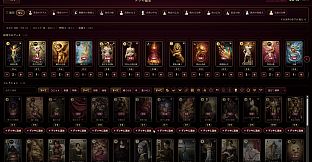
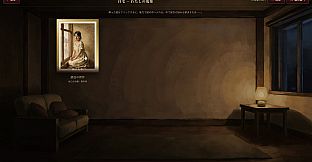
Deck-building occurs through Il Mazzo, where players combine a banner leader with special cards to customize their hand. Every saved painting grants a reward card, and cleared heroines join as ally cards that expand future options. The system allows full deck rebuilding from home at any time, with no dead ends or permanent setbacks from losses. Difficulty increases naturally with progression tied to fame and price of paintings, starting with a tutorial-level encounter.
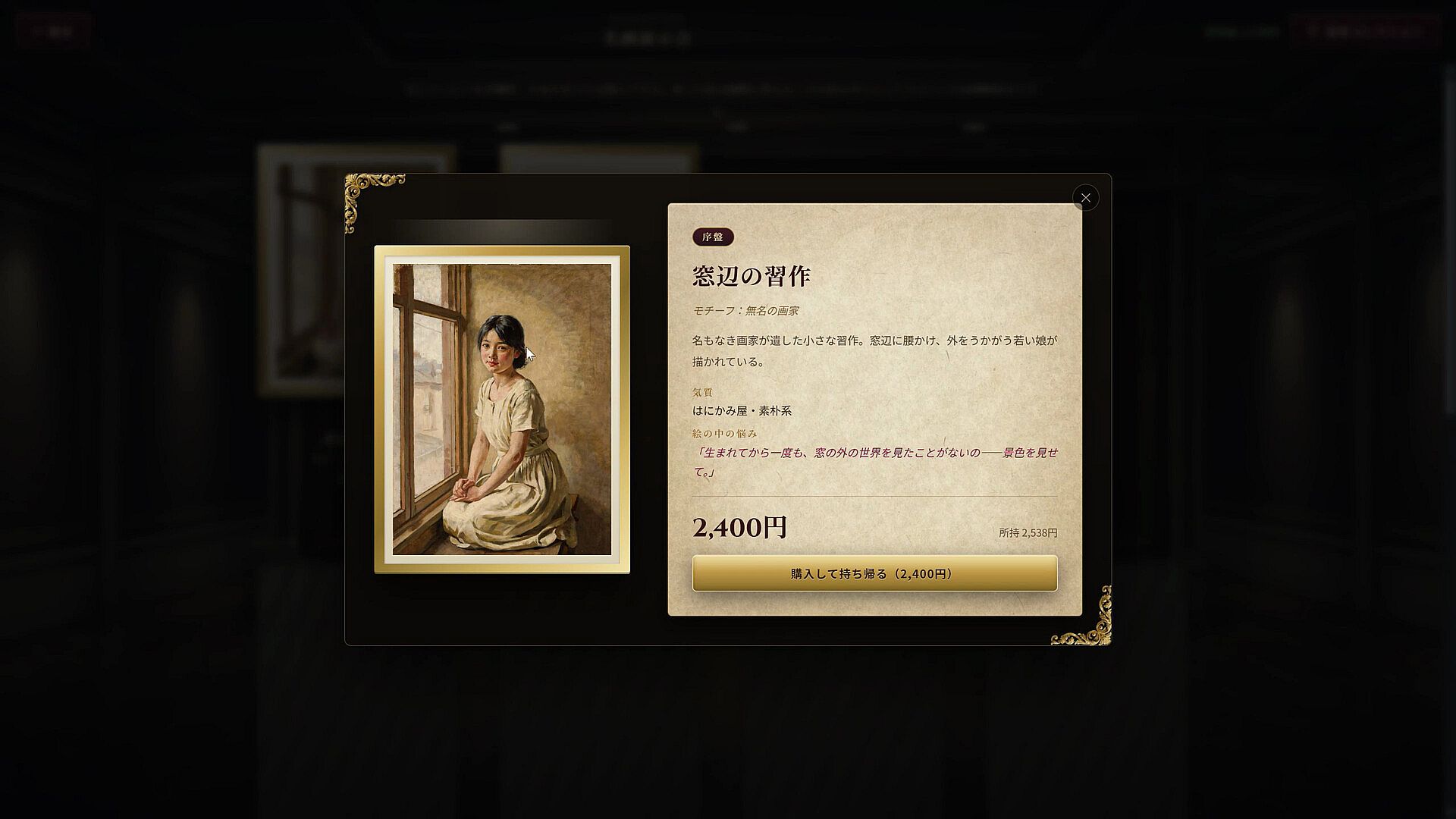
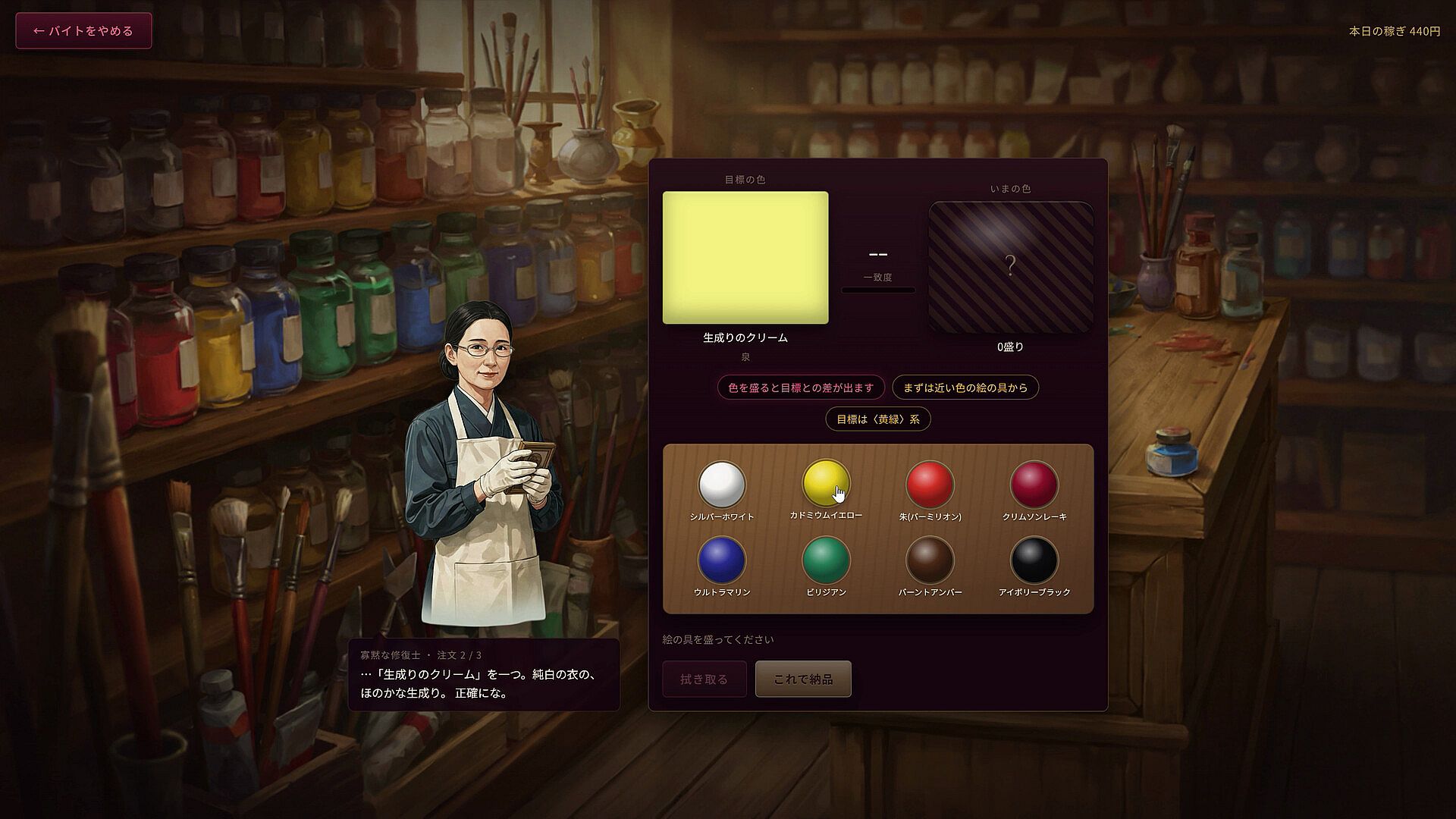
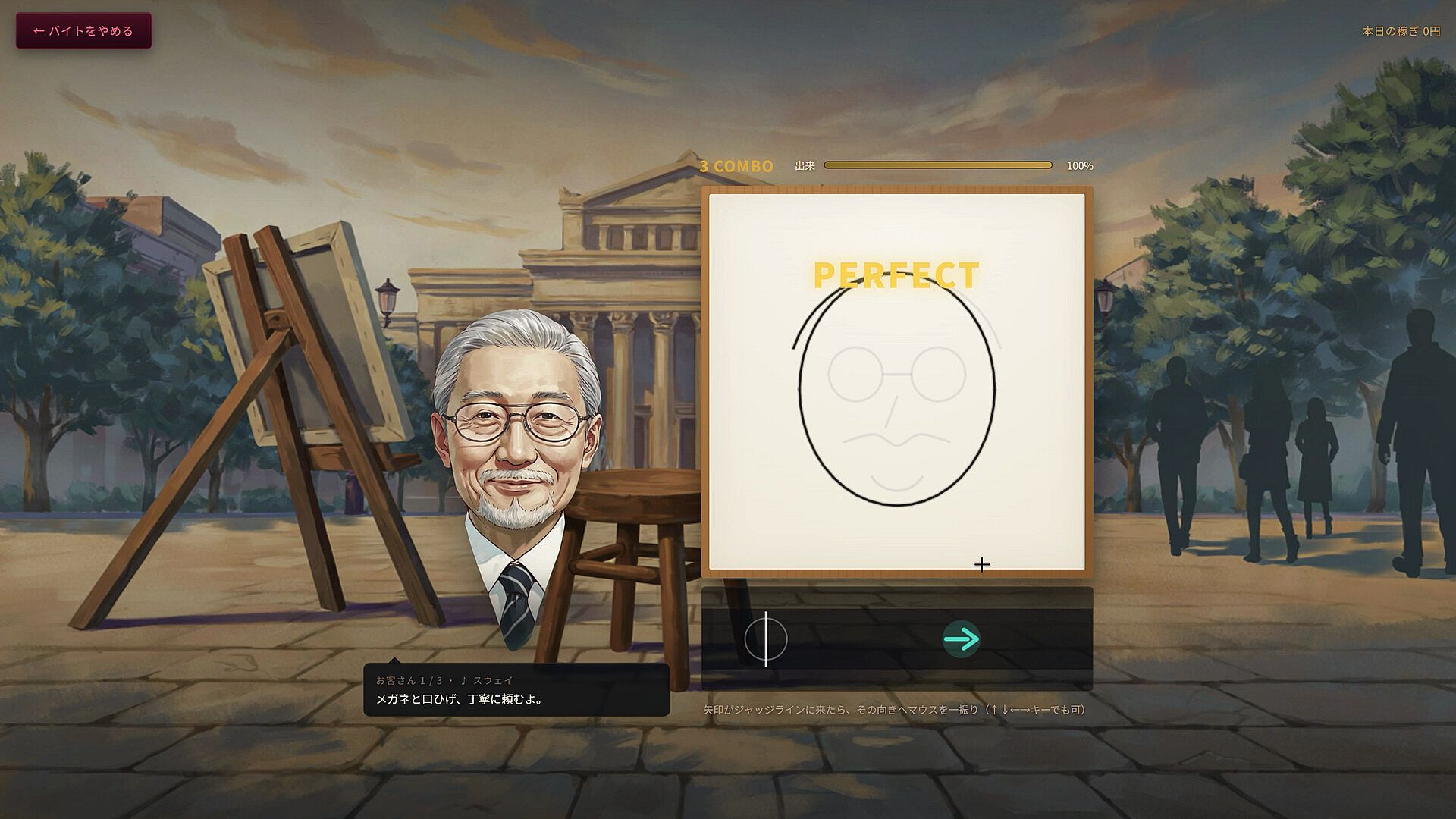
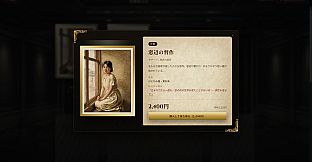
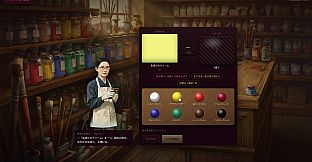
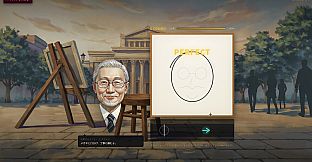
Outside of duels, players earn currency through part-time minigames such as sketching caricatures and mixing paint. These funds purchase new masterpieces at exhibitions for display at home before entering the duel inside. The loop of work, purchase, duel, and reward repeats in short sessions that steadily grow both the collection and the available card pool.
Game Modes
The primary experience follows the gallery progression, where players unlock and challenge twelve heroines in sequence gated by each painting's fame and price. Each heroine draws from the composition and motifs of a public-domain masterpiece by artists such as Titian, Botticelli, Vermeer, Goya, Manet, Ingres, Klimt, and da Vinci, reimagined as original fictional characters.
Recollection mode provides access to any previously cleared painting for repeated play at any time. This allows players to revisit duels or scenes without affecting the main collection or deck. The structure supports penalty-free rematches on any encounter, encouraging experimentation with different card combinations and strategies.
Story and Setting
Behind each frame lives a heroine facing a personal burden, and victory in the duel resolves her troubles while adding her as an ally. The narrative unfolds through visual novel segments that follow the aftermath of each duel, tailored to the individual personality of the heroine. All characters are depicted as fictional adults aged eighteen or older.
The twelve heroines range from a pure goddess figure to a girl glancing back, a proud lady, and an enigmatic older woman, culminating in a final encounter that evokes its source painting in full. Card art, standees, and backgrounds maintain a consistent decadent gallery aesthetic across the experience.
Is It Worth Playing?
Masterpiece, Let Me In. suits players who enjoy deliberate strategy card games with deck-building depth and a steady sense of collection growth. The automatic resolution of effects and penalty-free structure lower the barrier for learning the two-row battle system, while the option to rebuild decks freely supports ongoing experimentation. The brisk work-to-duel loop keeps sessions focused, and Recollection mode extends replay value for those who want to refine strategies or revisit scenes.
The game includes adult visual novel content behind an age gate as a reward for clearing each heroine, with all characters confirmed as fictional adults. It supports eight languages and runs on PC with unified hand-drawn art that ties the card battles to the gallery theme. Those seeking a self-contained single-player strategy simulation with narrative payoffs and no competitive pressure will find the mechanics and progression align directly with that preference.