

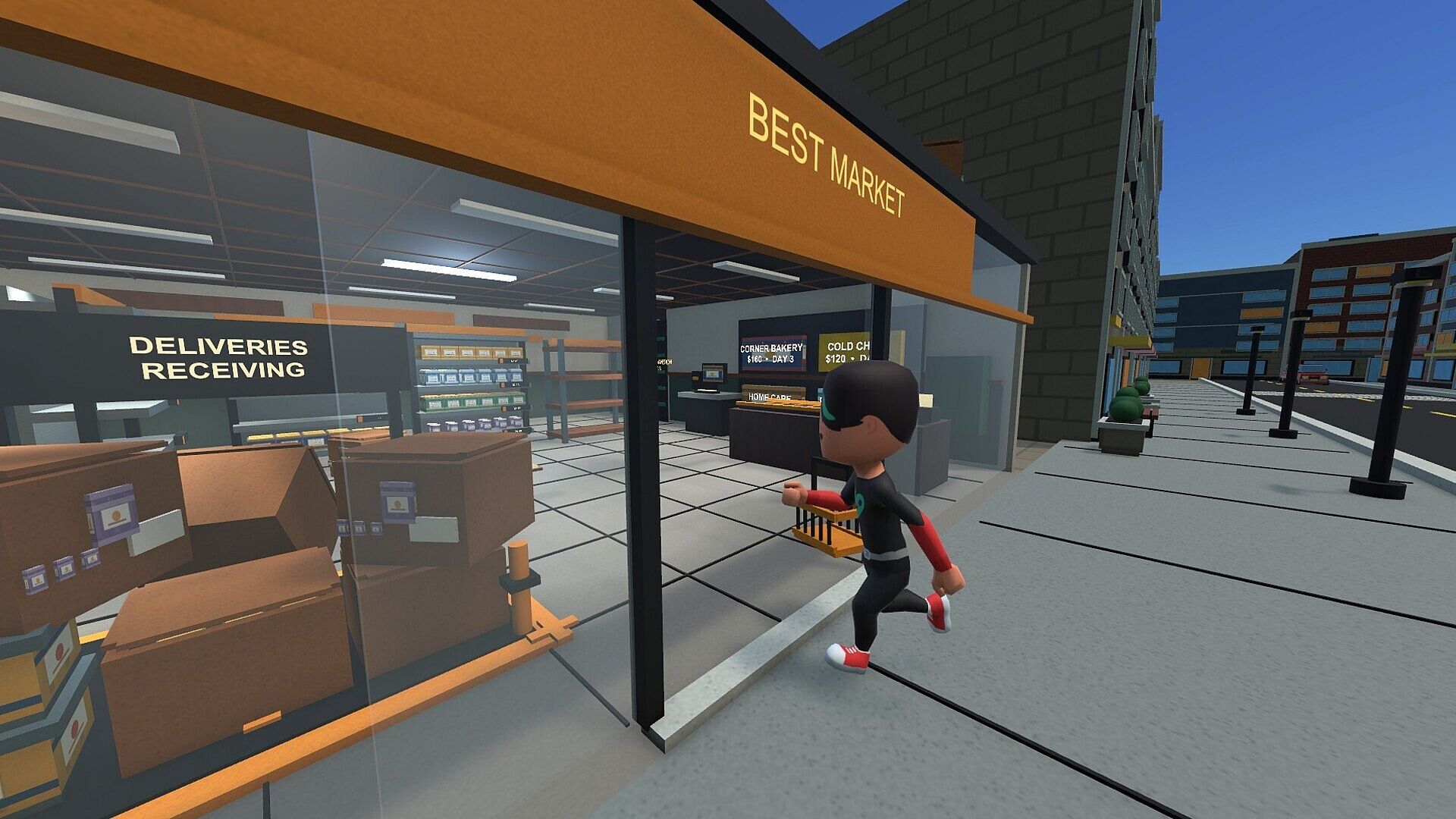
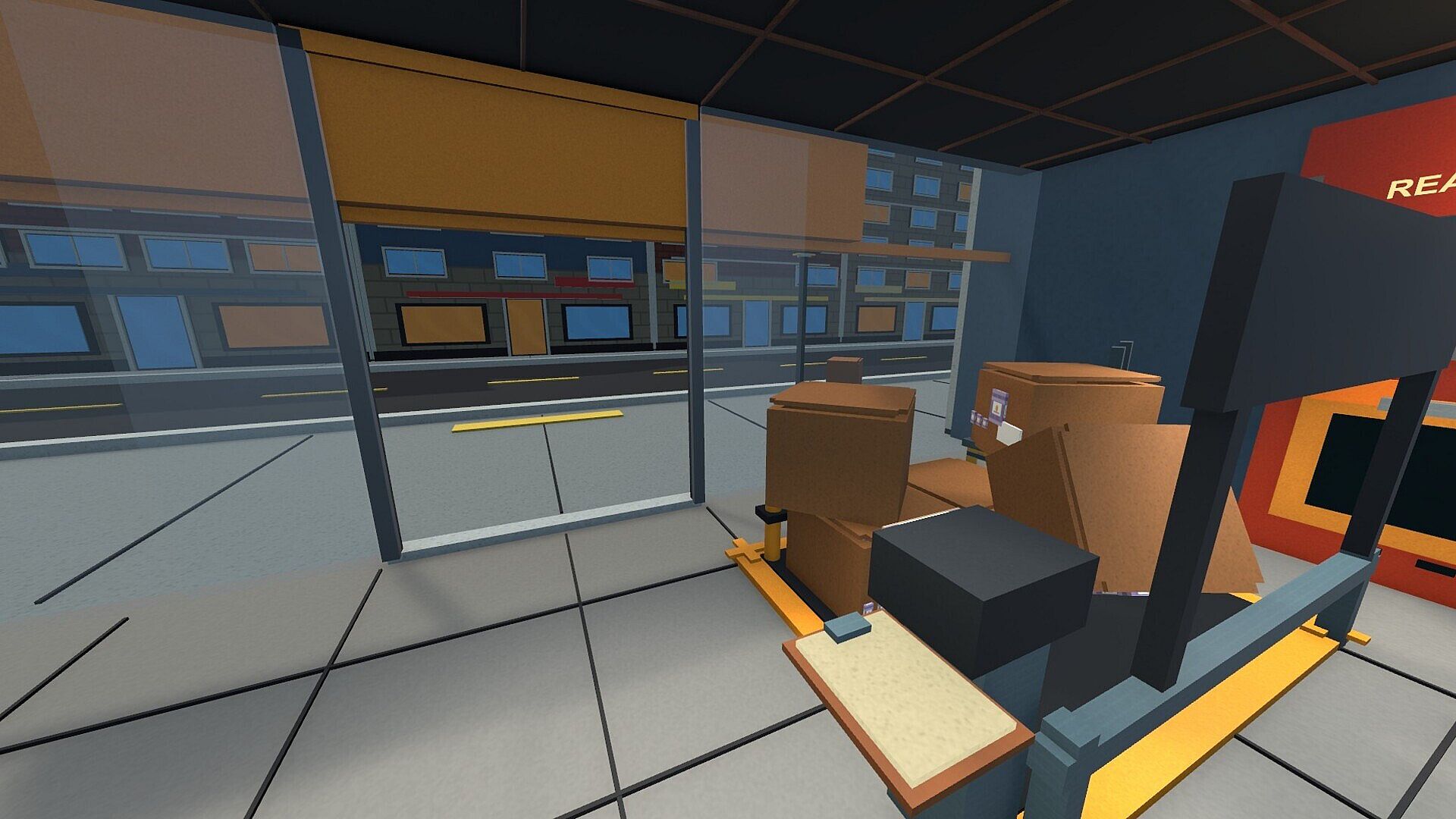
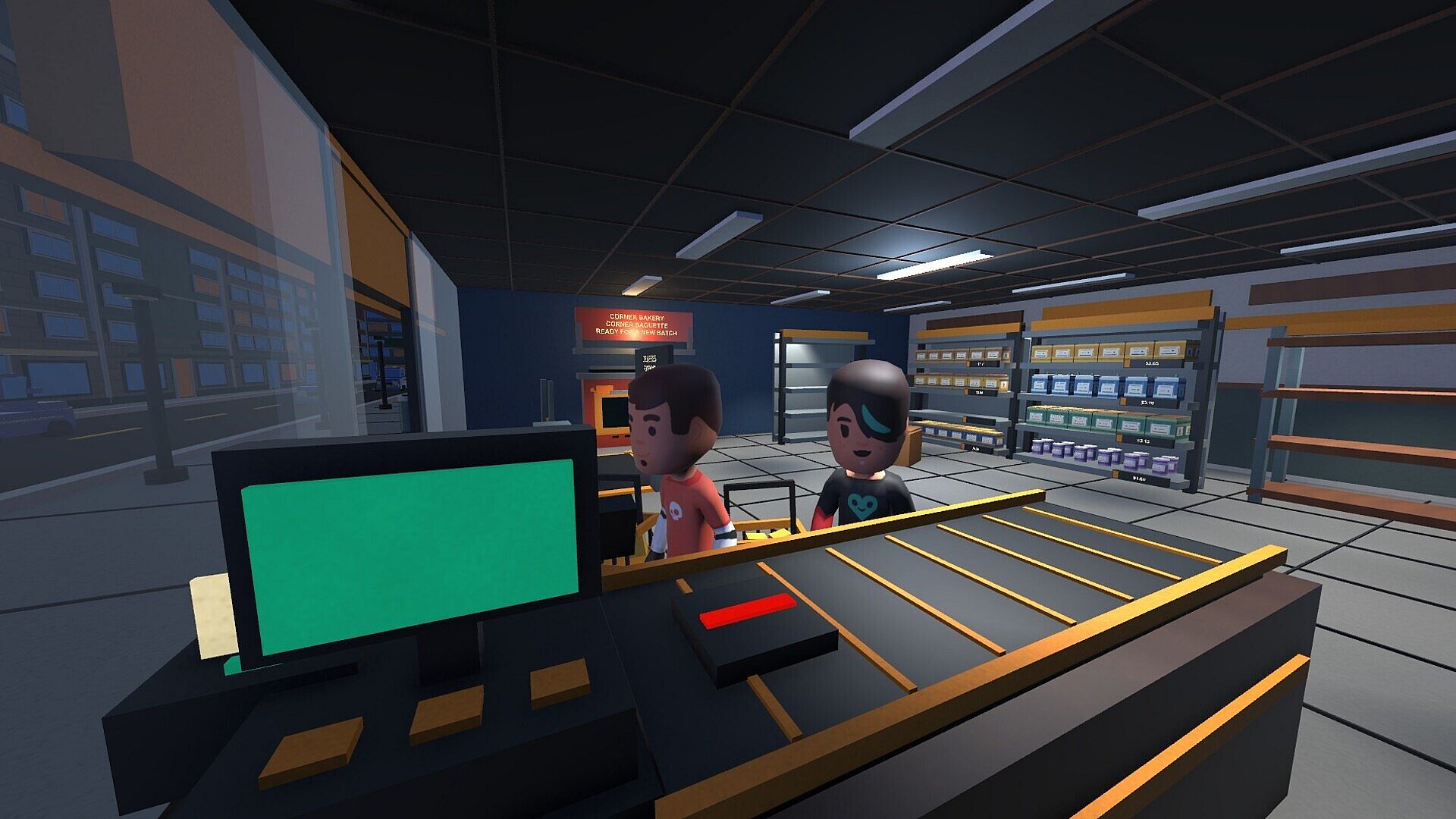
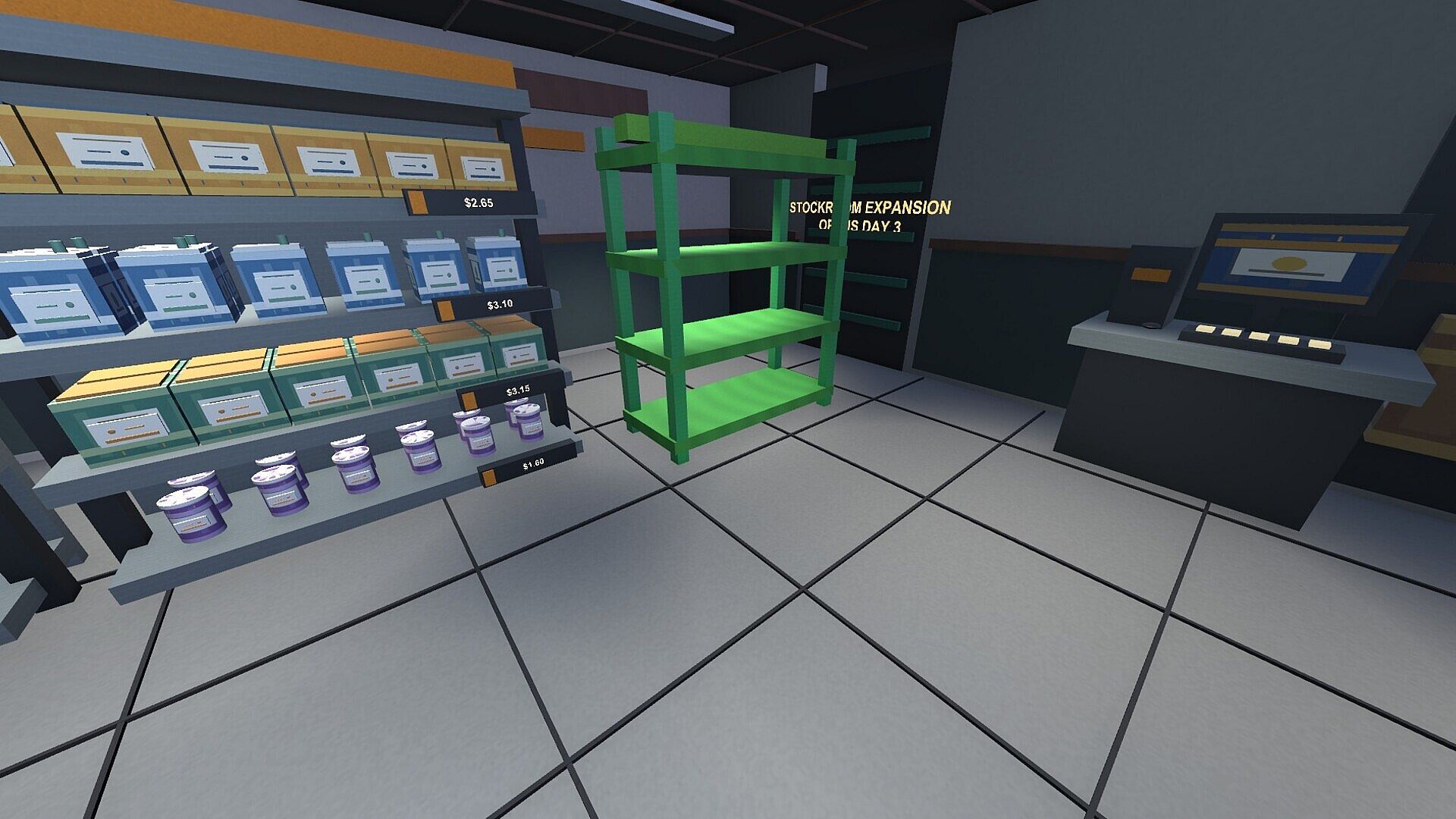
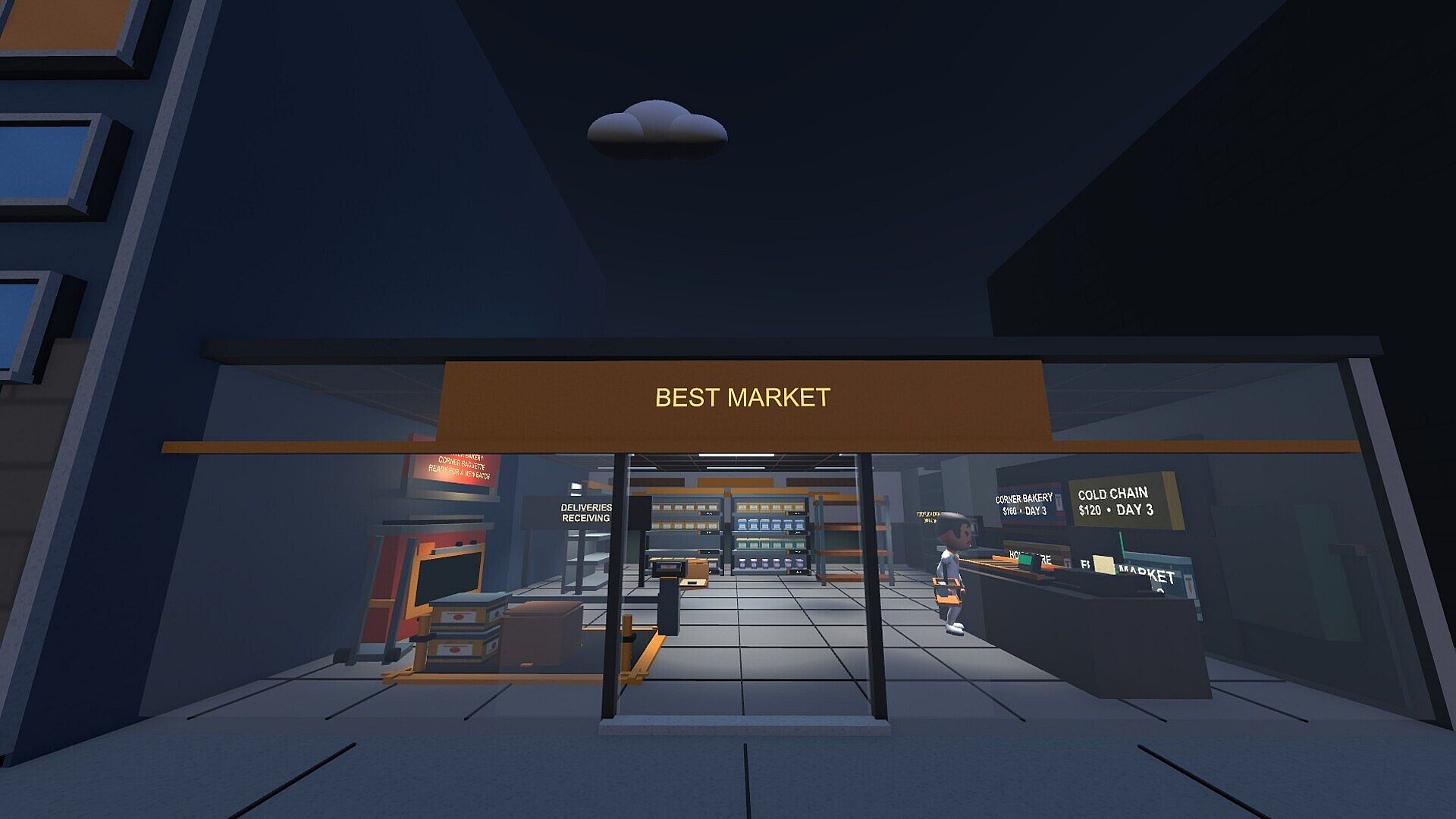
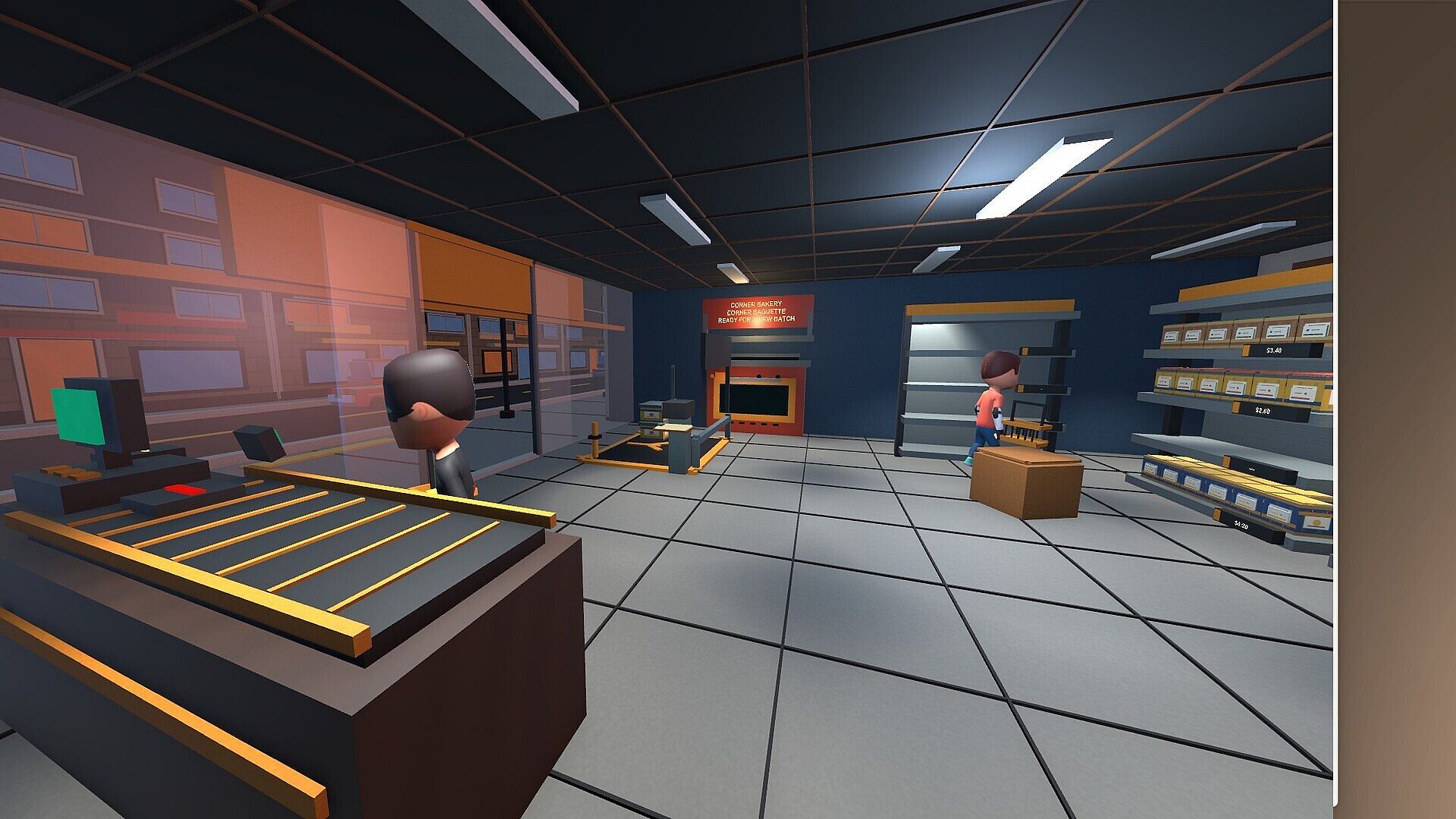
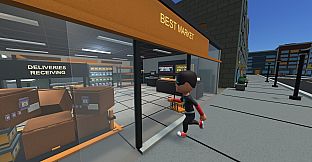
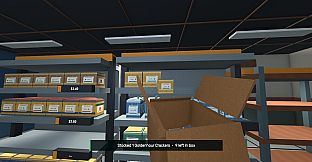
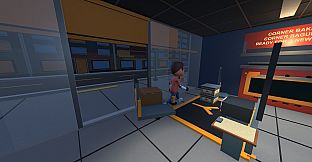
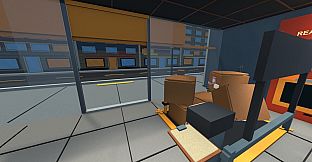
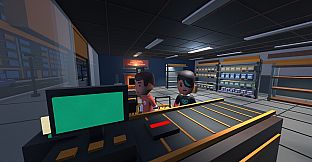
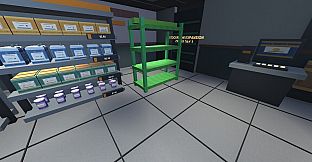
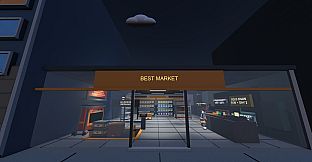
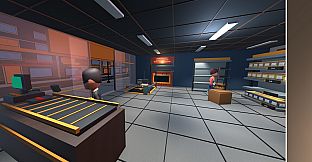
Market Simulator is a co-op supermarket management simulation game for PC that puts players in charge of building and running a retail business from a small corner shop to a sprawling hypermarket. The core loop revolves around stocking shelves, serving customers, setting prices, and expanding operations while balancing costs and demand in a realistic business environment.
Gameplay
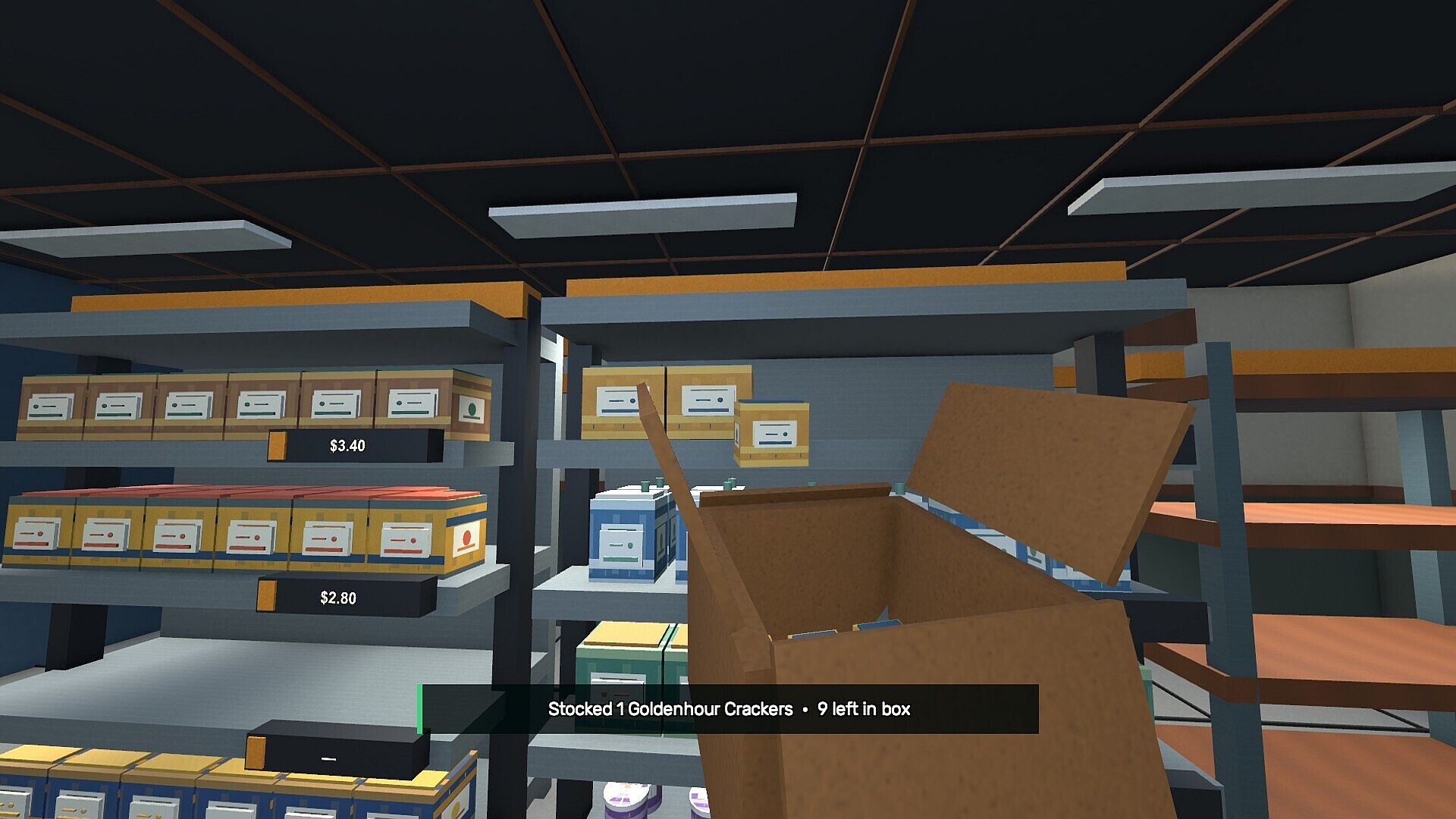
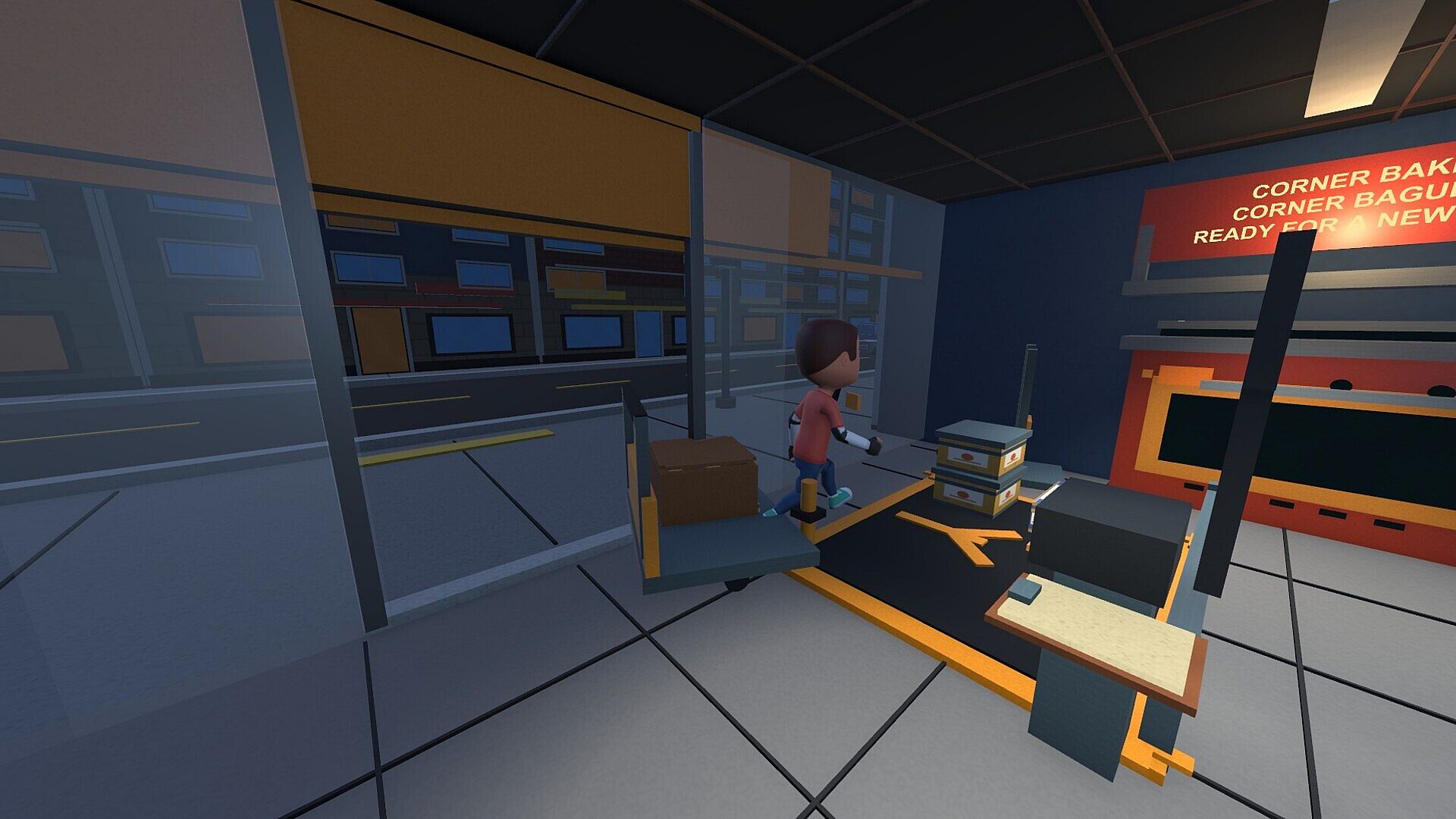
Players begin with a basic setup consisting of a single room, limited shelves, a checkout counter, and a small selection of products. Daily operations include ordering goods from suppliers, unpacking deliveries, organizing storage, and restocking displays across categories such as groceries, fresh produce, frozen items, bakery goods, household products, electronics, and clothing. Managing inventory requires careful attention to avoid empty shelves that frustrate customers or overstocking that ties up capital in the warehouse.
Food preparation adds another layer once departments unlock. Players can bake bread and pastries, prepare hot meals and sandwiches, and operate dedicated counters for ready-to-eat items. This system integrates into the broader economy, where ingredient costs and production time affect profitability, and poor planning can lead to waste during peak hours.
Store design allows full freedom in layout. Shelves, refrigerators, freezers, displays, checkout lanes, and storage equipment can be placed to optimize customer flow or create more complex arrangements. Pricing decisions influence sales volume and margins, while profits fund expansions, new equipment, employees, security measures, or automation systems. As the business scales, players hire staff for tasks like stocking, cleaning, checkout operation, and warehouse duties, shifting their own role from hands-on worker to manager overseeing automated processes.
Challenges arise naturally through rush hours, long queues, misplaced stock, messes, and occasional shoplifters. Security improvements and quick reactions help maintain control, especially in larger stores with higher customer traffic.
Game Modes
The game supports single-player mode where one person handles all responsibilities across the full progression from tiny shop to large-scale operation. Online co-op allows up to four players to join the same store, dividing tasks such as checkout operation, restocking, delivery management, fresh food preparation, or security. Players can coordinate efficiently or embrace the resulting chaos when plans fall apart during busy periods.
Progression occurs through distinct business stages that alter gameplay focus. The corner store phase emphasizes personal effort on basic tasks. The grocery store stage introduces more products and early expansions. The supermarket level adds multiple departments, employees, and fresh food production. The hypermarket brings extensive warehouses, automation, and high customer volume. The megastore stage prioritizes logistics, management systems, and large-scale expansion alongside individual sales.
Progression and Management Systems
Expansion unlocks new rooms, floor space, departments, and features that transform the scale of operations. Early success provides funds for growth, but aggressive expansion risks creating unprofitable empty space. Economy management involves monitoring demand, adjusting prices, and allocating resources to equipment, storage, security, or decorative improvements. Employee hiring and automation gradually reduce the need for direct player involvement in routine tasks, allowing focus on strategic decisions.
Customer interactions include serving at counters, handling payments, and responding to issues like theft. These elements intensify with store size, creating more opportunities for both profit and disruption in co-op sessions.
Is It Worth Playing?
Market Simulator targets players who enjoy detailed business simulation combined with hands-on management and optional co-op elements. The single-player experience suits those who prefer methodical store building and optimization at their own pace. Co-op appeals to groups seeking collaborative or chaotic retail scenarios where dividing roles or improvising together adds entertainment value.
As an upcoming title with no released version yet, current interest depends on the appeal of its described systems for supermarket operations, progression through business stages, and multiplayer flexibility. Fans of similar management sims focused on inventory, layout design, and economic decisions will likely find the core loop engaging once available.