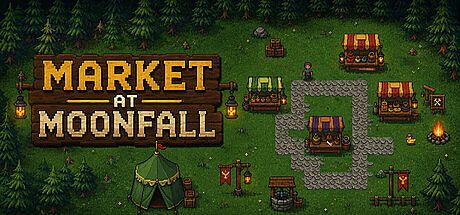


Market at Moonfall is a single-player strategy RPG simulation that blends market management with nighttime defense in a medieval fantasy setting. Players run a growing town market by interviewing merchants during daylight hours and then protecting the stalls from monsters that arrive after dark.
Gameplay
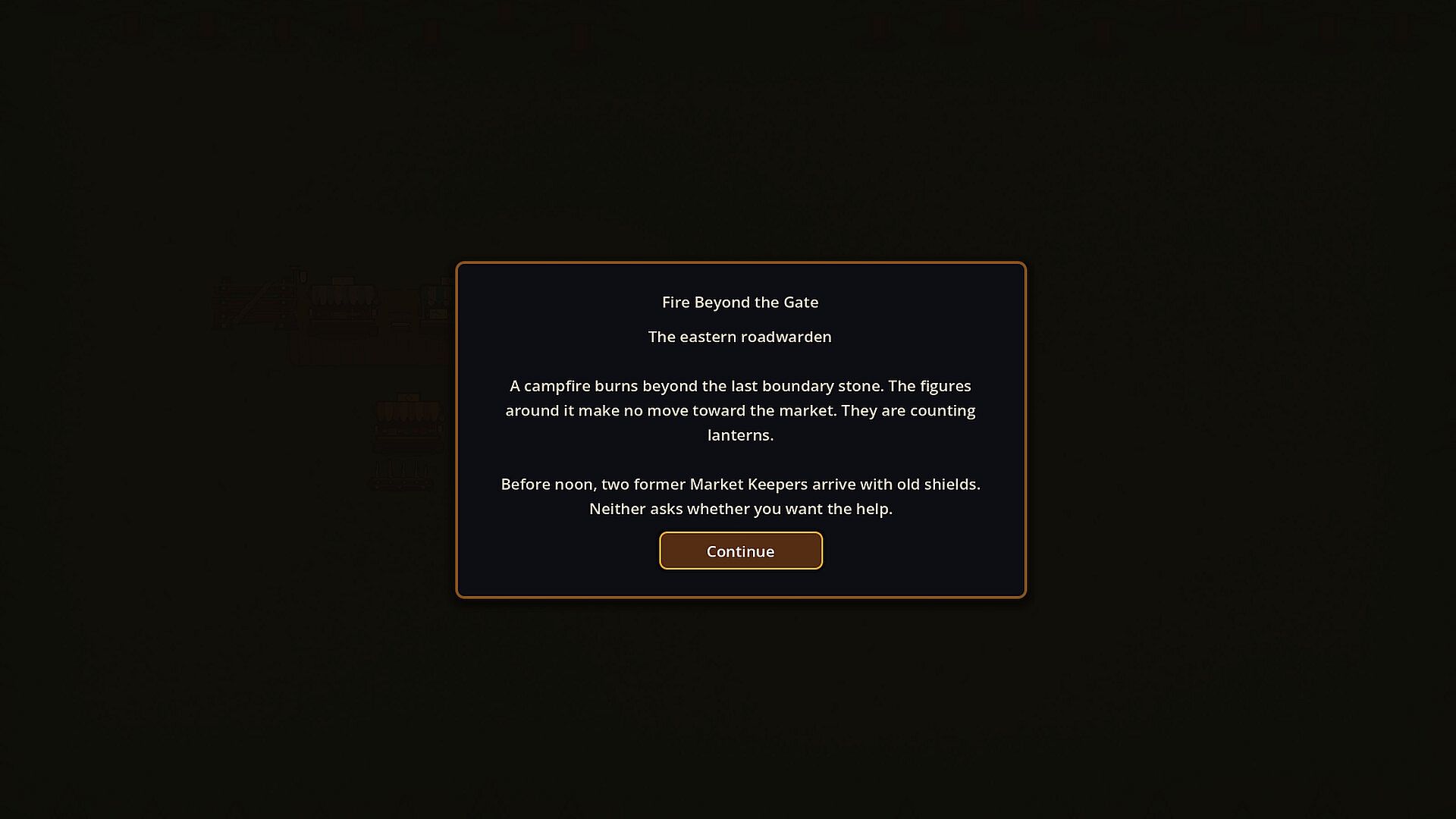
The core loop revolves around daytime decisions that directly shape nighttime survival. Merchants arrive with unique traits, goods, and potential risks. Reviewing their paperwork, rumors, and merchandise helps determine whether to grant them space. A steady baker might boost income and town trust, while a relic dealer could yield higher profits but draw stronger threats once the sun sets.
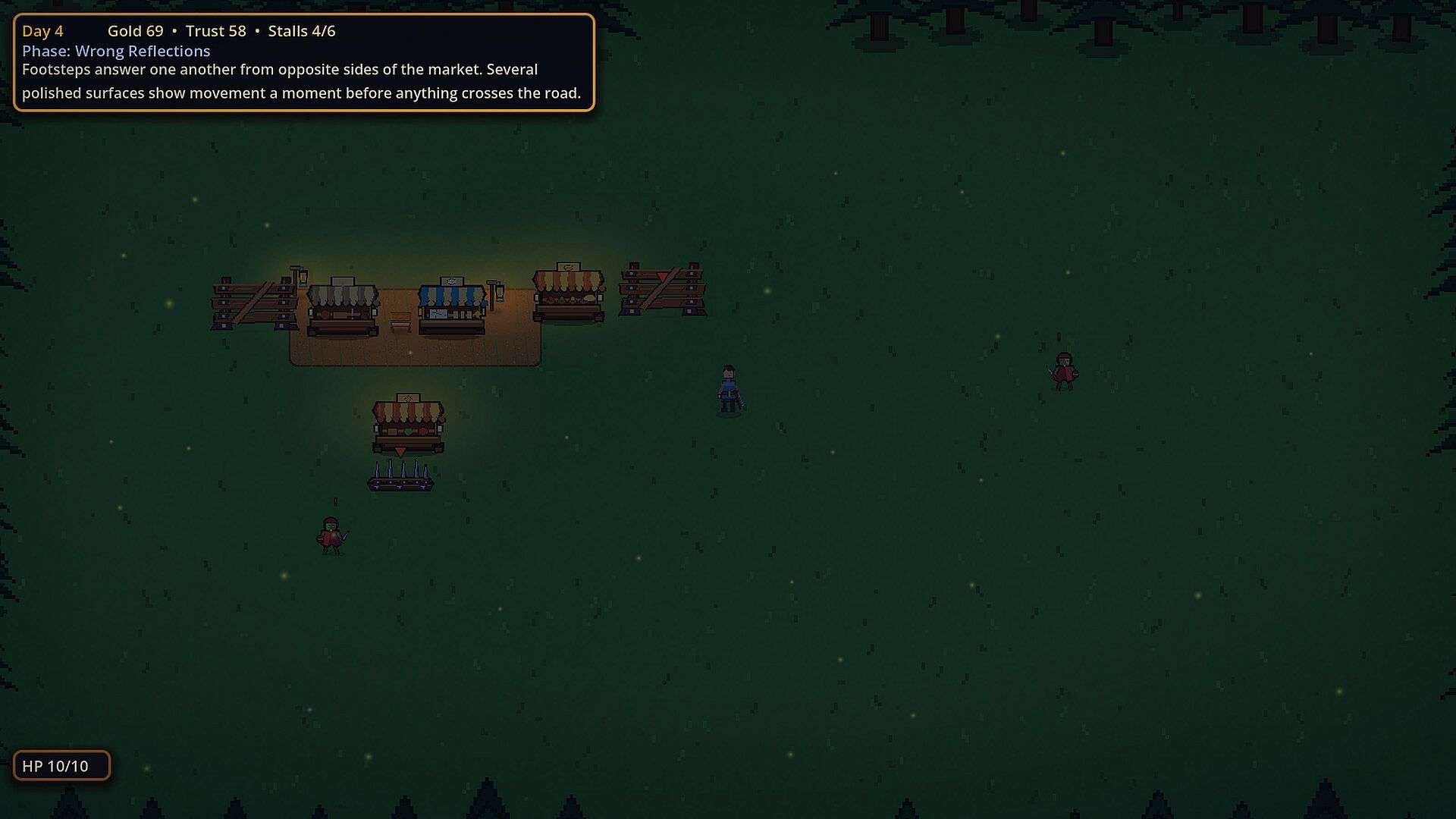
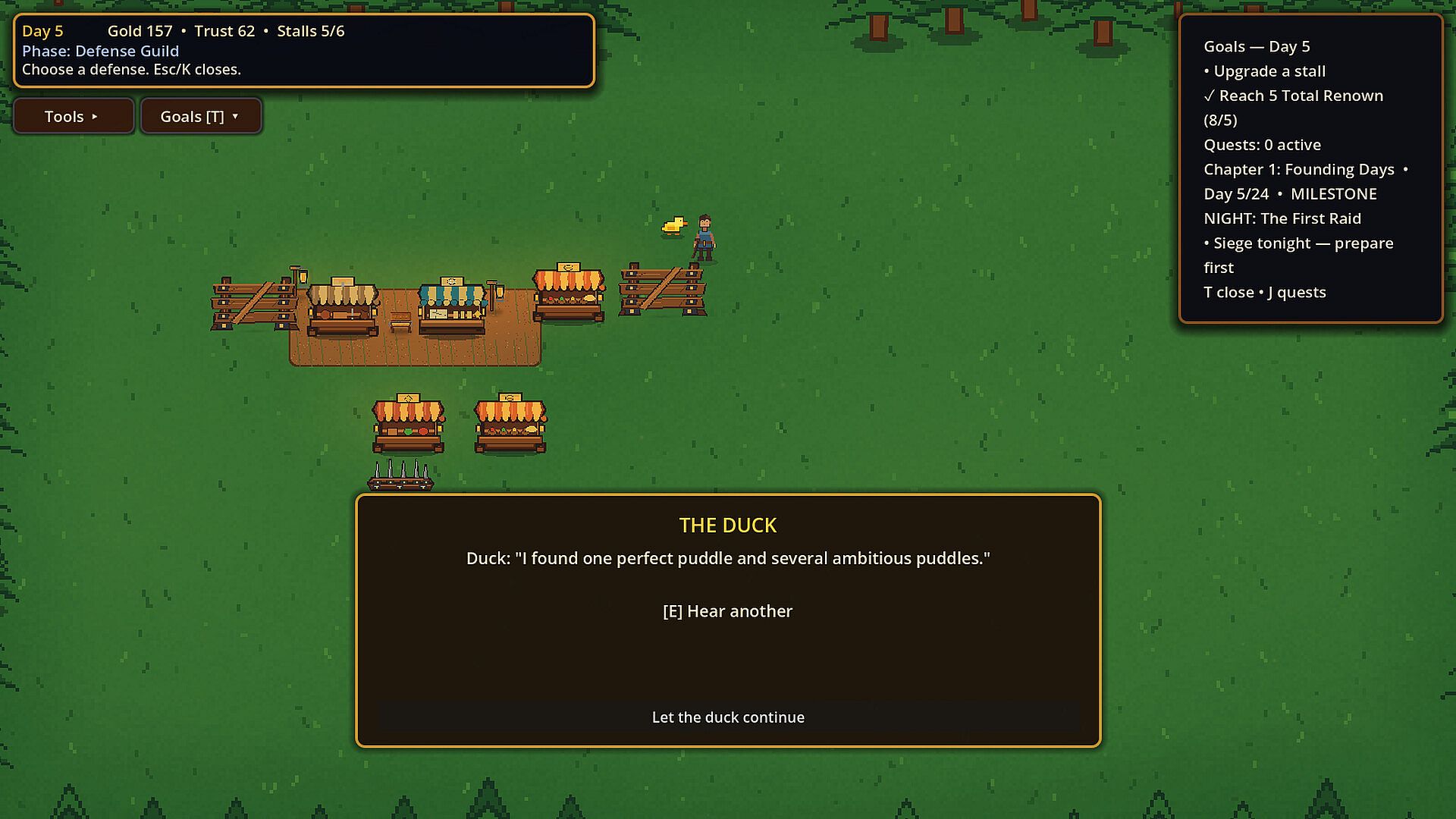
After selections, the market layout becomes the focus. Stalls, paths, lighting, decorations, and defensive structures must be arranged to maximize earnings while minimizing vulnerabilities. Poor placement leaves sellers exposed to attacks that damage property, steal gold, or reduce overall confidence in leadership. Upgrades to personal weapons, armor, health, movement speed, and market operations provide incremental advantages as the campaign advances through multiple days.
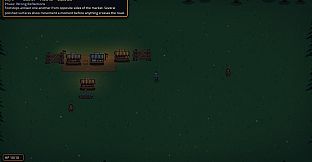
Night phases shift to active combat. Monsters of varying types charge stalls, target specific merchants, or overwhelm defenses. Players fight alongside built structures, repair damage between waves, and collect earnings to fund the next cycle. Seller relationships add layers through requests, loyalties, rivalries, and partnerships that can unlock beneficial effects or create complications if neglected.
Game Modes
The experience centers on a single-player campaign structured around successive days and nights. Each cycle increases in difficulty as more dangerous creatures appear and merchant choices carry heavier consequences. Progression occurs through earned gold and Renown, which unlock upgrades across character abilities, market capacity, and defensive options.
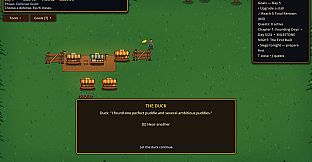
No separate competitive or cooperative modes exist. The campaign serves as the primary structure, with replayability emerging from different merchant selections, market layouts, and relationship outcomes. A rotating pool of applicants encourages varied approaches on subsequent playthroughs, while optional interactions like conversations with a wandering duck provide minor flavor without altering core mechanics.
Market Building and Merchant Management
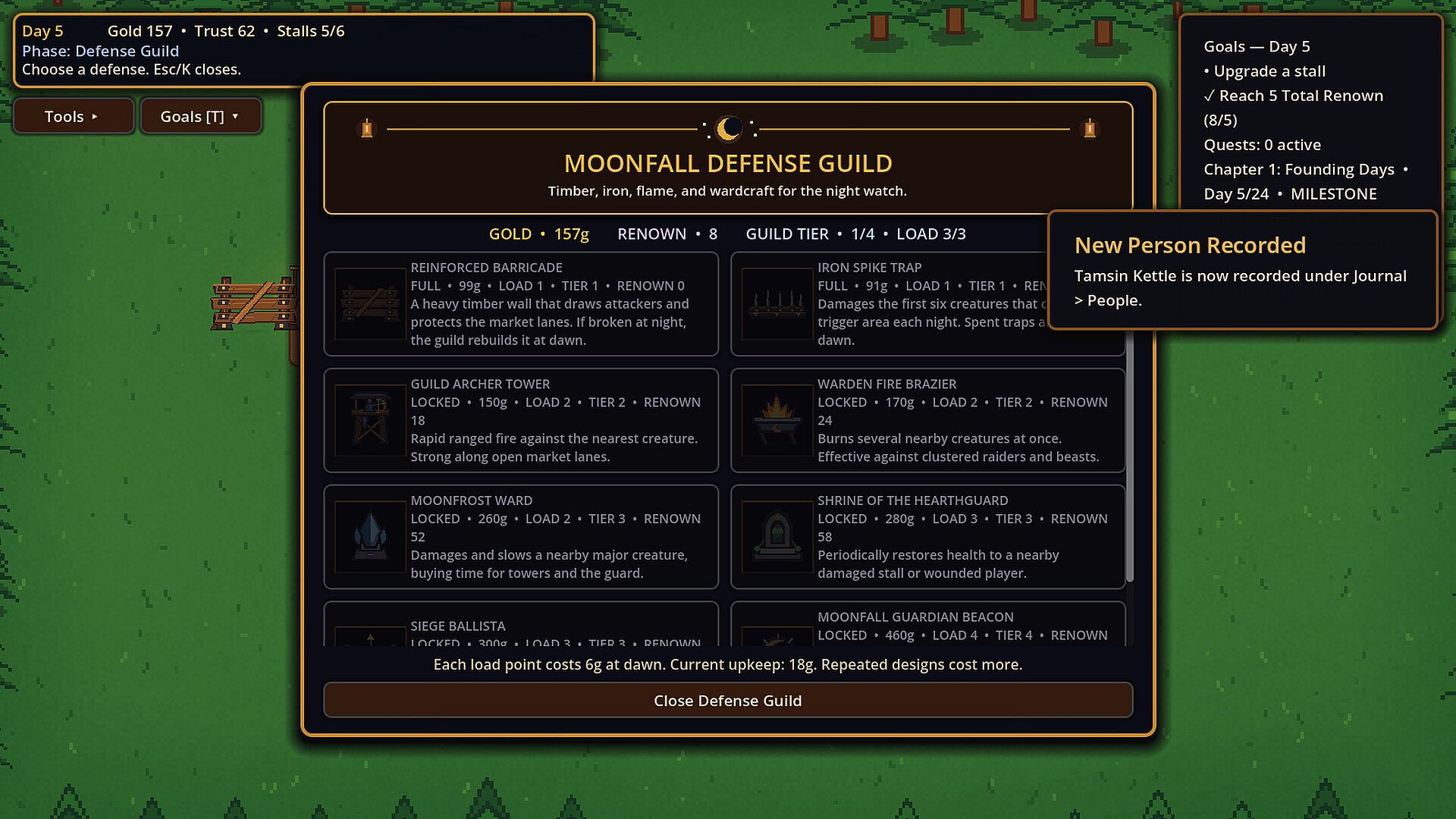
Stall placement and upgrades form the foundation of profitability. Roads and lighting improve traffic flow and visibility, while defensive additions such as barriers or traps mitigate specific enemy behaviors. Seller capacity expands over time, forcing choices about which merchants to retain when space runs short.
Merchant personalities influence long-term outcomes. Completing requests raises loyalty and can trigger partnerships that improve income or defense. Ignoring needs risks tension, reduced performance, or outright departure. These systems interact with the defense phase, where certain sellers attract particular monster types, rewarding careful vetting during interviews.
Progression and Defenses
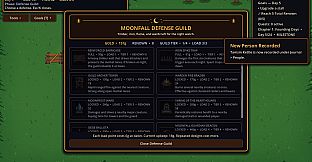
Character growth covers combat effectiveness and operational efficiency. Upgrades to equipment, health, and movement allow better handling of larger assaults that appear later in the campaign. Market-side improvements increase stall durability, gold collection rates, and the number of merchants that can be supported simultaneously.
Enemy variety includes charging beasts, thieves, ranged attackers, armored monsters, and cursed creatures. Larger waves test overall preparation as the story progresses. Repairing stalls and collecting earnings after each night feeds directly into the next day's preparations, creating a tight feedback loop between management and survival.
Is It Worth Playing?
Market at Moonfall suits players who enjoy blending economic management with light action defense in a single-player format. The day-night cycle creates consistent tension between profit-seeking choices and defensive readiness. Early Access is planned to begin November 20, 2026, with the core loop already functional in the available demo.
Current feedback from early coverage notes a charming premise alongside areas needing refinement, such as combat feel and interface elements. The game remains in active development, with planned expansions to seller depth, encounter variety, and overall polish. Those drawn to merchant selection, layout planning, and escalating nighttime threats will find the systems rewarding once balance and presentation improve through updates. Players seeking a complete experience may prefer to wait for further patches before committing.