







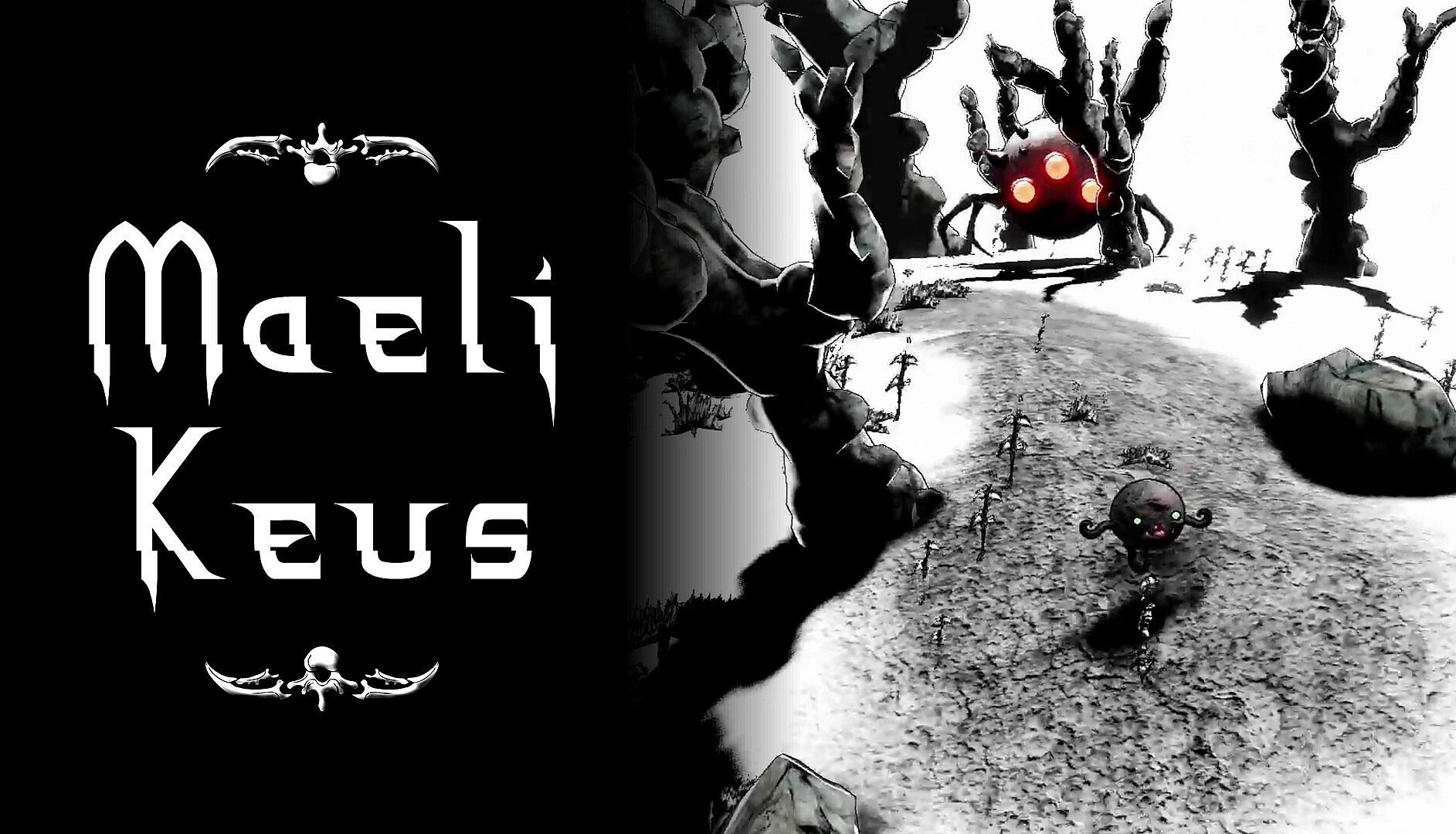
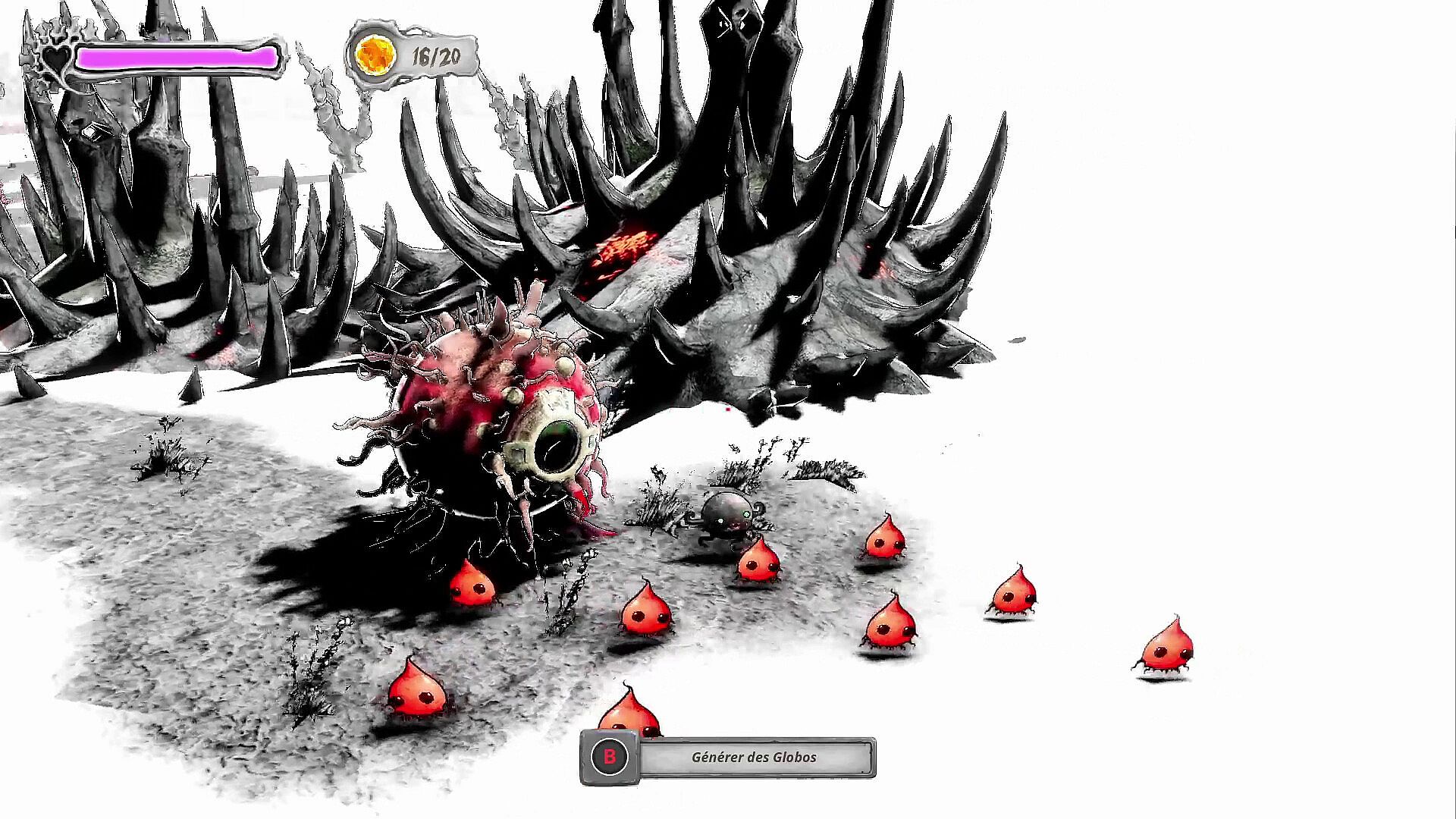
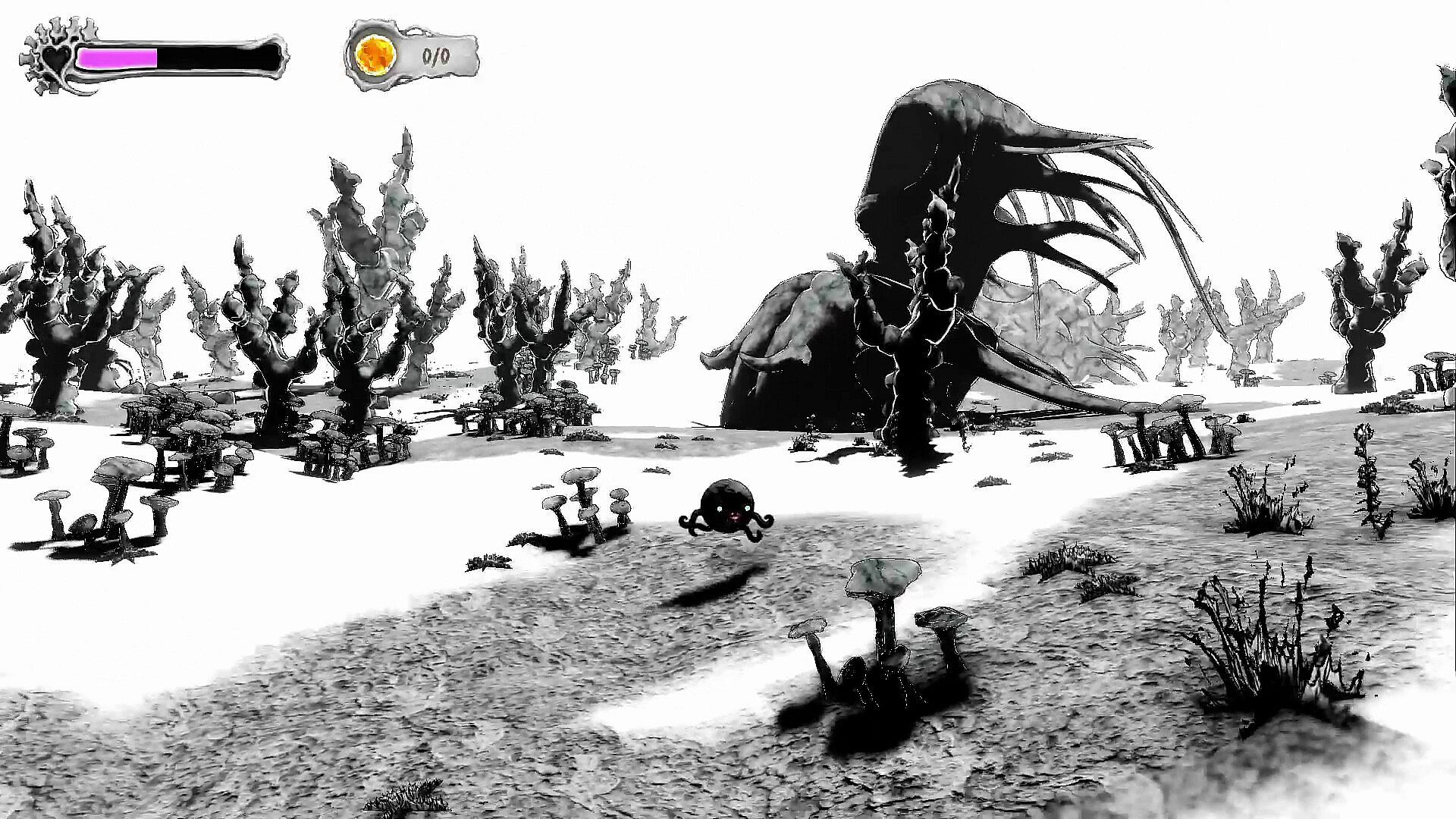
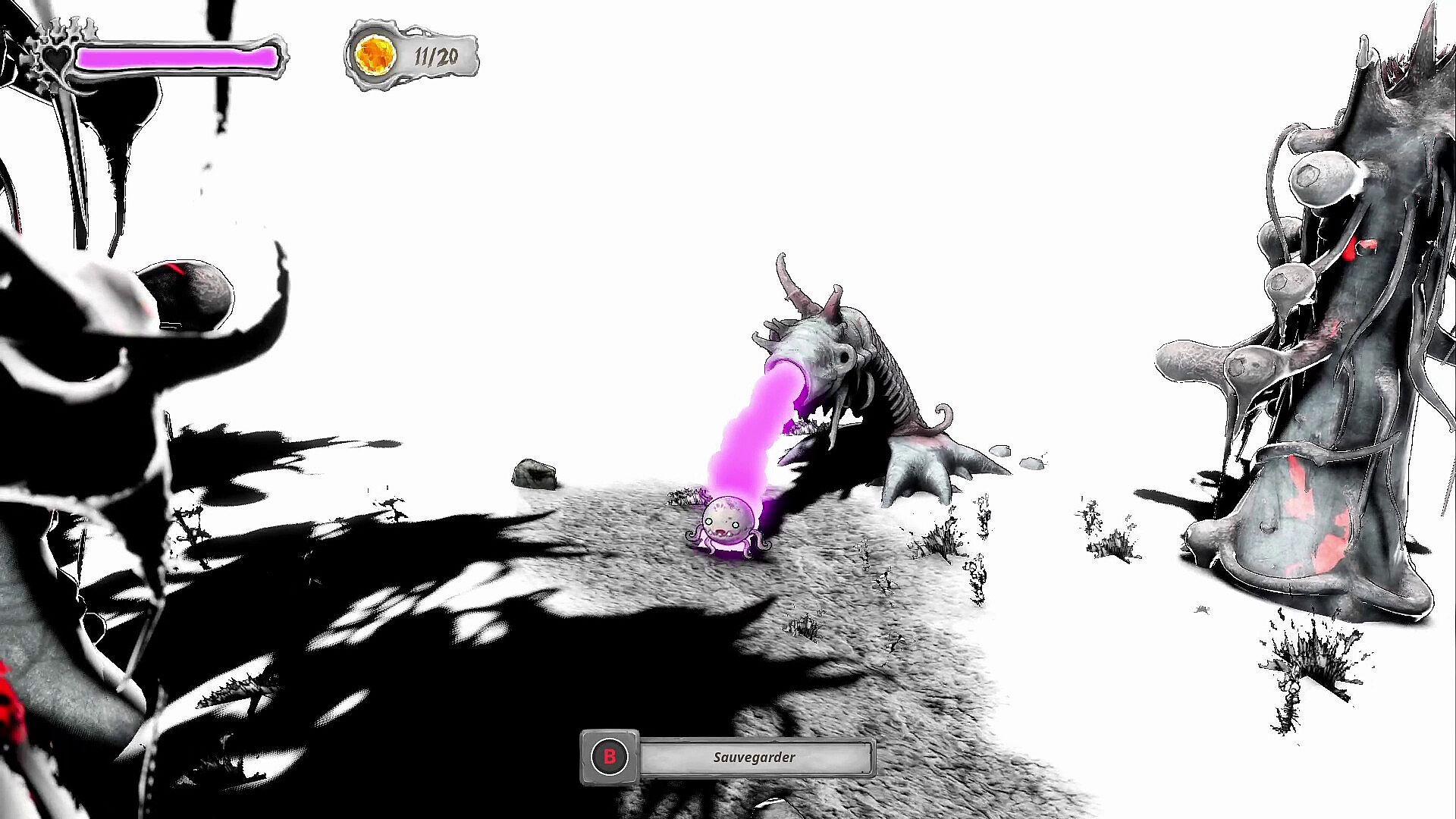

Maeli Keus is a third-person exploration adventure game developed for PC. In this indie title, players navigate a dreamlike world that takes shape only in the direction of movement, creating a sense of discovery through deliberate wandering rather than guided objectives.
Gameplay
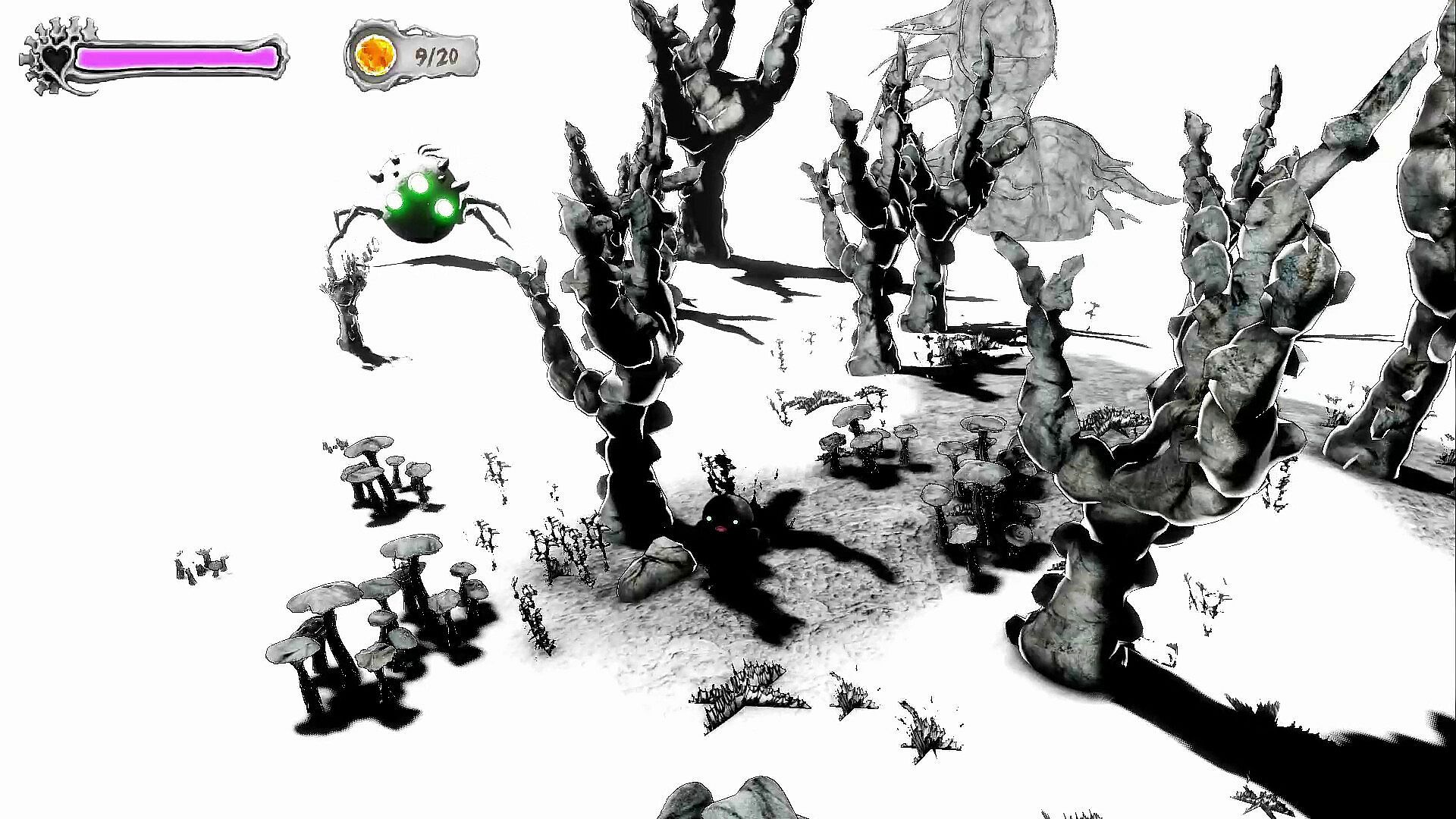
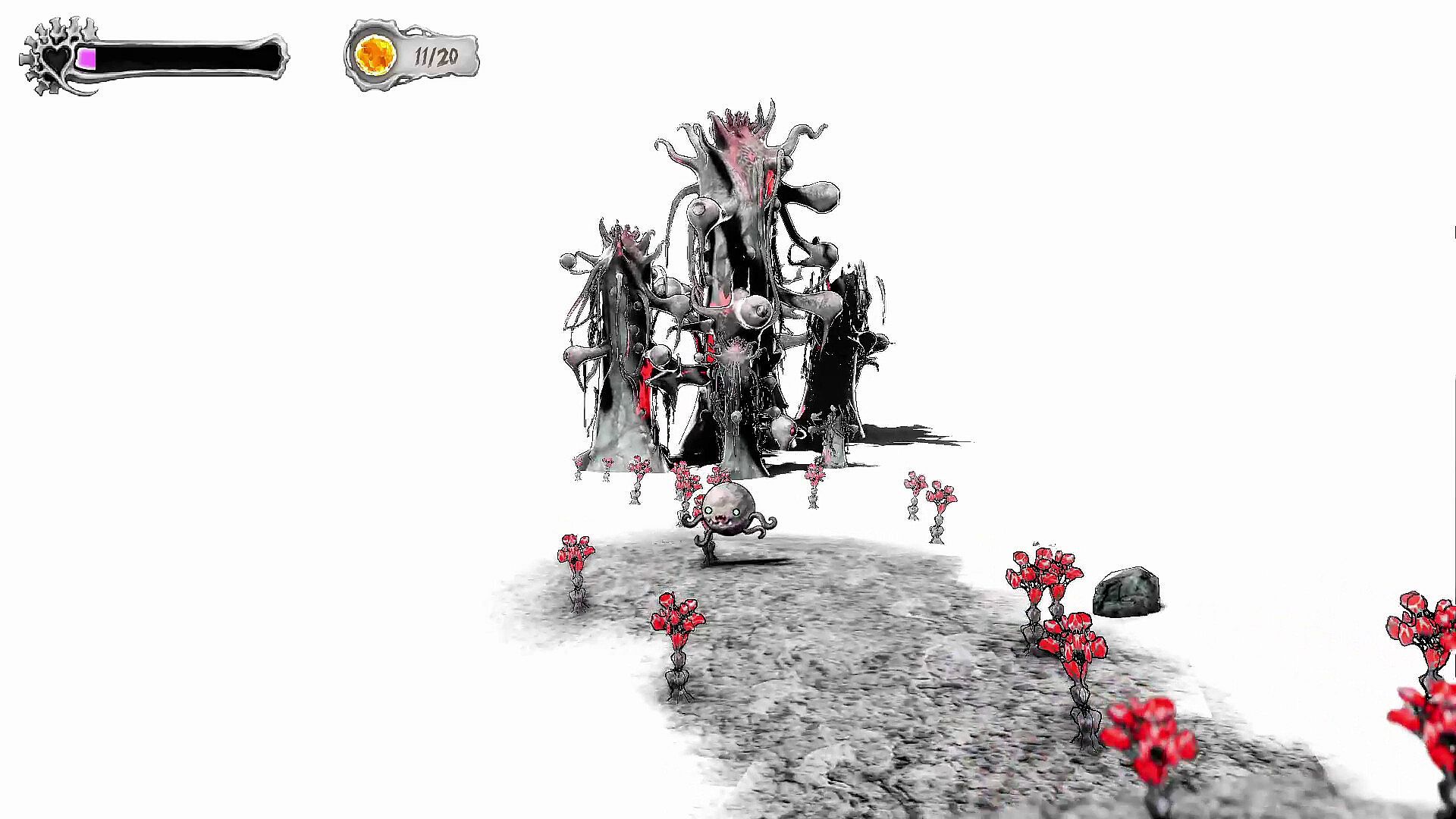
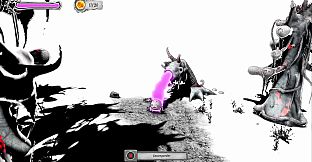
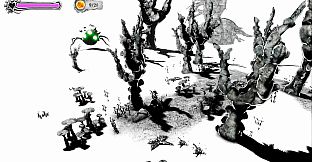
The core loop centers on movement and observation. The environment begins as empty space with no visible ground or distant features. As the character advances, terrain and scenery emerge ahead while the path already traveled remains visible as a persistent trail of light. This mechanic encourages steady progress without the ability to reference prior locations or plan routes in advance.
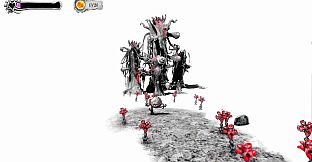
Players collect crystals scattered throughout different biomes. These items are carried to ruined checkpoints, where they restore light and unlock further areas. The process repeats across the landscape, turning each journey into a chain of small restorations that gradually open new sections of the world.
A hostile creature patrols the illuminated areas. To avoid detection, players must move into the shadow of a tree or similar object and remain motionless until the threat passes. This stealth element adds tension to otherwise quiet traversal, requiring awareness of light sources and positioning at all times.
Game Modes
Maeli Keus presents a single-player experience built around freeform exploration. There are no separate competitive modes, cooperative options, or structured challenges beyond the main traversal and restoration activities. The design emphasizes uninterrupted wandering at a self-determined pace, with all progression tied to the crystal and checkpoint system rather than distinct playlists or variants.
Visual Style and Development
The game uses toon shading and clean outlines to create a surreal, hand-crafted appearance. Every element supports the theme of a world that feels both intimate and fleeting. Development occurred in Godot 4 by a solo creator, resulting in a focused implementation of the core mechanics without unnecessary layers or distractions.
System requirements remain modest, supporting play on a range of hardware with controller support recommended for precise movement. The title is scheduled for release on January 1, 2027, and currently exists in a pre-release state where players can follow updates through wishlisting.
Is It Worth Playing?
Maeli Keus suits players who prefer atmospheric single-player adventures that reward patience and spatial awareness over combat or narrative direction. The absence of maps or markers means success depends entirely on observation and repeated visits to restore checkpoints. Those drawn to quiet indie exploration titles will find the persistent trail and light-based stealth mechanics distinctive. Because the game remains unreleased with no user reviews available, any decision to play should rest on interest in its unique world-revelation system and deliberate pace rather than established community feedback.











