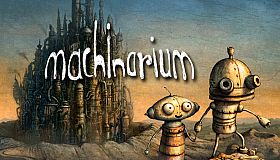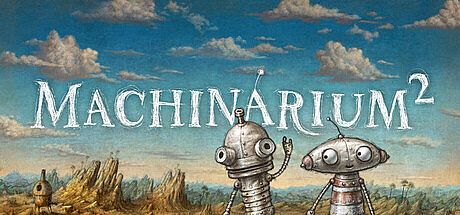


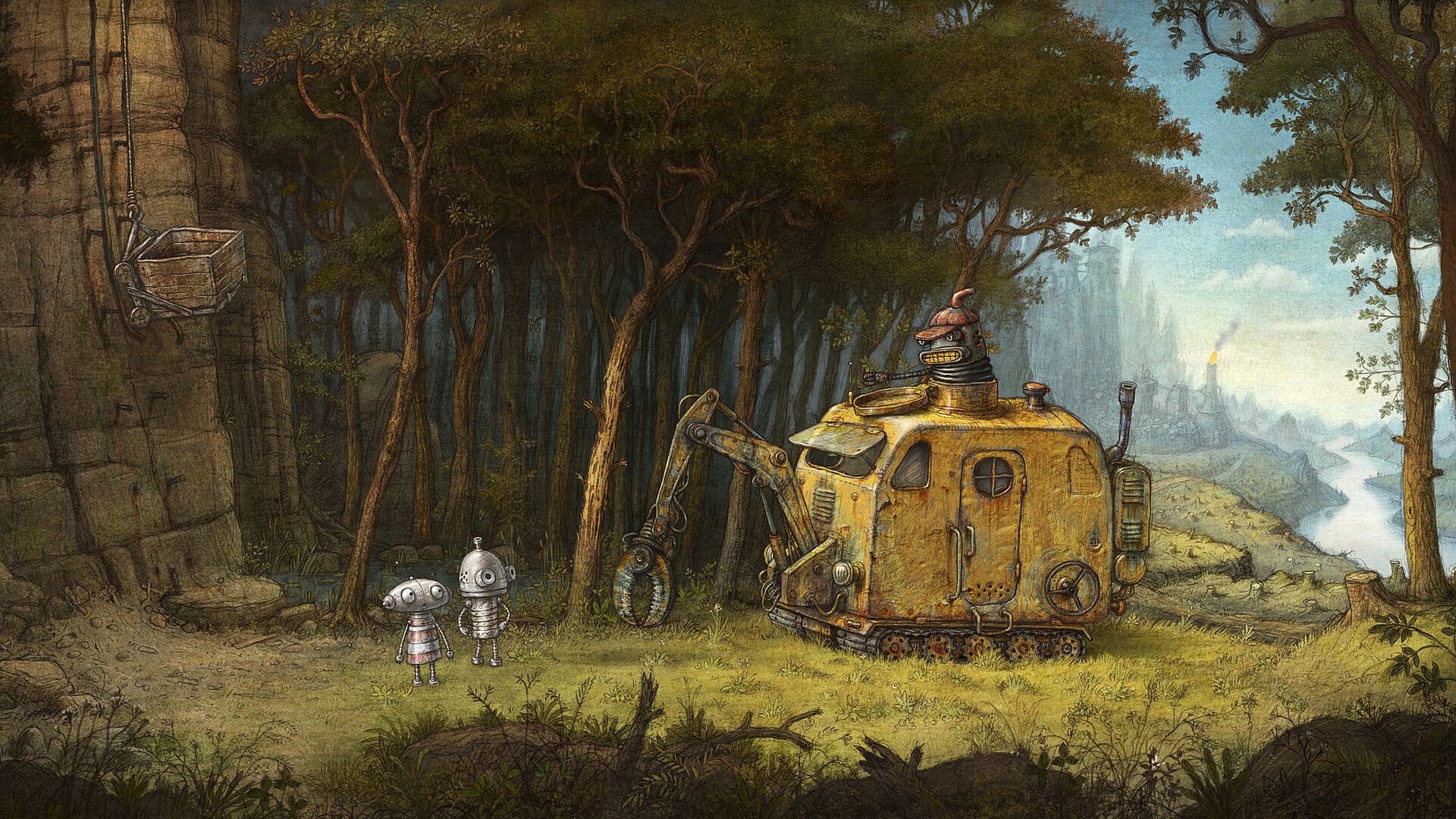
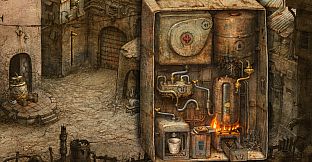
Machinarium 2 is an indie point-and-click puzzle adventure game developed by Amanita Design for PC. It continues the story of robots Josef and Berta after their escape from the original game's city, as they search for a new home in a hidden valley.
Gameplay
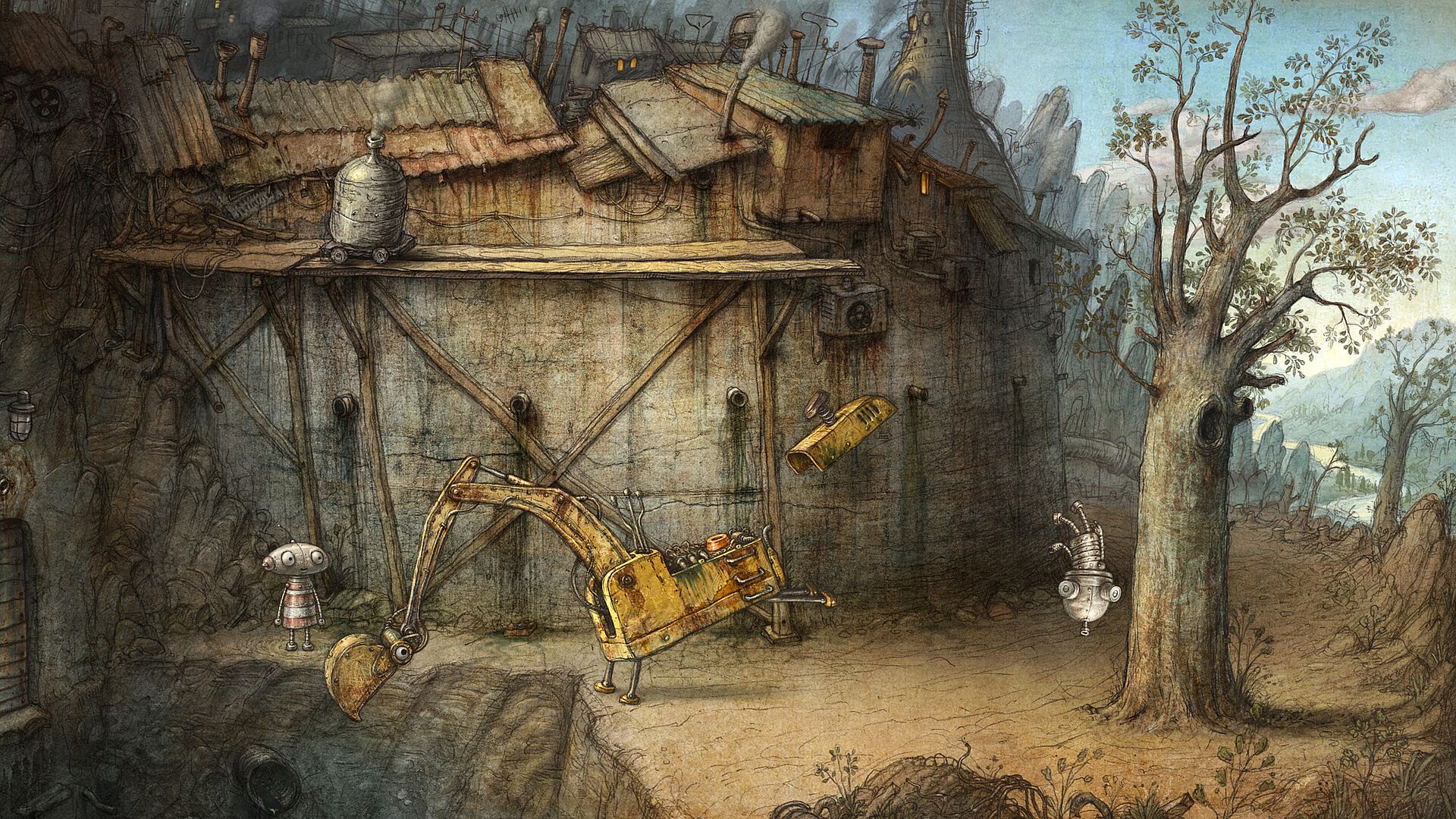
Players guide both Josef and Berta through a series of environmental puzzles. Switching between the two characters happens at any moment, and each brings distinct physical traits that open solutions unavailable to the other alone. Some challenges require coordinated actions, such as one robot holding a mechanism in place while the second completes a path or activates a distant device.
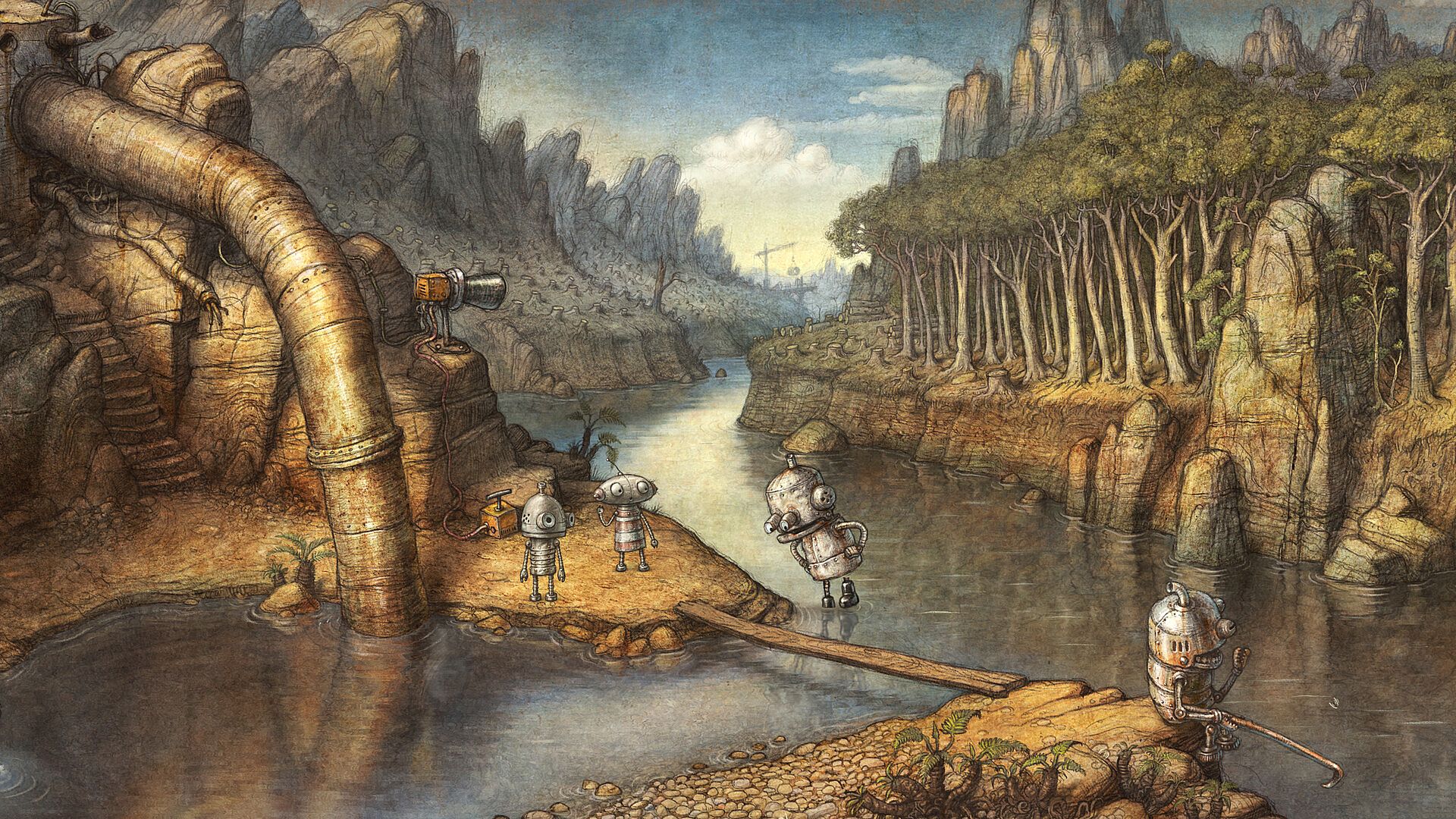
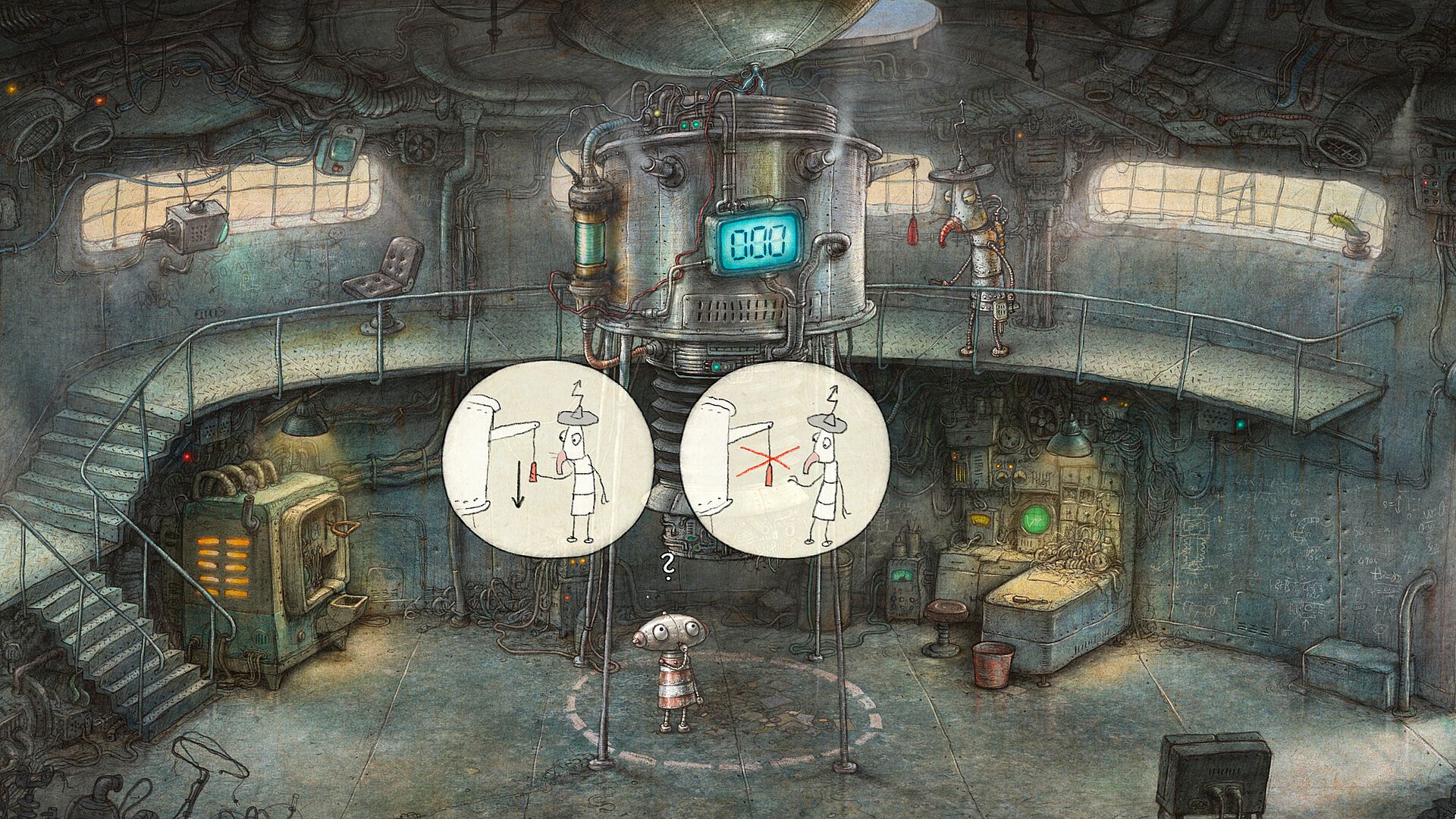
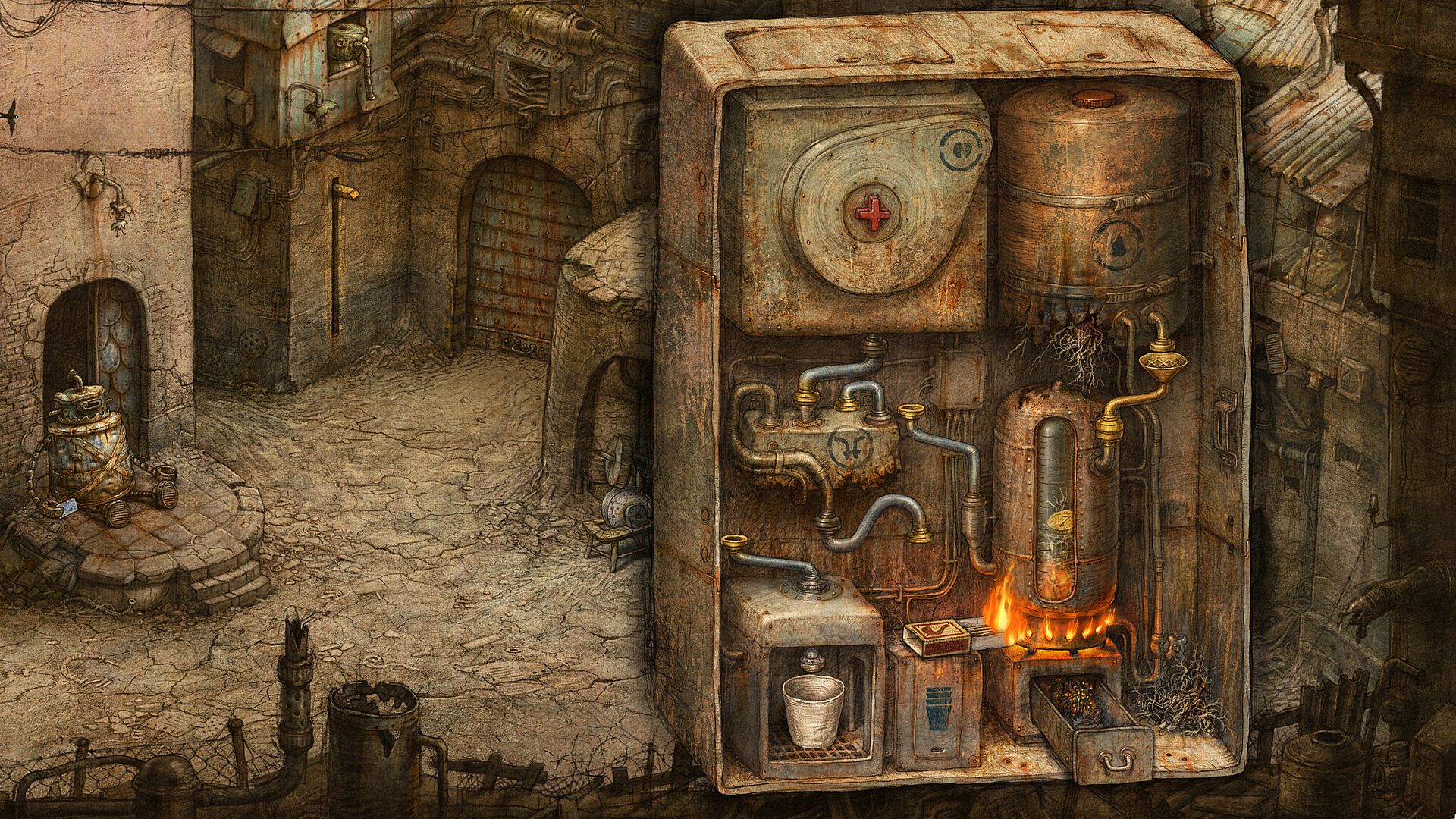
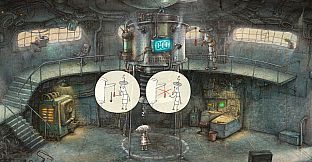
Interaction stays entirely visual and non-verbal. Robots encountered in the world express needs and information through animated thought bubbles, symbols, and gestures rather than written dialogue. Exploration centers on careful observation of hand-drawn machinery, structures, and natural elements that blend industrial decay with organic growth.
Controls support two approaches. A gamepad allows direct movement of the robots without an on-screen cursor, which the developers describe as the intended experience. Traditional mouse input remains available for players who prefer the classic point-and-click style of the first game.
Game Modes
Machinarium 2 offers only a single-player campaign. The entire experience unfolds as a linear sequence of puzzle-solving sections set across the valley's key locations, including the Elektrona monastery perched on the rocks and the city of Oilton below. No competitive, cooperative, or multiplayer modes exist.
Progress relies on combining the protagonists' abilities within the same play session. The structure encourages repeated switching to test different approaches rather than separate campaigns or alternate paths for each character.
World and Presentation
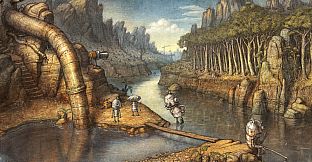
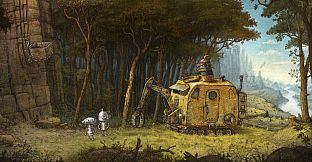
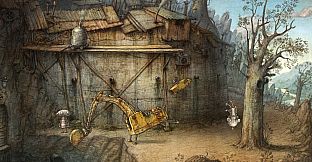
The setting expands beyond the original city into a lush hidden valley where two robot tribes face dwindling power supplies. Every background element, from rusted pipes and weathered walls to towering structures, receives full hand-drawn treatment inspired by old master drawings and Renaissance landscape paintings. Robots throughout the valley feature detailed animations that convey personality and emotion without spoken words.
The soundtrack returns to the acoustic textures and robot-universe motifs established in the first game. Composer Tomáš Dvořák, known as Floex, has expanded the score with symphonic arrangements that occasionally incorporate Renaissance influences while preserving the intimate, mechanical feel of the original.
Is It Worth Playing?
Machinarium 2 targets players who value deliberate puzzle design and atmospheric world-building in a compact adventure format. The addition of dual-character control introduces fresh puzzle logic while retaining the wordless, gesture-based storytelling that defined the series. Those who enjoyed the original's focus on observation and creative problem-solving will find the same core loop here, now expanded through character switching.
The game remains in development with no release date announced, so current interest centers on wishlisting and following updates from Amanita Design. Its hand-drawn art, returning composer, and refined control options position it as a direct evolution of a well-regarded indie classic rather than a broad departure.