

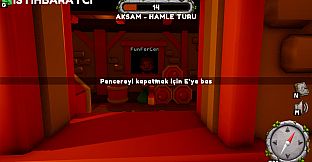
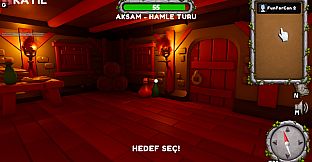
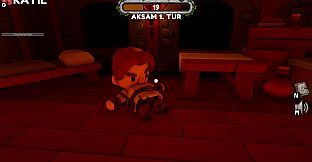
M.A.S.K. is a social deduction RPG for PC that places players in a tense village setting where trust is scarce and every interaction carries risk. Participants assume hidden roles each round and must navigate conversations and actions to either safeguard the community or undermine it from within. The experience centers on voice communication and deduction, turning ordinary discussions into high-stakes confrontations.
Gameplay
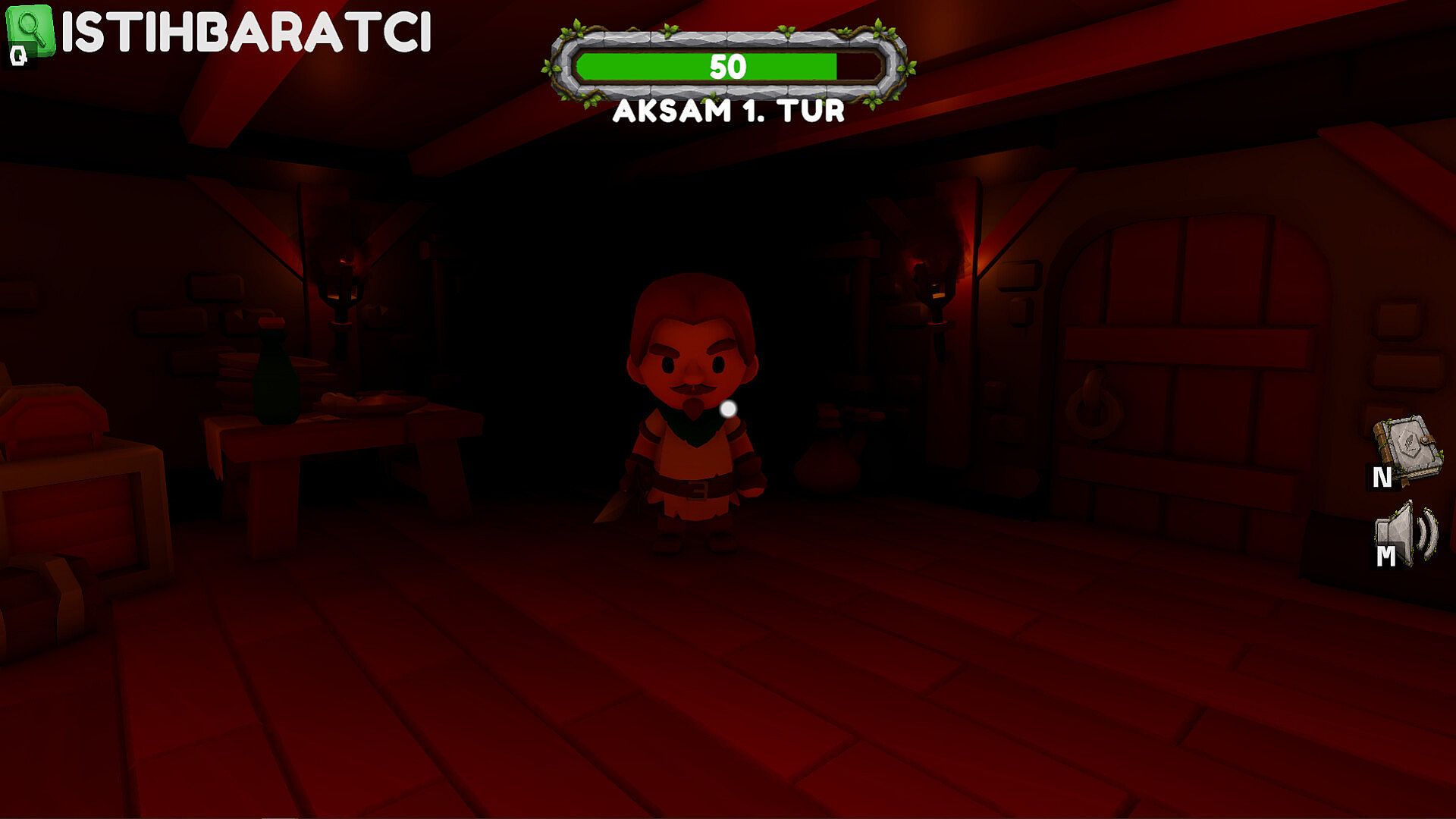
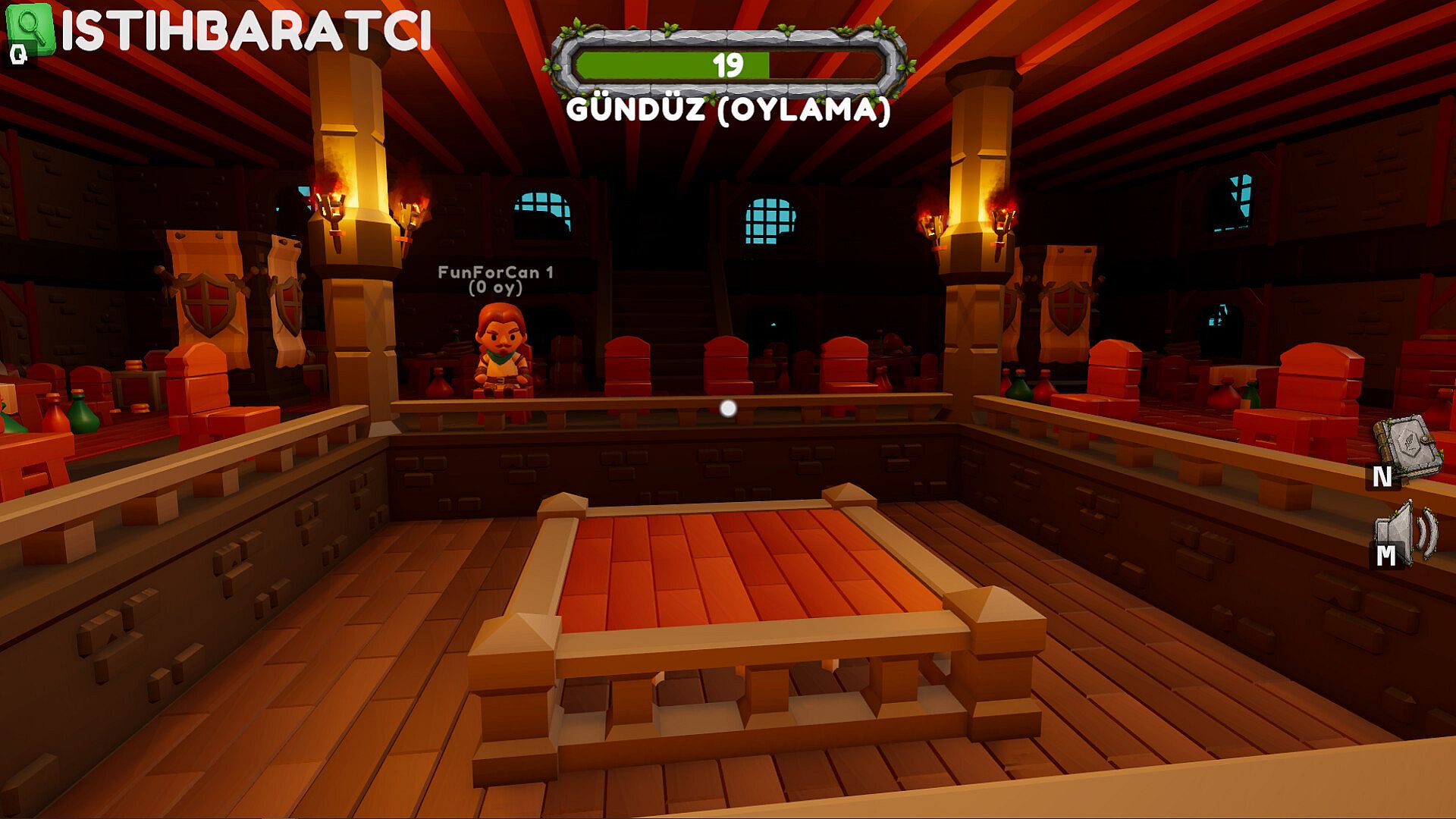
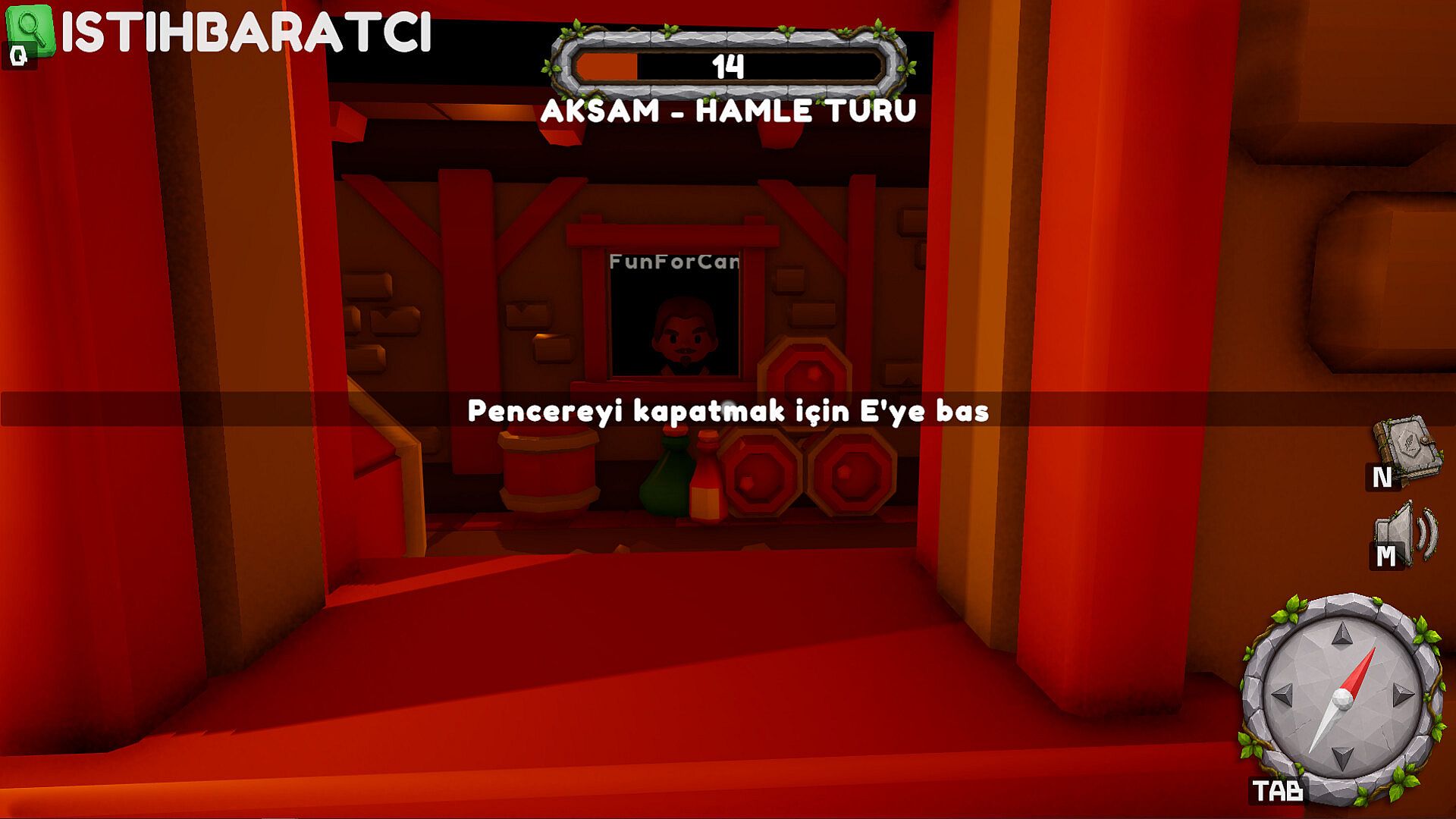
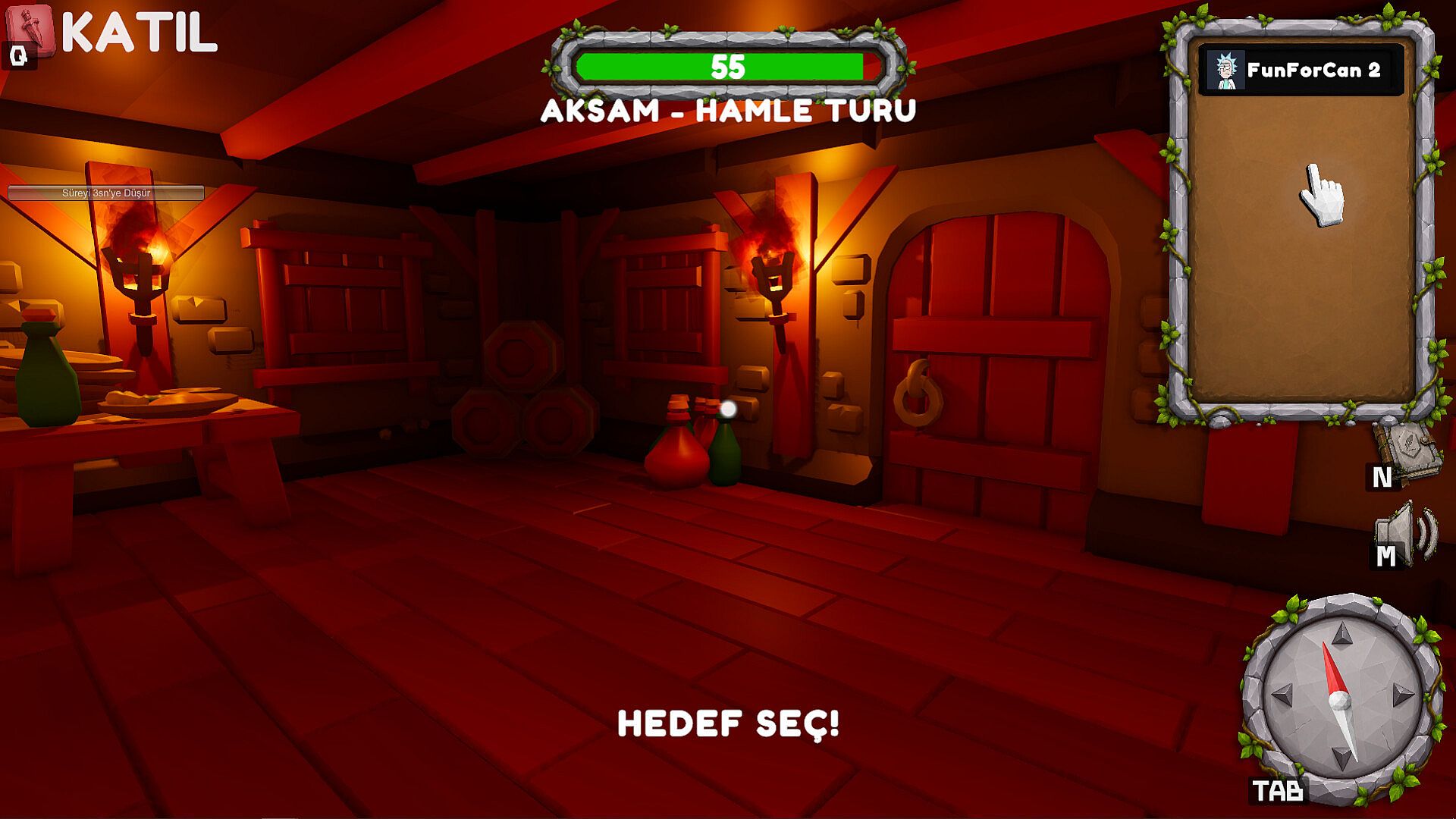
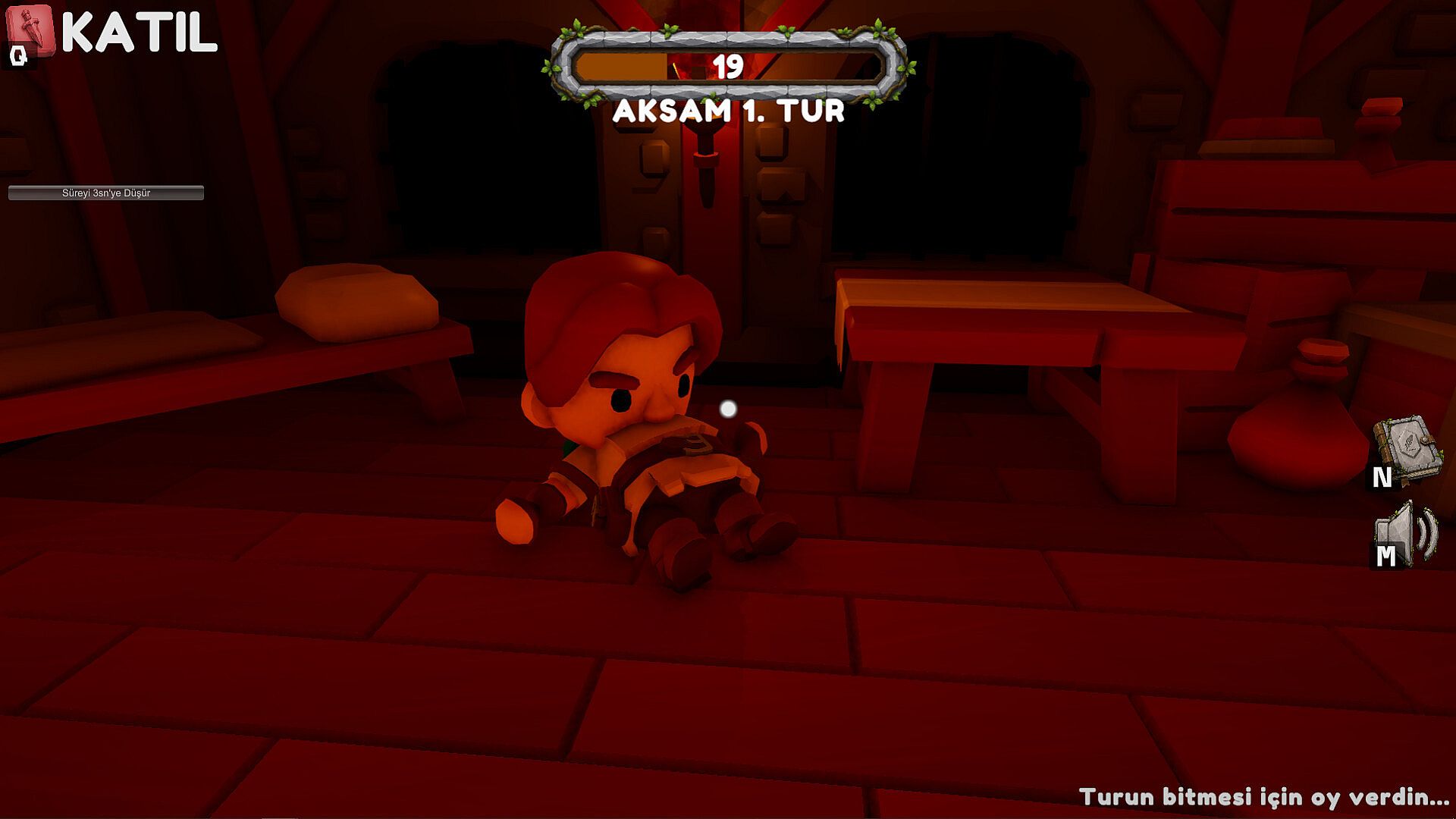
The core loop revolves around a day-night cycle that structures every round. During daylight hours the entire group assembles to share observations, debate suspicions, and cast votes on who might pose a threat. A mistaken vote can remove a key defender and shift momentum toward the opposing side. At night the village quiets and individual abilities activate, allowing certain players to move between homes, prepare defenses, or eliminate targets under cover of darkness. Proximity voice chat captures whispers and private exchanges that become vital evidence, while a built-in notebook lets players record clues and track patterns across rounds. Success depends on reading tone, spotting inconsistencies, and deciding when to reveal or conceal information.
Game Modes
Rounds follow a consistent structure built around the day-night progression and public voting phase. Players receive a random role at the start of each match and must operate within the constraints of that assignment until the final vote decides the outcome. The system supports repeated matches with fresh role assignments, encouraging repeated play as participants refine their ability to bluff, interrogate, or coordinate without direct coordination tools beyond proximity audio.
Roles and Factions
Three broad alignments shape strategy. Villagers cooperate to identify and remove threats through collective discussion and protective night actions. Roles such as the Miner provide early warnings, the Intelligence Officer gathers information on suspects, and protectors like the Doctor or Bodyguard shield targets from harm. Support roles including the Wizard, Trapper, and Undertaker add specialized tools for investigation or disruption. Killers operate in opposition, using night visits to eliminate villagers or sow confusion through abilities like those of the Saboteur. Neutrals pursue independent objectives, with options such as the Shapeshifter that can alter affiliations mid-game or figures like the Witch and Veteran who survive on their own terms. Each role demands careful timing and misdirection to avoid exposure.
Is It Worth Playing?
M.A.S.K. suits players who enjoy social deduction experiences that reward sharp observation and verbal skill over reflexes or resource management. The emphasis on proximity voice chat creates an atmosphere where lies and alliances form naturally through conversation, rewarding groups that communicate effectively. Those who prefer structured team objectives or solo progression may find the reliance on group dynamics less appealing. The game remains in active development with ongoing refinement of its role interactions and audio systems, making it a solid choice for fans of similar multiplayer thrillers who value deduction and betrayal mechanics.