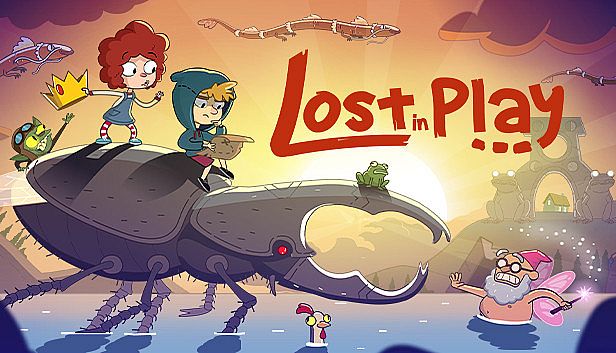











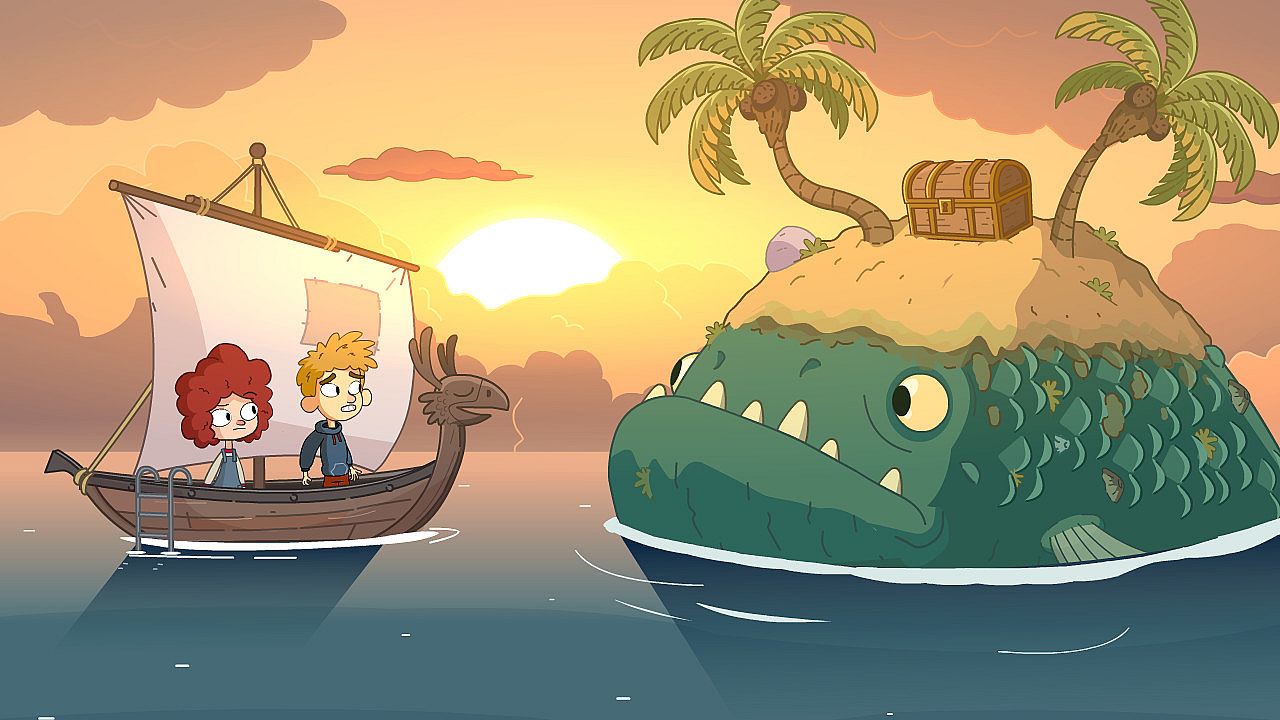
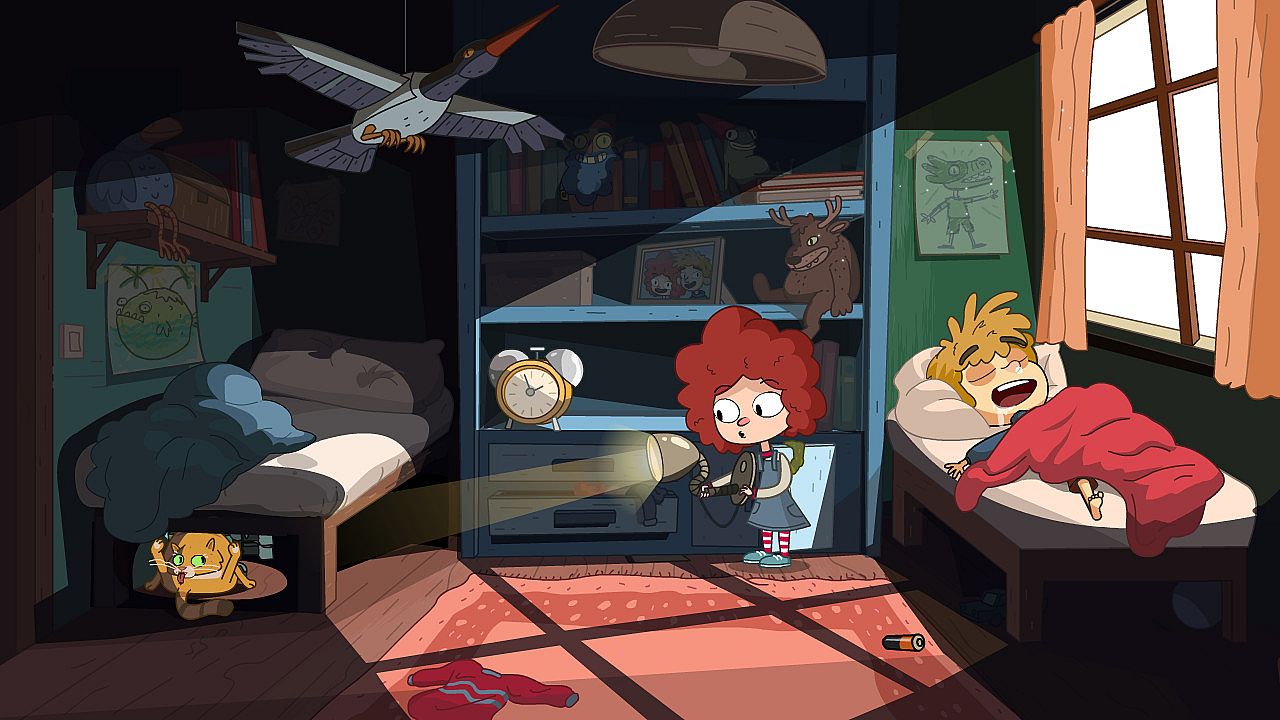
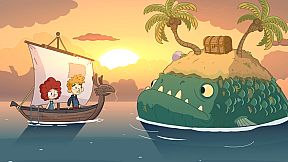
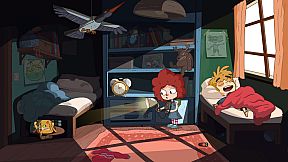
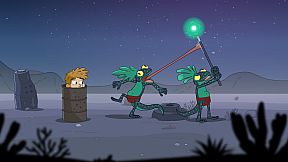
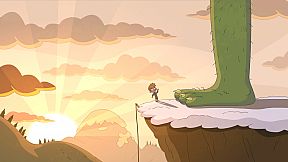
Lost in Play is a point-and-click adventure game that follows a brother and sister as they navigate a world shaped by childhood imagination. Players control the siblings through a series of connected scenes, using observation and interaction to progress a visual story without any spoken or written dialogue.
Gameplay
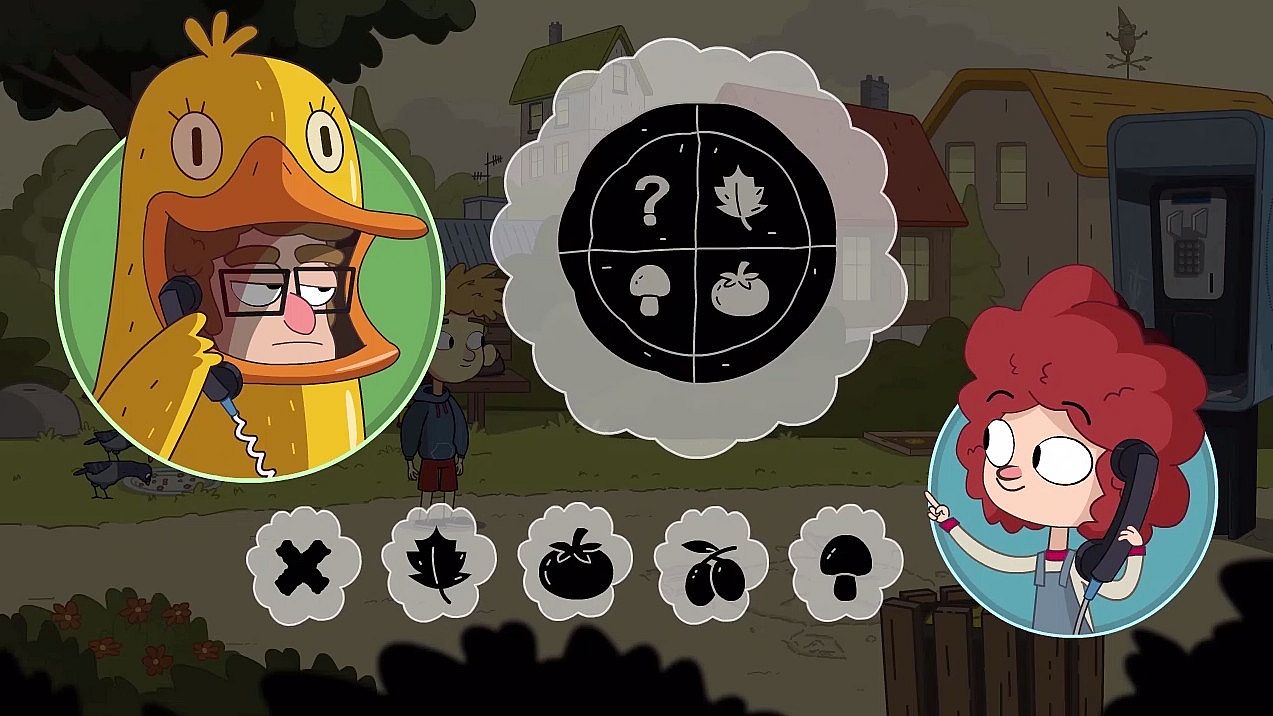
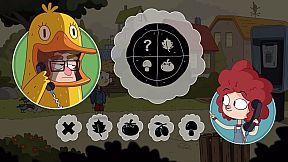
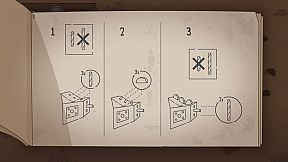
The core loop centers on exploring colorful environments and solving a series of self-contained puzzles and mini-games. Movement and object interaction rely on standard point-and-click controls, with options for mouse, keyboard, or joystick input. Each area presents new characters and objects that players examine or combine to advance. Puzzles range from simple item collection to logic challenges such as arranging sequences or guiding creatures through patterns. A built-in hint system provides guidance when needed, and some activities include optional skip options. The experience emphasizes curiosity, with many solutions emerging from close attention to animations and environmental details rather than trial and error.
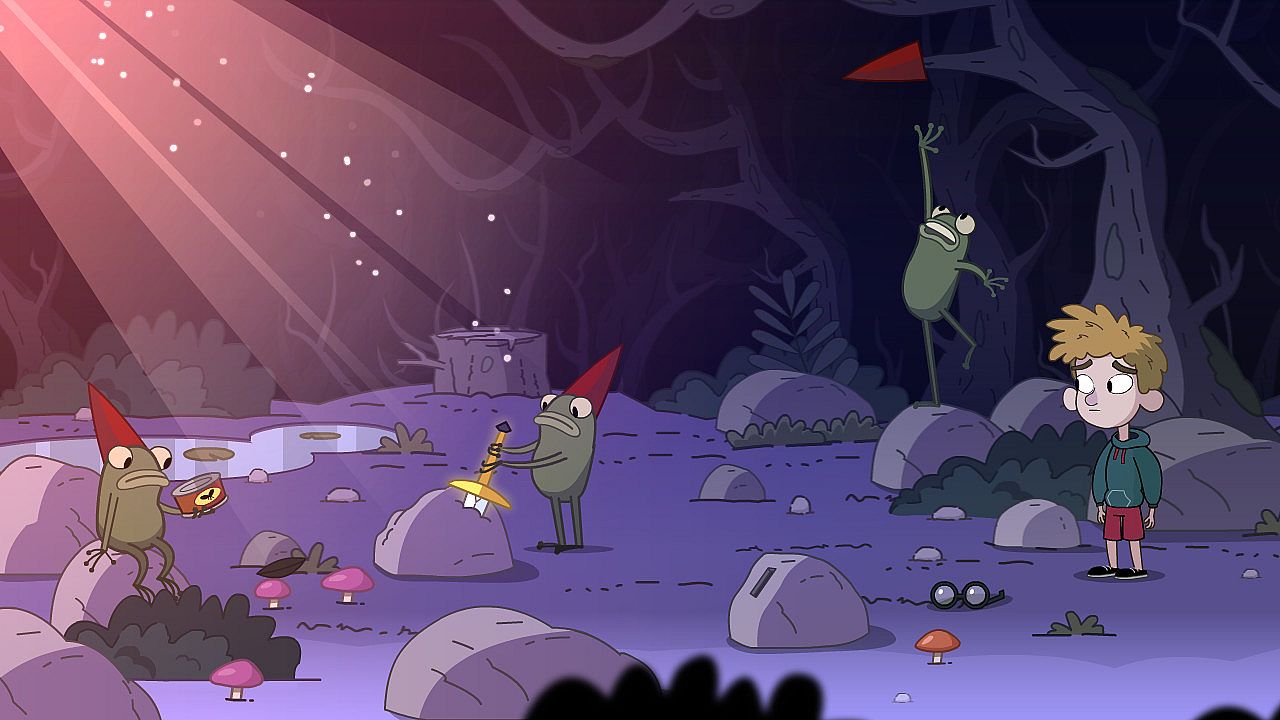
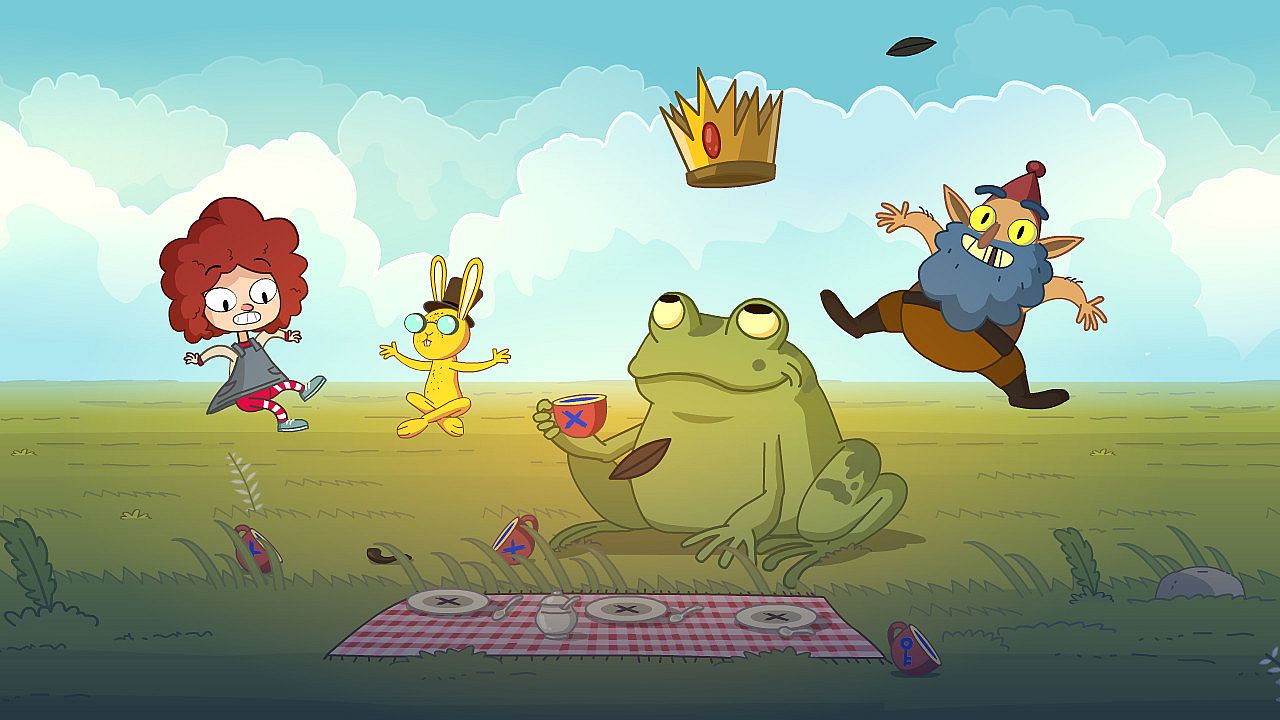
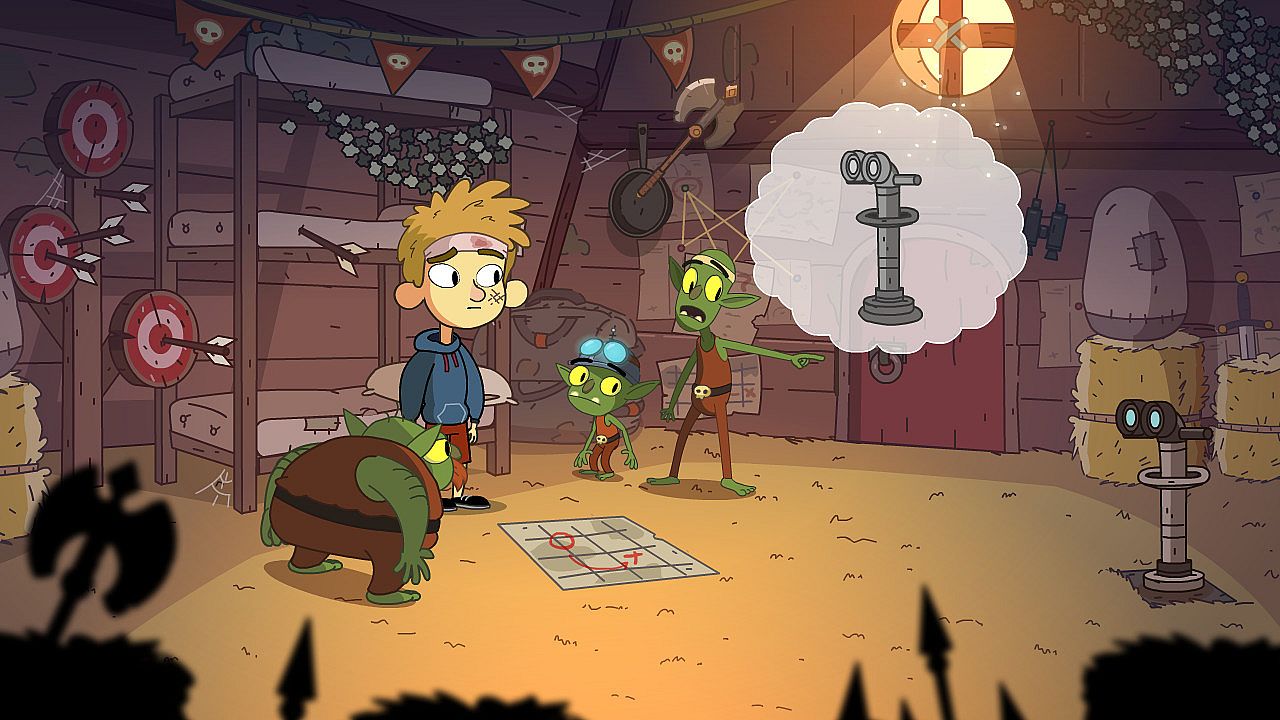
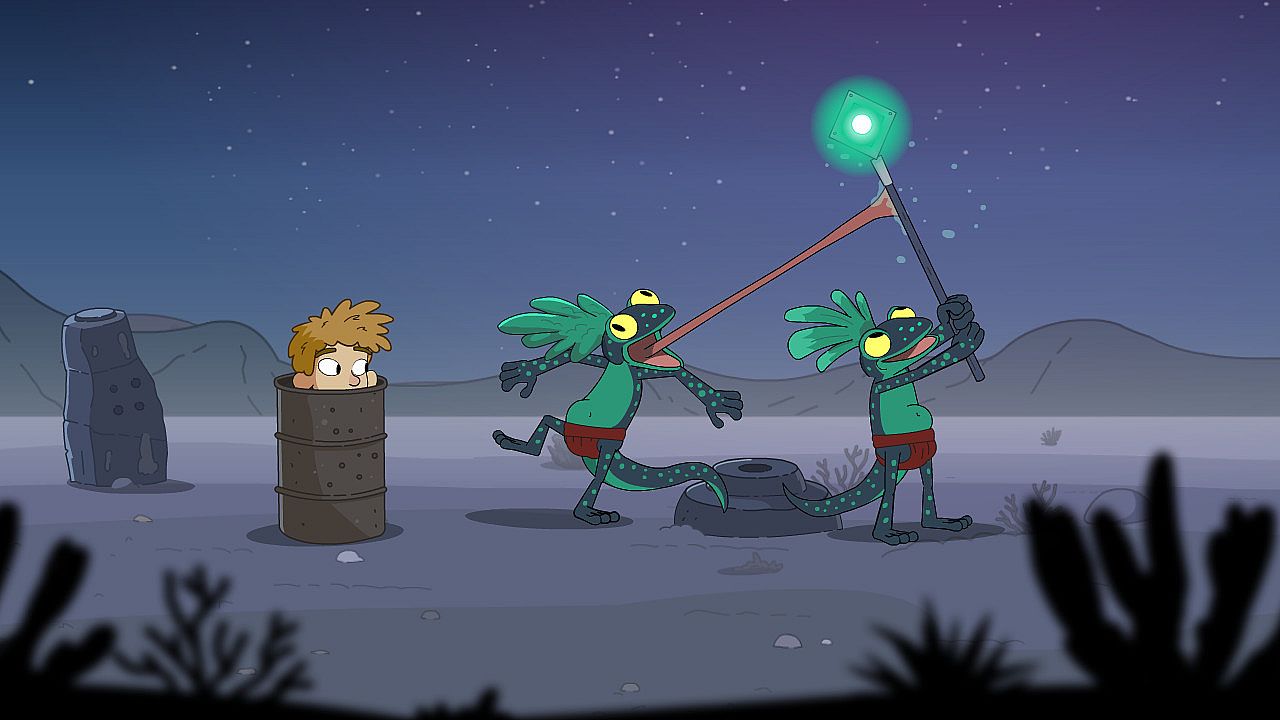
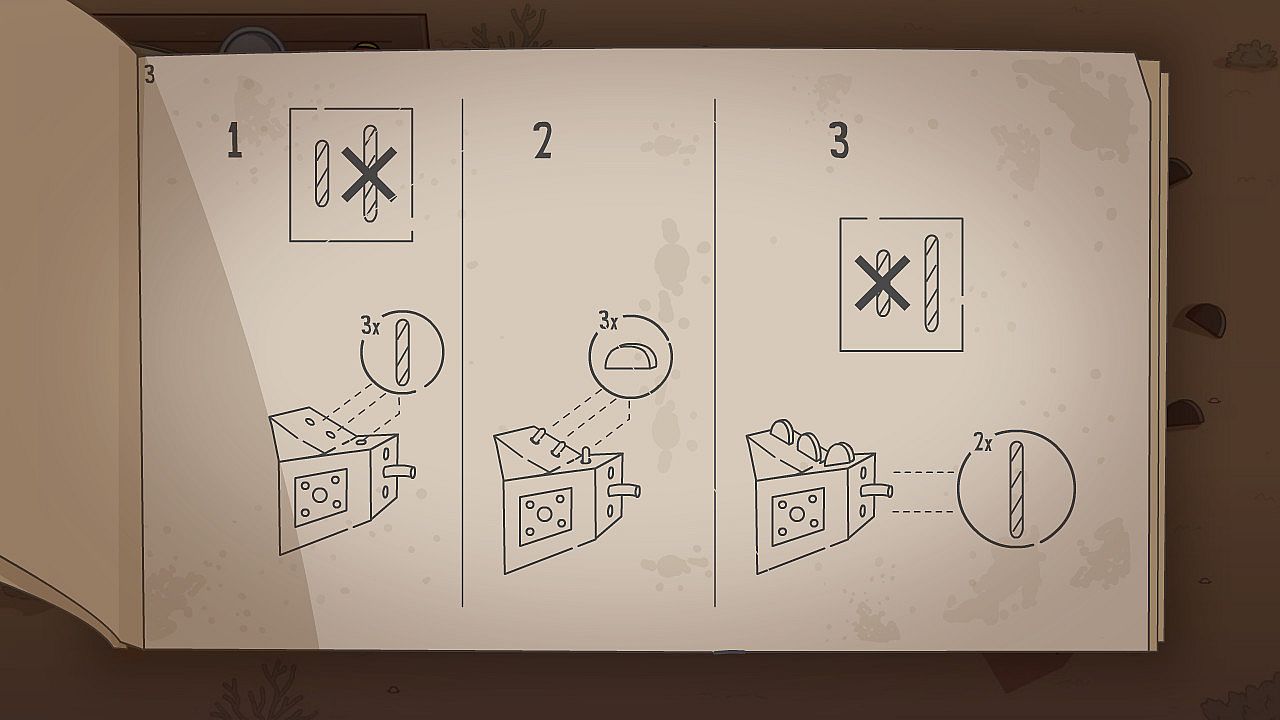
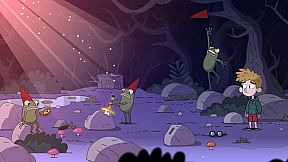
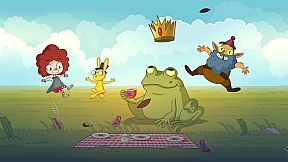
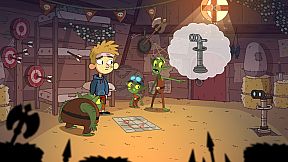
Visual storytelling carries the narrative through expressive character reactions and gibberish vocalizations. Scenes transition between everyday settings and fantastical ones, incorporating elements like a horned beast in a forest, goblin villages, and teams of frogs. Mini-games appear regularly and vary in style, including timing-based clicks, matching tasks, and short construction sequences. The full adventure lasts roughly four to five hours and maintains a steady pace without backtracking across large maps.
Game Modes
Lost in Play offers a single-player experience focused entirely on the linear adventure. There are no separate modes, multiplayer options, or branching paths. Progress occurs through sequential episodes or scenes that unlock upon completion, allowing replay of individual sections afterward. The structure remains consistent across platforms, with the same puzzle set and story progression available whether played on PC or other supported devices.
Story and Presentation
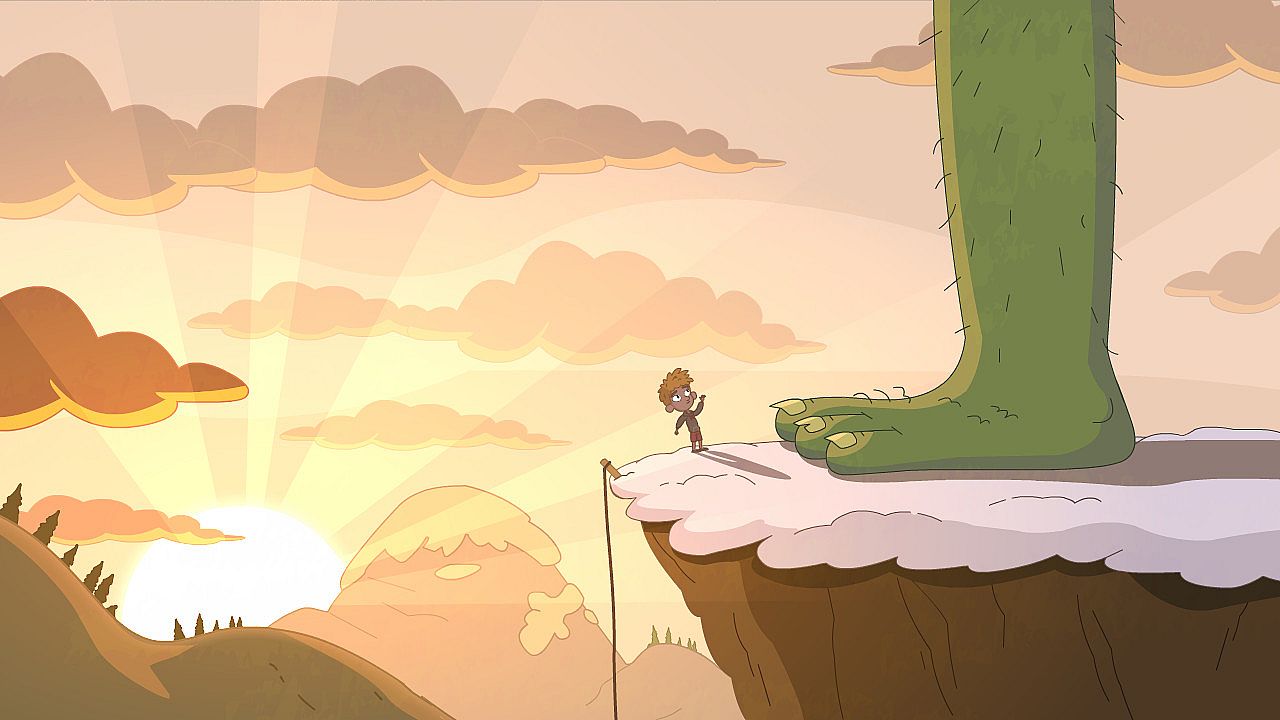
The narrative follows the siblings as they move between reality and fantasy while attempting to return home. Key locations include an enchanted forest, goblin settlements, ancient ruins, and floating islands. Characters such as a pirate seagull, a royal toad, and various goblins provide visual gags and puzzle opportunities. The art style draws from hand-drawn animation traditions, featuring bright colors, fluid movement, and detailed backgrounds that reward repeated viewing. No text appears on screen, so all communication relies on gestures, expressions, and environmental clues.
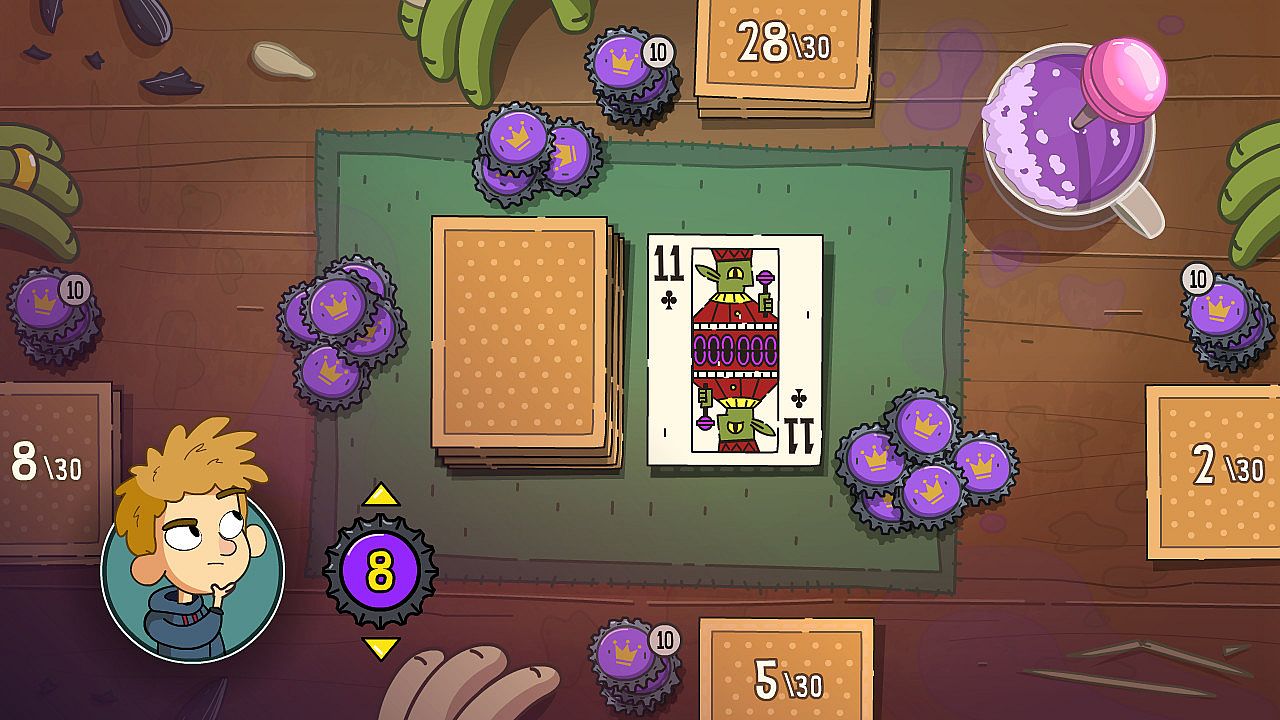
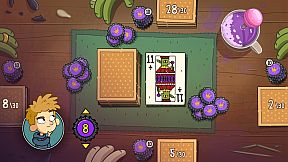
Additional activities include card games with goblins, assembling a dragon model, and teaching a sheep to fly. These moments integrate directly into the main progression rather than serving as optional side content. The game includes more than thirty distinct puzzles and mini-games, each designed with unique mechanics to prevent repetition.
Is It Worth Playing?
Lost in Play suits players who enjoy short, self-contained point-and-click adventures with an emphasis on charm and visual problem-solving. Its family-oriented design makes it accessible for shared play sessions, though some logic puzzles require adult assistance for younger children. Reception highlights the consistent novelty of its challenges and the quality of its animations. The game launched in 2022 and received awards for visual design and innovation, with no ongoing seasonal content or major post-release updates required for the core experience. Those seeking a light, imaginative single-player title without combat or complex systems will find a complete package that delivers its intended scope efficiently.