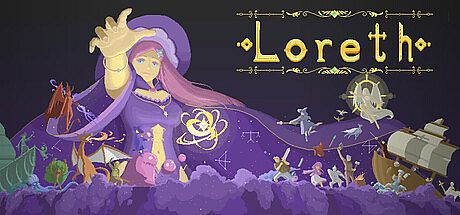


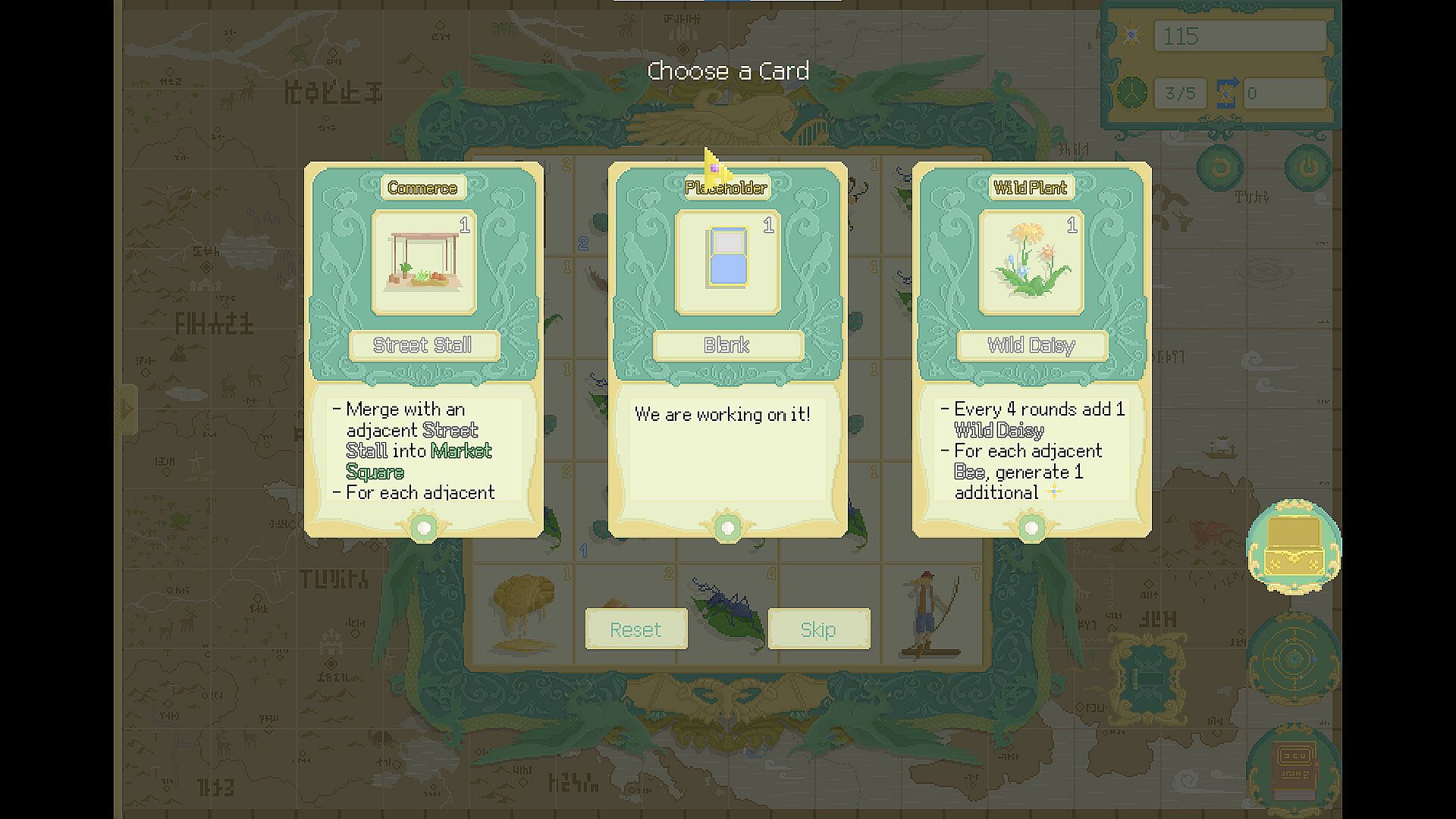
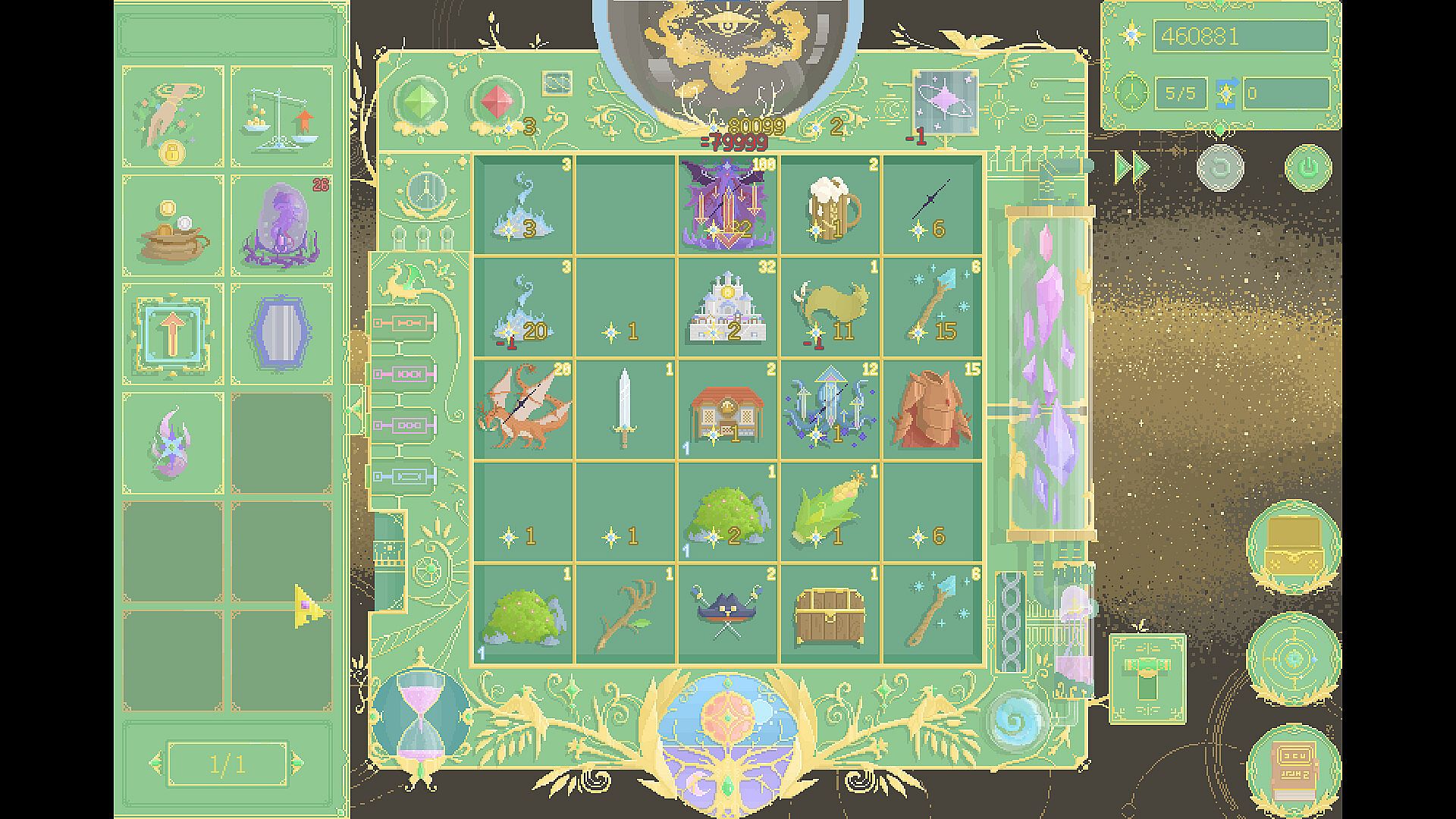
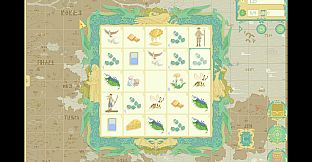
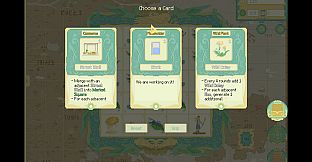
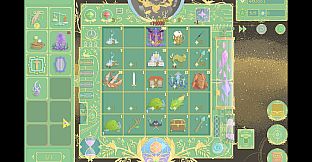
Loreth is an indie roguelike strategy game available in early access on PC. Players take on the role of a student god attending the Loreth Academy, where they use a simulation engine to study the fundamental laws that shape worlds and civilizations. The core loop revolves around spinning and combining symbols to generate research points, develop custom systems, and progress toward graduation through repeated simulation runs.
Gameplay
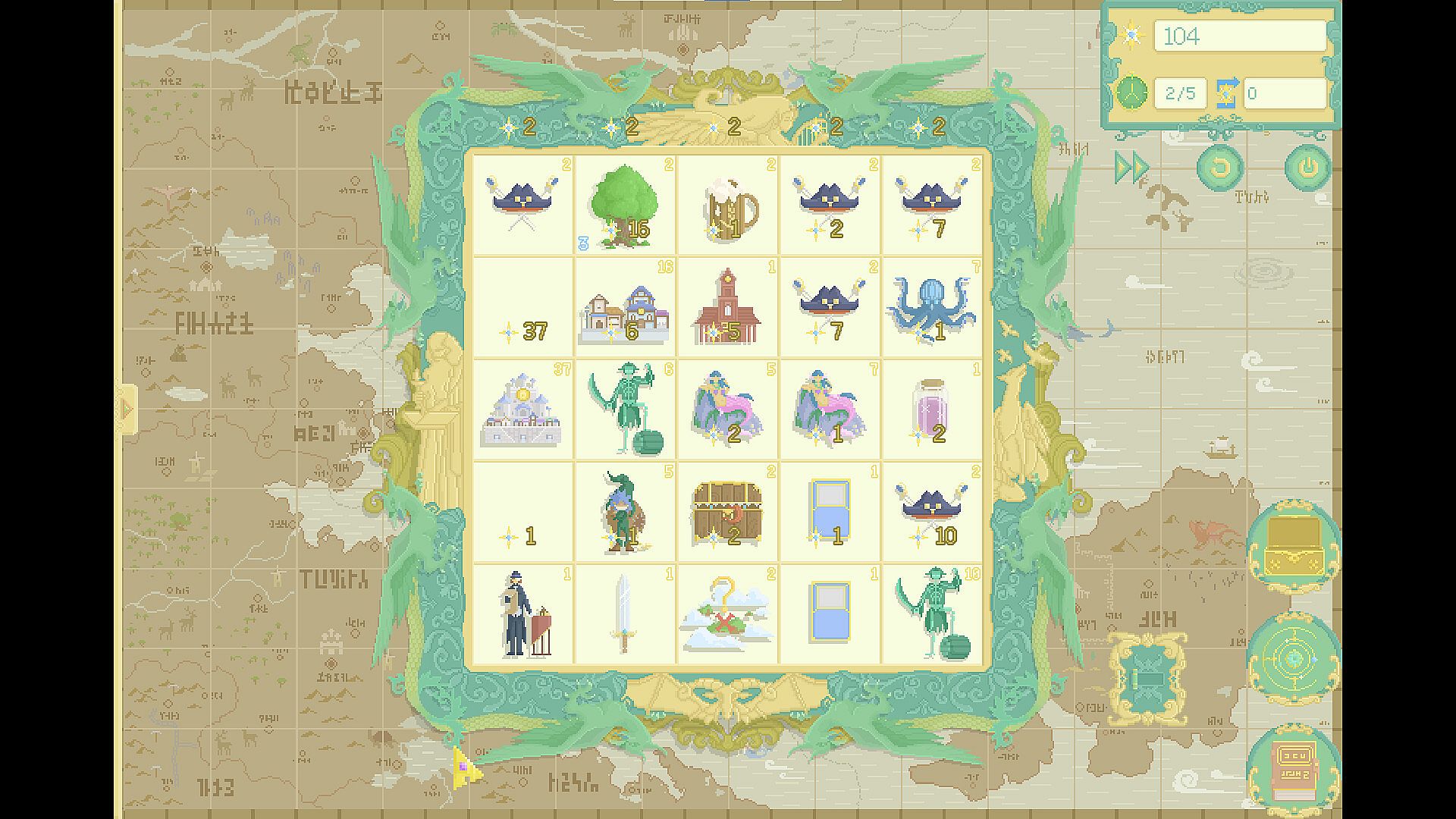
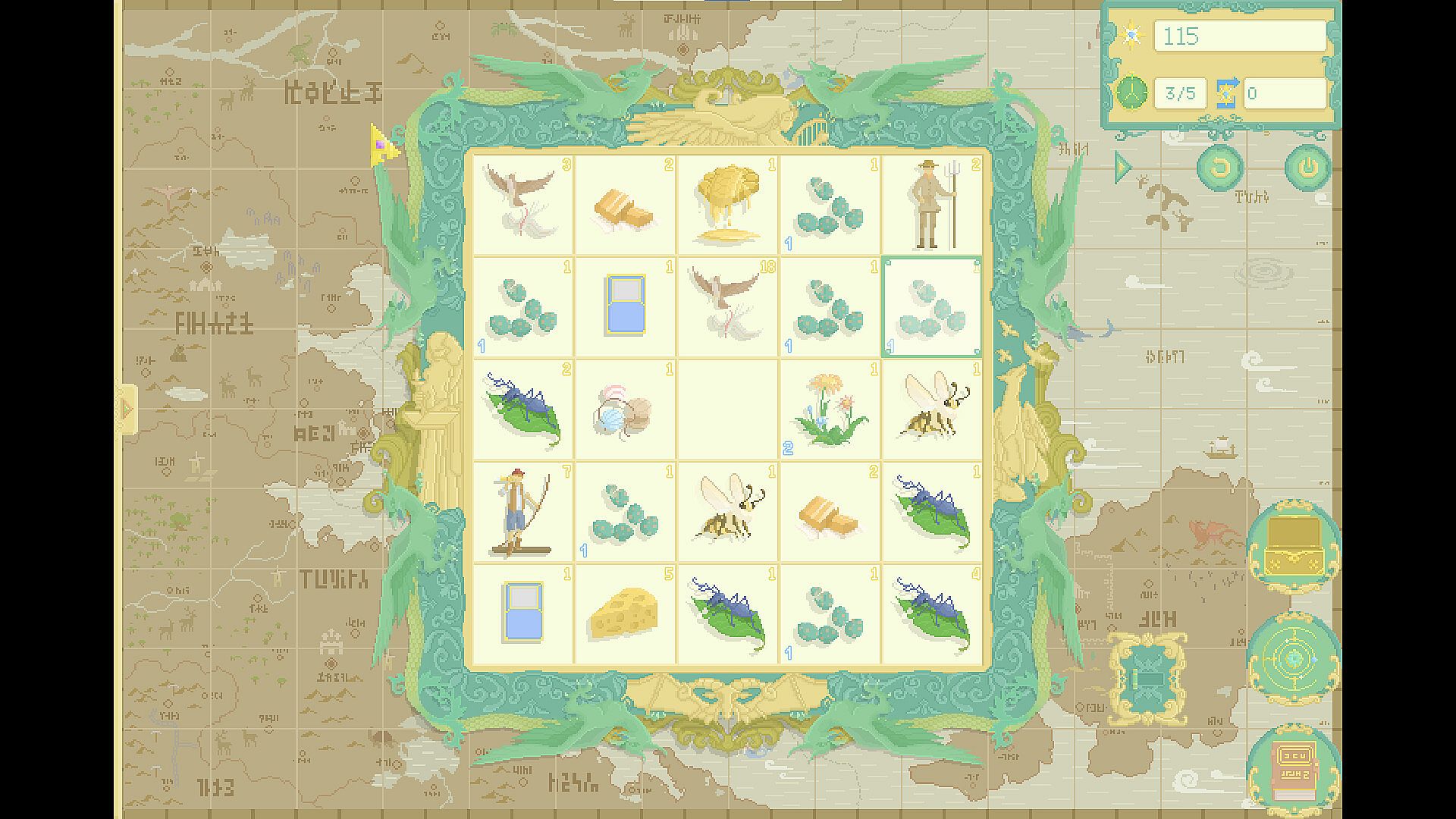
The central mechanic involves spinning symbol combinations to build research engines. Each spin contributes to resource generation and unlocks new elements that interact with existing ones. Players experiment with synergies across different symbol sets to create efficient loops that produce research points faster over time. Progression comes from refining these engines, unlocking new symbols, and adapting builds to the specific demands of each simulation subject. The system rewards careful planning of symbol placements and combinations, as certain pairings amplify output while others introduce trade-offs that require strategic adjustments.
Research themes draw from topics such as the cycle of heroes and demon kings, the development of commerce and capitalism, natural food chains, and the interplay of civilization, faith, desire, and war. These themes influence available symbols and progression options, leading to distinct mechanical focuses in each run. Players gradually assemble specialized playstyles by chaining effects and scaling production systems, with the goal of maximizing research output before the simulation concludes.
Game Modes
Gameplay centers on individual simulation runs that function as self-contained fields of study. Each run presents a unique subject that shapes the available symbols and core mechanics, encouraging different approaches to build construction. There is no fixed sequence of subjects, allowing players to select or encounter them in varying orders across multiple attempts. The structure supports repeated playthroughs by resetting progress between simulations while carrying forward knowledge of effective combinations and systems.
Within each simulation, the emphasis lies on iterative refinement of research engines. Players start with basic symbols and expand their setups through earned points, testing interactions that lead to higher efficiency. The absence of a single prescribed path means runs can diverge significantly based on chosen symbols and upgrade priorities, creating varied experiences even when revisiting the same subject.
Build Crafting and Progression
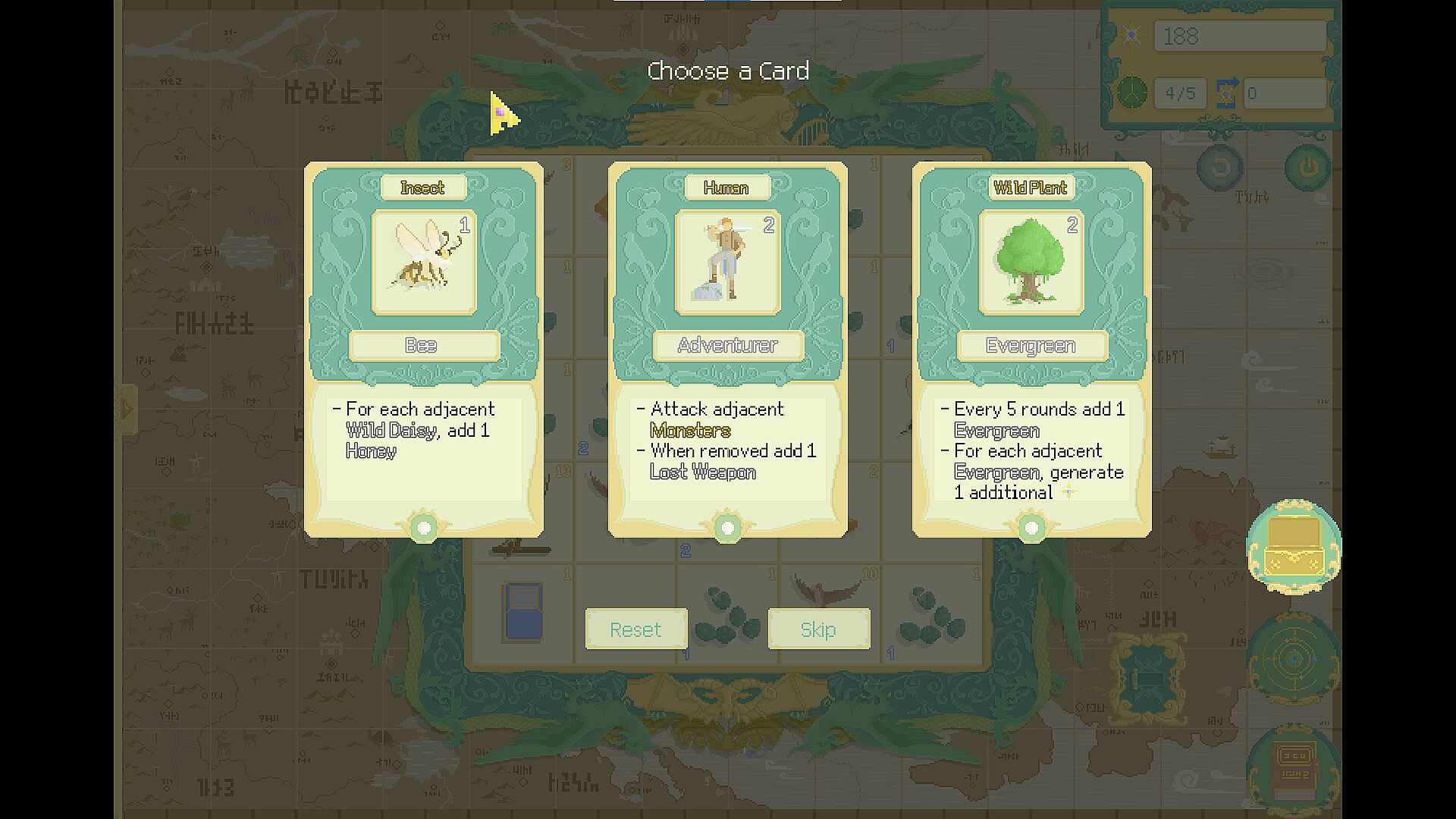
Symbol synergies form the foundation of long-term strategy. Certain combinations trigger chain reactions that multiply research output, while others provide defensive or stabilizing effects that sustain runs longer. Players track these interactions to identify powerful setups that scale effectively. The roguelike elements appear in the need to adapt to new symbol pools and subject-specific rules each time a simulation begins, preventing reliance on any single build.
Research points serve as the primary currency for advancement. Accumulating enough points completes the current evaluation and unlocks further academy content. This loop encourages experimentation with alternative paths, as different symbol selections and upgrade sequences produce noticeably different engine behaviors and success rates.
Is It Worth Playing?
Loreth suits players who enjoy roguelike strategy games focused on system building and iterative optimization. The early access state means the core spinning and combination mechanics are available for testing, with room for additional subjects and refinements in future updates. Those drawn to games that emphasize personal discovery of effective strategies over guided narratives will find the academy setting and simulation framework align with that preference. The high replayability stems directly from the variety of symbol interactions and subject differences rather than external progression systems.