


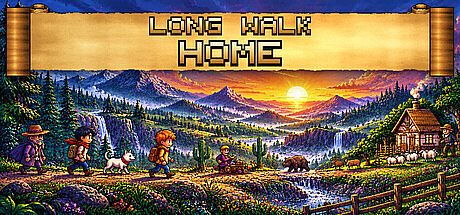


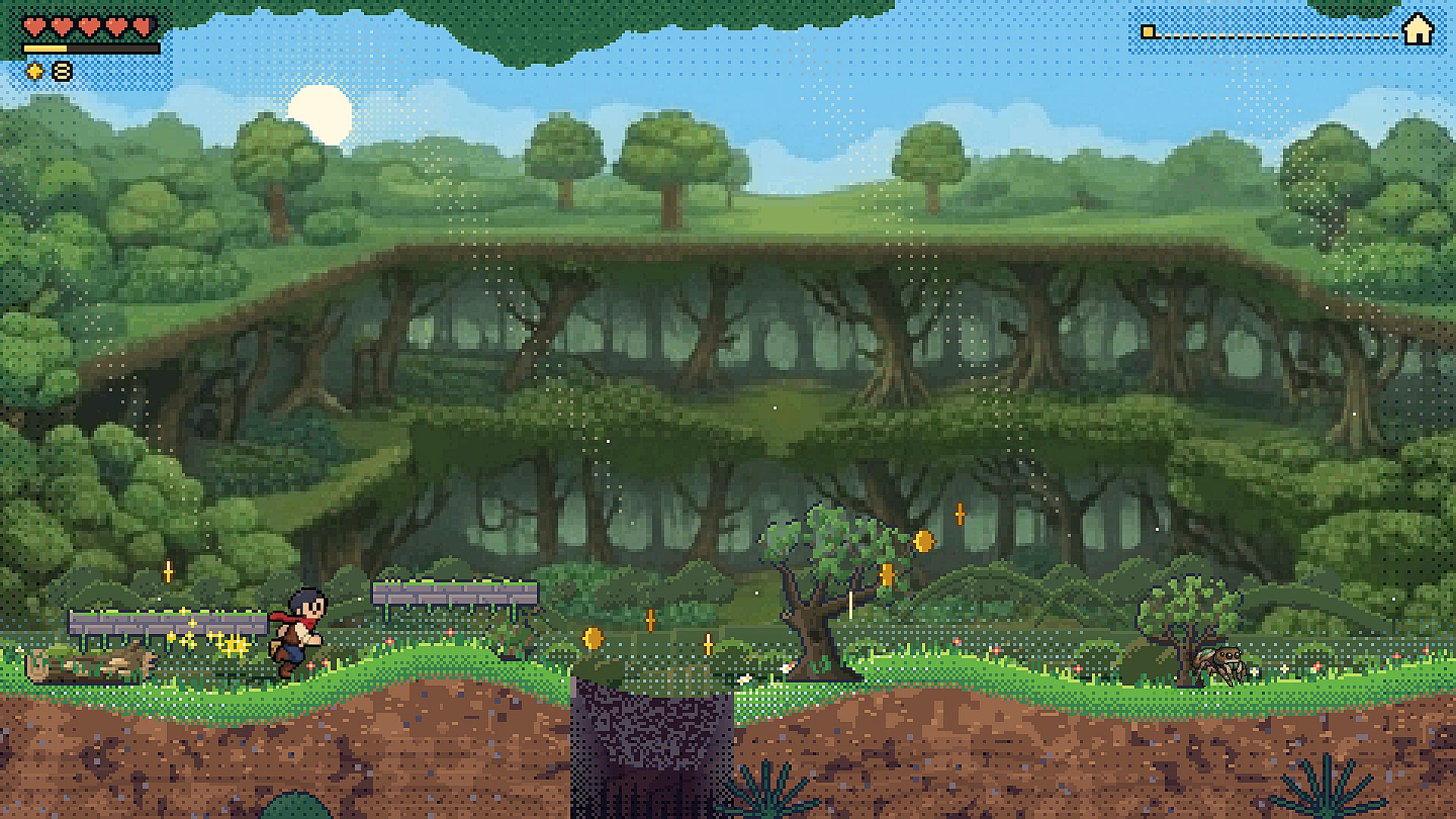
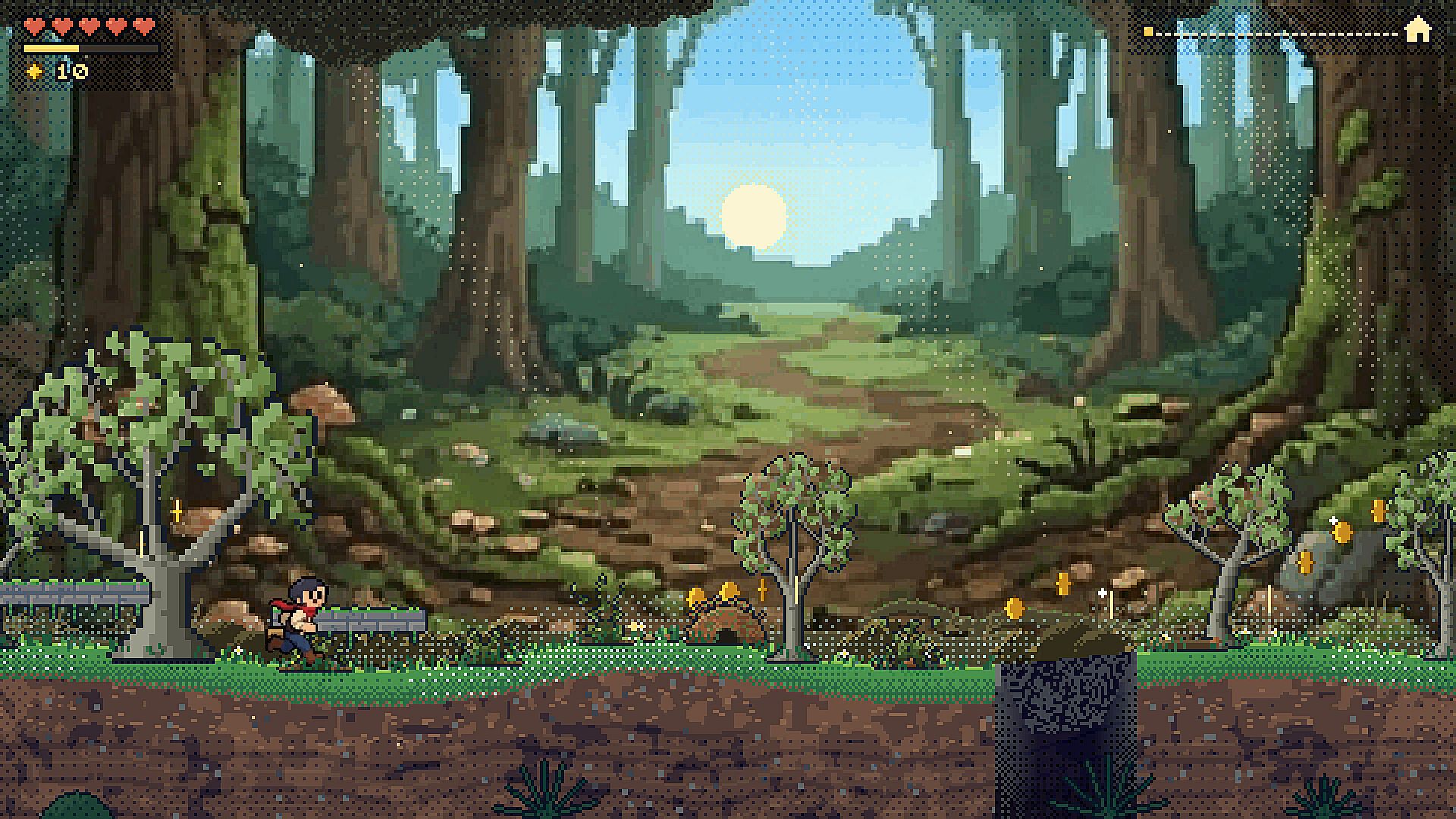
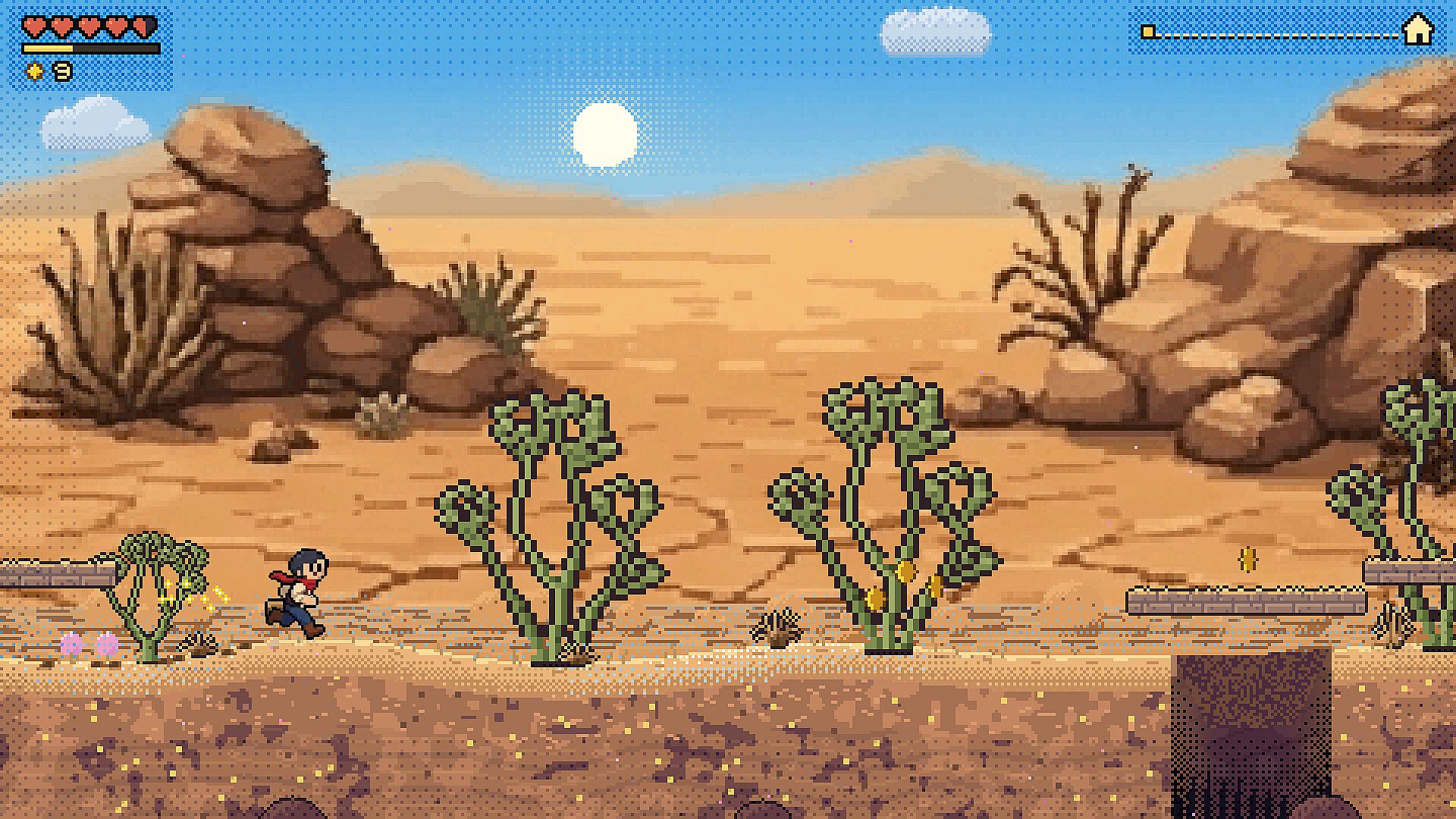
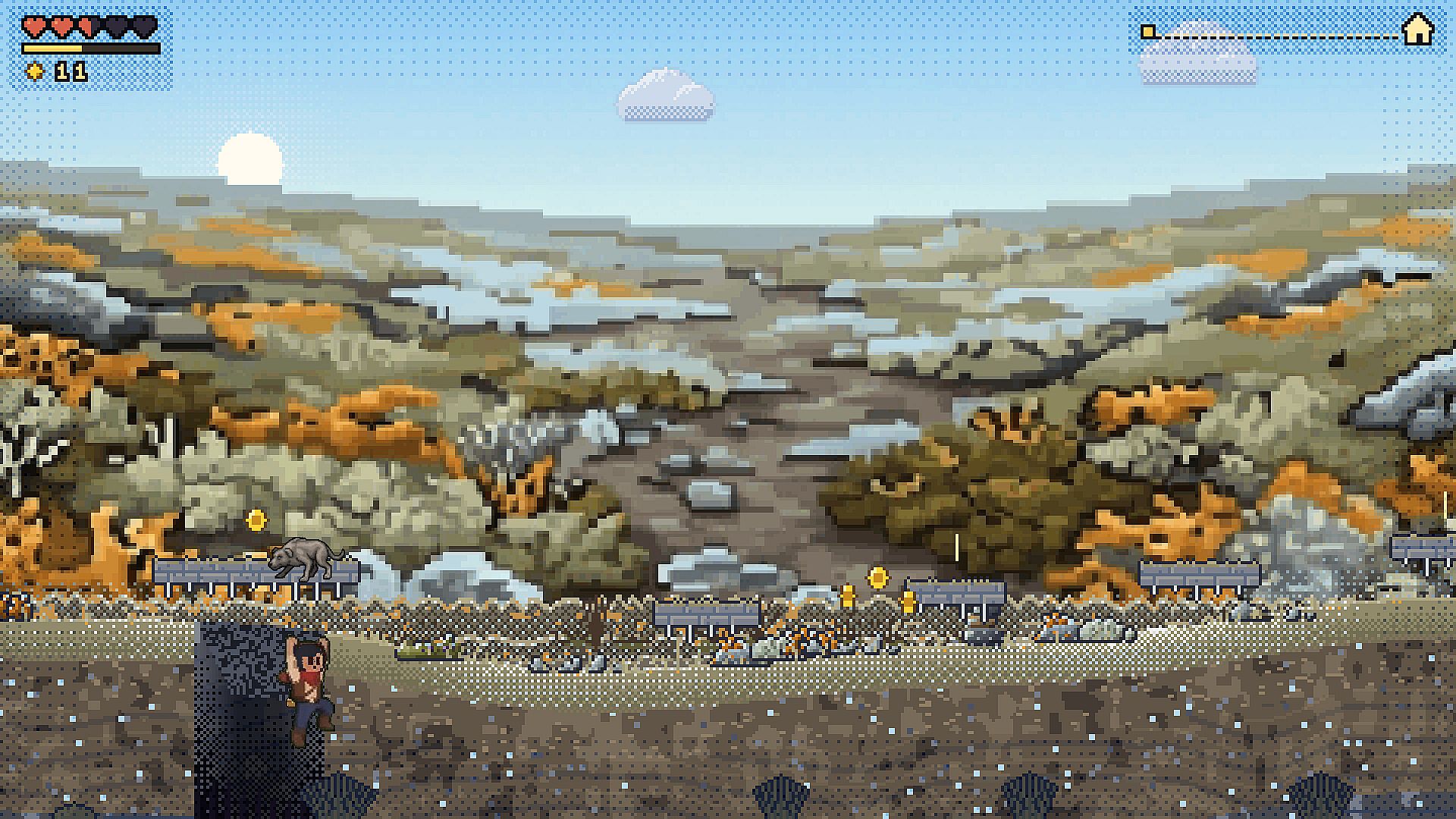
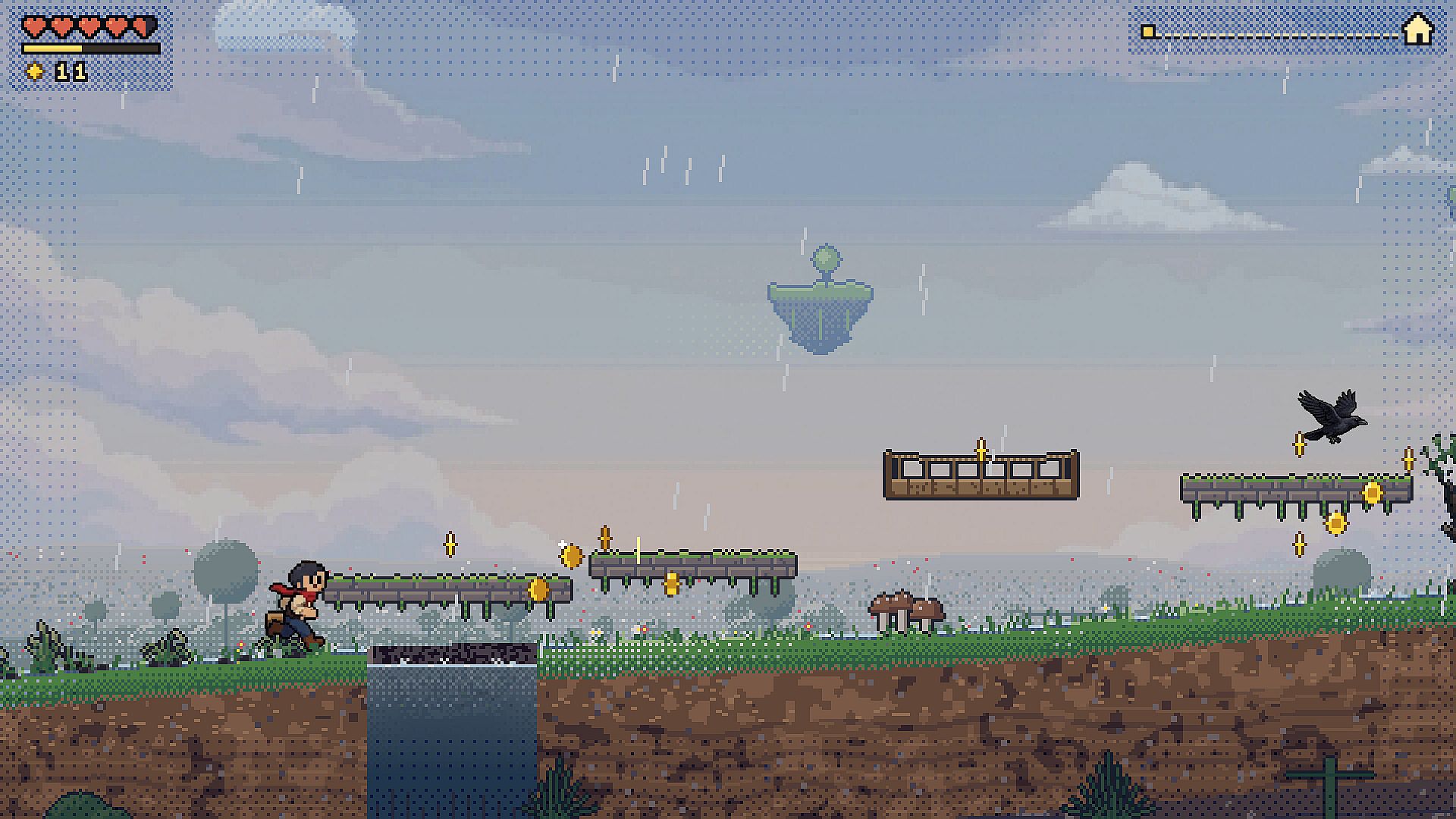
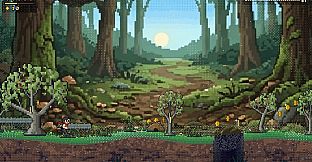
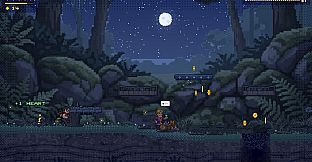
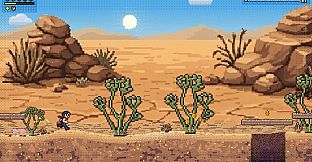
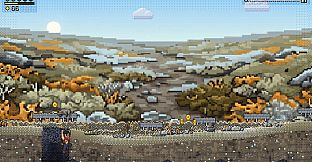
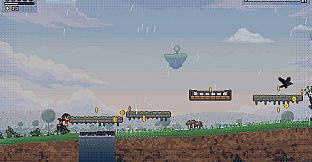
Long Walk Home is an indie roguelike side-scrolling RPG that blends precise platforming with light role-playing progression and branching narrative encounters. Players control a traveler crossing procedurally generated roads through five distinct lands, where every run begins from a fresh seed and features responsive environmental changes driven by weather and seasons.
Gameplay
The core loop centers on traversal and combat across a constantly shifting road. Movement involves jumping, stomping, and timing parries against enemies that react only when they see or hear the player. Beetles, hounds, spiders, and venom toads approach based on line of sight or sound cues, and a successful parry within a tight window repels any attacking foe. Pits and surfaces transform with rain that floods areas or cold that freezes them, forcing adjustments to routes and timing on each attempt.
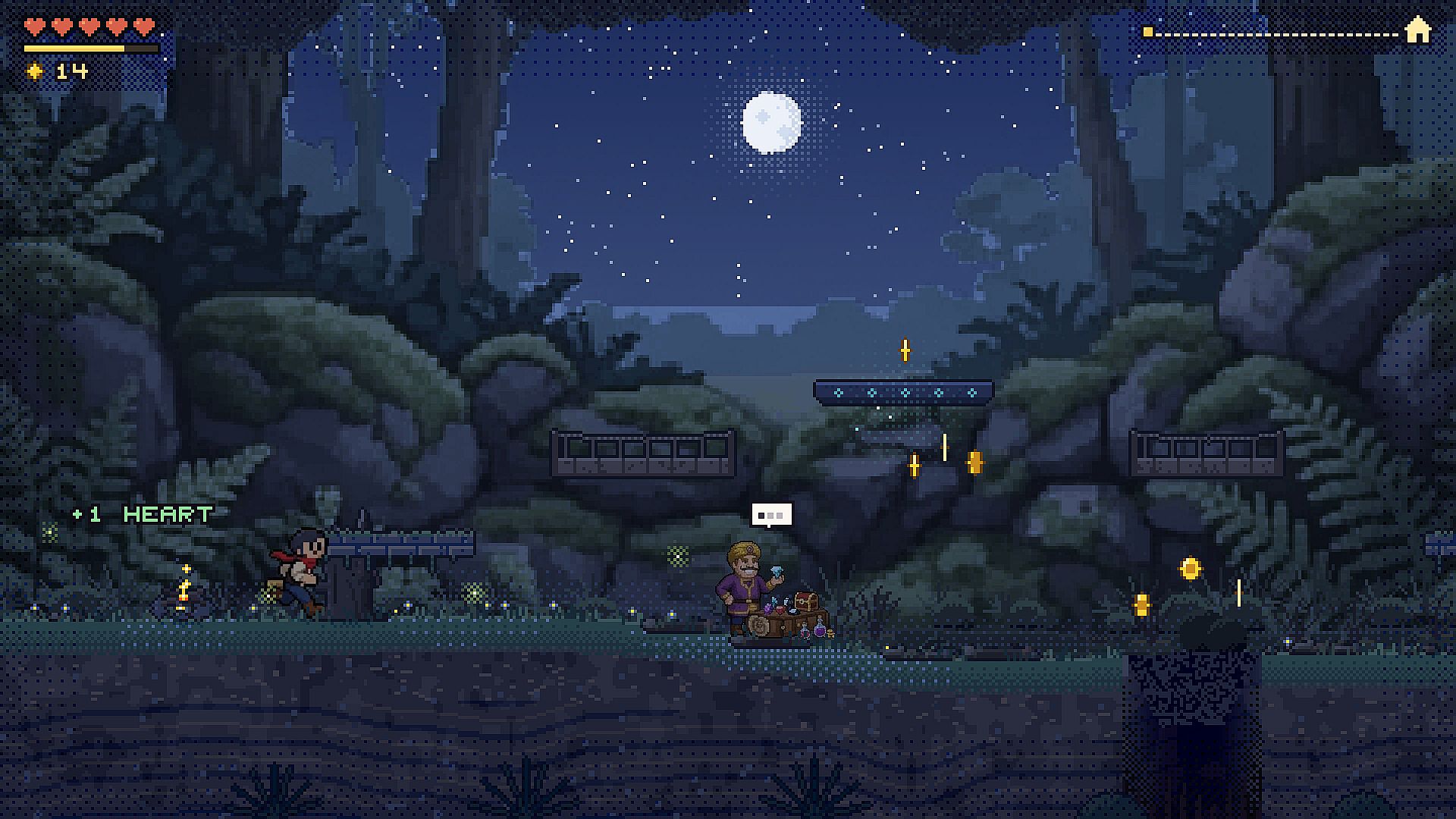
At the end of each stretch, one of seven strangers waits at a crossroads. Dialogue choices or silence influence how these characters remember interactions across runs. Building trust unlocks favors that open alternate paths, adding layers to the decision-making without requiring combat. Perks, combos, and relics provide incremental upgrades that layer RPG depth onto the platformer foundation, encouraging experimentation with different builds during repeated journeys.
Game Modes
Long Walk Home operates as a single-player experience with no separate multiplayer or competitive modes. Each play session functions as a self-contained roguelike run where procedural generation and player choices determine the length and outcome of the walk. The structure supports both direct paths toward the destination and extended routes that explore additional encounters and story branches.
Progression ties directly to the traveler's interactions and combat performance. Relics and perks carry forward in meaningful ways within a single run, while the memory system for the seven strangers creates persistent narrative consequences that reward consistent play styles across multiple attempts.
World and Progression
Five biomes form the backbone of the world, each altered by live weather systems and seasonal shifts that rewrite terrain and enemy behavior. These changes ensure no two traversals feel identical, as flooded pits or frozen surfaces demand new approaches to navigation and timing. The light RPG systems integrate through perks that enhance movement or combat options and relics that offer situational advantages during longer walks.
Story elements emerge organically from the strangers encountered at each crossroads. Their four-part narratives respond to prior treatment, creating a sense of continuity even as the physical road resets with each new seed. This setup rewards players who experiment with different dialogue approaches or favor exchanges to unlock varied routes.
Is It Worth Playing?
Long Walk Home suits players who enjoy roguelike platformers that emphasize timing, observation, and reactive decision-making over high-speed action. The combination of sight-and-sound-based enemy AI, tight parry windows, and weather-driven terrain shifts creates a focused challenge that evolves with each attempt. Those drawn to narrative depth will find value in the memory system attached to the seven strangers, where choices shape future encounters without forcing linear storytelling.
As a single-player title still approaching release, it offers a contained experience centered on repeated short-to-medium runs rather than lengthy campaigns. Fans of indie platformers with procedural elements and light RPG customization will likely appreciate the layered systems that reward careful play and experimentation. The game remains available for wishlist tracking ahead of its launch on PC.











