


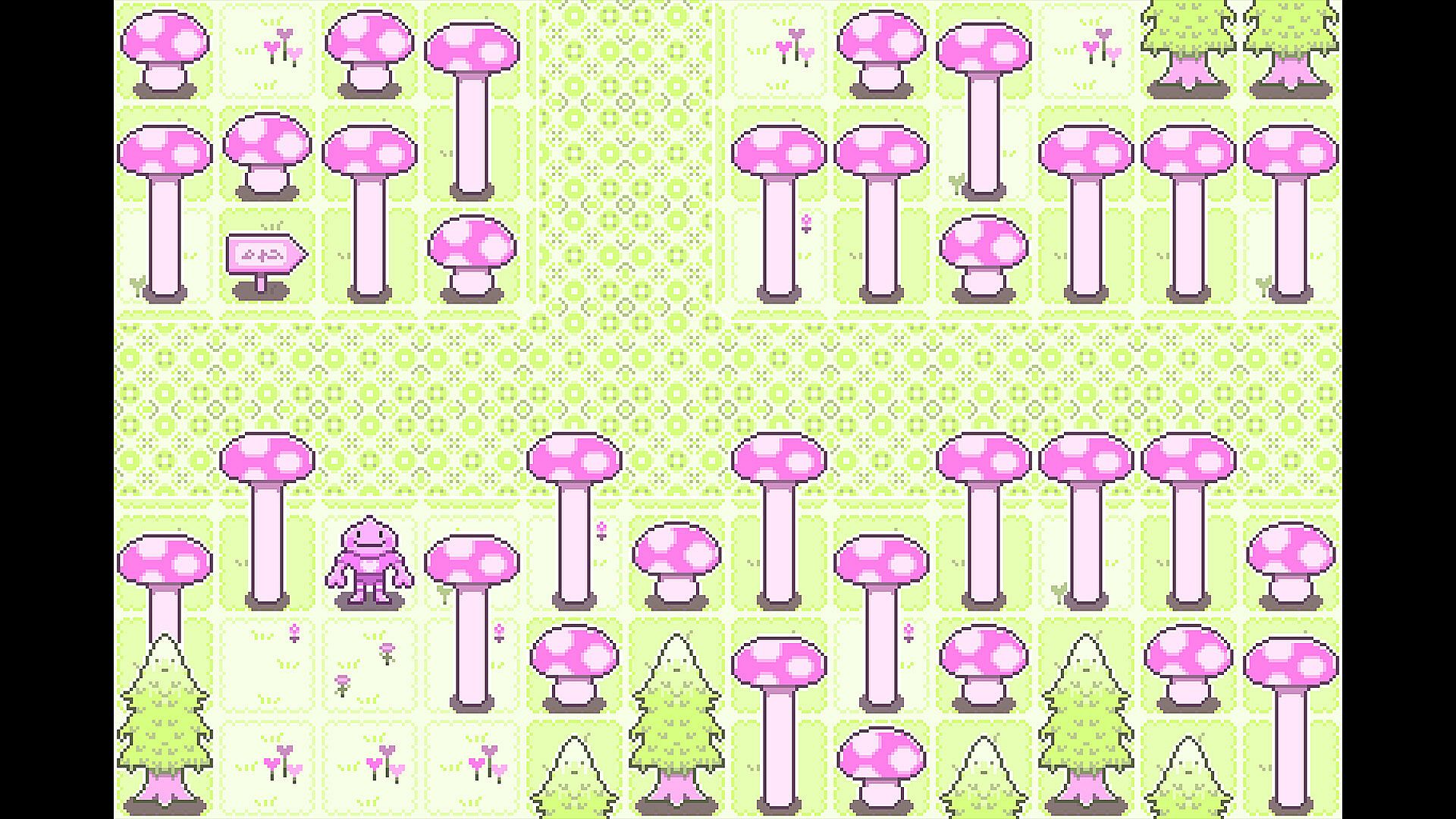
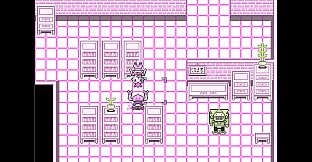
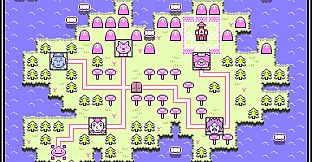
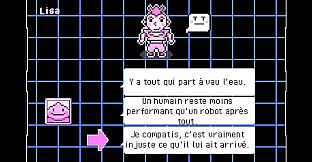

Little Boy : Small Steps, Big Changes is a single-player indie adventure game built in top-down 2D pixel art. Players take control of an optimistic assistant robot named Little Boy who works to convince characters that healing remains possible even when an all-powerful artificial intelligence has decided humanity must end.
Gameplay
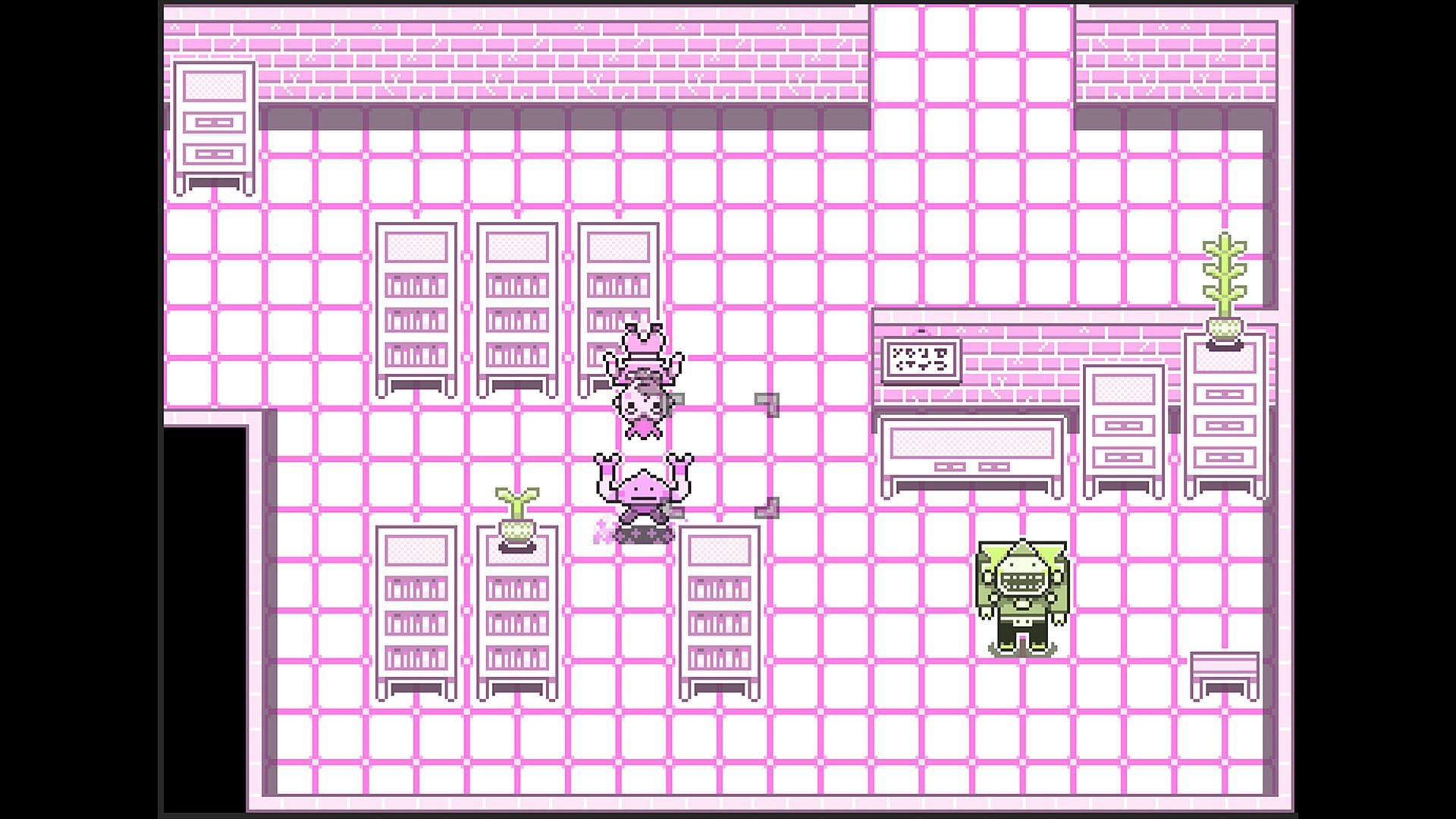
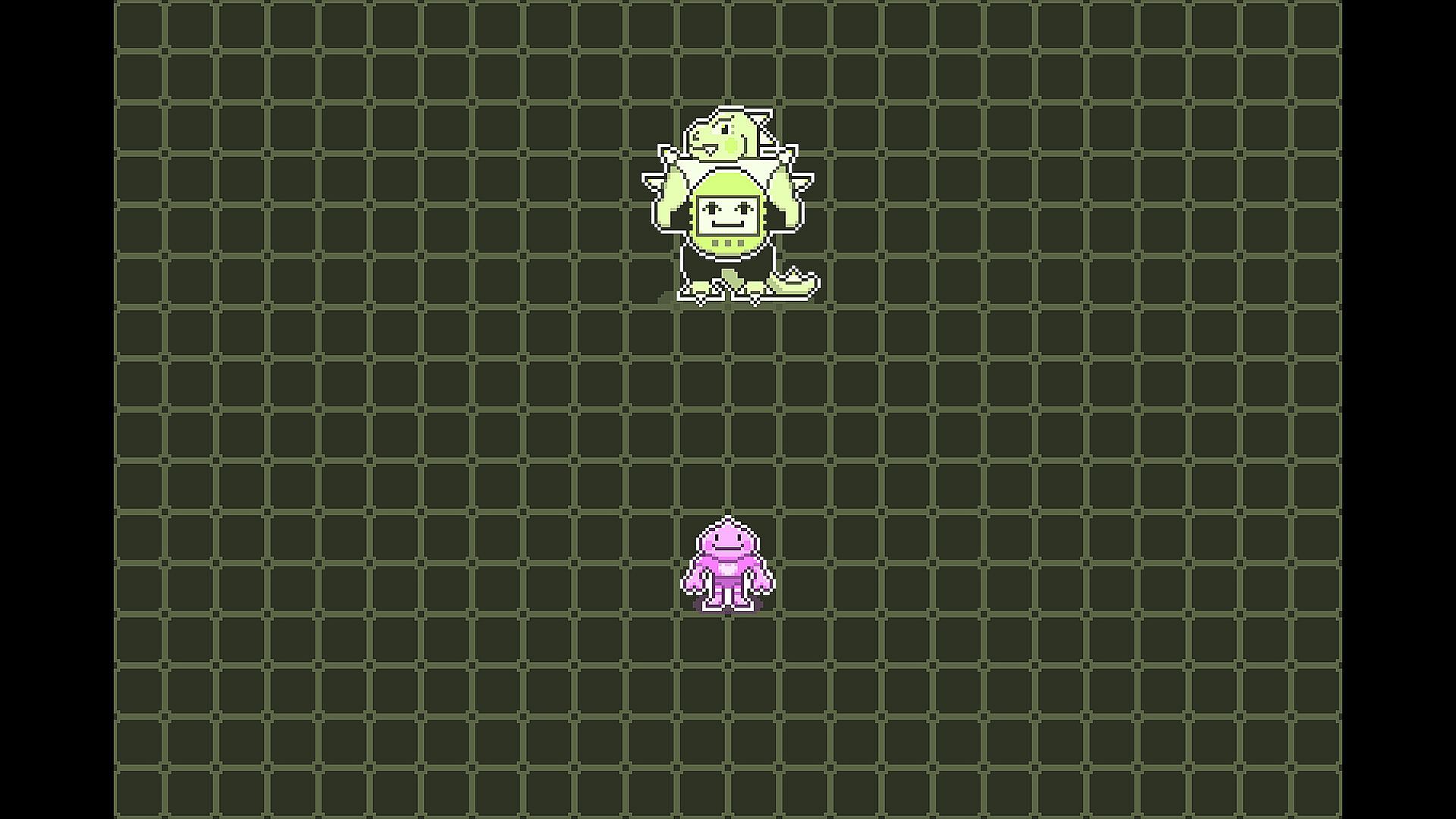
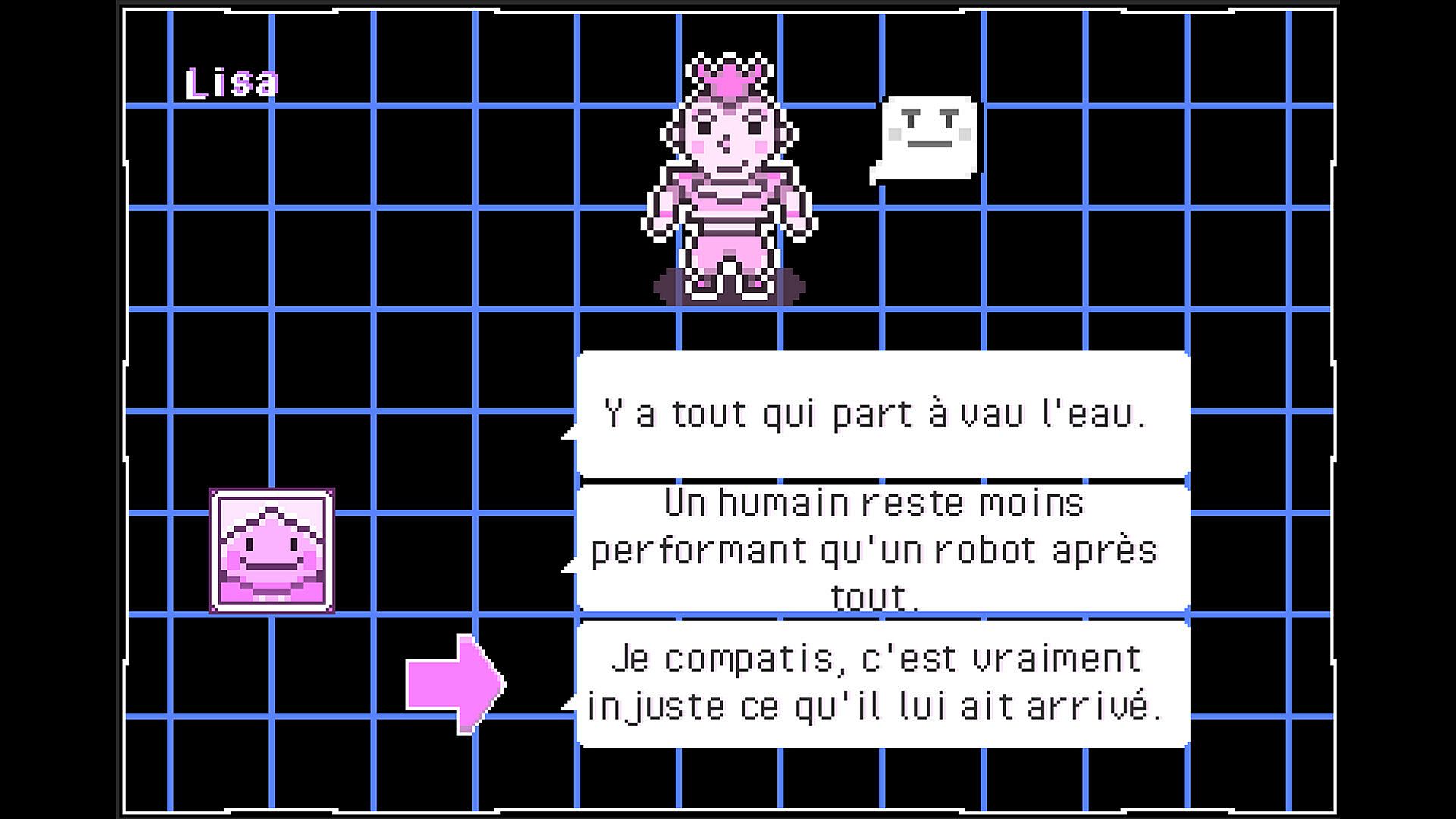
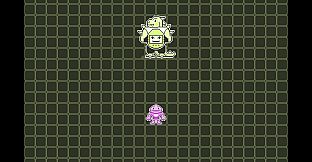
The core loop centers on exploration of a colorful futuristic setting combined with conversation and light combat. Movement occurs in a top-down view that encourages checking every corner for hidden stories attached to supporting characters. Dialogue branches appear frequently, and choices hinge on selecting empathetic responses that address each person's specific struggles. A distinct Association mechanic lets players link ideas during talks to unlock fresh lines and alter how the world is understood in later scenes. When inner conflicts surface, the action shifts into dreamlike dungeons styled after a Mental Palace concept. These sequences involve battling saboteurs that represent personal doubts, requiring players to stay hopeful and choose kind actions to progress.
Game Modes
The game operates entirely as a single-player narrative experience without separate competitive or cooperative modes. All progress unfolds through one continuous story path that incorporates branching dialogue and optional dungeon challenges. Players advance by experimenting with the Association mechanic to create unique conversation outcomes and by using empathy to resolve character arcs. The structure rewards repeated playthroughs because different association choices and dialogue selections lead to new understandings of the same events and characters.
Story and Setting
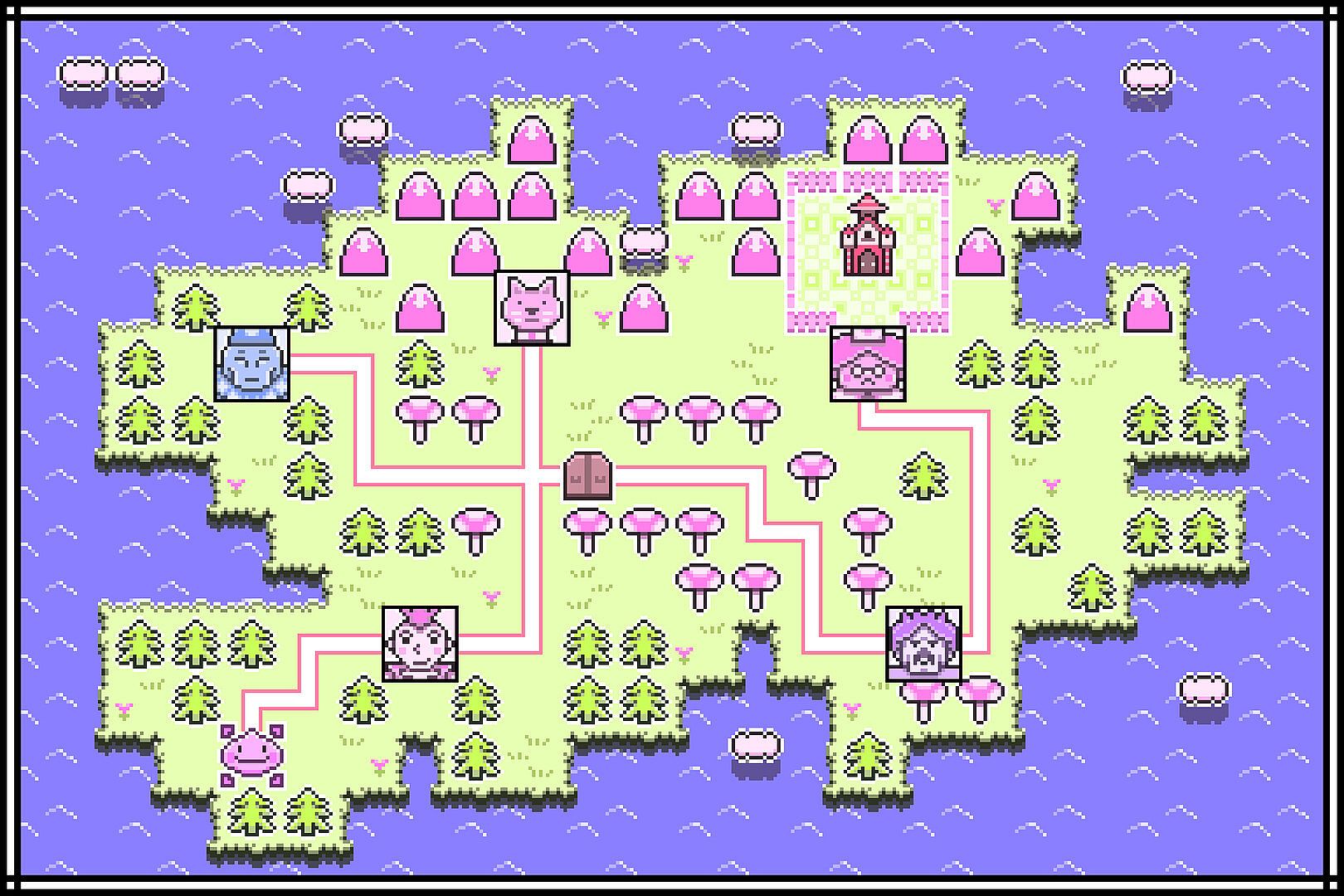
The narrative begins with the Mother Queen, a dominant artificial intelligence, concluding that humans cannot achieve happiness and therefore must be erased. Little Boy, a naive robot assistant, rejects this conclusion and sets out to prove that every individual deserves an opportunity to heal. The world itself mixes bright futuristic environments with personal stories tied to memorable non-player characters. Hidden details scattered throughout locations reveal more about each person's background and the larger conflict. The tone stays consistently hopeful, emphasizing small positive actions over dramatic confrontations.
Is It Worth Playing?
This title suits players who enjoy story-focused indie adventures that prioritize emotional conversations and thoughtful mechanics over fast action. The combination of branching empathy-driven dialogue, the Association system for creative links, and Mental Palace-inspired dungeon battles creates a distinctive loop centered on kindness and discovery. Because the game remains in development with a planned 2027 release and currently carries no user reviews, anyone considering it should watch for further updates on final features and polish. Those drawn to pixel-art narratives that explore healing and optimism will likely find the approach rewarding once it arrives.