






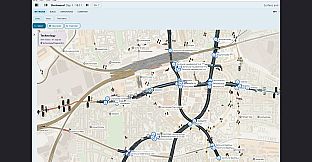
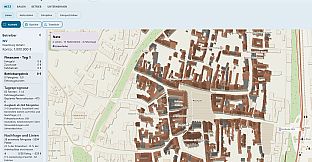
LineManager is a strategy, indie, and simulation game focused on building and operating public transport networks on PC. Players construct infrastructure, place stops, plan routes, and manage day-to-day operations using real-world maps derived from OpenStreetMap data.
Gameplay
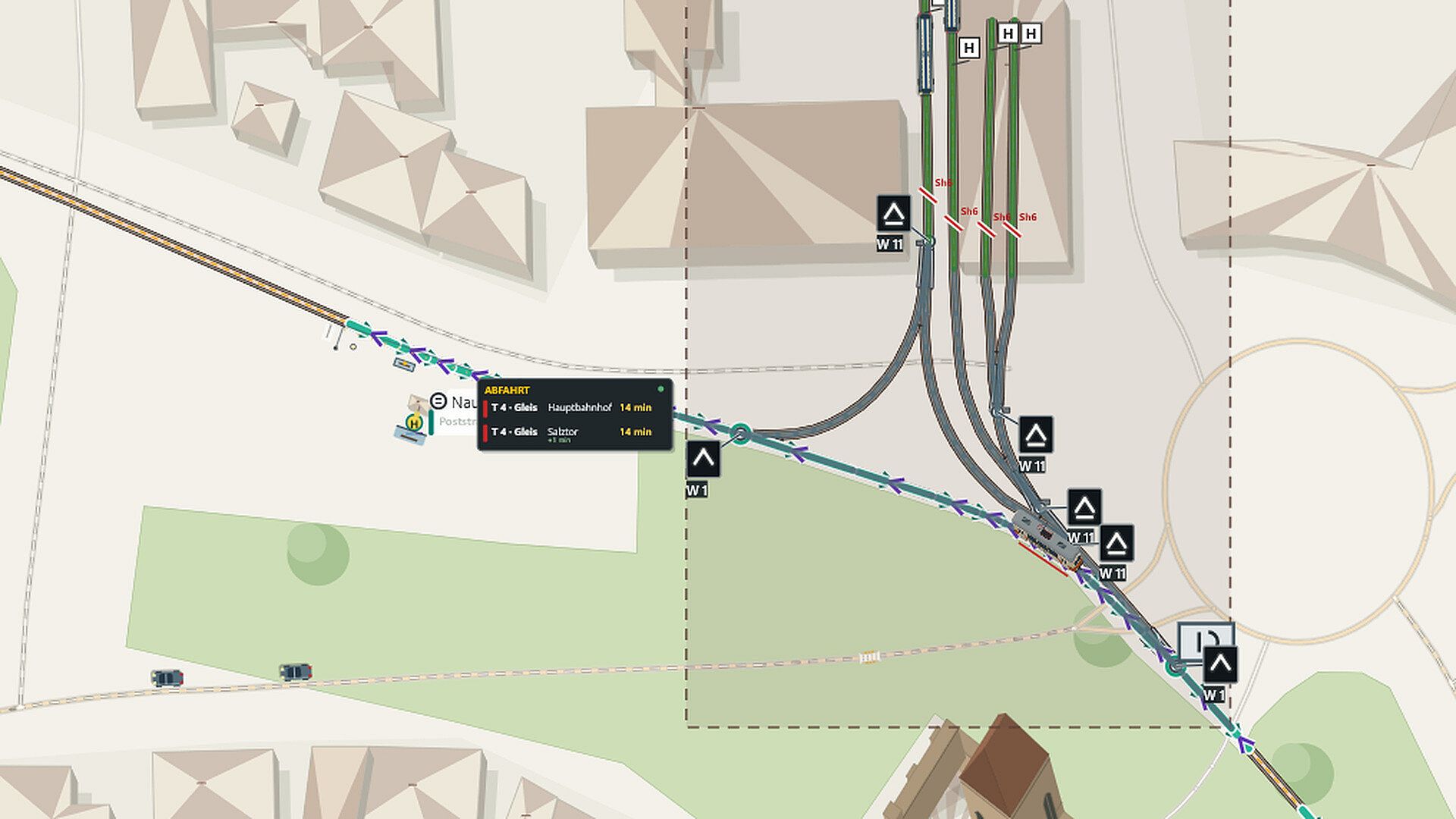
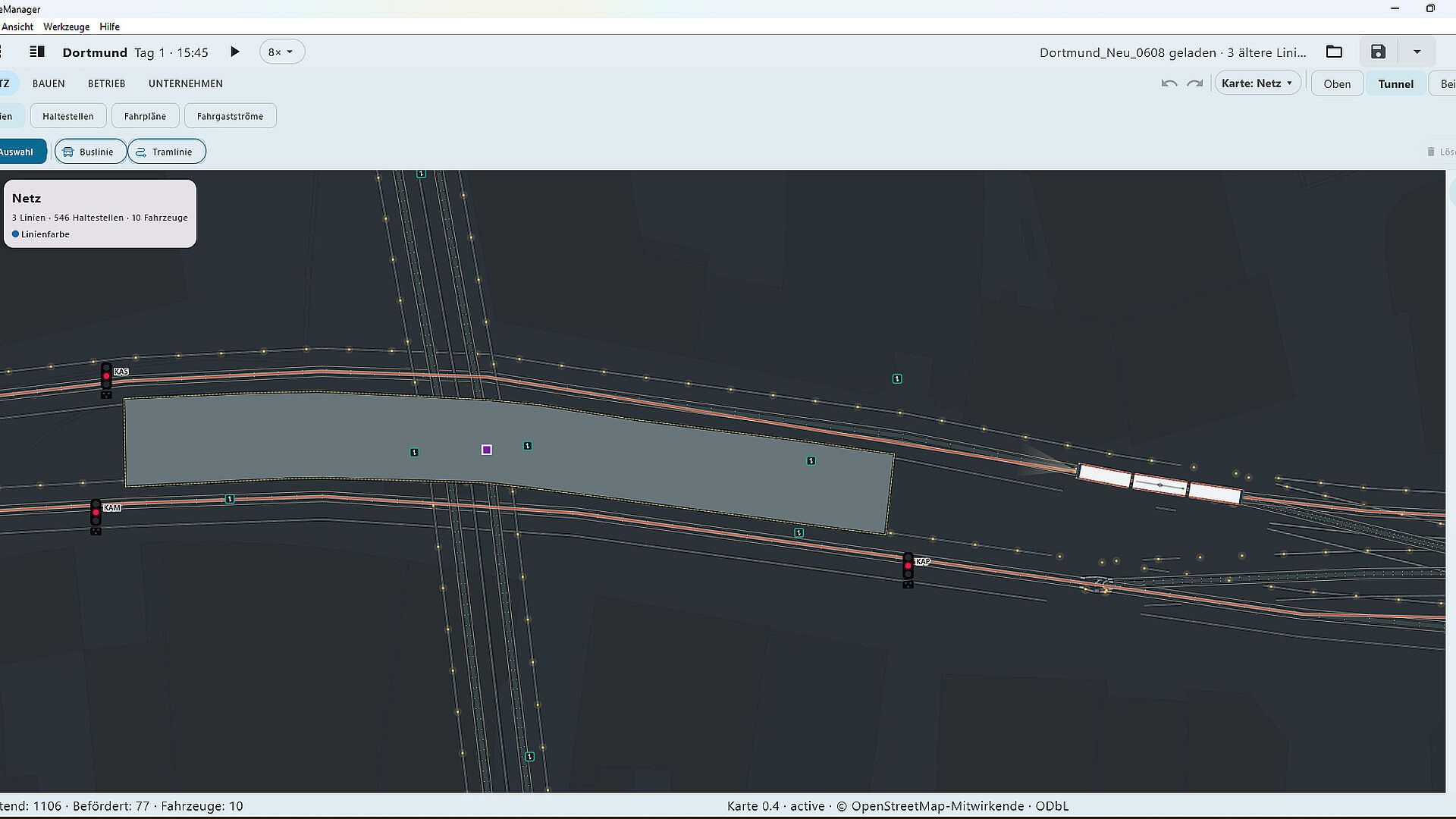
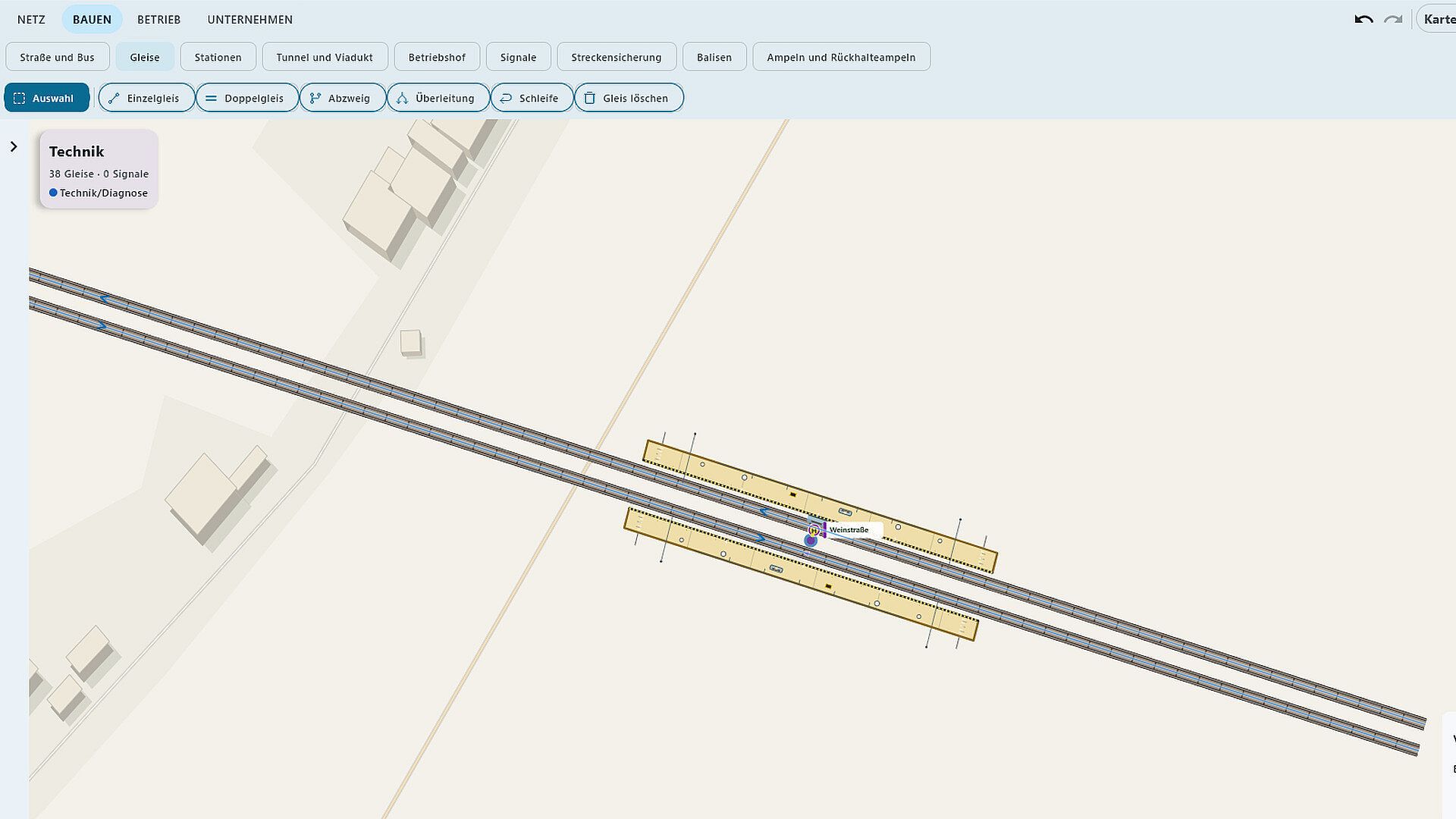
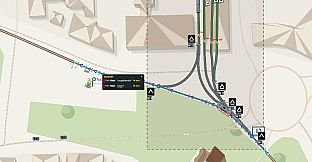
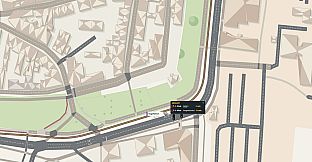
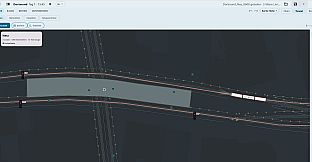
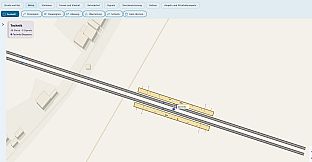
The core loop centers on creating functional transport systems rather than abstract line drawing. Players lay tracks and roads, position stations and stops, and define routes with specific timetables. Infrastructure includes single and double tracks, street-running sections, reserved tracks, switches, crossovers, sidings, turning loops, and tunnels. Track geometry, direction, and connections influence how vehicles move.
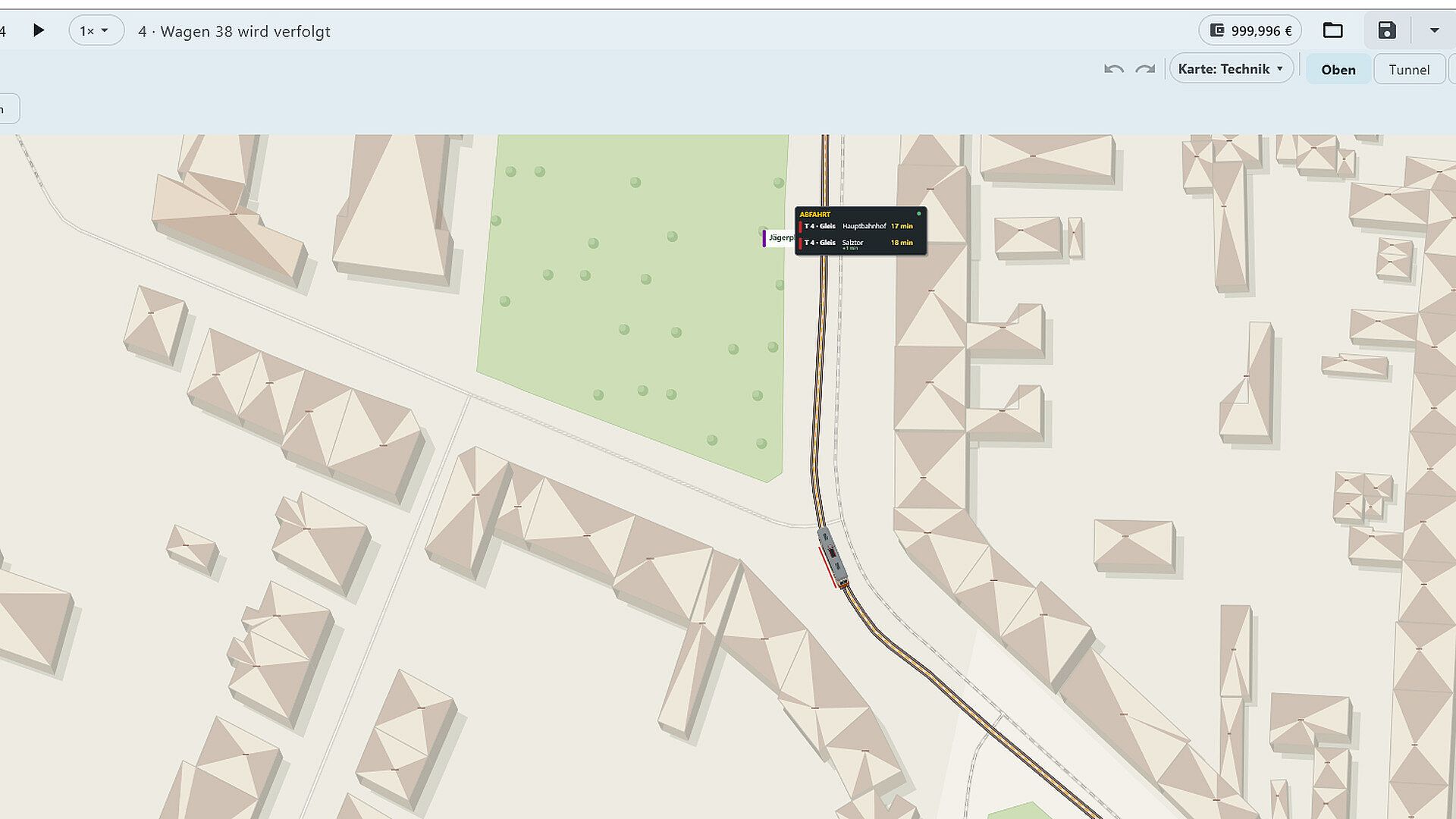
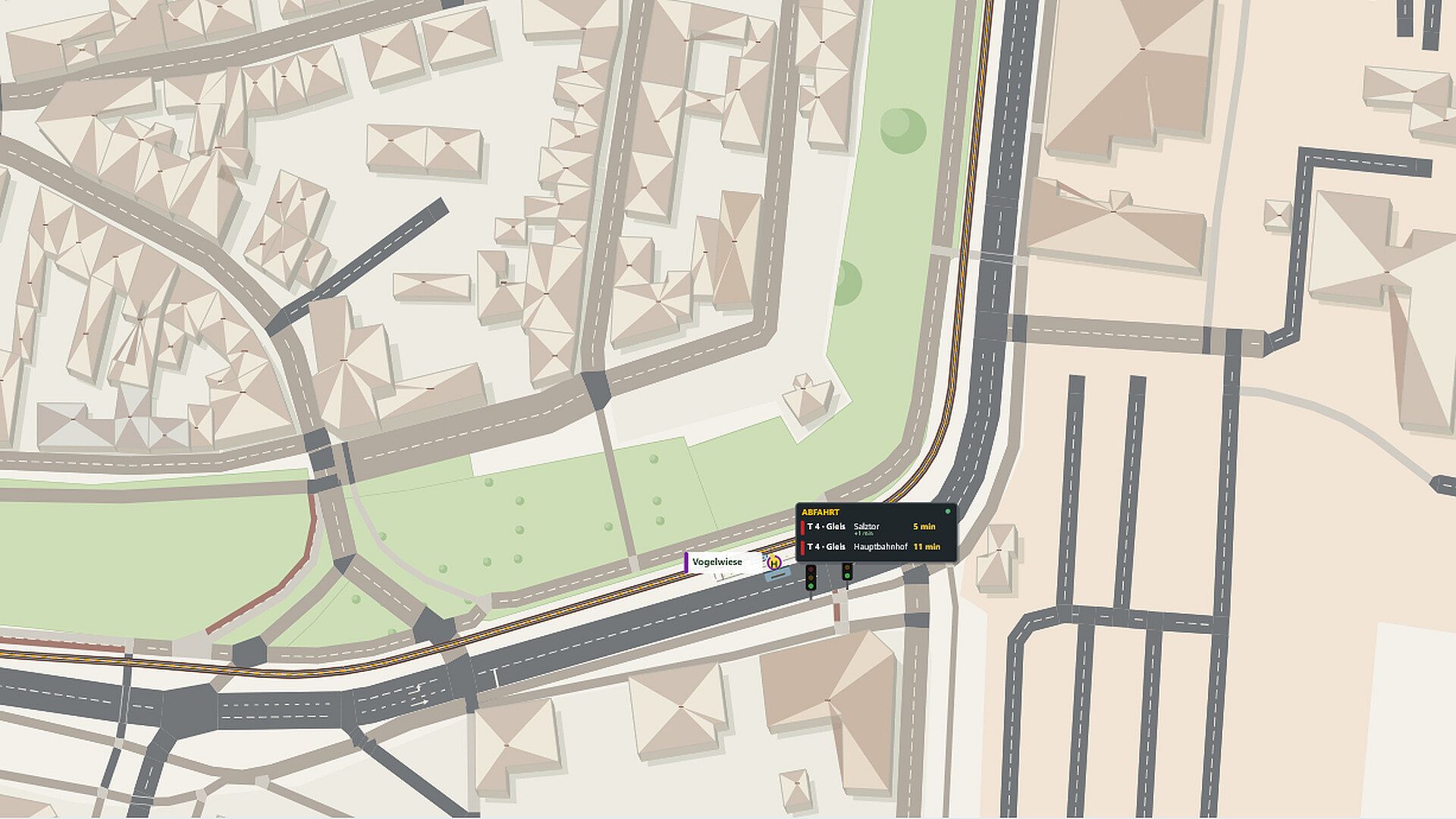
Buses follow the existing road network and must respect traffic rules, while trams run on dedicated tracks where players control directionality, turning points, and platform assignments. Routes can include shuttles, loops, short workings, and complex termini. When a route fails to connect properly, the game highlights the break in service.
Timetables cover operating hours, frequency, and vehicle needs, with options for peak extras and temporary adjustments. Vehicles handle full duties from depot departure through scheduled trips, breaks, route switches, and return. Players can adjust individual departures or assign vehicles manually to observe how delays propagate.
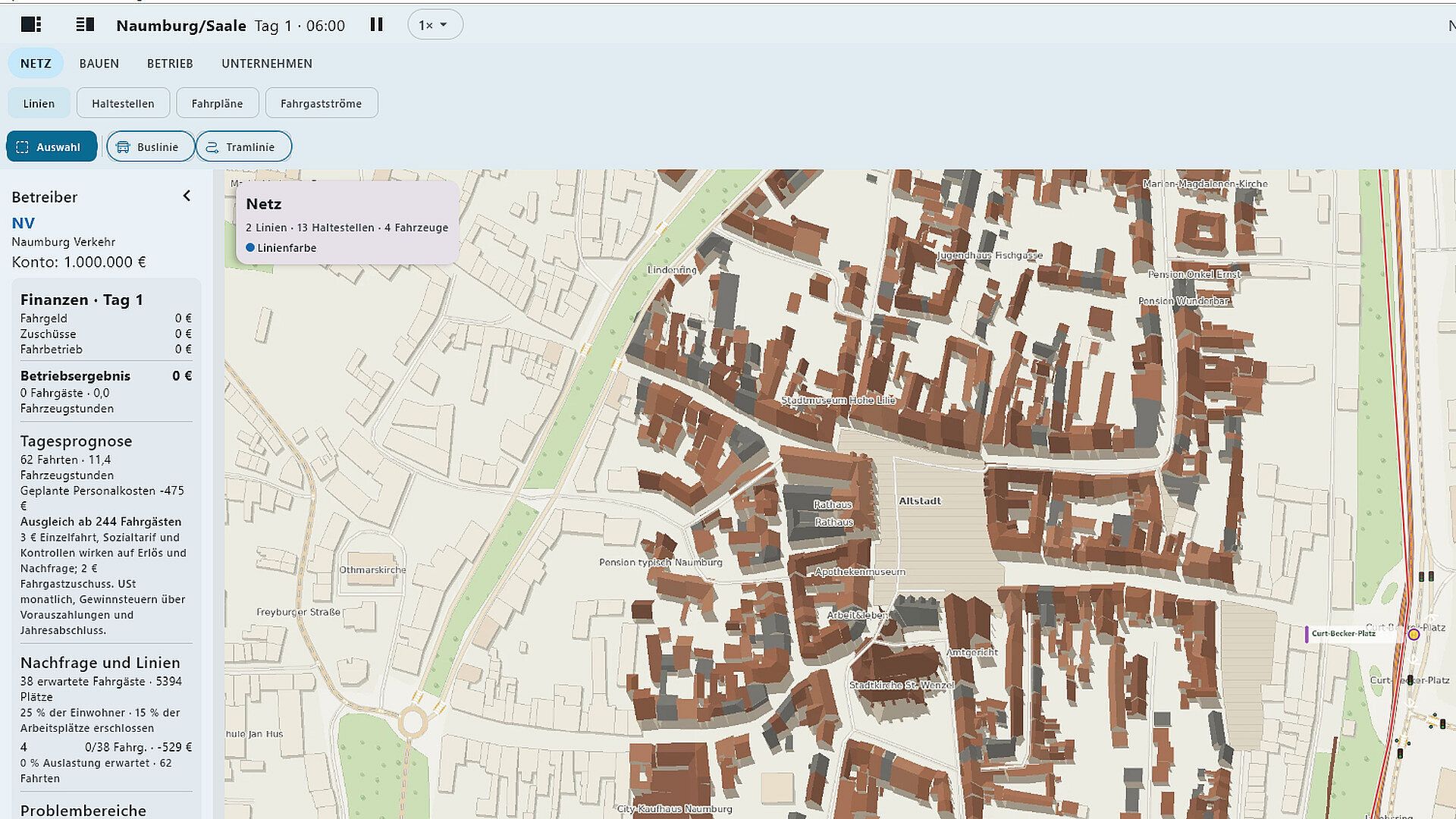
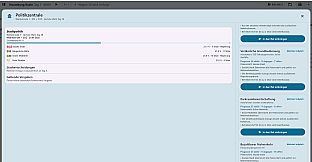
Passenger demand comes from residents, workplaces, schools, and shops, varying by time and day. Each passenger has an origin and destination, boarding, traveling, and transferring as needed. Capacity, frequency, and route choices directly affect performance, which players track through current numbers, forecasts, waiting times, loads, and area accessibility.
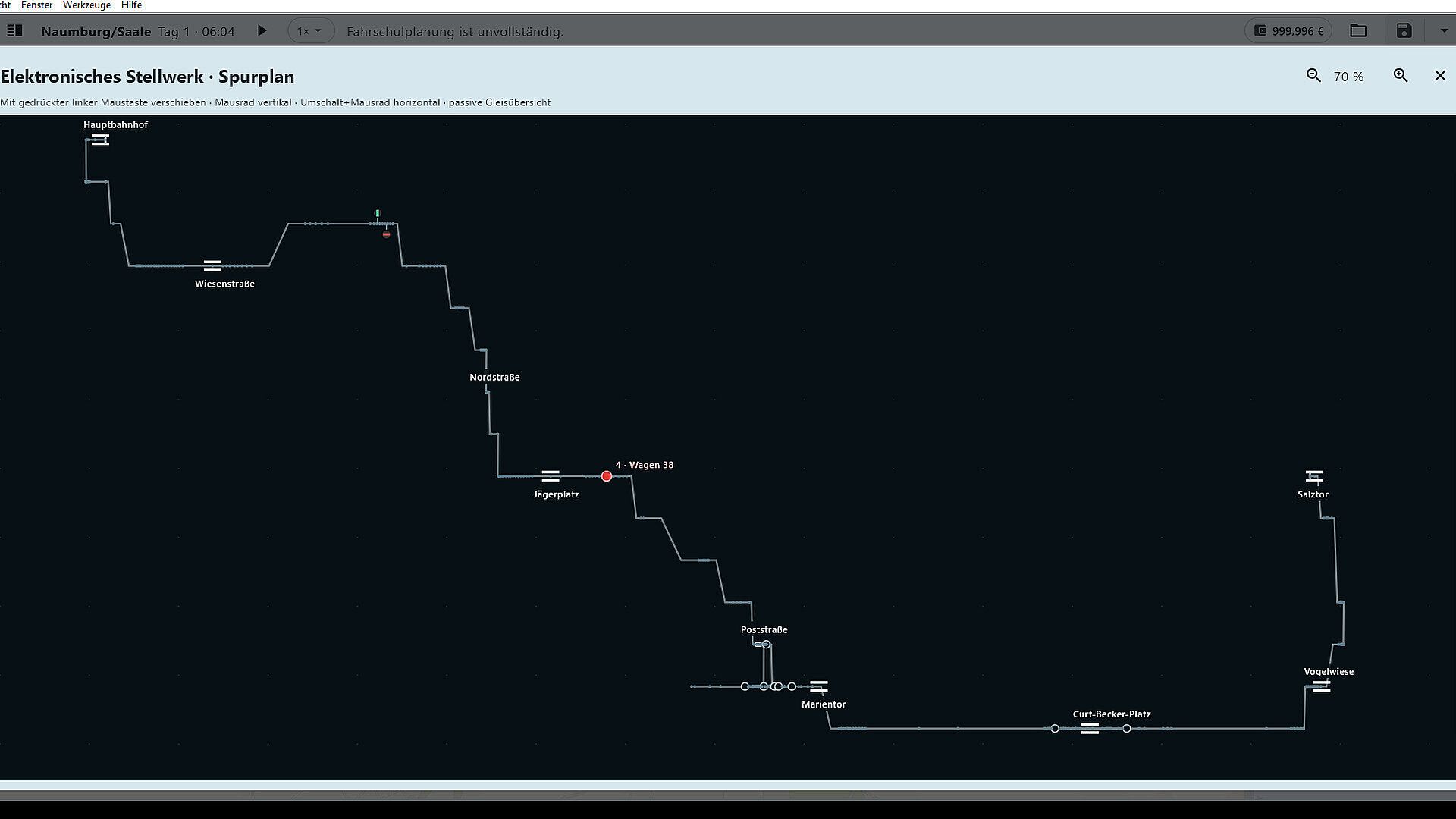
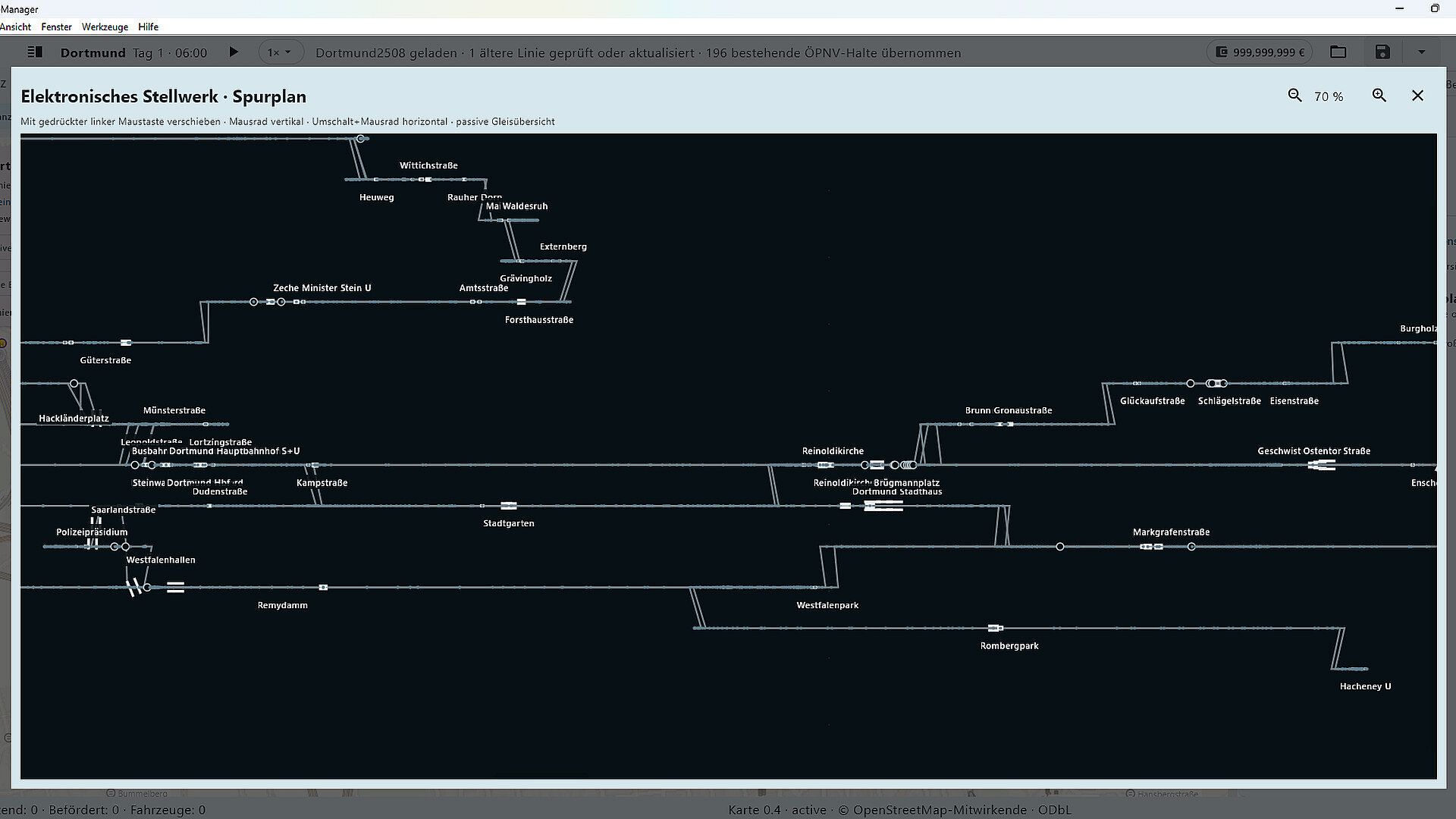
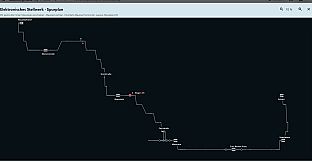
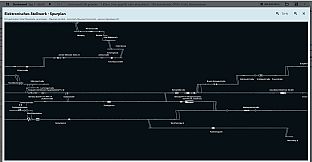
Optional deeper systems cover signalling with block sections, routes, switch locking, protection overlaps, and single-track safeguards. Players can set routes automatically or manually via a signalling panel that shows occupied sections and reasons for holds. Depots manage storage based on track length and support single-ended or bidirectional vehicles in multiple-unit formations. Road traffic affects street-running services, while segregated tracks remain clear. Financial elements include fares, subsidies, vehicle and staff costs, plus simplified taxes and recruitment factors.
Game Modes
LineManager operates as a sandbox experience where players choose the scale and complexity of their network. A small, manageable setup suits those who prefer observation, while larger cities allow tunnels, multiple depots, detailed timetables, and custom signalling. Many operational tasks can run on automation, with manual overrides available for players seeking control over specific elements like signalling or vehicle assignments. An optional AI operator can run competing or cooperative routes alongside the player.
Key Systems and Features
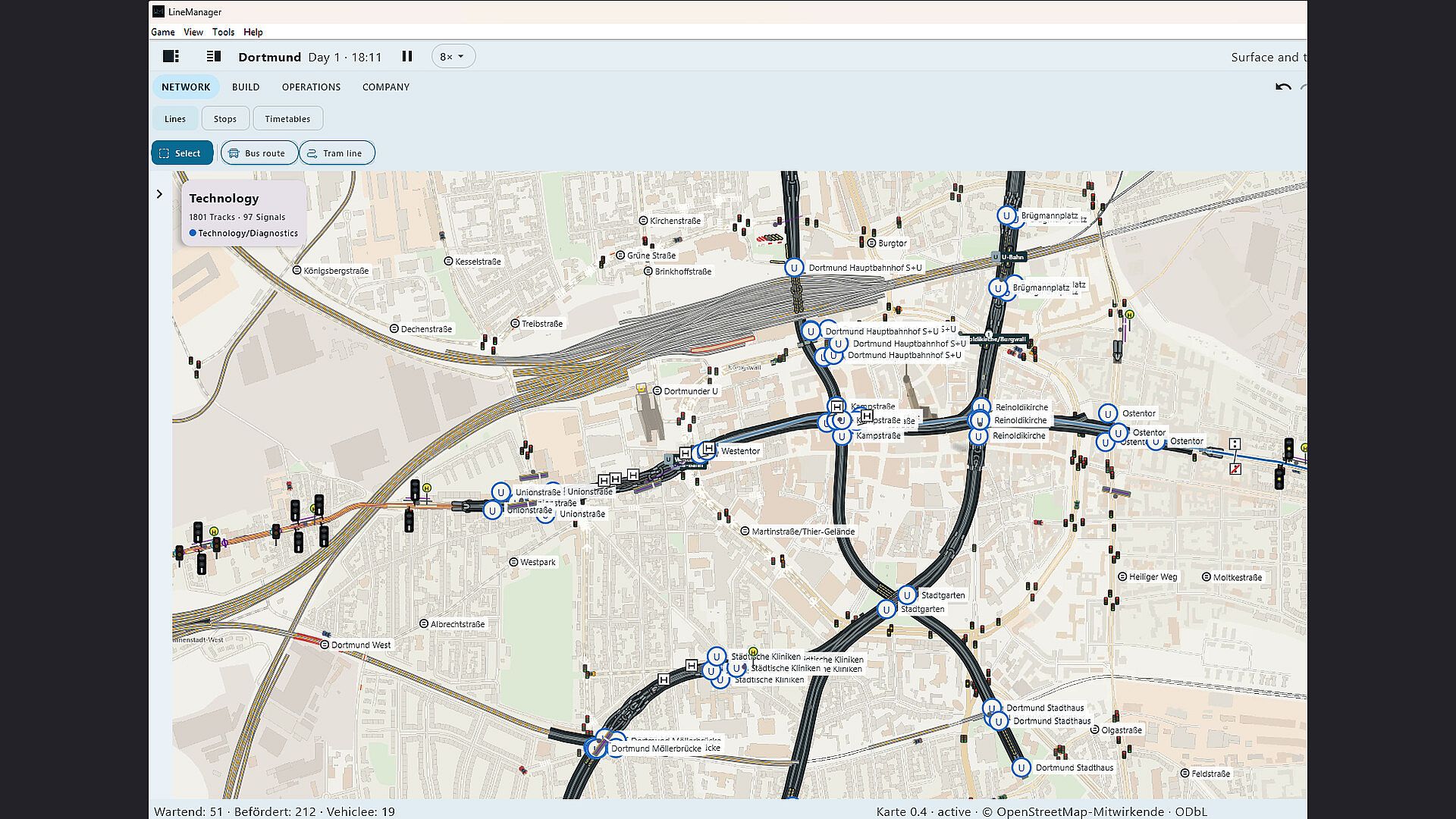
Real-world map elements such as roads, buildings, parks, and waterways provide the base layer, with Dortmund as a large playable region alongside Riga Central and a test area. Existing tram infrastructure can integrate into new networks. Vehicle details like length, platform fit, capacity, speed, and behavior factor into operations. Workshops and maintenance capacity support vehicle management that expands over time. External factors including other rail services, walking and cycling links, and events influence demand patterns.
The game supports experimentation with track construction and operational details. Curves and physical connections matter for realistic movement. Traffic lights operate with phases that can integrate with tram and bus signals. Players monitor network performance through passenger flows and can adjust for better accessibility across areas.
Is It Worth Playing?
LineManager suits players interested in detailed public transport strategy and simulation on PC. Its sandbox design allows gradual growth from simple routes to complex networks with optional layers of signalling and financial management. The game remains in active development, with expansions planned for vehicle markets, staff planning, maintenance, construction costs, audio, and mod support. Those who enjoy building functional systems and observing operational challenges will find value in its current form, particularly as systems continue to receive updates. The optional depth means both casual builders and those focused on precise control can engage at their preferred level.











