







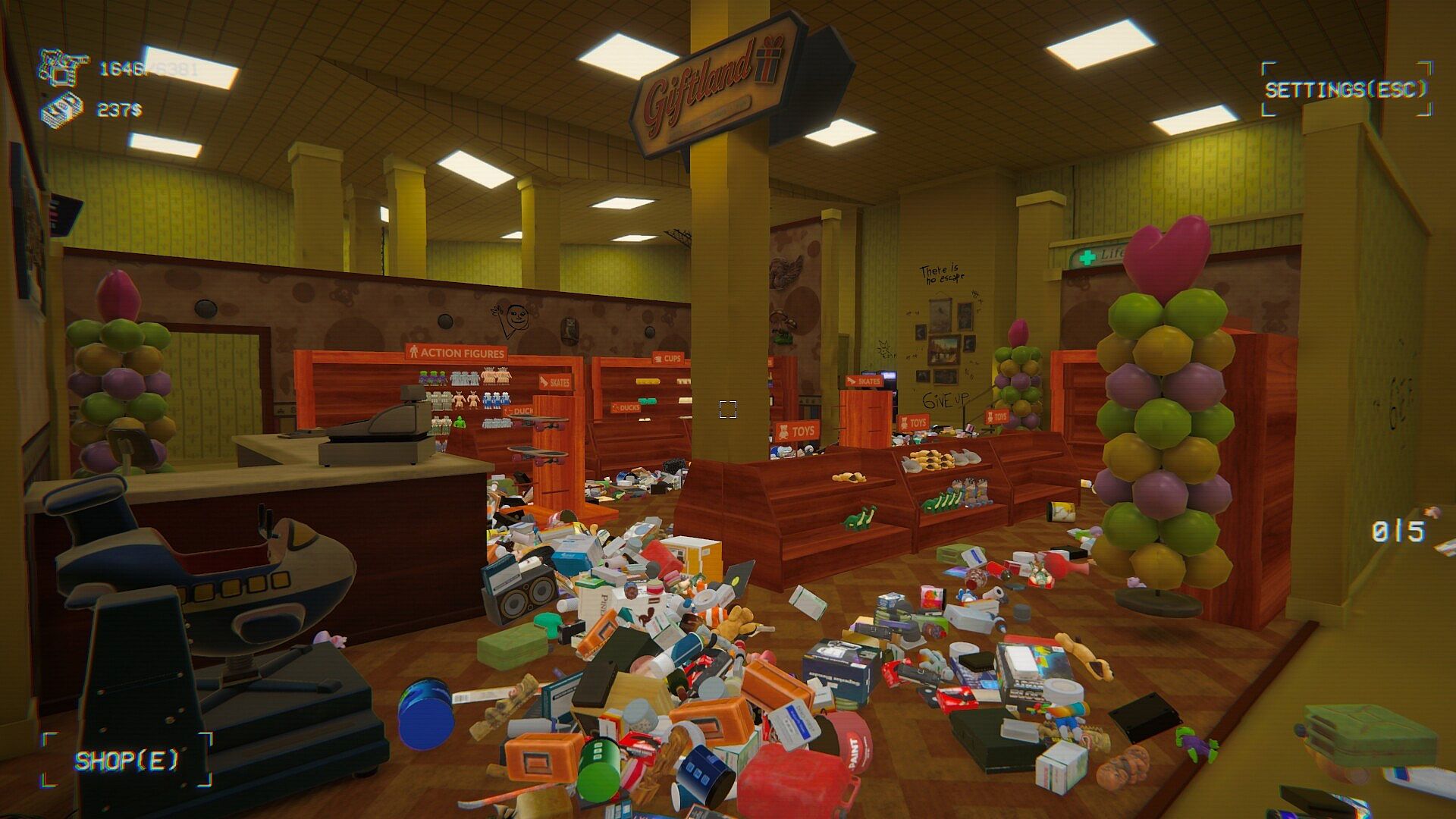
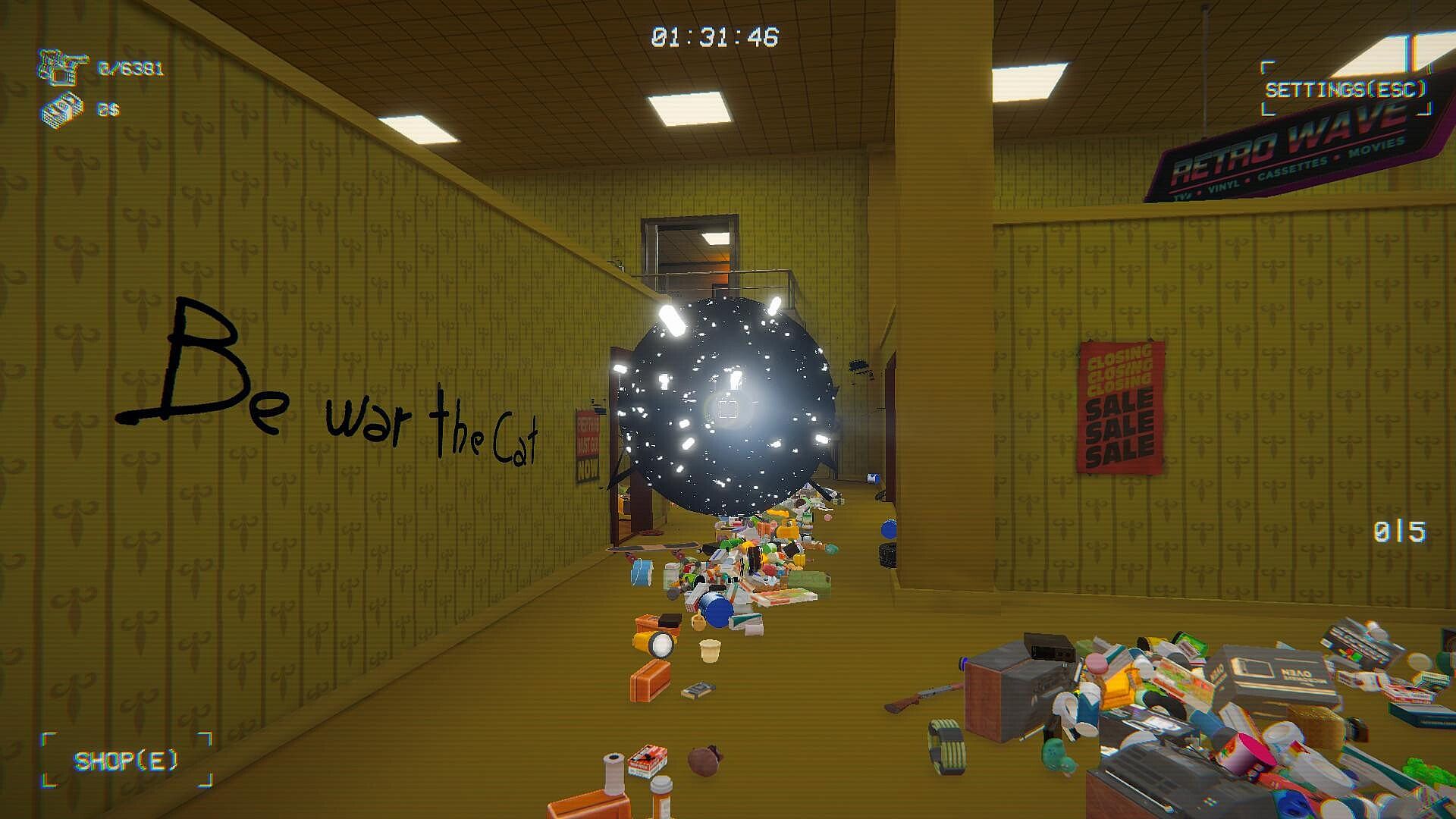
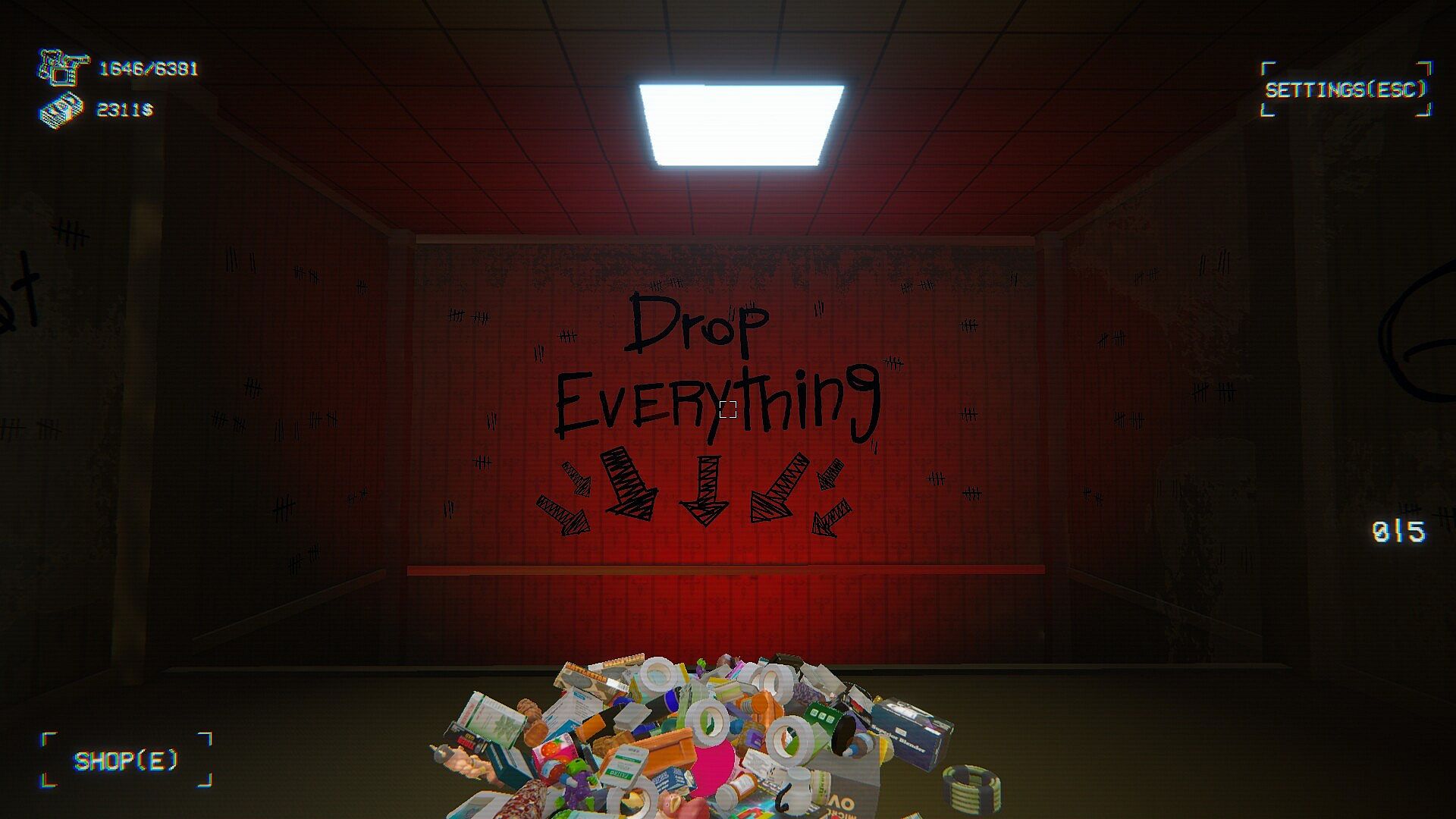
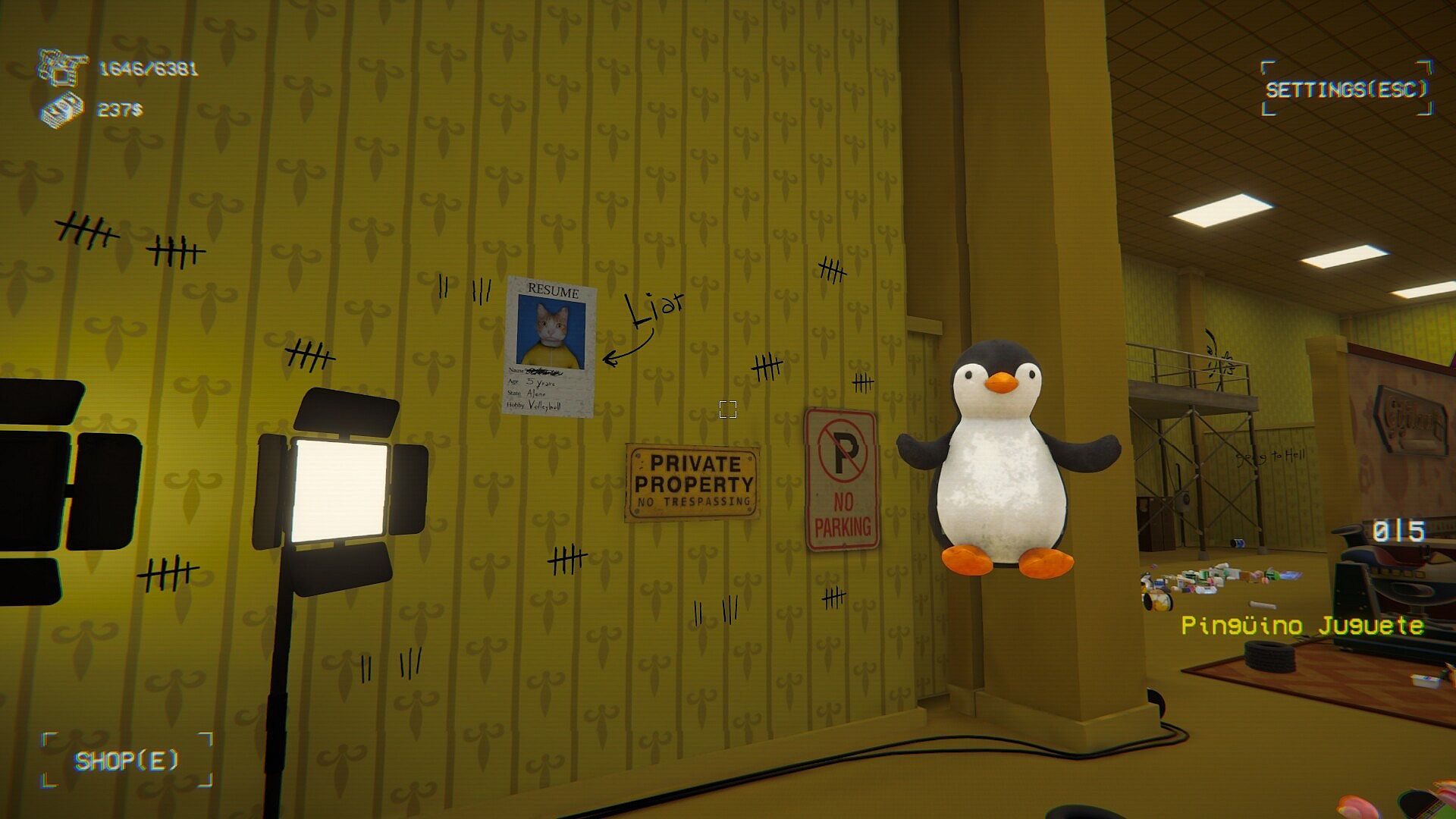
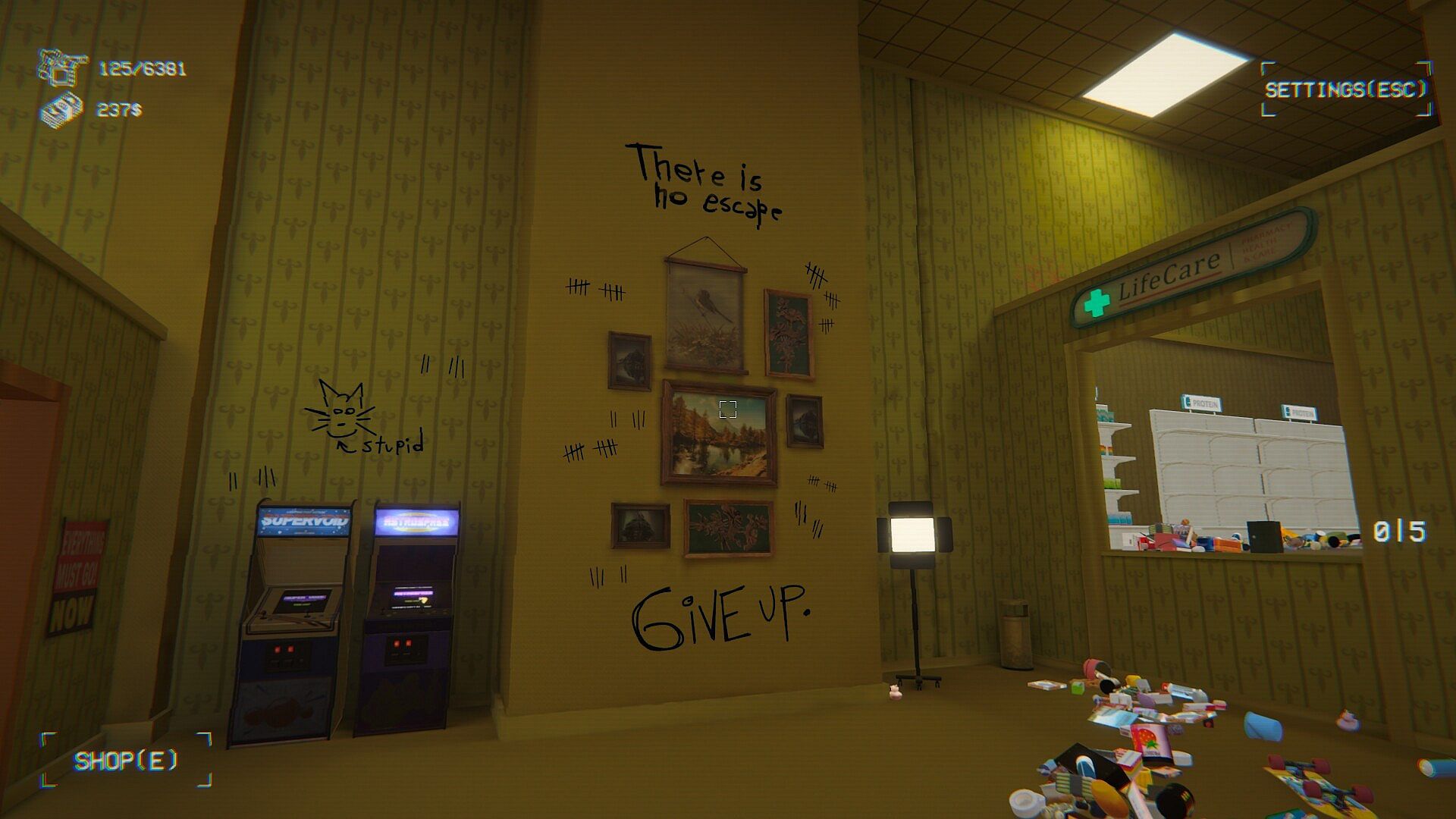
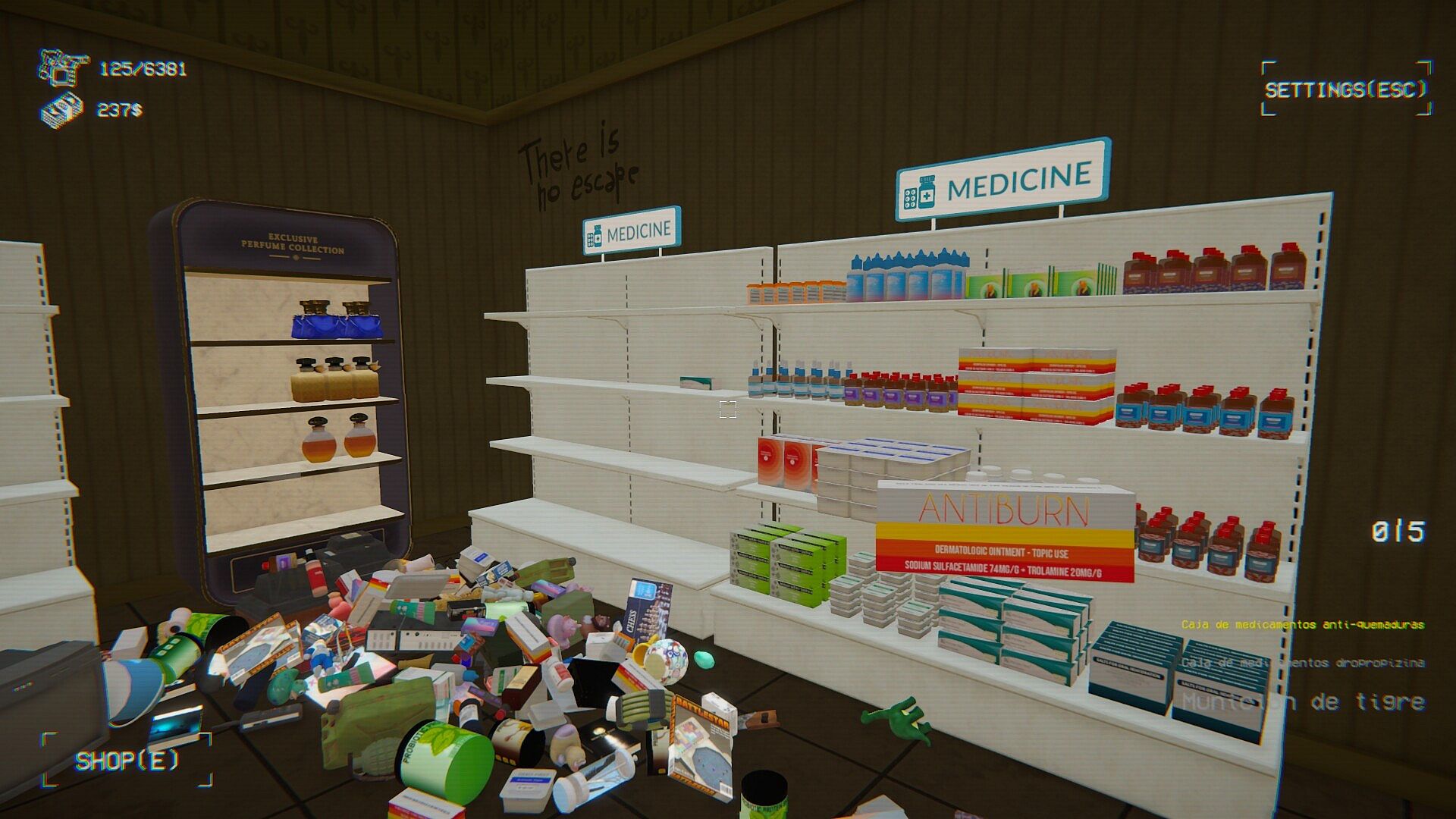
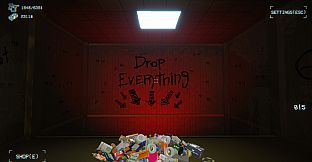
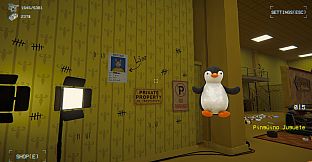
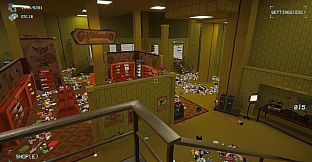
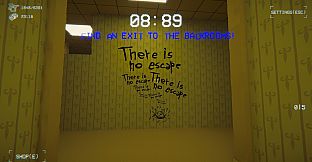
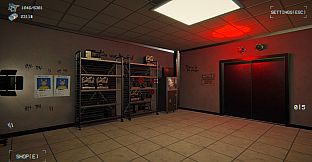
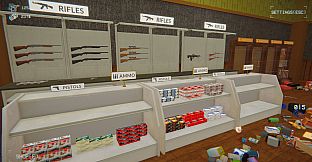
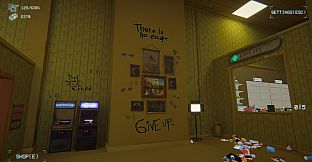
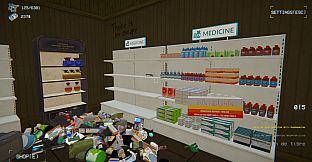
LIMINAL SORTING is a casual simulation game that blends the steady satisfaction of organization tasks with the subtle tension of an endless, unfamiliar environment. Players sort thousands of objects across sprawling liminal spaces on PC, restoring order one room at a time while uncovering small surprises along the way. The experience stays grounded in single-player progression, where calm sorting sessions mix with occasional timed challenges and quiet exploration.
Gameplay
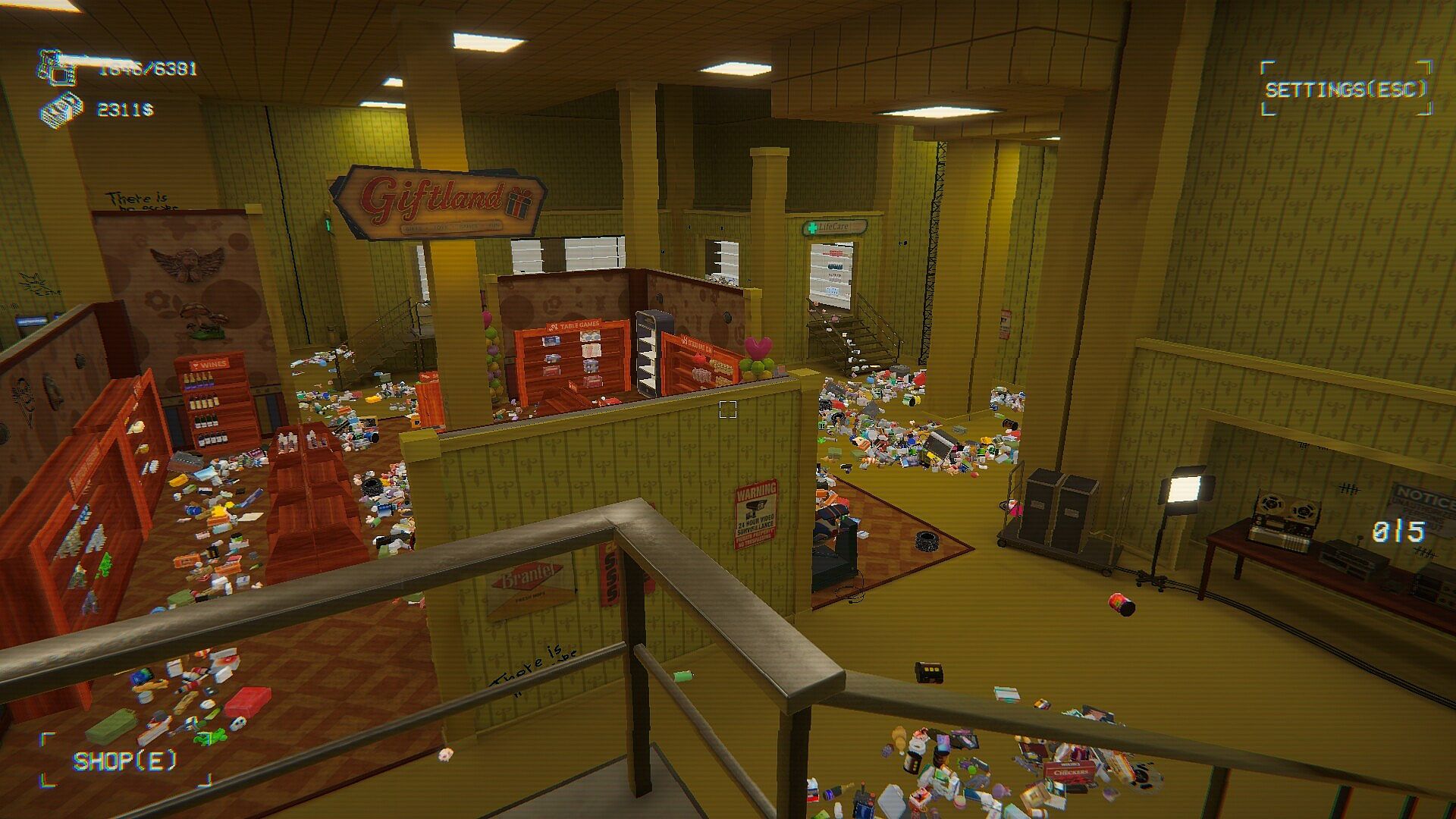
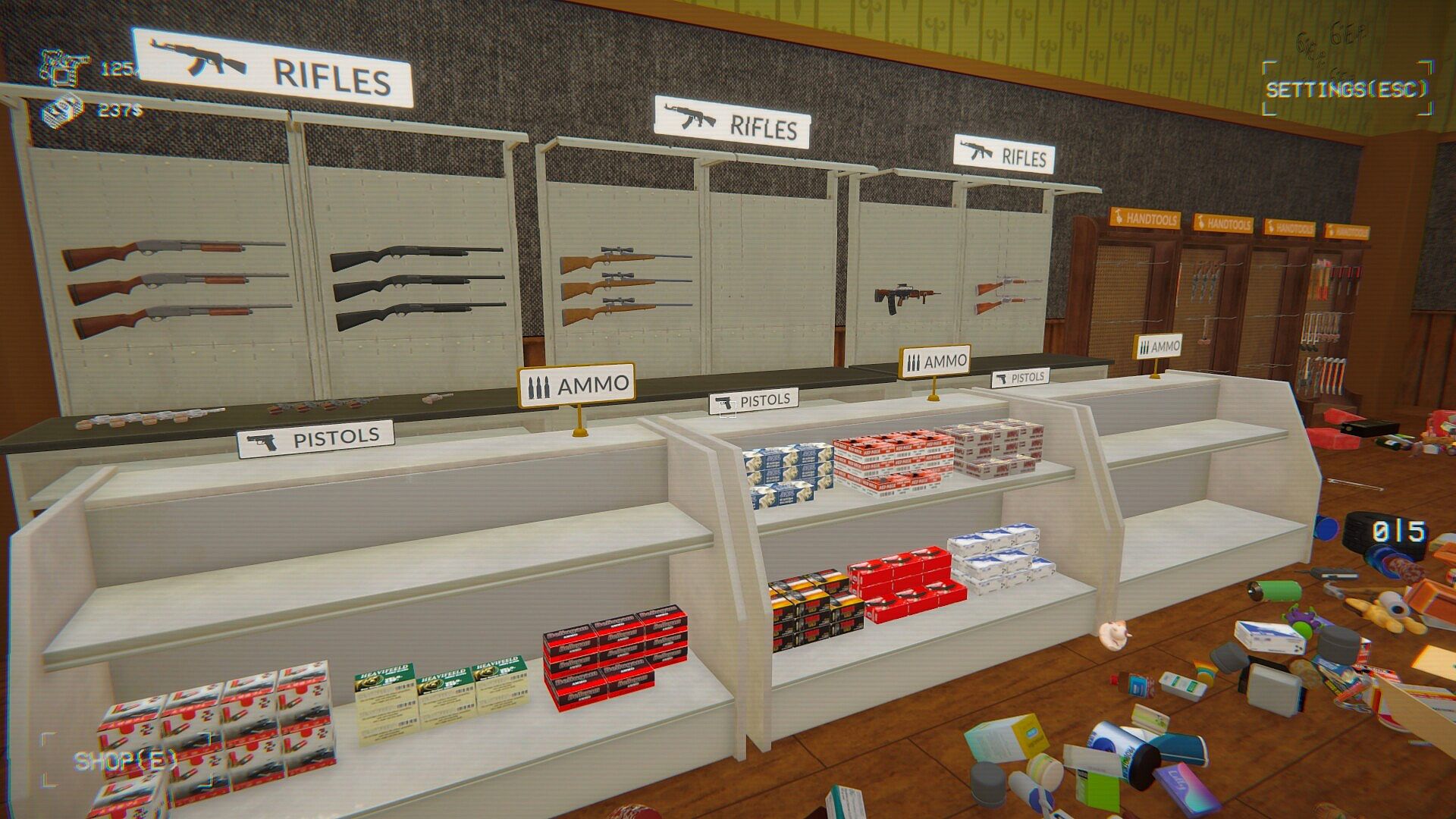
The core loop centers on locating scattered items and returning them to their proper places throughout a vast, repeating series of rooms. With more than 6,000 objects to handle, the process rewards careful attention to detail and methodical placement. Rooms gradually return to a sense of normalcy as items find their spots, creating a steady sense of progress in an otherwise unchanging setting.
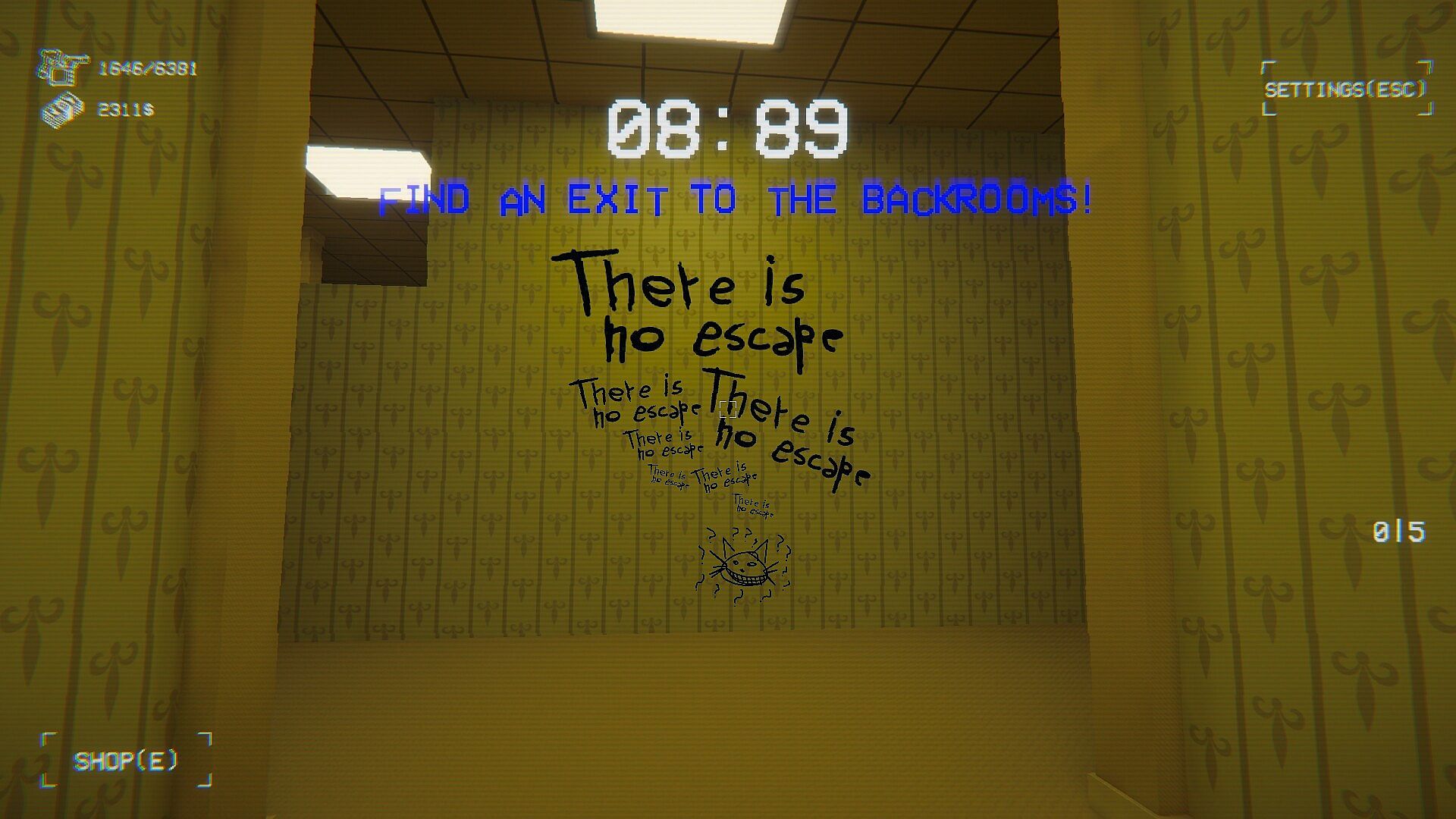
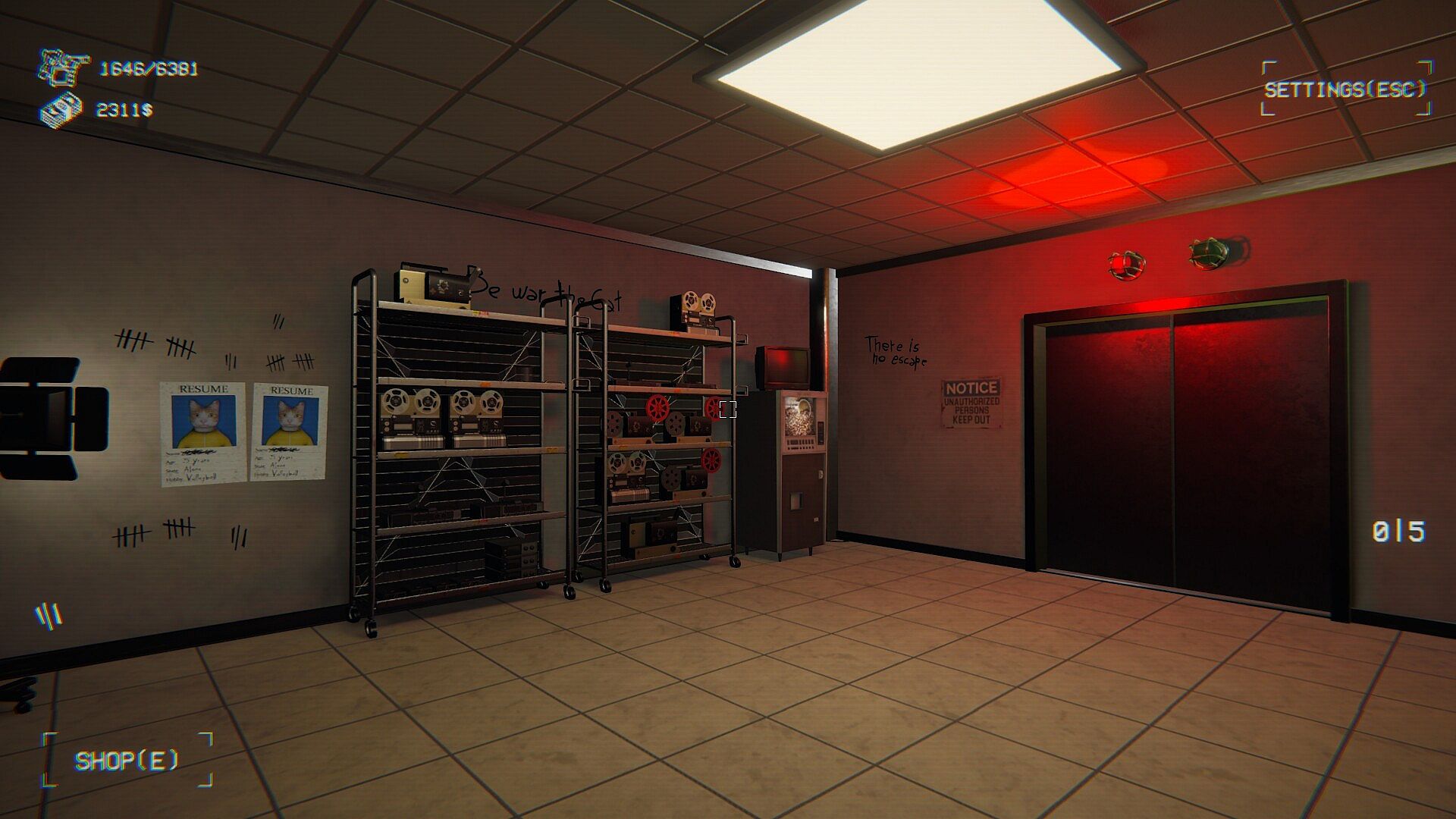
Exploration forms a natural part of the activity. New areas open as players advance, revealing useful abilities that speed up later sorting work and hidden secrets that add layers to the environment. These discoveries encourage thorough searching without turning the game into a traditional puzzle hunt. The mysterious cat appears as a recurring presence, hinting at prior activity in the space and providing small moments of intrigue amid the routine tasks.
Timed minigames interrupt the quieter phases at intervals. These short sequences focus on speed and quick decisions, adding brief pressure that contrasts with the main sorting rhythm. They test reflexes without dominating the overall pace, keeping sessions varied while preserving the relaxing foundation of the simulation.
Game Modes
The game operates entirely as a single-player experience. There are no separate competitive or cooperative modes, allowing focus on personal progression through the liminal space. The structure integrates sorting, exploration, and timed challenges into one continuous journey rather than offering distinct playlists or variants.
Progression unfolds through room restoration and ability unlocks. Players advance by completing organization goals, which in turn grant tools that streamline future work. This creates a natural flow where earlier efforts make later sections more efficient, without requiring switches between different game types.
Exploration and Atmosphere
The setting emphasizes vast, repetitive interiors that stretch indefinitely. Each restored room contributes to a growing sense of control over the environment, while undiscovered sections maintain an undercurrent of the unknown. Abilities and secrets serve practical purposes, such as faster item handling or shortcuts, rather than purely narrative elements.
Sound and visual design support the calm yet watchful tone. The space feels both familiar and off-kilter, encouraging players to stay observant even during routine sorting. The cat adds a light layer of personality without shifting focus away from the organizational tasks.
Is It Worth Playing?
LIMINAL SORTING suits players who enjoy casual simulation games built around organization and incremental progress. The combination of steady sorting with light exploration and occasional speed tests creates sessions that can feel both productive and gently engaging. Those drawn to liminal aesthetics or simple management loops will find the mechanics align closely with the premise.
Because the title remains unreleased at the time of writing, no player reviews or aggregate ratings exist yet. The described systems match the expectations of the indie casual simulation genre, with single-player focus and no additional modes or factions to track. Availability will begin on PC through standard digital storefronts once the planned September 16, 2026 launch arrives. Fans of similar organizing titles may find the added suspense and discovery elements a worthwhile variation on the formula.











