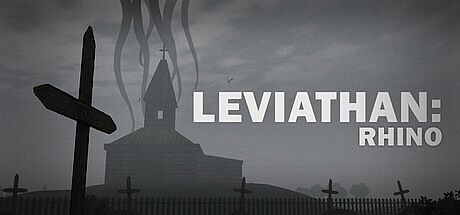


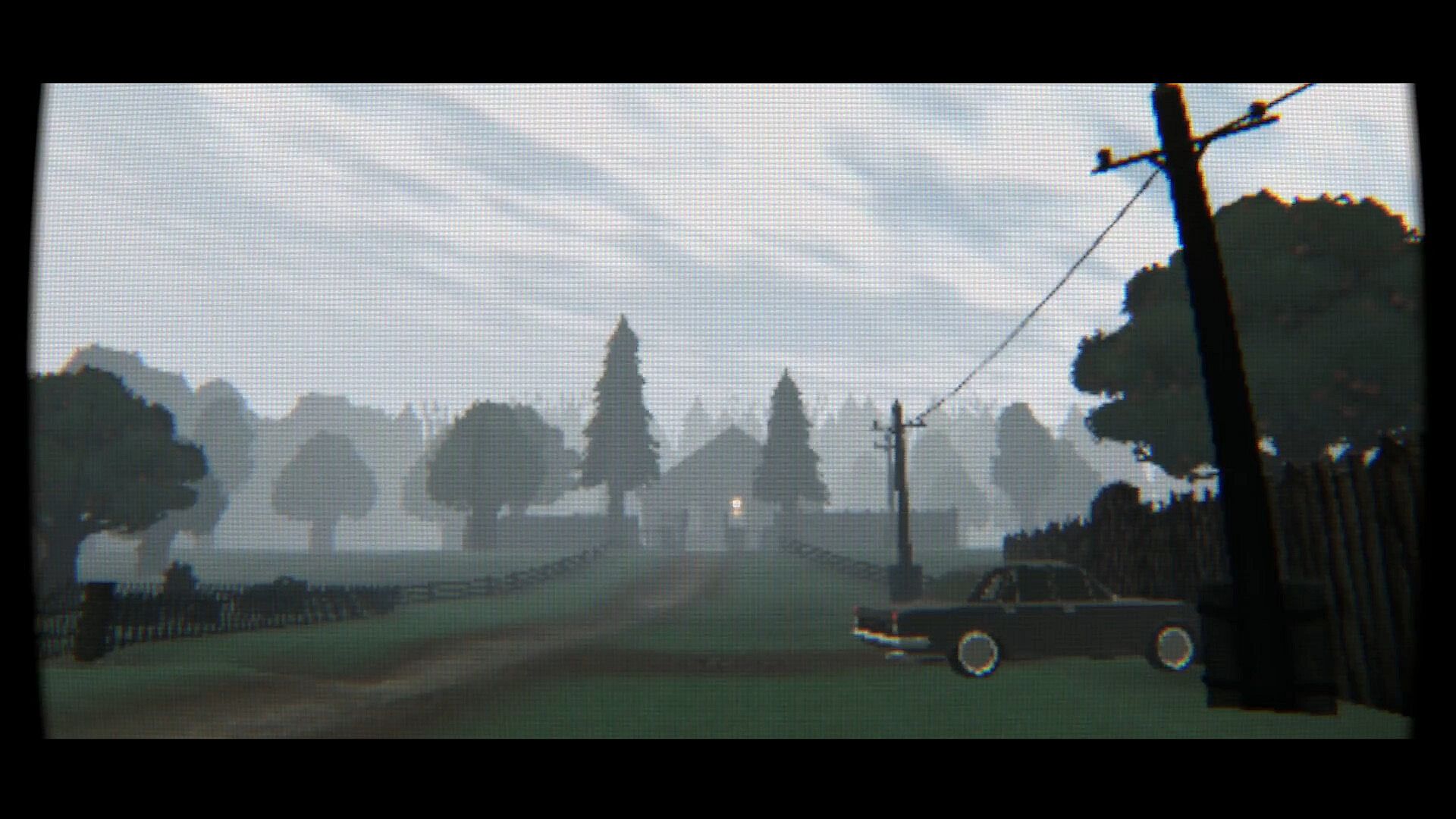
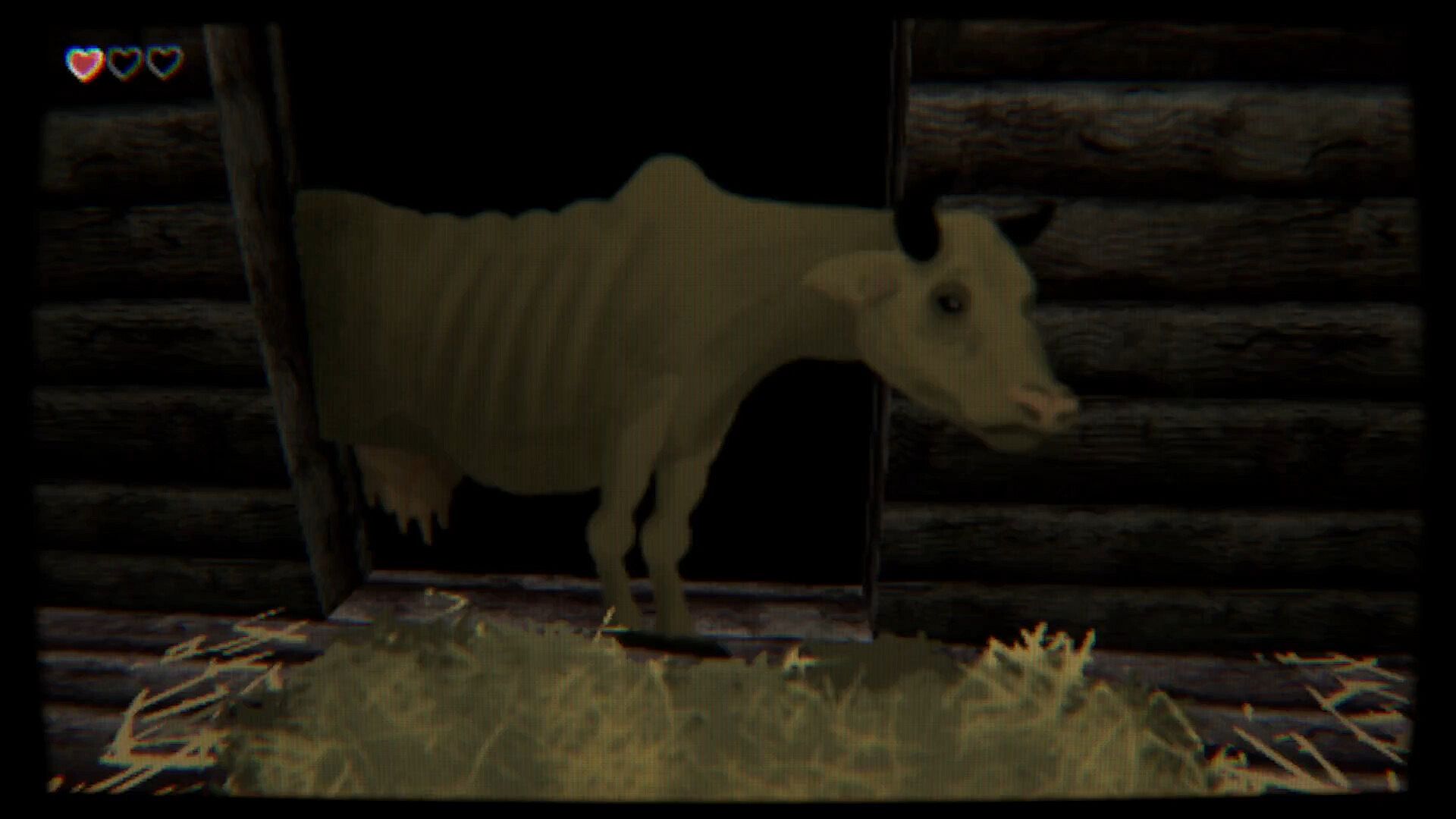
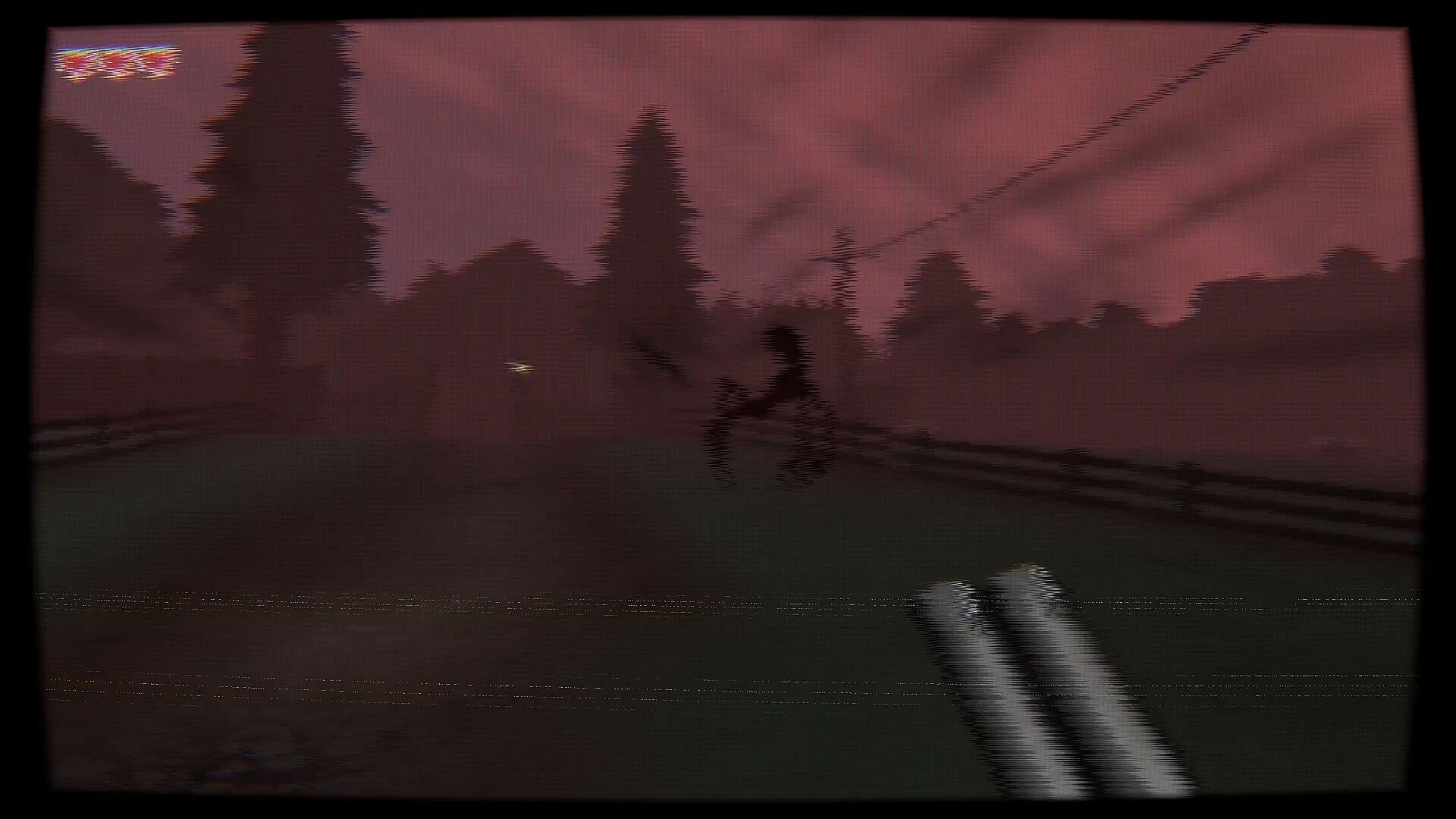
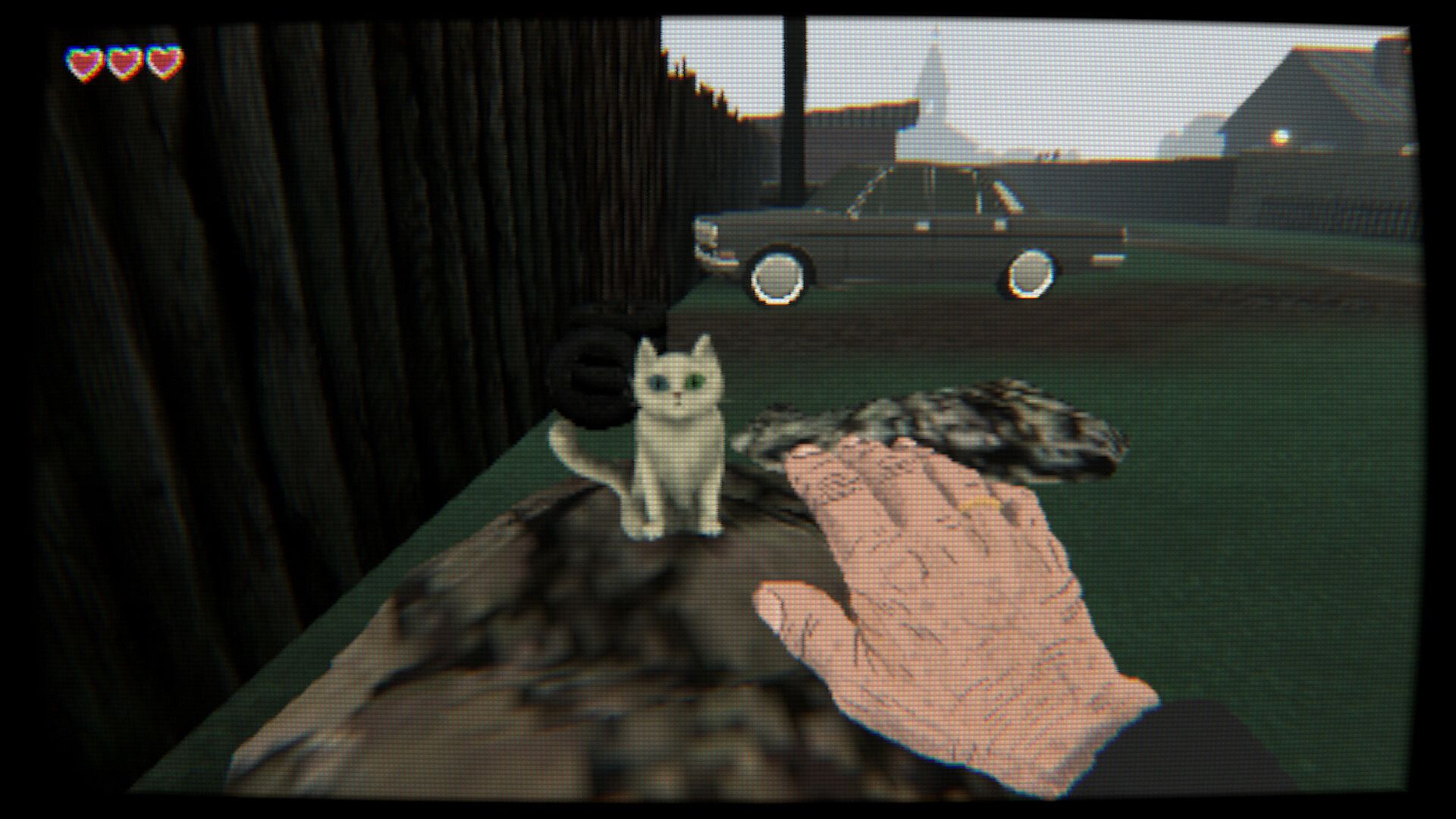
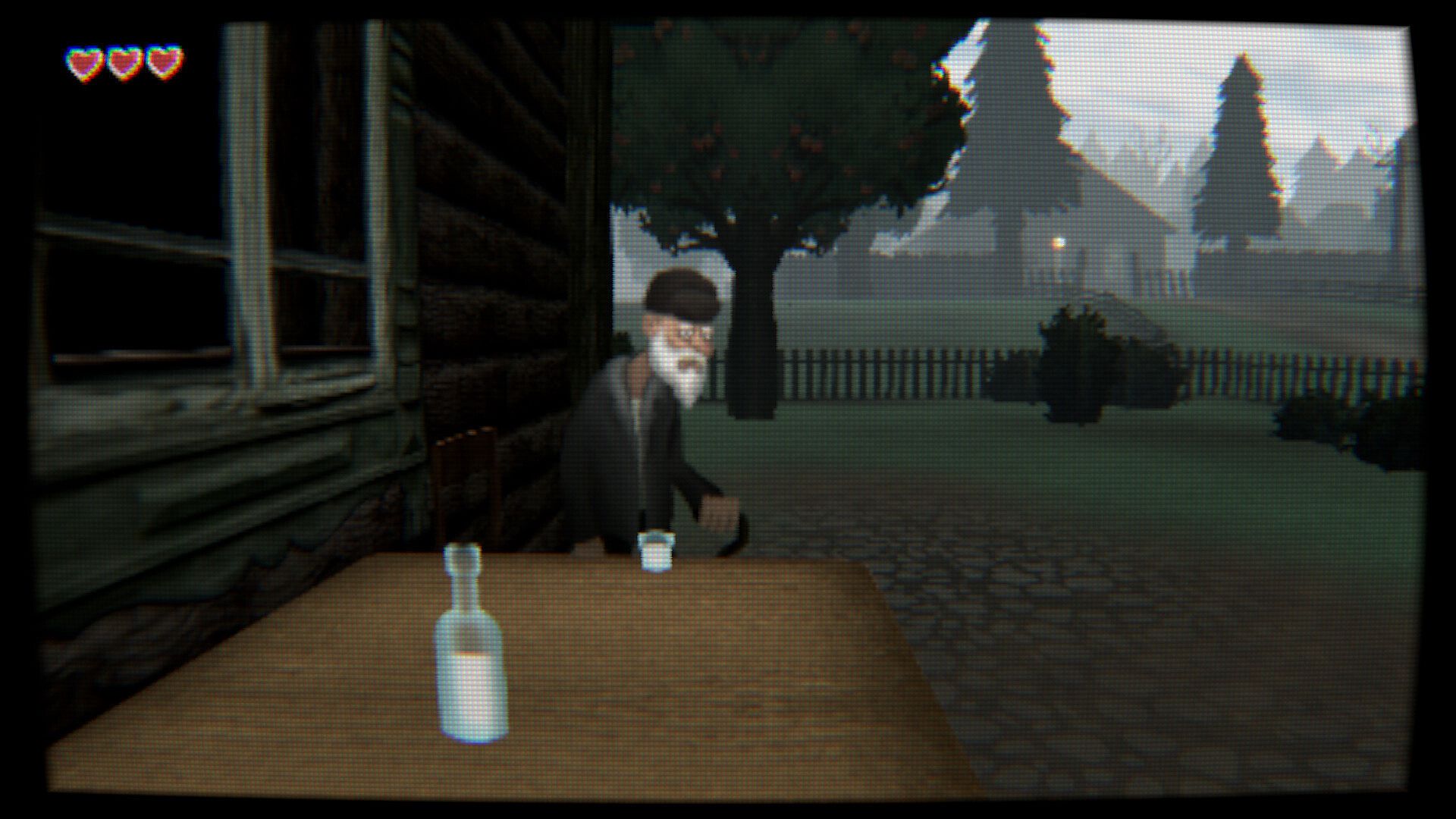
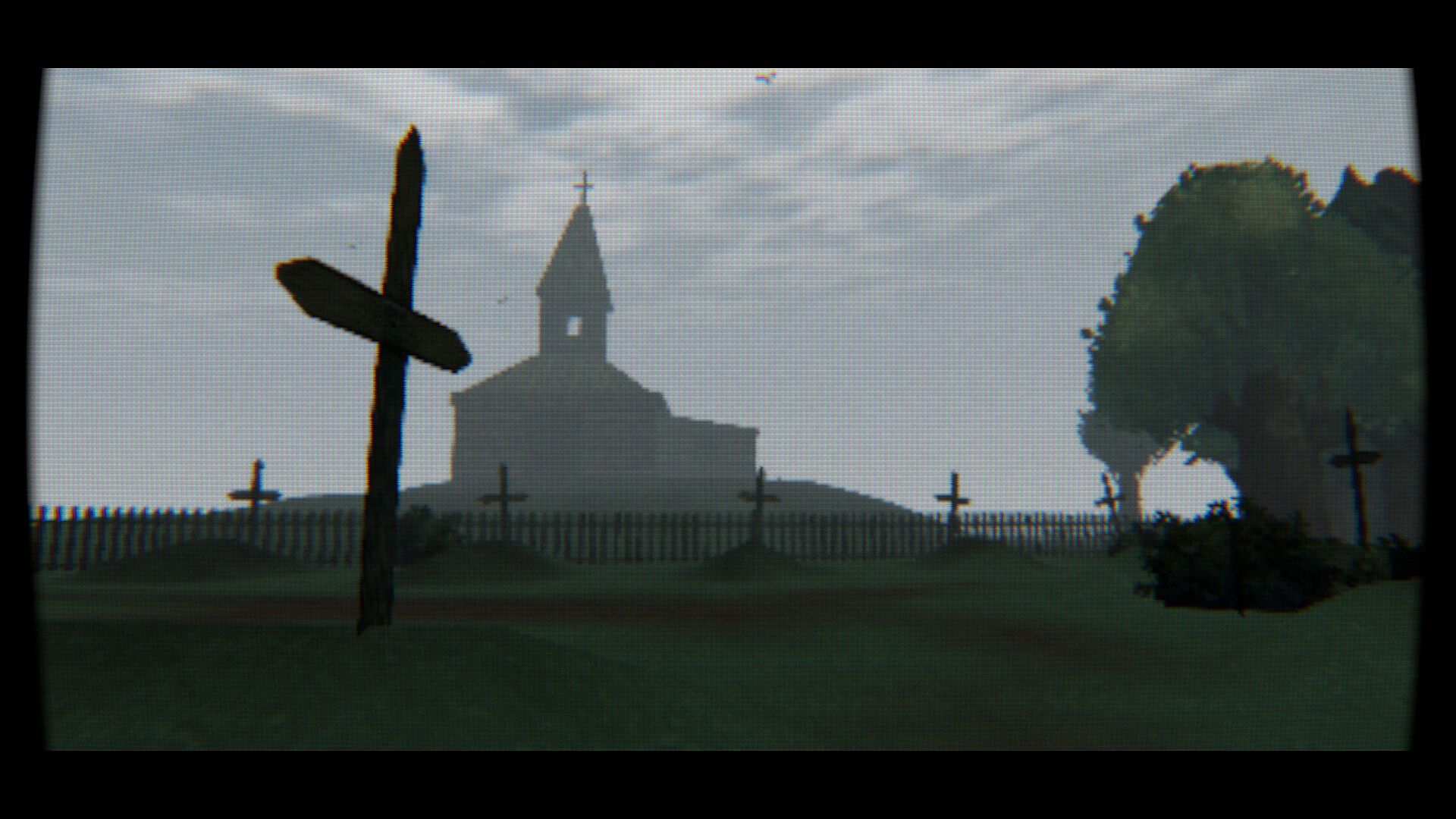
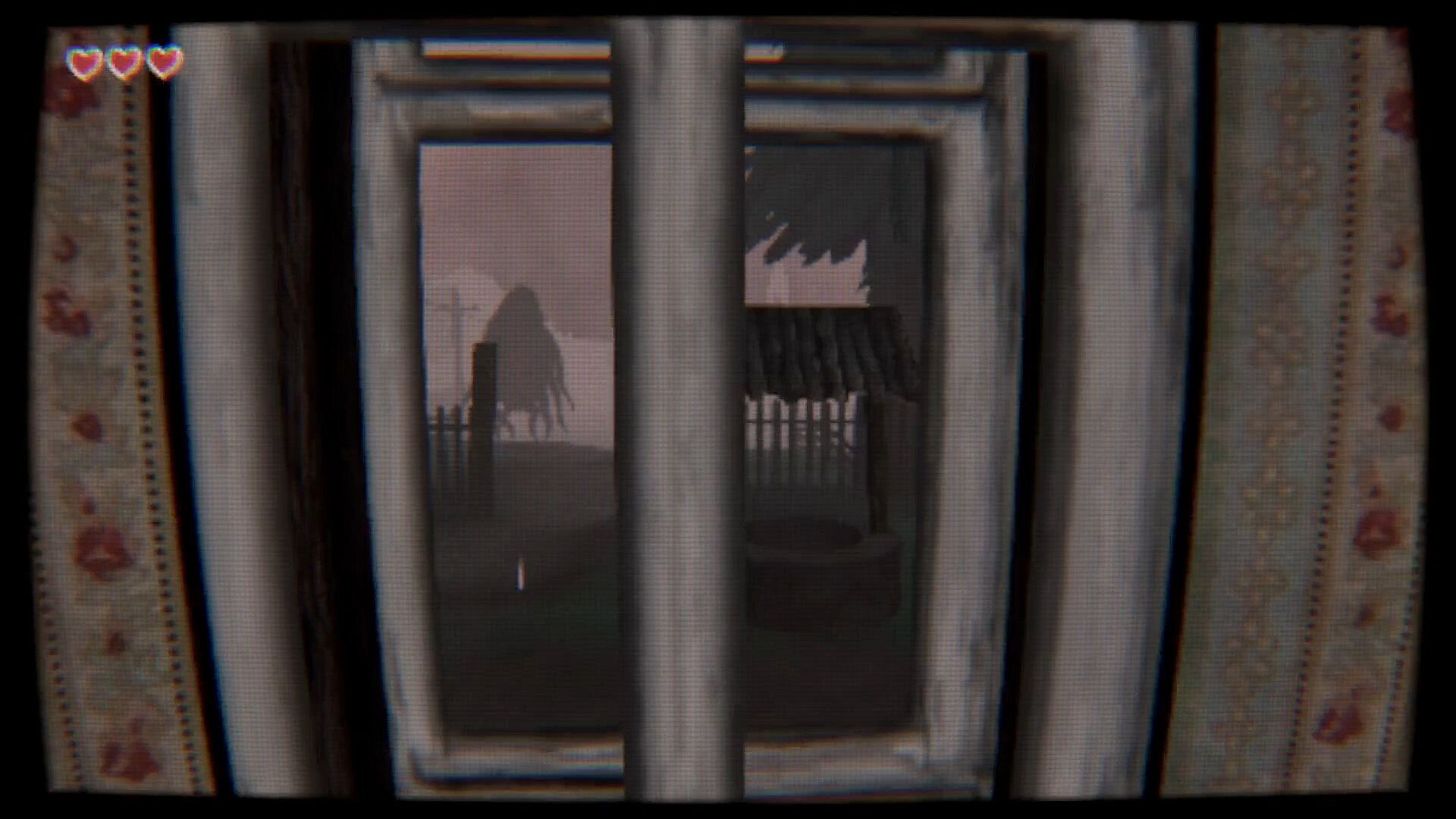
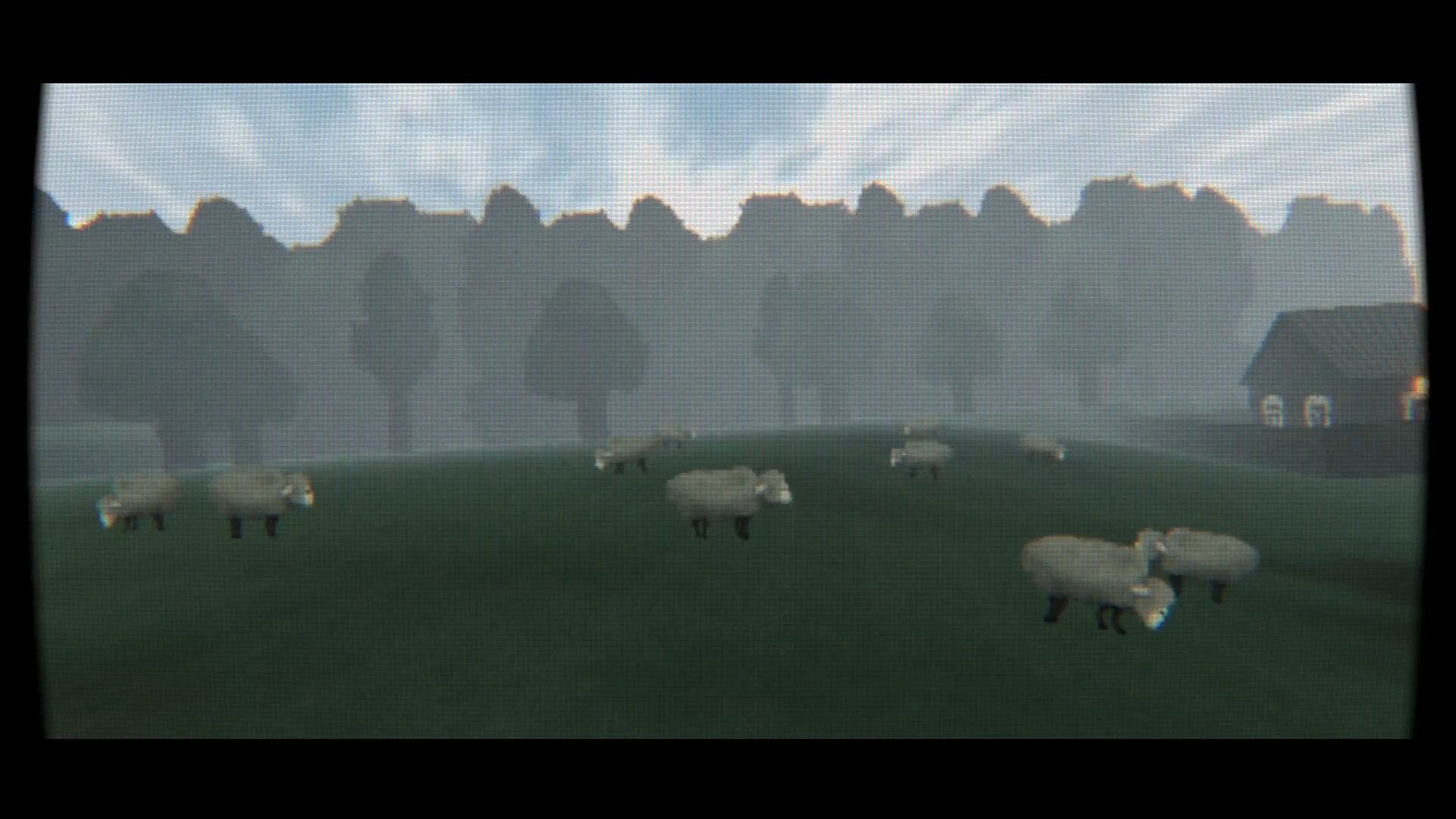
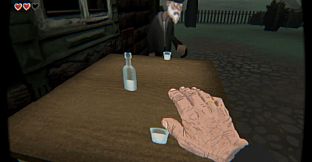
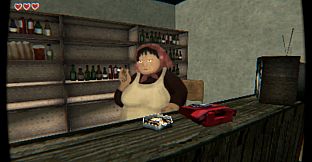
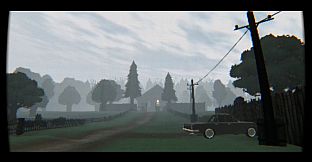
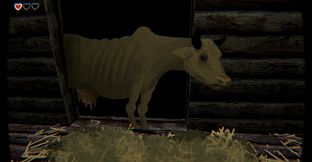
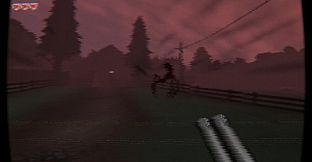
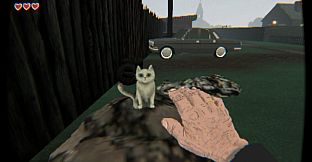
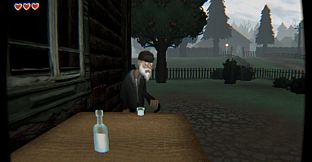
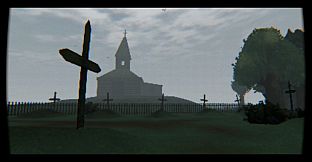
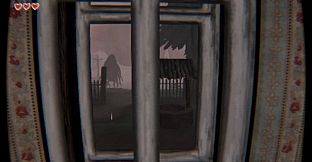
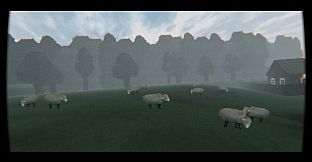
Leviathan: Rhino is an indie simulation game that blends everyday routines with existential horror. Set in a small village facing an unstoppable colossal creature, the experience centers on one man's decision to remain as everything around him changes. Players take on the role of an elderly resident who performs ordinary tasks while the threat draws closer, creating a quiet reflection on attachment and acceptance.
Gameplay
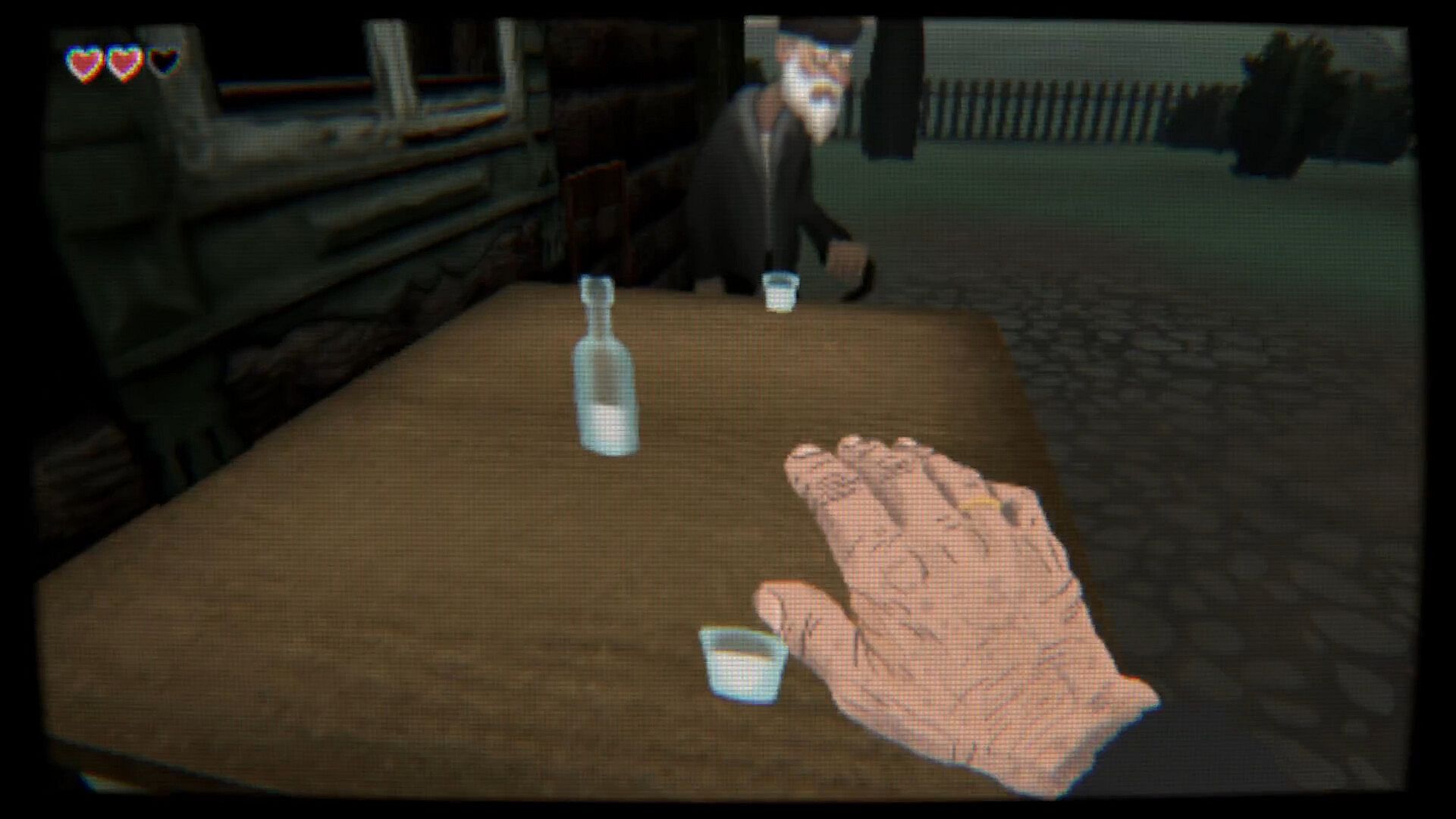
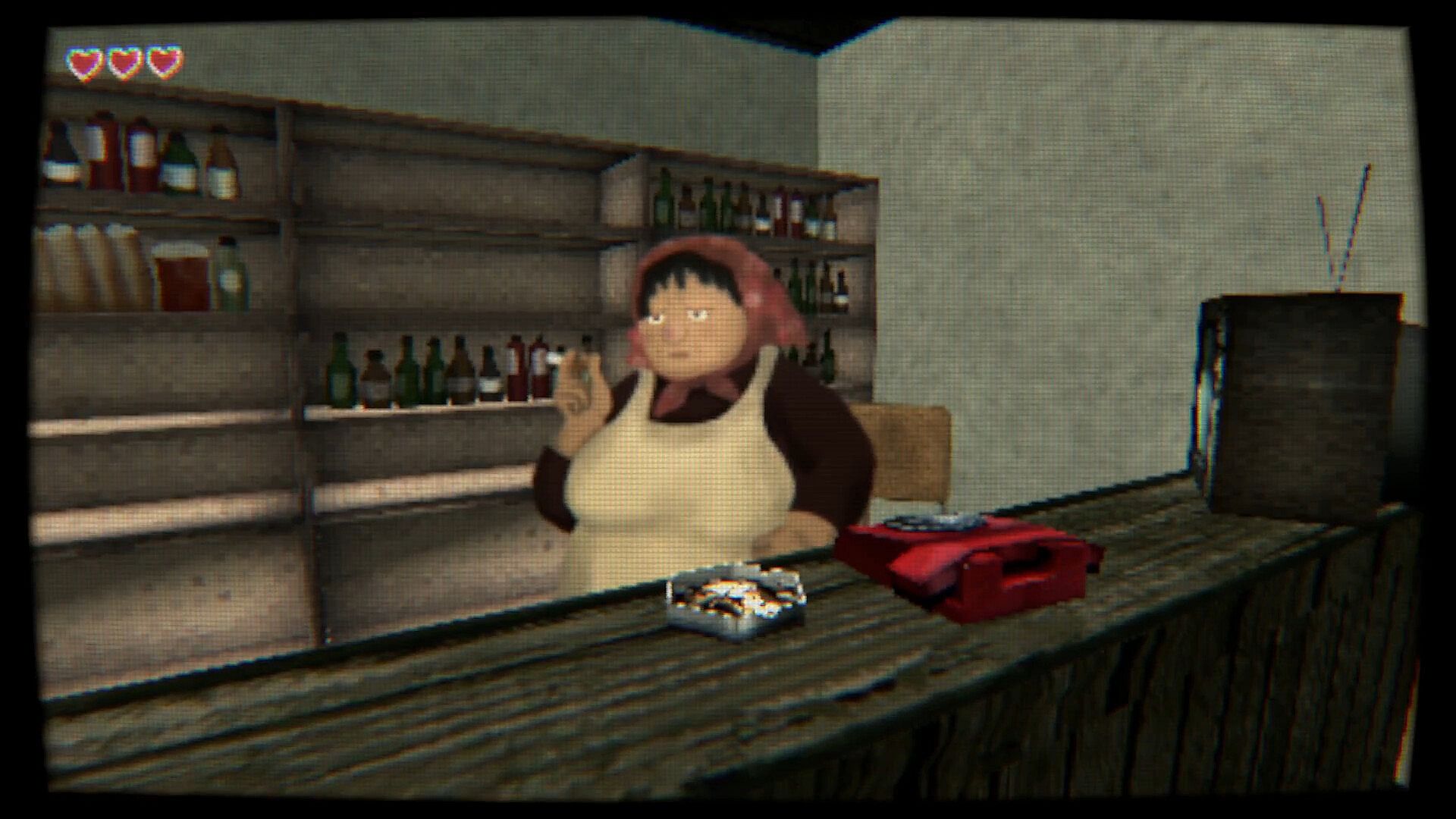
The core loop involves moving through the village in first person and interacting with its few inhabitants and familiar locations. Simple actions form the daily rhythm, such as tending to animals, checking in with neighbors, and paying attention to radio broadcasts or personal memories. These moments build a sense of routine that gradually shifts as the leviathan's approach becomes more evident. The simulation emphasizes observation and presence rather than complex systems or progression trees, allowing time to unfold at a measured pace.
Exploration stays contained within the village boundaries, encouraging repeated visits to the same spots to notice small changes in the environment or conversations. There are no combat encounters or resource management layers. Instead, the focus rests on carrying out the listed tasks and reflecting on the past through optional interactions. The low system requirements keep the emphasis on atmosphere and narrative delivery over technical demands.
Game Modes
Leviathan: Rhino offers a single-player experience with no separate modes or multiplayer options. The entire session follows one continuous narrative path through the final days in the village. Players progress by completing the everyday activities in sequence, with the story advancing naturally as time passes and the external threat grows. Steam achievements track specific moments and completions within this linear structure, but there are no branches, difficulty settings, or alternate scenarios to unlock.
Story and Setting
The world incorporates leviathans as an accepted part of life, massive Lovecraftian beings whose movements force entire communities to relocate. In this particular village, one resident has no intention of leaving. The story explores his relationships with the remaining neighbors, his memories, and the quiet acceptance of what cannot be changed. News reports and personal reflections provide context for the larger situation without introducing new mechanics or expanding the playable area.
The setting remains intimate and grounded, limited to homes, fields, and public spaces within the village. Visuals and sound design support the melancholic tone, highlighting isolation against the backdrop of an approaching force that humanity can only track and evade.
Is It Worth Playing?
This title suits players who appreciate slow-paced narrative simulations and atmospheric horror that relies on inevitability rather than jump scares or action. The single-player format delivers a focused, personal story about loneliness and attachment with no distractions from competitive elements or large-scale systems. Since the game has no user reviews available yet and releases on September 13, 2026, anyone interested can follow its development through official channels for the latest details on final features.
Those drawn to indie experiences that prioritize emotional weight and routine tasks over traditional gameplay loops will find the most value here. The straightforward mechanics and contained scope make it accessible for short sessions, while the themes encourage thoughtful engagement with the protagonist's circumstances. If the premise of watching an ordinary life intersect with an unstoppable event appeals, the game provides a distinctive take on existential themes in a simulation format.