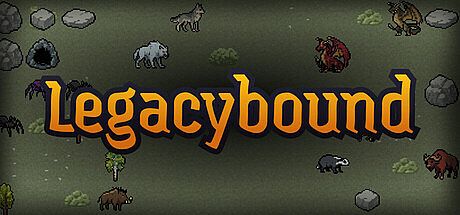


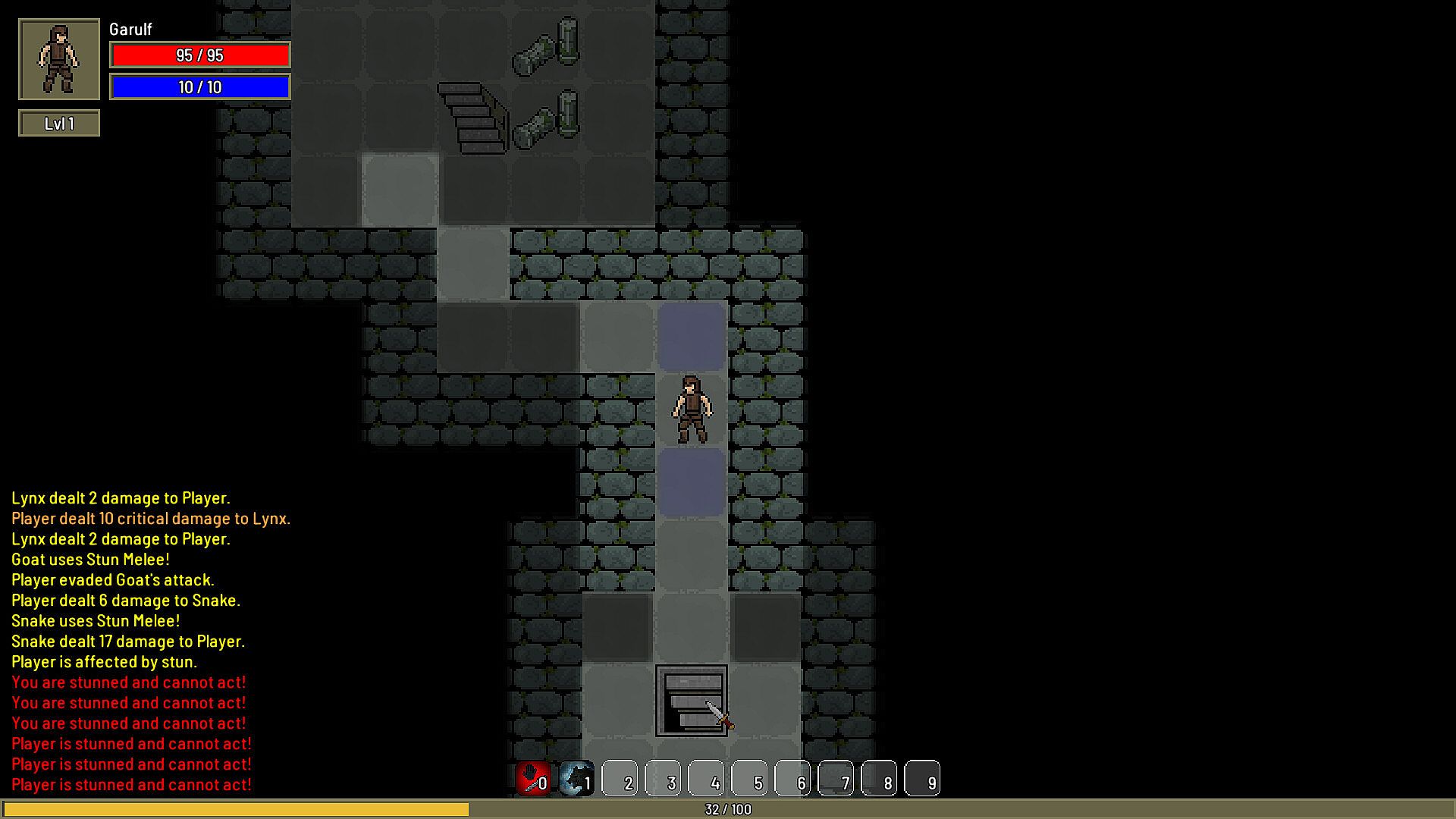
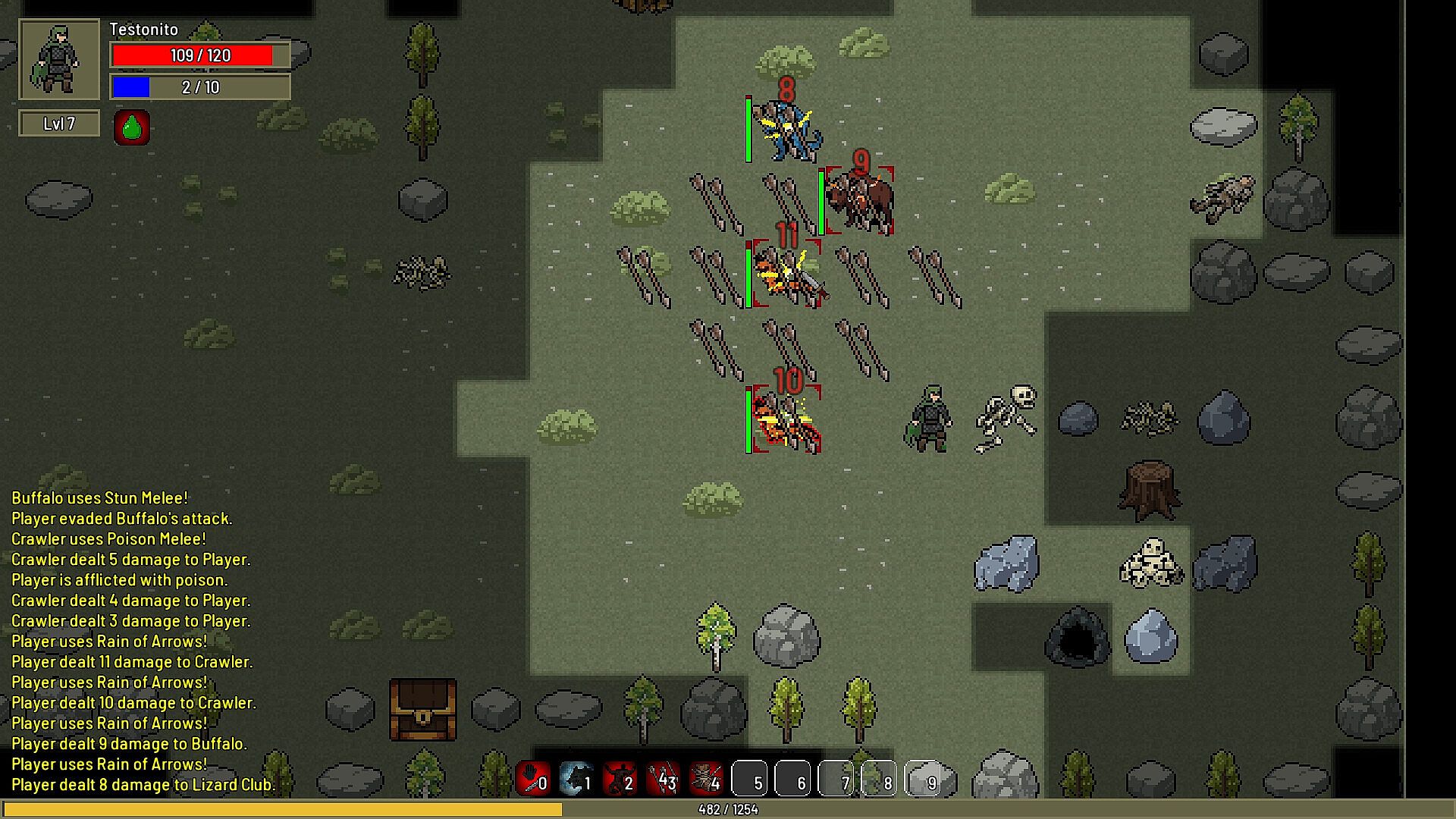
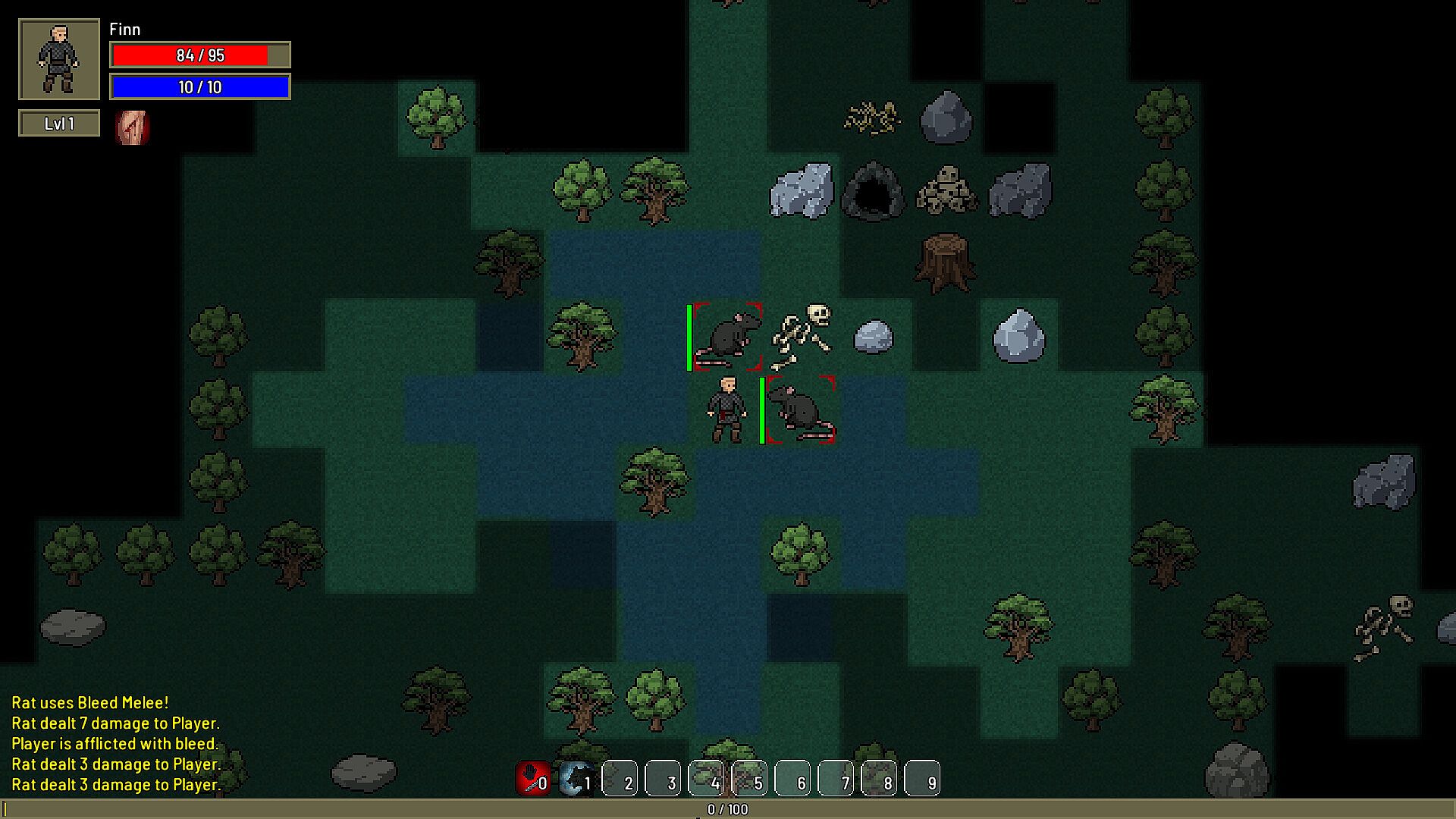
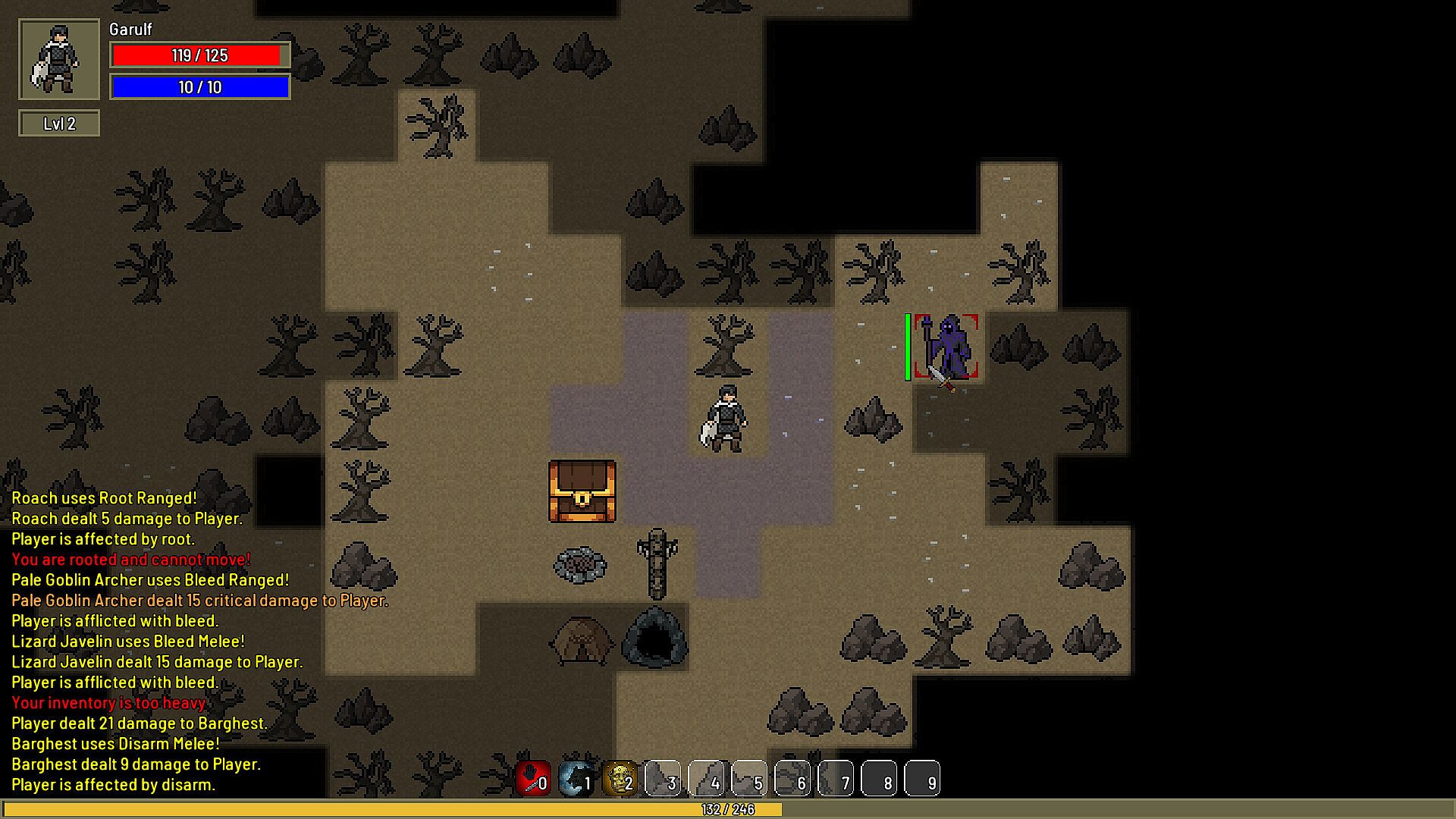
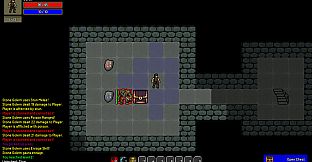
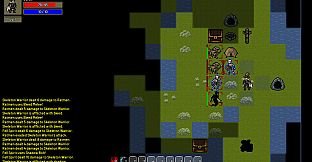
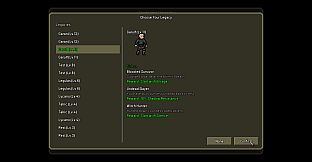
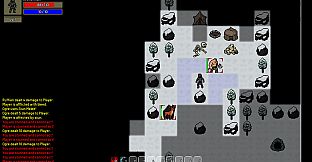
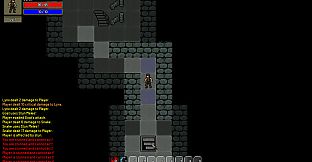
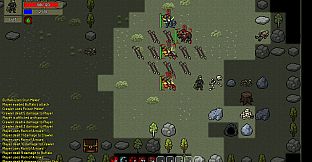
Legacybound is a roguelike RPG with adventure elements available on PC. Players select from starting classes and venture into a procedurally generated world where death carries forward as a legacy for subsequent heroes. Turn-based combat requires careful planning around item combinations, class perks, and environmental threats across varied biomes.
Gameplay
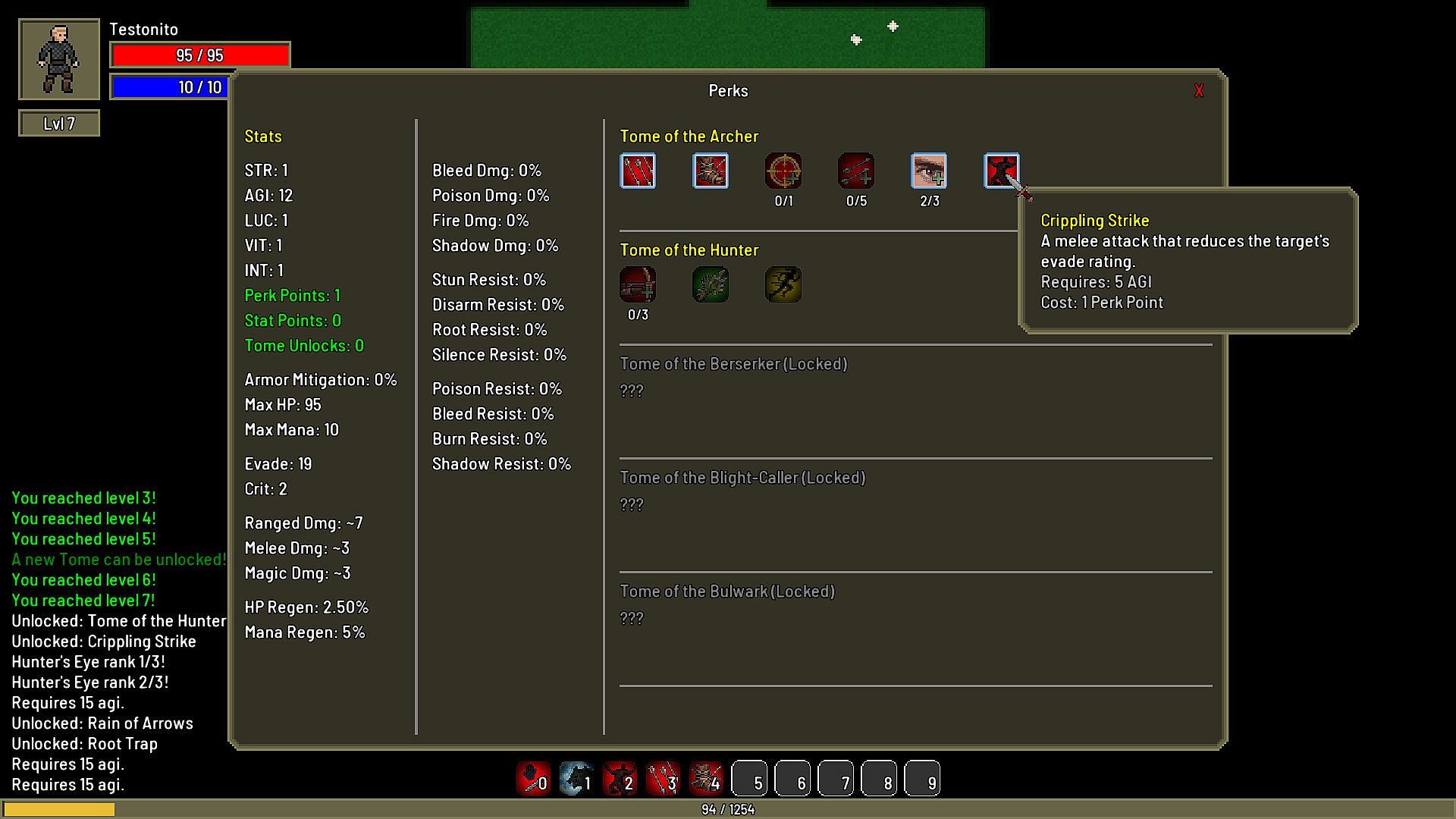
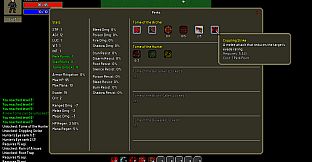
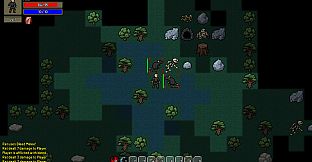
The core loop centers on exploration and combat in a world divided into twelve unique biomes. Each biome features distinct wildlife, dungeons, and enemy types that demand adaptation through build choices. Players combine six starting classes with six unlockable ones, along with perks and items, to form specialized setups such as a stealth-focused thief incorporating fire magic or a regeneration-oriented warrior suited for prolonged engagements.
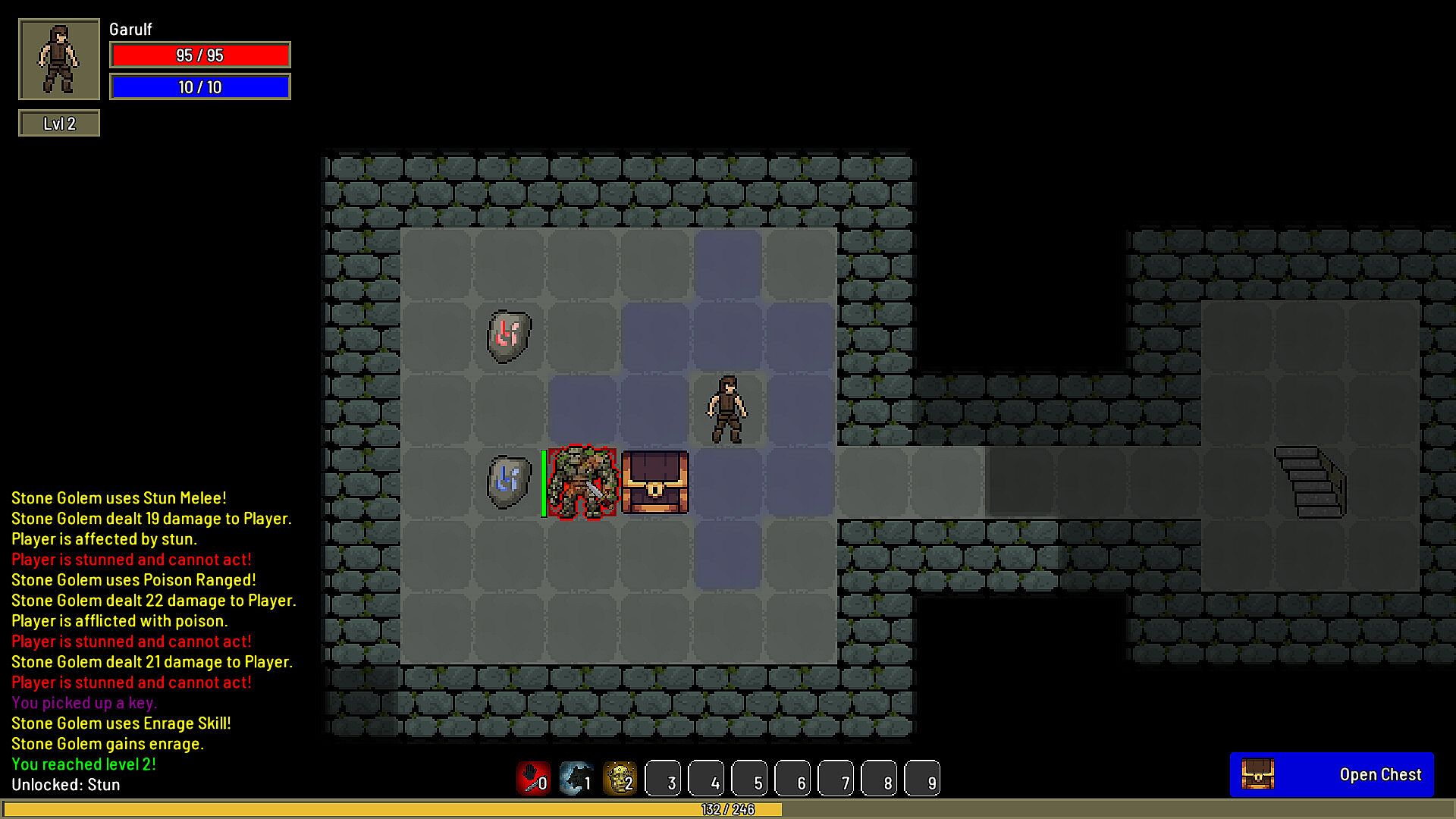
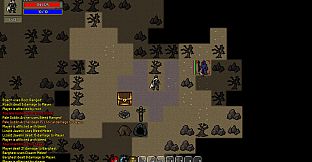
Itemization plays a central role. Every piece of equipment can receive modifiers that alter effects for the player or opponents. Runes further refine these by emphasizing damage types or resistances. Quests, NPCs, villages, and landmarks populate the living world, encouraging thorough searches for rare rewards amid the dangers.
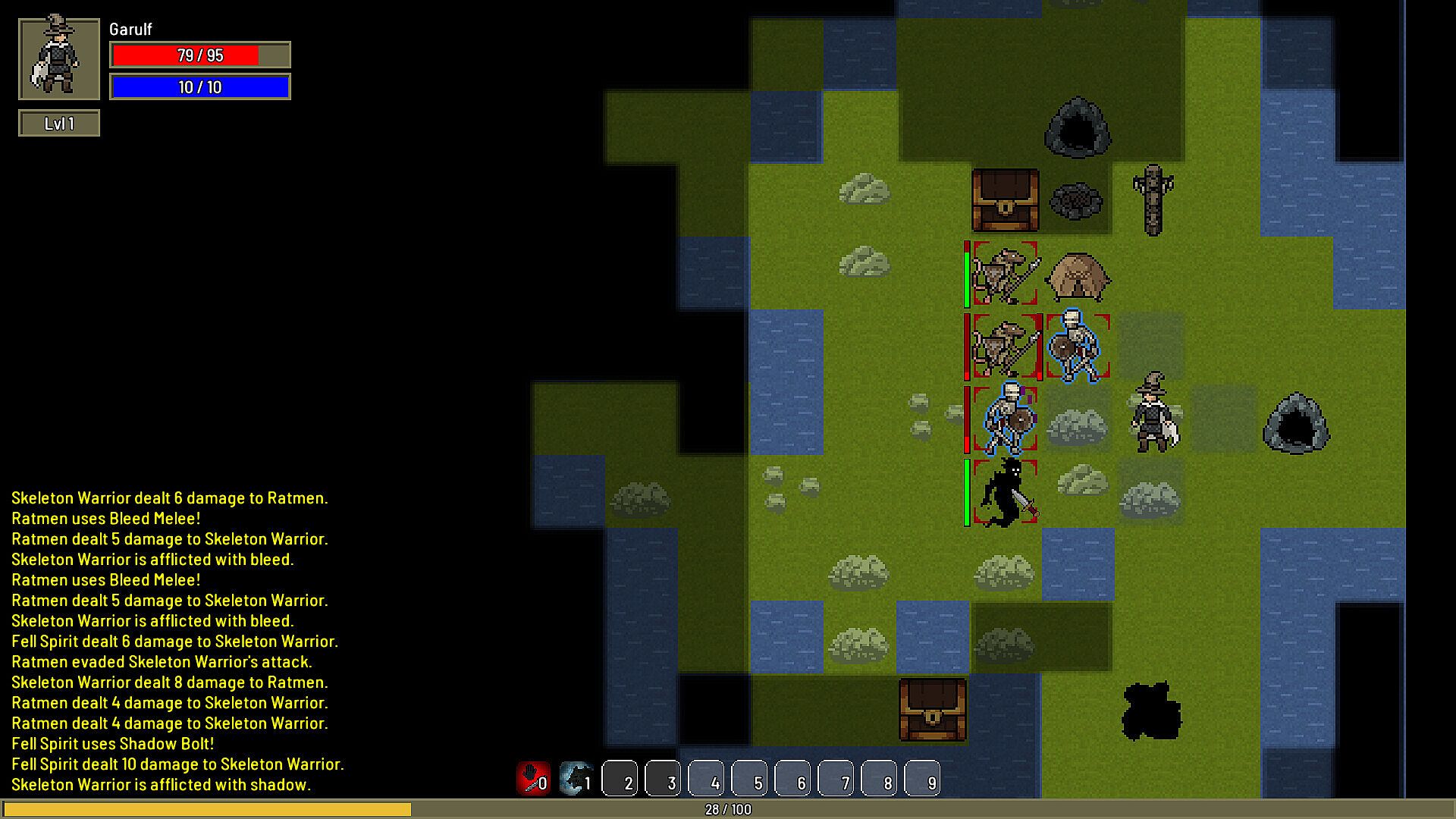
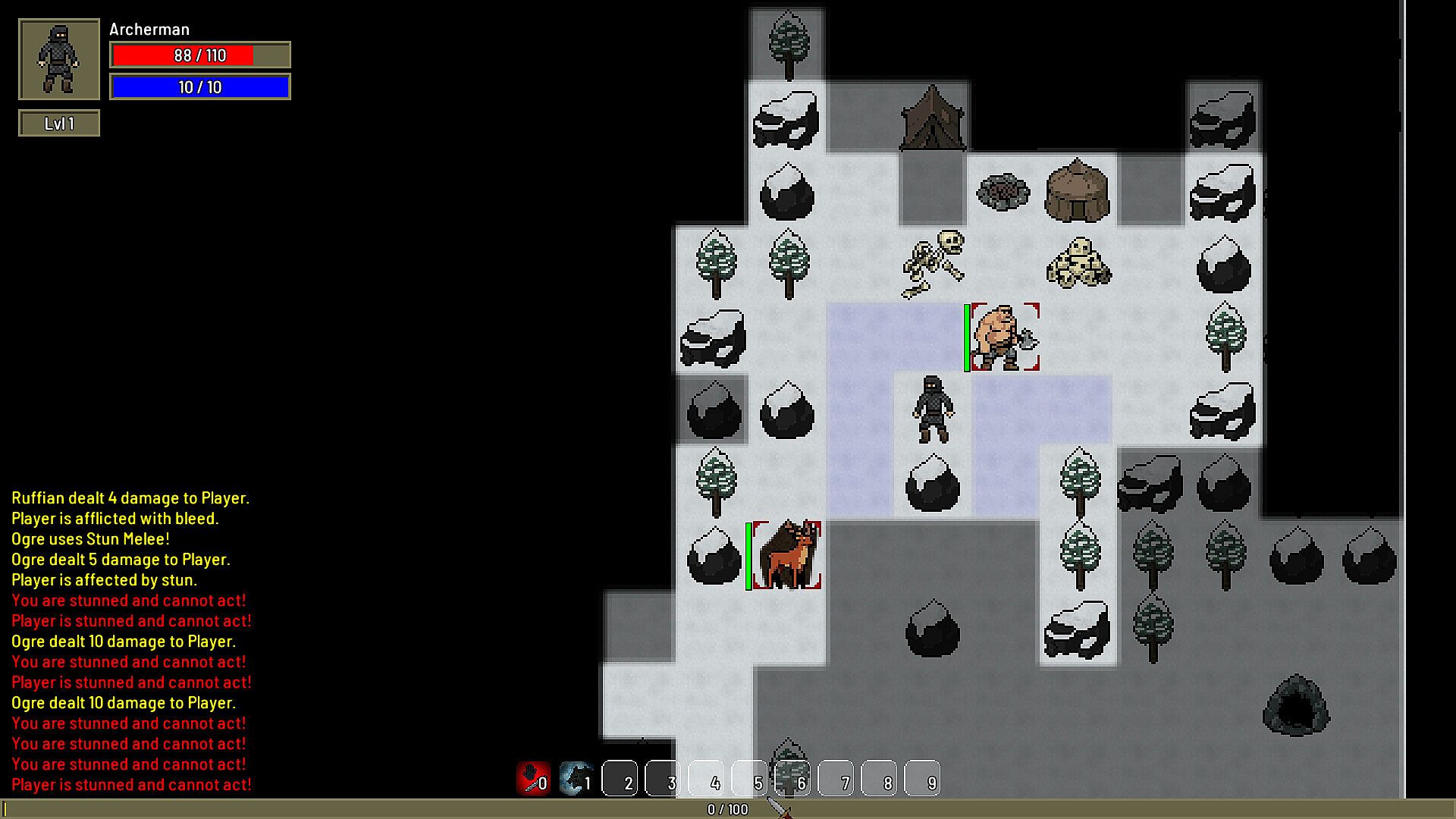
Turn-based combat emphasizes positioning and ability sequencing. Encounters with over sixty mobs and twenty unique bosses test how well a build handles specific strengths and weaknesses. Procedural generation ensures each run presents fresh layouts and challenges while maintaining the core systems of class mixing and item synergy.
Game Modes
Legacybound operates as a single-player experience built around repeated runs in its procedurally generated world. The primary structure involves selecting a class, assembling a build through items and tomes, and progressing through biomes while completing quests and facing bosses.
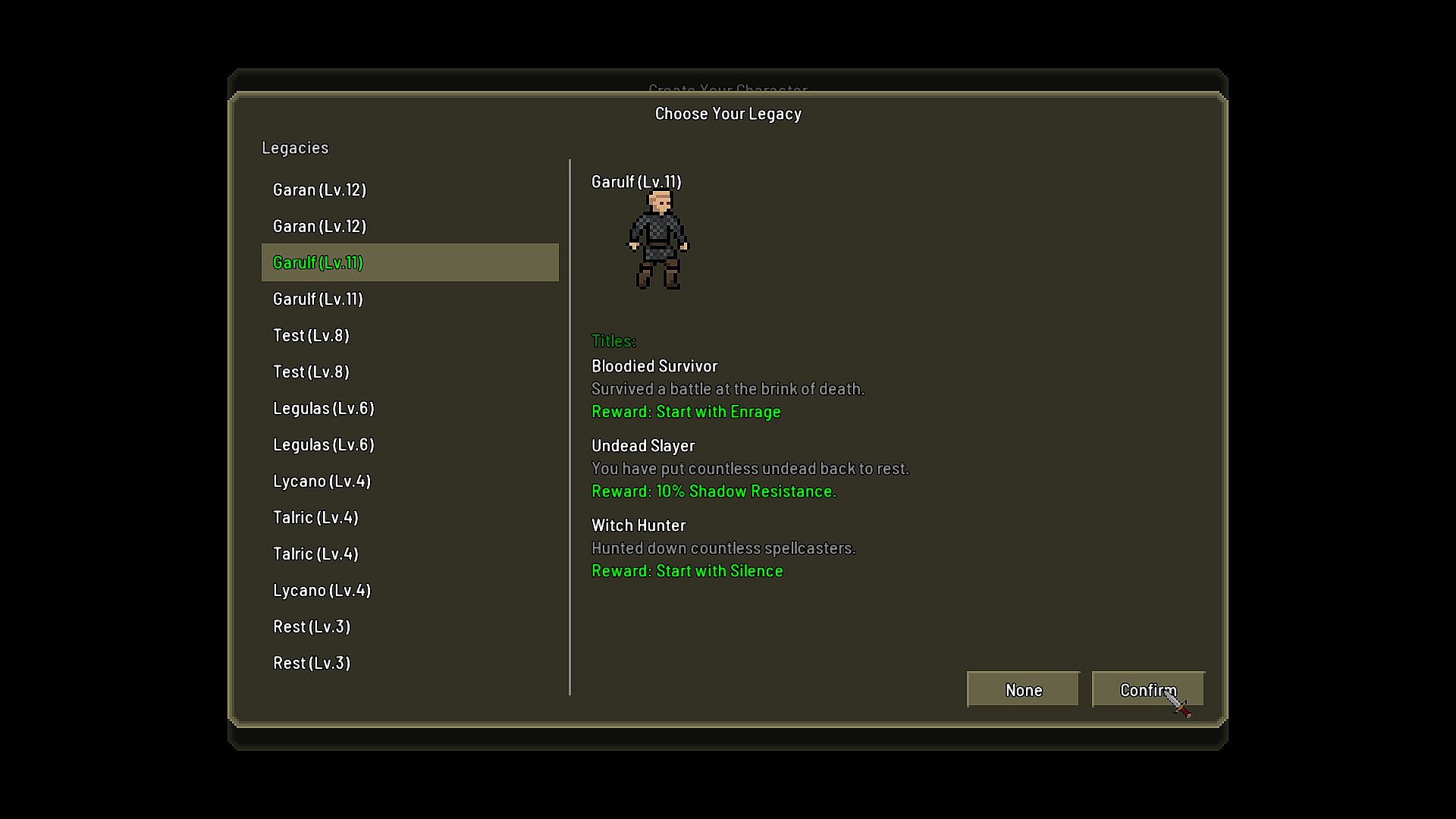
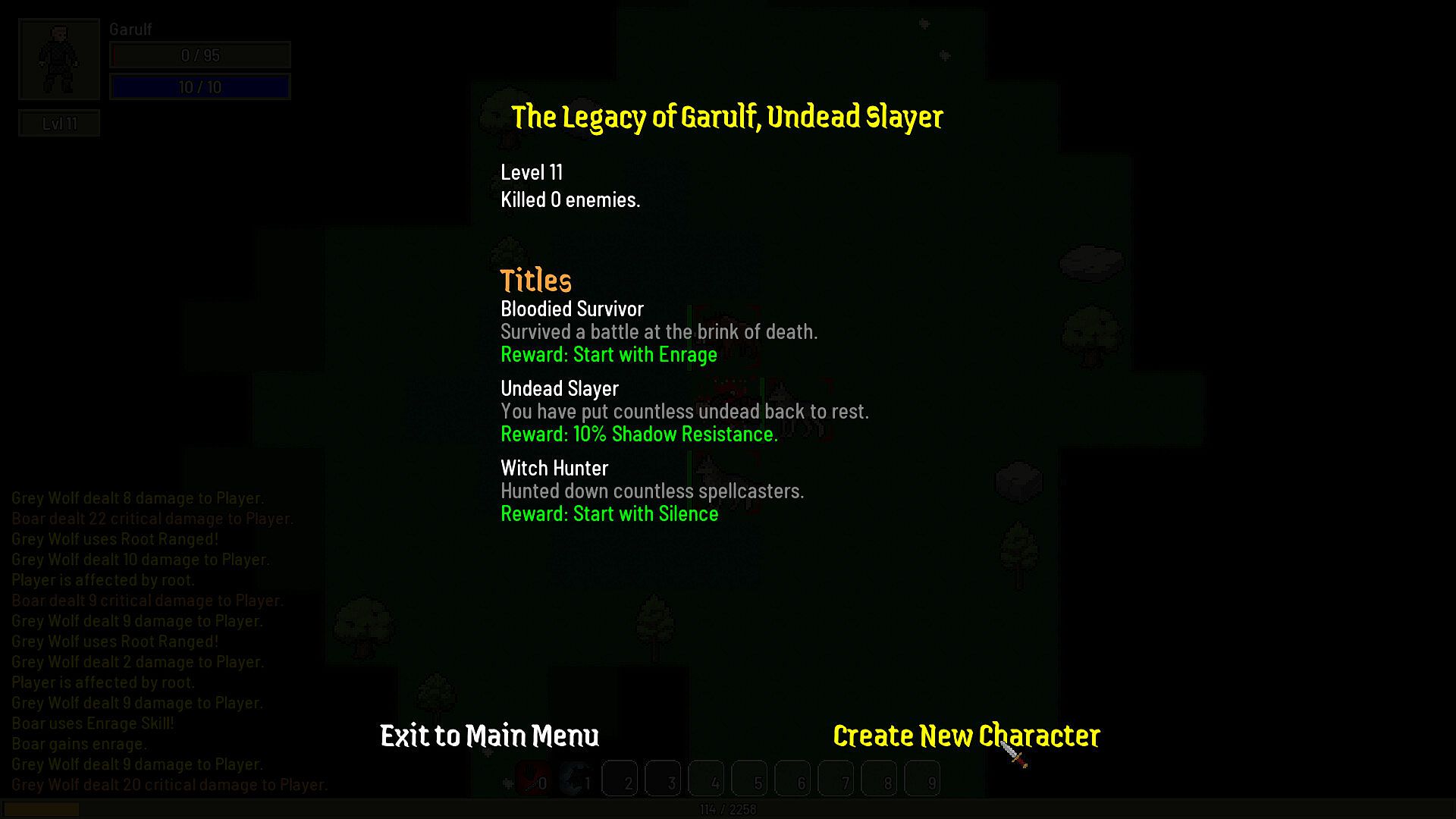
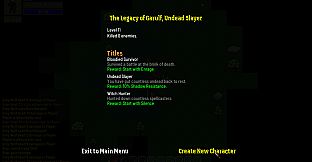
The legacy system integrates directly into this loop. When a hero falls, achievements, discoveries, and accomplishments transfer to future characters, allowing incremental shaping of new adventures based on prior successes and failures. This creates a progression layer where each attempt builds upon the last without resetting all progress.
Exploration remains consistent across runs, with hidden locations and valuable rewards rewarding careful play. No separate competitive or cooperative modes appear in the design; the focus stays on individual hero journeys and the cumulative effects of the legacy mechanic.
Build Variety and Progression
Deep customization arises from the ability to merge classes, perks, and item modifiers into unique configurations. Examples include lifestealing werewolf setups or invisible thieves that layer elemental damage. Runes add another layer by specializing damage output or defensive capabilities, supporting experimentation without rigid class locks after initial selection.
Progression ties into both immediate run success and the legacy carryover. Discoveries made during life influence what future heroes inherit, encouraging players to pursue varied paths such as thorough biome coverage or targeted boss defeats. The sixty-plus mobs and twenty bosses each carry distinct mechanics that reward tailored builds over generic approaches.
Is It Worth Playing?
Legacybound suits players who enjoy roguelike structure combined with turn-based tactical combat and build experimentation. The legacy system provides meaningful carryover between runs, turning repeated attempts into a cohesive long-term experience rather than isolated failures.
Those drawn to procedural worlds with distinct biomes, extensive itemization, and class mixing will find the systems align closely with traditional roguelike expectations. The single-player focus and emphasis on careful decision-making in combat make it a fit for deliberate playstyles over fast-paced action.
Availability on PC supports the detailed item and class interactions described. Potential players should consider their preference for legacy-driven progression and turn-based encounters when deciding if the game matches their interests.