











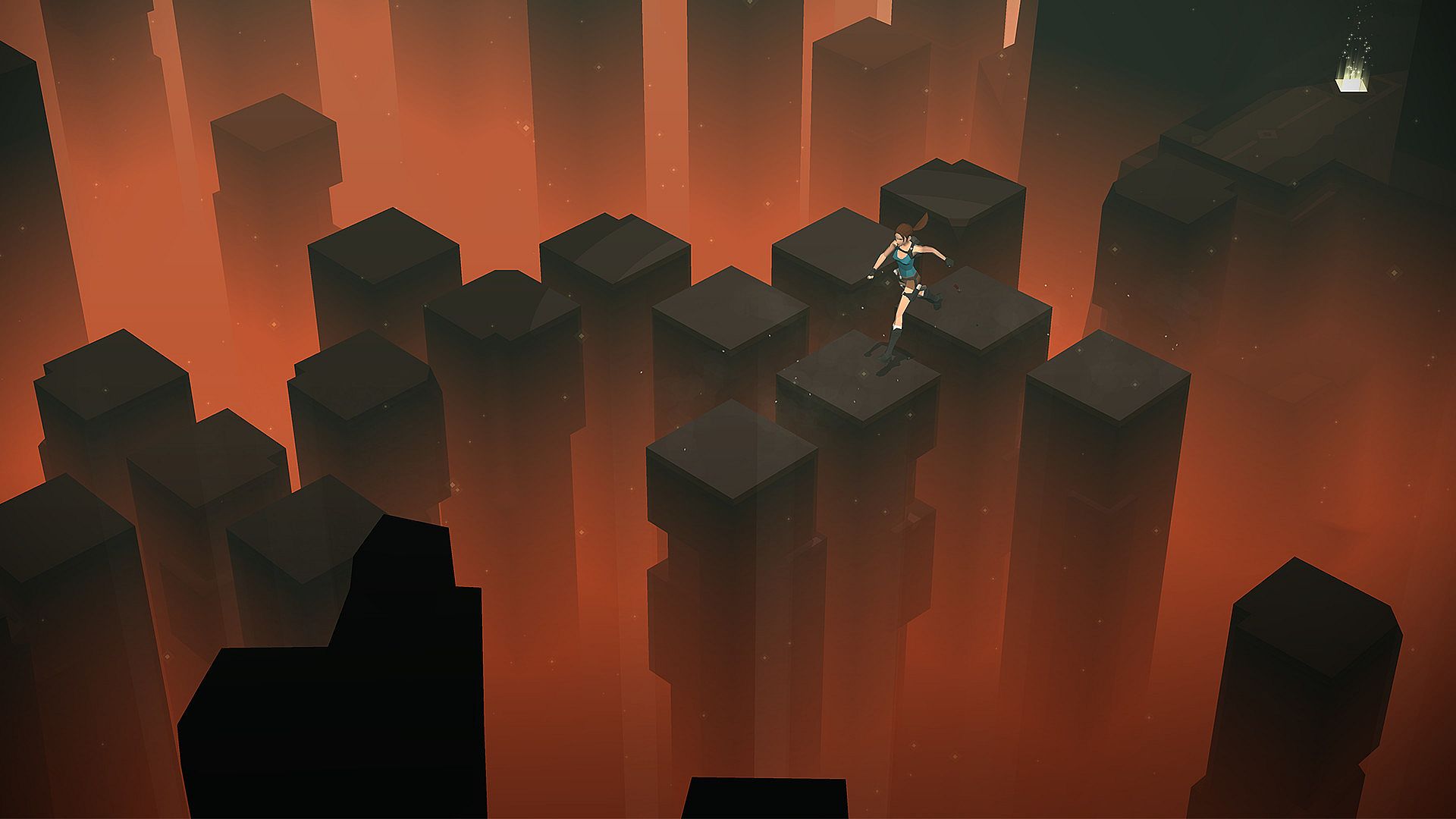
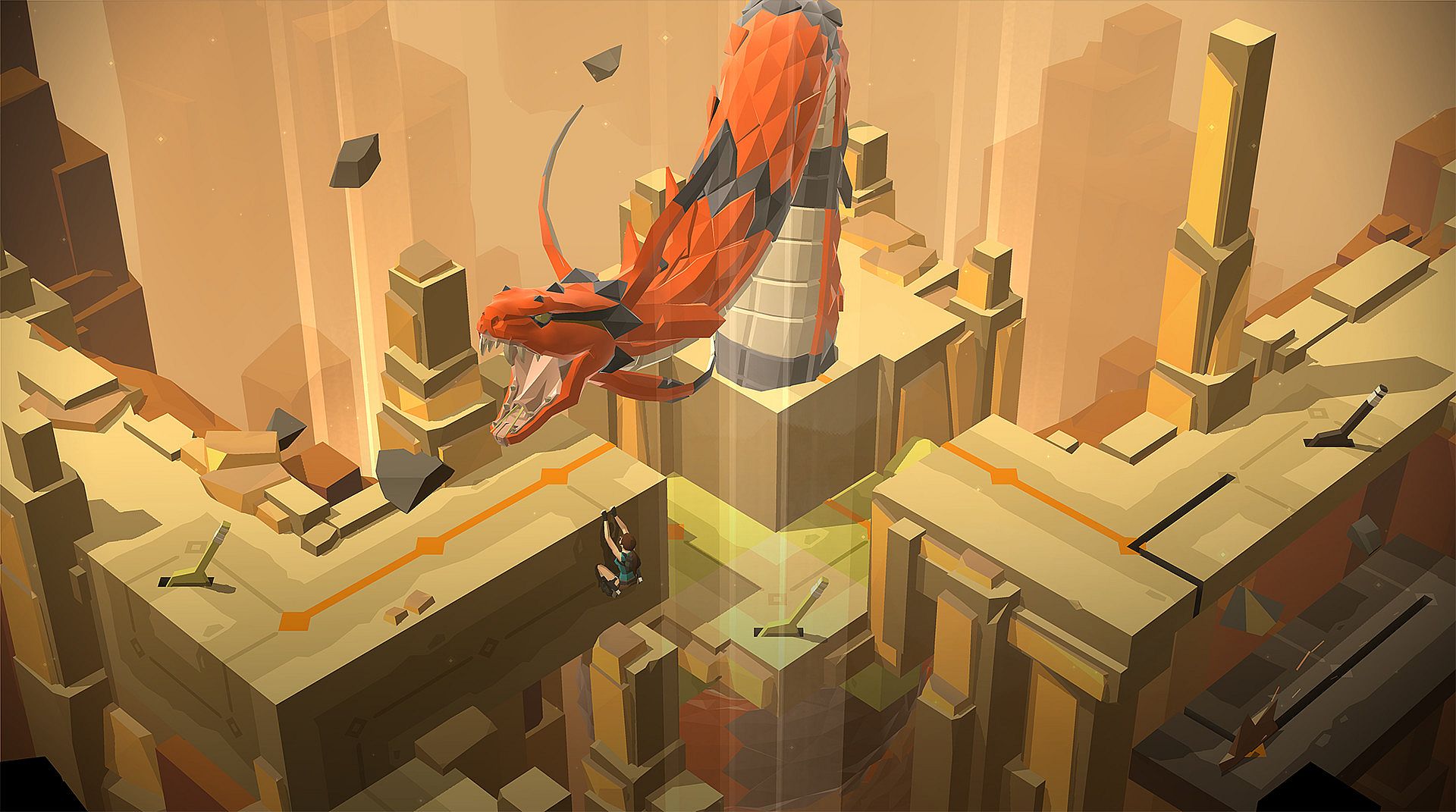
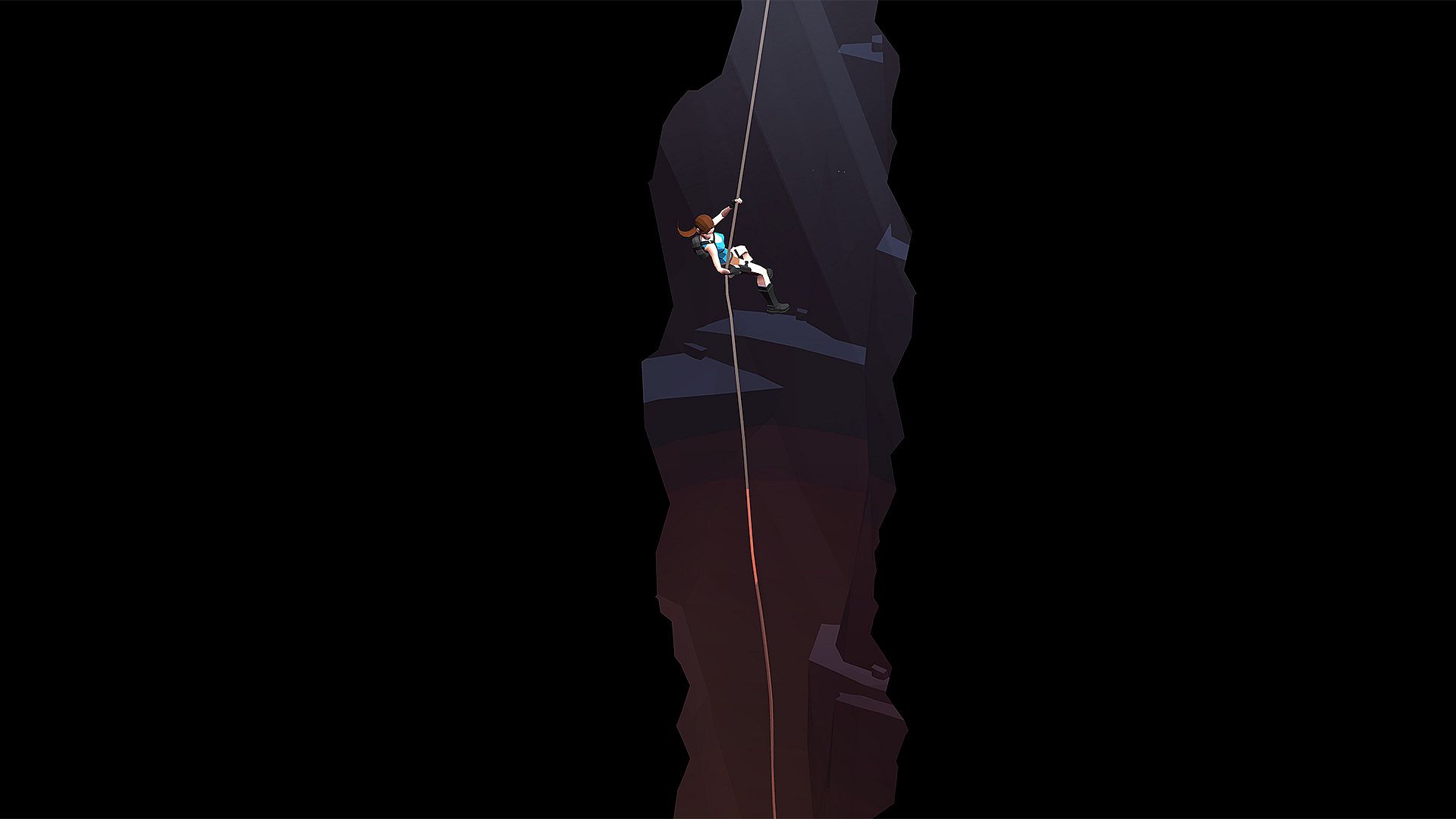
Lara Croft GO is a turn-based puzzle adventure game set in the Tomb Raider universe. Players guide Lara through the ruins of an ancient civilization as she seeks to uncover the secrets surrounding the Queen of Venom. The experience focuses on deliberate movement across interconnected grids where each action requires careful planning to navigate hazards and reach level exits.
Gameplay
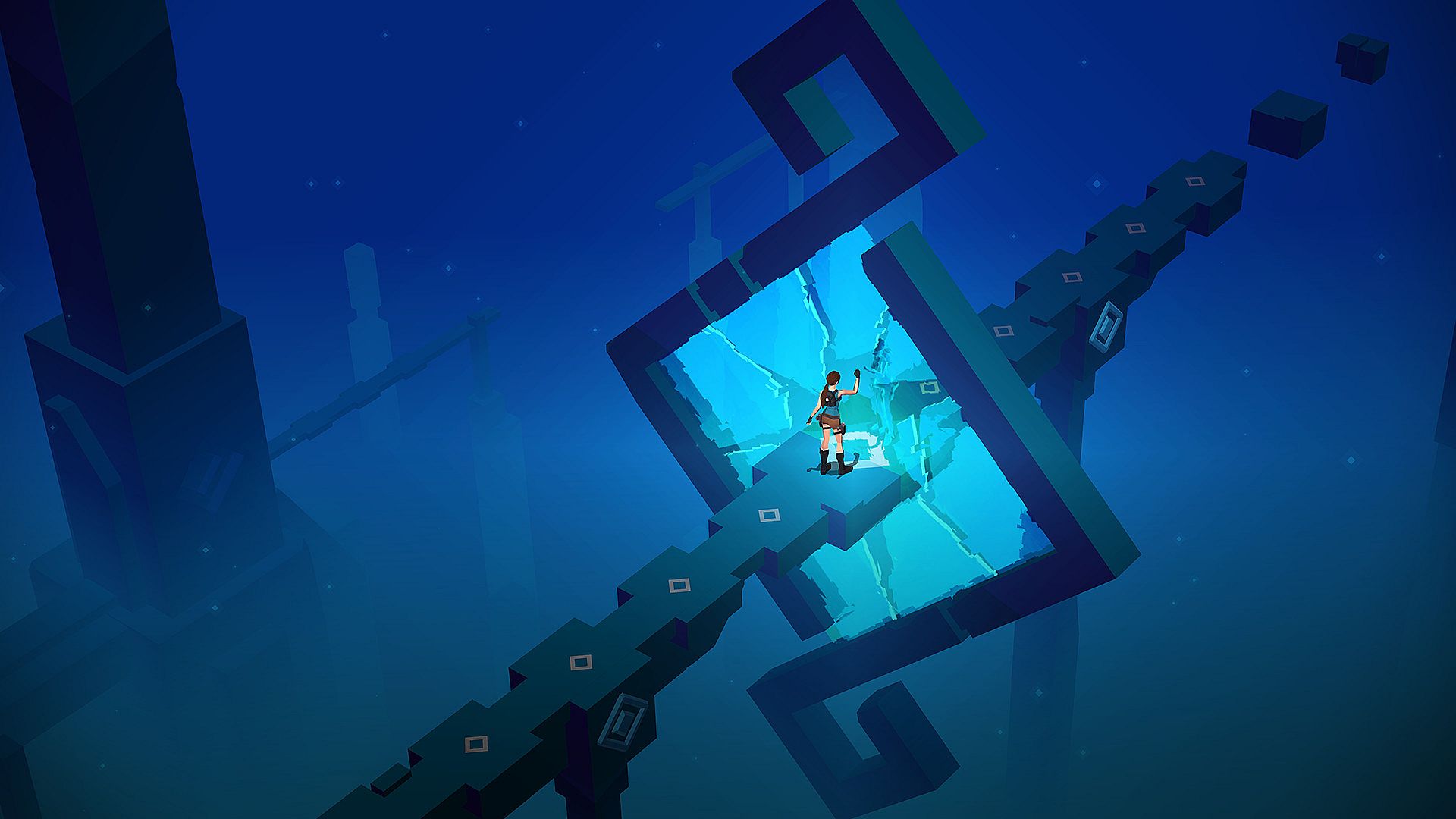
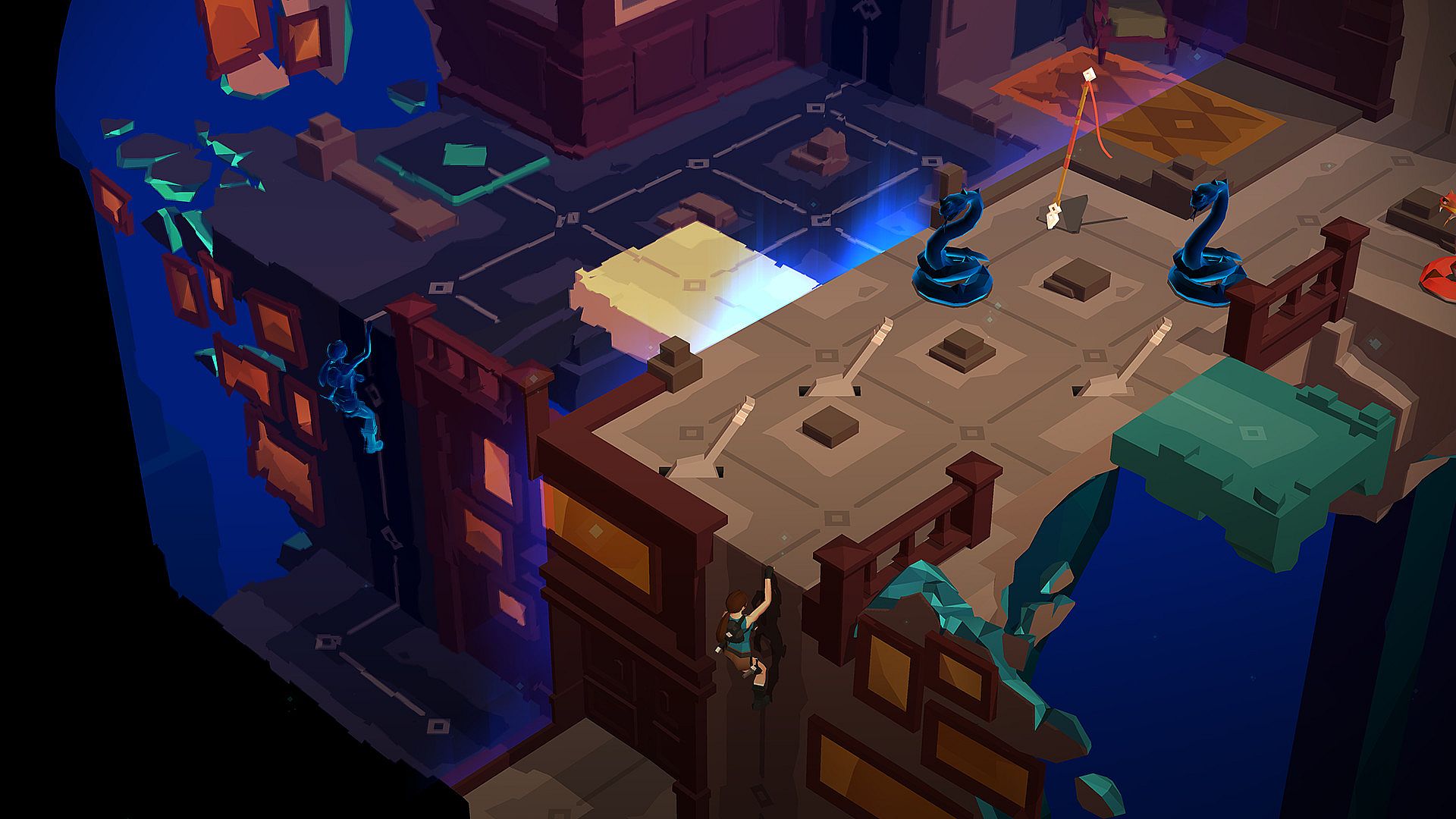
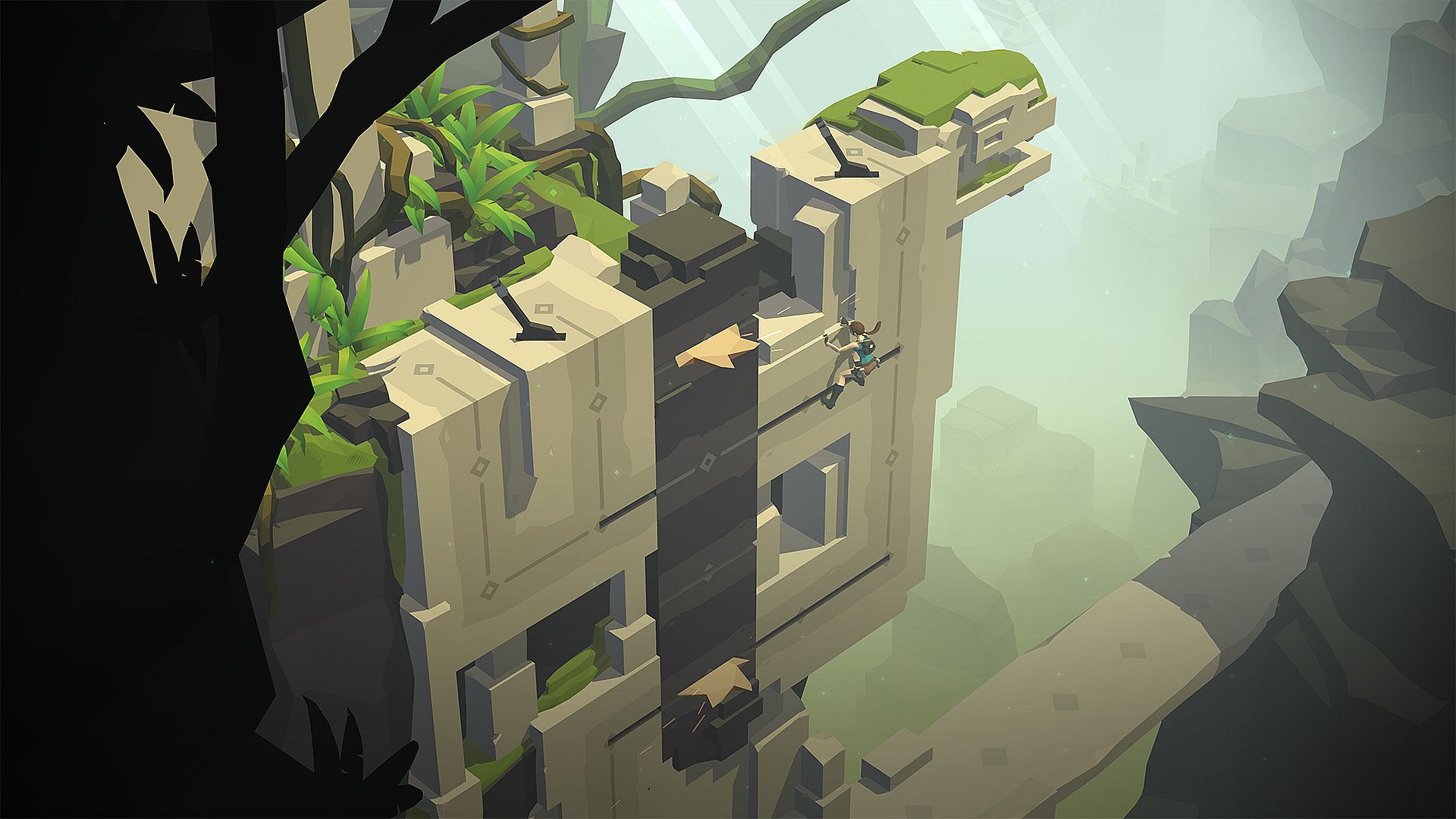
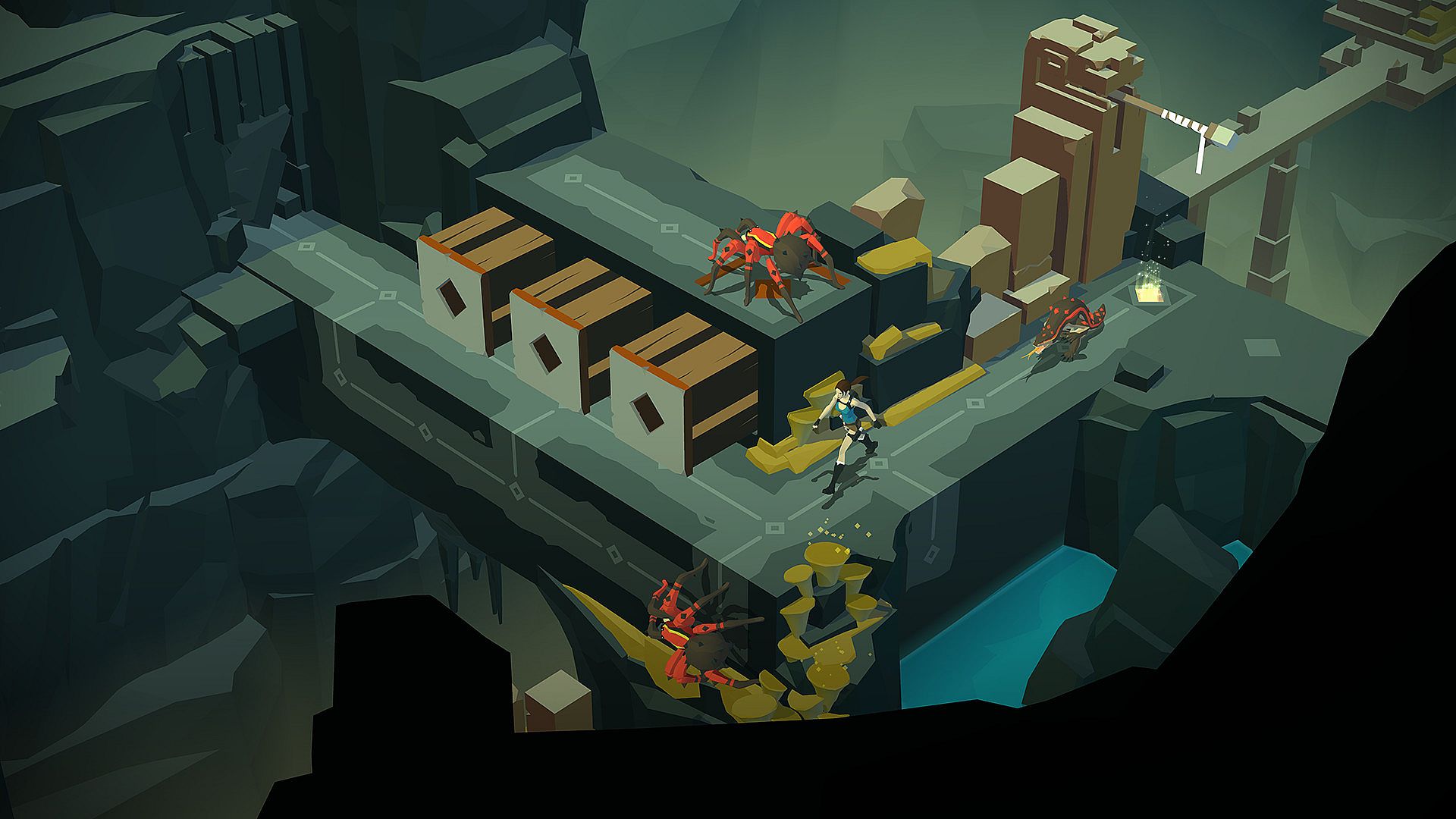
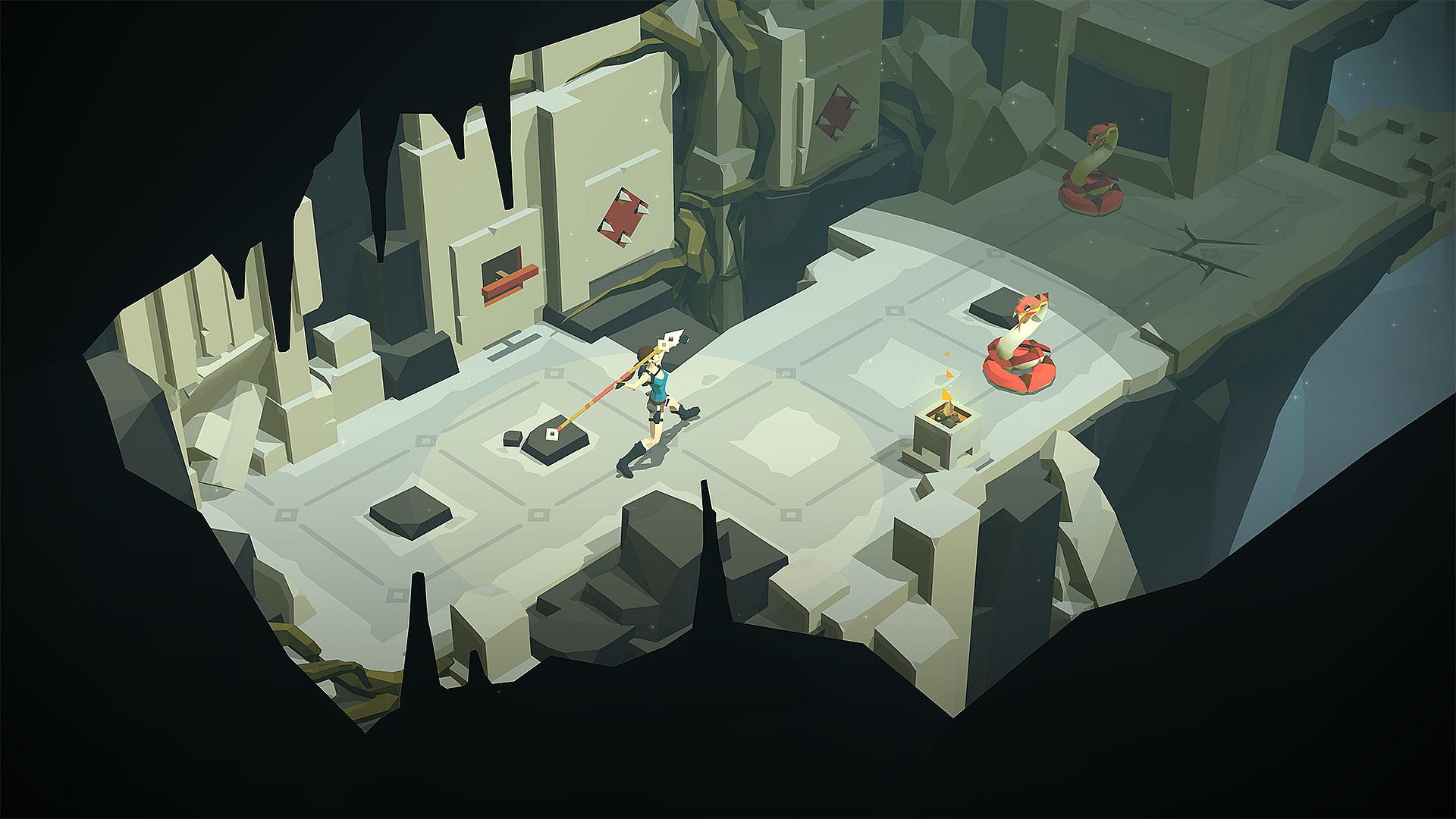
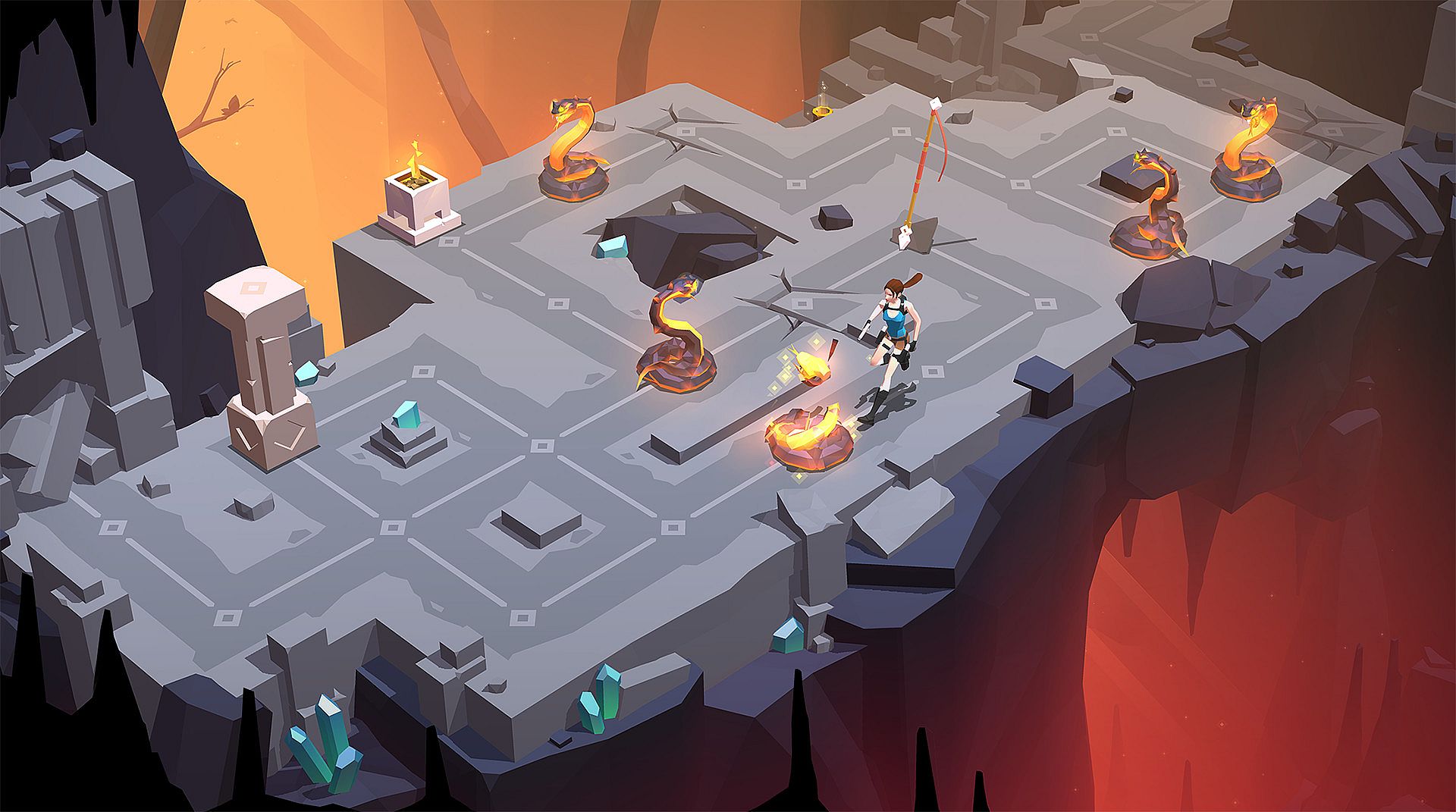
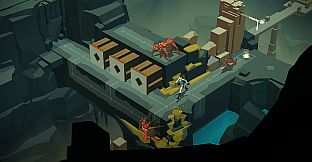
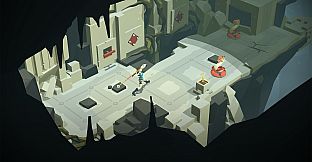
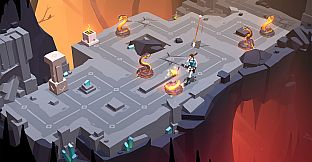
The core loop centers on moving Lara one node at a time along lines that form the level layout. Enemies such as snakes and patrolling sentries move on their own turns, forcing players to time steps precisely to avoid contact. Traps include crumbling floors, rolling boulders, saw blades, and pressure switches that alter the environment when activated. Levers and movable blocks add layers of interaction, requiring players to manipulate objects in sequence to clear paths or create safe routes.
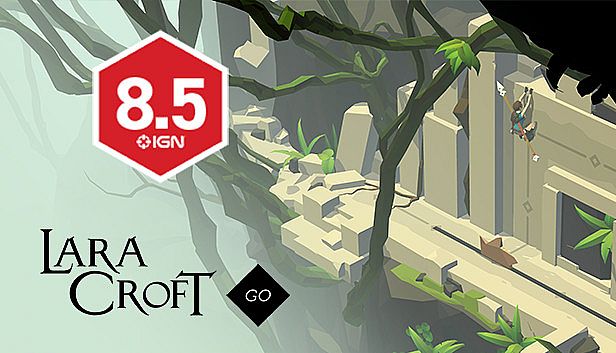
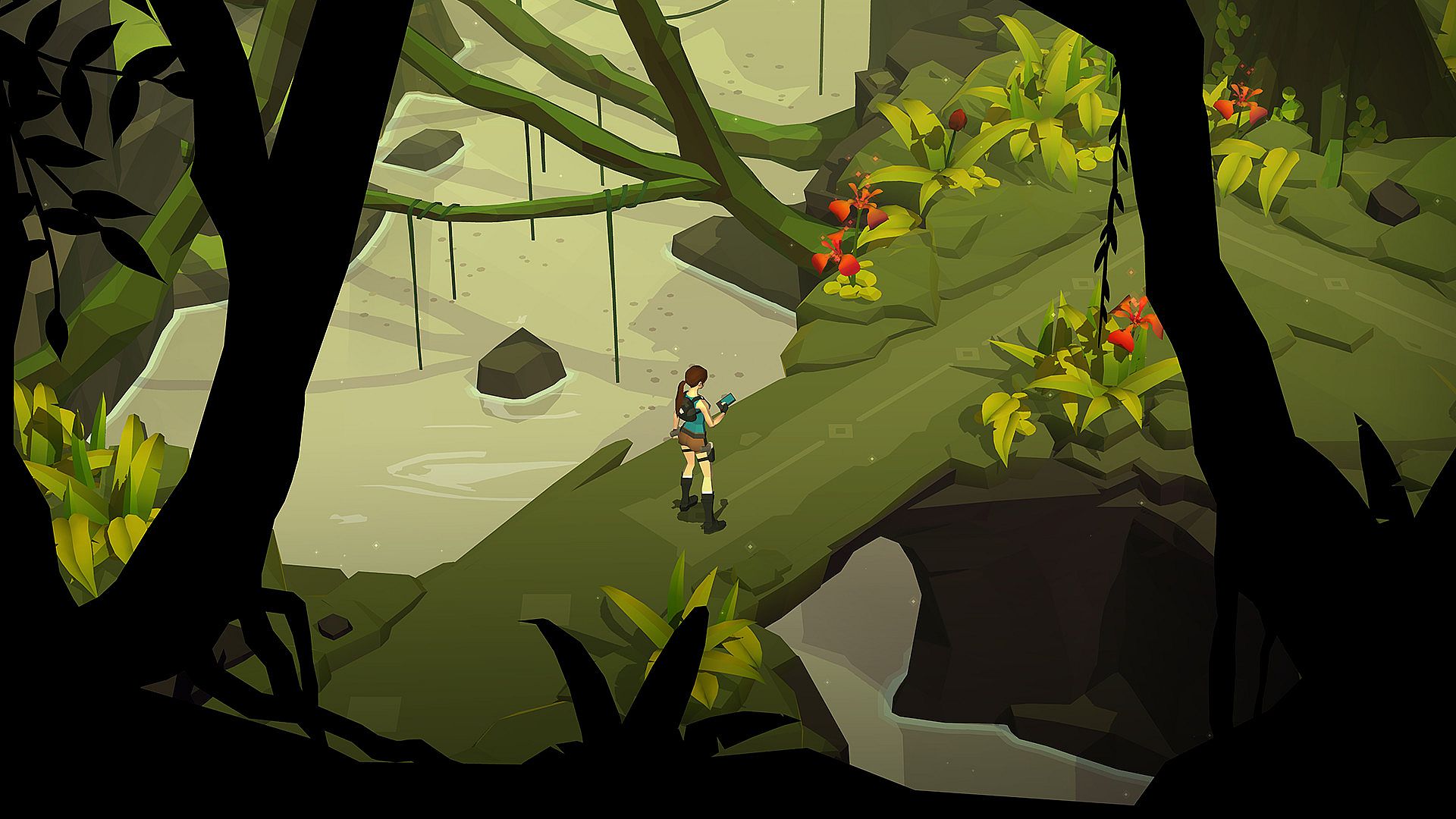
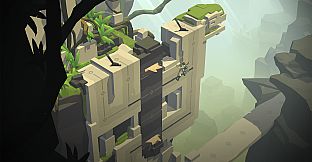
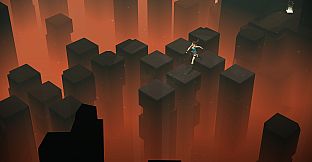
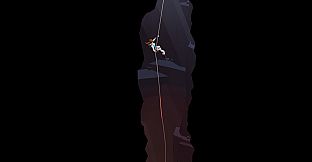
Progression introduces new mechanics gradually across chapters, blending familiar elements like boulder chases and reaction-based obstacles into the turn-based format. Levels emphasize observation and foresight rather than speed, with puzzles growing more intricate as combinations of threats appear together. Visuals present detailed isometric environments that highlight the forgotten temples and jungle settings, while the soundtrack supports the deliberate pace without distraction.
Game Modes
The game operates entirely in single-player mode with a linear campaign structure. Players advance through a series of puzzle levels divided into chapters that build on previous challenges. Each level has a clear objective of reaching the glowing exit square while collecting optional relics along the way. There are no separate competitive or cooperative modes, keeping the focus on solo puzzle solving from start to finish.
Difficulty scales naturally through the addition of overlapping mechanics rather than artificial timers or restrictions. Some levels allow for multiple solution paths, rewarding experimentation with different movement orders to bypass obstacles efficiently.
Story and Setting
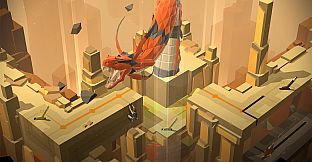
Lara explores an underground temple complex in a remote jungle, searching for an artifact known as the Atlas of Beyond. The narrative unfolds through environmental storytelling and level design rather than dialogue or cutscenes. Encounters with the Queen of Venom serve as the central threat, tying individual puzzles into a larger mystery about the ancient civilization that once thrived there.
The setting draws directly from Tomb Raider motifs but adapts them to a static board-game presentation. Secrets hidden within the ruins encourage thorough exploration of each grid before moving to the next chapter.
Is It Worth Playing?
Player feedback highlights the game's polished puzzle design and satisfying challenge curve for those who appreciate methodical problem solving. Reviews consistently note its appeal as a compact experience that delivers thoughtful gameplay without unnecessary complexity. The single-player focus makes it suitable for short sessions or extended playthroughs depending on individual pace.
Reception remains positive years after release, with the majority of user reviews describing it as engaging and well-crafted for puzzle enthusiasts. It suits players who enjoy grid-based strategy titles and do not require multiplayer features or frequent content updates. Those seeking fast action or open-world exploration may find the deliberate turn-based structure less fitting, while fans of the Tomb Raider series often appreciate the distilled mechanics presented here.