


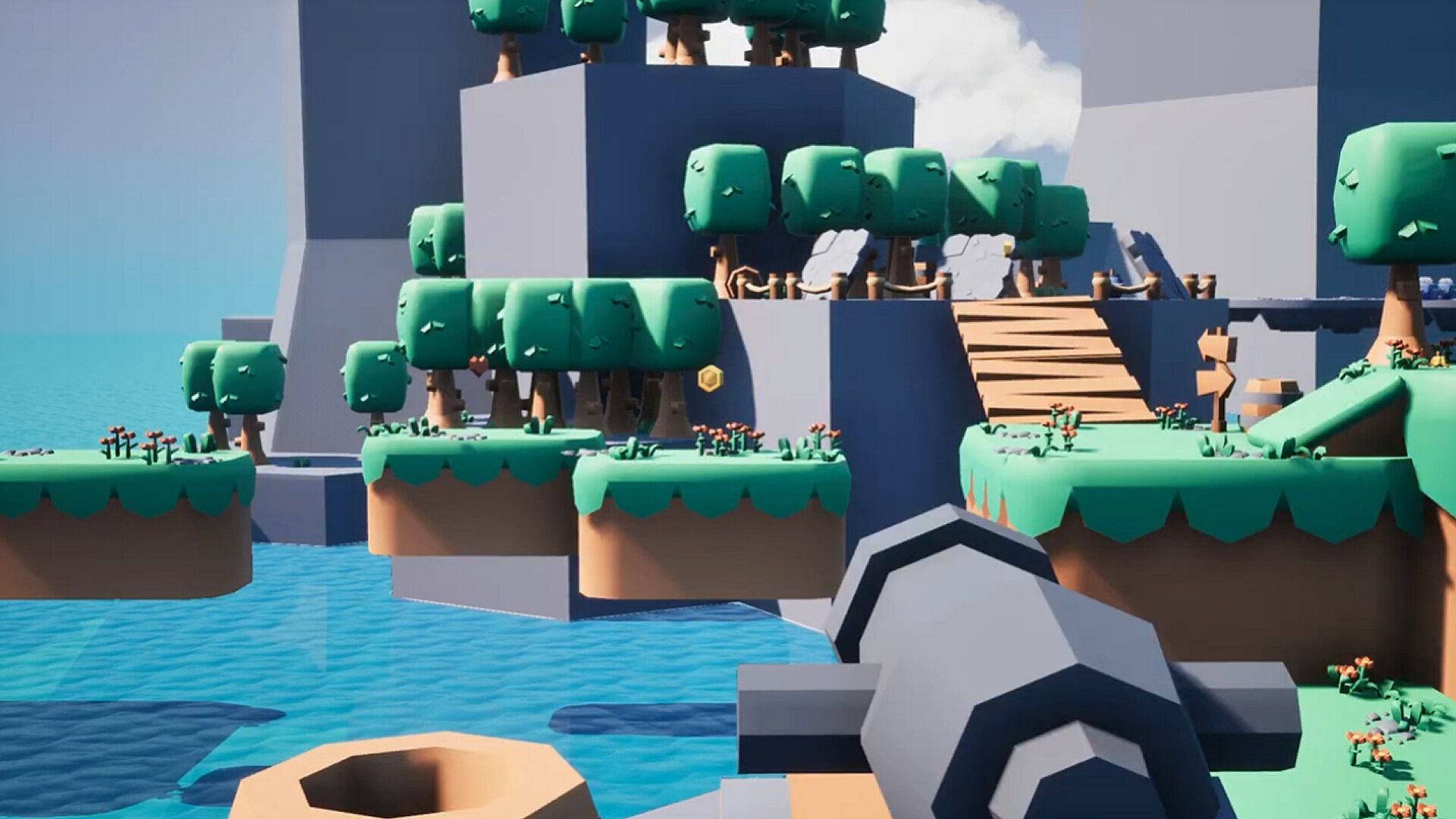
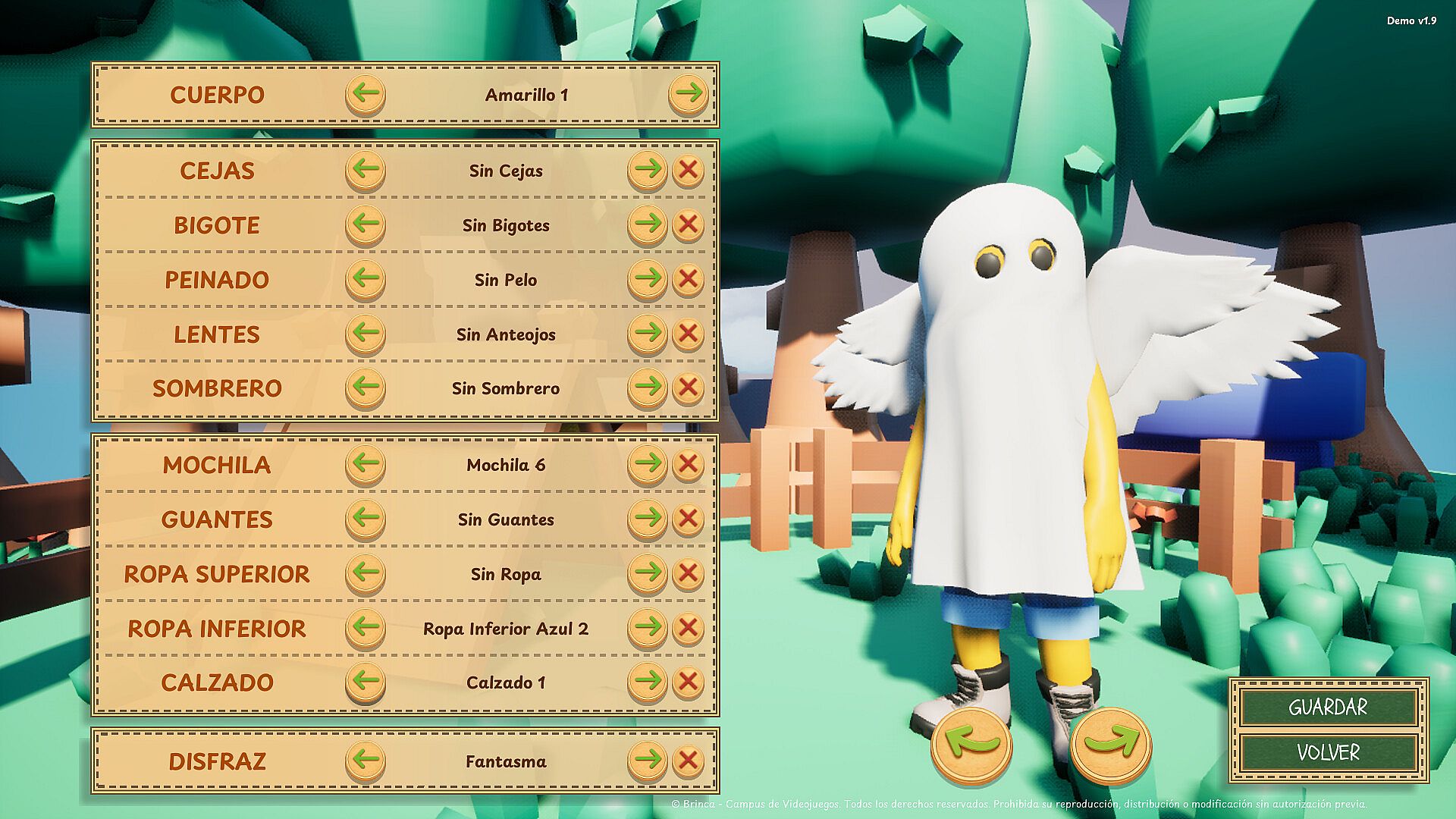
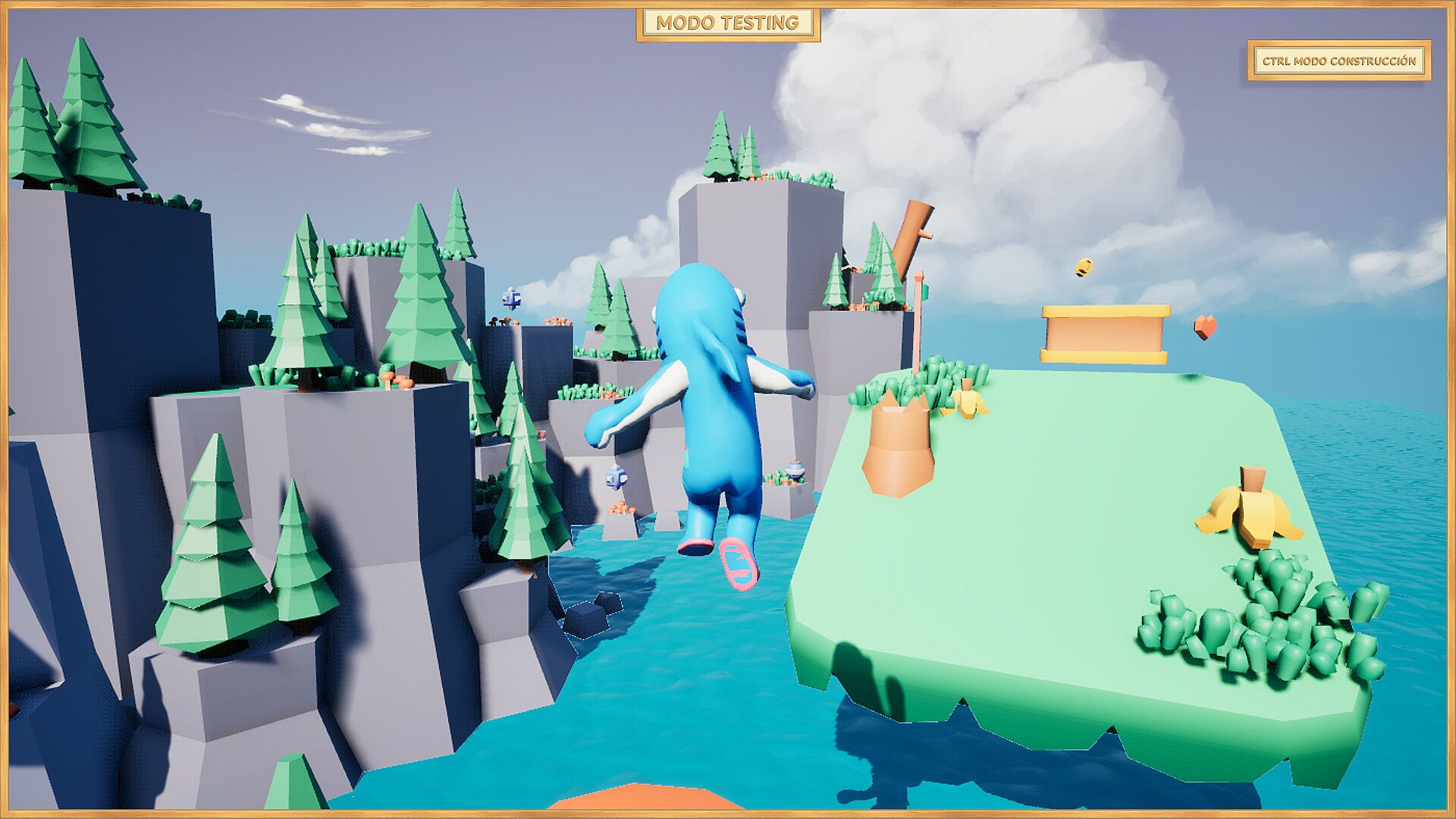
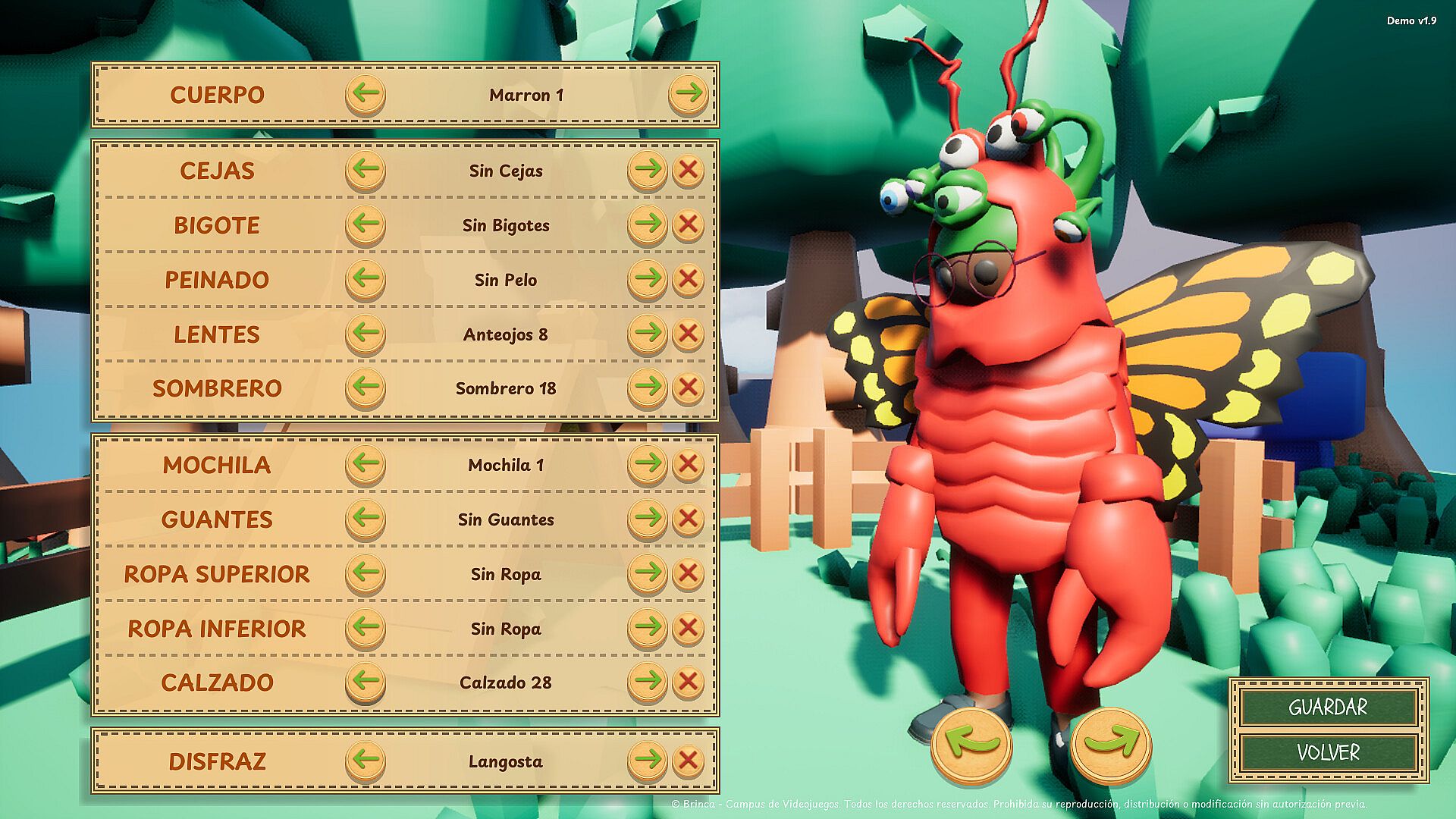
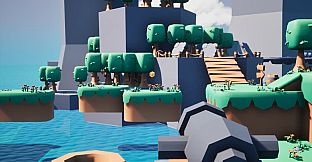
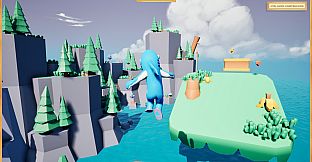
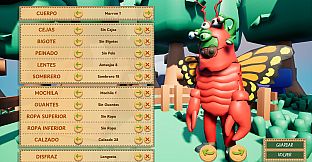
Laboratorio de Videojuegos stands out as a 3D platformer adventure game developed for PC that blends traditional level navigation with hands-on design tools. Players move through environments built around platforms, obstacles, traps, and layered challenges while gaining insight into what makes jumps satisfying or levels memorable. The experience centers on a cycle of testing skills, experimenting with mechanics, and refining personal creations without requiring any coding background.
Gameplay
The core loop revolves around navigating three-dimensional spaces filled with precise platforming demands. Players encounter sequences of jumps, moving elements, and environmental hazards that test timing and spatial awareness. Hidden elements scattered throughout levels reward careful exploration, while escalating difficulty encourages repeated attempts to master routes and uncover optimal paths. Sessions focus on personal improvement through repeated play, where each run builds familiarity with the physics and object interactions that define the platforming feel.
Mechanics emphasize intuitive controls and responsive movement suited to both casual sessions and dedicated practice. Levels incorporate a mix of straightforward navigation and intricate setups that highlight how small design choices affect challenge and flow. The absence of external programming barriers keeps attention on spatial reasoning and creative problem solving during both play and construction phases.
Game Modes
Multiple approaches to level completion allow players to engage at different paces. Standard runs prioritize reaching the end while collecting optional items or achieving faster completion times. Exploration modes encourage thorough searches for concealed areas and alternative routes that reveal additional layers of each stage. Challenge variants introduce stricter conditions or modified rules that increase complexity without altering the fundamental platforming foundation.
These variations support steady progression from introductory layouts to densely packed sequences that demand greater precision. Community-shared content expands available options, letting players sample diverse styles created by others while contributing their own designs for collective feedback and ranking.
Level Creation Tools
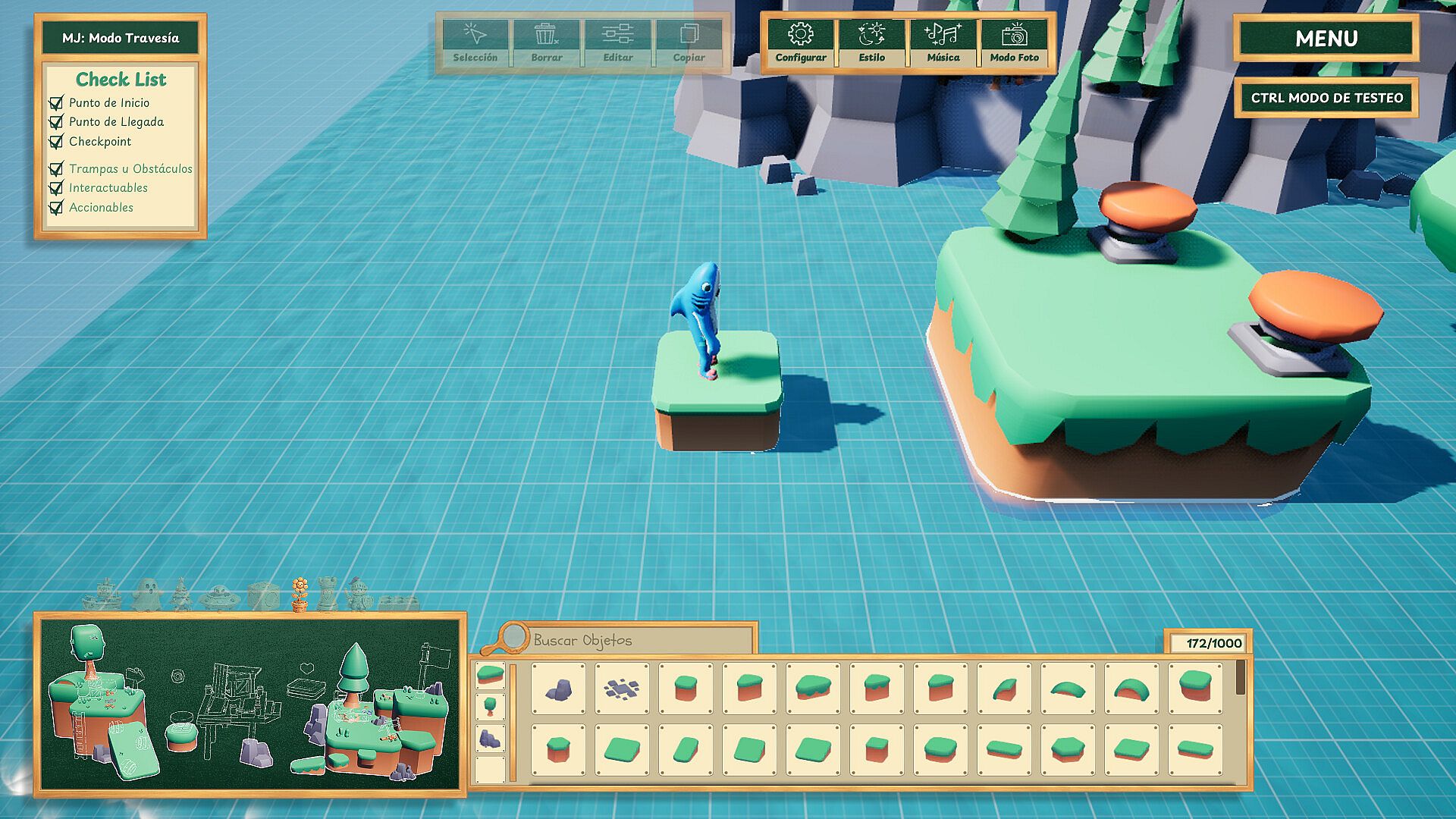
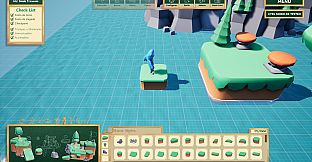
An integrated visual editor provides direct access to building custom stages using modular pieces such as platforms, enemies, traps, and interactive elements. Arrangement happens through straightforward placement and adjustment rather than technical scripting, enabling rapid iteration on ideas. The toolkit supports experimentation with spacing, timing, and combinations that influence player movement and decision making.
Creators test their work immediately within the same environment used for official levels, closing the gap between design and playtesting. This seamless transition helps refine elements like jump distances or hazard placement based on firsthand experience, fostering an understanding of how individual components contribute to overall engagement.
Community Sharing and Discovery
Published levels become available for others to download and attempt, creating an ongoing supply of fresh content. Ratings and feedback systems highlight standout creations while allowing creators to gauge reception and iterate further. The exchange encourages exposure to varied design philosophies and mechanics that might not appear in preset stages.
Players benefit from this cycle by accessing an expanding library without waiting for official additions. Competition through leaderboards and community appreciation adds motivation to both play and build, sustaining long-term involvement through constant variety.
Is It Worth Playing?
The game targets platformer fans who enjoy precise navigation alongside anyone interested in the process behind level design. Its single-player focus and built-in editor make it suitable for solo experimentation or gradual skill building at an individual pace. With a planned release in Q4 2026 and no user reviews available yet, the title remains in a pre-launch state where interest centers on its described features rather than established performance data.
Those drawn to creative toolsets paired with playable results will find alignment with the core offering of learning design principles through direct application. The combination of exploration, timed challenges, and community exchange provides a self-contained loop that rewards both completion and invention without external dependencies.