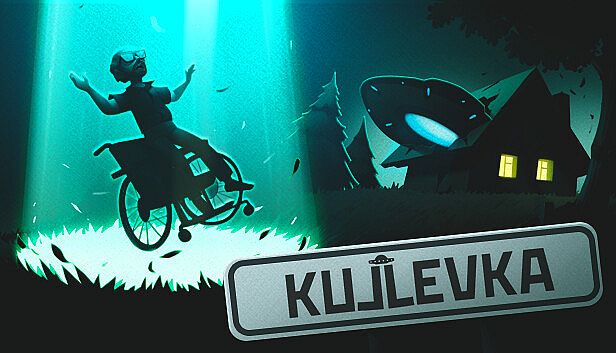















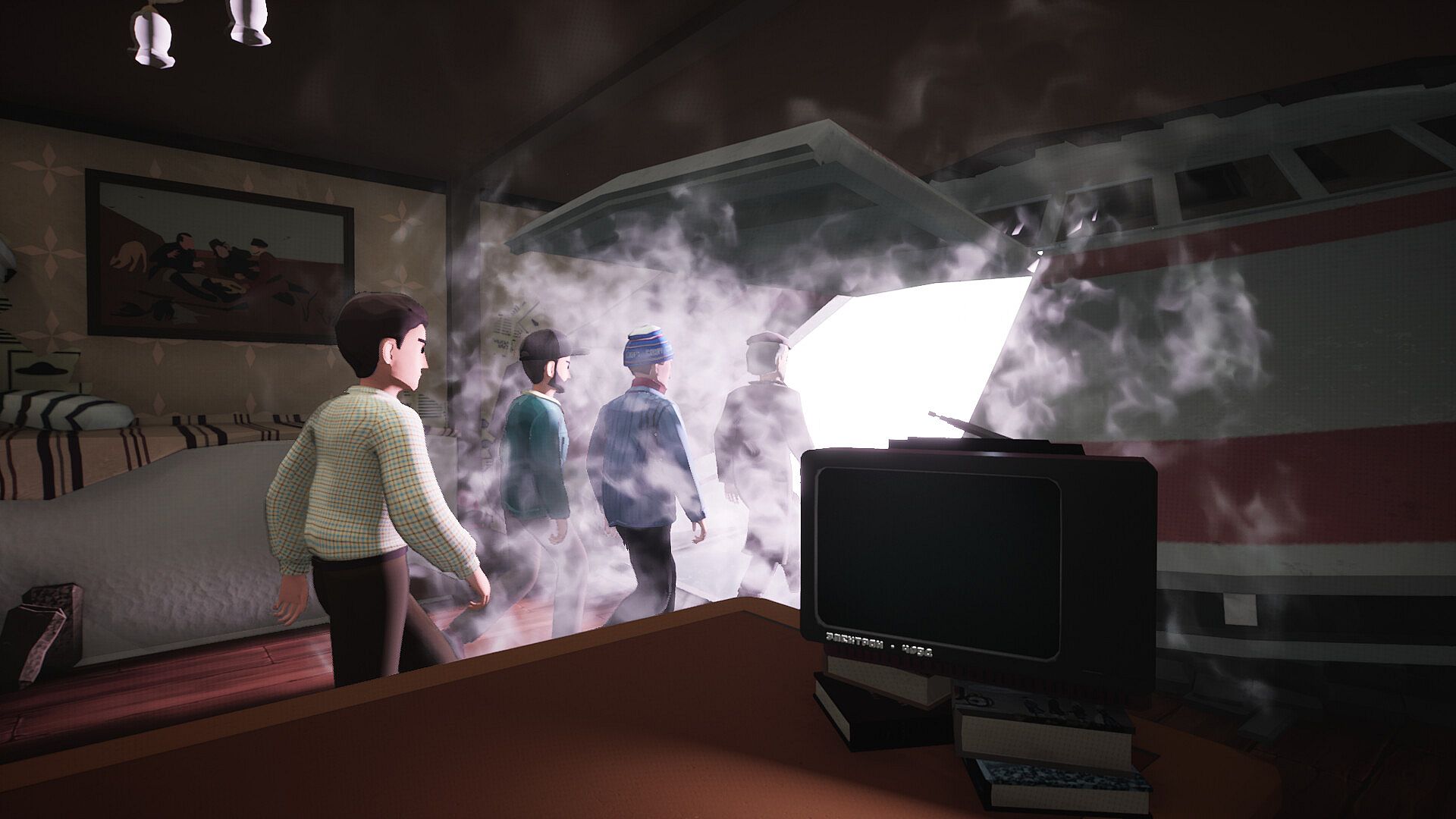
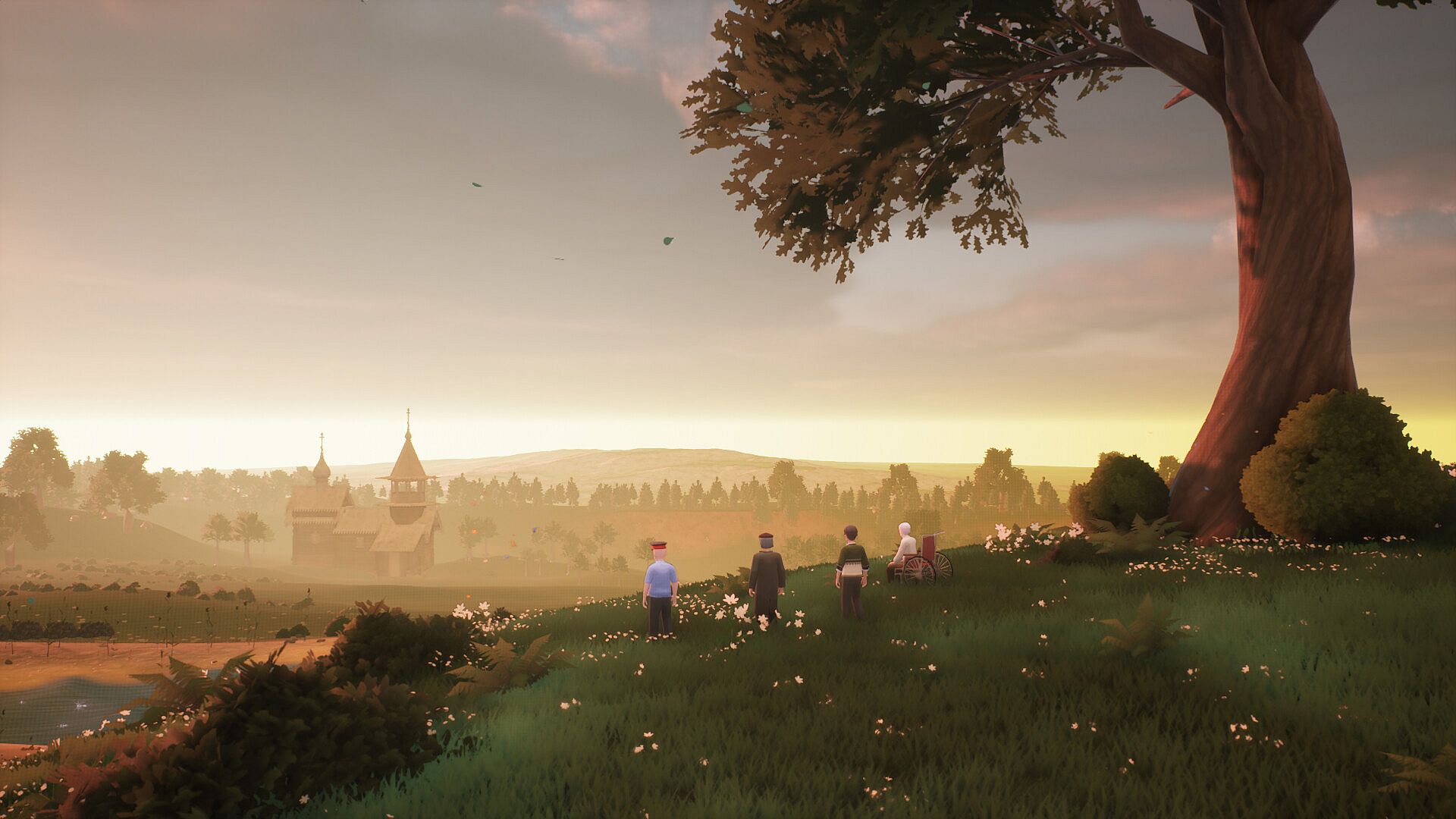
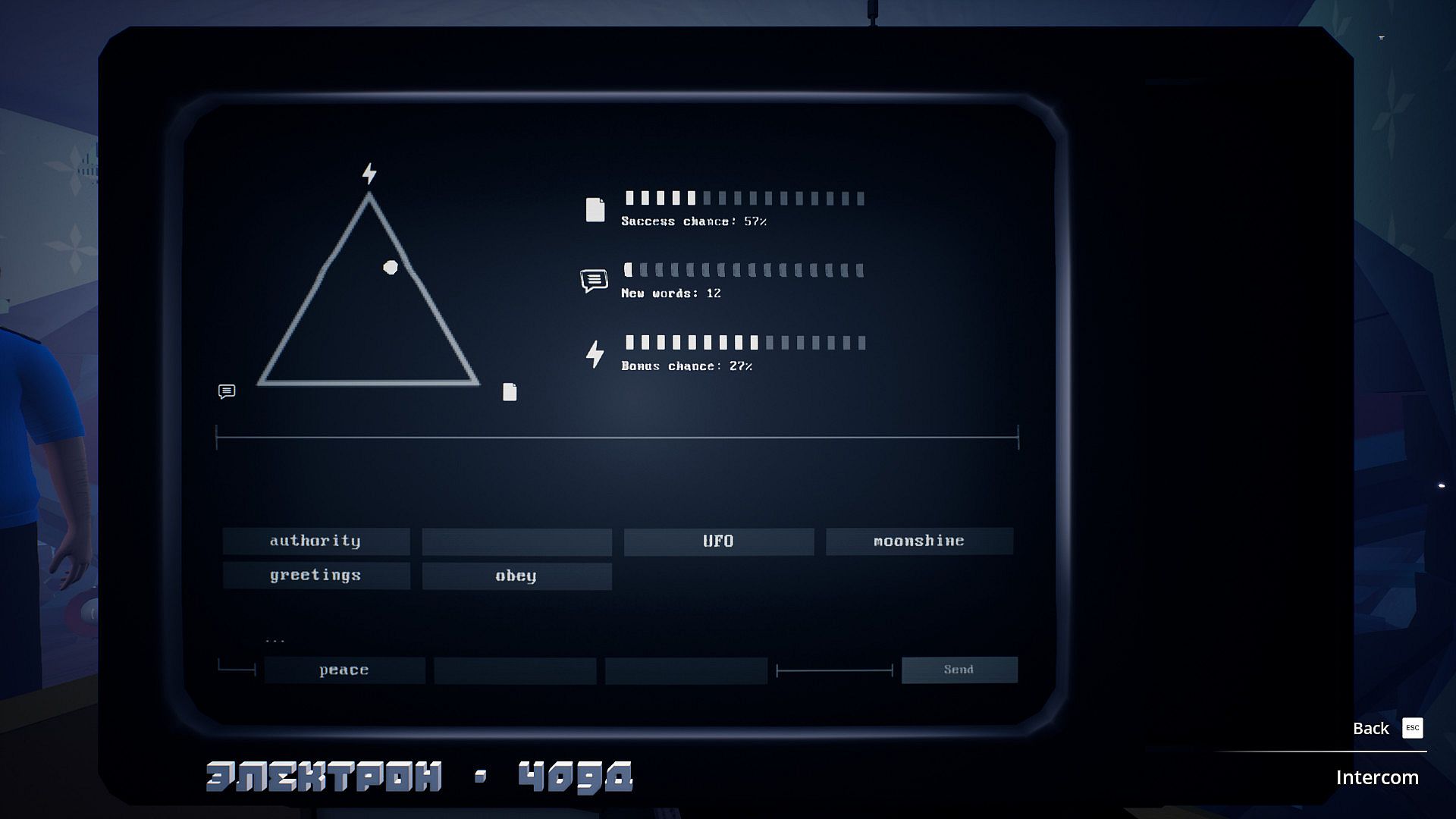
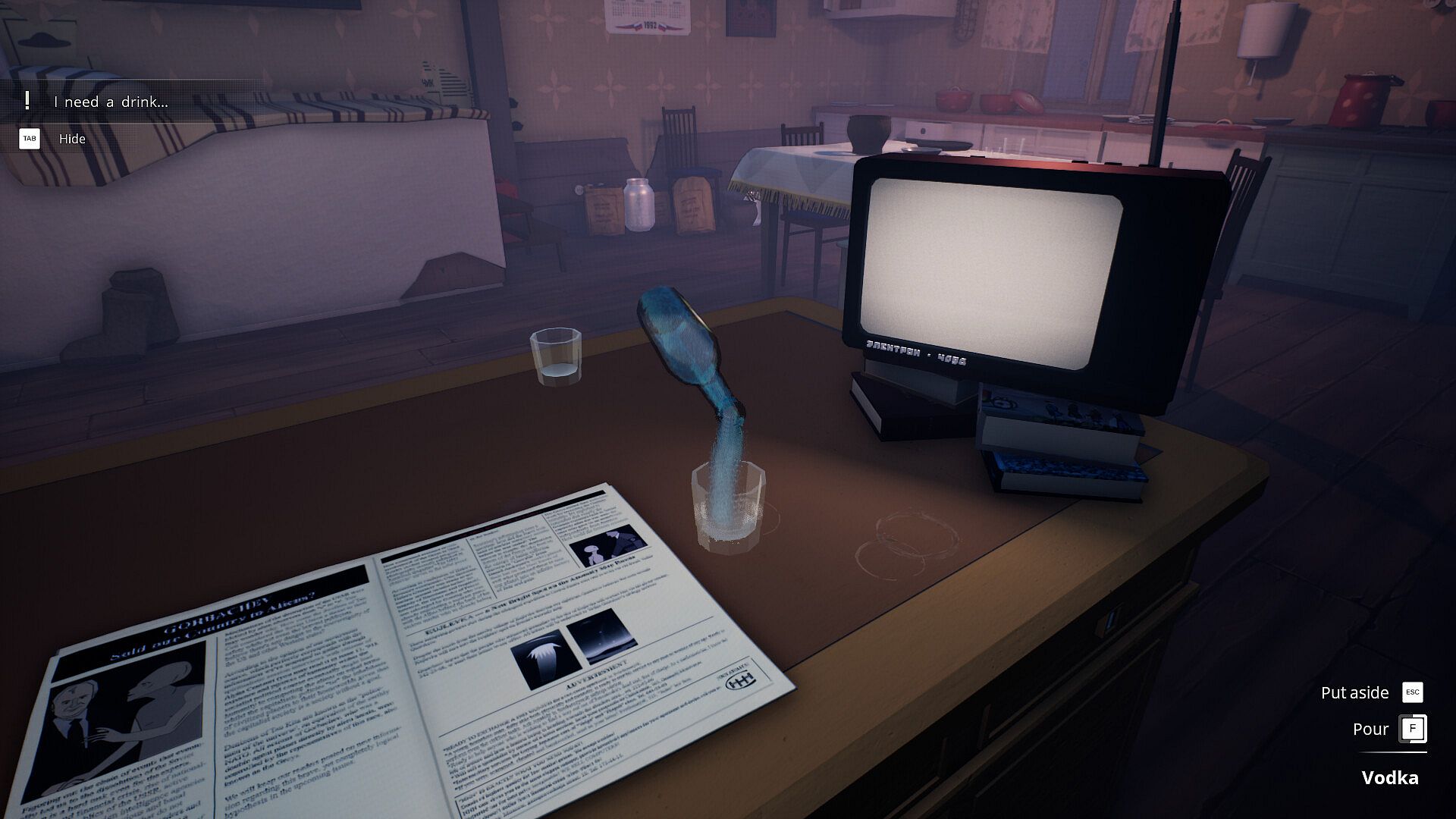
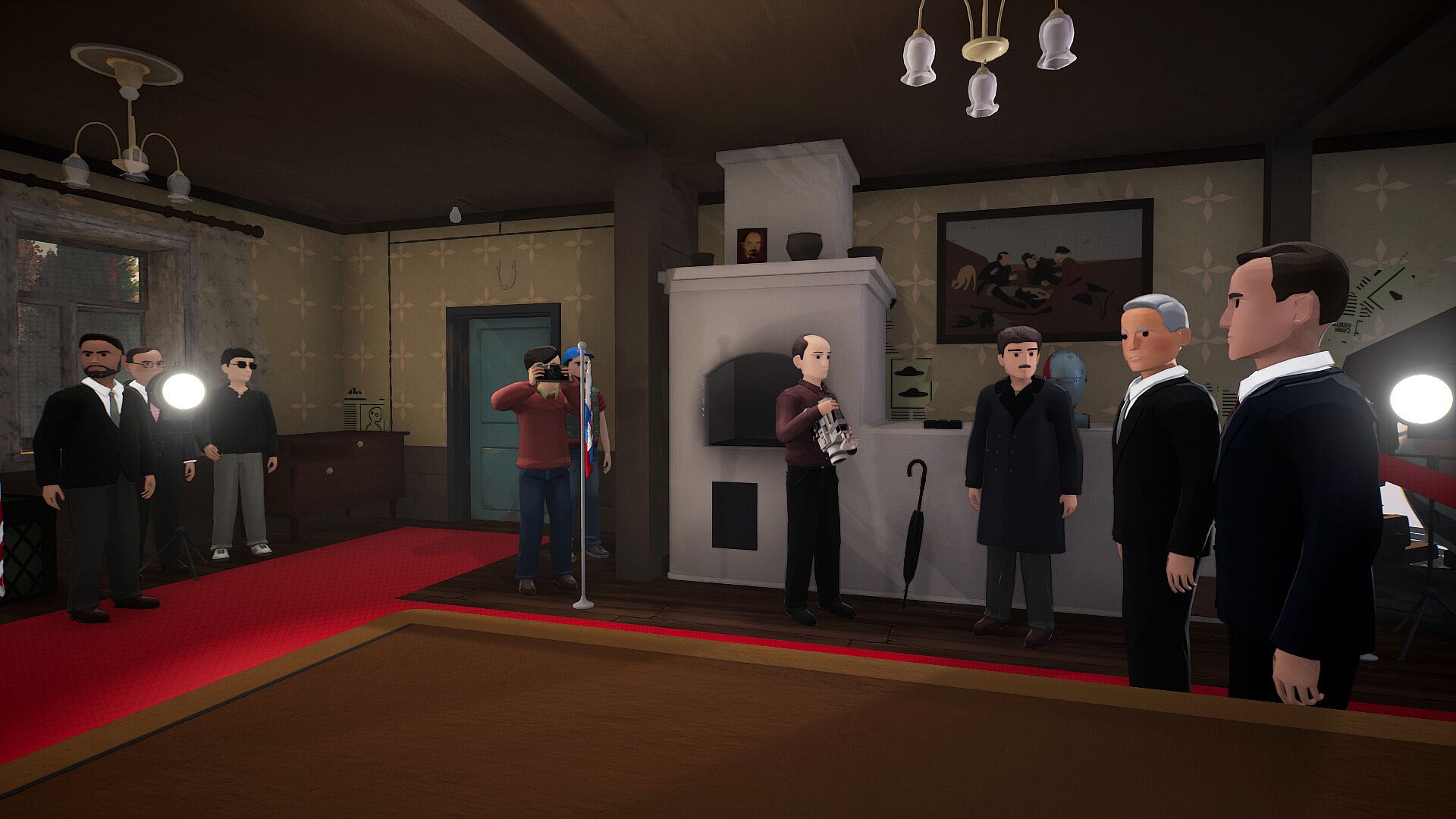
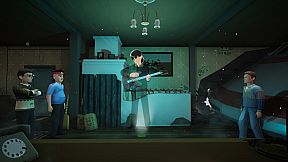

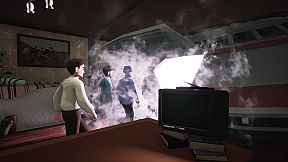
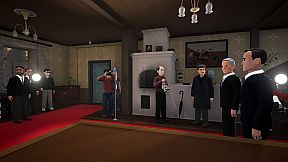
Kujlevka is a single-player adventure game set in a remote Russian village during the turbulent year of 1992. A flying saucer crashes into the local chairman's house, transforming the quiet kolkhoz into an unexpected hub of scientific curiosity, exploration, and supernatural events. Players assume the role of the collective farm headmaster, tasked with managing first contact by screening visitors before they enter the craft. The extraterrestrials prefer observation over direct engagement, studying human dreams and aspirations while the protagonist learns about them in turn. This premise unfolds against a backdrop of economic hardship and political uncertainty, blending grounded historical context with otherworldly elements through careful decision-making and atmospheric exploration.
Gameplay
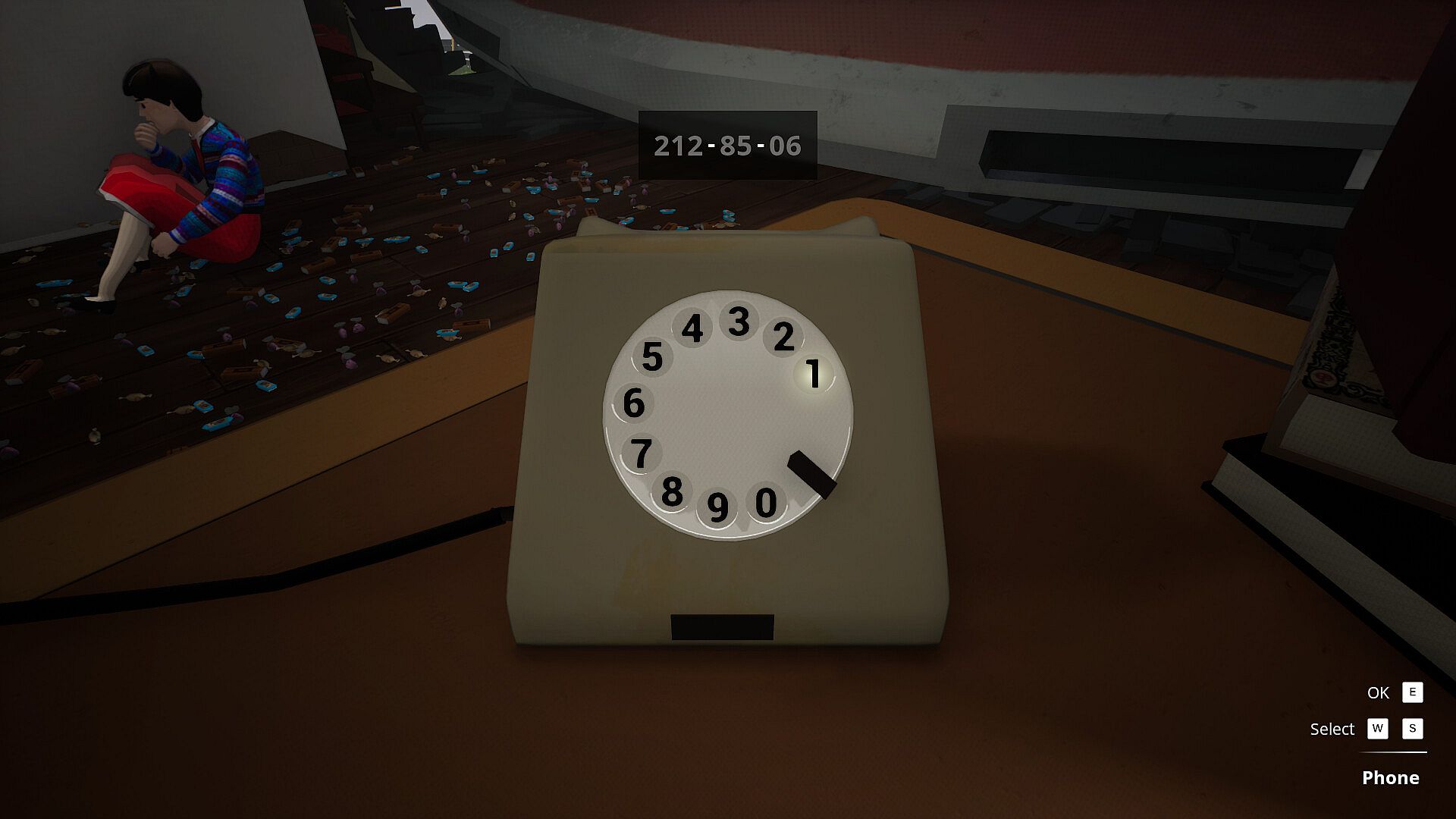
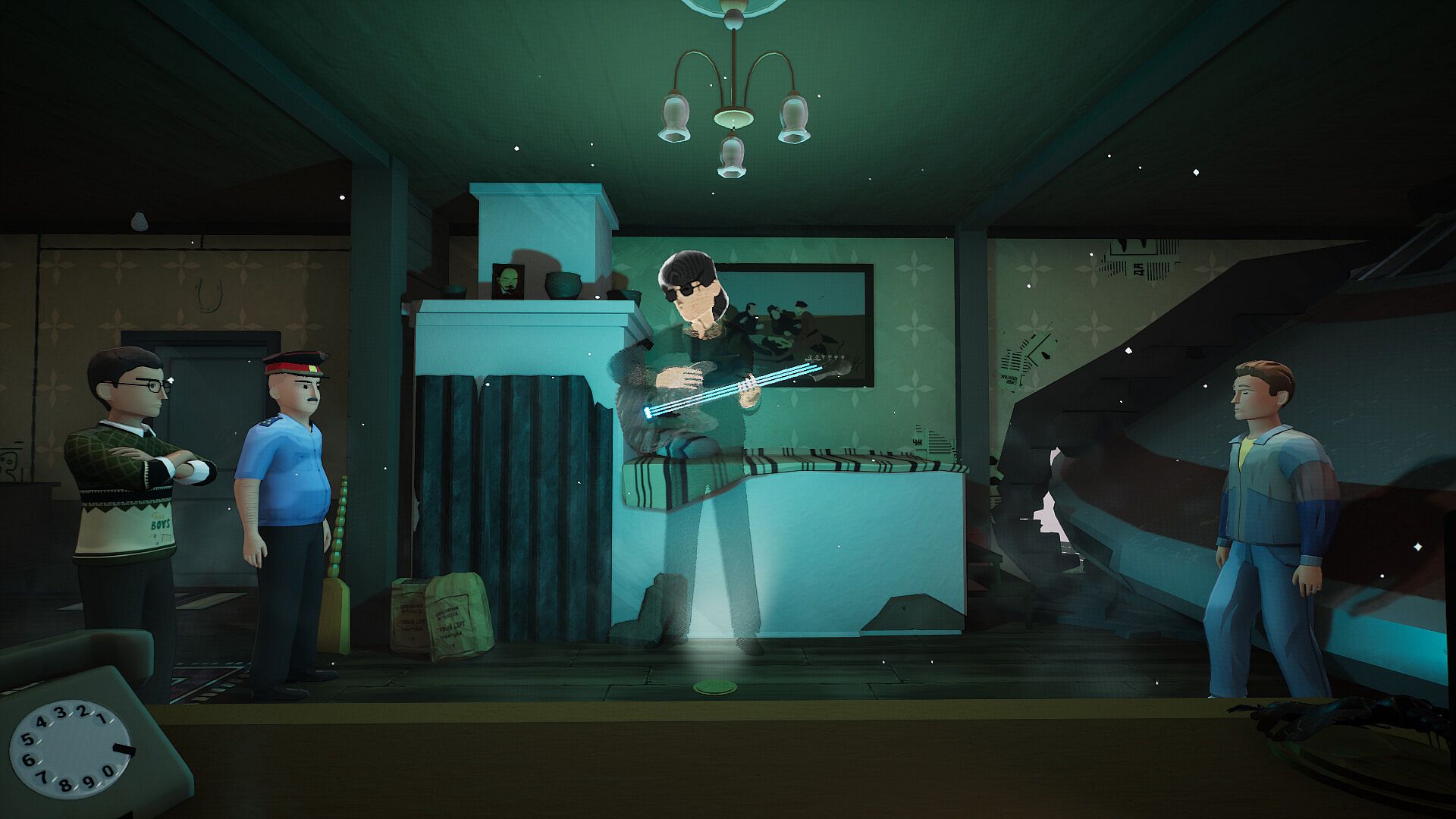
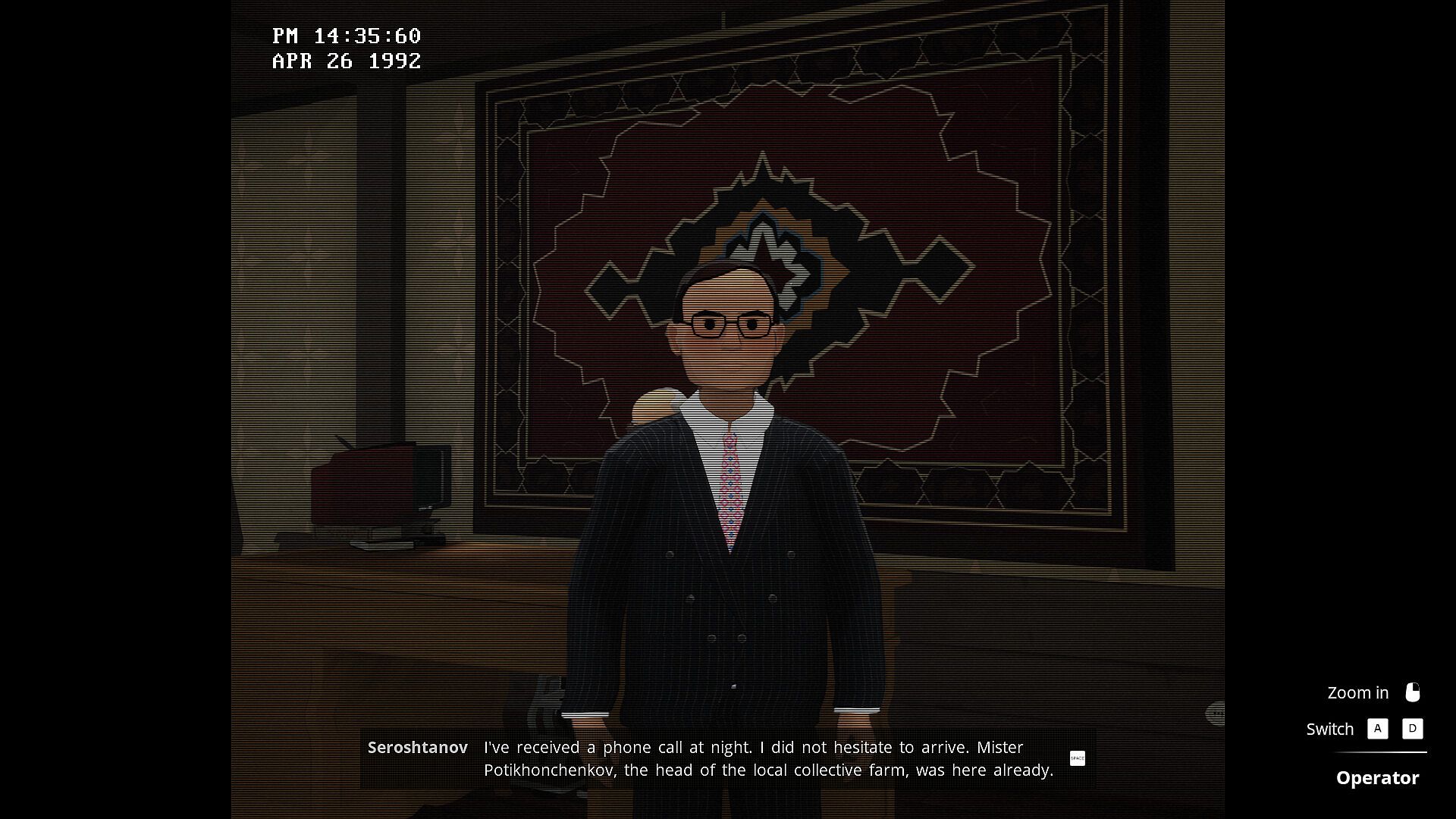
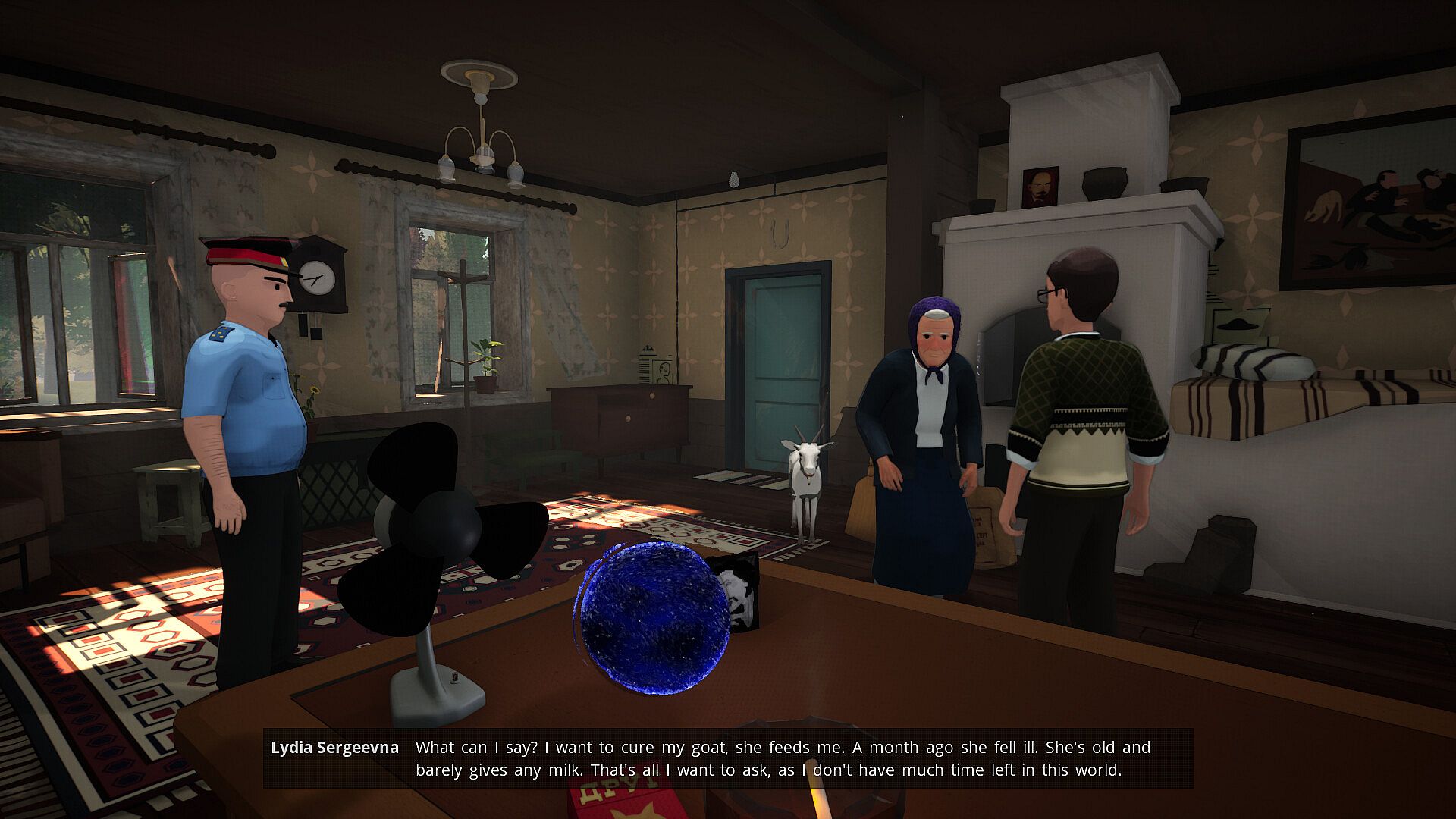
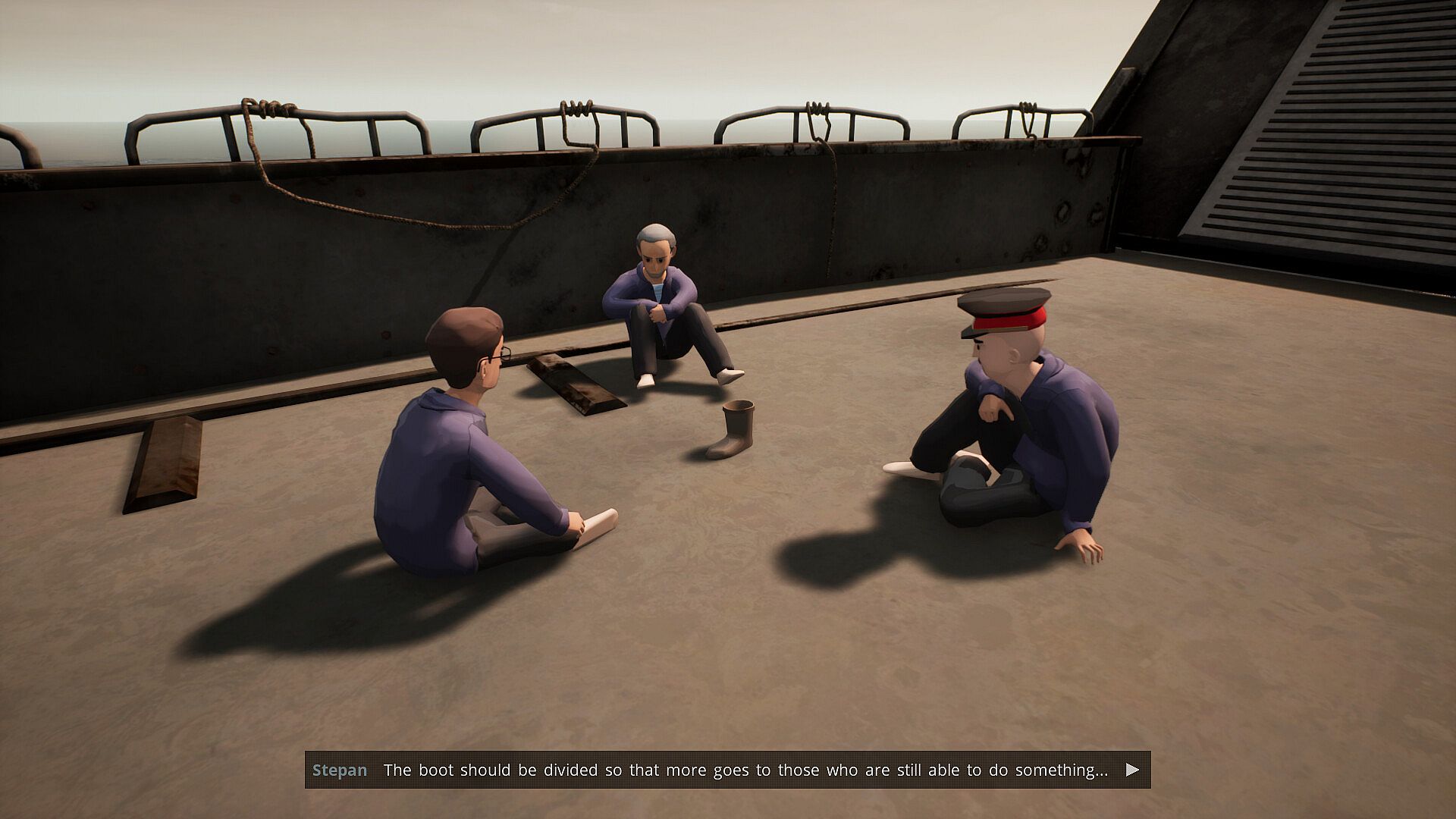
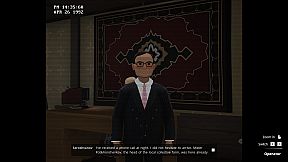
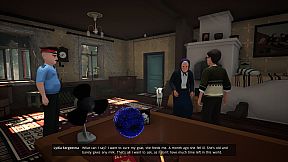
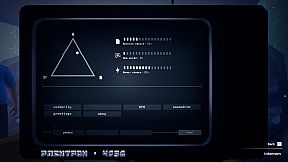
The core loop centers on daily village life and interactions at the crash site. As headmaster, the player evaluates incoming guests, deciding who gains access based on their intentions and the potential consequences for the community. These choices shape how the alien presence develops and influence the broader narrative trajectory. Exploration extends beyond the immediate crash location to the surrounding settlement, where conversations with residents reveal personal stories tied to the era's challenges. The experience emphasizes observation and reflection rather than action sequences or combat, allowing time for the protagonist to absorb the implications of the encounter.
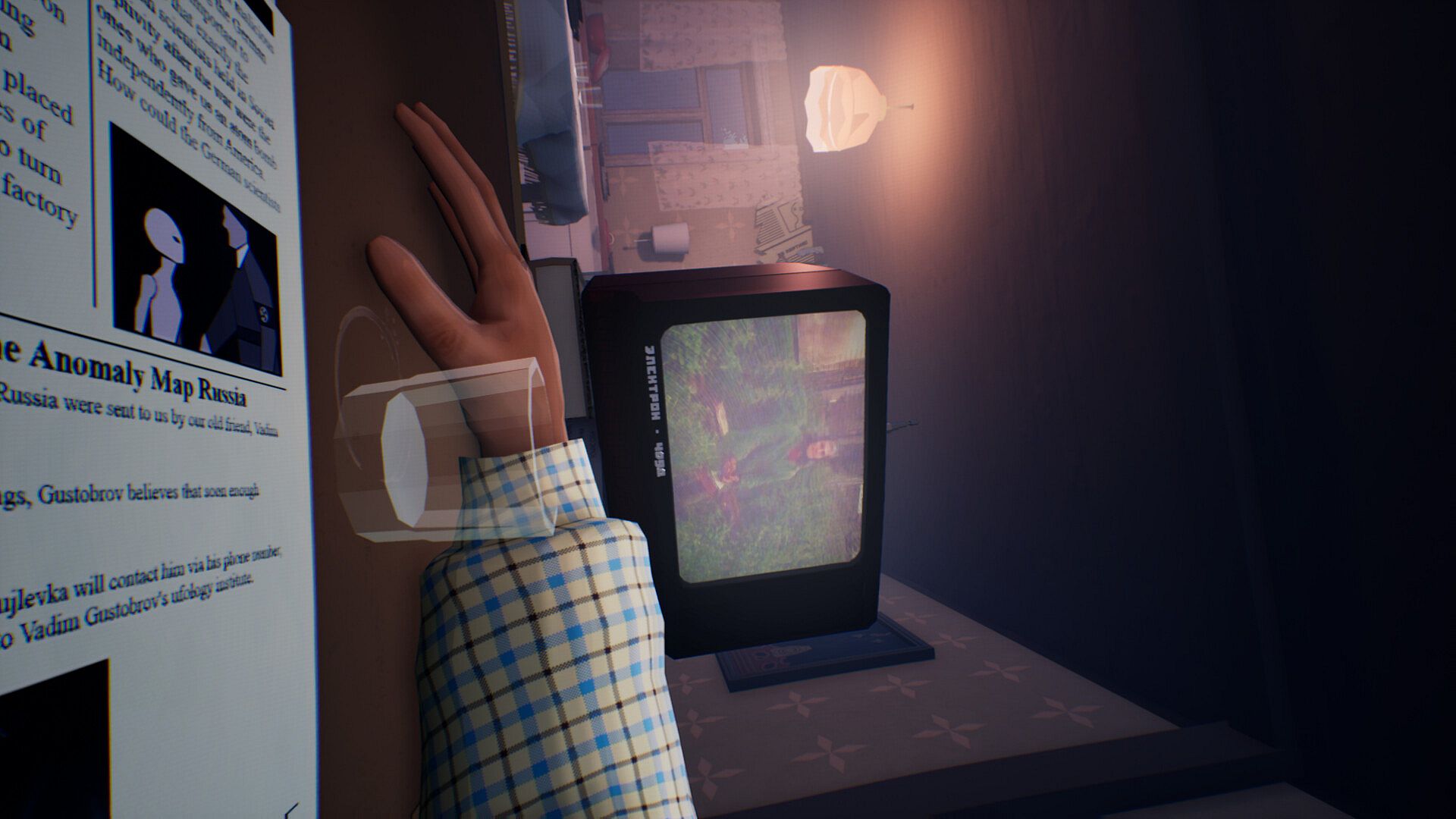
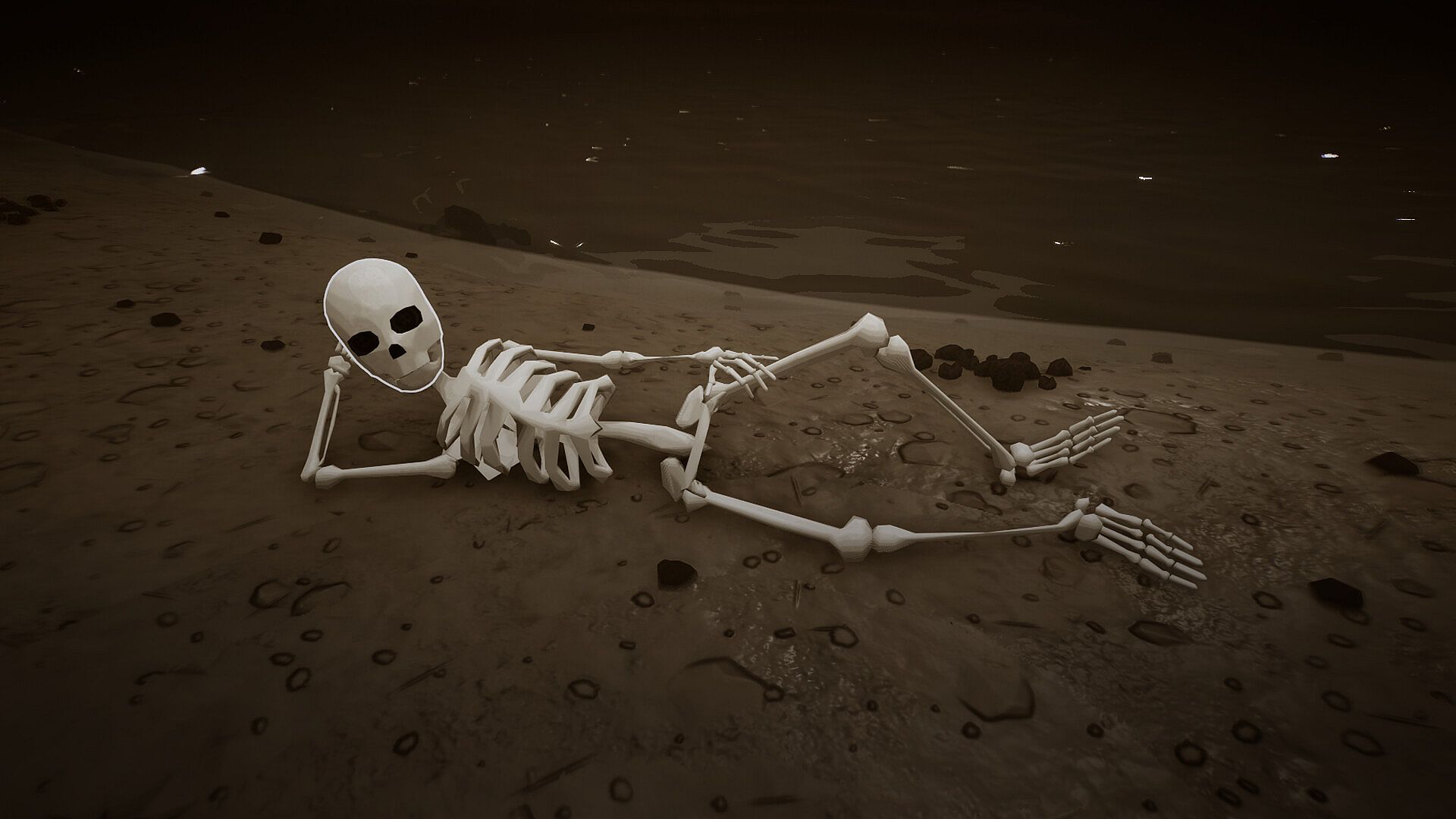
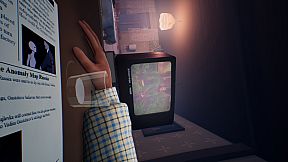
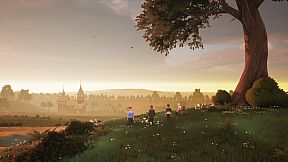
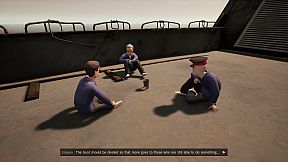
Dream sequences provide an additional layer, shifting the perspective into the protagonist's subconscious. These segments depict village life through a surreal lens, highlighting desires, fears, and cultural elements in a way that complements the waking interactions. Movement and environmental details in these sequences create a distinct contrast to the more grounded daytime activities, encouraging players to piece together thematic connections across both states of being. The overall pace remains deliberate, focusing on dialogue trees, environmental storytelling, and the gradual revelation of alien motives without relying on traditional puzzle mechanics or resource management systems.
Game Modes
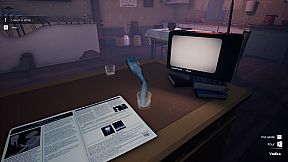
Kujlevka features two primary modes that alternate to structure the experience. Day mode handles the practical aspects of first contact, including visitor screening, village management, and direct conversations with both locals and the arriving entities. Decisions made here carry forward, affecting relationships and the unfolding events in the settlement. This mode grounds the story in the historical setting of post-Soviet Russia, where financial pressures and social tensions add weight to every interaction.
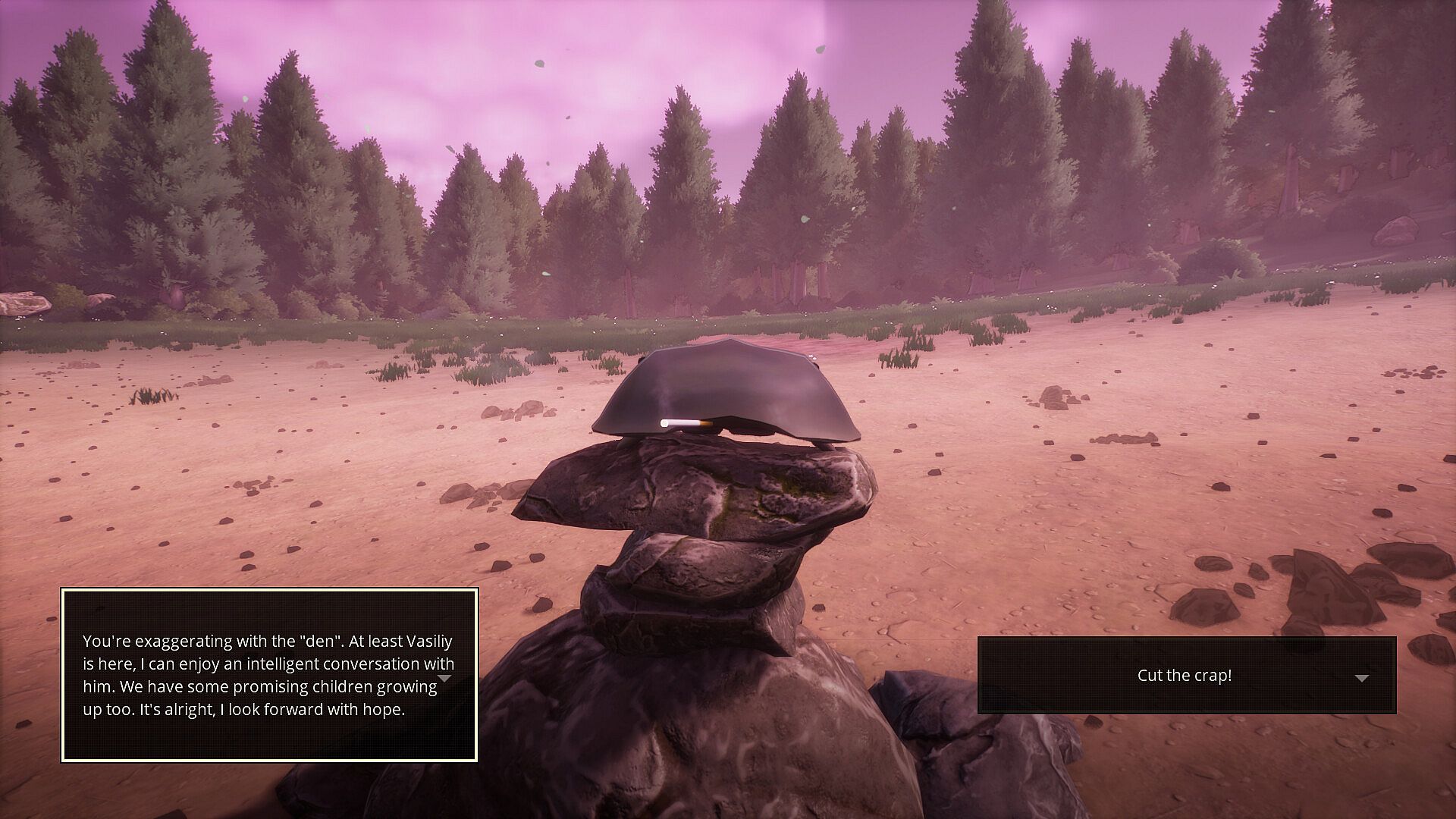
Dream mode shifts focus to the protagonist's inner world, presenting stylized representations of village routines and personal reflections. These sequences expand on themes of observation and human nature, offering visual and narrative insights that the aliens themselves might find intriguing. The alternation between modes creates a rhythm that mirrors the game's central idea of mutual study between species, with each phase informing the other through recurring motifs and character developments.
Story and Atmosphere
The narrative explores the consequences of an unprecedented meeting between civilizations while remaining rooted in the specific realities of 1992 Russia. Players navigate the tension between everyday survival concerns and the extraordinary arrival of the saucer, with choices determining whether the encounter leads to cooperation, suspicion, or something more ambiguous. The setting avoids sensationalism, instead highlighting the quiet resilience of a small community suddenly thrust into global significance.
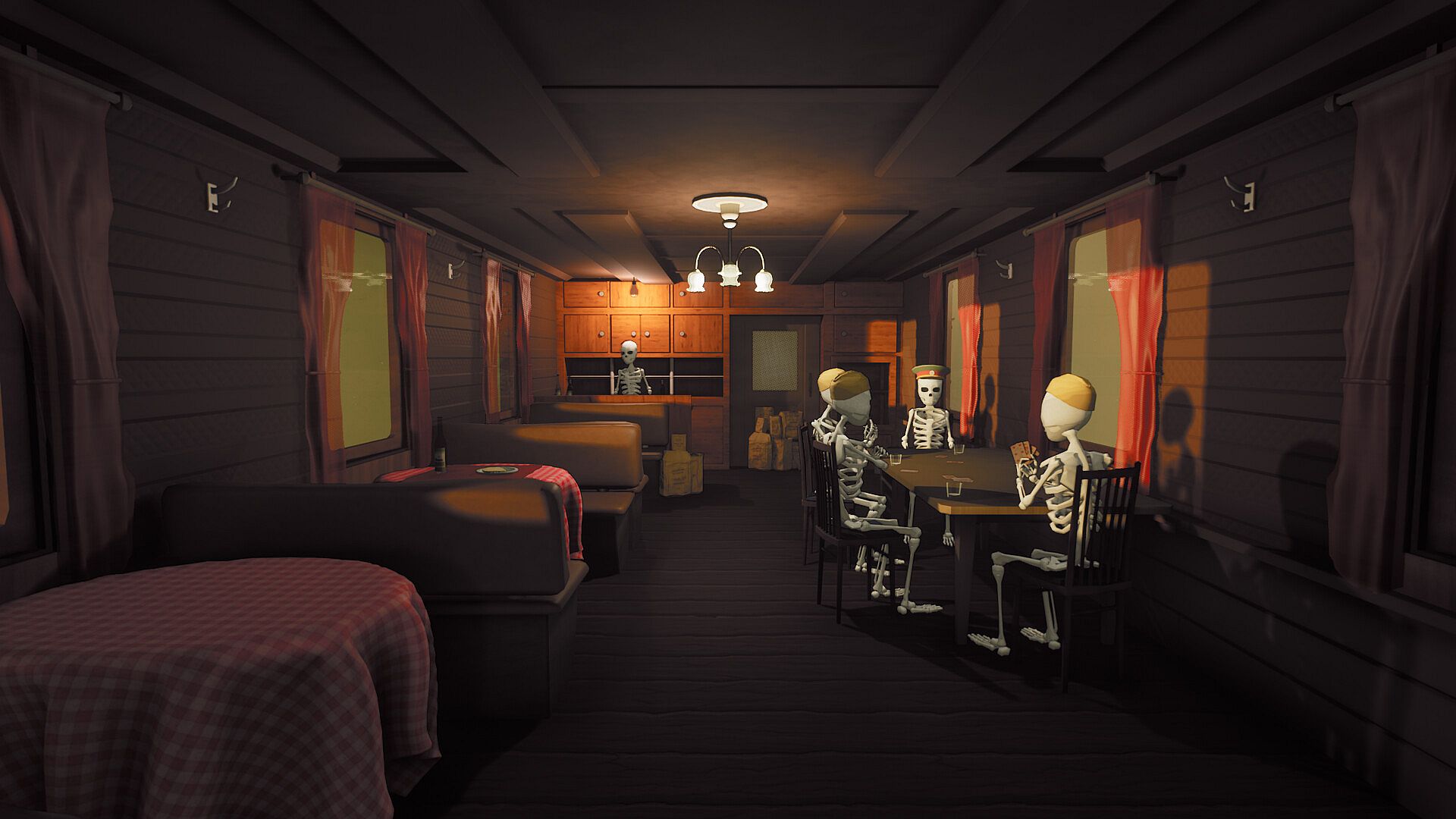
Atmospheric details reinforce the period and the supernatural twist. Village environments reflect economic strain through modest architecture and daily routines, while the UFO site introduces subtle anomalies that blend with the familiar landscape. Dream sequences amplify this duality with distorted perspectives on the same locations, creating a cohesive sense of unease and wonder without overt horror elements. The writing prioritizes philosophical undertones around observation, desire, and historical change over conventional plot twists.
Is It Worth Playing?
Player reception has been strongly positive, with 91 percent of 587 reviews rating the game favorably. Reviewers frequently note its concise length and emphasis on narrative delivery, which suits those seeking a focused story experience rather than extended play sessions or mechanical complexity. The short runtime encourages replaying to explore different decision paths and their effects on the alien encounter.
This title appeals most to fans of narrative-driven adventures who appreciate atmospheric world-building and character-focused storytelling. Its deliberate pacing and limited mechanical demands make it accessible for players interested in thematic depth over action or progression systems. Those who value choices that feel thematically resonant rather than mechanically complex will find the experience rewarding, particularly when combined with the unique historical and speculative setting. The game stands as a complete release with no ongoing seasonal content, delivering its full story in a single playthrough.