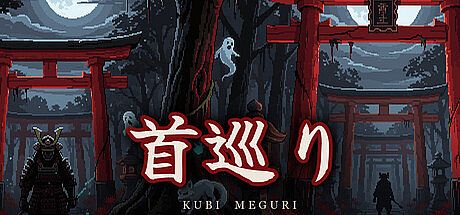


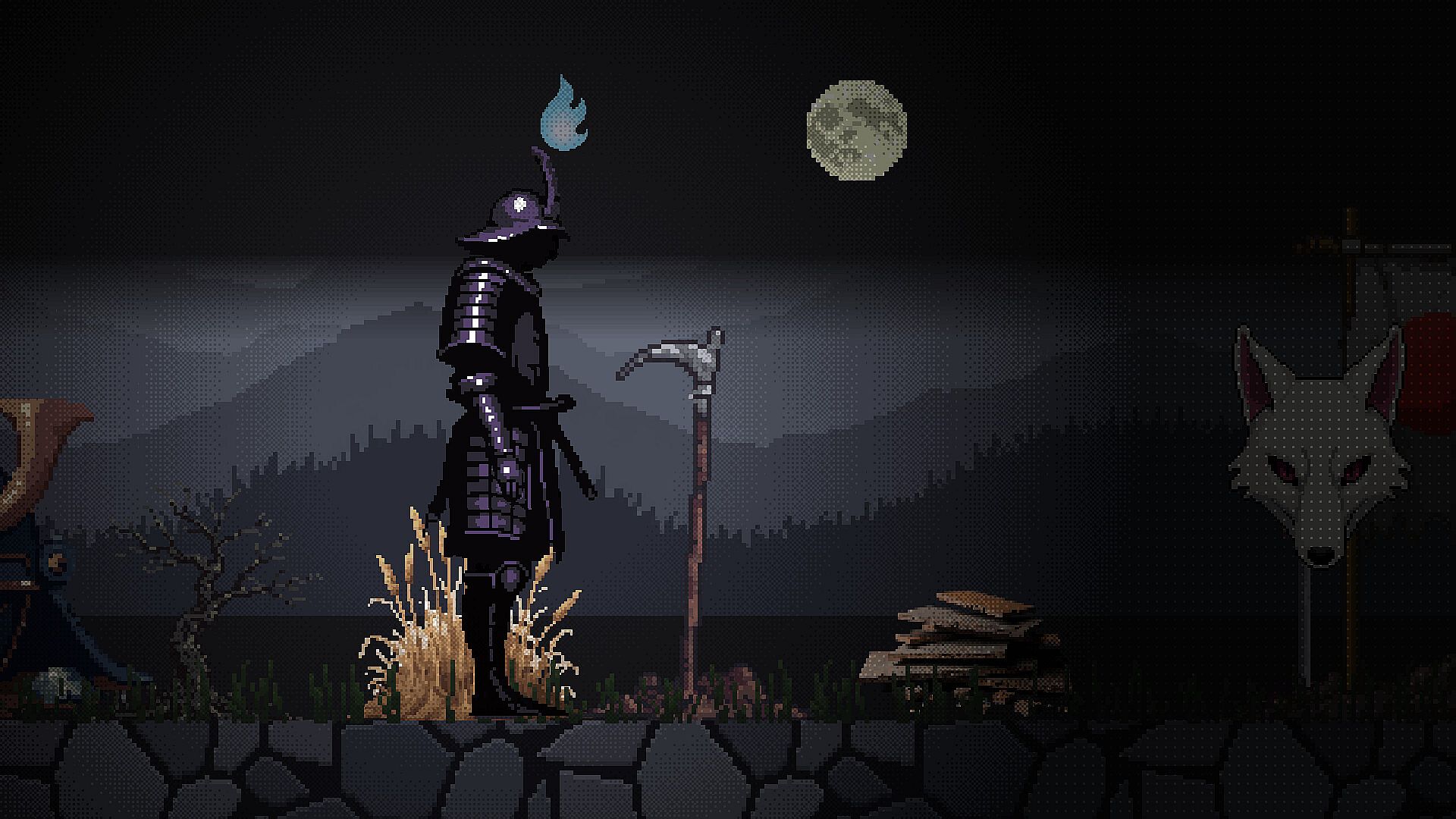

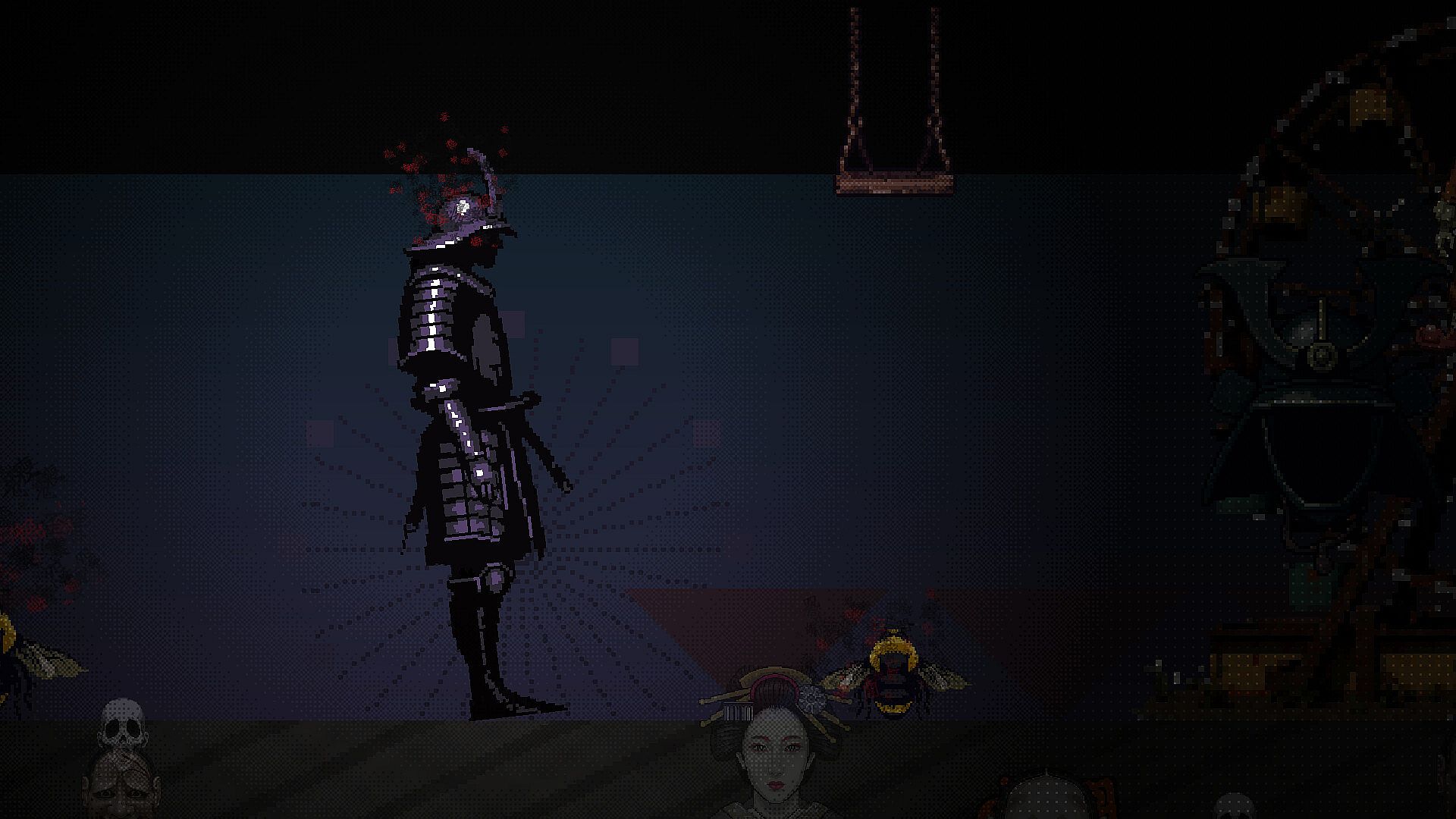


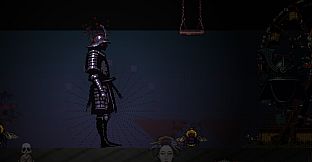


Kubi Meguri is a simulation game for PC in which players control the ghost of a headless warrior. The character moves through an underworld shaped by drifting miasma, crossing a fog-drowned riverbed of the dead and other shifting realms. Progress depends on locating and wearing severed heads, each of which opens access to a different hell.
Gameplay
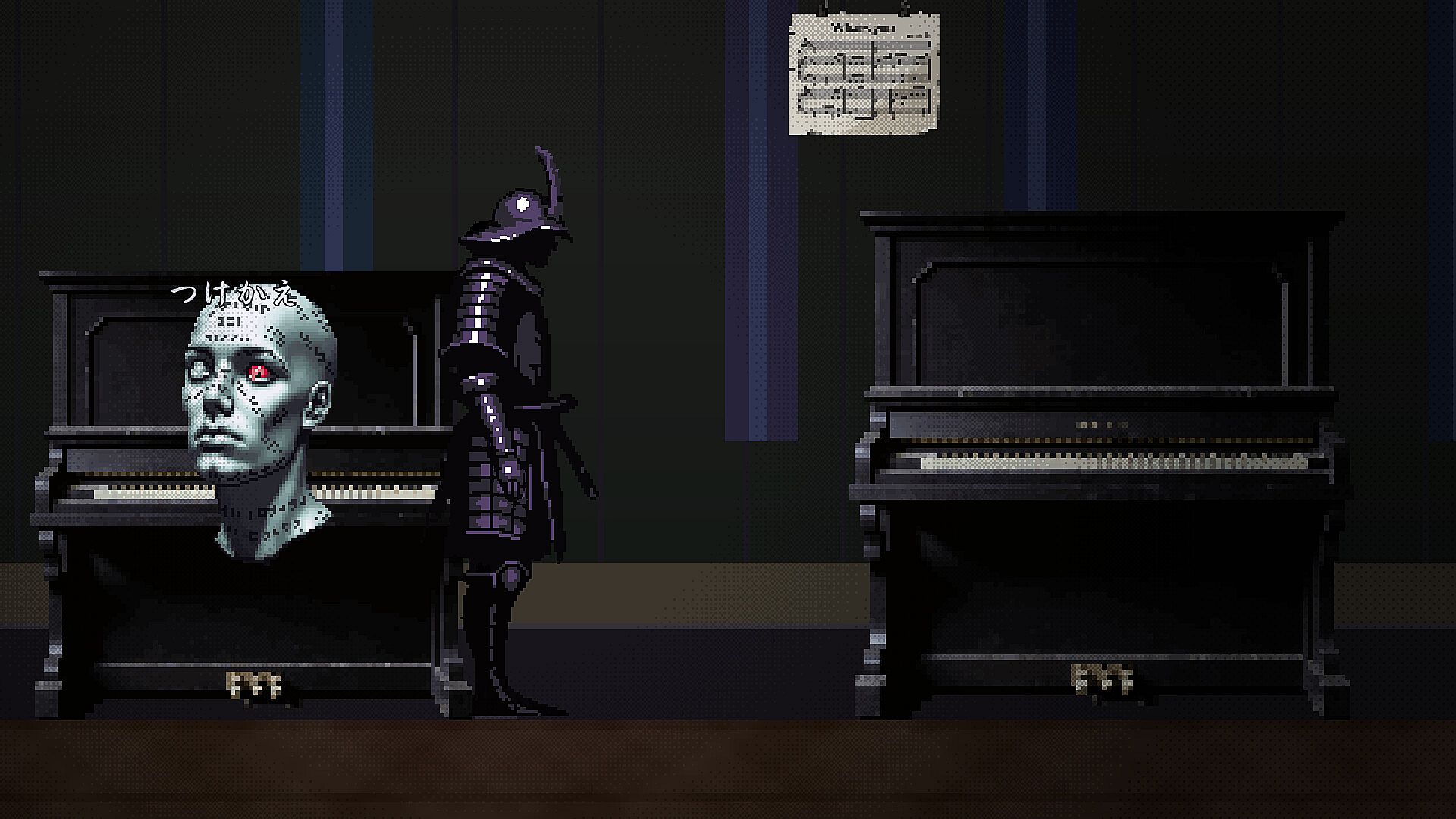
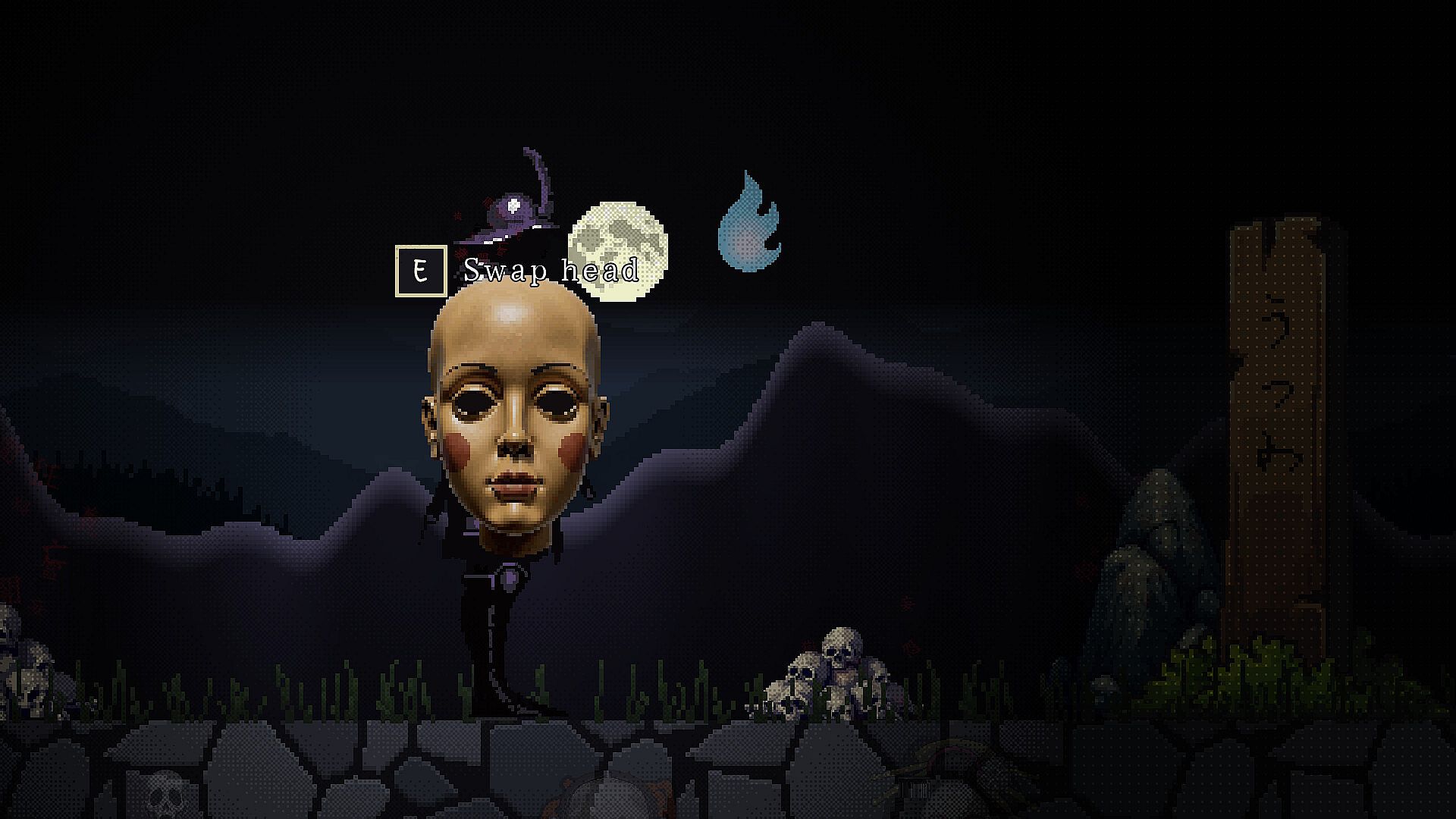
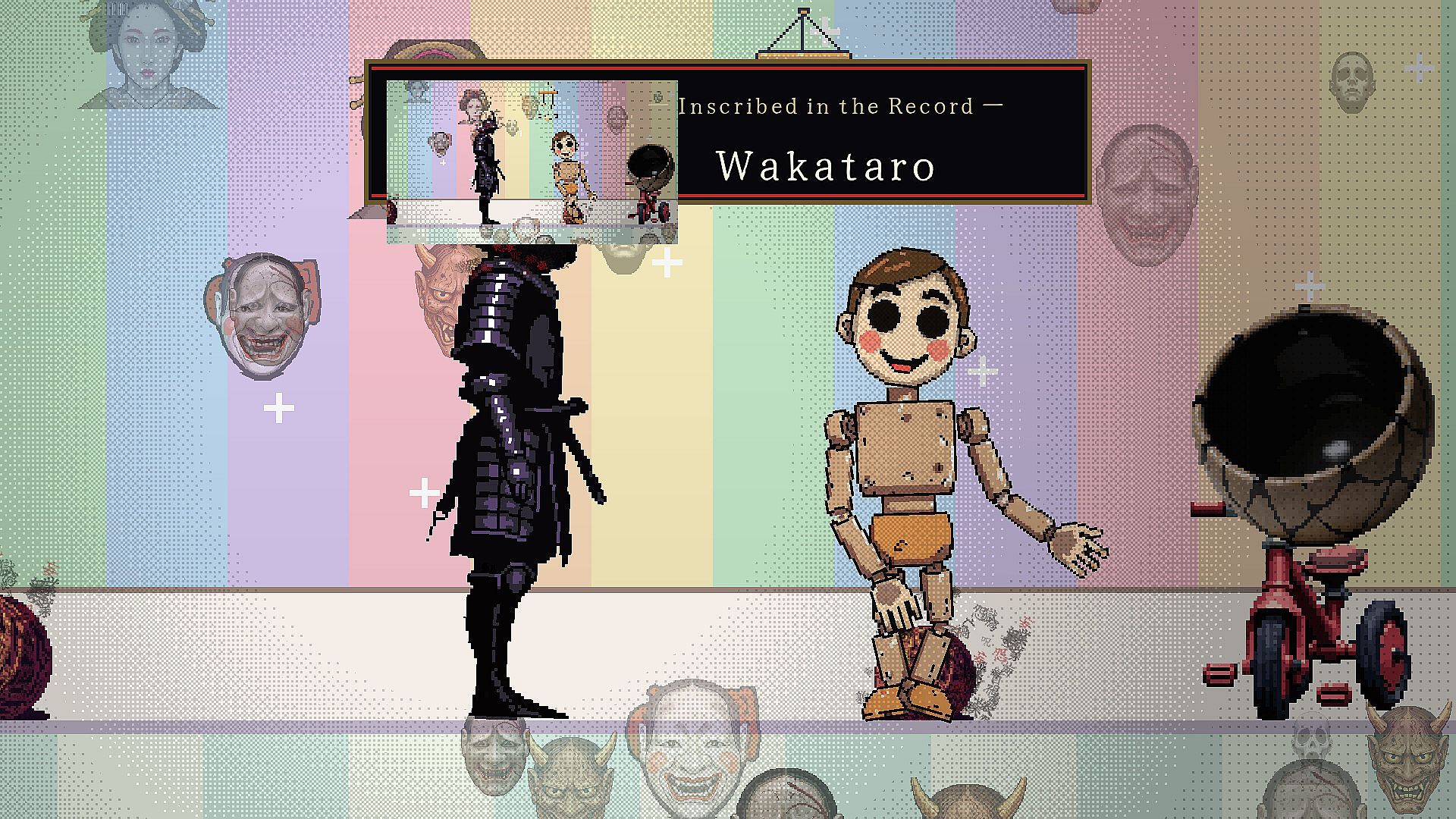
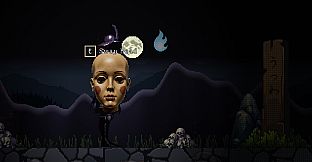
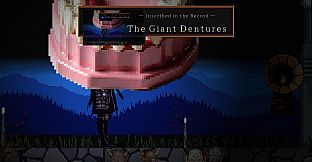
The core loop centers on exploration on foot. The player walks forward through each environment while the current head determines which nightmare becomes available next. Heads include a fox mask, a hannya demoness, an otafuku, a tin doll, and the blank face of a stranger from a future age. Swapping heads is the primary mechanic that branches the path.
Along the way the player encounters a girl named Utsuwa, the Vessel. Her questions must be answered, and the response combines with the worn head to decide the next destination. Choices made in a sane manner keep the worlds relatively stable, while increasingly deranged answers increase karma and cause the environments themselves to warp.
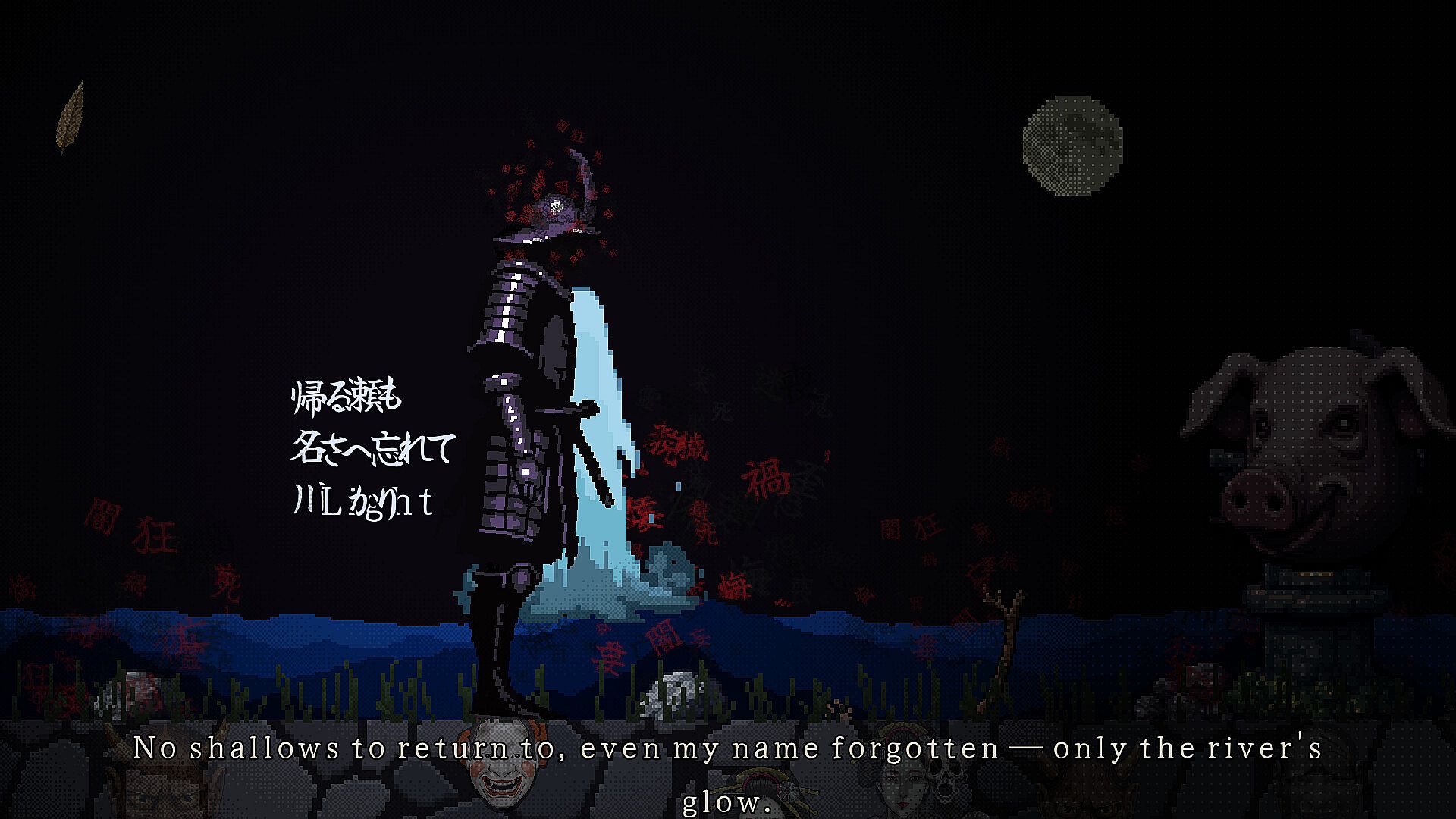
Additional elements include death poems murmured by the wandering dead and a map that records every hell visited. Filling enough of the map eventually leads to the End. The entire experience runs with full keyboard and controller support and contains no combat or traditional objectives.
Game Modes
The main mode is a walking pilgrimage through the afterlife. There is no fixed goal or correct ending, only continued movement through dreamlike scenery that blends serene Japanese settings with quiet absurdities. The player simply keeps walking, collects heads, answers questions, and watches karma reshape the surroundings.
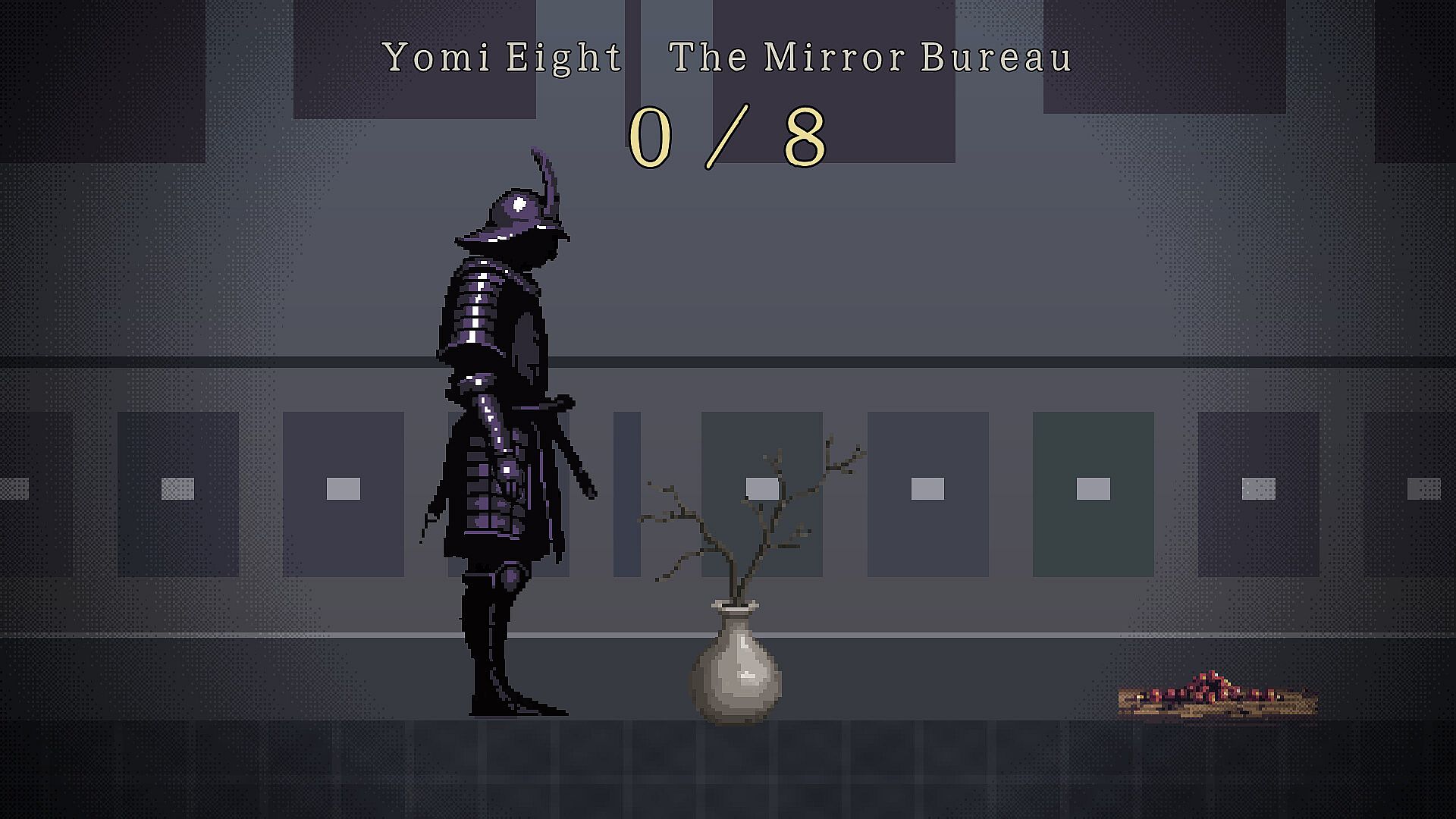
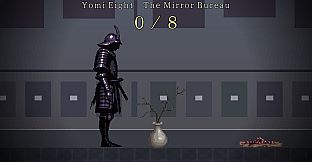
A separate self-contained mode called Yomi Eight follows the style of Japanese spot-the-anomaly horror. The player traverses a looping corridor and must decide whether to turn back when something appears wrong, such as a misplaced face, an altered sign, or a shifting shadow. Eight anomalies are hidden across the corridors, and correct identification determines how far the player advances.
The Hells
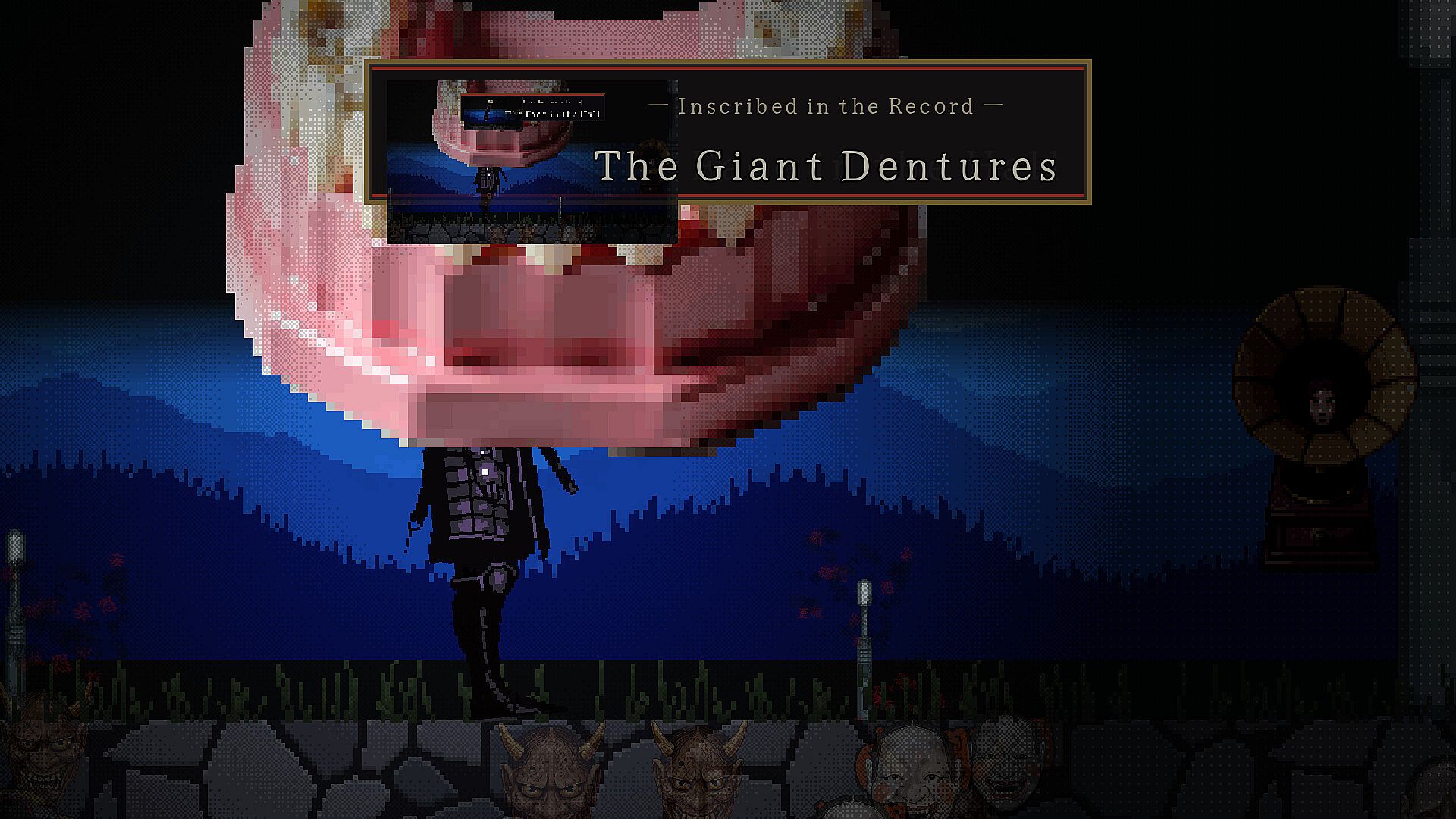
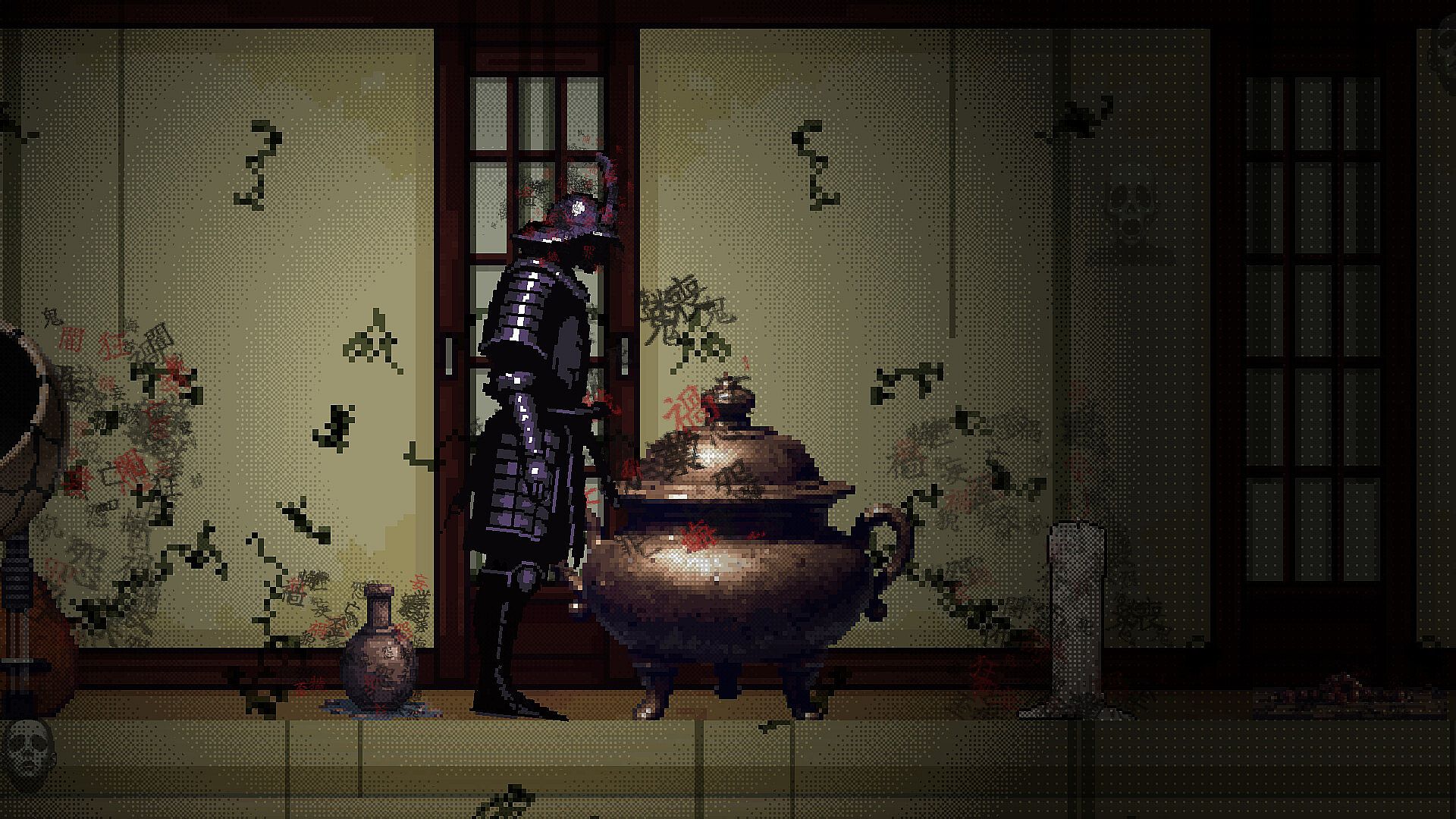
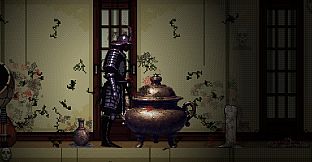
Each head opens a distinct hell. Examples include an endless tatami room, a masquerade of beast-faced dancers, a drowned world, a graveyard of dead radio waves, and a village of scarecrows. These locations mix familiar Japanese aesthetics with elements that belong to no clear time or place, creating a sense of creeping wrongness without any gore.
The map system tracks visits to these hells. As more locations are inked onto the chart, the pilgrimage moves closer to its conclusion. Karma accumulated from mad answers can alter the appearance and behavior of later worlds, giving repeat playthroughs different visual and atmospheric results.
Is It Worth Playing?
Kubi Meguri suits players who prefer slow, atmospheric simulation experiences focused on exploration and subtle narrative choices rather than action or competition. The absence of a conventional goal or victory condition makes it a meditative journey through an afterlife shaped by personal decisions and accumulating karma.
The two modes offer variety within the same quiet tone. The main pilgrimage emphasizes head-swapping and world-warping consequences, while Yomi Eight provides short, self-contained anomaly-hunting sessions. Both rely on careful observation and patience instead of reflexes or resource management.
Those drawn to dreamlike settings, Japanese folklore influences, and mechanics that reward repeated visits through changing environments will find the most to engage with. The game runs on PC with straightforward controls and requires no prior knowledge of similar titles.