




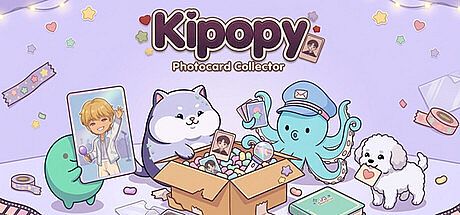





Kipopy: Photocard Collector is a casual simulation game built around the process of acquiring and managing K-pop photo cards on PC. Players buy packages from various sources, open them through detailed physical interactions, and decide how to handle each card to grow a personal collection while managing resources like likes and upgrades.
Gameplay
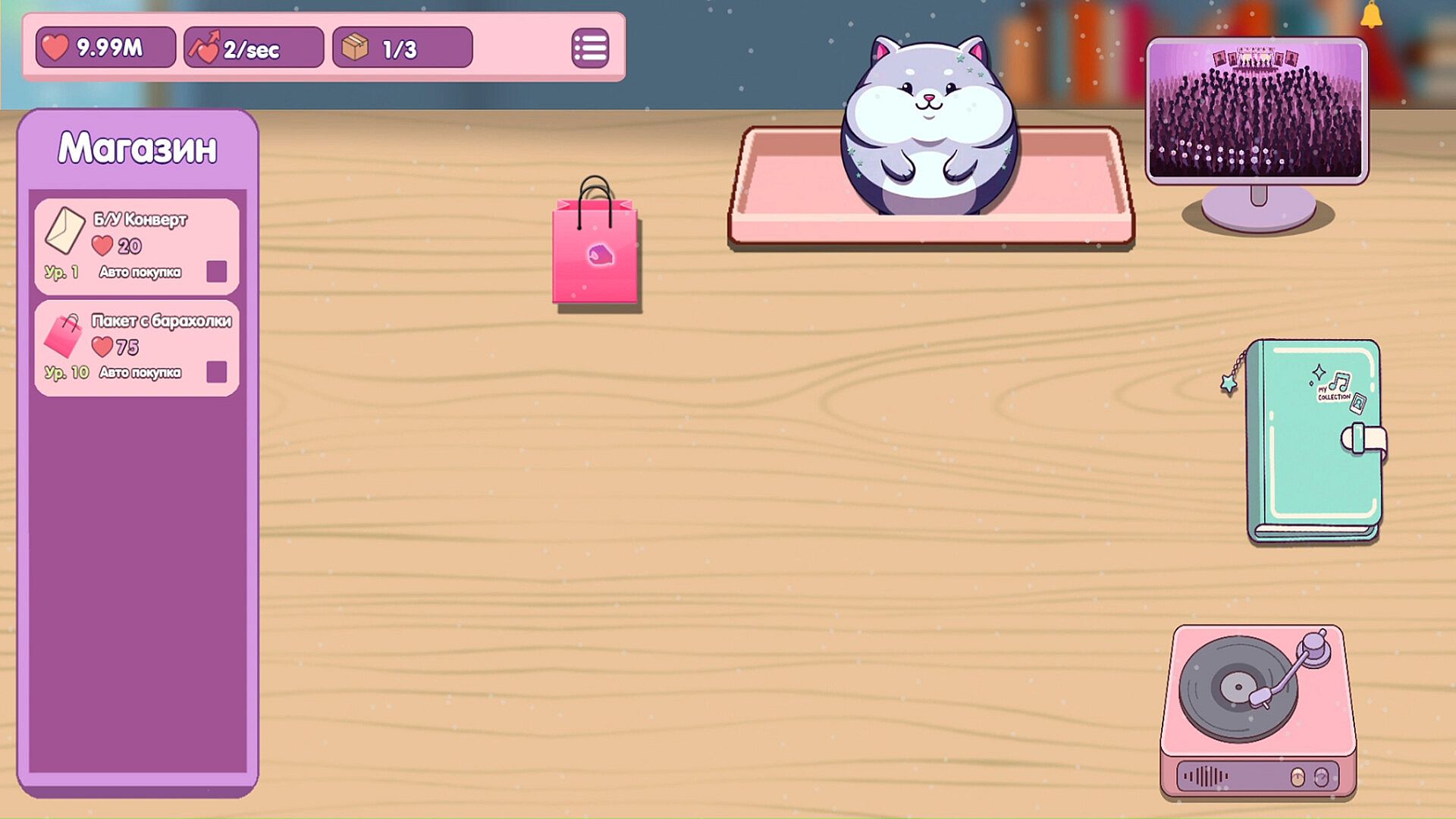
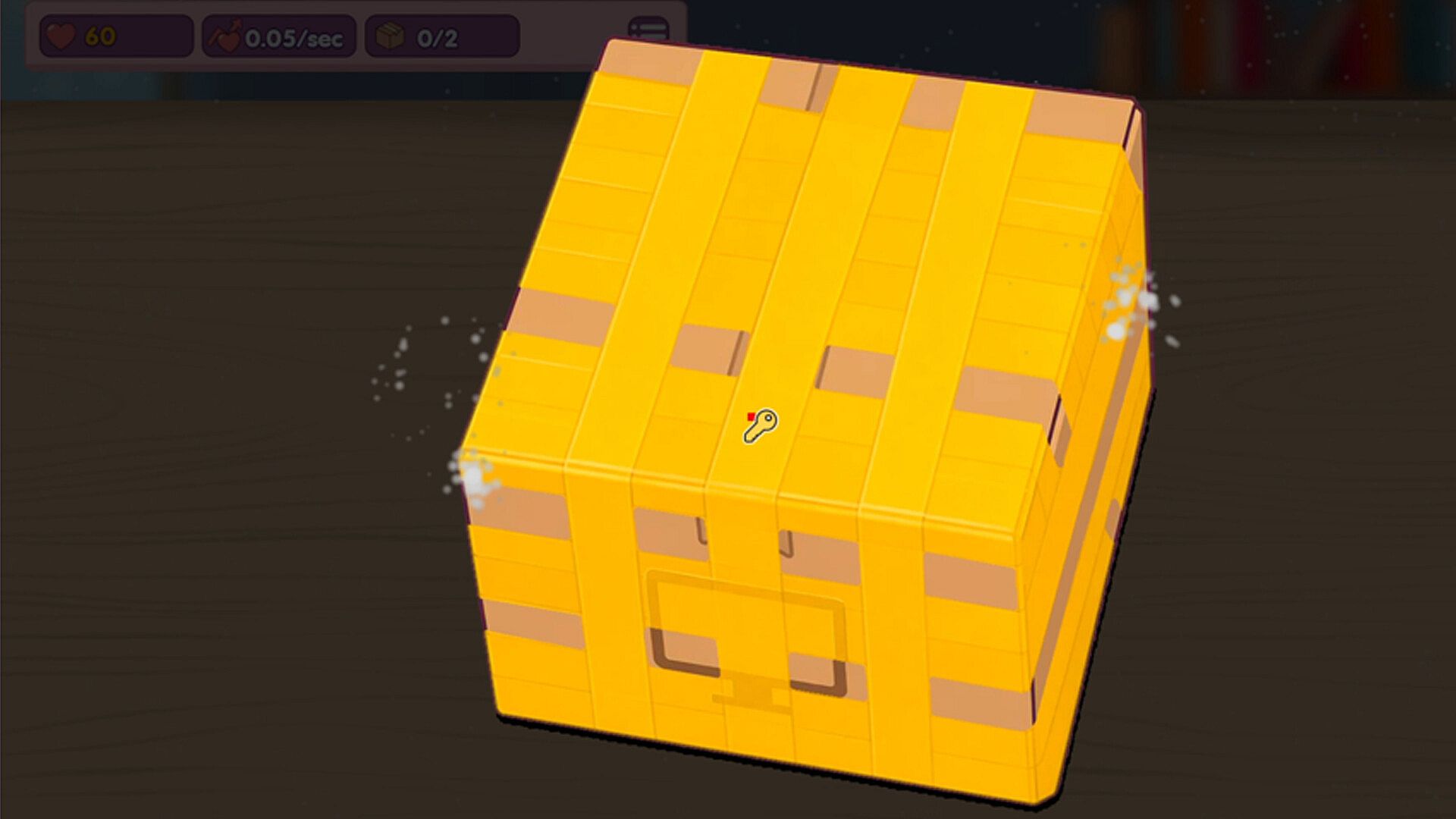
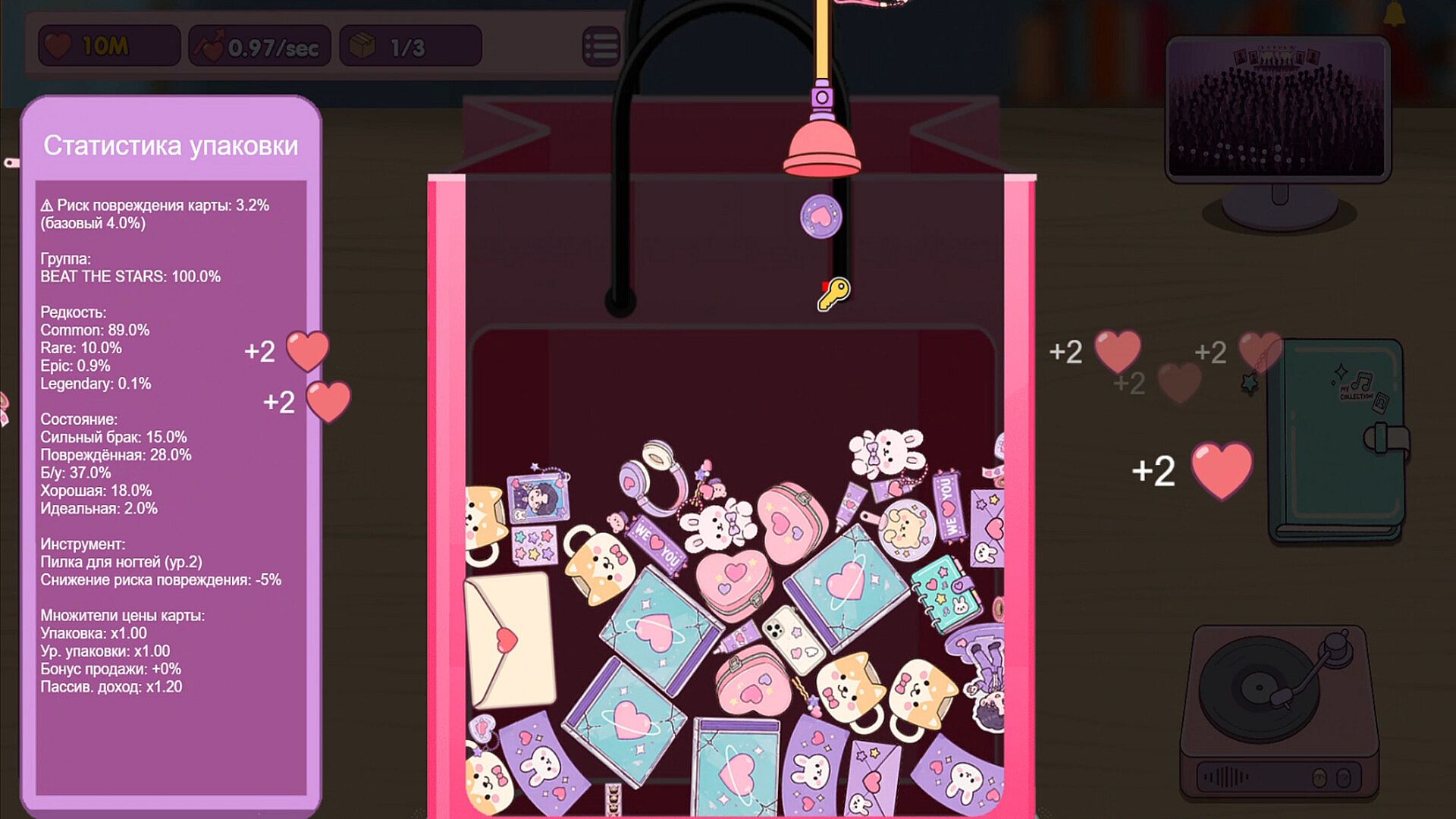
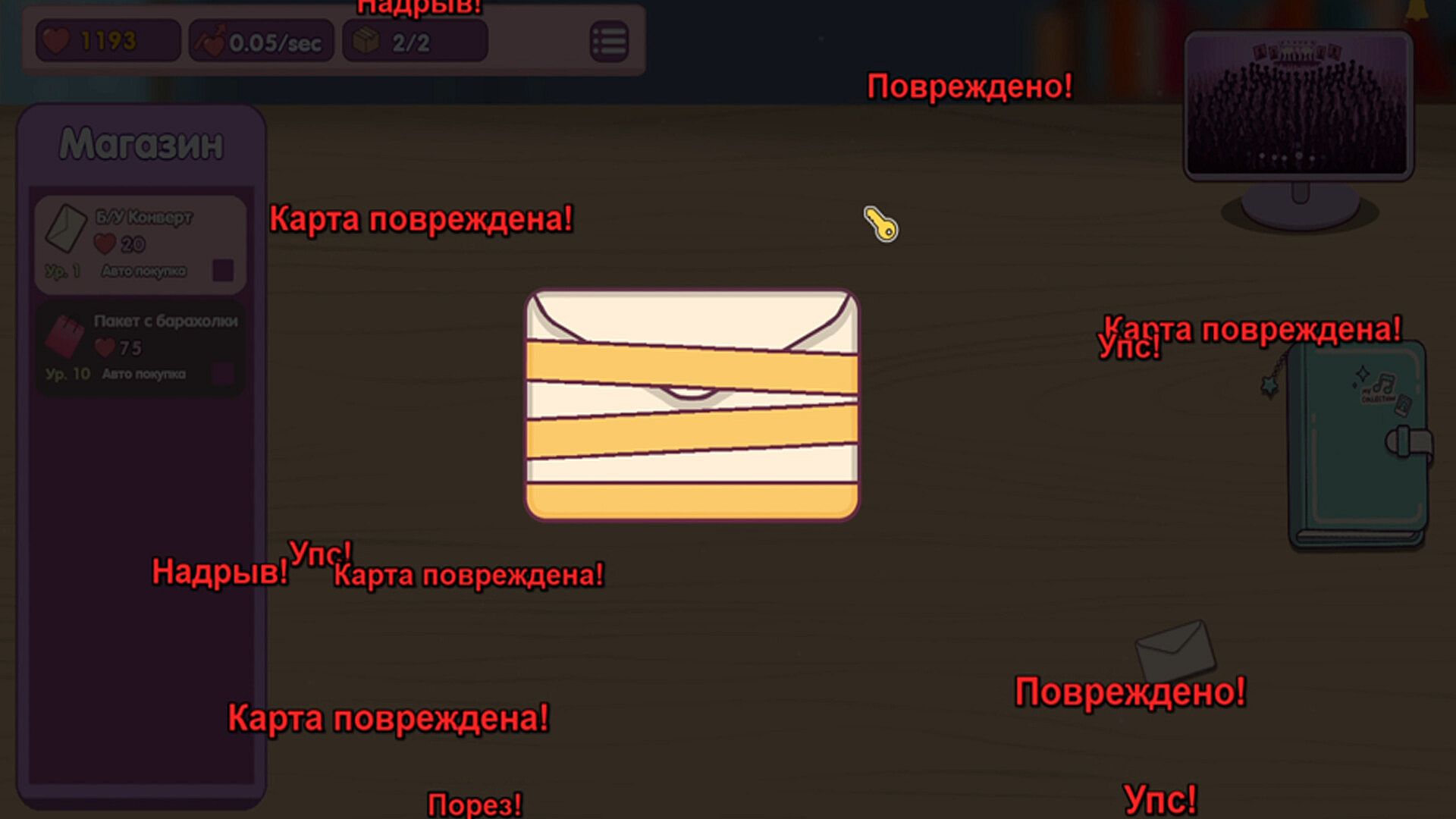
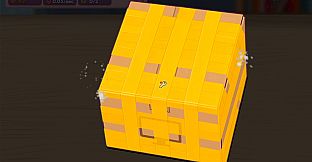
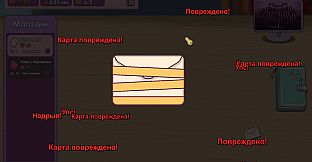
The core loop centers on purchasing packs and opening them one layer at a time. Different package types require specific actions such as cutting tape, peeling plastic, removing protective materials, or solving small puzzles to access the cards inside. Care during opening affects the final condition of each card, which in turn influences its value and appeal.
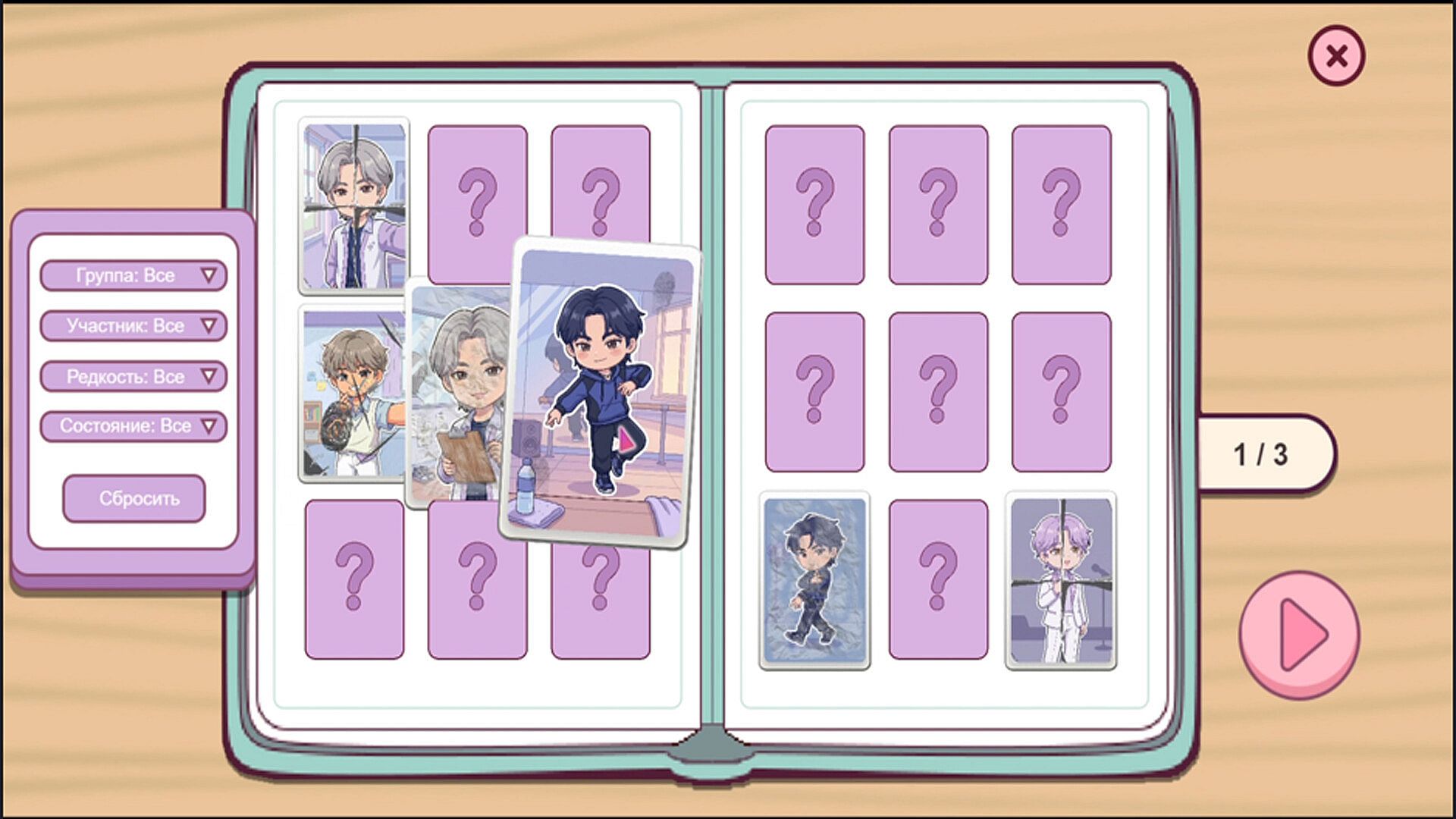
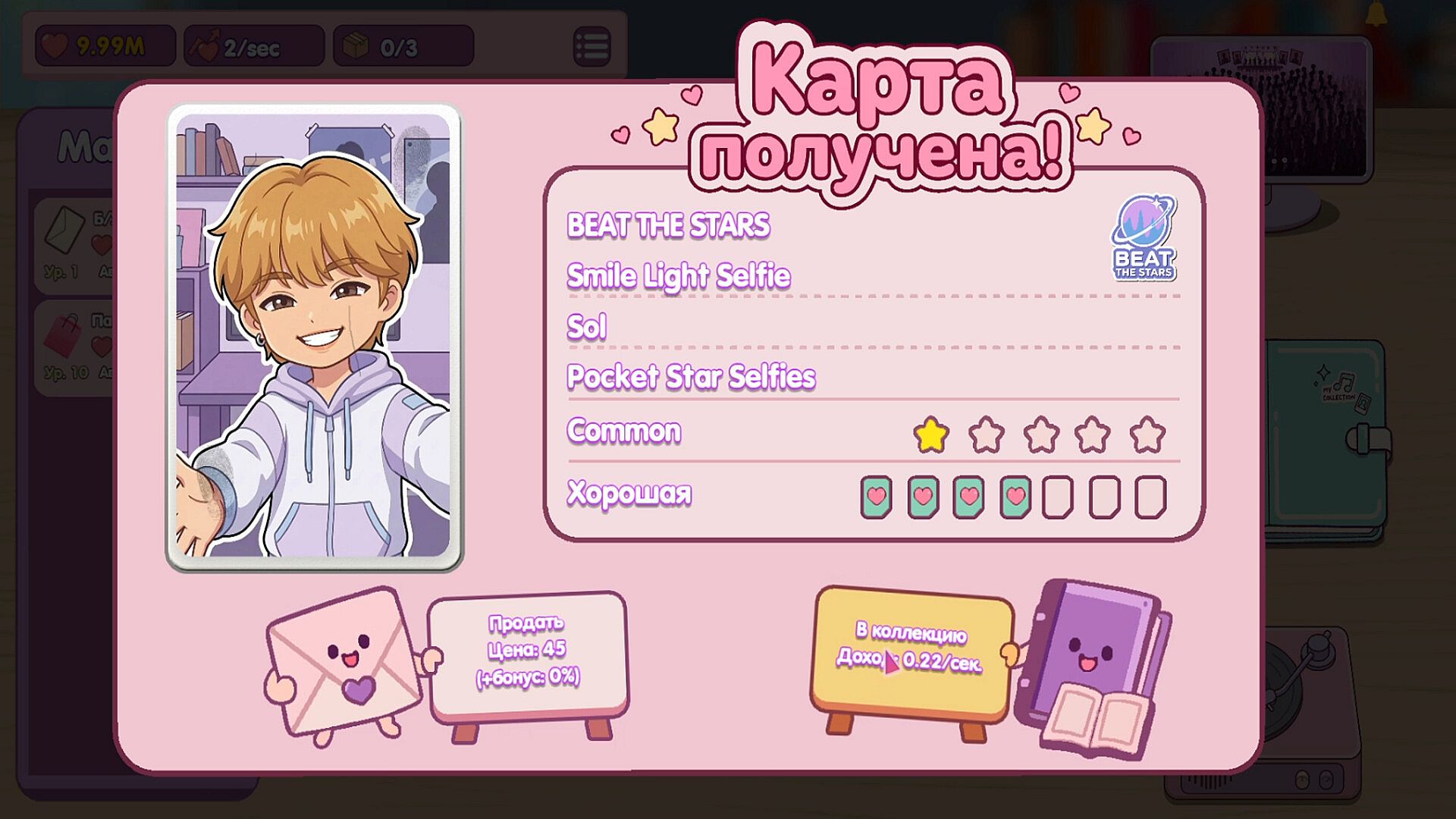
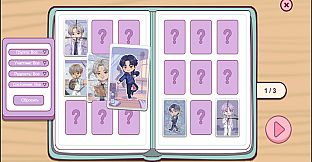
Once revealed, every card carries details including its group, member, series, rarity, and condition. Players choose whether to sell a card right away for immediate likes or place it in a binder for ongoing passive income. Duplicates serve multiple purposes, including fulfilling fandom orders or funding further purchases and improvements.
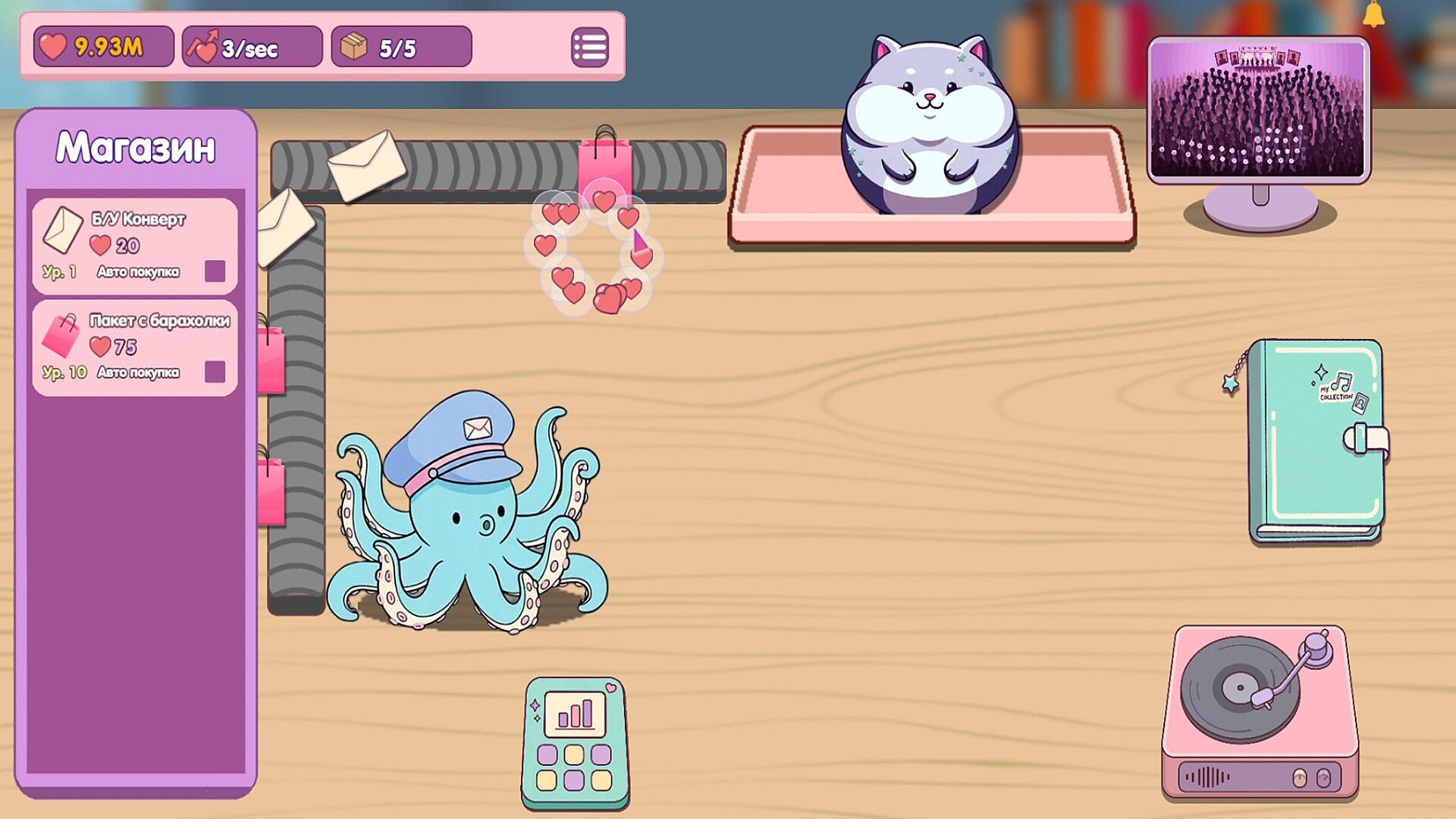
Upgrades form a central progression system. Earnings spent on tools reduce damage risk during openings, increase package values, expand workspace, and unlock new income streams. Later stages introduce automated stations while still allowing manual handling of prized finds. A music player becomes available as tracks unlock, providing listening rewards that support collection growth during other activities.
Game Modes
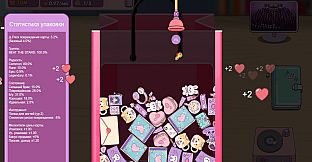
Activity shifts between focused unboxing sessions, completing fandom orders, and shorter mini-games that generate extra likes and bonuses. These elements rotate to maintain variety within the single-player experience. Binder management serves as a persistent activity where players review holdings, swap in higher-condition versions, and track overall progress across groups and series.
Package variety adds distinction to each session. Mailing envelopes, flea market finds, fan trades, second-hand albums, and official merchandise each feature tailored opening sequences. This variety encourages repeated play as different sources become accessible through upgrades.
Collection and Progression
Building the binder involves more than simple accumulation. Players replace existing cards with better-condition copies when found and use duplicates strategically to complete orders or generate funds. The upgrade tree covers tools, risk reduction, package improvements, workspace expansion, and automated options, creating steady advancement from modest beginnings to a sizable, valuable collection.
Passive income from the binder combines with active earnings from sales and mini-games. This balance supports investment in new packages and room upgrades without requiring constant grinding.
Is It Worth Playing?
The game suits players who enjoy methodical simulation and collection mechanics in a relaxed setting. Its focus on careful unboxing, resource decisions, and gradual room expansion delivers consistent engagement for those interested in K-pop card collecting themes. Single-player structure and upgrade-driven progression provide clear goals without competitive pressure.
Those drawn to casual indie simulations with tactile interactions and long-term collection building will find the systems rewarding. The absence of multiplayer or time-limited events keeps the experience self-paced and focused on personal hobby growth.











