

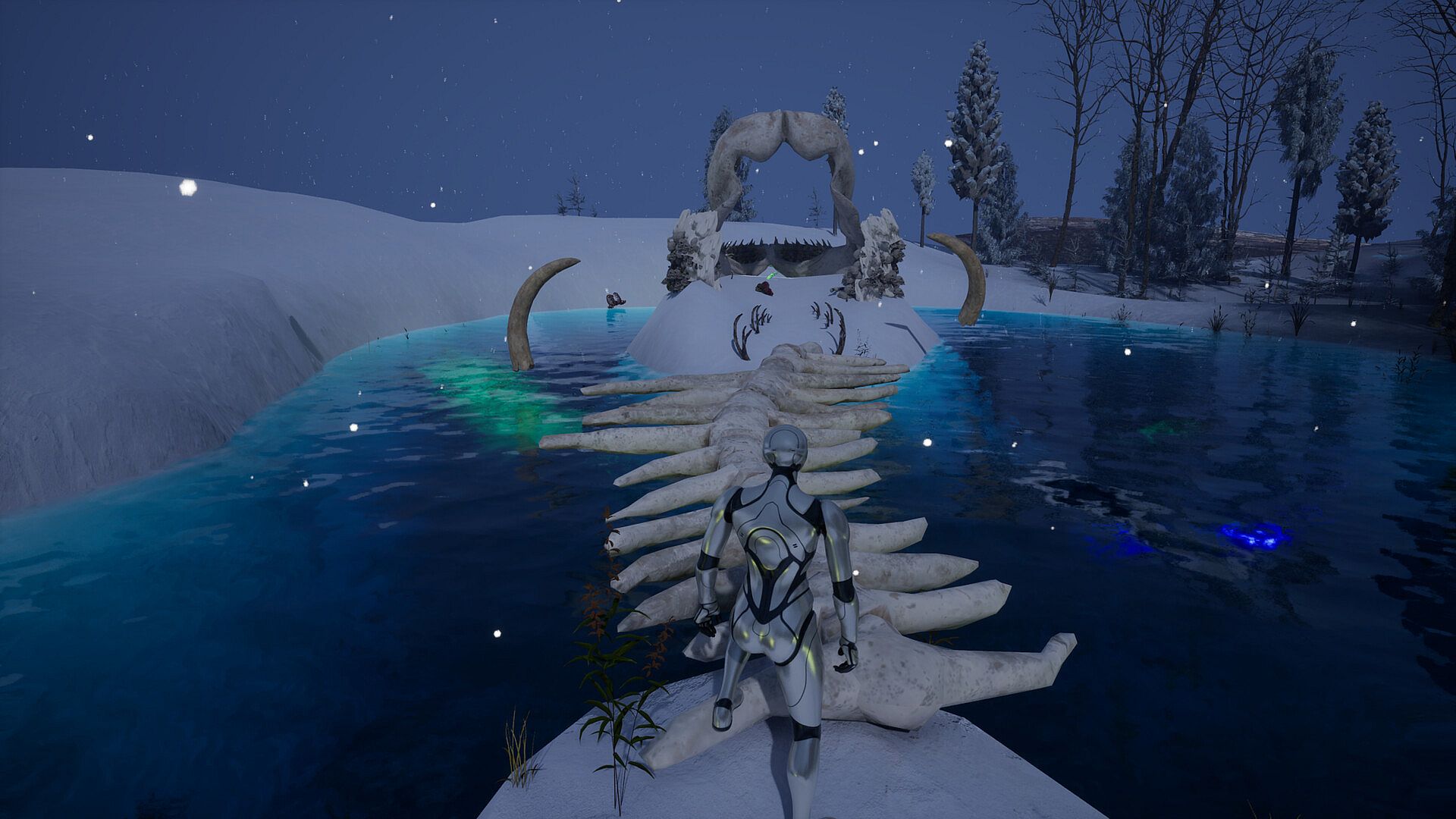
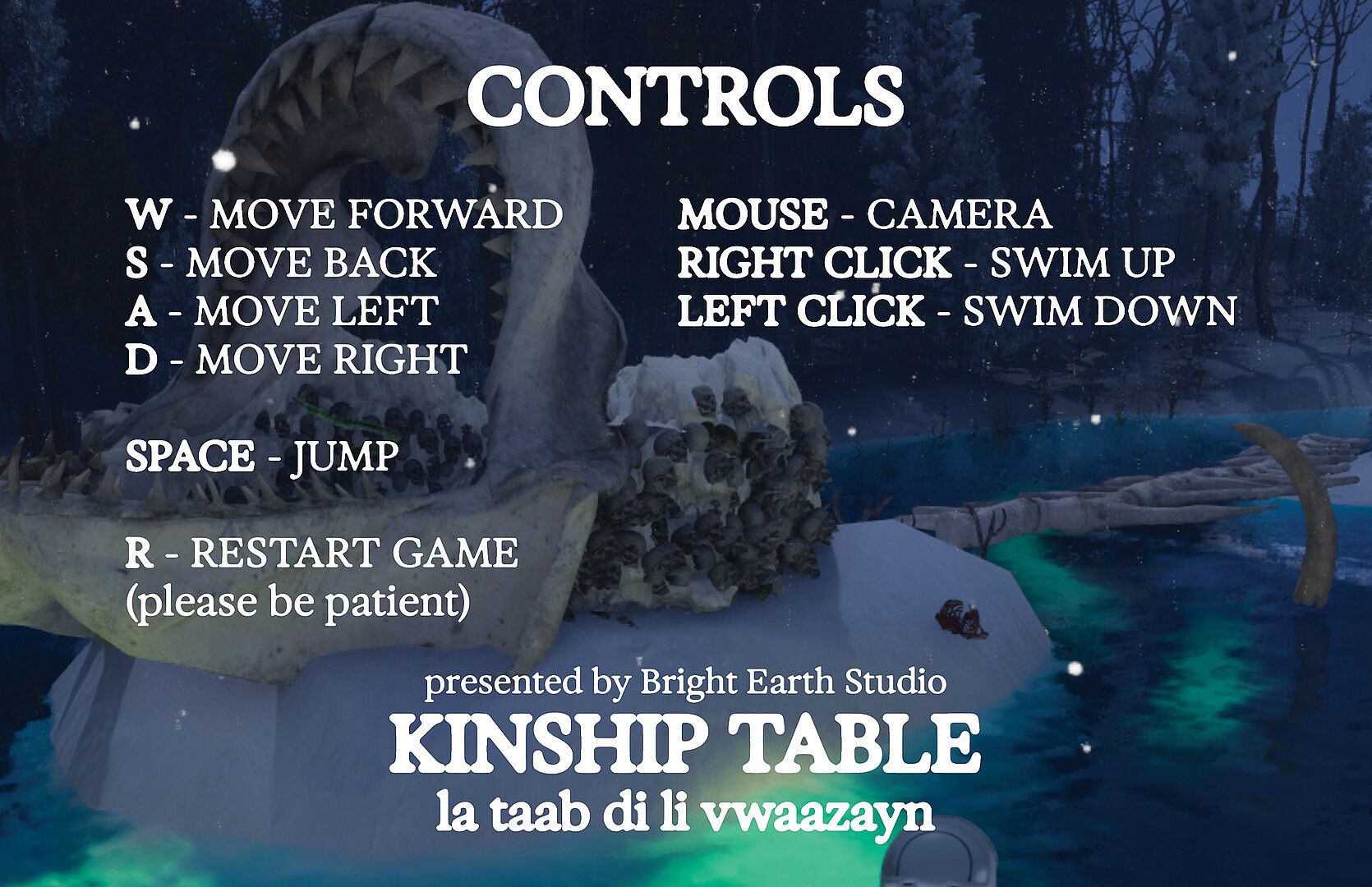
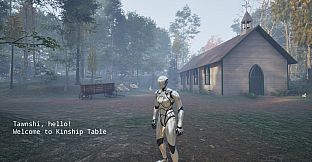
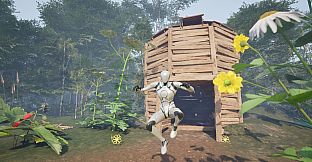
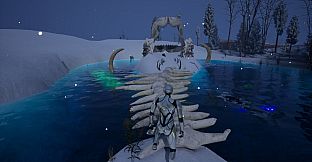
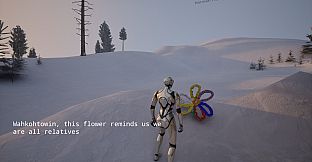
Kinship Table, la taab di li vwaazayn stands as an indie adventure title developed for PC that draws directly from Red River Métis folklore, land-based knowledge, and history. Players step into the role of a community member who moves through distinct worlds to extend supper invitations to neighboring beings rooted in traditional stories.
Gameplay
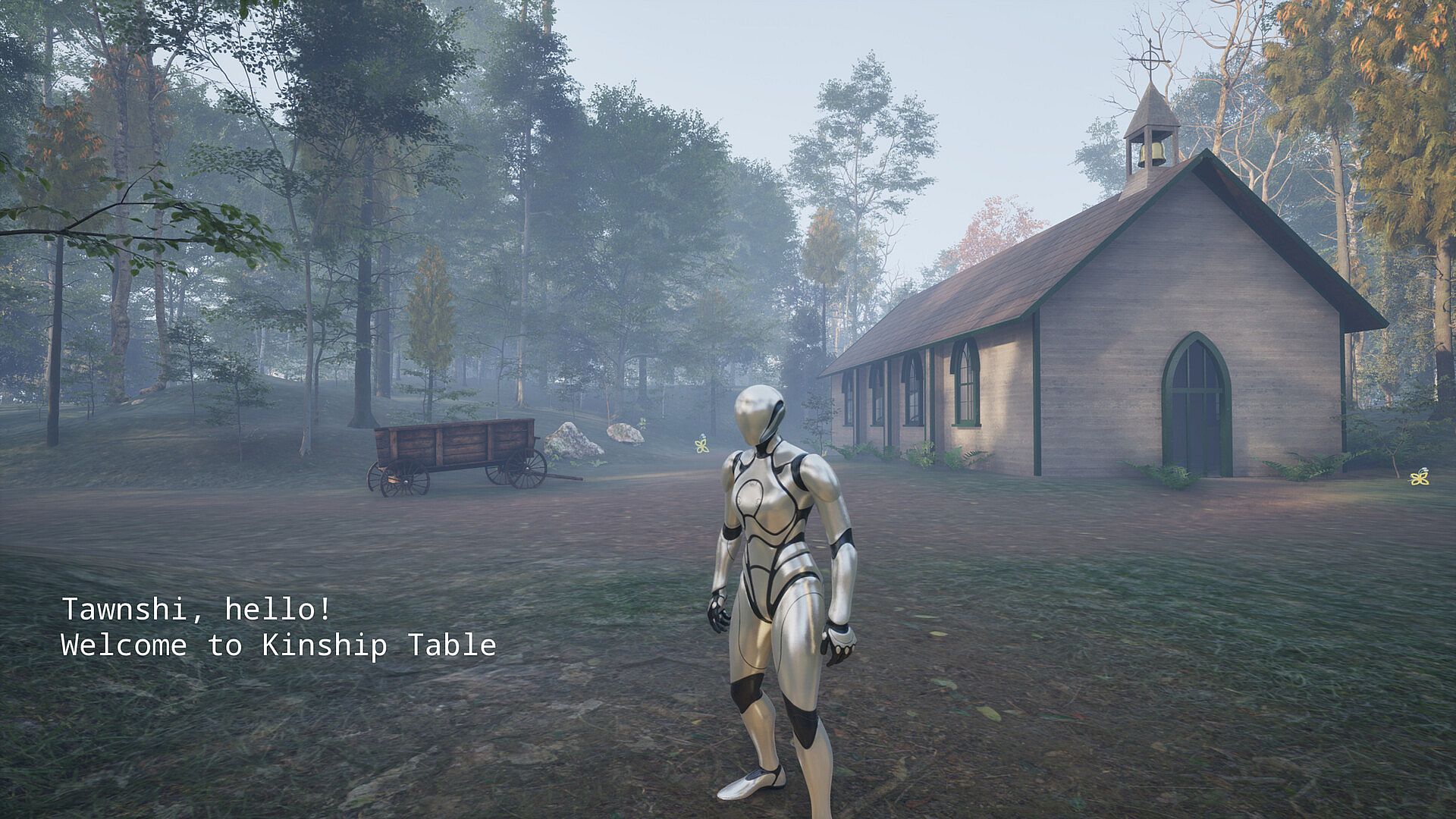
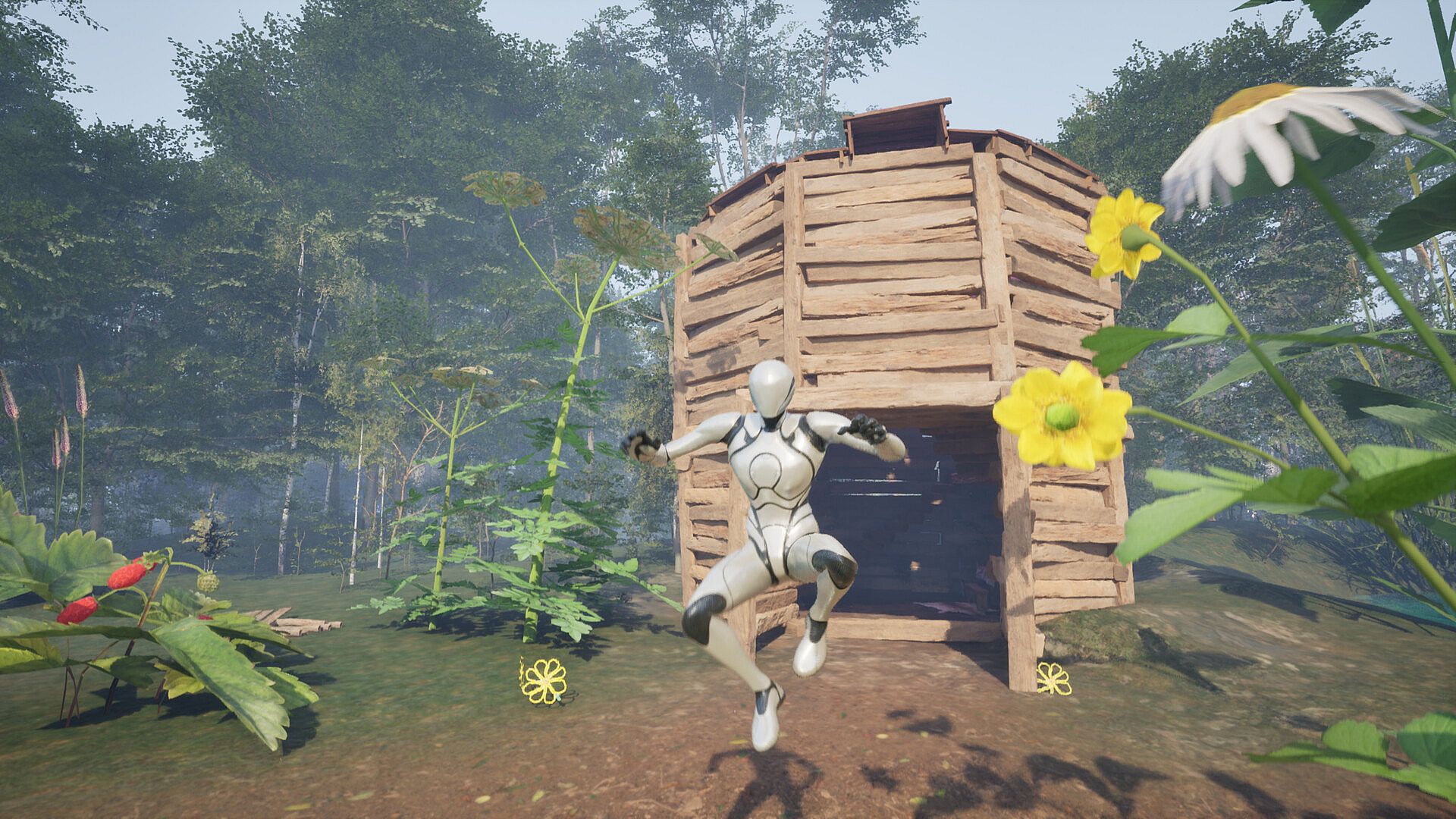
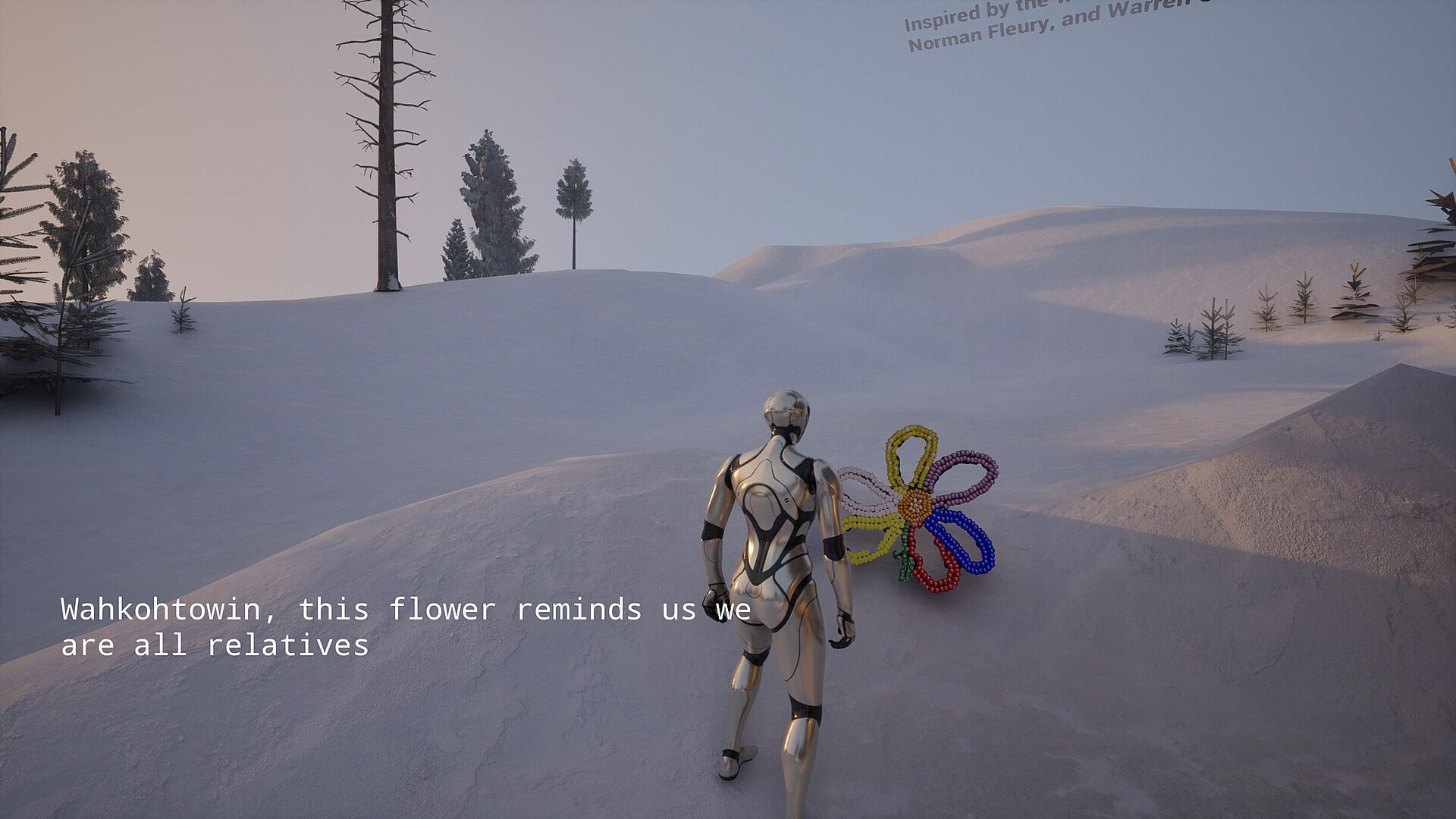
The core loop centers on exploration within simulated environments built in Unreal Engine 5. Each world reflects a different aspect of Métis folklore, allowing free movement to approach plants, objects, and characters. Interaction triggers on-screen facts that detail cultural context while displaying the corresponding term in Michif, the Métis language. This process repeats across the experience, building familiarity with both the setting and language elements through repeated encounters.
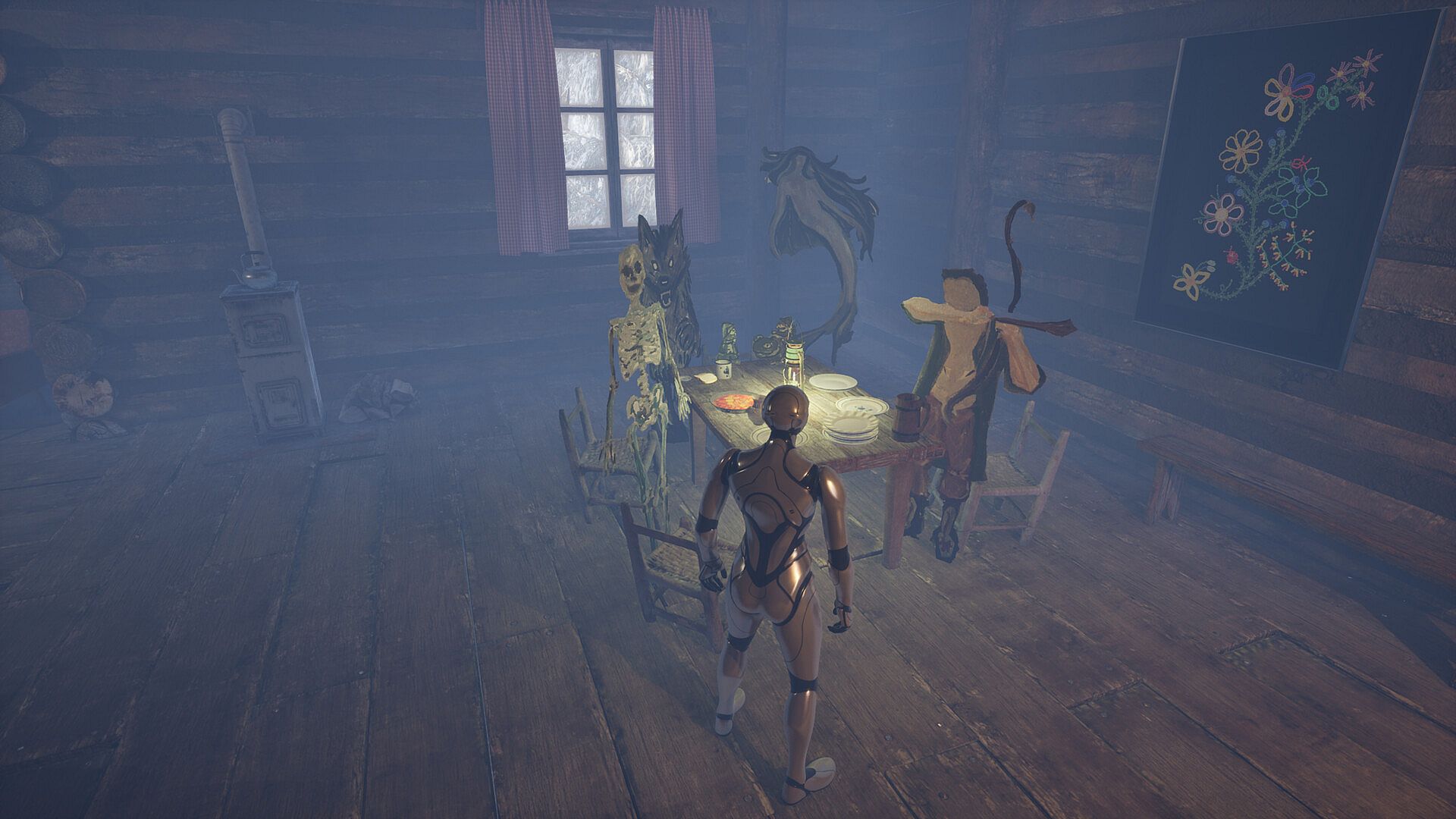
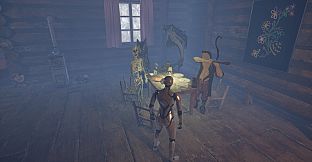
Progression follows a clear sequence of invitation gathering. The player visits homes or gathering spots tied to specific folklore figures, learns about their traits and surroundings, and extends the invitation before advancing. The final stage shifts to a Métis home interior where the gathered group shares a meal at the kitchen table accompanied by live fiddle music. Ambient sound design supports the entire journey without additional mechanical layers.
Game Modes
The game operates as a single-player narrative experience structured across five distinct levels. Each level focuses on one folklore being, beginning with the Rougarou in the opening stage and continuing through others such as fresh-water mermaids and the little people. No separate competitive or cooperative modes exist; the structure remains consistent from start to finish as a guided walk through interconnected worlds that culminates in the shared supper scene.
Story and Setting
The narrative emphasizes kinship and interconnectedness drawn from Métis and Cree teachings. Players encounter beings from traditional stories and gradually bring them together through the invitation mechanic. Information about Métis history and daily life appears naturally during object interactions, reinforcing the educational intent without interrupting the flow of movement and discovery. The worlds themselves incorporate architectural and environmental details that reflect real cultural elements alongside the fantastical characters.
Audio and Presentation
Soundtrack contributions come from multiple artists who created ambient tracks suited to each world. Fiddle performances feature prominently in the closing level, providing a direct cultural anchor. Michif narration appears at key moments to guide or contextualize events. Visuals prioritize clear representation of plants, objects, and architecture so that learning moments remain accessible during play.
Is It Worth Playing?
This title suits players seeking a focused, educational adventure centered on Indigenous storytelling and language preservation. The invitation and learning mechanics create a steady pace that rewards careful observation rather than speed or combat. Those interested in Métis culture will find repeated value in the factual overlays and final communal scene. The experience remains self-contained with no ongoing seasons or expansions confirmed at this time, making it a complete single sitting or short-session option for its intended audience.