




Kiel & Kontor - Vom Stamm zum Stapellauf is a single-player strategy and simulation game set in a historical Hanseatic trading environment. Players take control of a modest shipyard and guide its growth into a established shipbuilding operation through careful management of resources, personnel and contracts.
Gameplay
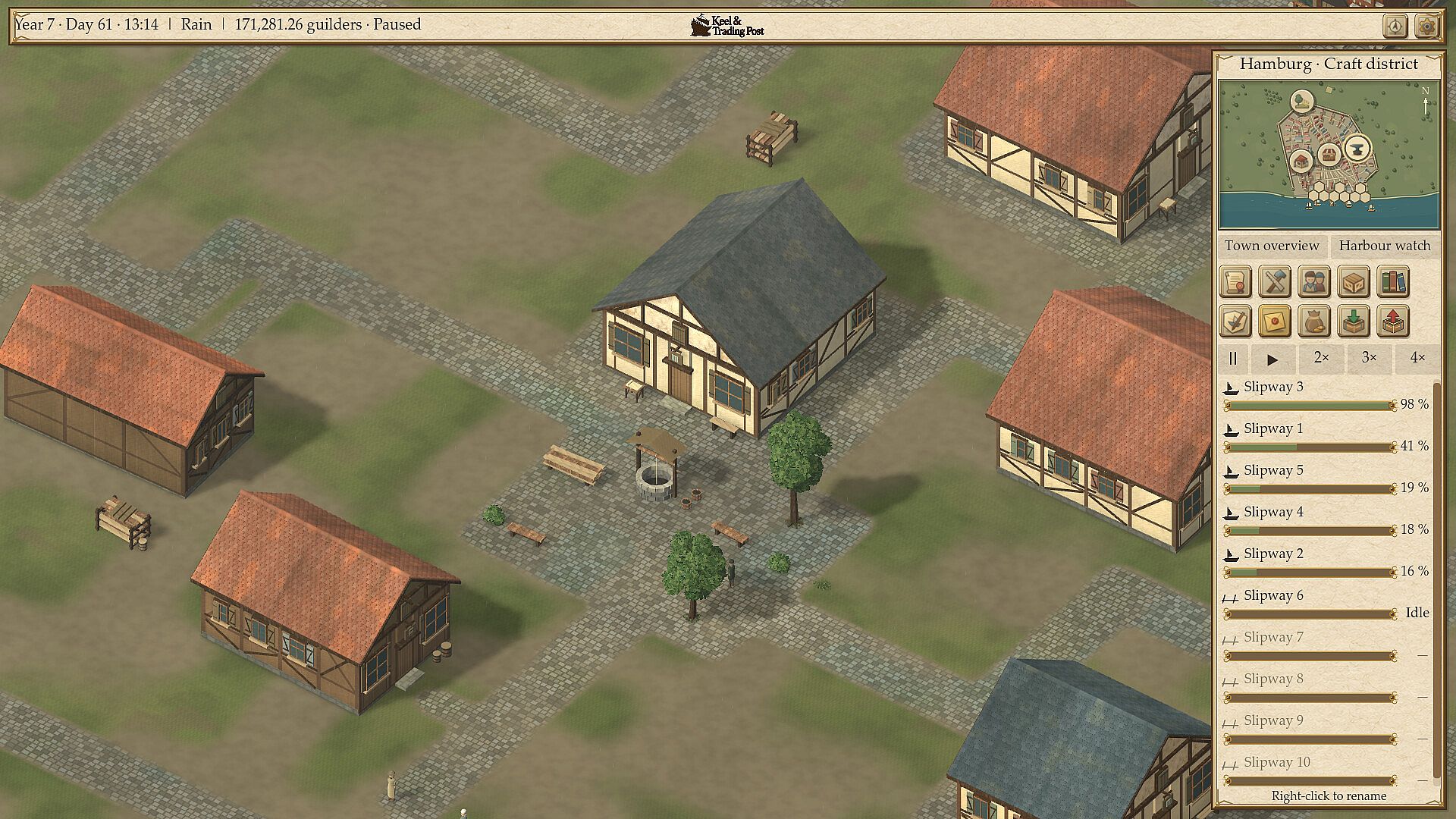
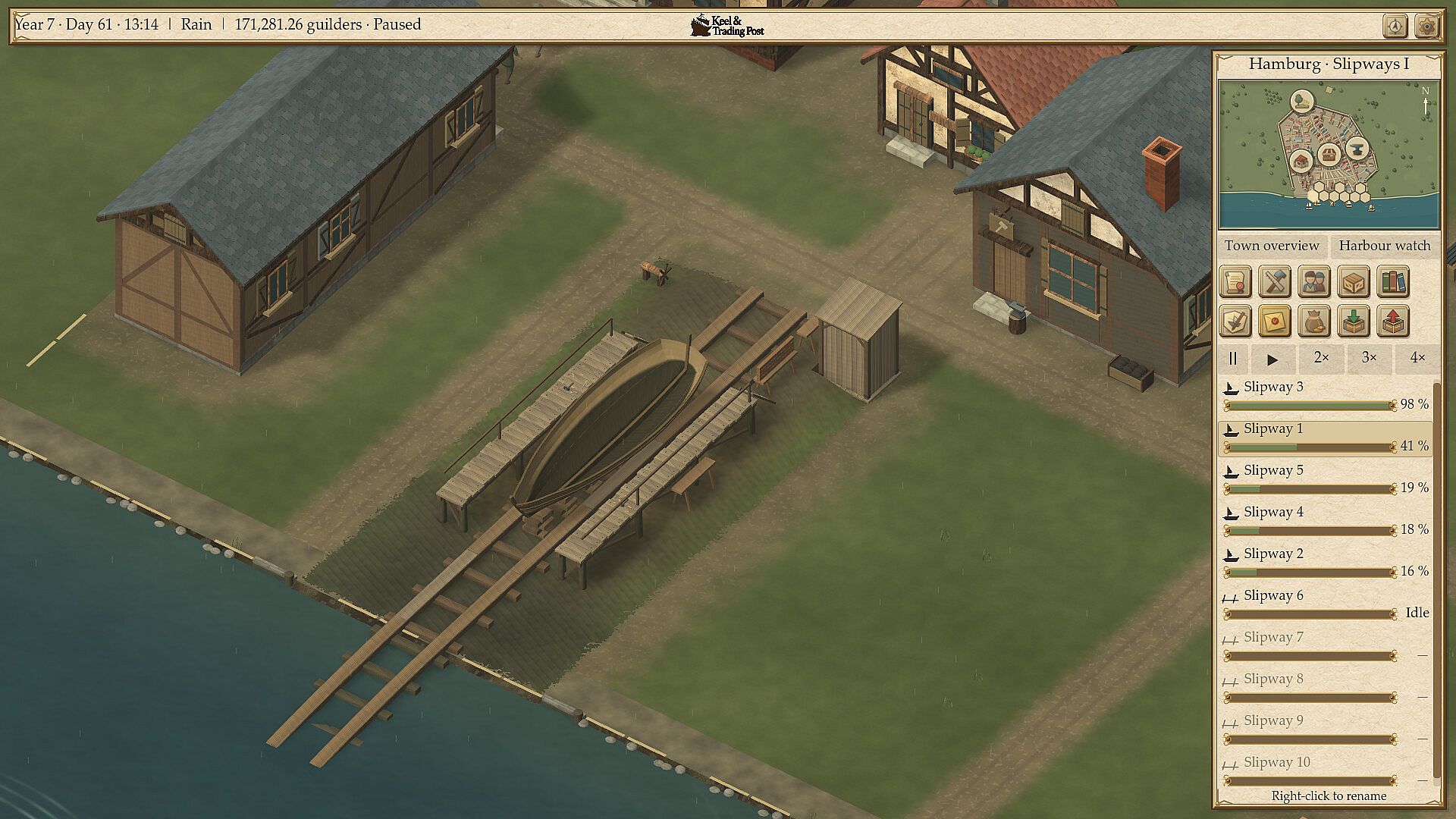
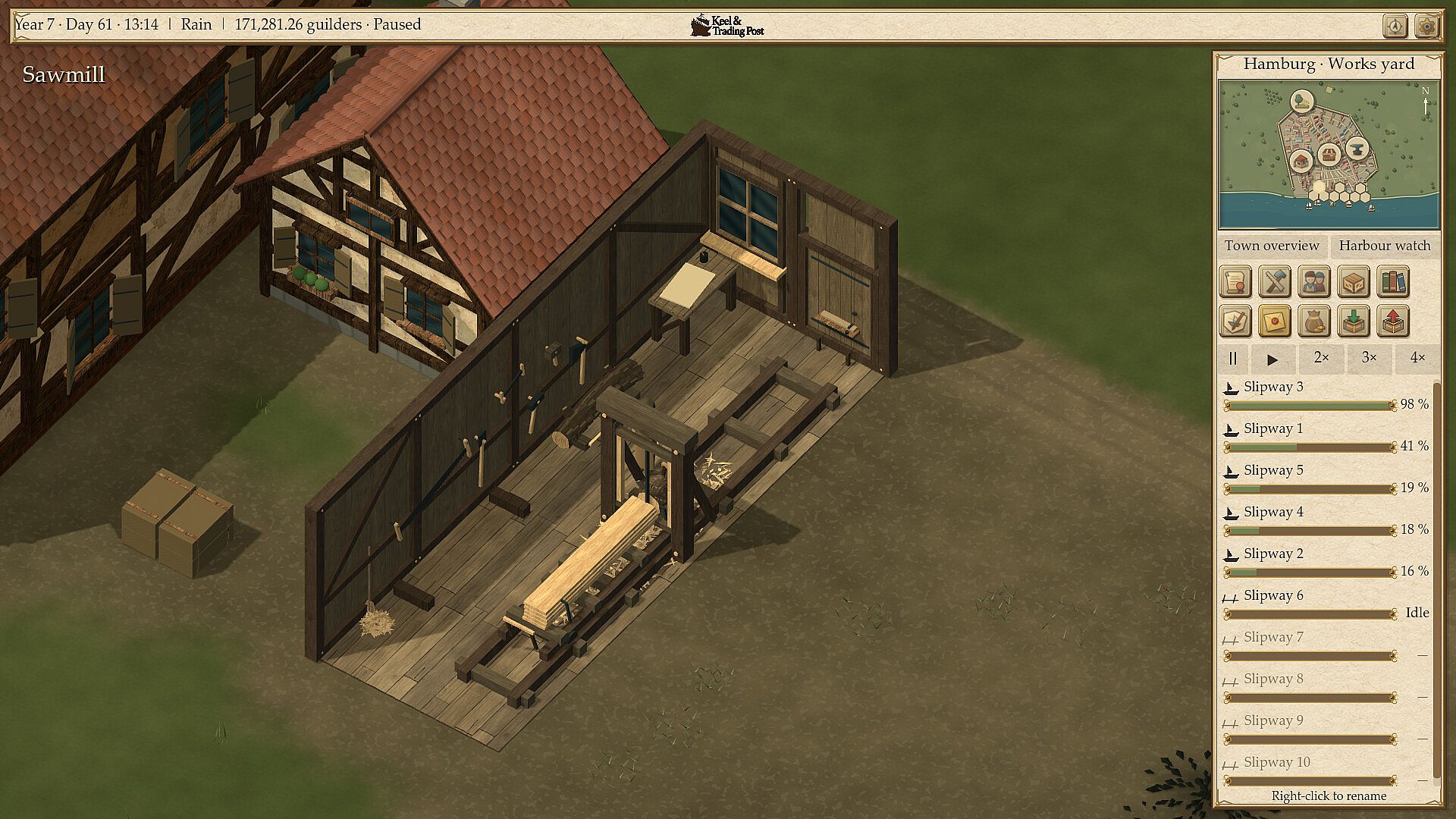
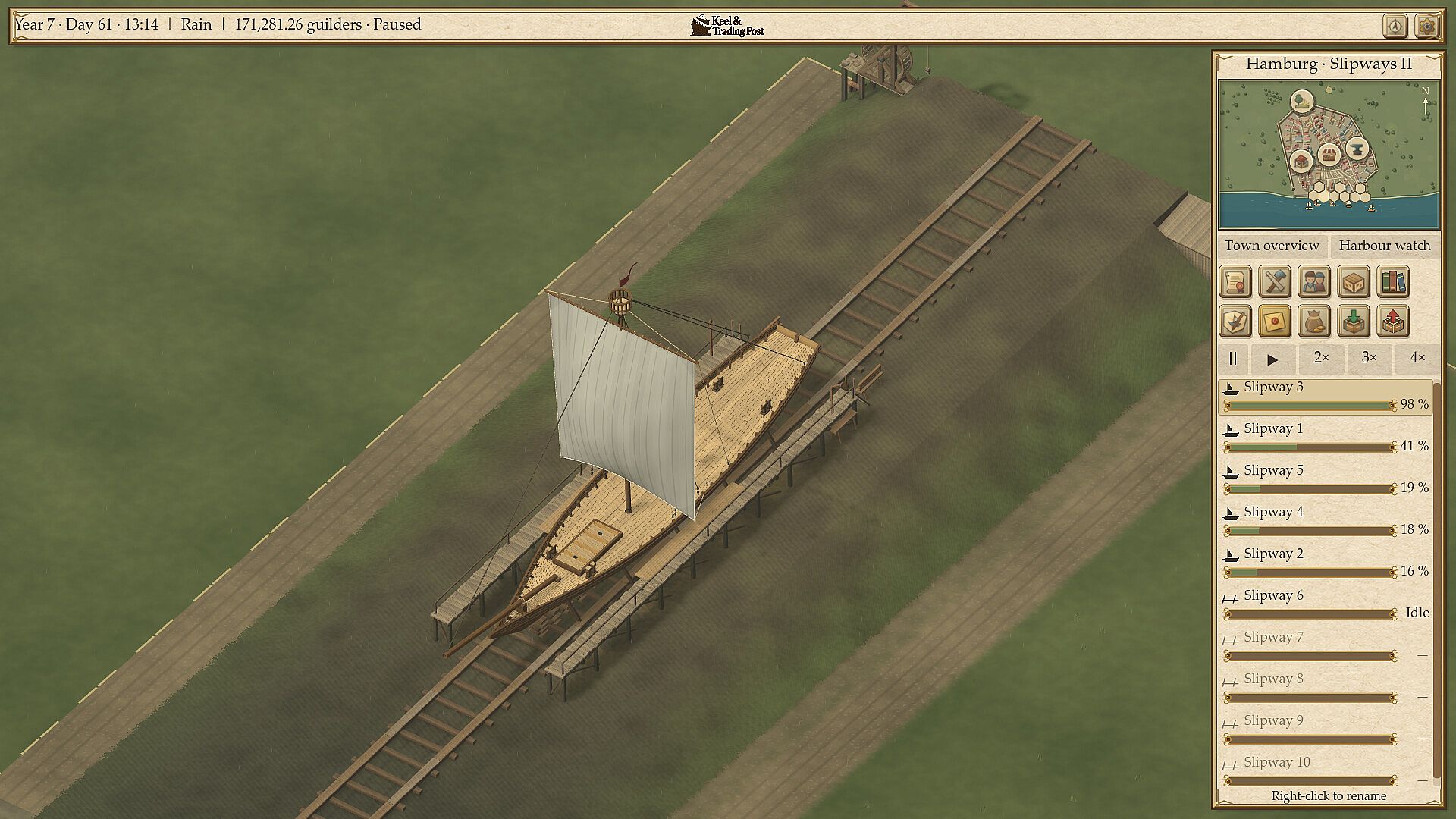
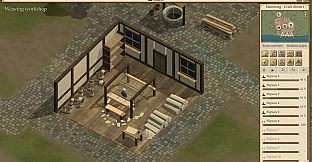
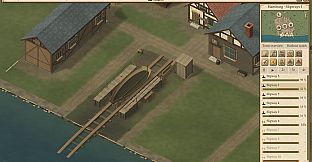
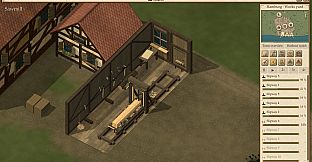
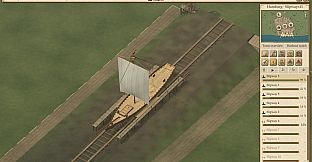
The core loop centers on expanding a shipyard from basic facilities into a capable production site. Players design and enlarge workshops, warehouses and slipways while organizing the flow of materials and labor. Contracts arrive with specific requirements for vessel types, and success depends on selecting appropriate timber, iron and other components that balance quality against cost and time.
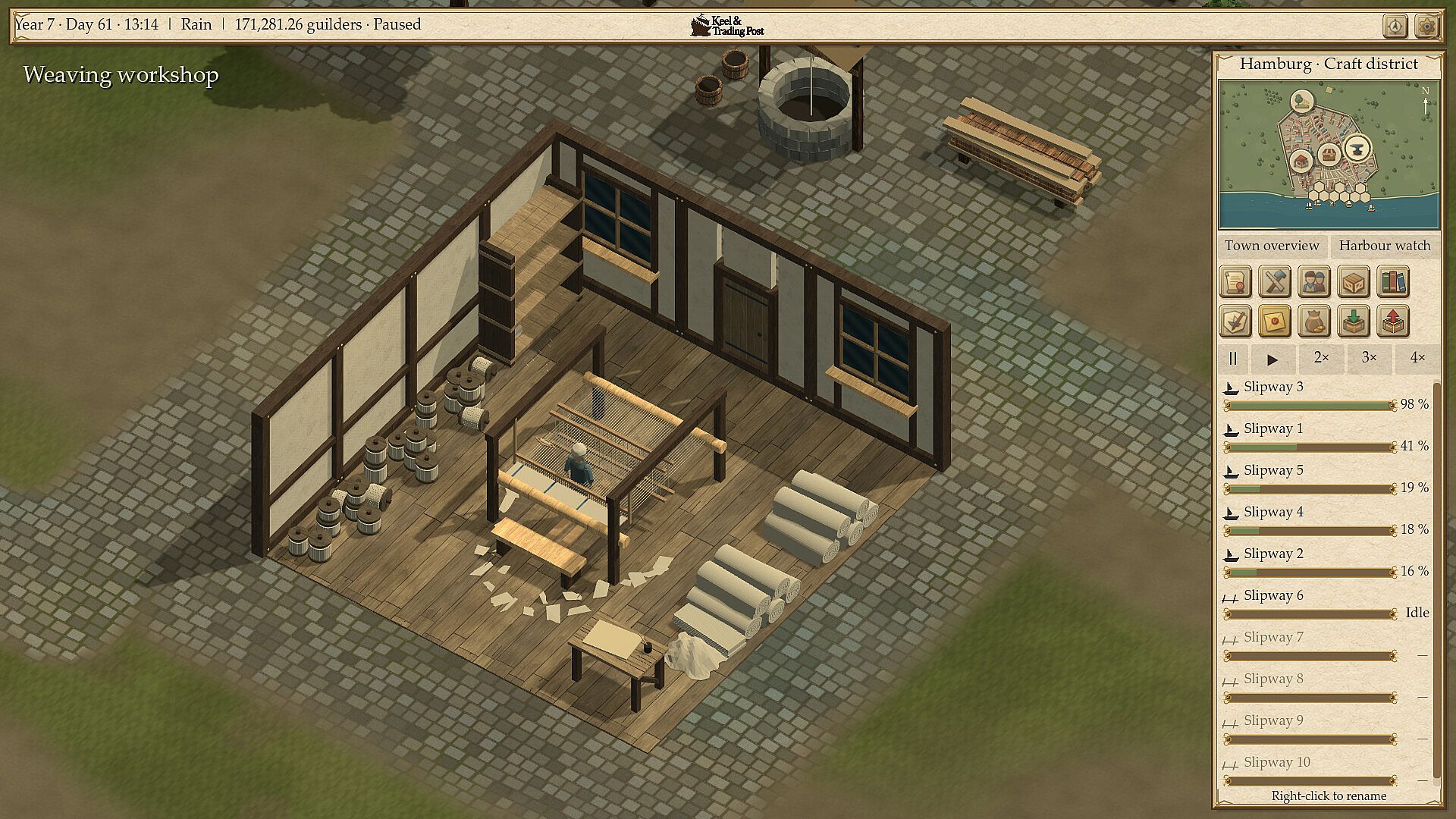
Workers form the heart of operations. Each individual carries distinct skills, experience levels and traits that influence workshop output. Experienced masters can elevate an entire team, while apprentices require training to reach full potential. Fair compensation keeps staff motivated, and the loss of key knowledge occurs if experienced personnel depart without passing on their expertise.
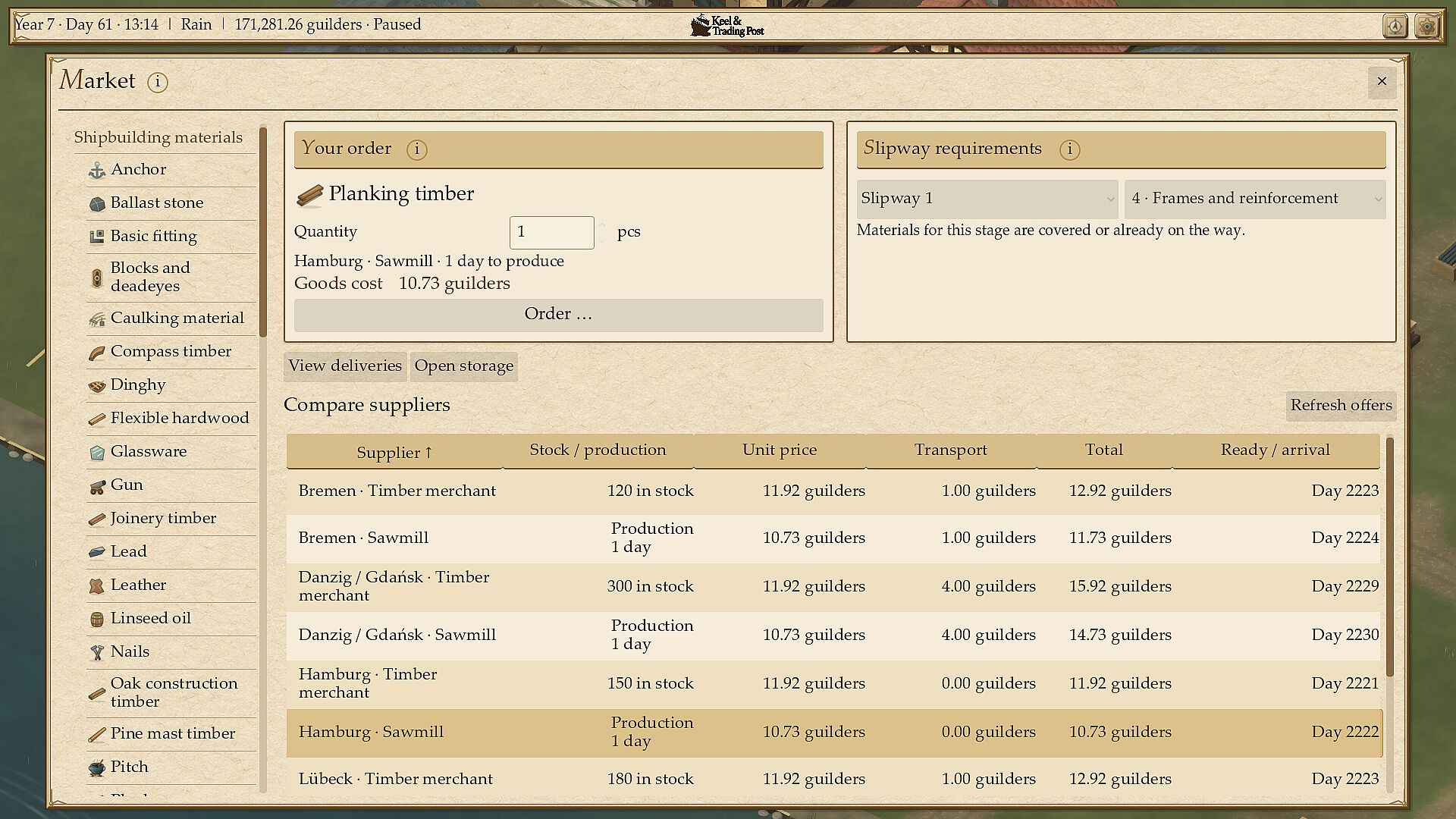
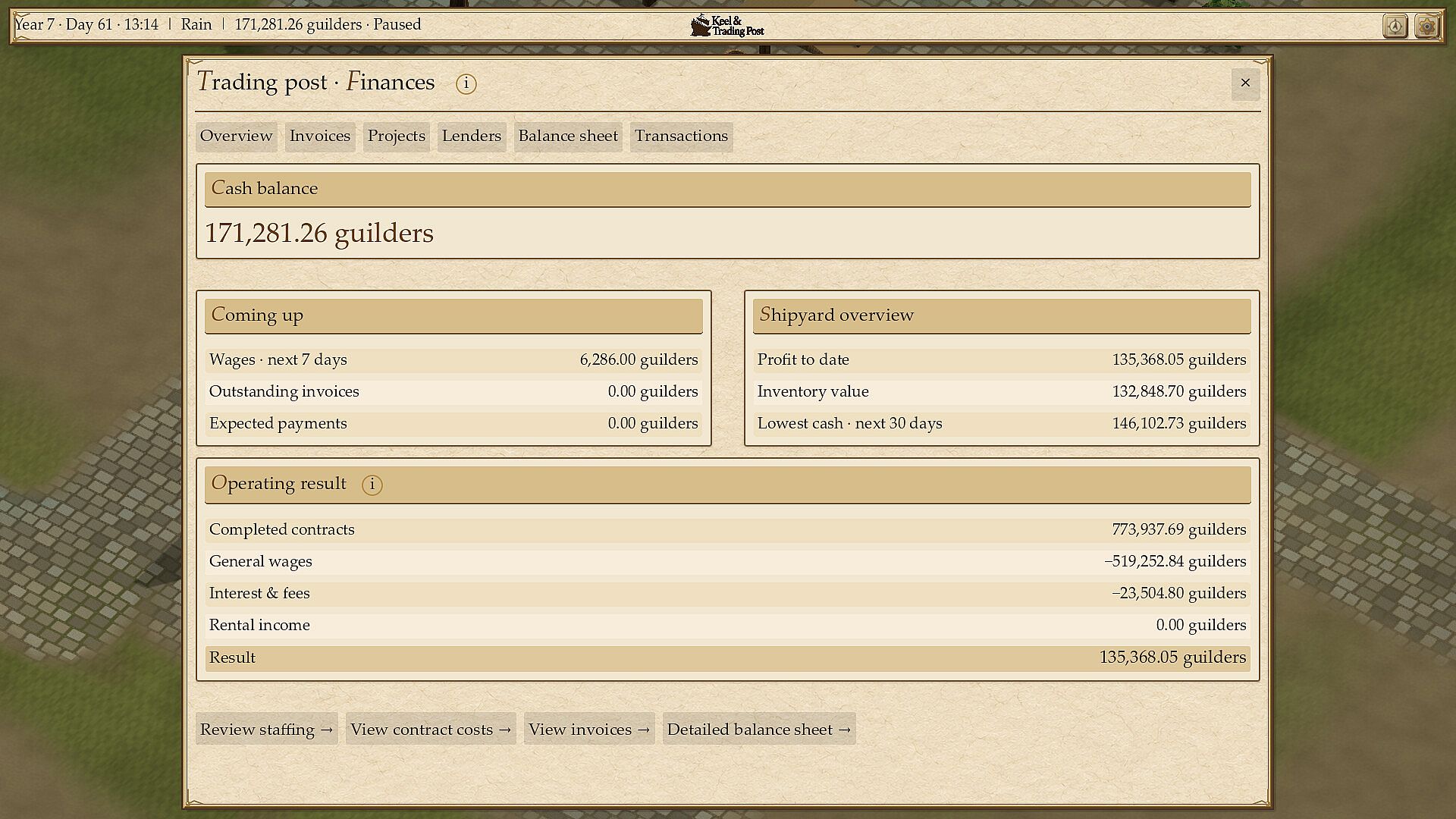
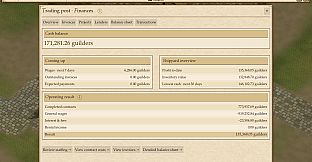
Business decisions shape long-term viability. Material prices fluctuate, wages must be paid on time, and construction schedules compete with delivery deadlines. Players negotiate contracts, secure supplies and weigh whether to invest in in-house production capabilities rather than relying on external sources. A high volume of work does not guarantee profit if overheads and inefficiencies accumulate.
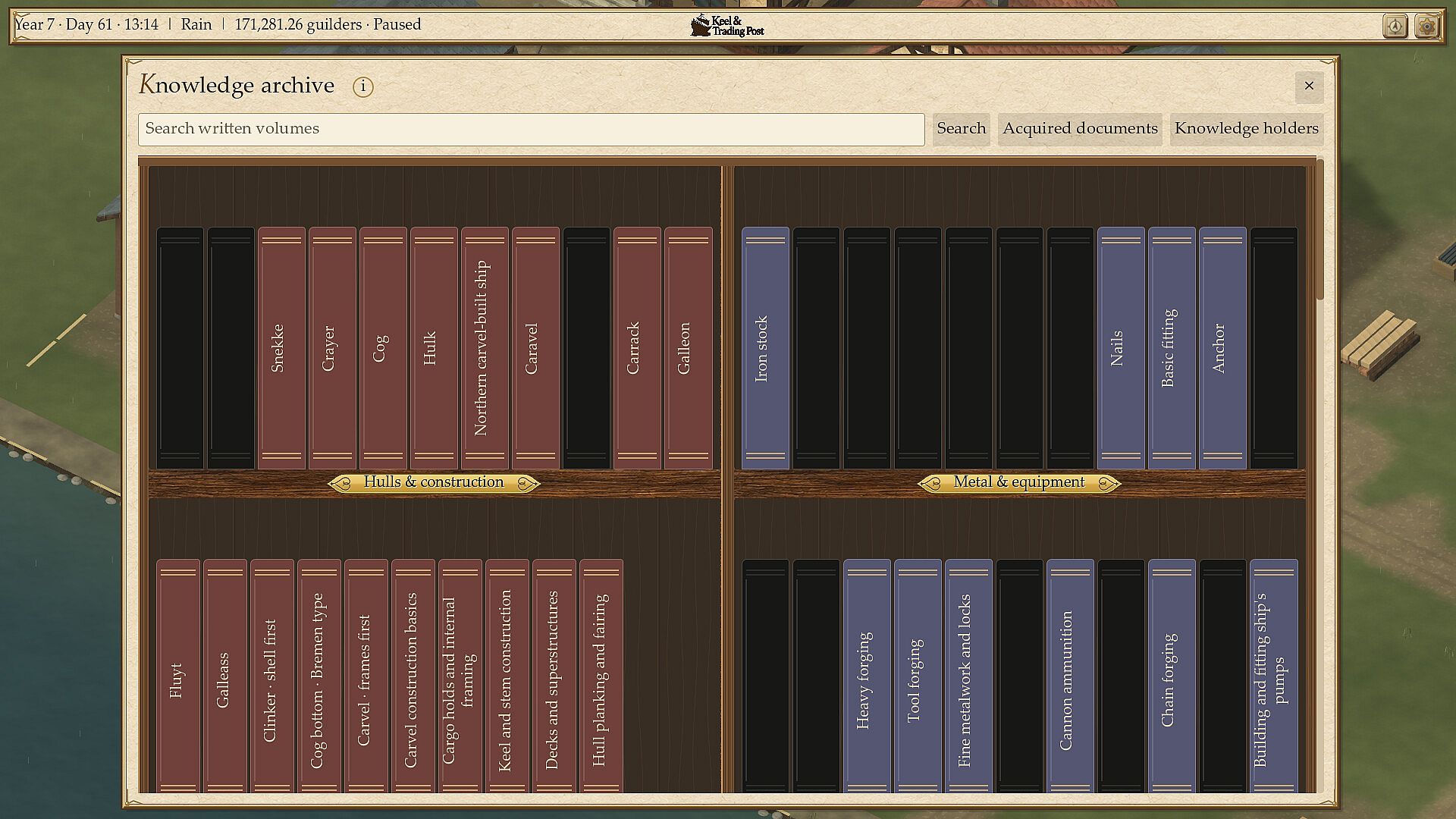
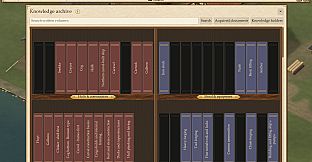
Progression arises organically from accumulated experience. New ship designs and capabilities unlock through the knowledge held by the workforce and the practical capabilities built within the business itself. Construction drawings and study of existing vessels further expand options without reliance on a separate research system.
Game Modes
The game operates as a single-player experience focused on one continuous campaign of shipyard development. There are no separate multiplayer or competitive modes. All activity occurs within the single persistent shipyard setting where contracts, worker management and business choices unfold over time.
Players advance at their own pace, choosing which contracts to accept and how aggressively to expand facilities. The structure emphasizes steady progression from simple rowing boats toward larger sailing vessels rather than discrete rounds or scenarios.
Business Management and Ship Design
Contract fulfillment requires matching customer specifications while controlling expenses. Simple vessels serve as entry points, but larger projects demand greater planning around material sourcing and production sequencing. Cutting corners on quality risks future reputation and repeat business, whereas thorough work builds reliability.
Supply chains and wage structures add layers of decision-making. Players monitor market conditions for timber and other essentials, decide on storage investments and adjust staffing levels to match workload. The economic layer rewards foresight in timing expansions and contract selections.
Worker Development and Knowledge Systems
Personnel management extends beyond hiring and firing. Individual characteristics affect productivity and workshop dynamics, encouraging players to retain talent and foster skill transfer. Knowledge retention becomes a strategic concern as the business scales.
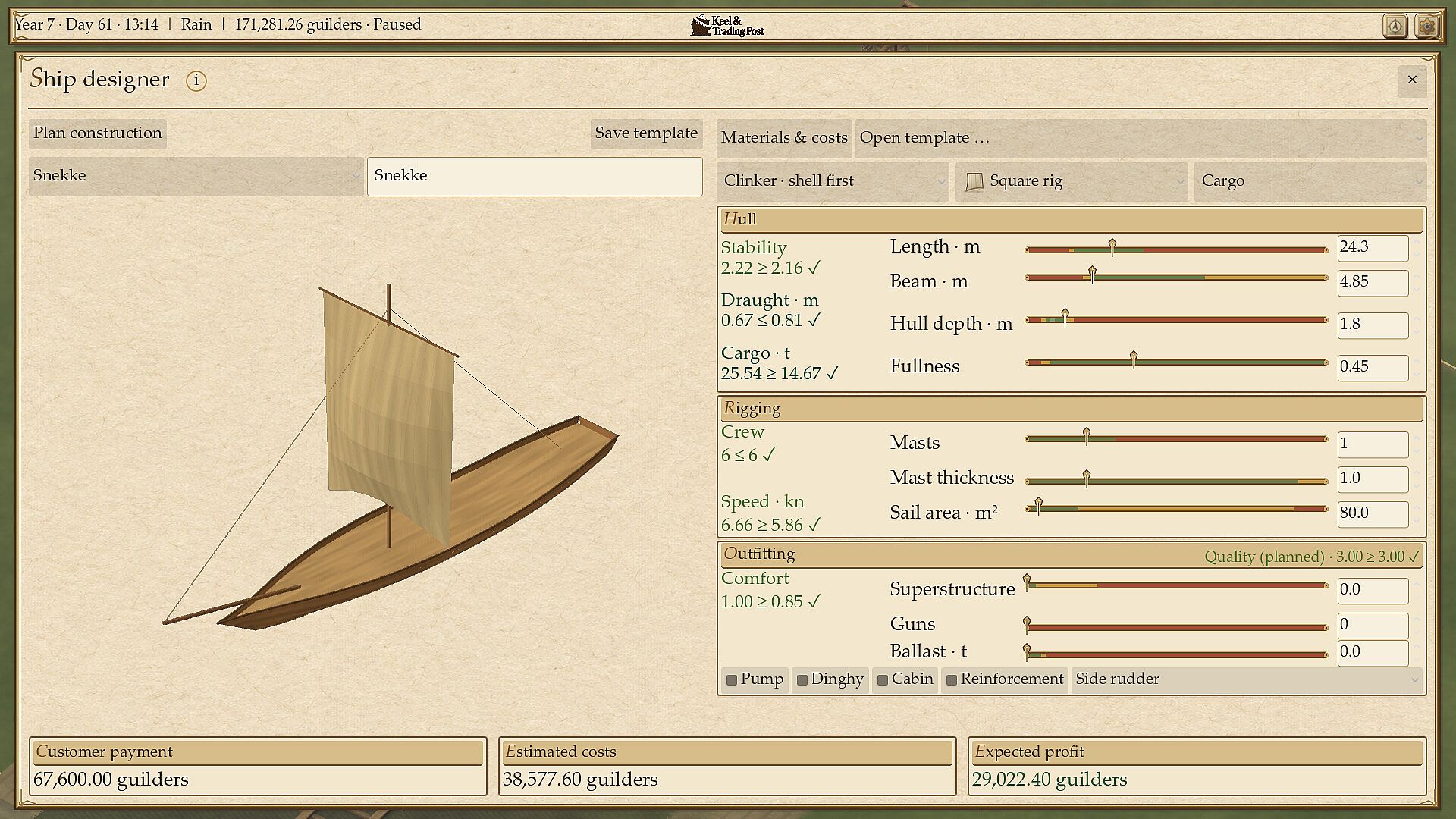
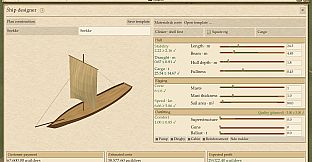
Design choices for each ship incorporate material selection and component decisions that directly influence build time, cost and final quality. These choices feed back into the broader business model, where reputation and capabilities determine access to more demanding contracts.
Is It Worth Playing?
The game targets players who enjoy detailed management simulations centered on production, personnel and economic trade-offs. Its single-player focus and emphasis on organic progression through worker expertise suit those who prefer thoughtful pacing over rapid action or competitive elements.
With a planned release in Q1 2027 and no public reviews available yet, suitability depends on interest in historical shipbuilding themes and incremental business growth. The mechanics described align with established simulation conventions that reward planning and attention to detail rather than reflexes or exploration.











