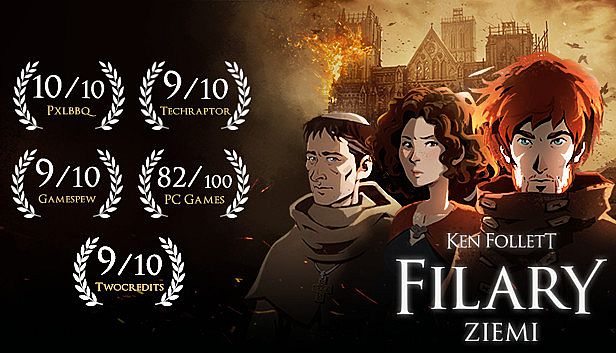



















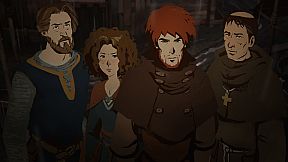
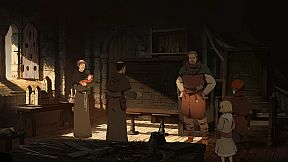
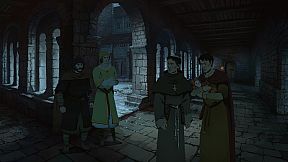
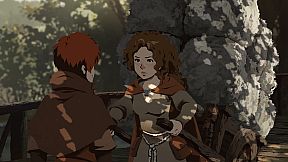
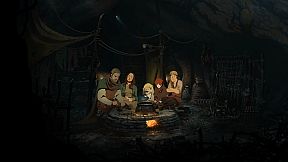
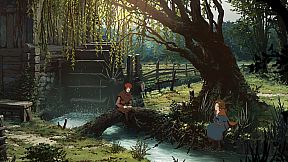
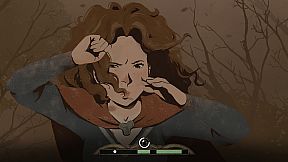
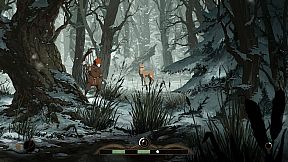
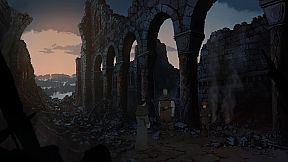
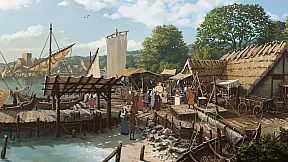
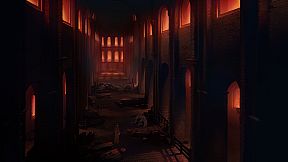
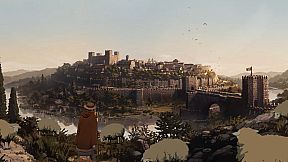
Ken Follett's The Pillars of the Earth is a point-and-click adventure game that adapts the bestselling historical novel into an interactive story set in 12th-century England. Players follow the intertwined lives of three characters as they navigate poverty, war, and the ambitious construction of a cathedral in the village of Kingsbridge. The experience emphasizes exploration, dialogue choices, and decision-making that can alter the outcomes of key events from the source material.
Gameplay
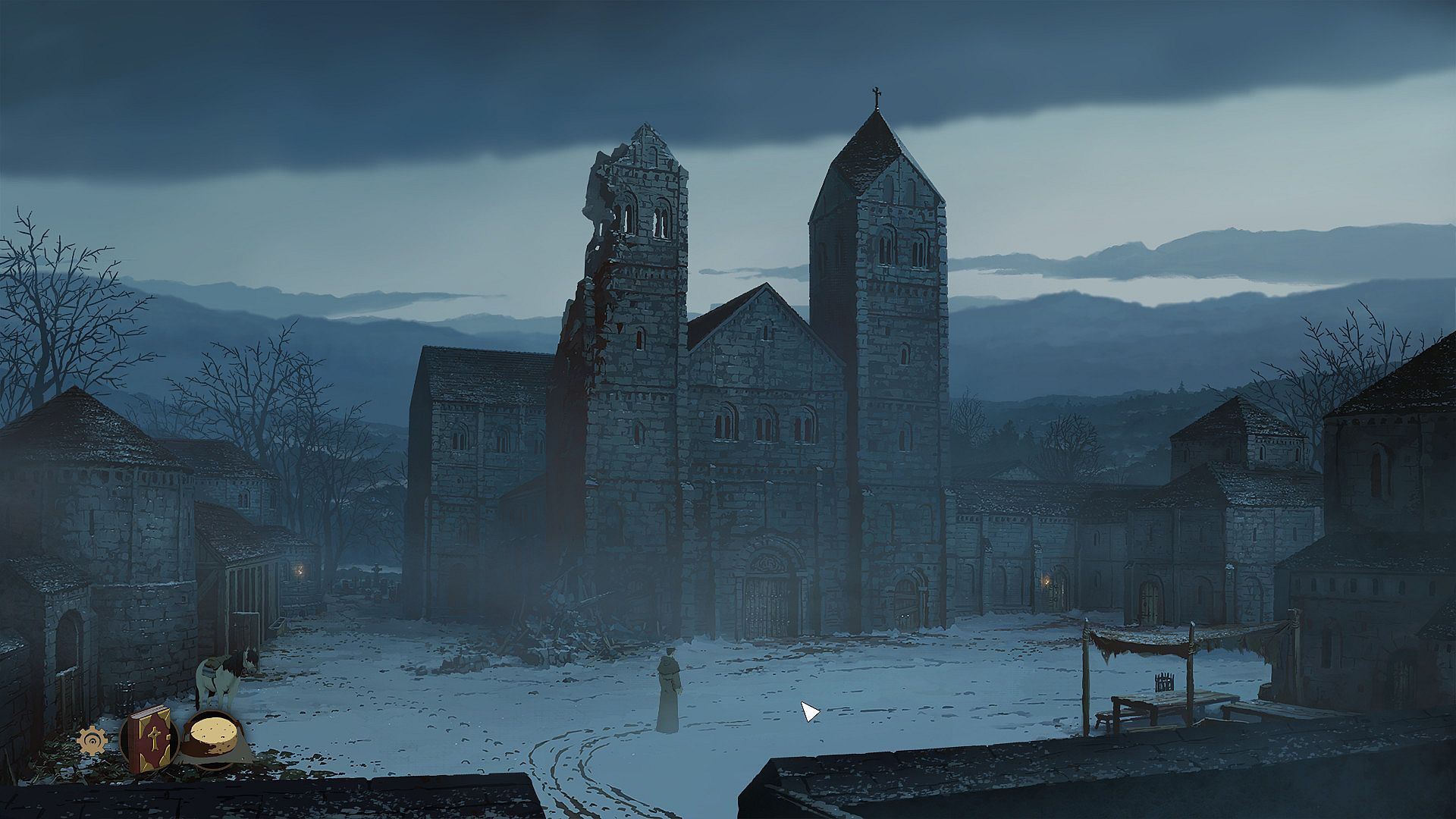
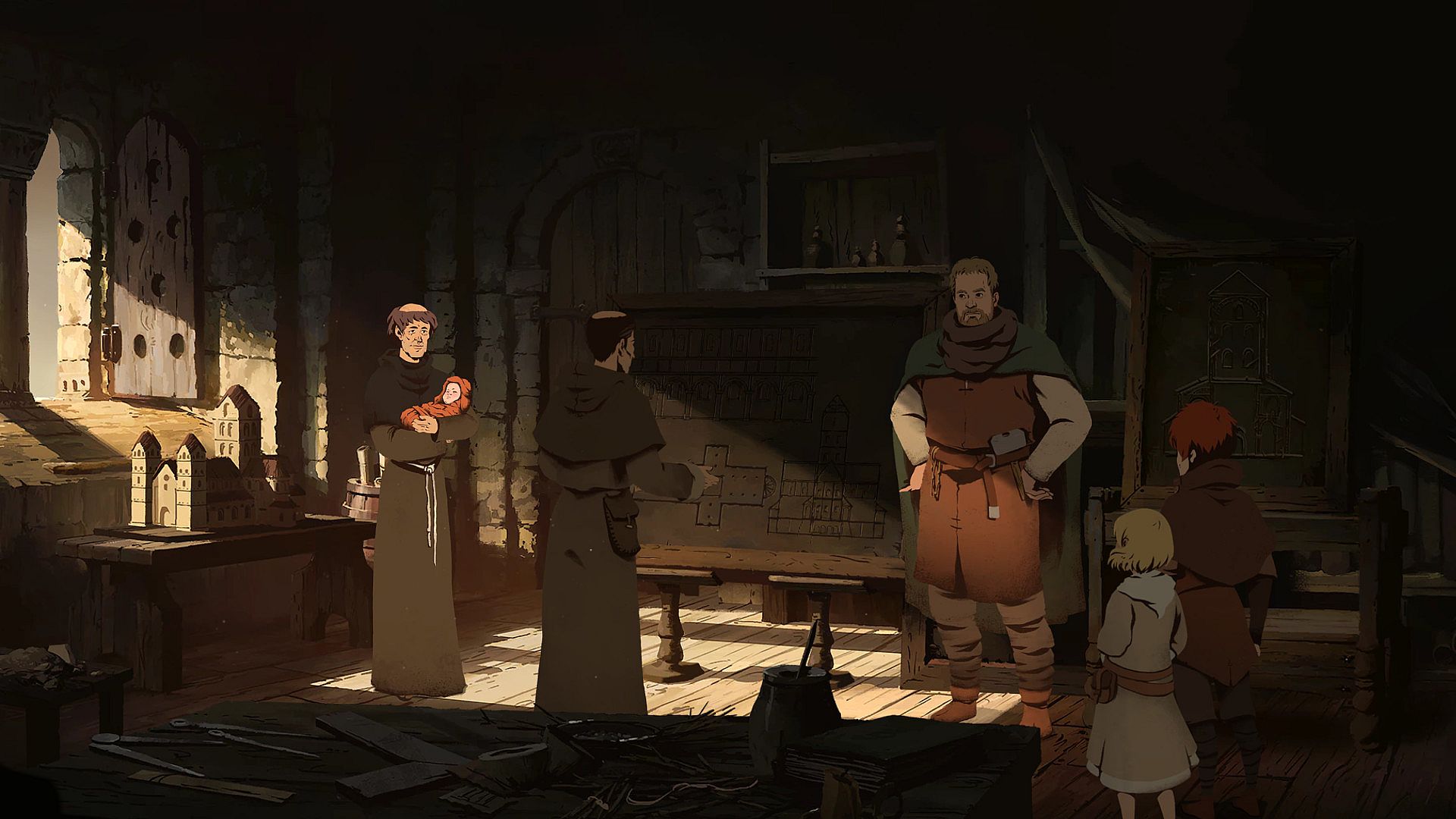
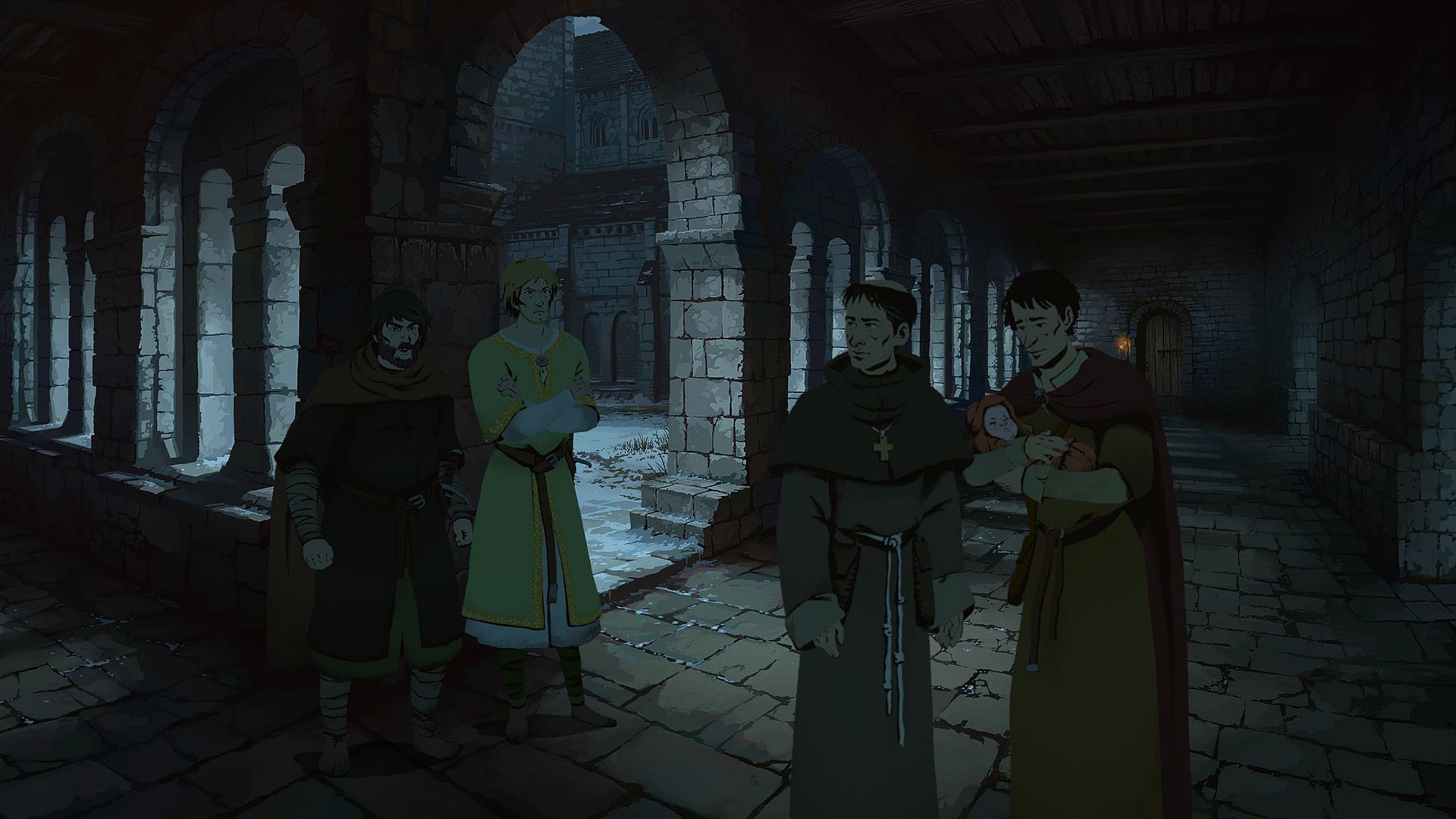
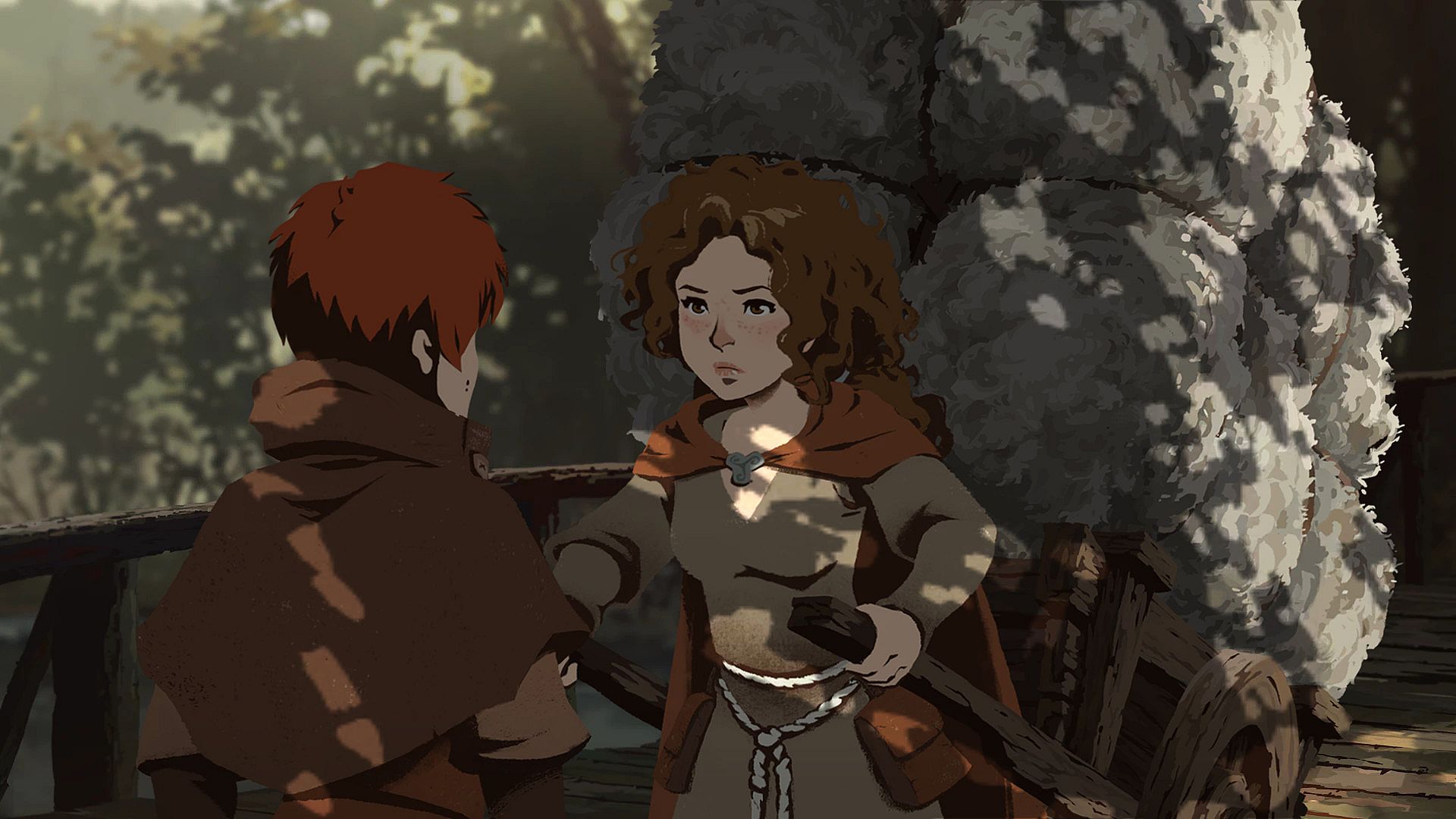
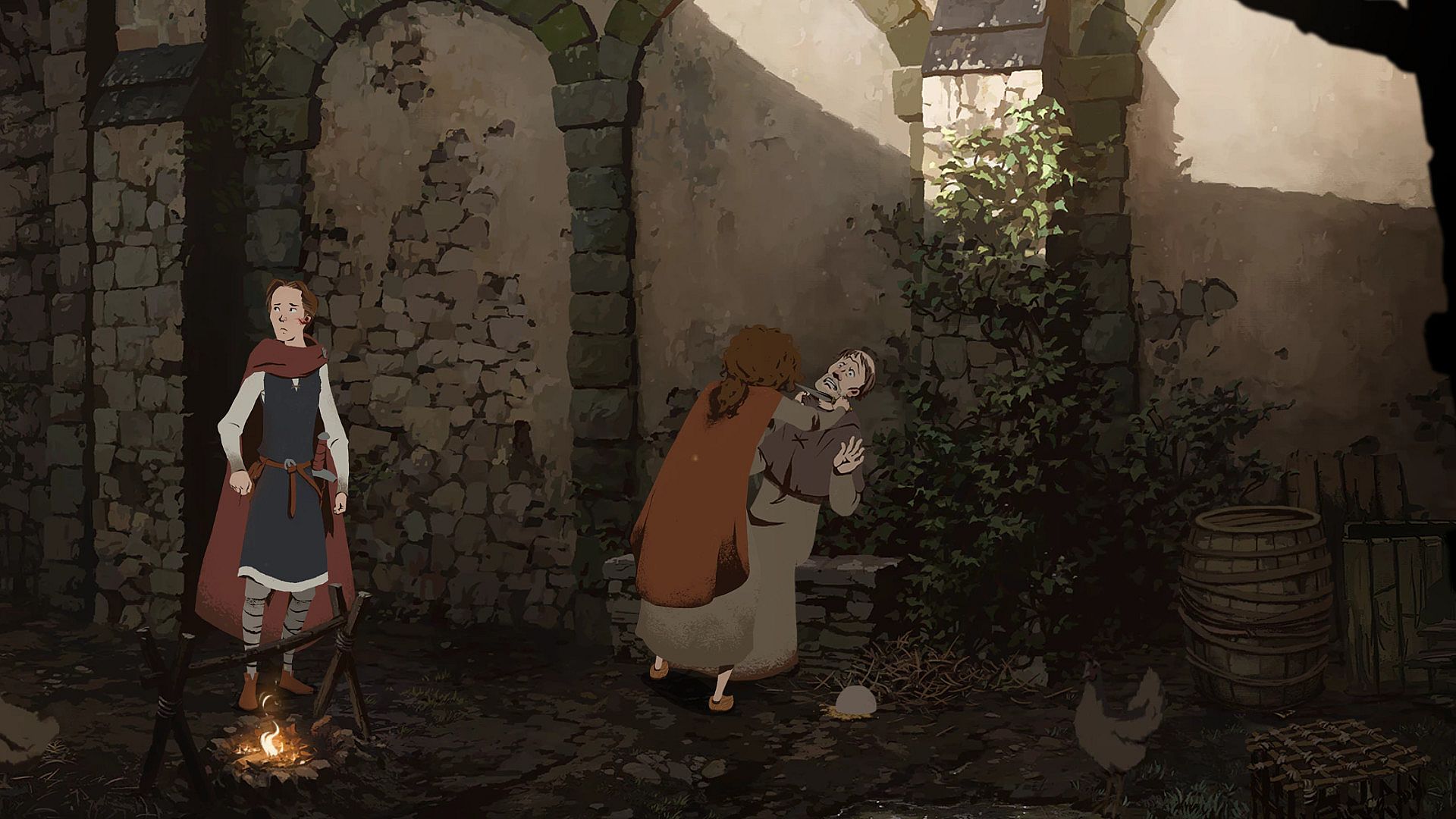
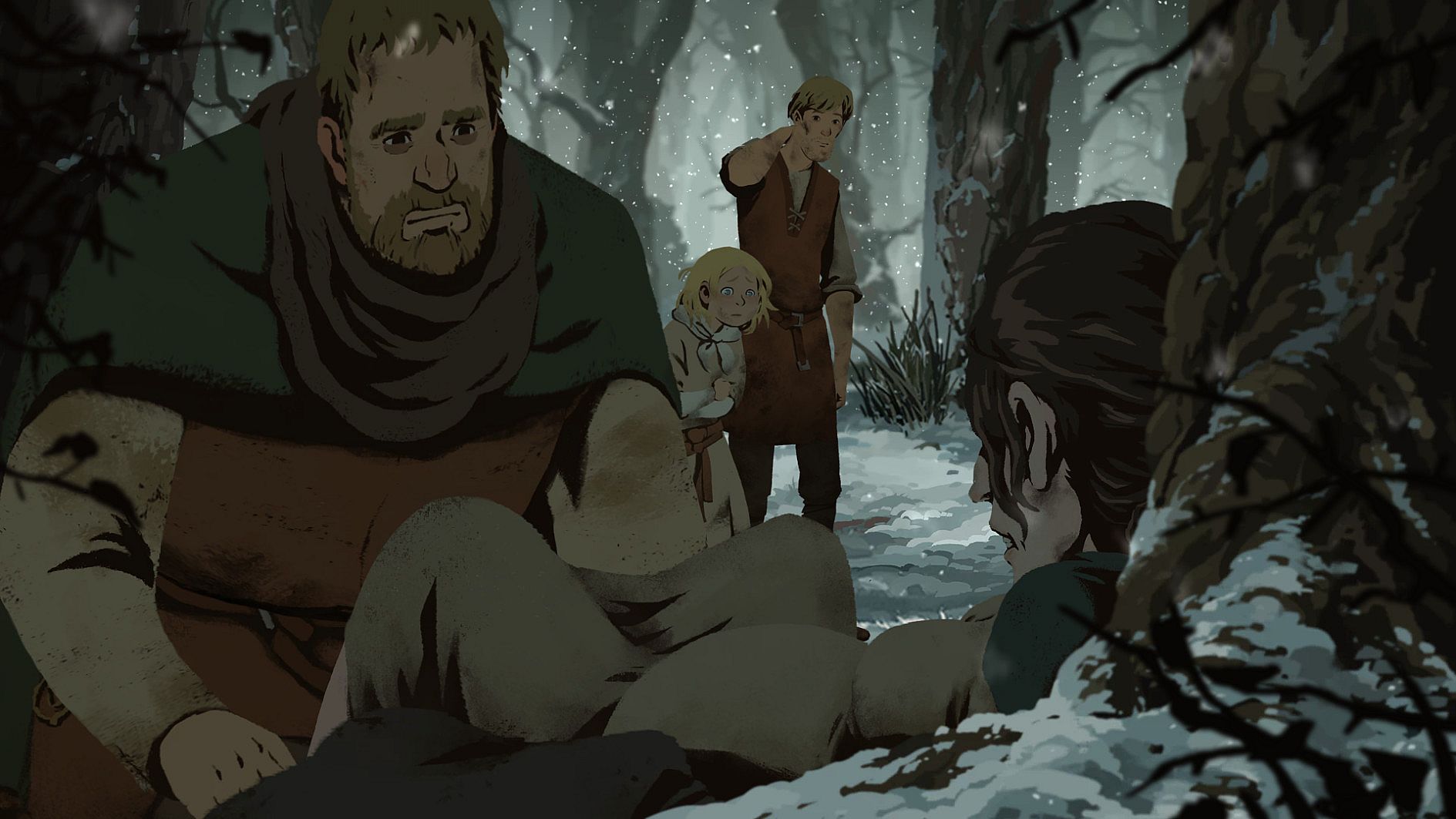
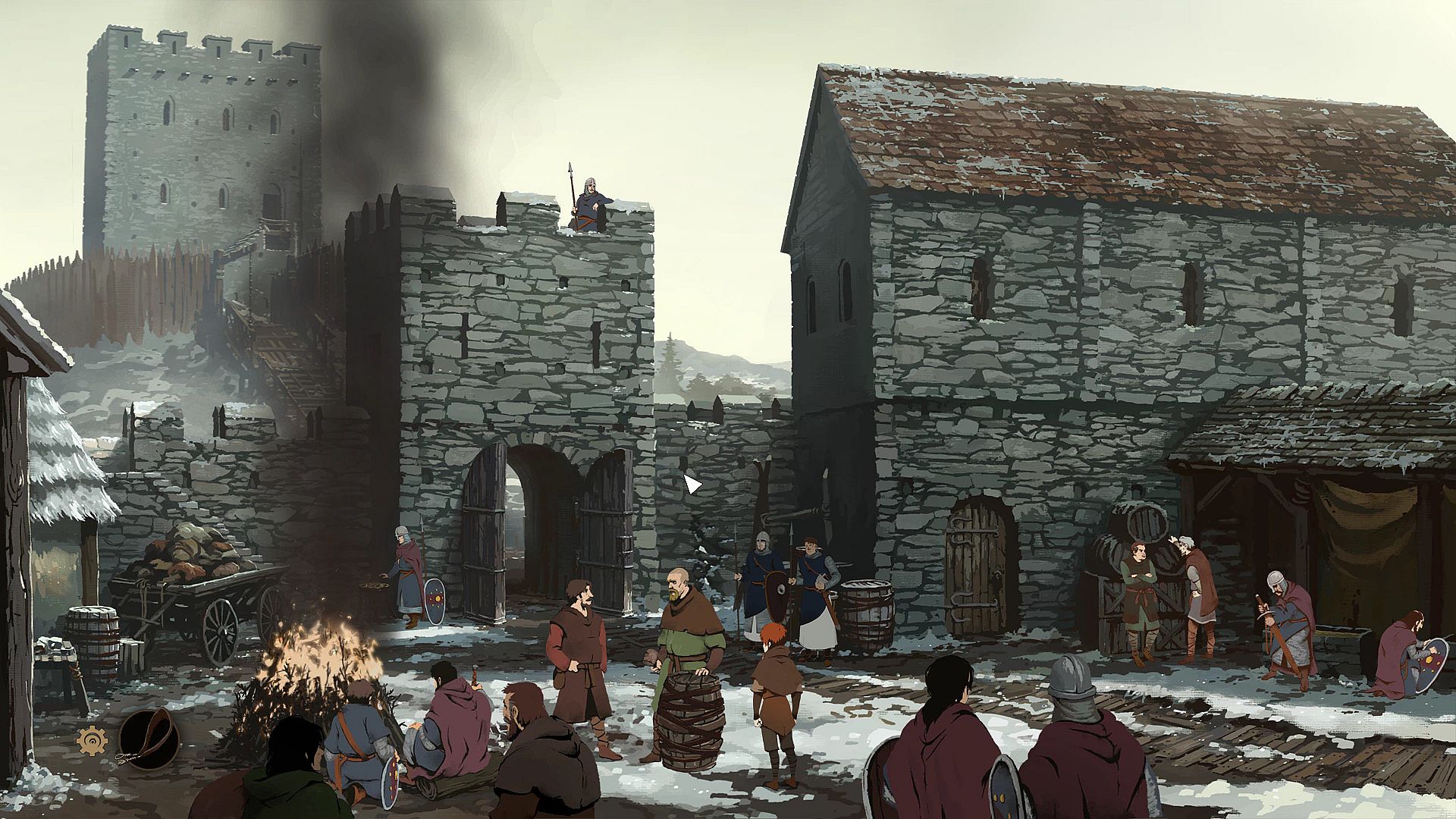
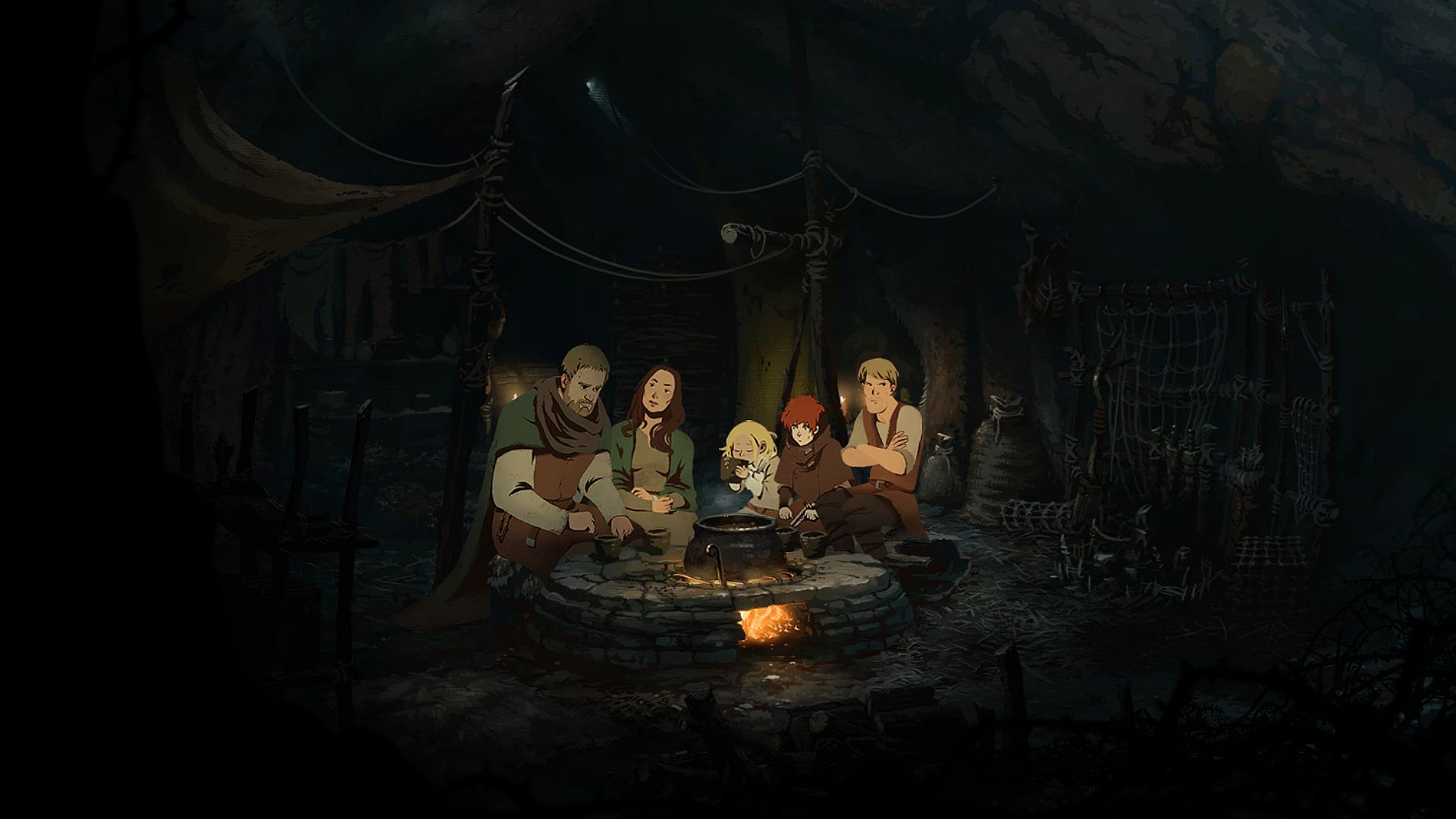
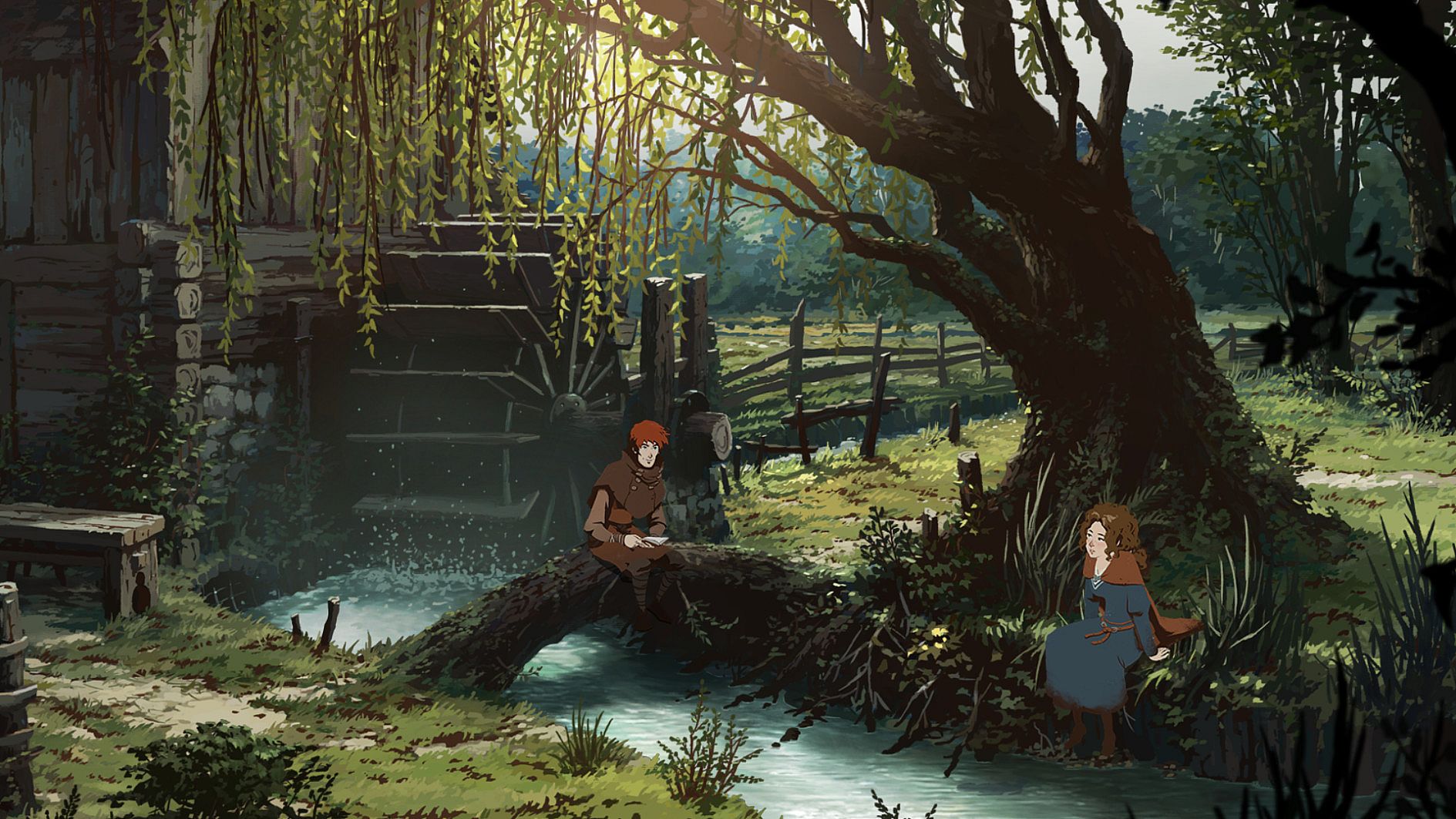
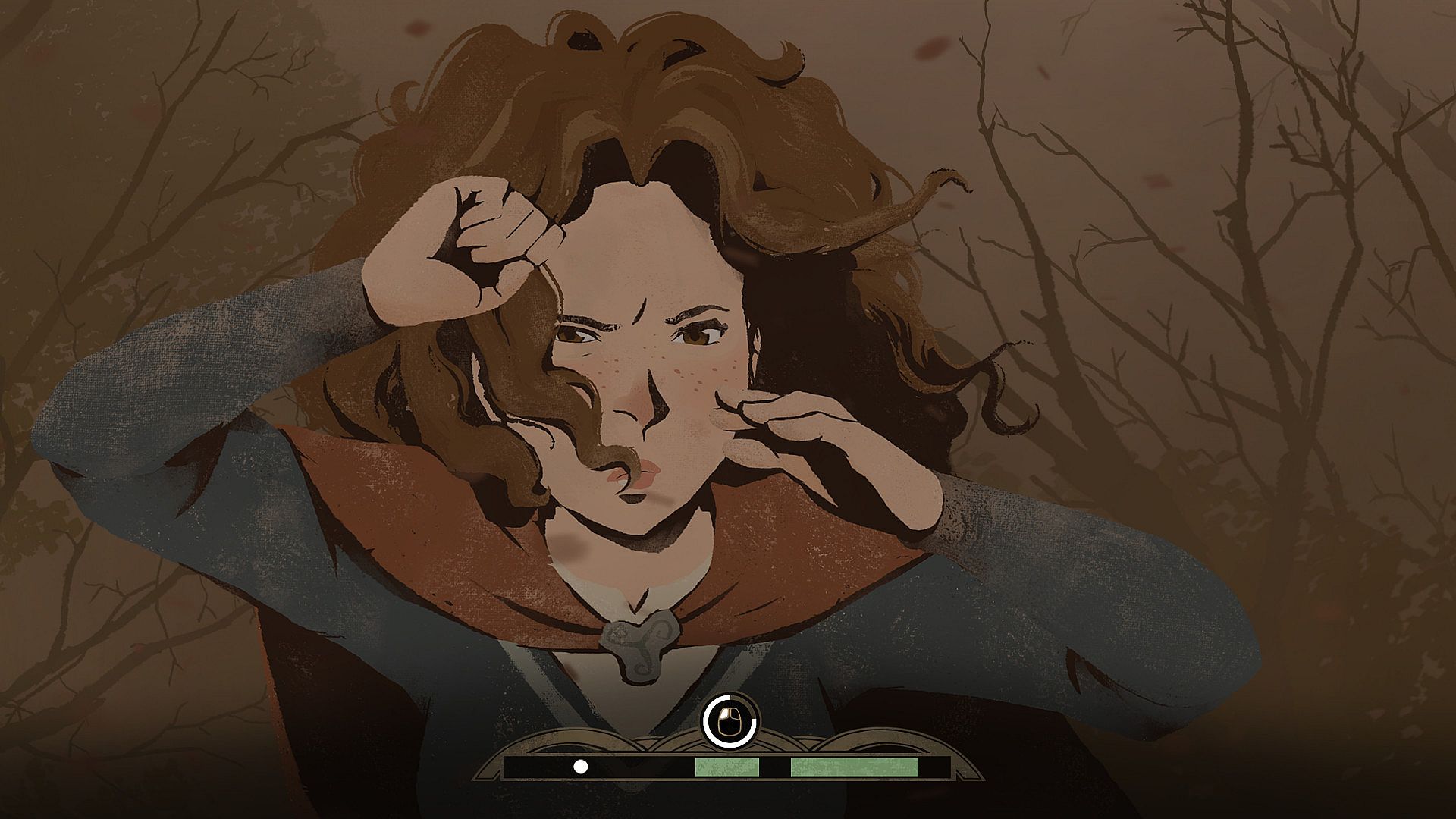
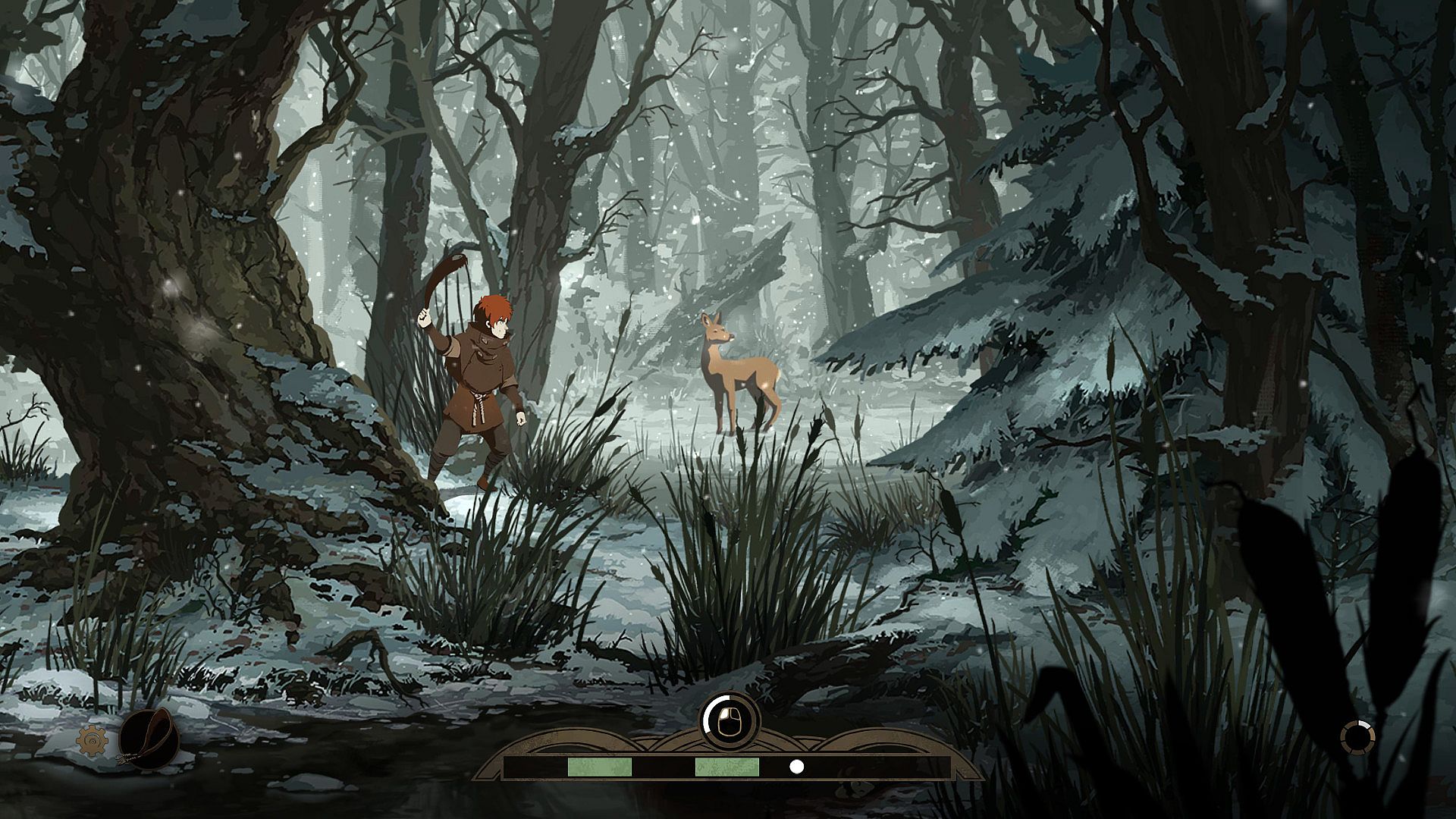
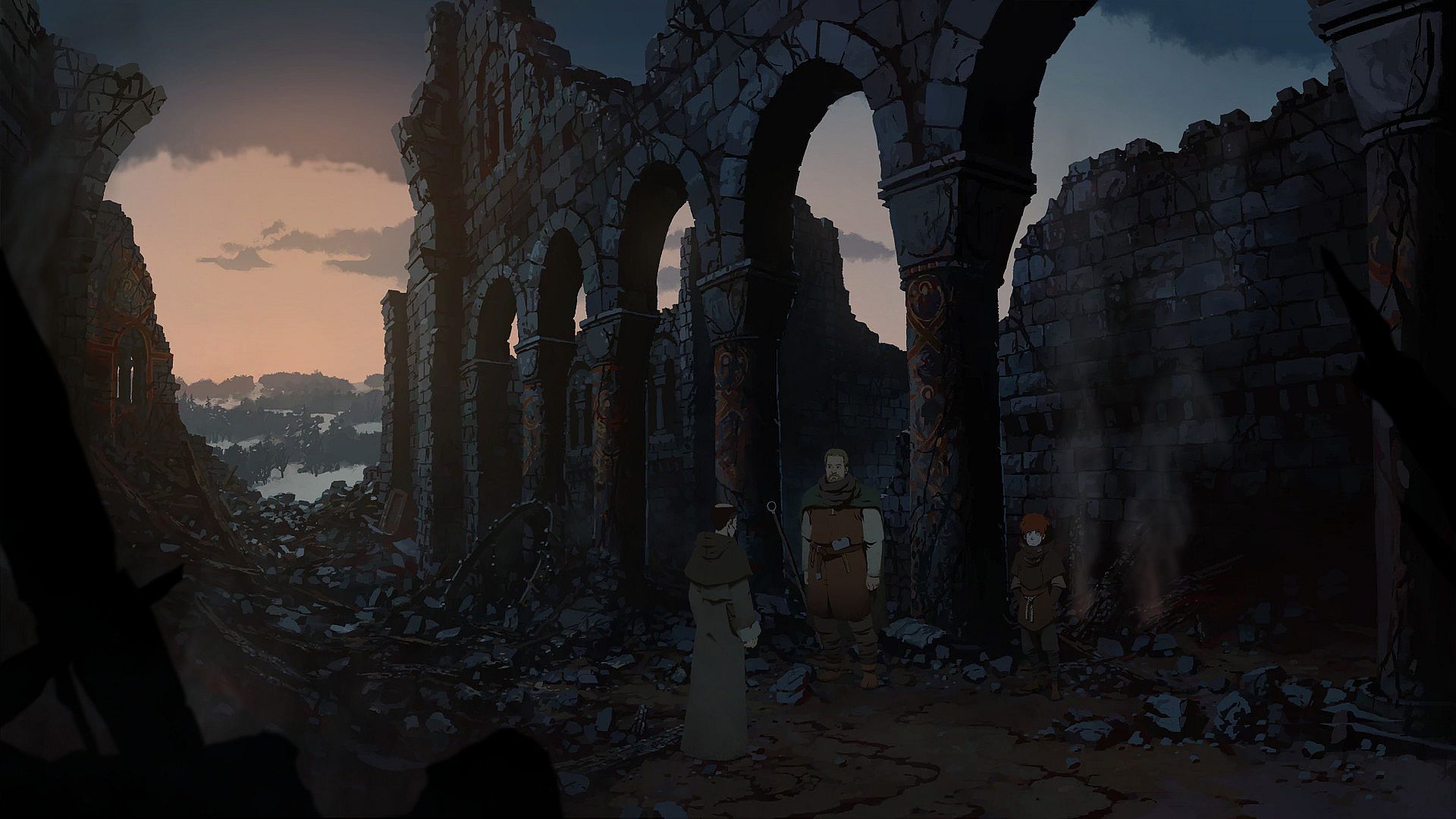
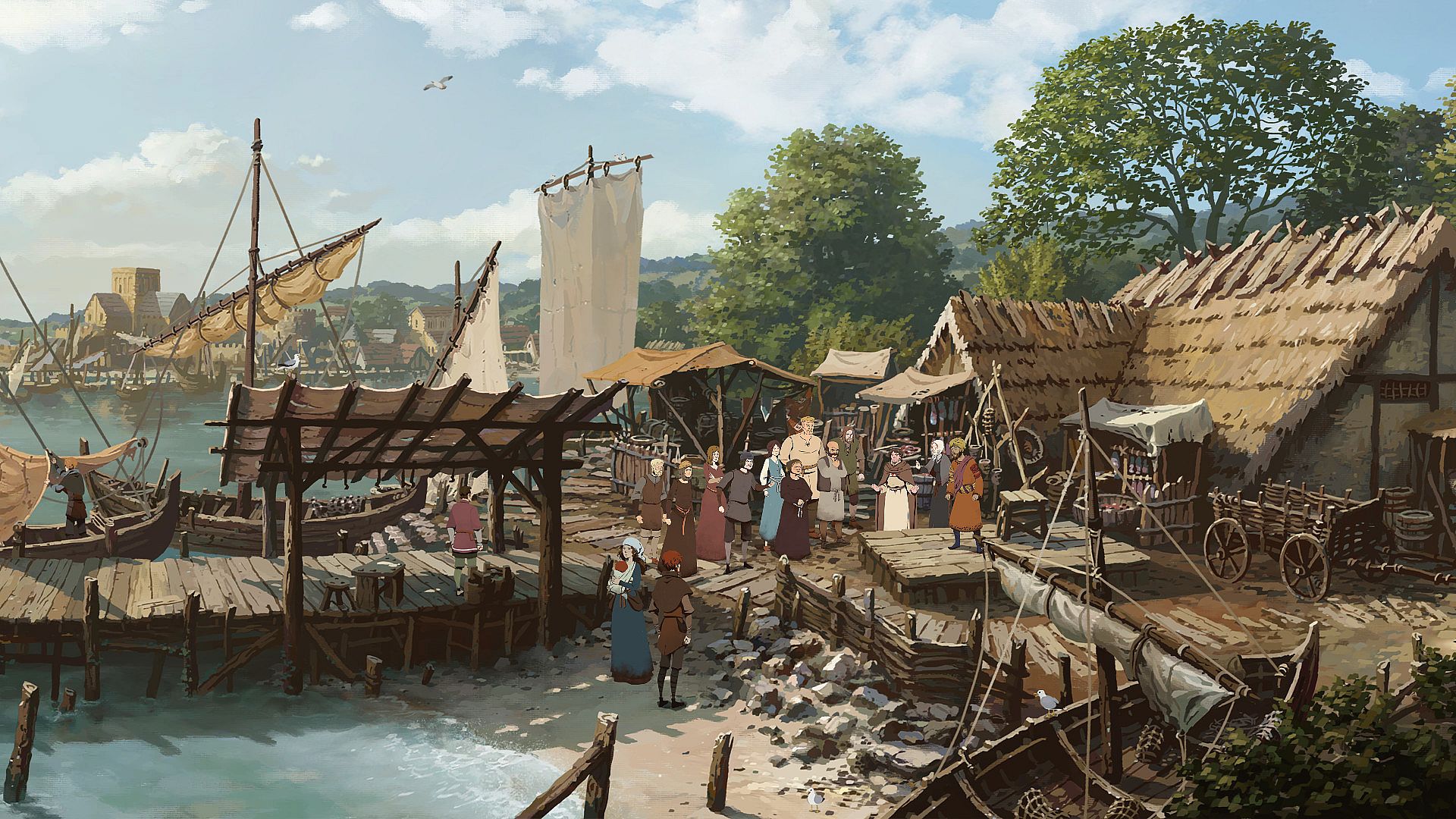
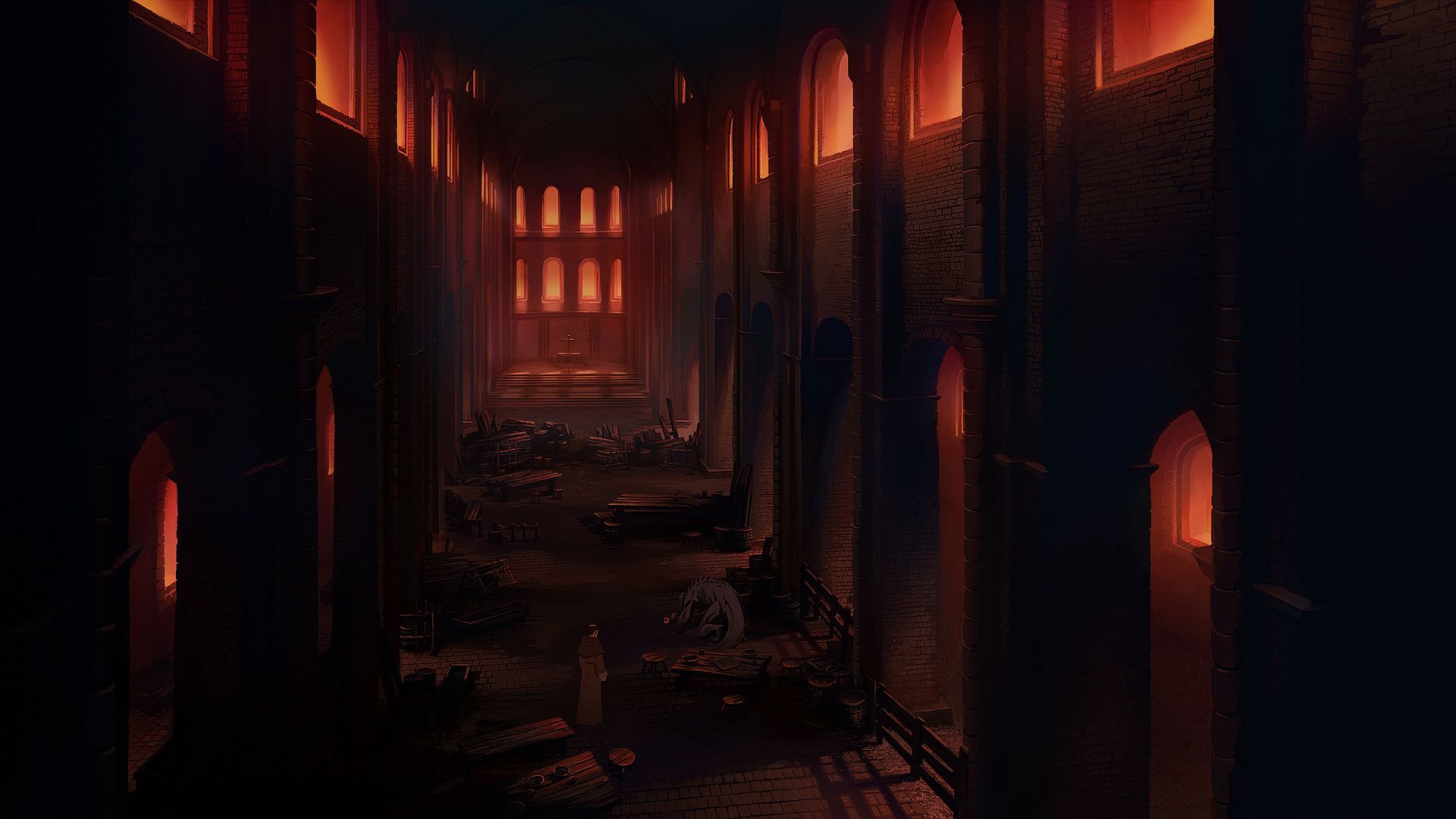
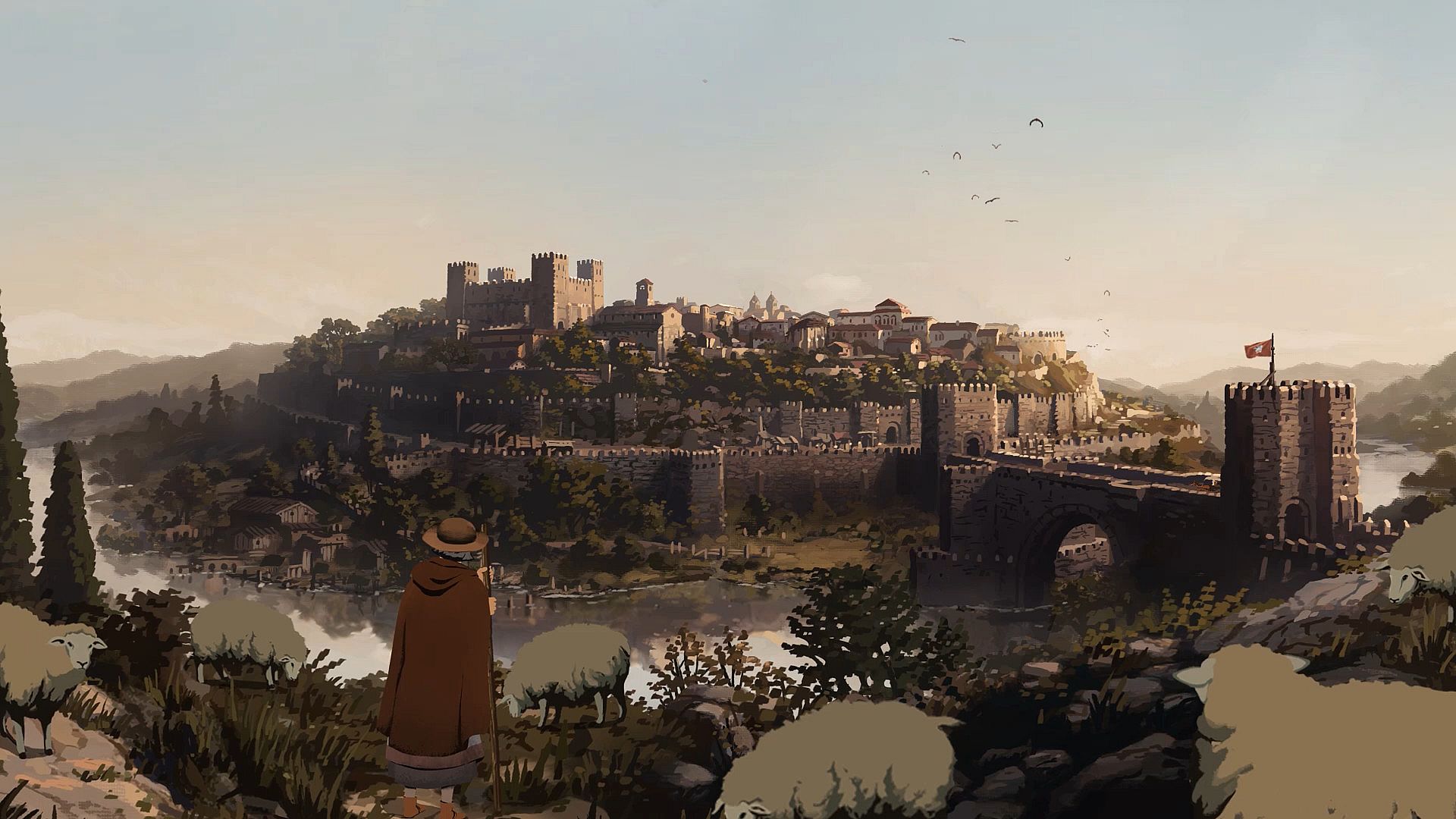
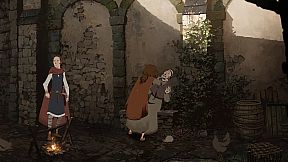
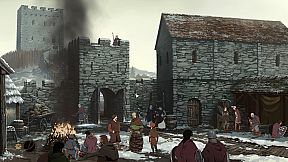
The core loop centers on controlling one of three protagonists at different points in the narrative. Jack, raised in the woods and trained as a stonemason, focuses on building skills and personal growth. Aliena, a noblewoman facing disgrace, deals with social and political challenges. Philip, a monk rising to prior of the abbey, manages religious and communal responsibilities. Movement occurs across detailed hand-painted backgrounds that depict medieval life, from forests and villages to construction sites and abbeys.
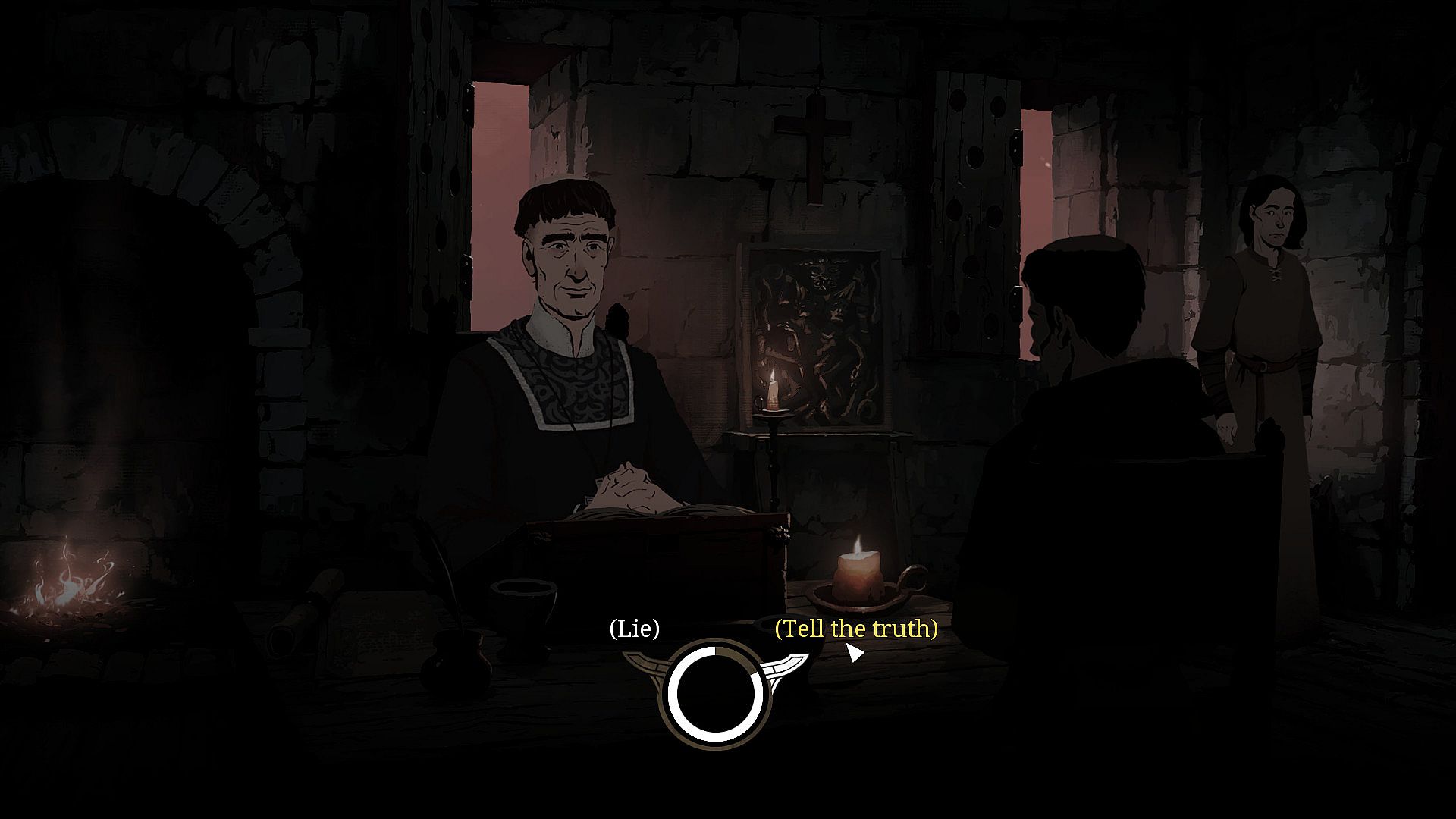
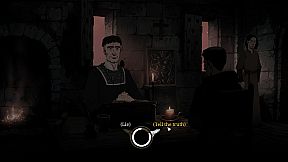
Interaction follows classic point-and-click conventions. Left-clicking objects or characters opens menus for looking, talking, or using items. An inventory holds collected objects, which players combine with clues or other items to solve puzzles. Holding the space bar highlights interactive elements, while the right mouse button accesses the inventory screen. Dialogue trees present choices that influence character relationships and story branches, often requiring careful selection to advance or unlock alternate paths. The game spans over 30 years of events, with puzzles tied to historical context such as stonework techniques, political intrigue, and daily survival tasks.
Full voice acting supports the narrative, including performances for the main characters and a cameo by the author. An orchestral score accompanies the scenes, enhancing the atmosphere without overpowering the dialogue. Controller support allows play with gamepads alongside mouse input, and the 2D animation style keeps character movements fluid across the static backgrounds.
Game Modes
The game operates entirely in single-player mode as a linear yet branching narrative experience divided into three distinct parts, often referred to as books or episodes. Each part advances the overall timeline while shifting focus among the playable characters. There are no competitive or cooperative options, as the design prioritizes solo storytelling and personal decision consequences.
Progression follows chapter-like segments within each book, where players complete sequences of exploration, conversations, and object-based puzzles. Save points allow players to revisit earlier choices and experiment with different dialogue outcomes or item uses. Achievements track completion milestones, such as specific story resolutions or thorough exploration of locations.
Narrative and Characters
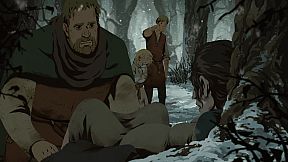
The story adapts the novel's themes of ambition, faith, and resilience during a turbulent period in English history. Players influence events through their actions, potentially changing fates that differ from the book. Over 200 backgrounds bring the era to life, showing the gradual rise of the cathedral amid conflicts involving outlaws, clergy, and nobility.
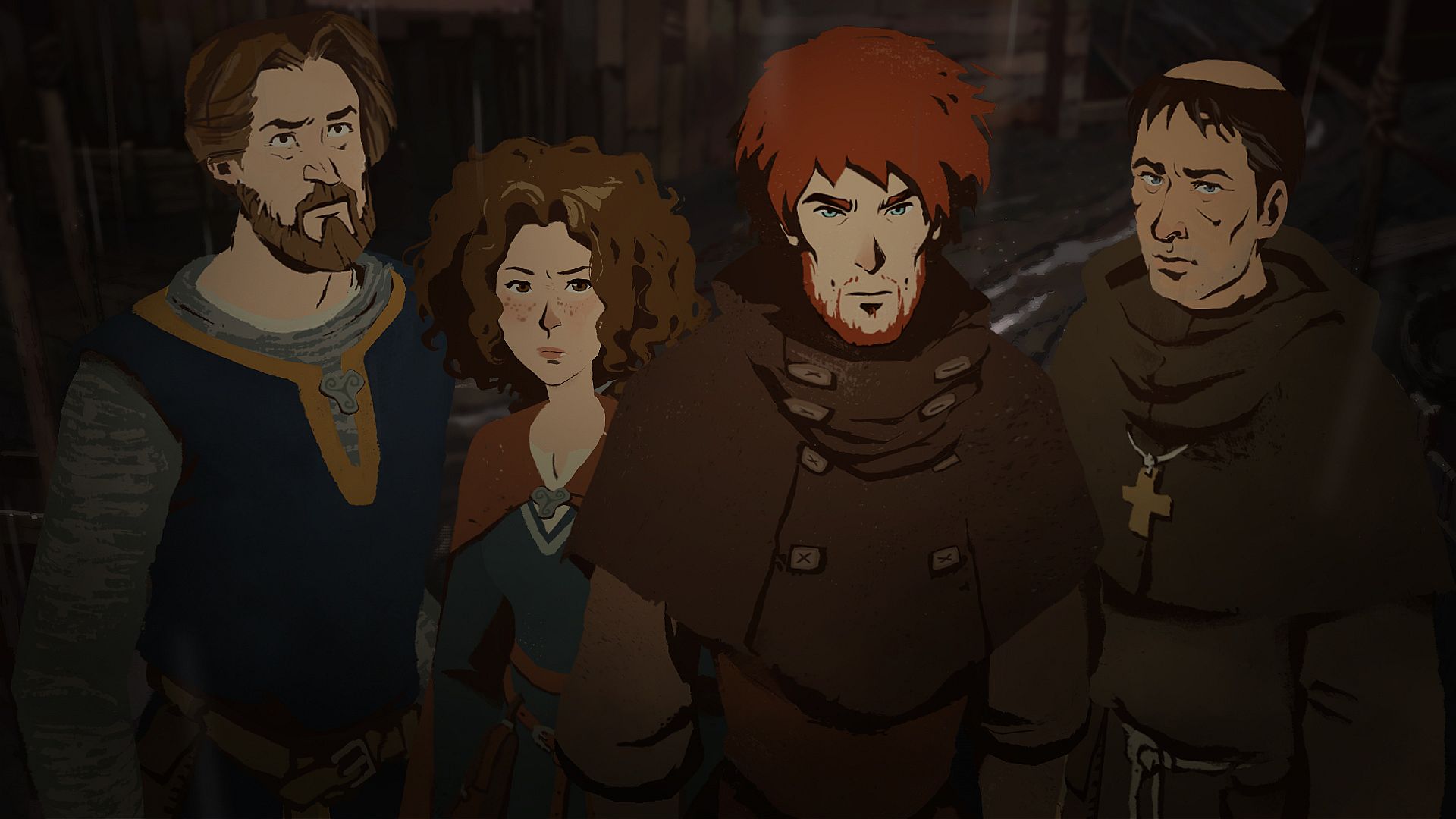
Character switching adds variety to the gameplay rhythm. Scenes with Jack often involve practical problem-solving related to craftsmanship. Aliena's sections highlight negotiation and status recovery. Philip's portions focus on leadership and moral dilemmas within the abbey. This structure encourages replay to see how different choices affect the shared goal of completing the cathedral.
Is It Worth Playing?
Player reception remains strongly positive years after release, with consistent praise for the faithful yet interactive adaptation of the novel. The game suits those who enjoy deliberate pacing, reading-heavy narratives, and historical settings rather than fast action or combat. Completion requires attention to dialogue and inventory management, rewarding players who appreciate consequence-driven stories.
Availability on PC includes full controller and mouse optimization, making it accessible for extended sessions. The complete three-part series stands as a finished product with no further seasonal content or live updates. Those drawn to point-and-click adventures or fans of the original book will find the most value here, particularly if they seek a thoughtful exploration of medieval life and character-driven drama.