

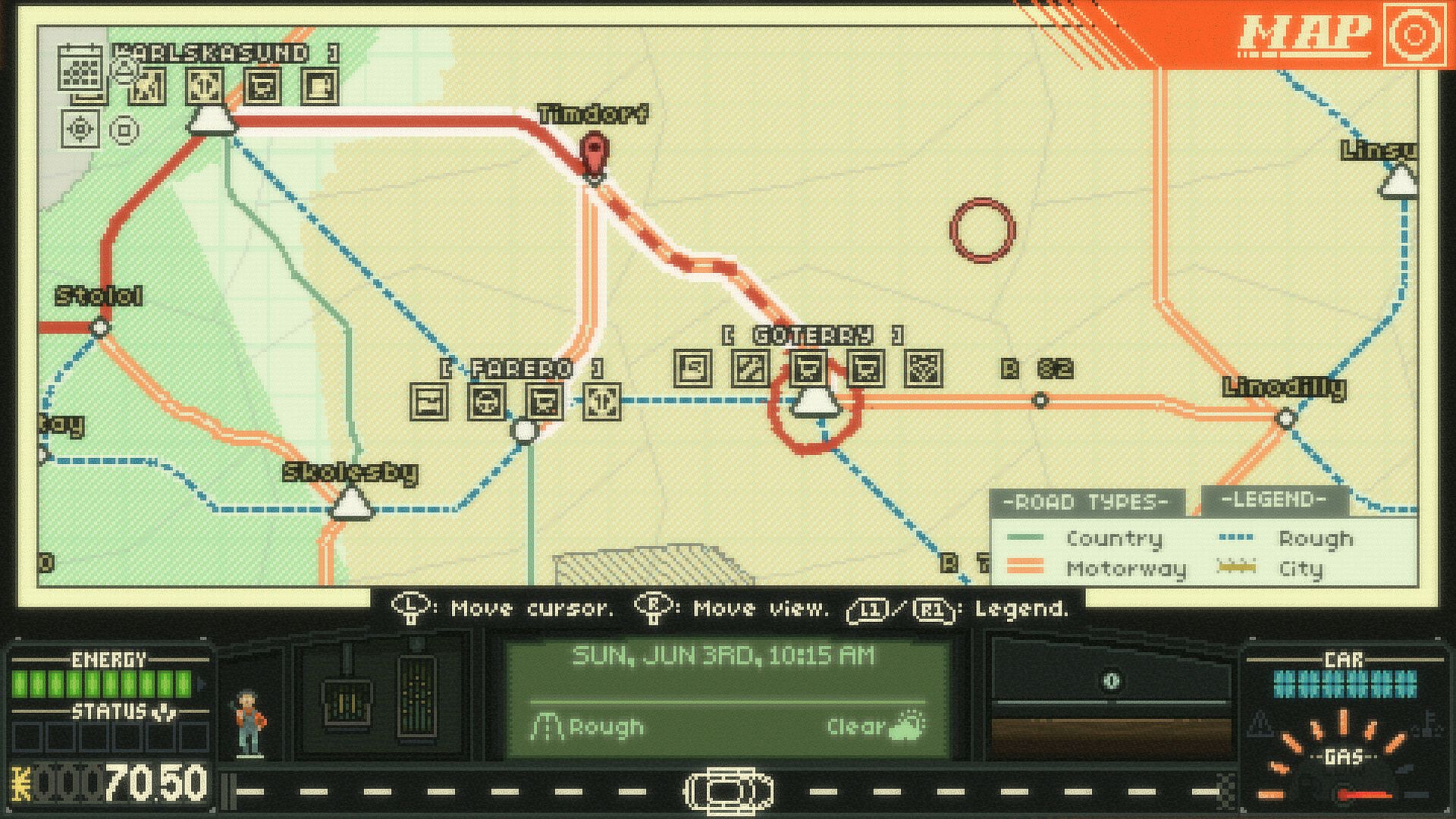
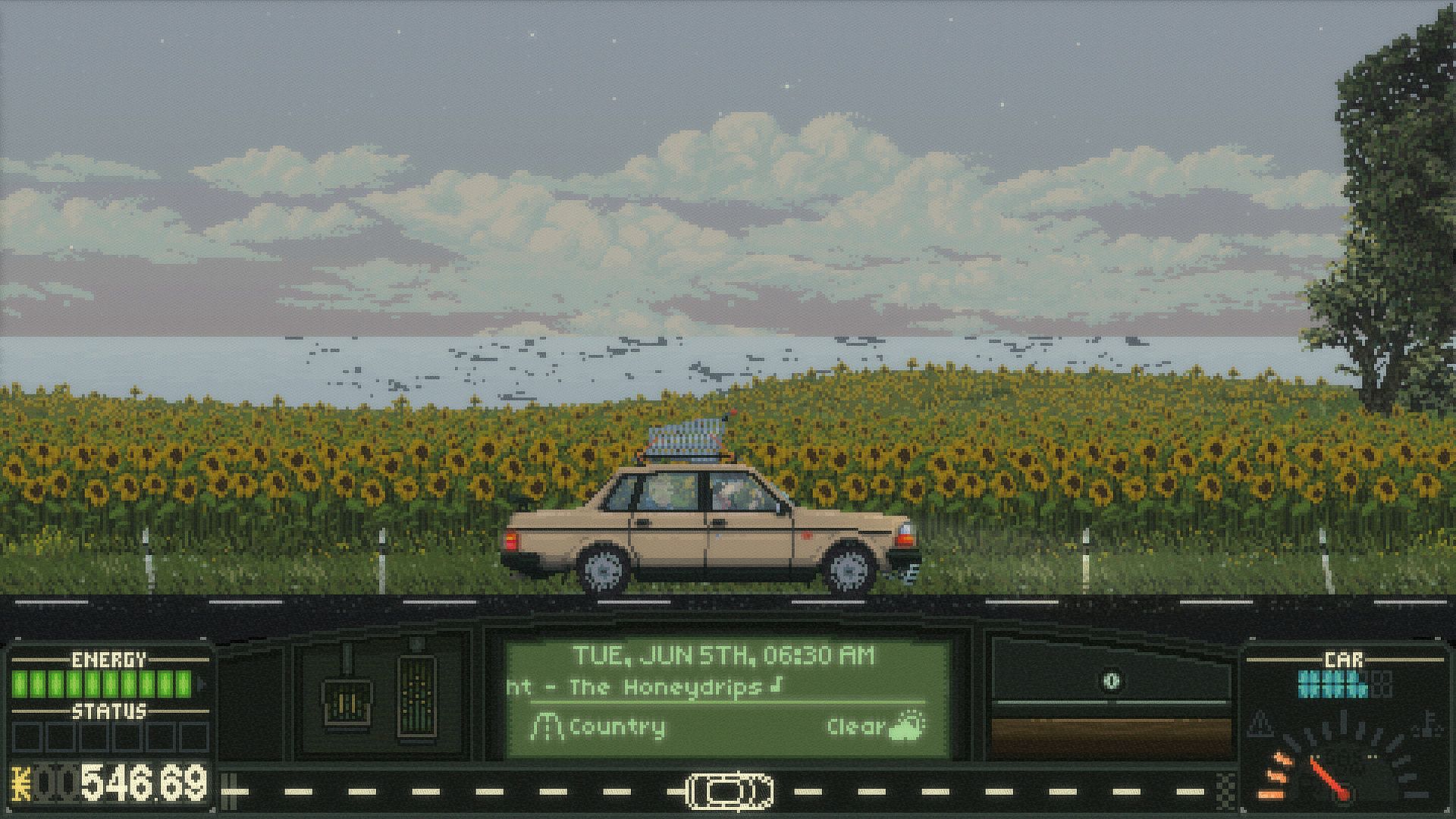
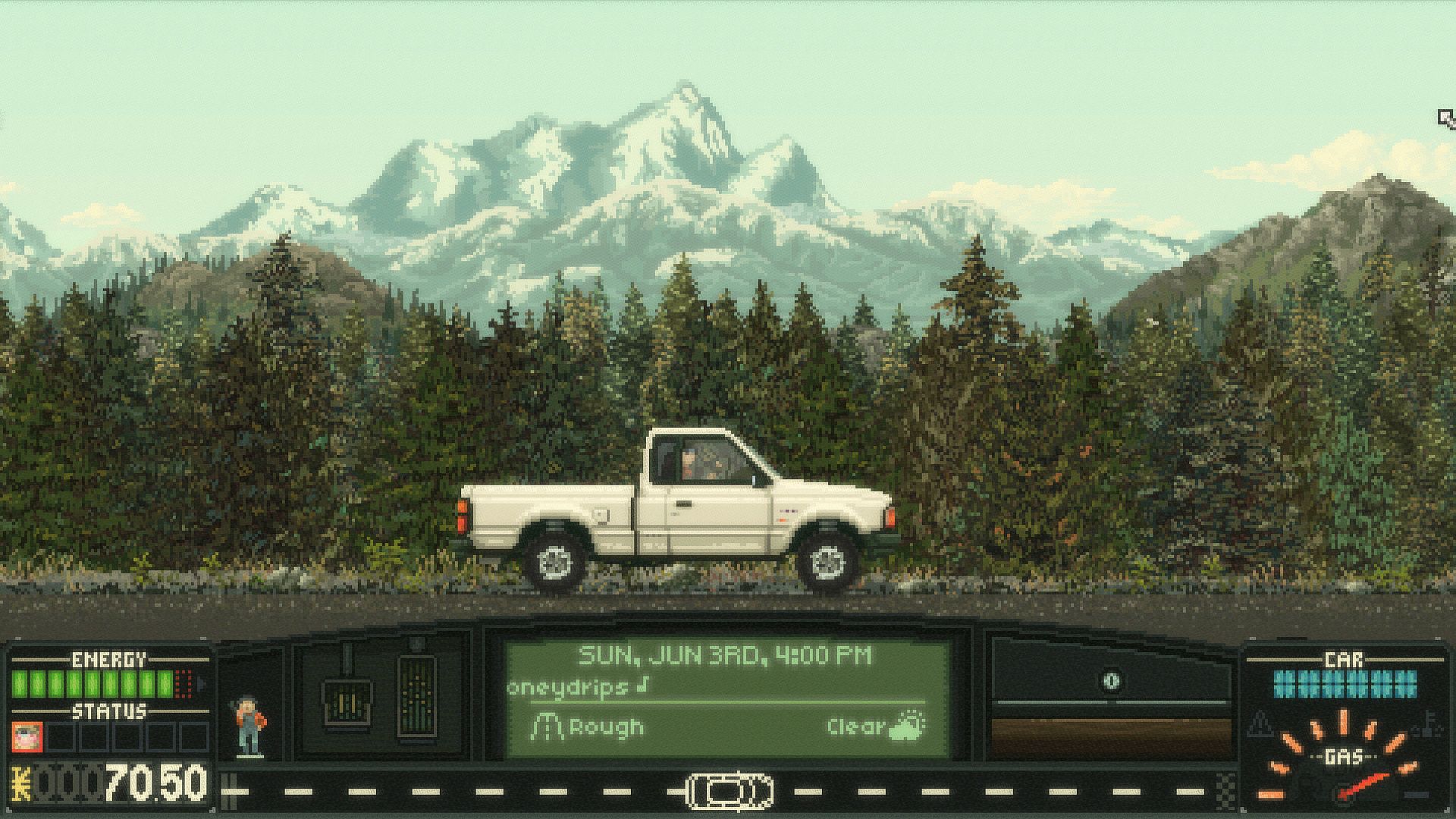
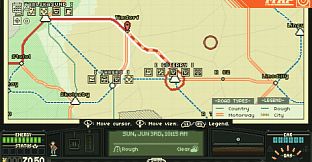
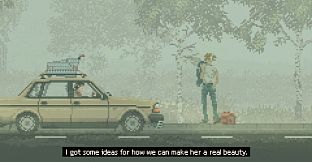
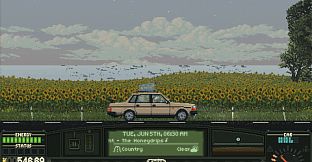
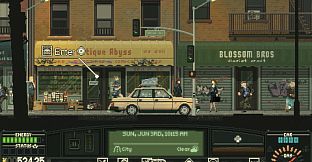
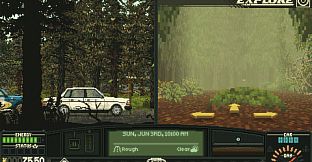
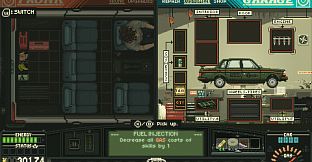
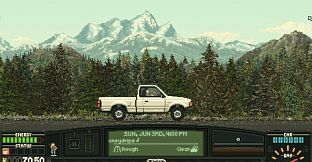
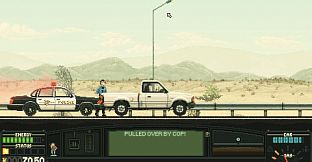
Keep Driving is an indie management RPG that blends simulation, adventure, and casual elements into a single-player road trip experience set in the early 2000s. Players take control of a young driver with a beat-up car, a vague destination in mind, and plenty of summer ahead. The core loop revolves around plotting routes across a procedurally generated pixel art world, managing limited resources, and handling unexpected challenges while deciding how far to stray from the main goal.
Gameplay
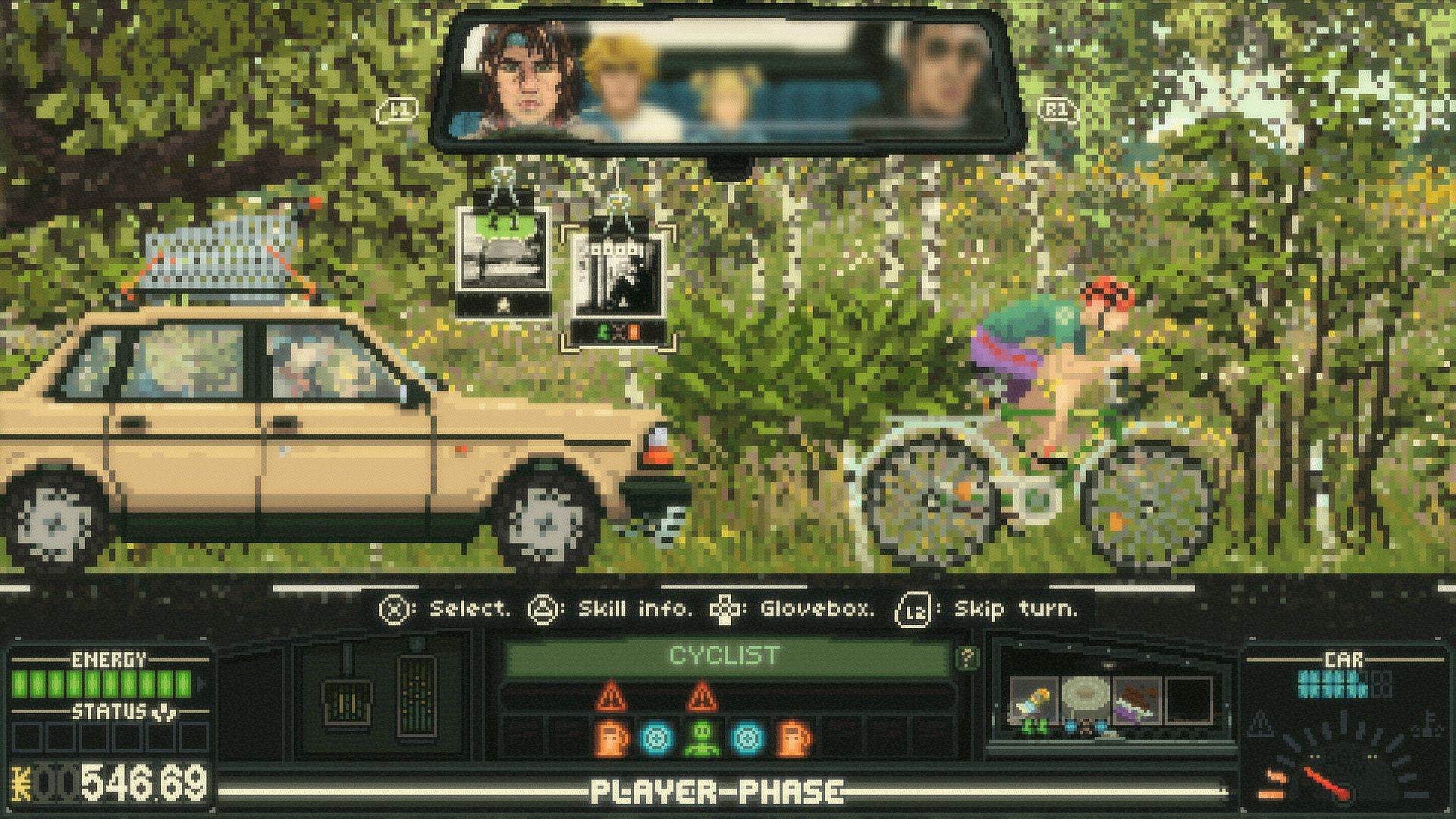
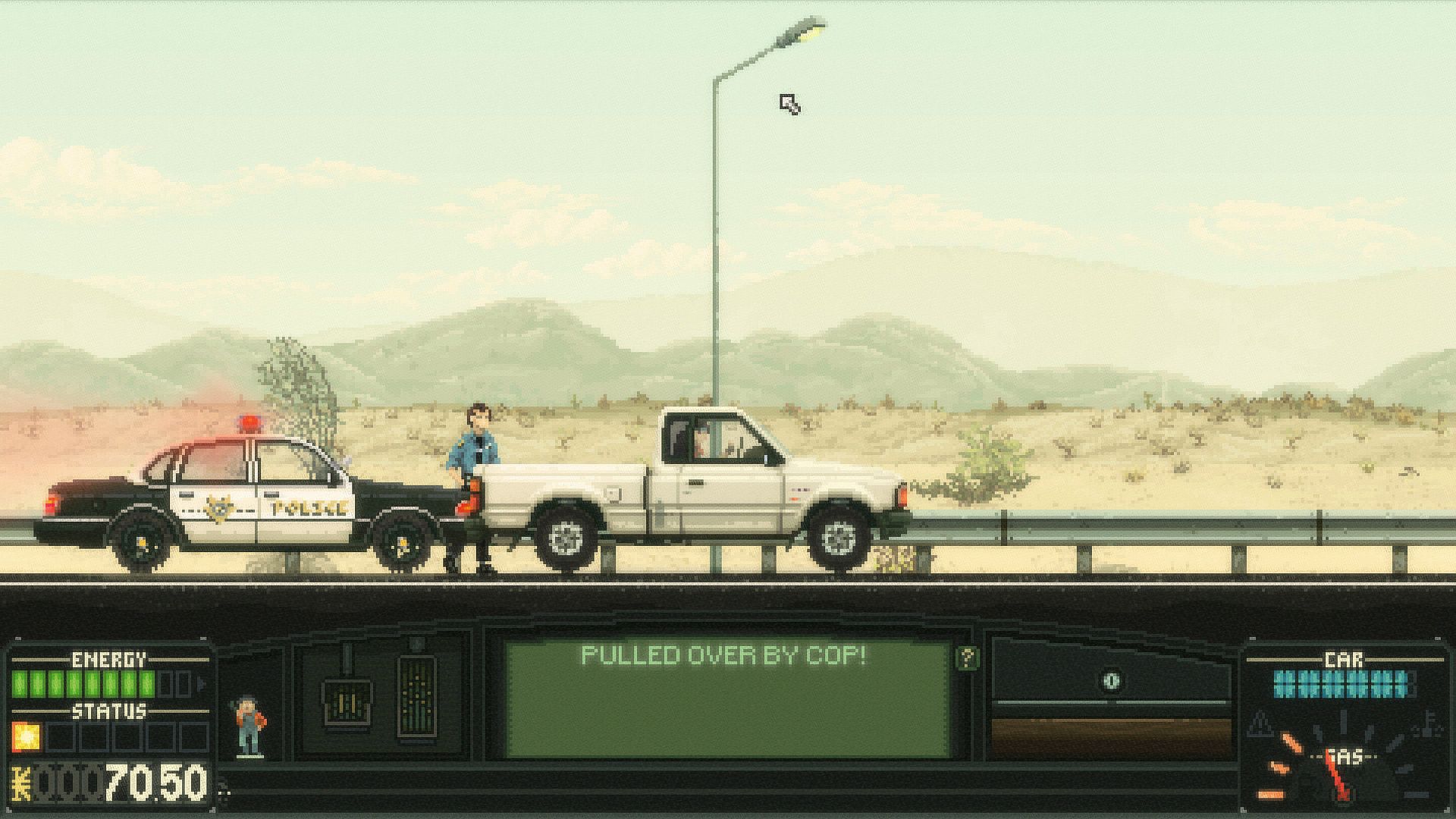
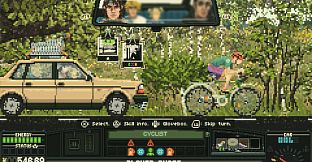
The gameplay centers on careful resource management during travel between locations. Four key stats track progress: gasoline, cash, car durability, and the driver's energy. Road events interrupt journeys with threats that drain these stats, ranging from potholes and traffic jams to more unusual situations like aggressive drivers or wildlife on the road. These encounters use a turn-based system where players match icons from skill cards or glovebox items to neutralize dangers. Perfect matches can grant extra turns, while poor planning risks stranding the player or forcing costly repairs.
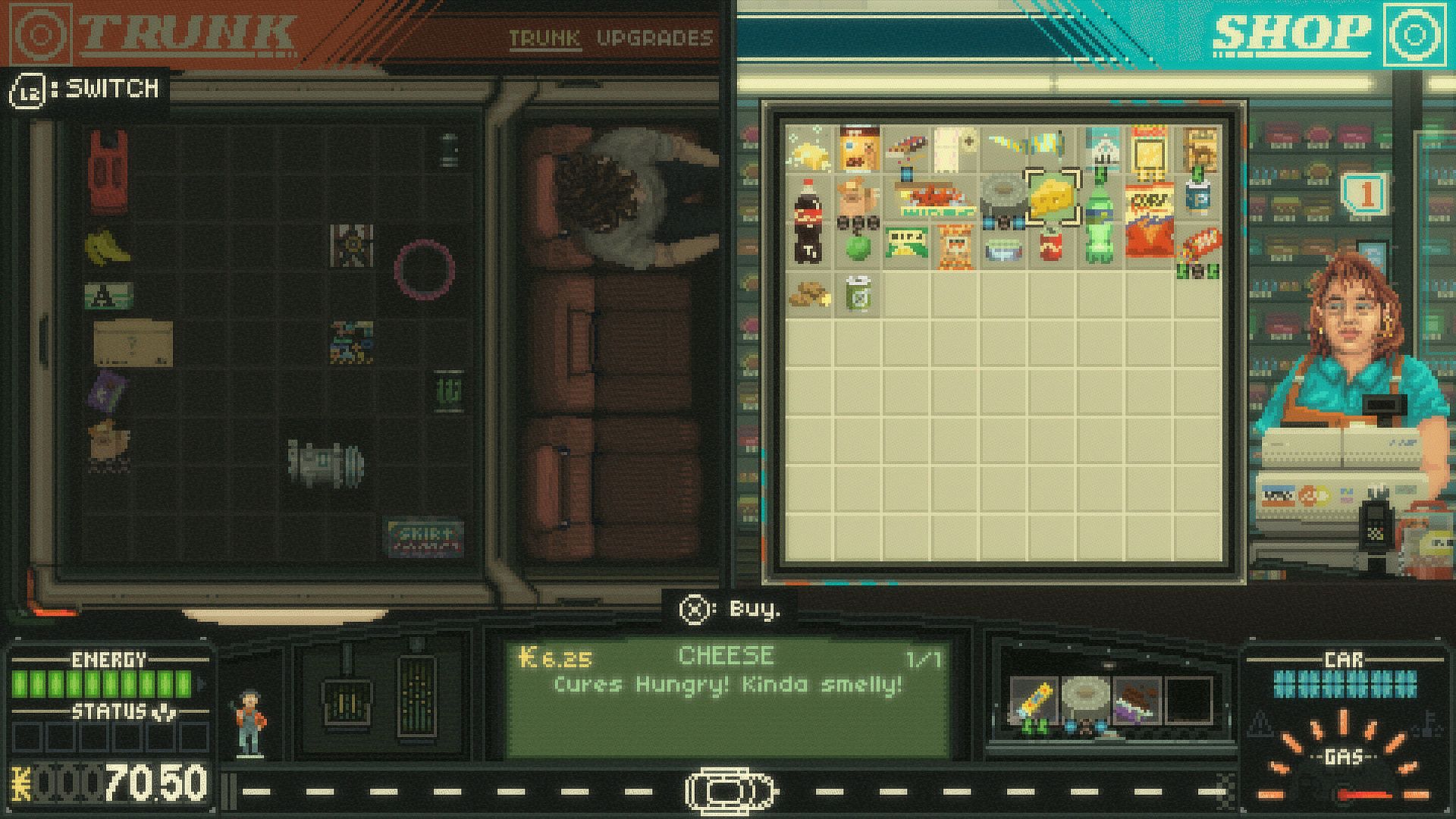
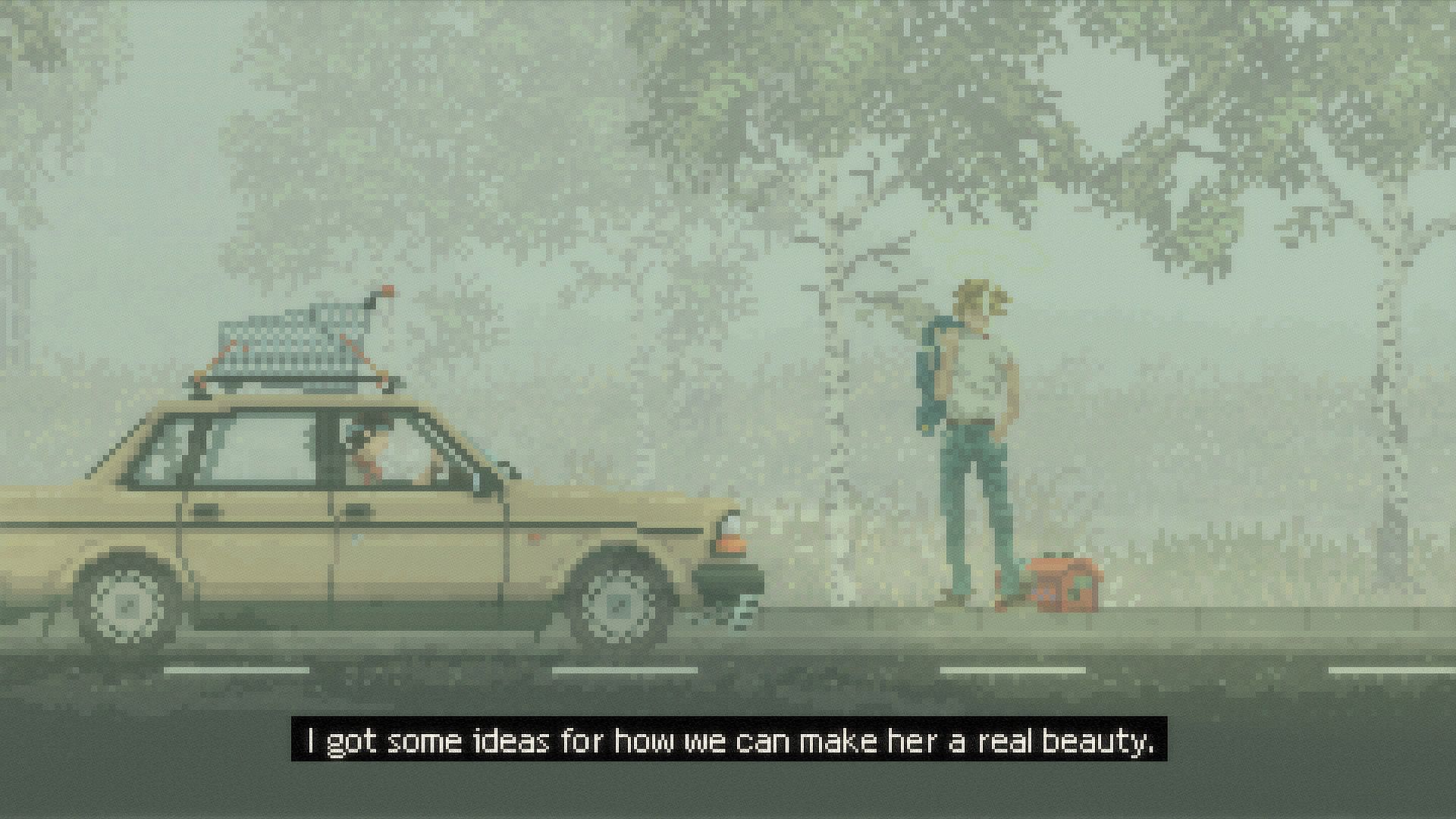
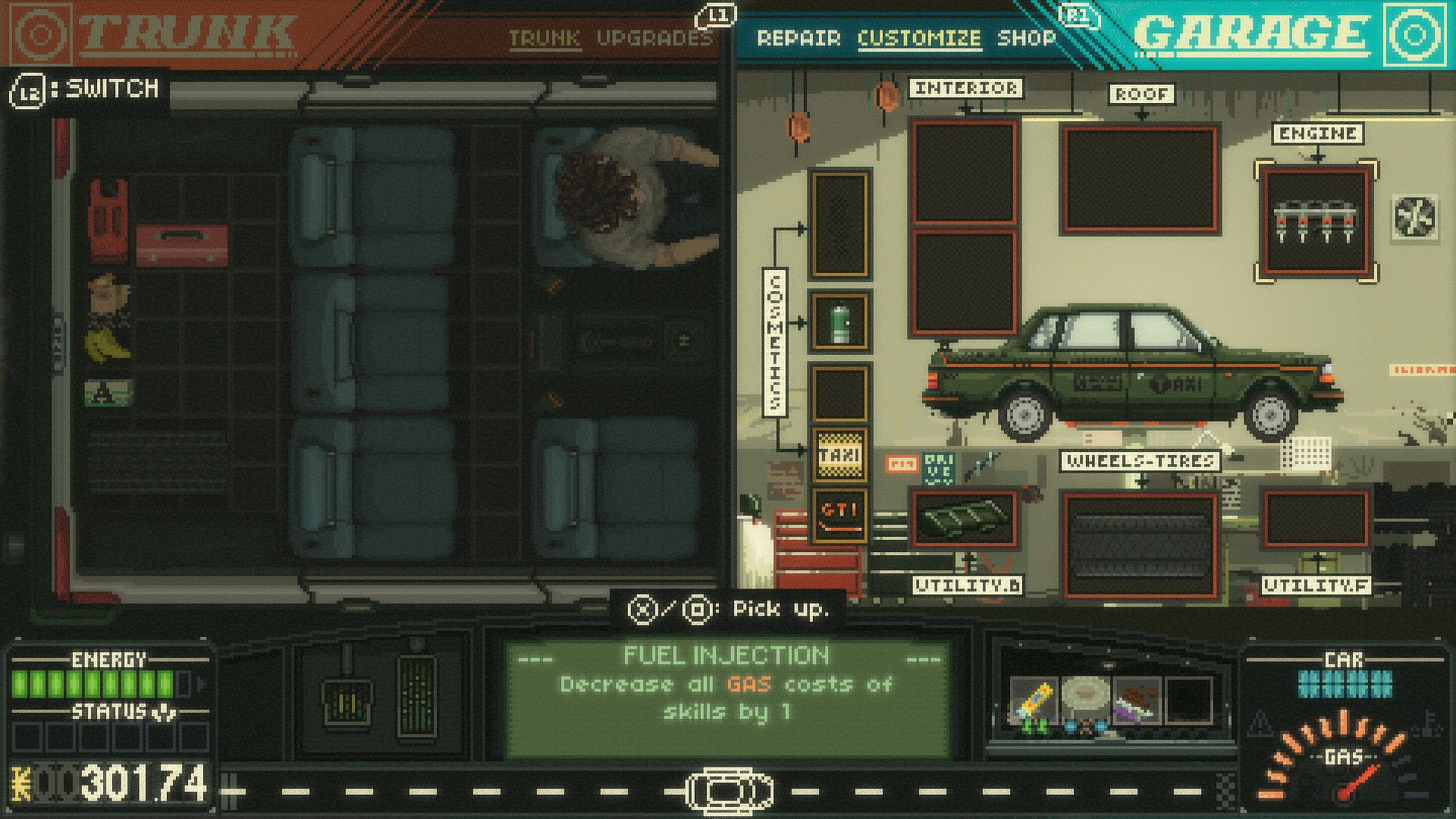
Inventory plays a major role, with the car serving as storage for supplies in the trunk, useful tools in the glovebox, and passengers in the seats. Hitchhikers bring unique skills and personalities that influence events, sometimes helping in challenges or introducing side stories. Car upgrades and repairs happen at stops like garages, while odd jobs in towns provide cash to keep the trip going. Procedural generation ensures varied routes and encounters on each run, with an emphasis on analogue details like mix CDs and early 2000s nostalgia.
Status effects add layers to decisions, such as fatigue from long drives or effects from items consumed along the way. The system rewards planning routes through towns for work opportunities while leaving room for detours that might unlock new possibilities.
Game Modes
Keep Driving offers a single-player experience built around repeated playthroughs rather than traditional multiplayer modes. Each run involves selecting a starting background for the driver and charting a path across the map toward a music festival or other objectives. Procedural elements create fresh challenges every time, encouraging experimentation with different hitchhikers, car customizations, and route choices.
The structure supports multiple endings based on accumulated choices, relationships, and events encountered. Playthroughs typically last one to four hours, allowing players to return to the starting point and explore alternate paths. There are no competitive or cooperative modes, focusing instead on personal storytelling through resource decisions and encounters in a procedurally generated open world.
Exploration and Progression
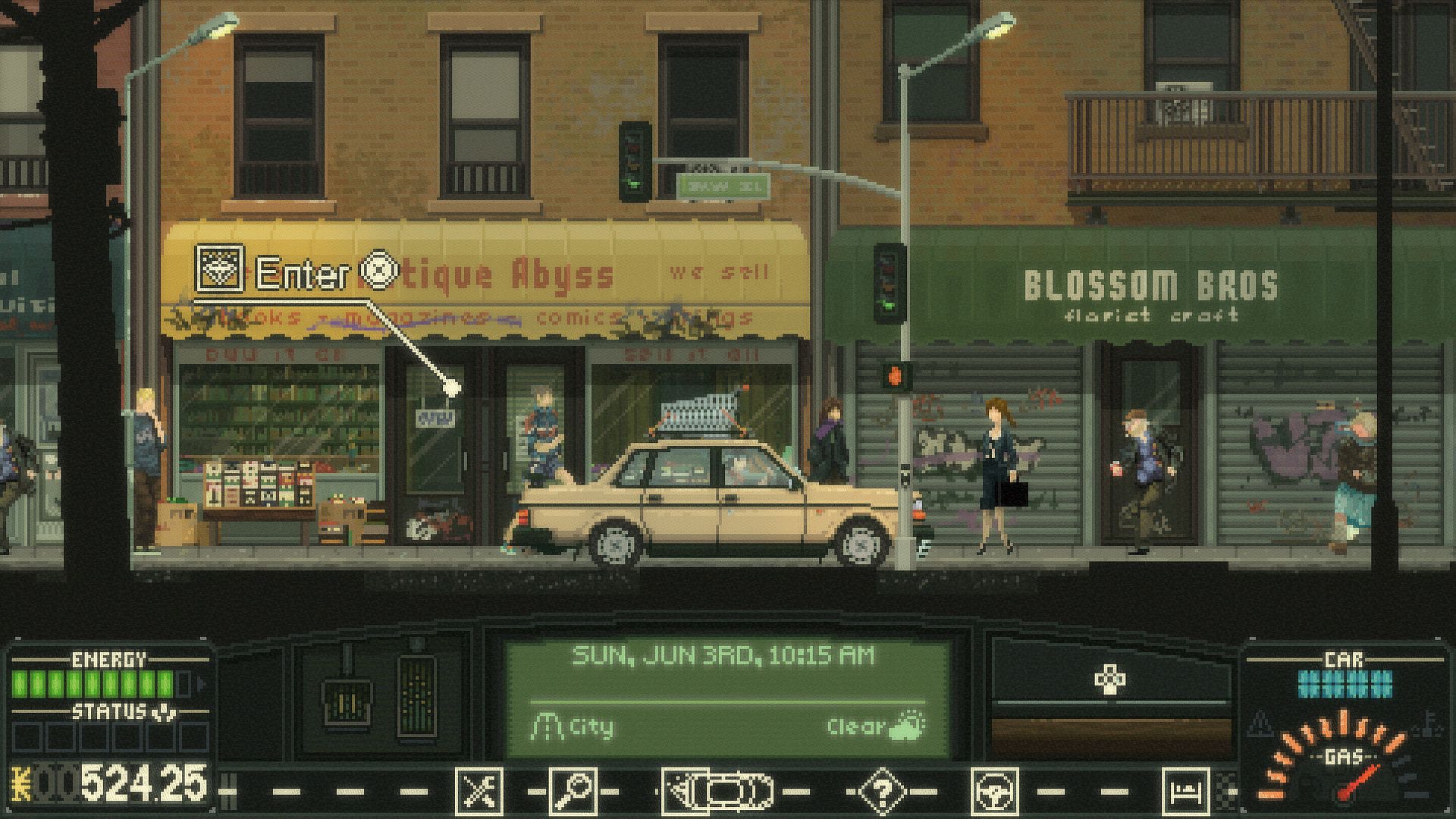
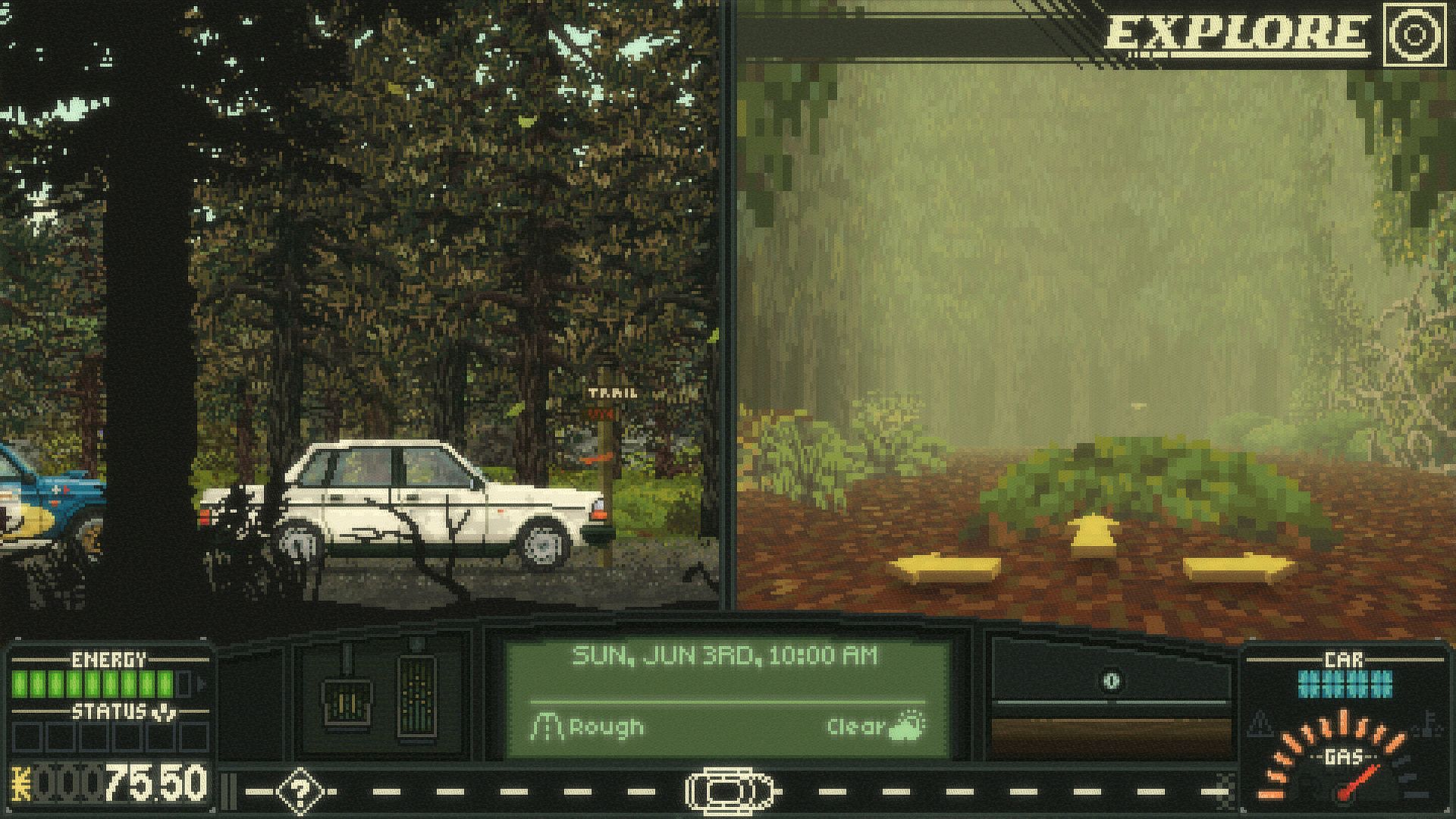
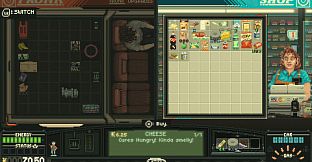
Travel unfolds across highways, dirt tracks, and country roads in a pixel art style that captures the feel of long drives. Stops at gas stations, shops, and towns provide opportunities to buy supplies, sell items, or take on temporary work. Hitchhikers level up over time, gaining traits and abilities that affect both events and the overall narrative direction.
Progression comes from unlocking new skills through choices, collecting items that expand options in the turn-based challenges, and discovering side content that branches the story. The emphasis stays on the journey itself, with mechanics that reflect real-world road trip concerns like fuel efficiency, vehicle maintenance, and managing passenger dynamics.
Is It Worth Playing?
Keep Driving suits players who enjoy thoughtful resource management combined with light narrative elements in a relaxed yet engaging format. Reviews highlight its charming atmosphere, detailed pixel art, and inventive approach to turn-based challenges that feel distinct from standard combat systems. The game received generally favorable reception for its ability to generate memorable anecdotes through hitchhiker interactions and procedural events.
Those drawn to indie titles with simulation depth and replayability through multiple endings will find strong appeal here. The short playthrough length makes it accessible for casual sessions, while the variety of outcomes supports longer engagement for completionists. Availability on platforms like PS5 aligns with its single-player focus, making it a solid choice for fans of adventure and RPG mechanics centered on everyday decision-making rather than high-stakes action.