





















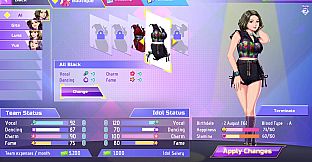


K-pop Idol Stories: Road to Debut is an indie RPG casual simulation game on PC that places players in the role of a manager guiding a girl group through the competitive K-pop industry toward debut. The experience combines life simulation elements with character-driven choices and light RPG mechanics, focusing on building and nurturing trainees into stars.
Gameplay
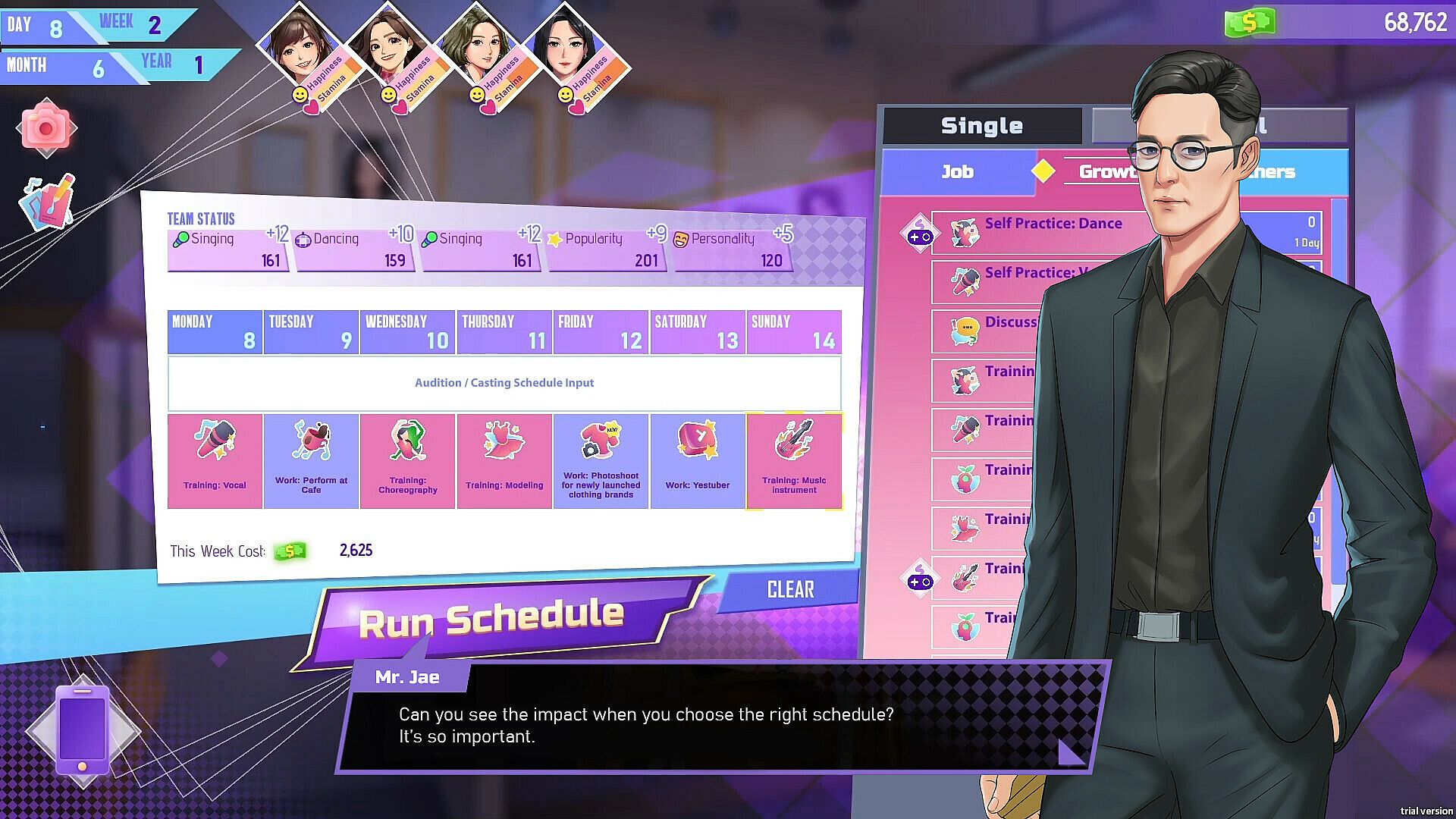
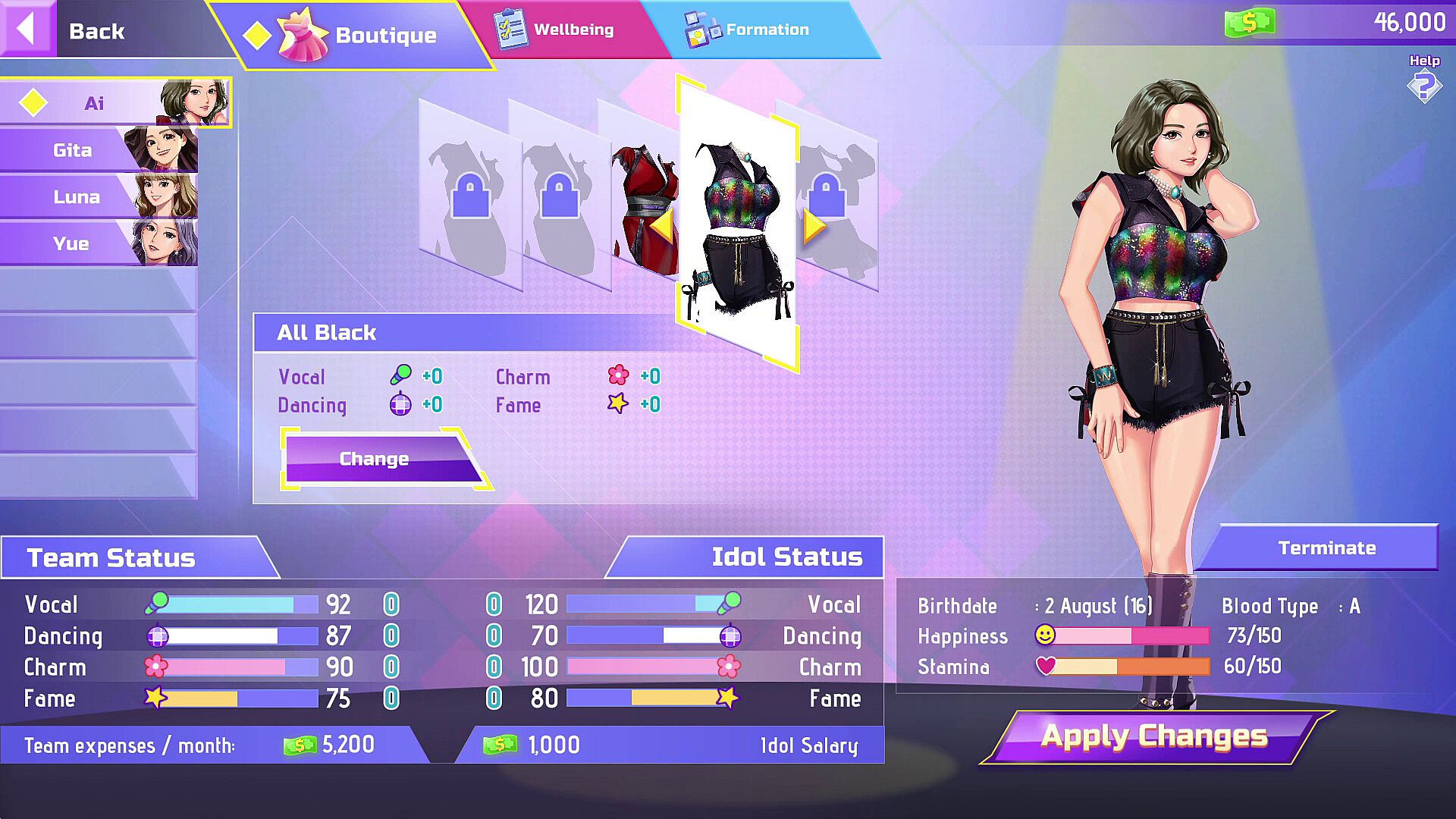
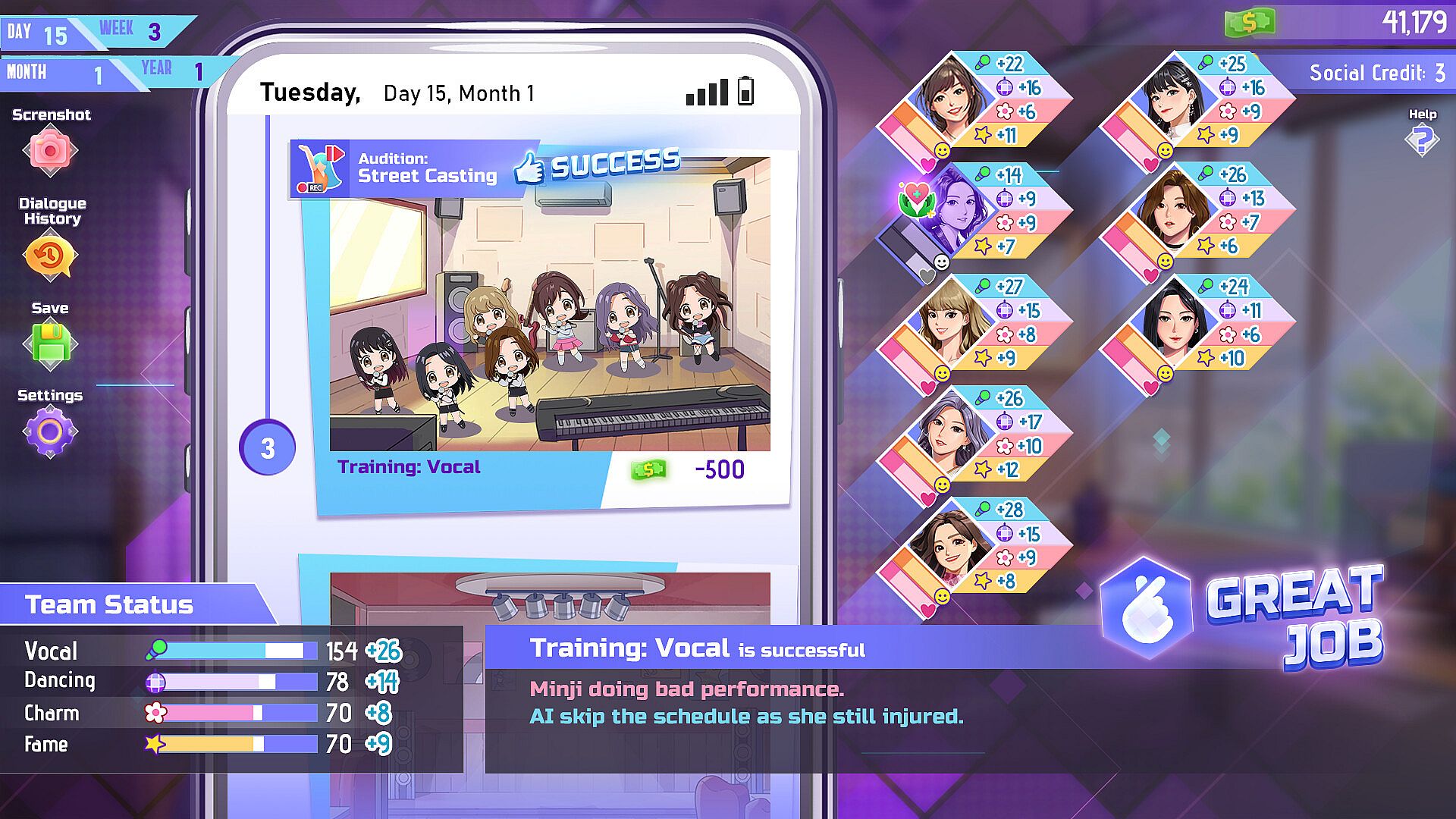
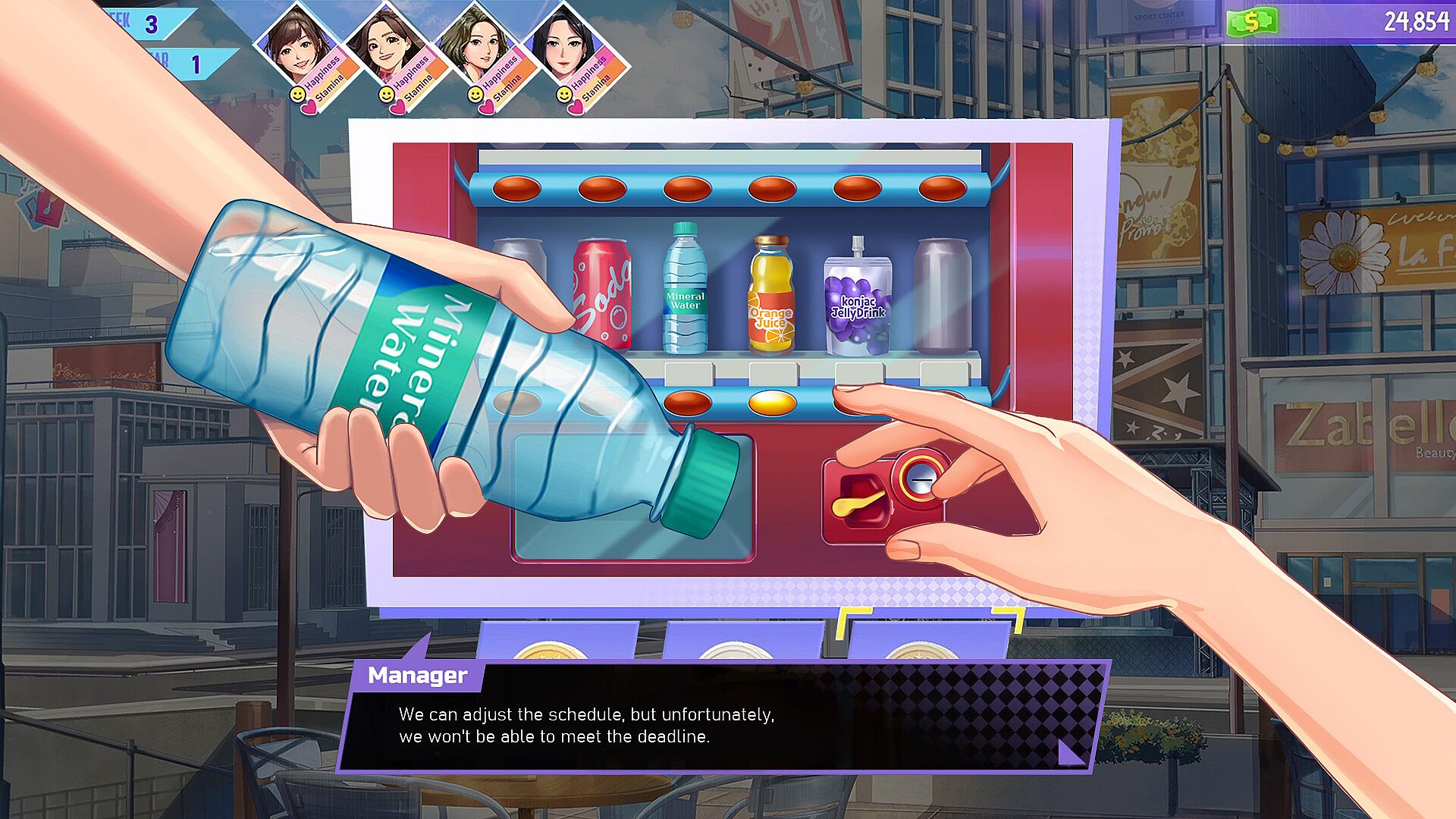
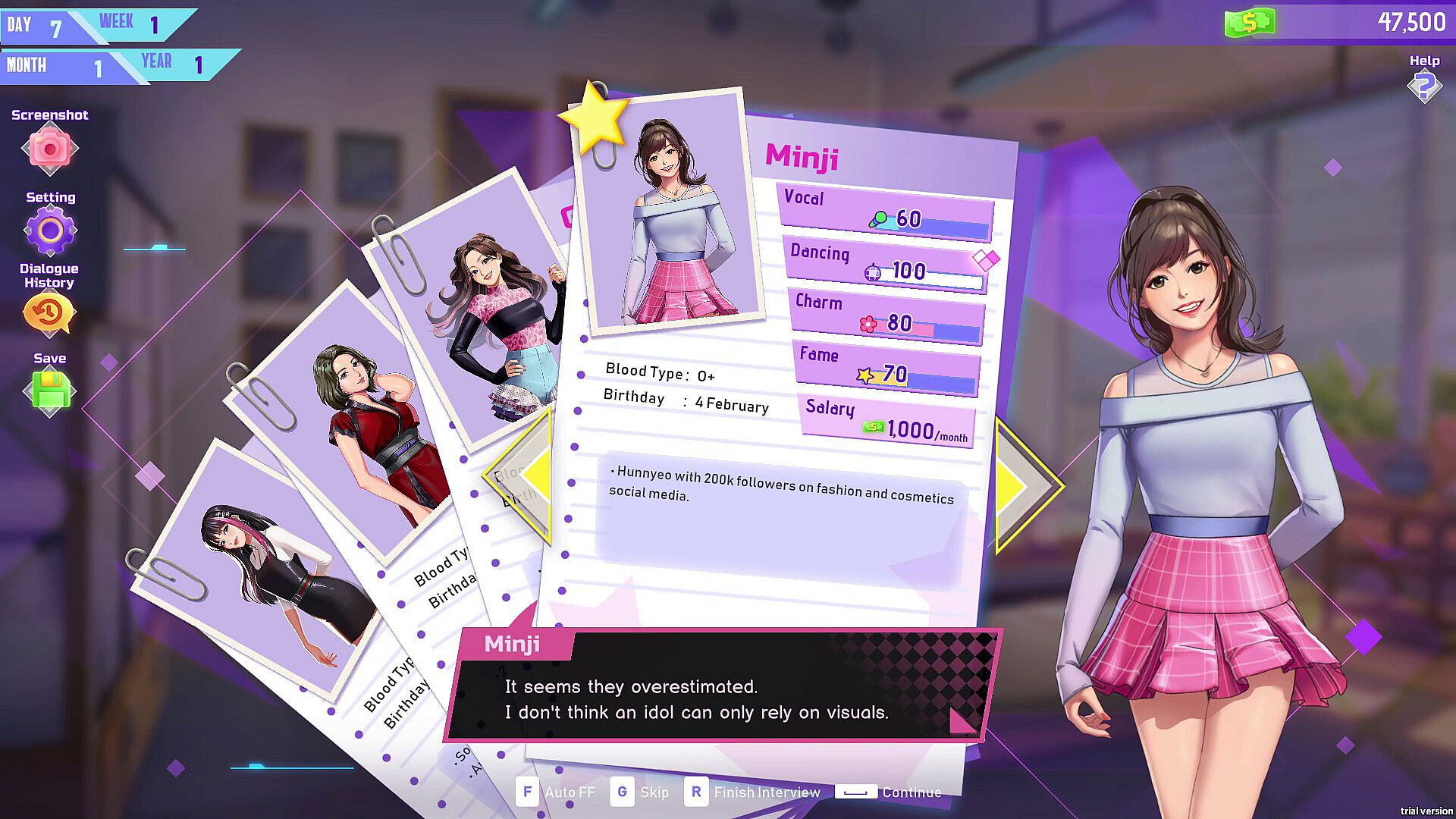
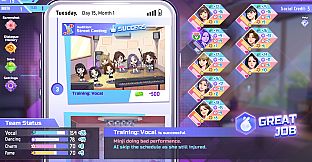
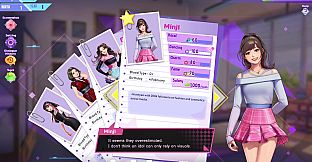
Players begin by selecting trainees from a pool of unique characters, each with distinct personalities, backstories, and skill sets. Up to eight idols can form the group, and decisions about lineup directly influence team dynamics and performance potential. Weekly schedules require balancing training sessions, lessons, performances, rest periods, and other activities while tracking stamina, finances, and overall workload to avoid burnout or budget shortfalls.
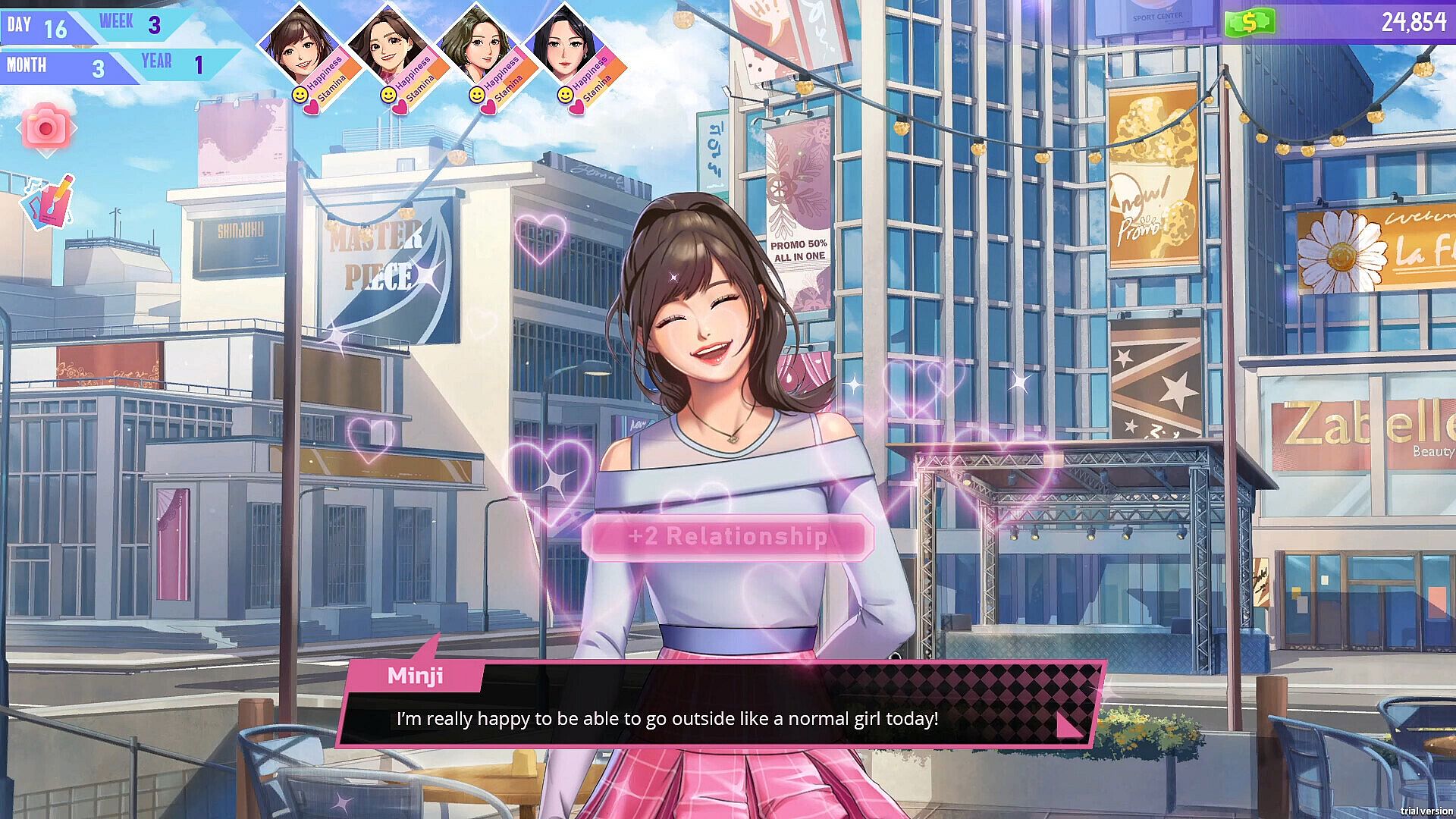
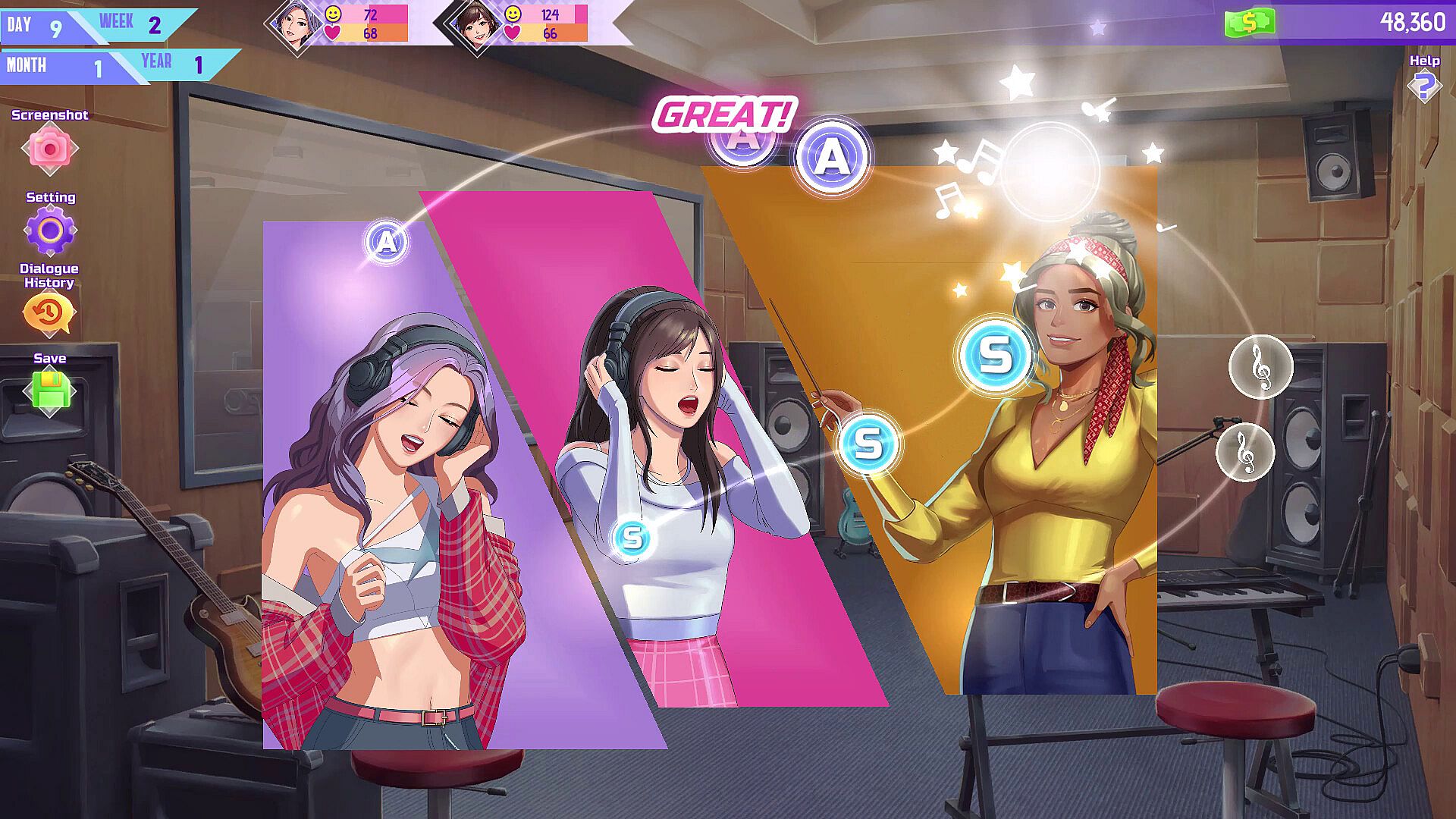
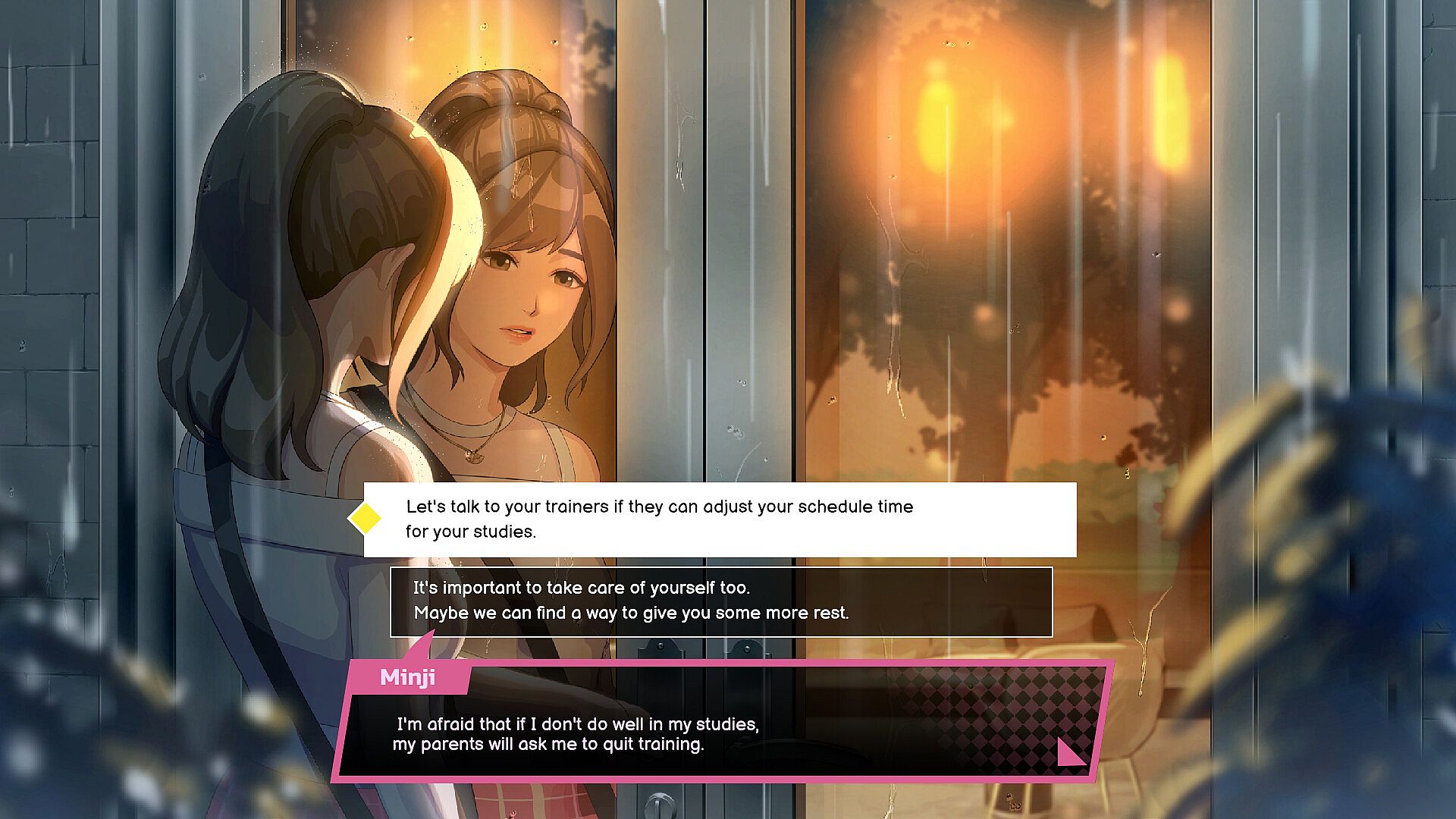
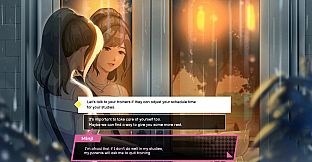
Relationships develop through ongoing interactions and choices that affect how each idol views the manager. These bonds unlock additional story branches, encounters, and varied outcomes. Randomized events introduce industry-style challenges that test decision-making and can shift group progress in unexpected ways. Minigames handle scouting new talent, vocal exercises, and dance practice, with results feeding into overall success metrics.
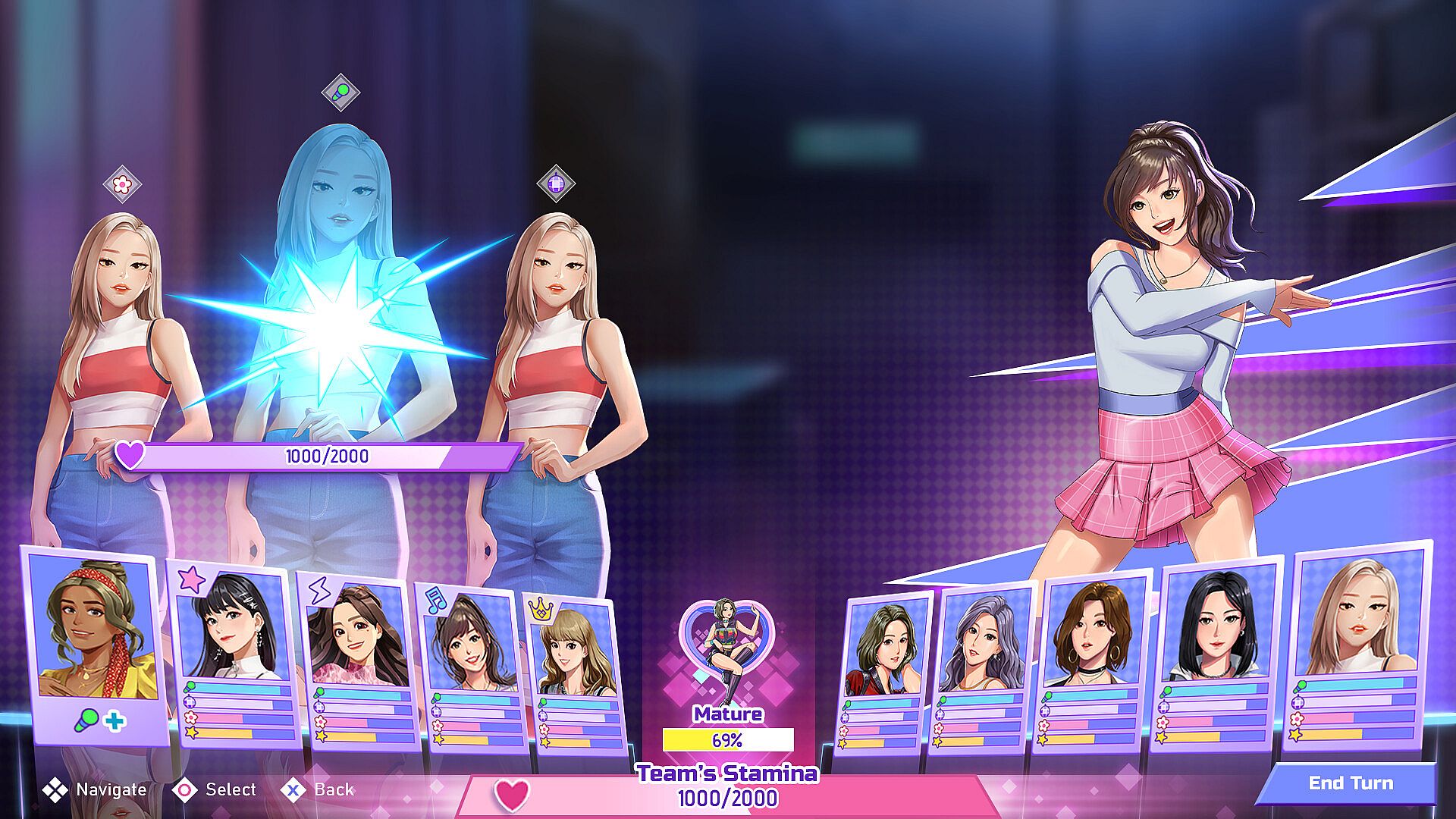
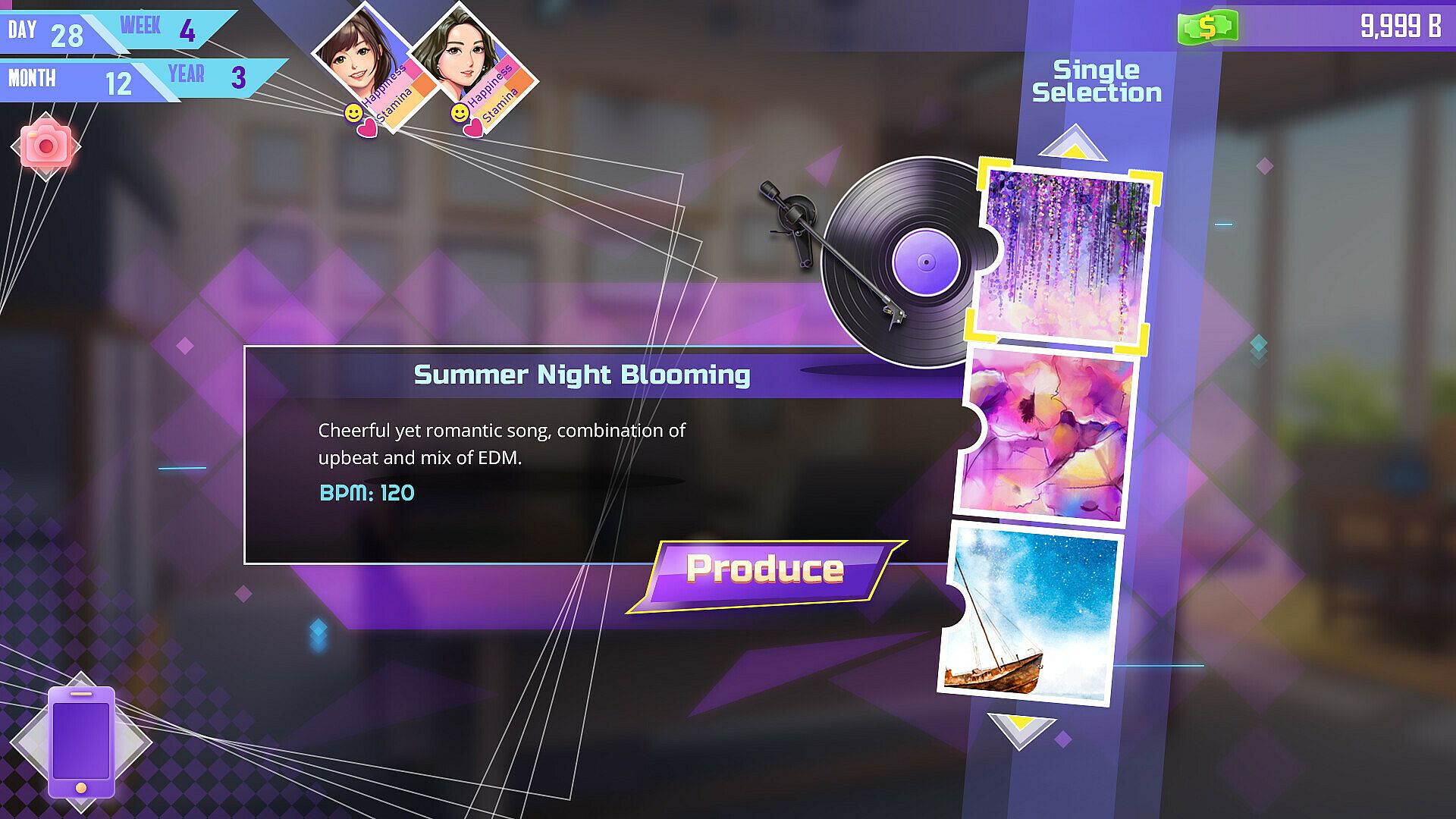
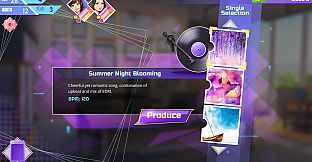
Visual presentation relies on hand-drawn artwork and animated character expressions to convey emotions during key moments. An original soundtrack features tracks tailored to the group's concept, supporting the production of a debut album once the lineup reaches readiness. RPG-style confrontations with rival groups occur during the training phase to evaluate readiness.
Game Modes
The core experience centers on a single-player management simulation that progresses through a structured path to debut. Activities unfold across weekly cycles that incorporate scheduling, training, and evaluation segments. Minigame challenges integrate into the routine for specific skills like auditioning or performance practice. Story progression incorporates choice-based elements that alter character perceptions and narrative directions without branching into separate campaigns.
Preparation phases allow customization of group concept, fan club details, and album production once trainees meet debut criteria. No separate multiplayer or competitive modes exist; the focus remains on personal management decisions and their consequences within the single narrative framework.
Key Features
Stamina and financial management form central loops, forcing trade-offs between intensive training and necessary recovery. Public representation and rivalry navigation add layers beyond pure scheduling. The eight trainee options provide variety in group composition, with each character offering different strengths that reward thoughtful assembly.
Hand-drawn visuals and animated gestures emphasize character individuality during conversations and events. The soundtrack supports immersion through exclusive vocal tracks tied to in-game performances.
Is It Worth Playing?
Player reception on Steam stands at mixed with 55 percent positive from 147 reviews. Some praise the character writing, distinct personalities, and satisfying progression toward debut, while others note repetition in training cycles, heavy reliance on random elements, and occasional technical issues. Critic scores reflect a similar mixed or average range.
The game suits those interested in idol management simulations with relationship mechanics and light RPG elements. A demo covers the initial six weeks of play, allowing direct assessment of the scheduling and minigame systems before purchase. Recent release on July 16, 2026, means ongoing patches may address reported concerns over time.
Those drawn to K-pop themes and careful resource balancing will find the most engagement, while players seeking high variety or extensive replay systems may encounter limitations in the current structure.