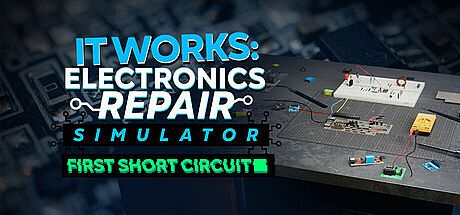


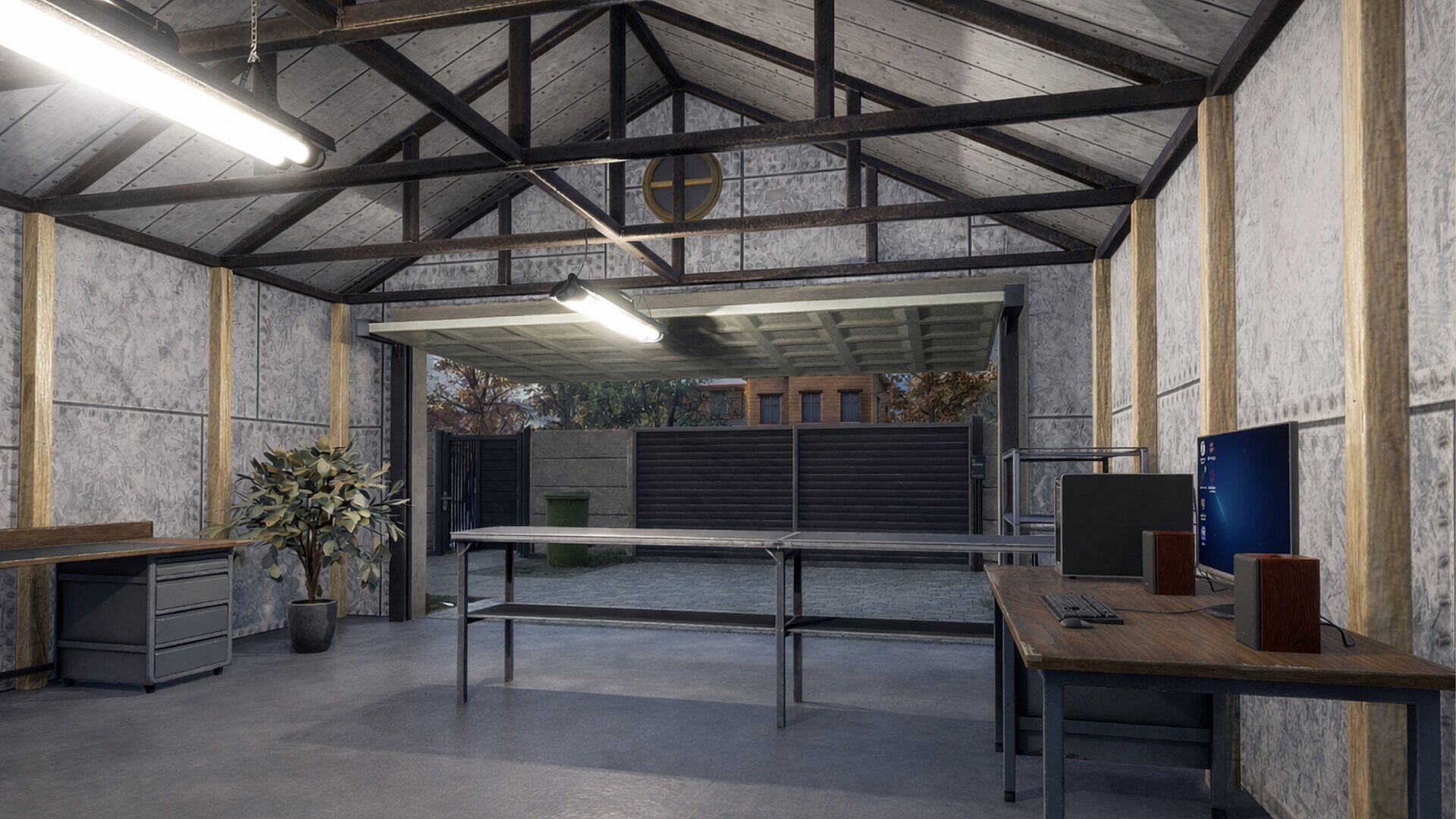
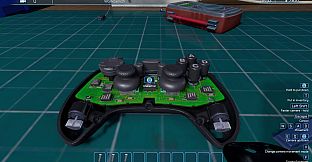
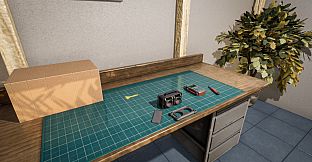
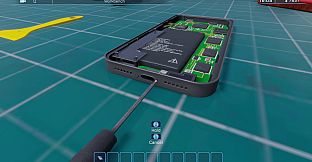
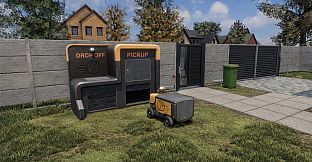
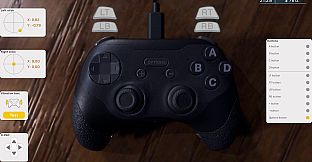
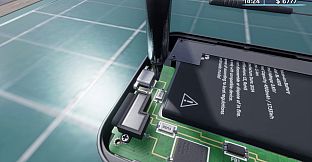
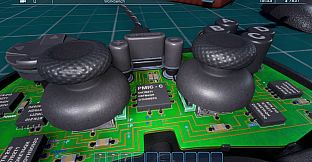
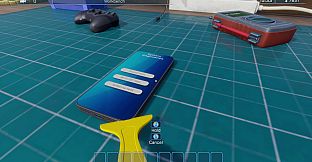
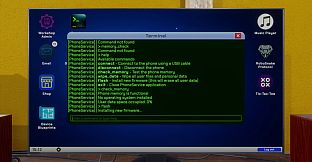

It Works: Electronics Repair Simulator - First Short Circuit puts players in charge of a modest garage workshop as a novice electronics technician. This free-to-play single-player simulation game focuses on realistic repair work, from accepting client orders to diagnosing faults and restoring devices like phones, speakers, and keyboards. The experience serves as an introductory standalone title that teaches core skills before players expand into larger operations in the broader series.
Gameplay
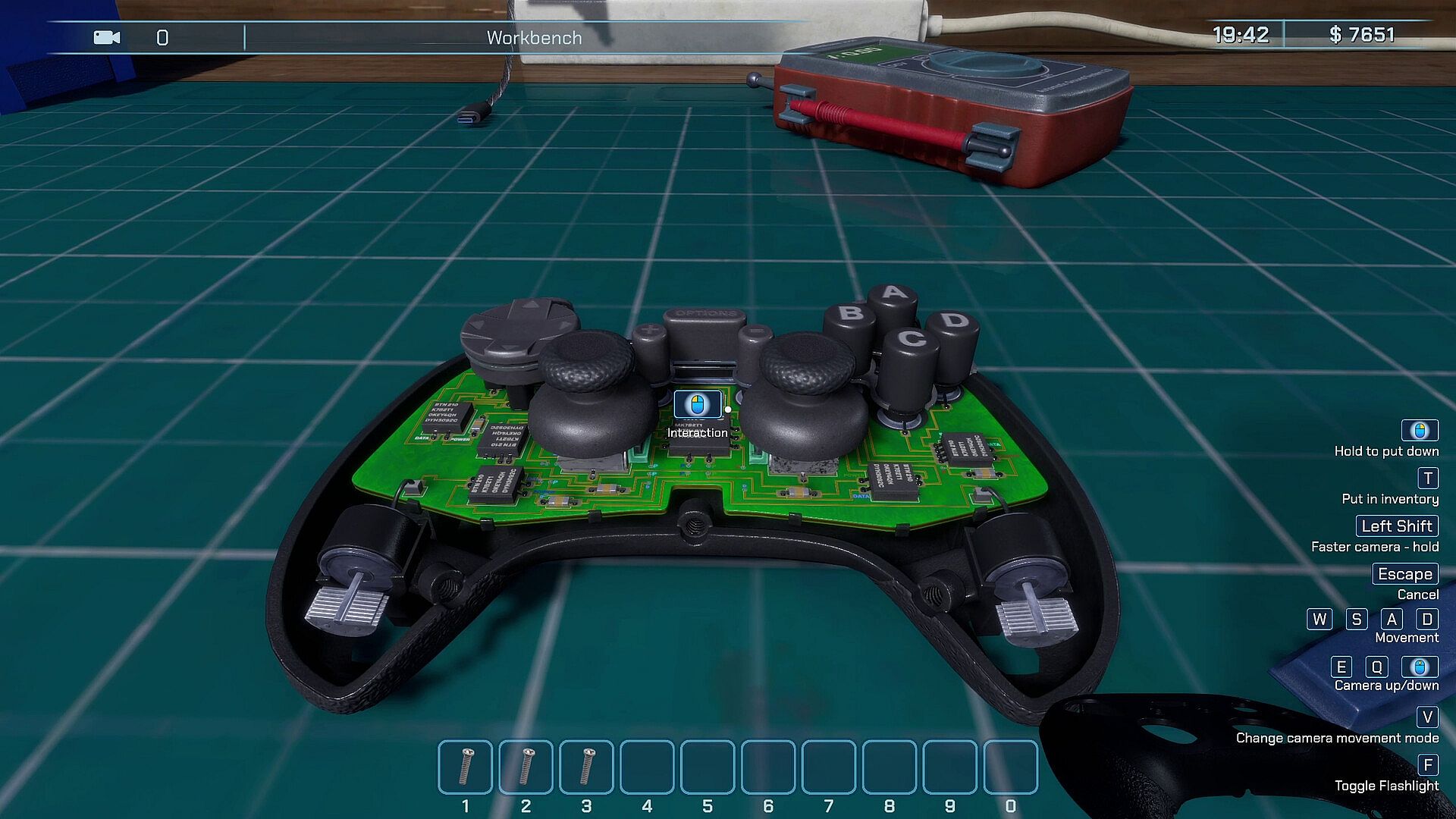
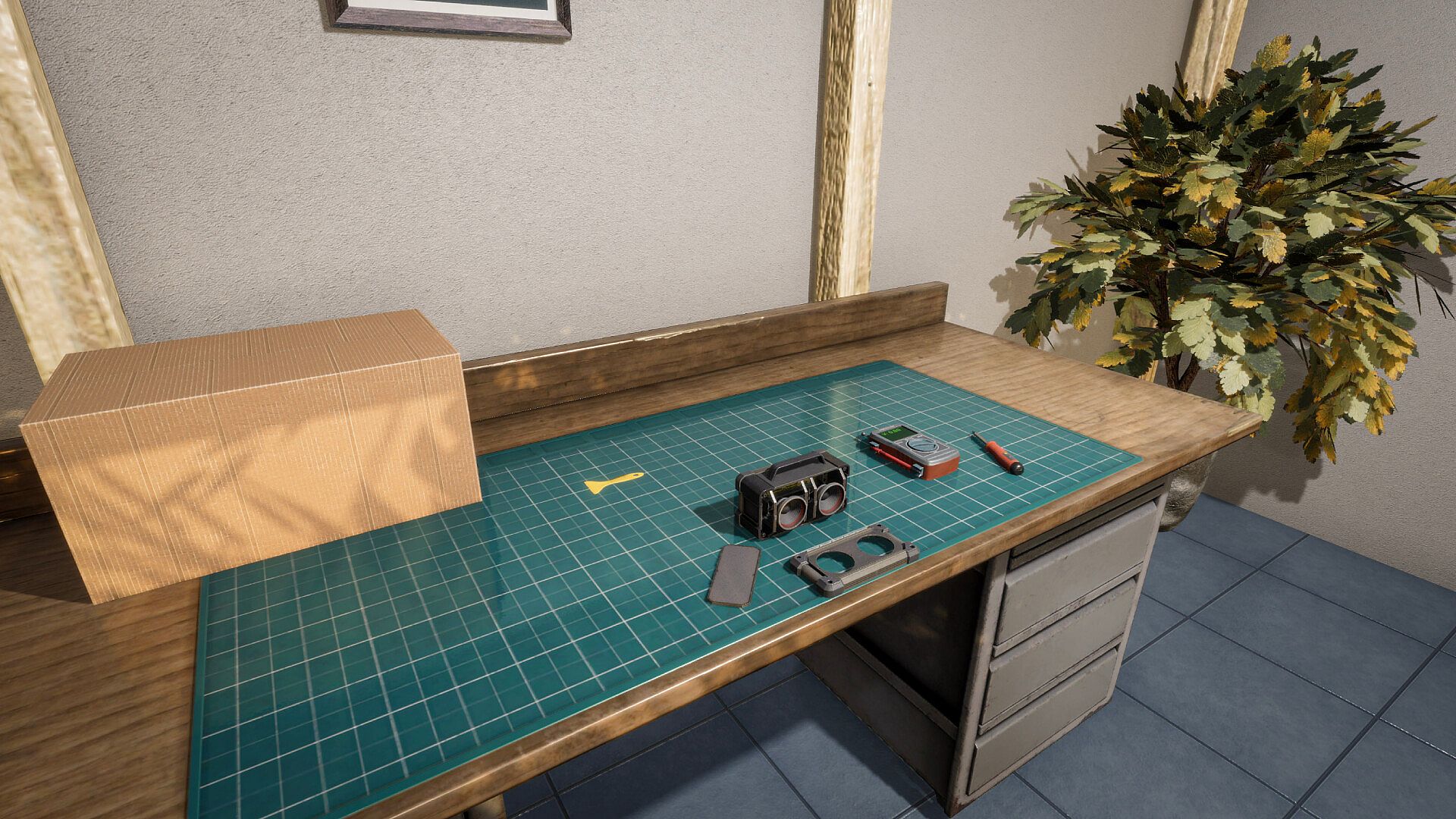
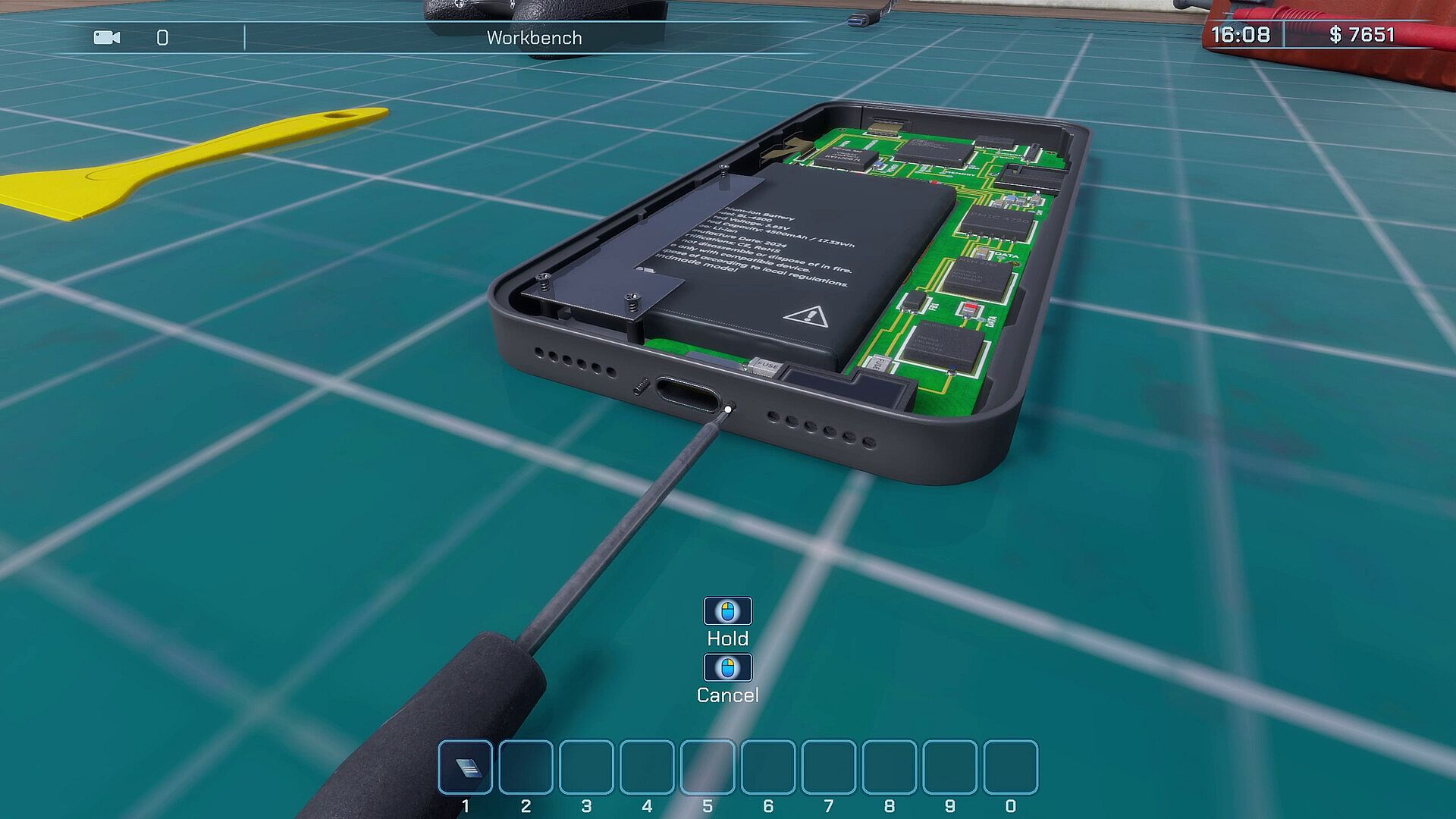
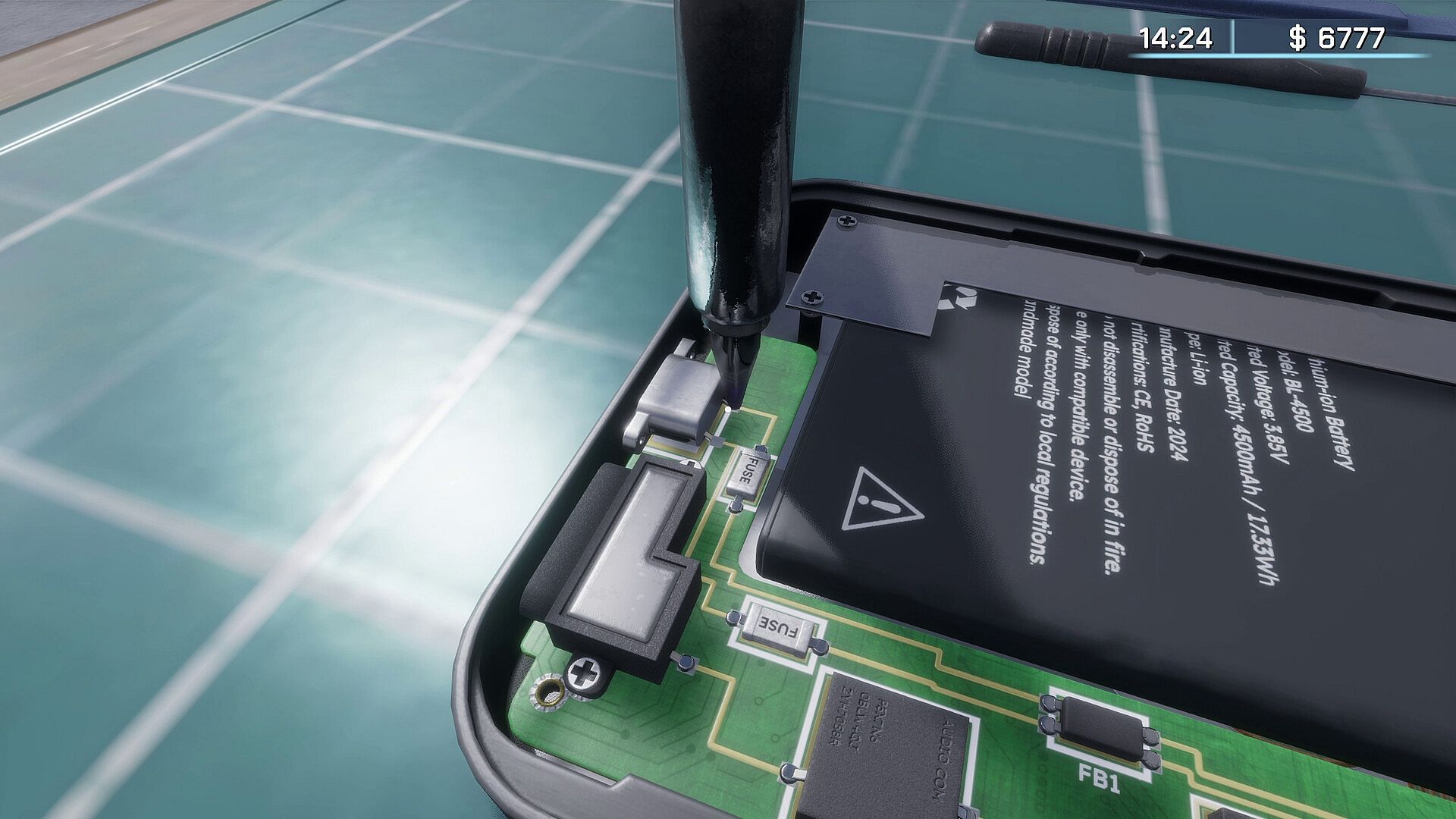
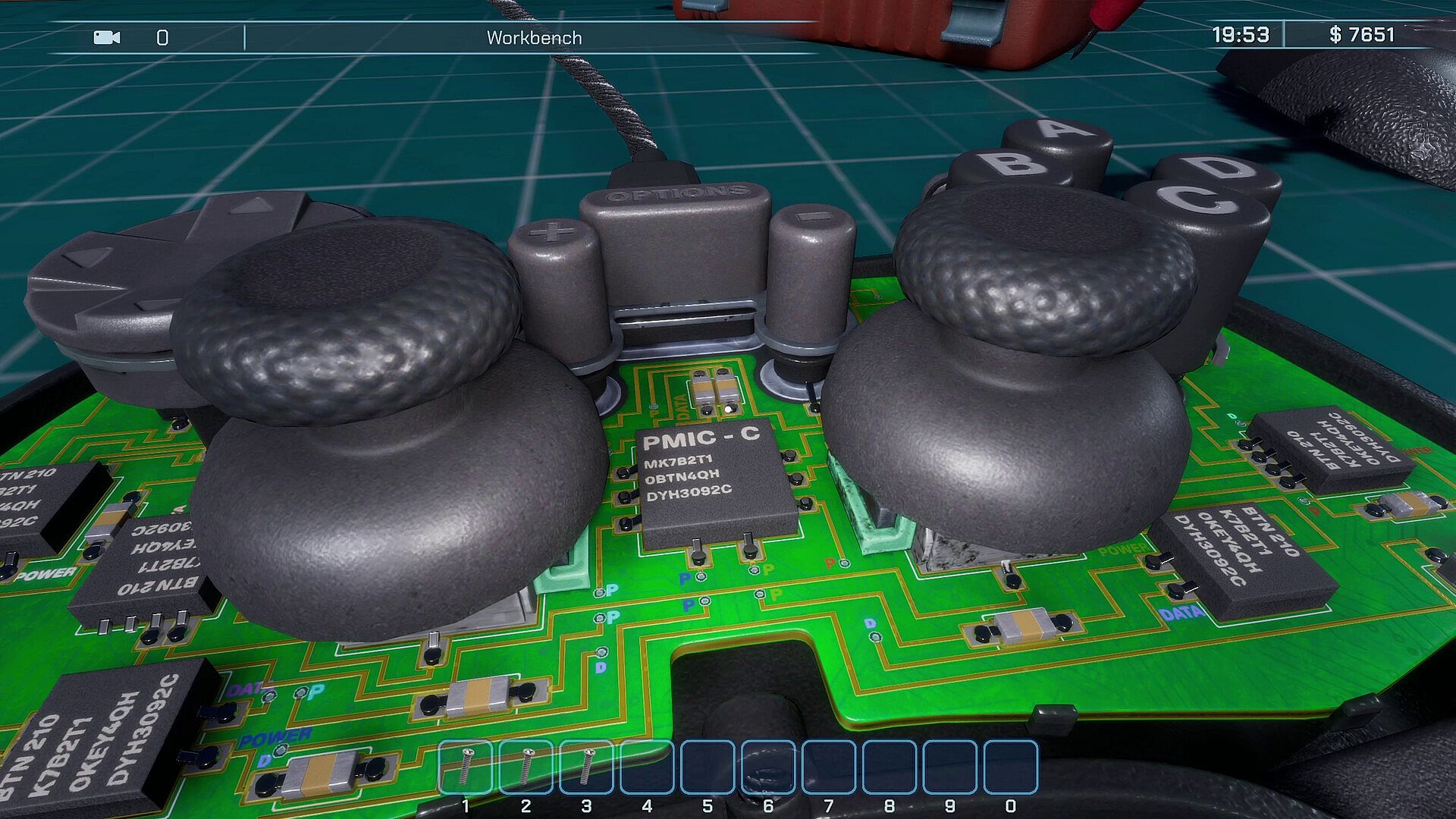
The core loop centers on running a home-based repair business. Players receive job requests through an in-game inbox and must carefully examine each device on the workbench. Diagnosis relies on a multimeter to test circuits, checking voltage and signal flow across components to identify failures such as burnt chips or faulty capacitors. Once the problem is located, the device is powered down, the faulty part is desoldered and removed, and a replacement is installed through precise soldering work.
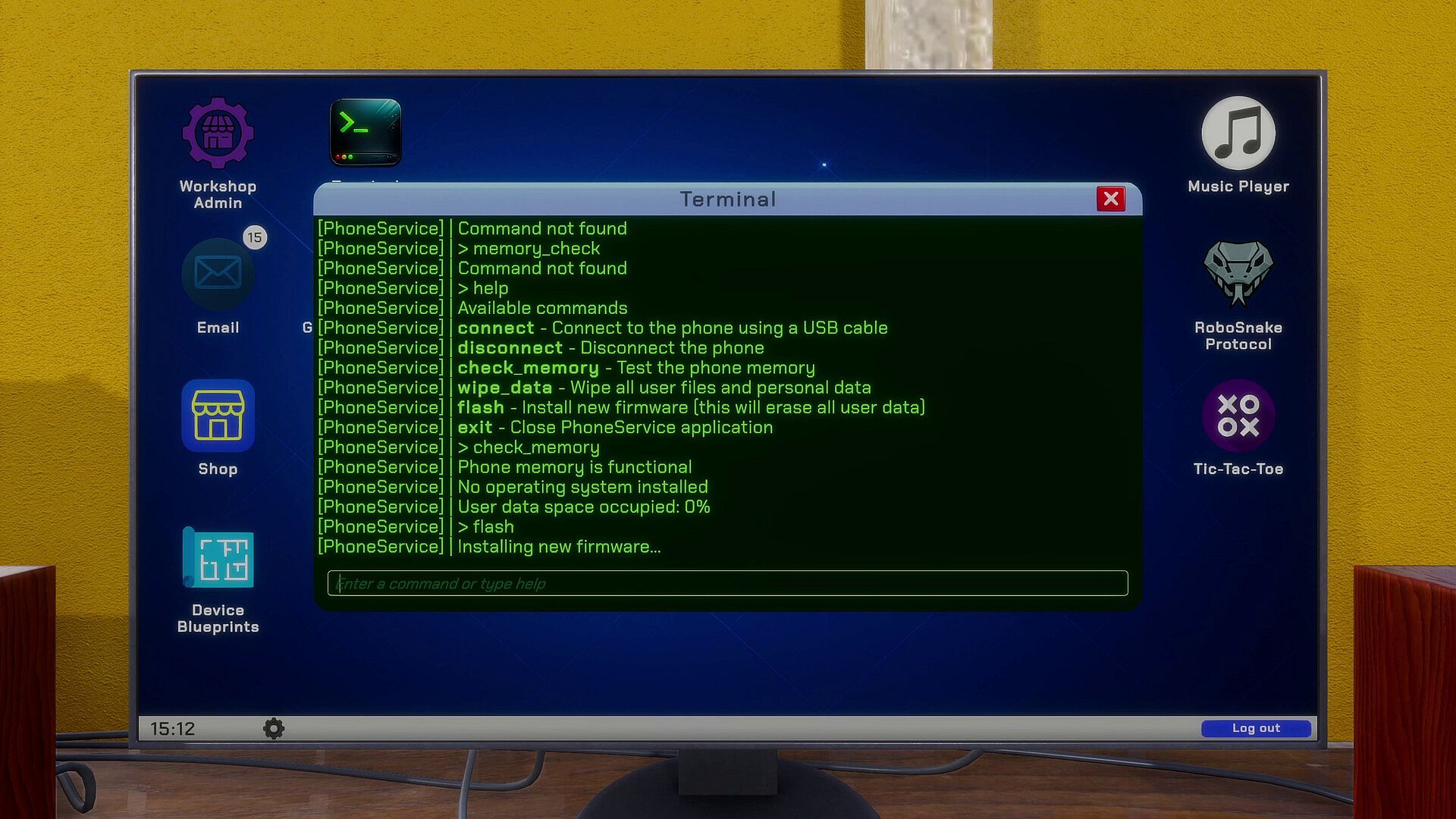
Inventory management forms another key layer. Players order essential parts including resistors, capacitors, fuses, coils, and integrated circuits directly from an in-game computer interface. Routine repairs on simpler items provide steady income while building experience for more demanding tasks. Upgrades to tools, workbenches, and amenities like energy drink storage help reduce fatigue and improve efficiency over time. Precision matters at every step, as errors during soldering or testing can damage additional components and reduce profits.
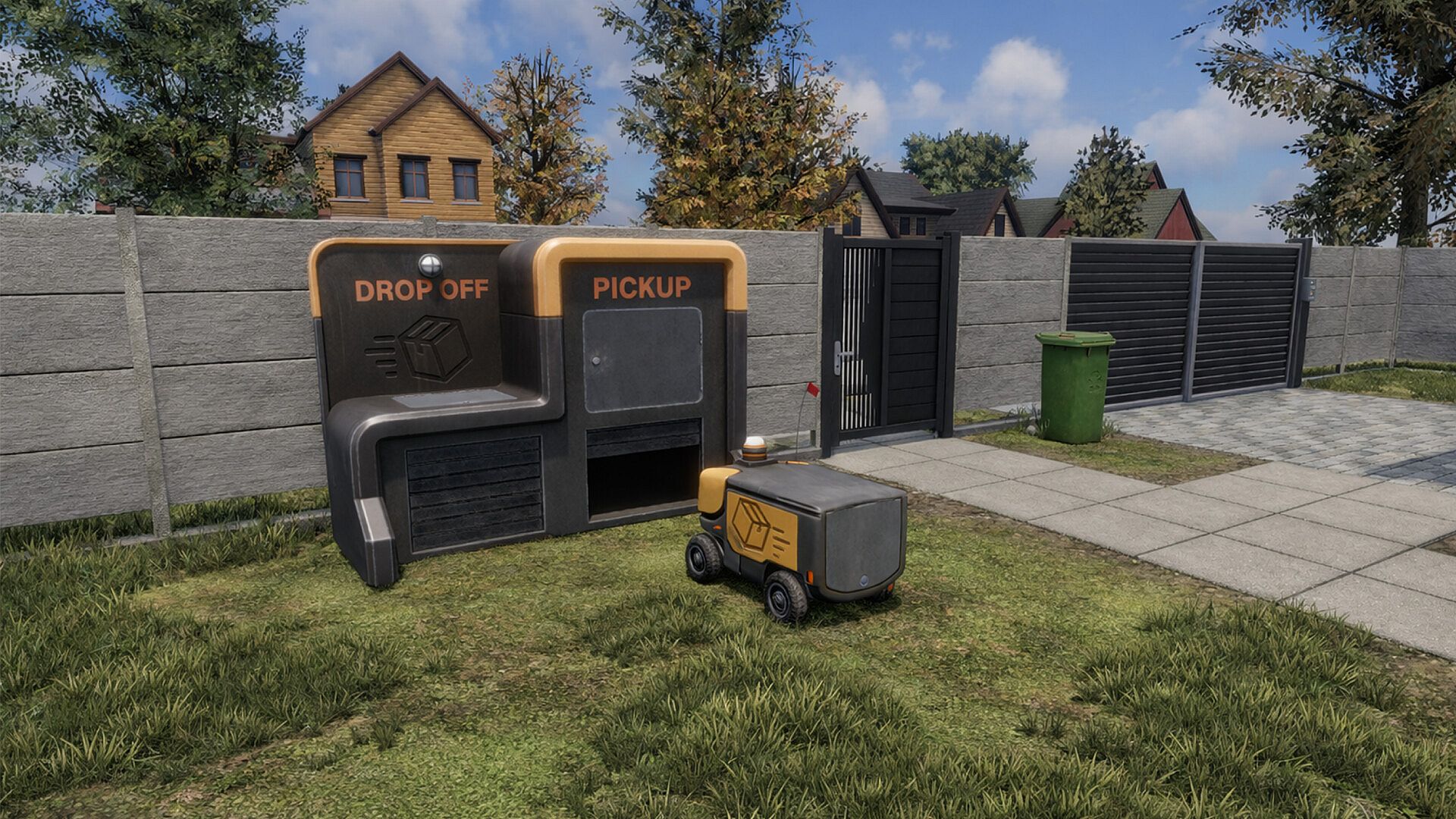
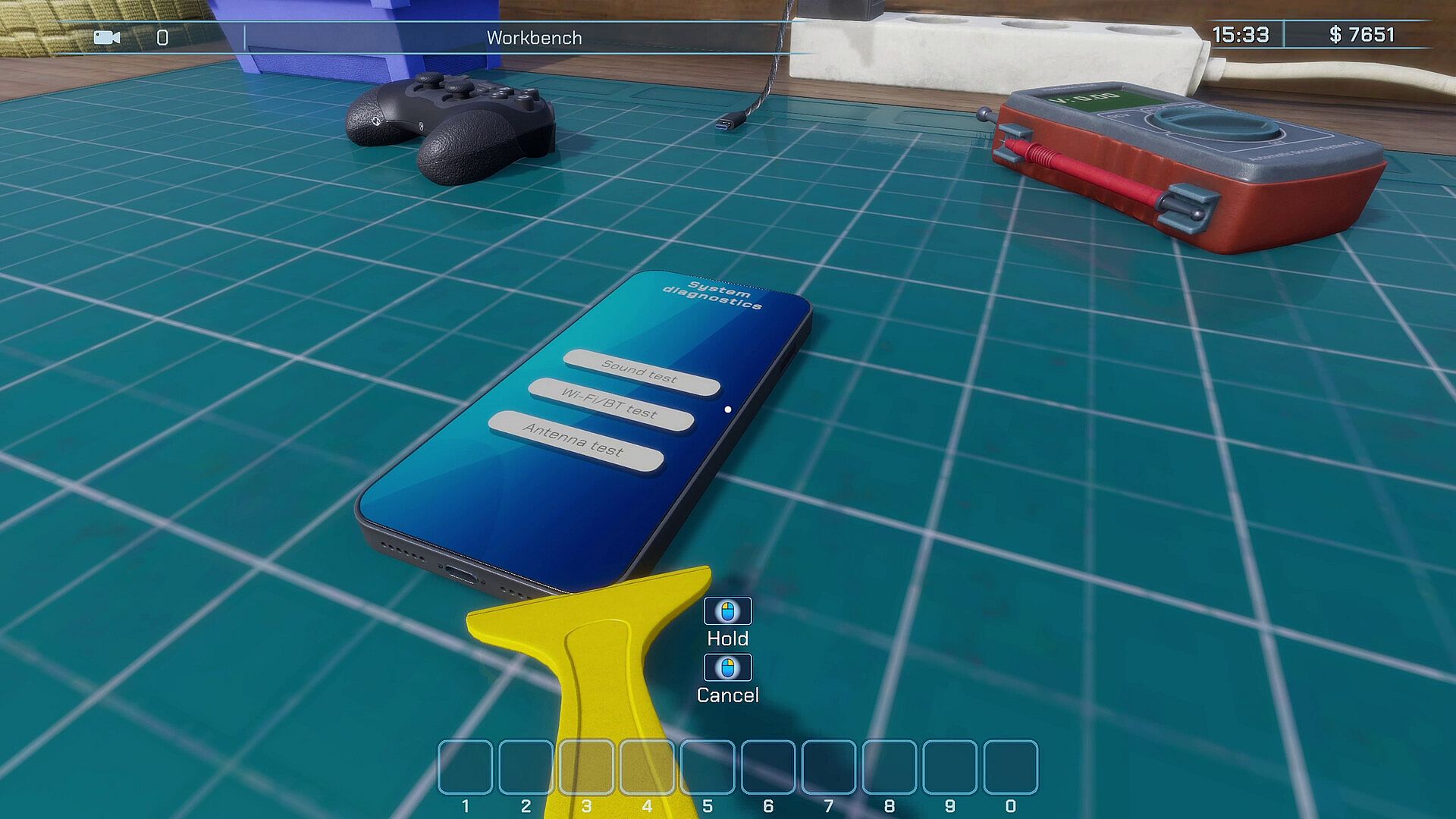
The first-person perspective keeps the focus on hands-on interaction with each device. Players drag tools and parts across the workspace, follow on-screen prompts for testing sequences, and reassemble units before packaging them for customer pickup. This structure rewards methodical troubleshooting and careful resource handling.
Game Modes
The game operates entirely in a single-player format with no multiplayer or competitive elements. All activity takes place within the evolving garage workshop, where the primary progression comes from completing repair jobs, managing supplies, and investing earnings into better equipment. There are no separate named modes or seasonal events; the experience flows continuously through client orders of varying complexity. Routine tasks offer quicker turnaround for cash flow, while advanced repairs demand deeper analysis of circuit diagrams and component behavior.
Progression ties directly to skill improvement and workshop expansion. Early jobs focus on basic diagnostics and simple fixes, gradually introducing more intricate devices and stricter requirements for accurate troubleshooting. The structure encourages repeated play sessions centered on refining repair techniques and optimizing the workspace layout.
Workshop Management and Progression
Starting with basic tools in a credit-financed garage, players must balance immediate repairs with long-term growth. Earnings fund purchases of precision screwdrivers, improved testing equipment, and comfort items that combat fatigue during extended sessions. Keeping supplies stocked prevents delays on incoming orders, while successful completions build reputation and unlock access to higher-paying jobs. The system emphasizes realistic constraints, such as the need to disconnect power sources before component swaps to avoid further damage.
Device variety expands naturally through the job queue. Players handle everything from quick keyboard fixes to detailed phone repairs involving memory chips and audio processors. Each successful restoration reinforces the satisfaction of methodical work, and the feedback loop of income, upgrades, and new challenges keeps the garage evolving.
Is It Worth Playing?
This introductory experience suits players who enjoy detailed simulation titles centered on problem-solving and hands-on mechanics. The demo version of the related full game has received mostly positive feedback, highlighting the appeal of its diagnostic and repair systems. As a free standalone title, it provides a low-risk way to test the core loop of troubleshooting electronics, managing a small business, and expanding a workshop. Those drawn to casual simulation games with realistic tools and steady progression will find the focused garage setting engaging. The polished mechanics drawn from prior playtests make it a solid entry point for anyone interested in electronics repair themes without requiring a purchase upfront. If the idea of methodical circuit testing and component replacement appeals, the game delivers a consistent and informative session structure.