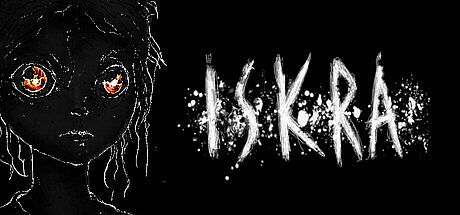


ISKRA is a single-player philosophical visual novel developed as an indie adventure title for PC. It presents a dark reimagining of Lewis Carroll's Alice in Wonderland, shifting focus from whimsical fantasy to an inward exploration of shadow, identity, and disorientation. Alice awakens in an endless forest without memory of her arrival, and the familiar characters she encounters serve as fragments of her own psyche rather than external figures from a fairy tale.
Gameplay
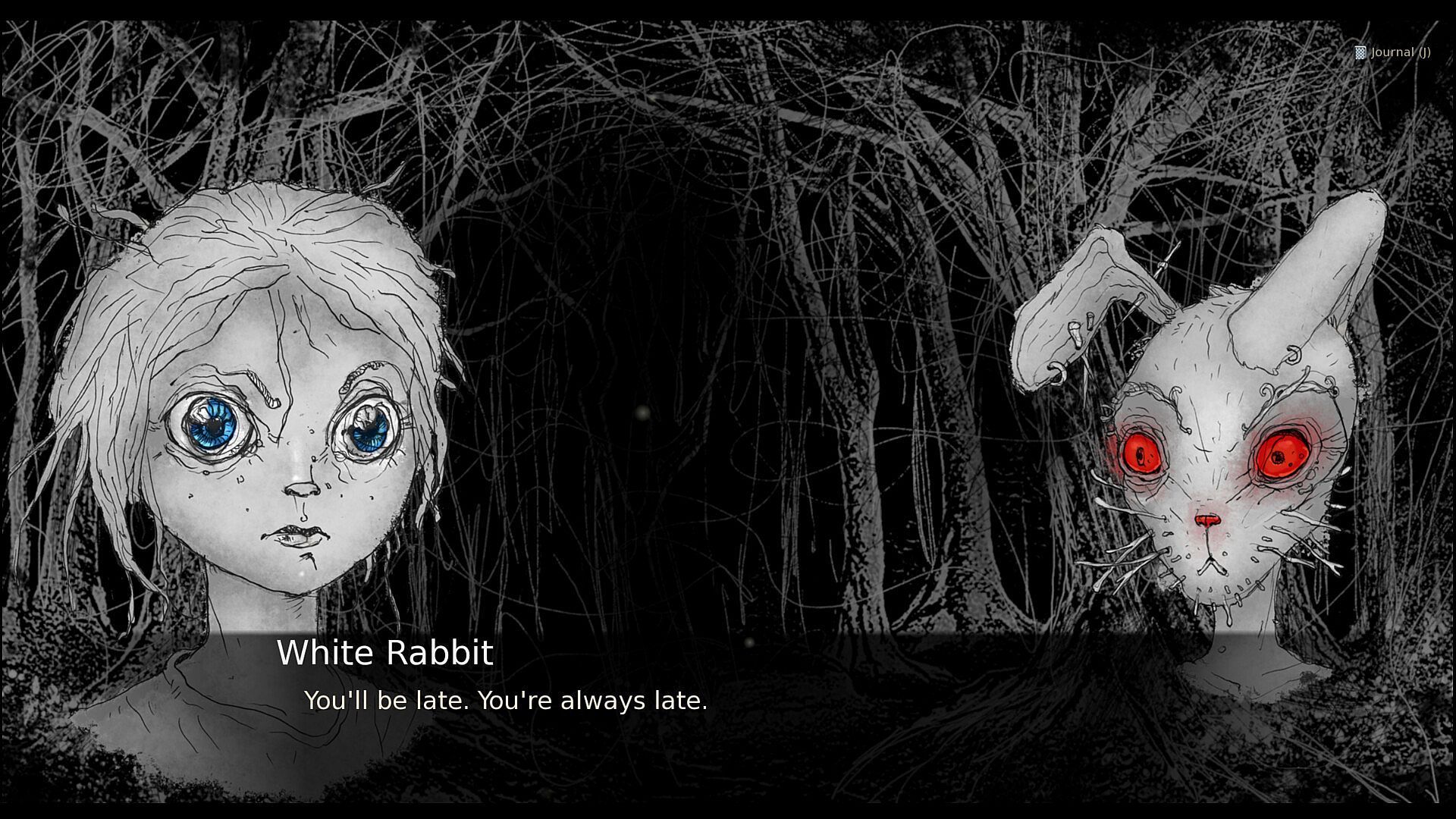
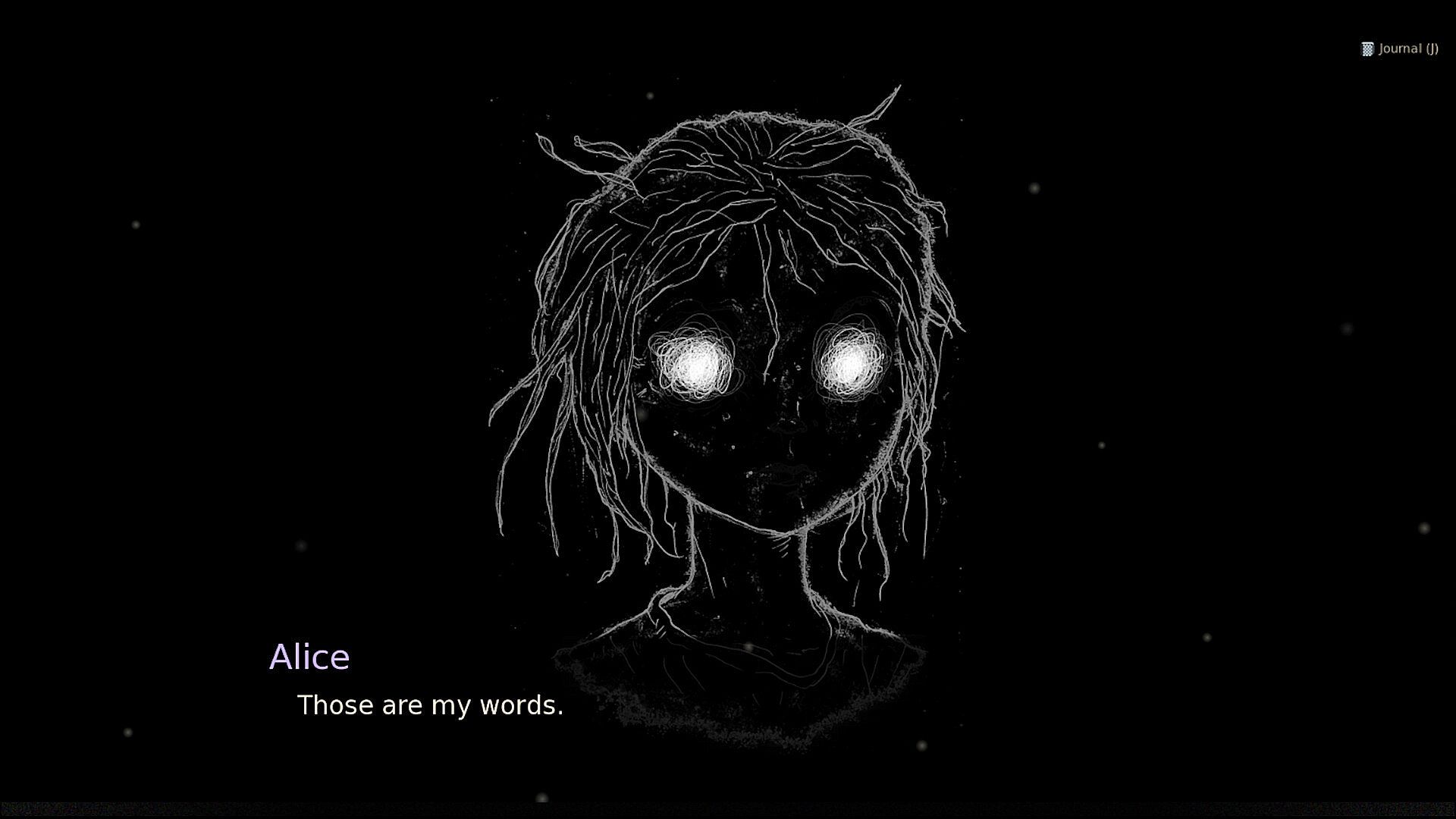
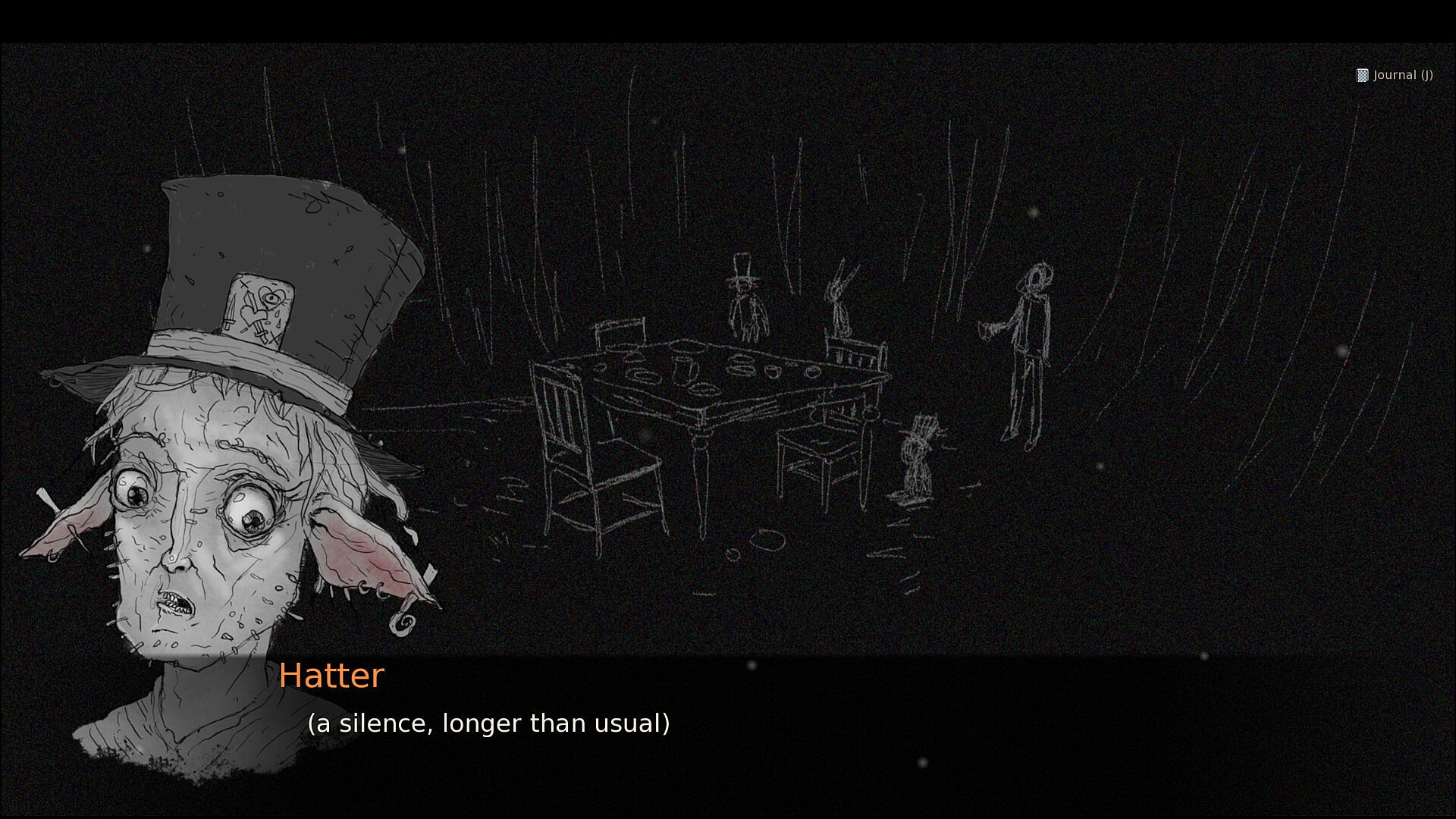
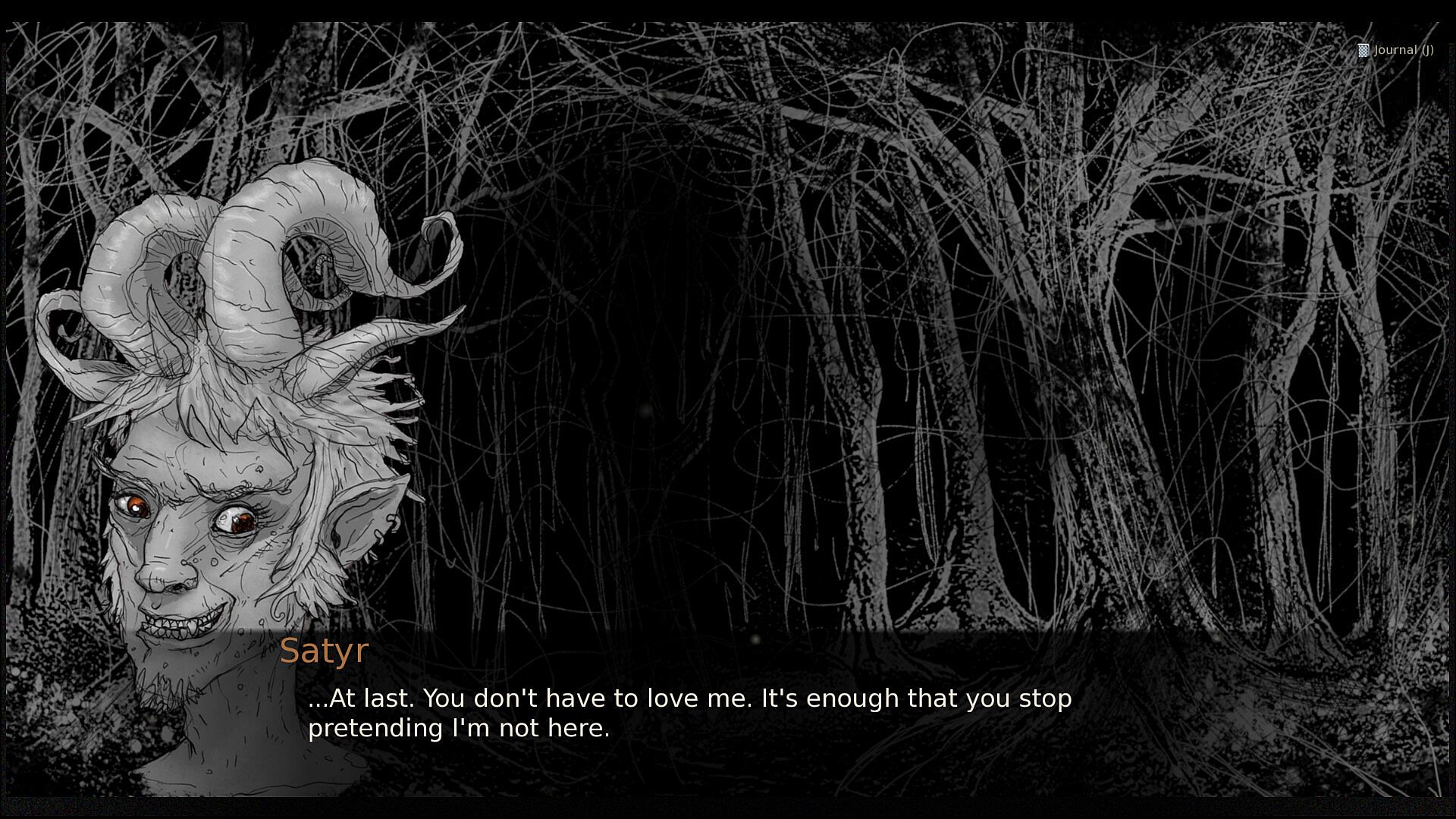
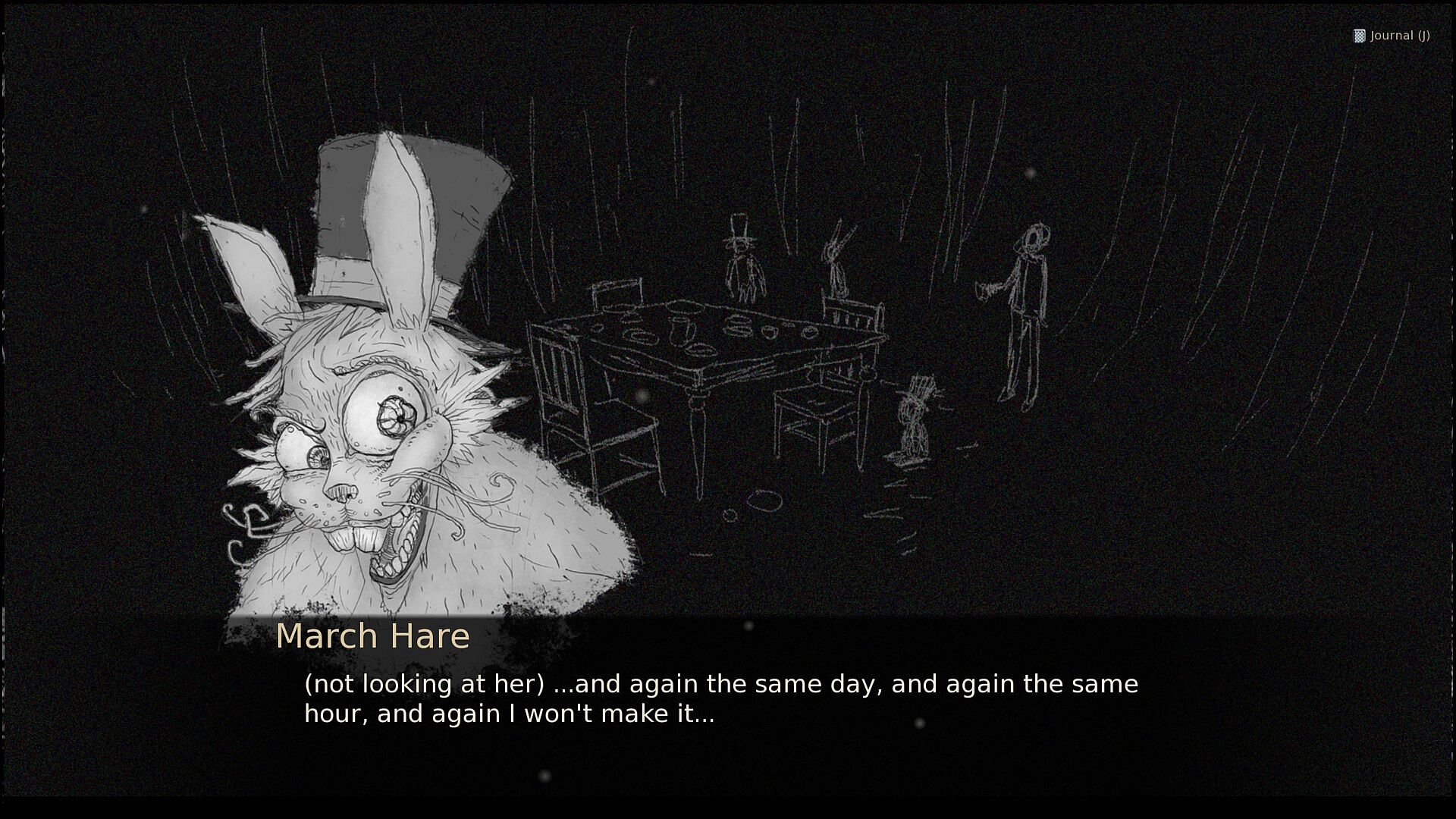
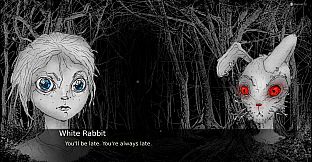
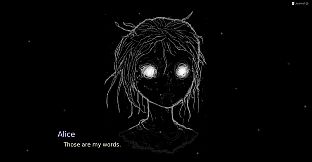
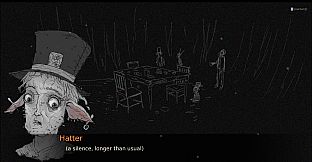
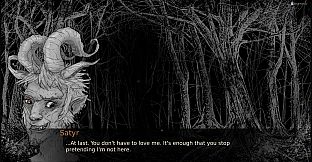
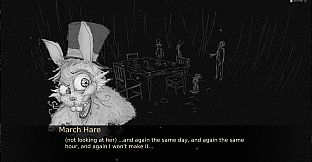
The core loop centers on reading narrative text, making dialogue choices, and observing how decisions reshape Alice's path. From the initial encounter with the White Rabbit, the story branches into two distinct routes. Each route features its own set of characters and challenges that reflect different aspects of Alice's internal conflicts. A journal system records key insights Alice gains during conversations and events. These entries influence which doors and options become available later in the experience. The hand-drawn art style renders every character as a grotesque portrait, emphasizing the unsettling tone through detailed, distorted visuals that accompany the text.
Progression relies on careful attention to dialogue and the accumulating journal entries. Players revisit earlier scenes or explore alternative responses to unlock new layers of the narrative. The system rewards reflection on the psychological implications of each choice rather than mechanical skill or resource management.
Game Modes
ISKRA operates entirely as a single-player experience with no separate multiplayer or competitive modes. The branching narrative structure defines the main paths: two primary routes that diverge early and lead toward one of five possible endings. These endings range from themes of quiet resurrection to complete surrender to darkness, determined by the cumulative effect of choices and journal content. The design encourages multiple playthroughs to uncover how different decisions alter character interactions and final outcomes without introducing additional game modes or external systems.
Story and Themes
The narrative unfolds as Alice navigates a world stripped of its original wonder, where the White Rabbit, Mad Hatter, Cheshire Cat, March Hare, Queen, and Jabberwocky embody internal questions and repressed elements of her mind. Each encounter forces confrontation with identity and loss rather than whimsical escapism. The journal mechanic ties directly into this exploration by preserving truths that later open or close narrative doors, reinforcing the theme of what remains when familiar structures collapse. The story maintains a consistent psychological focus across both routes, presenting the characters as mirrors for Alice's fragmented self.
Visual Style and Presentation
Hand-drawn illustrations form the backbone of the presentation, with each character rendered in a grotesque, unsettling manner that avoids traditional fairy-tale aesthetics. The art supports the text-heavy format by providing visual anchors for the psychological tone. English and Polish language support covers interface, audio elements where present, and subtitles, allowing accessibility across different player preferences. The overall style prioritizes atmosphere through detailed portraits and minimalistic environmental cues that emphasize isolation and introspection.
Is It Worth Playing?
ISKRA suits players who seek narrative-driven single-player experiences centered on meaningful choices and psychological depth. The two routes and five endings provide replay value for those interested in exploring how decisions accumulate through the journal system. With its focus on internal conflict and reimagined characters, the game appeals to fans of visual novels that prioritize thematic resonance over action or puzzle mechanics. As an upcoming title with no user reviews available yet, its value depends on individual interest in dark, introspective storytelling set within a familiar literary framework. Those drawn to atmospheric art and branching narratives will find the structure aligns closely with the described features.