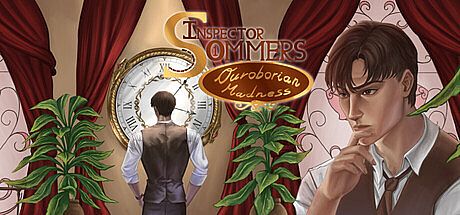


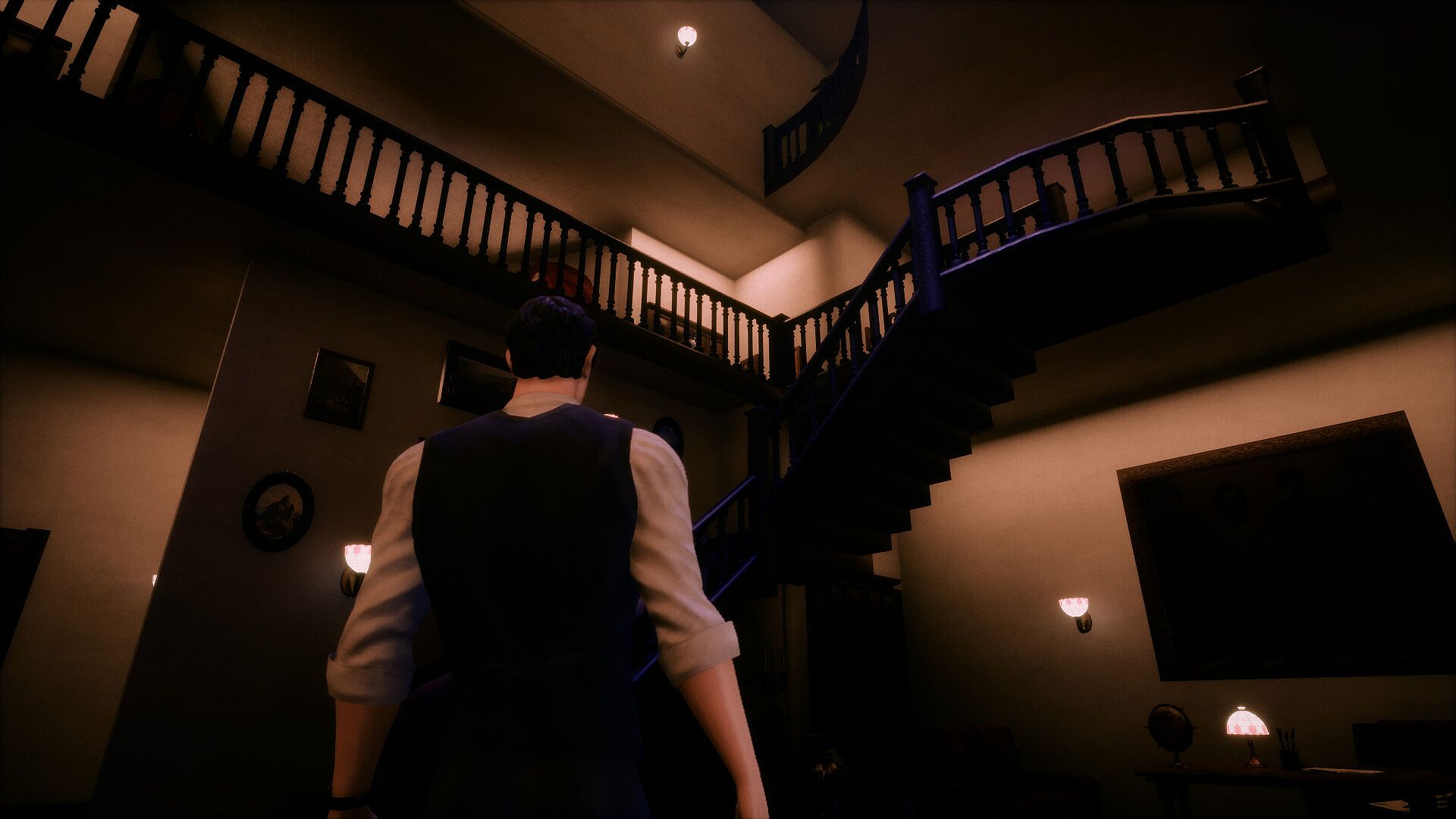
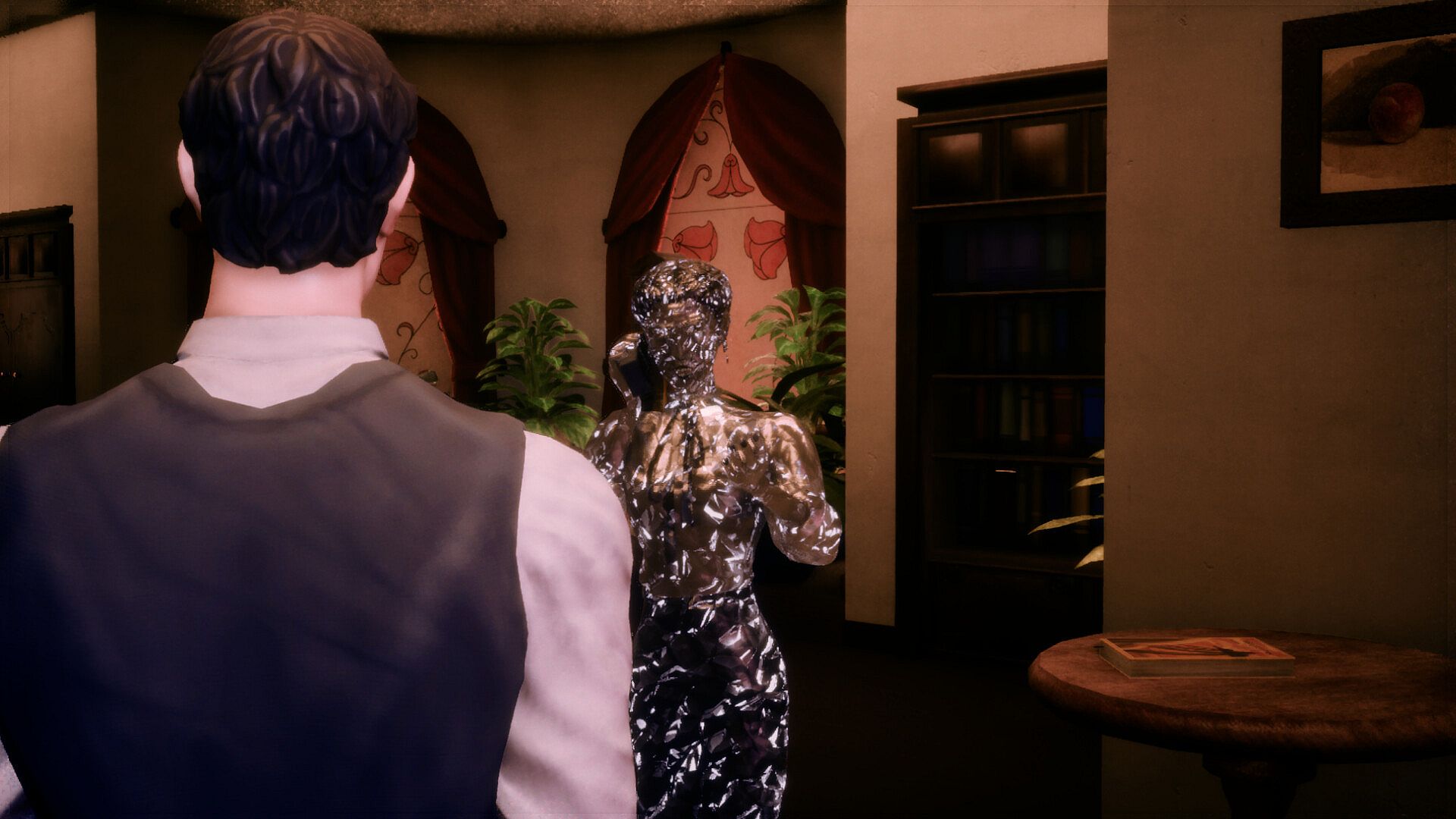
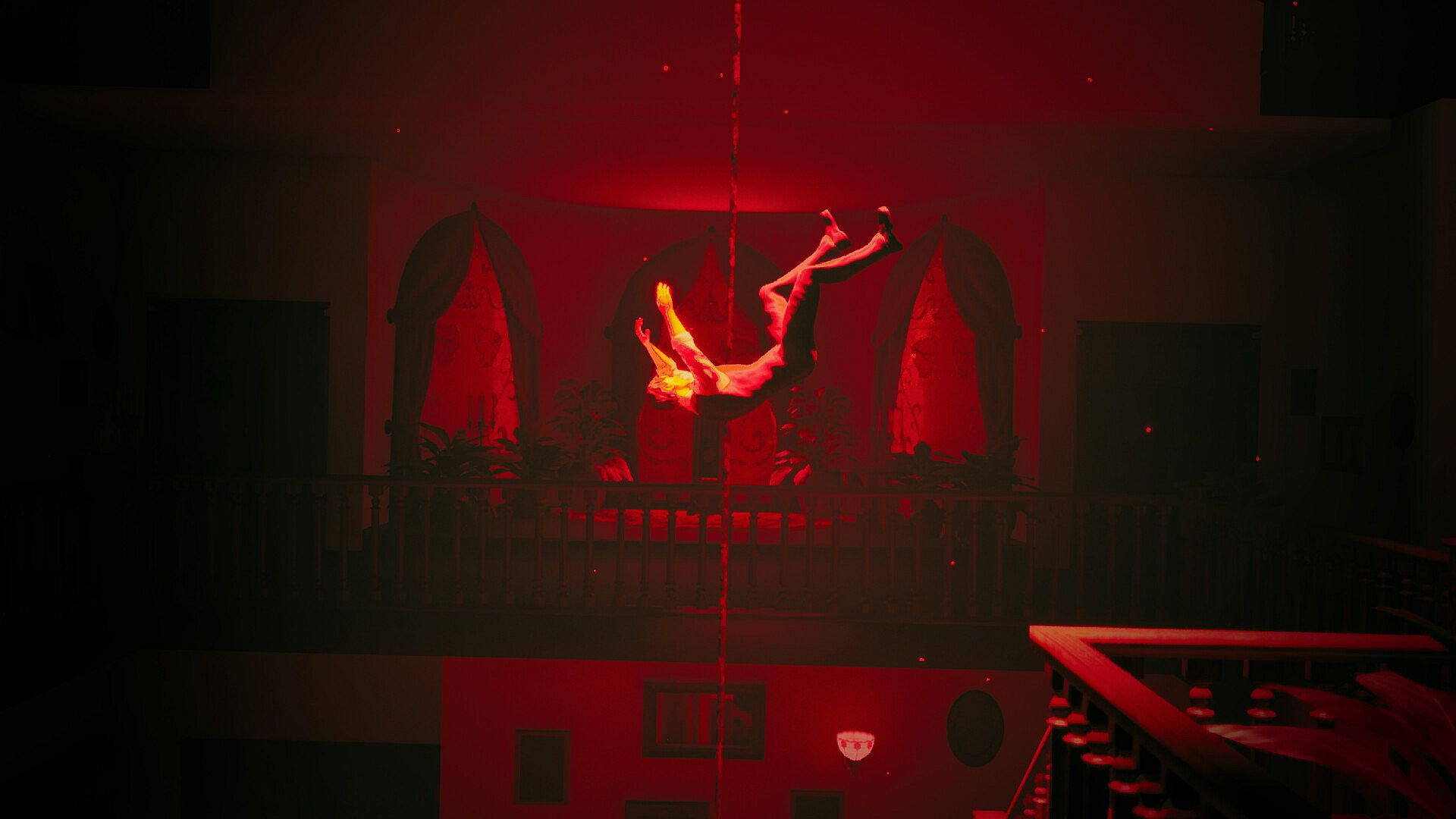
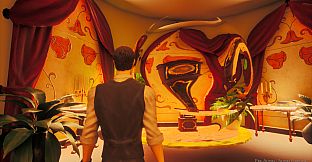

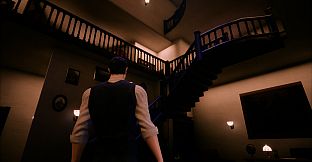
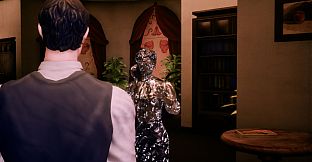
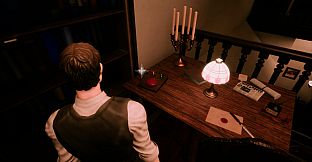

Inspector Sommers in: Ouroborian Madness is a single-player puzzle adventure game that places players in the role of a renowned private investigator tasked with solving a murder inside a distorting mansion. Set at the end of the Cold War on the outskirts of London, the experience centers on exploration, clue gathering, and unraveling a web of secrets through non-linear space and time mechanics.
Gameplay
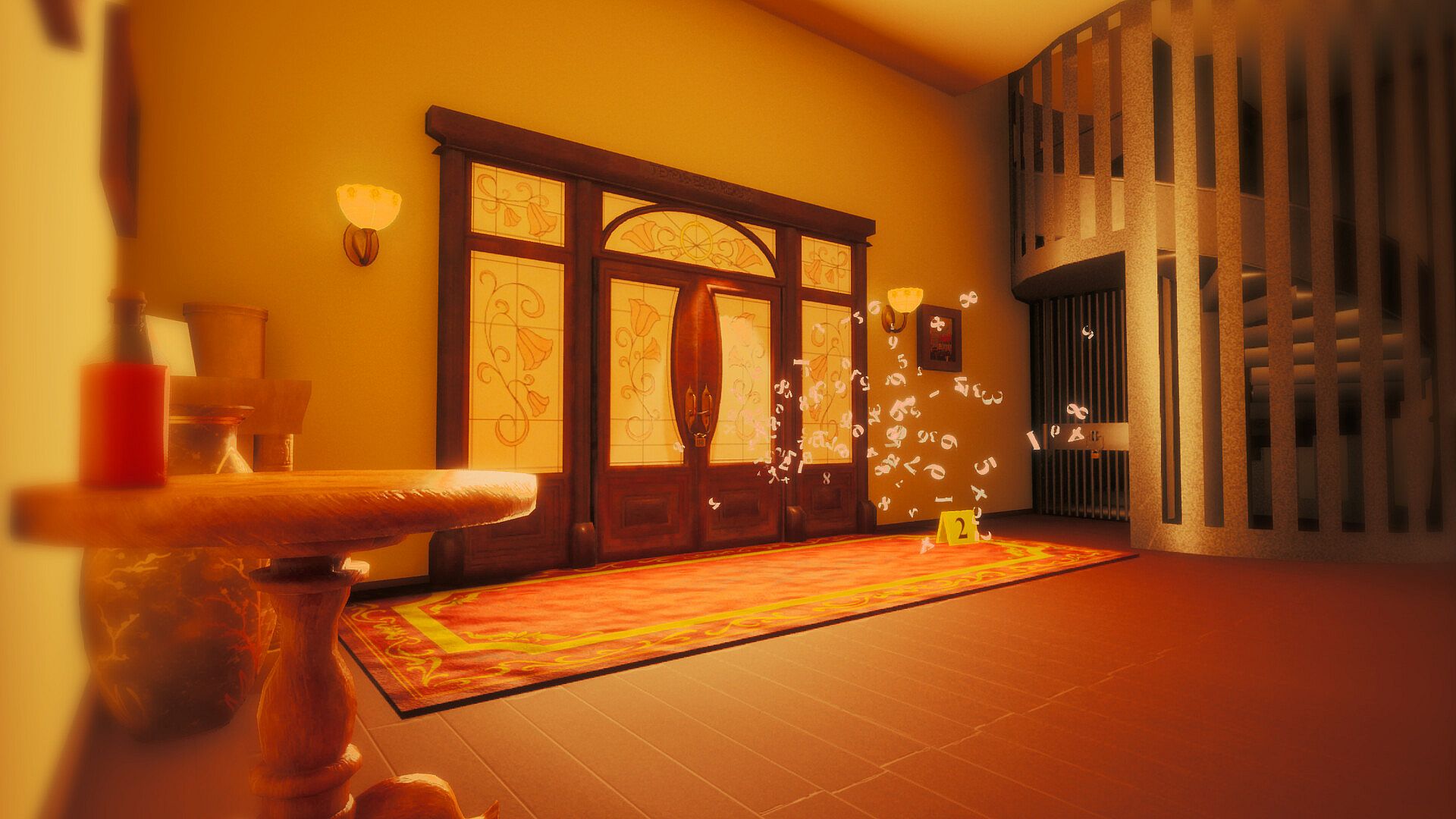
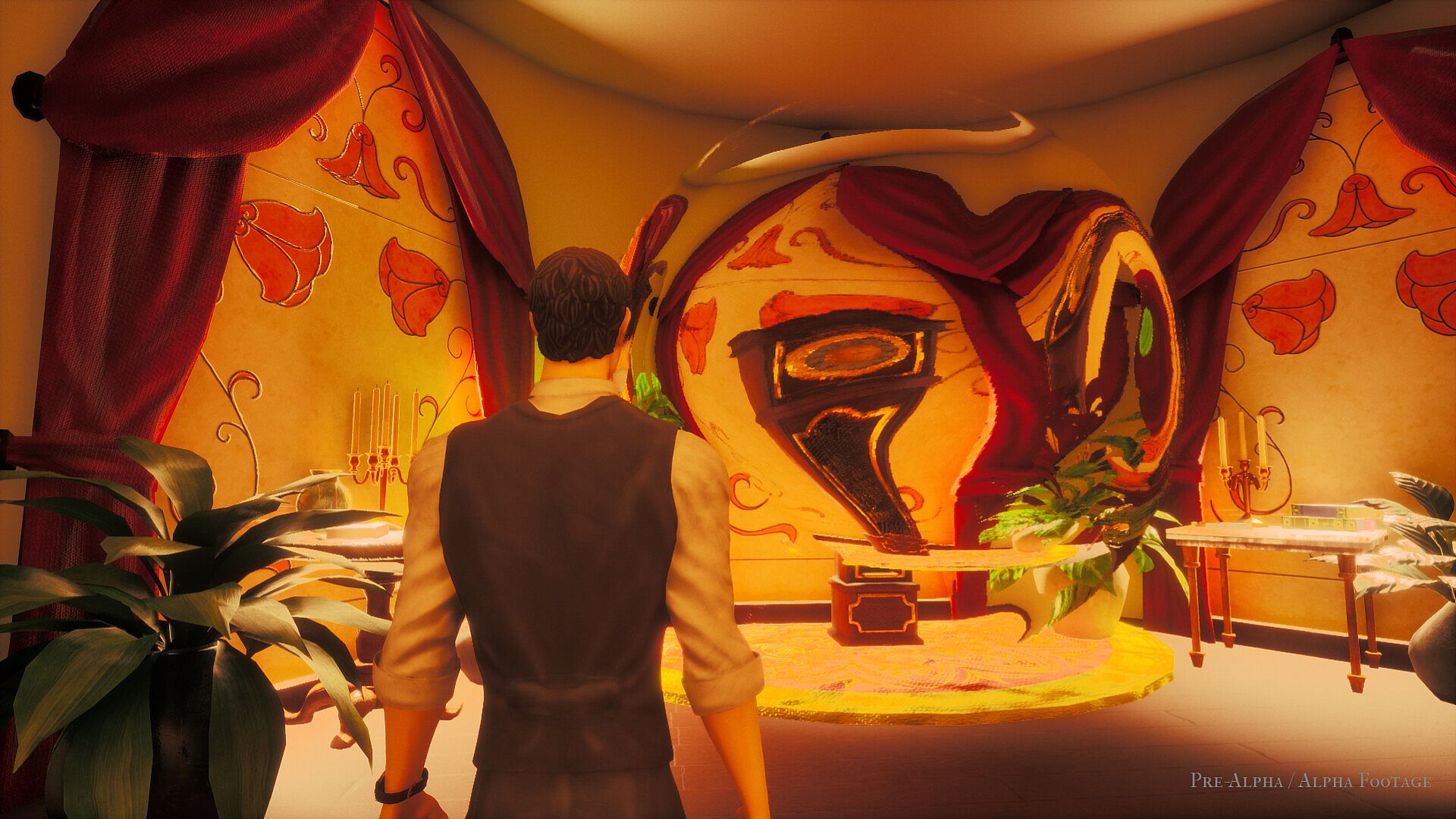
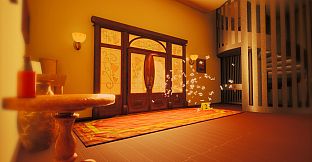
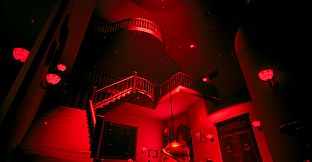
The core loop revolves around navigating a mansion where conventional movement rules do not apply. Attempting to exit through one door causes the player to reappear through an adjacent entrance in the same room, forcing creative use of the environment to progress. This spatial distortion mechanic requires careful observation of room layouts and repeated traversals to uncover hidden paths or items.
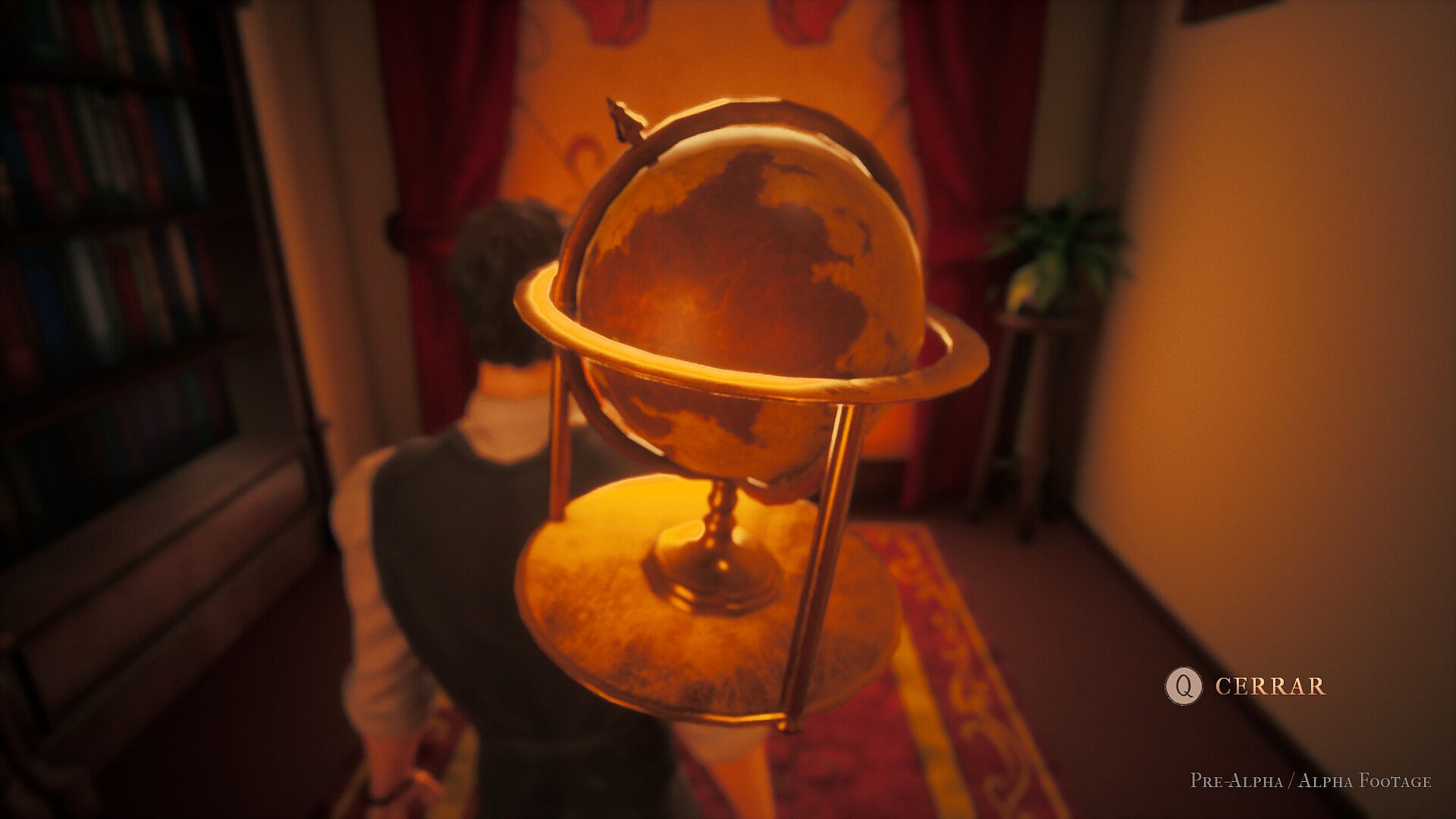
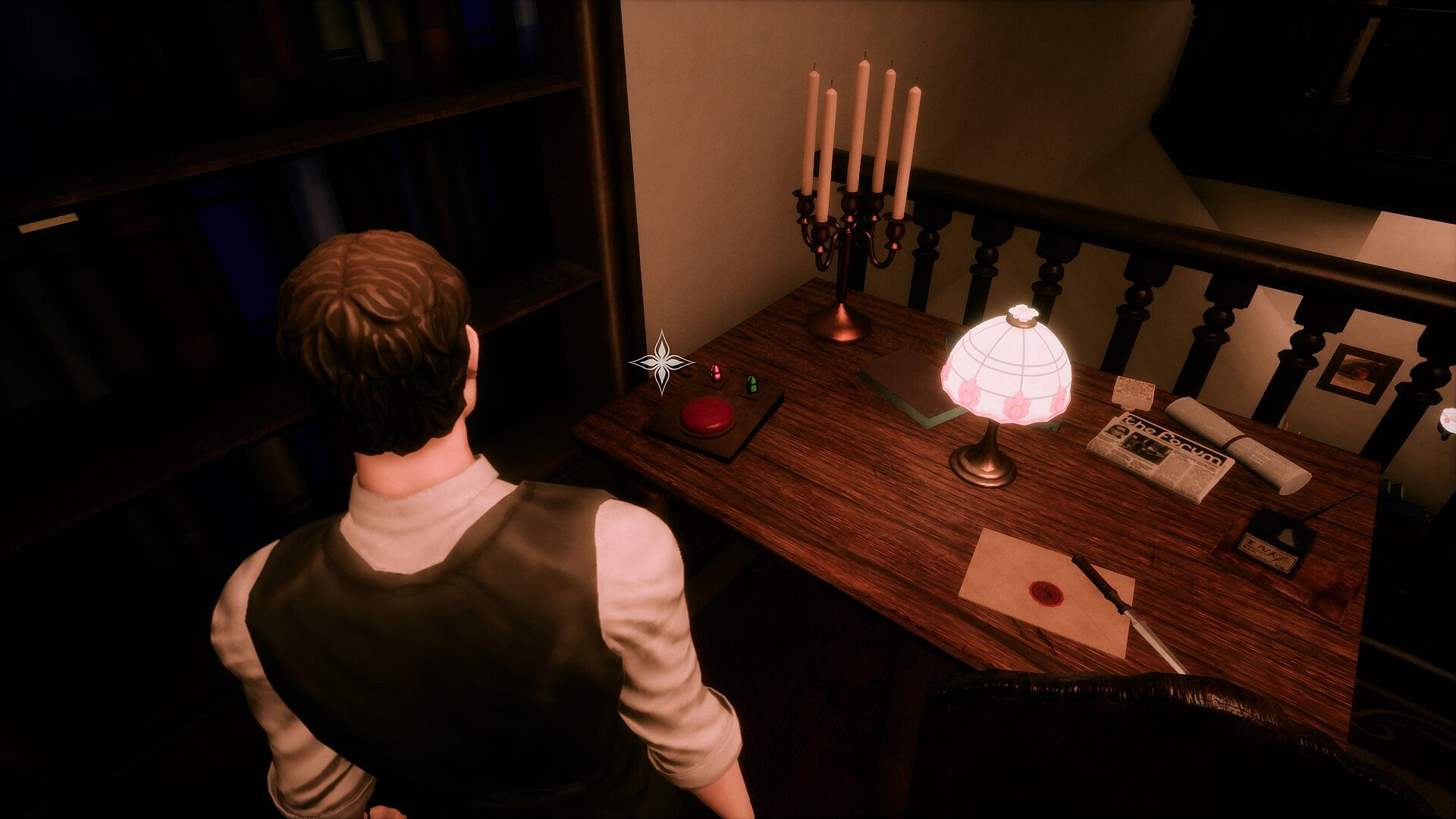
Clocks scattered throughout the mansion serve as time-shifting tools. Interacting with them transports the investigator to earlier or later versions of the same spaces, revealing changes in object placement, new clues, or altered room states. Players collect evidence by examining documents, photographs, and environmental details that piece together the scientist's final days and the circumstances of the crime.
Progression depends on logical deduction rather than combat or reflexes. Each discovery builds toward identifying the perpetrator and understanding the motives behind the killing, with the narrative unfolding through atmospheric details and period-appropriate aesthetics drawn from mystery fiction and classic adventure games.
Game Modes
The game operates entirely as a single-player experience with no multiplayer components or separate competitive modes. All content focuses on sequential puzzle resolution within the mansion setting, allowing players to revisit areas across different time periods to complete the investigation at their own pace.
Exploration remains open within the constraints of the looping architecture, encouraging backtracking and experimentation with the time mechanic to access previously unreachable information. The structure emphasizes narrative closure over replayability features or branching paths beyond the central mystery.
Story and Setting
The plot unfolds in a detailed Cold War-era environment where the murder of a prominent scientist draws the investigator into a confined yet endlessly twisting location. Secrets and lies emerge through environmental storytelling, with the mansion itself acting as both crime scene and puzzle element that resists straightforward escape.
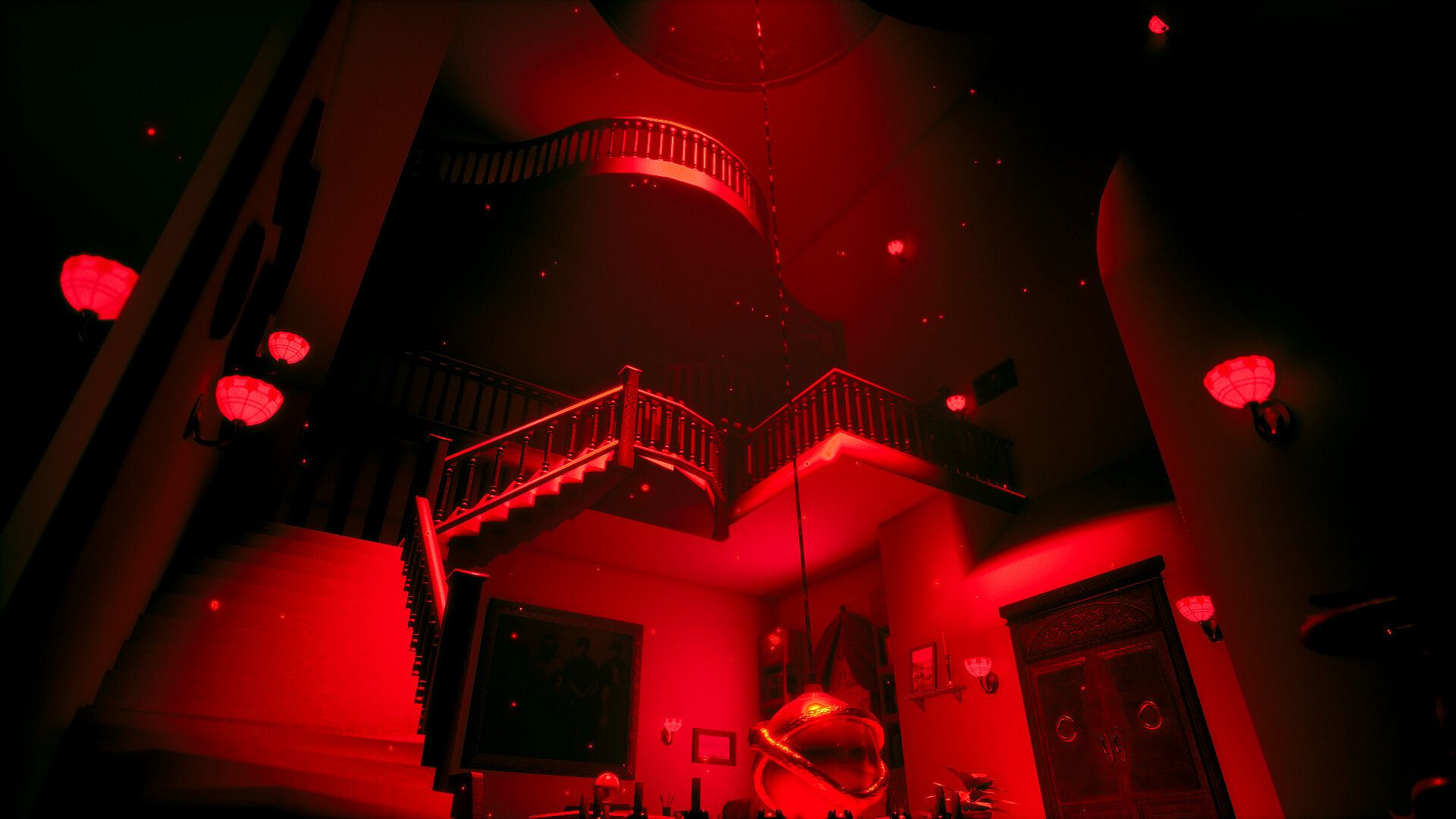
Atmospheric elements include period furnishings, subtle audio cues, and visual shifts that reflect temporal changes. These details support the detective work without relying on dialogue-heavy sequences, letting players interpret clues independently.
Is It Worth Playing?
This title suits players who enjoy deliberate puzzle-solving and narrative-driven mysteries in an indie format. The unique door-looping and clock-based time travel systems provide a fresh twist on escape room conventions, rewarding patience and spatial awareness.
Availability as a free-to-play experience on PC lowers the barrier for those curious about its mechanics. With development ongoing and no established player base metrics available, interest hinges on appreciation for atmospheric single-player adventures that prioritize clever environmental interaction over action or multiplayer elements.
Those drawn to detective stories with unconventional movement and temporal puzzles will find the core concept engaging, while players seeking fast-paced or social gameplay may prefer other genres.