




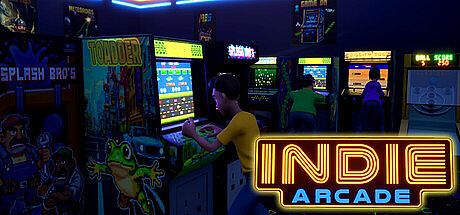


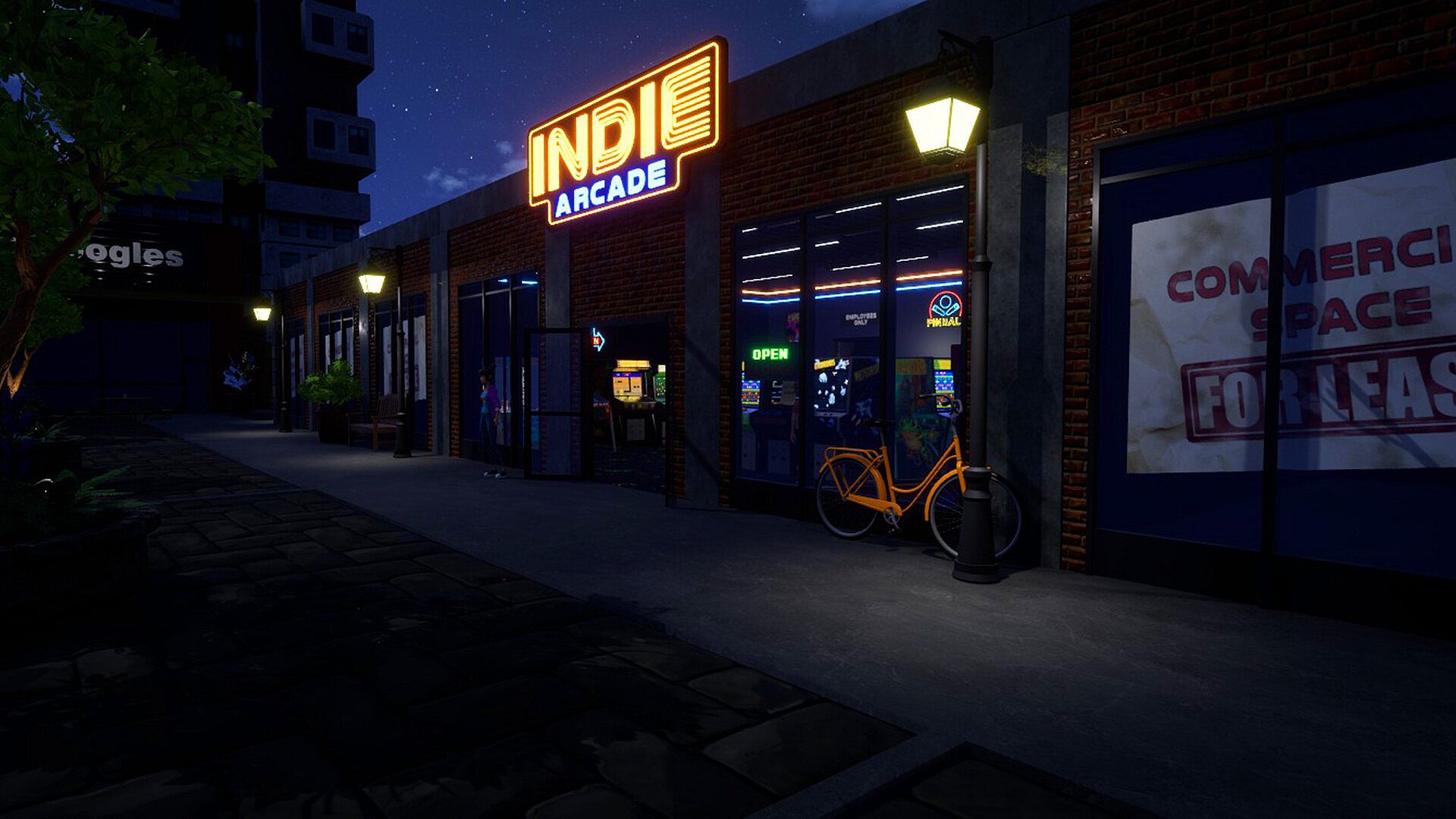
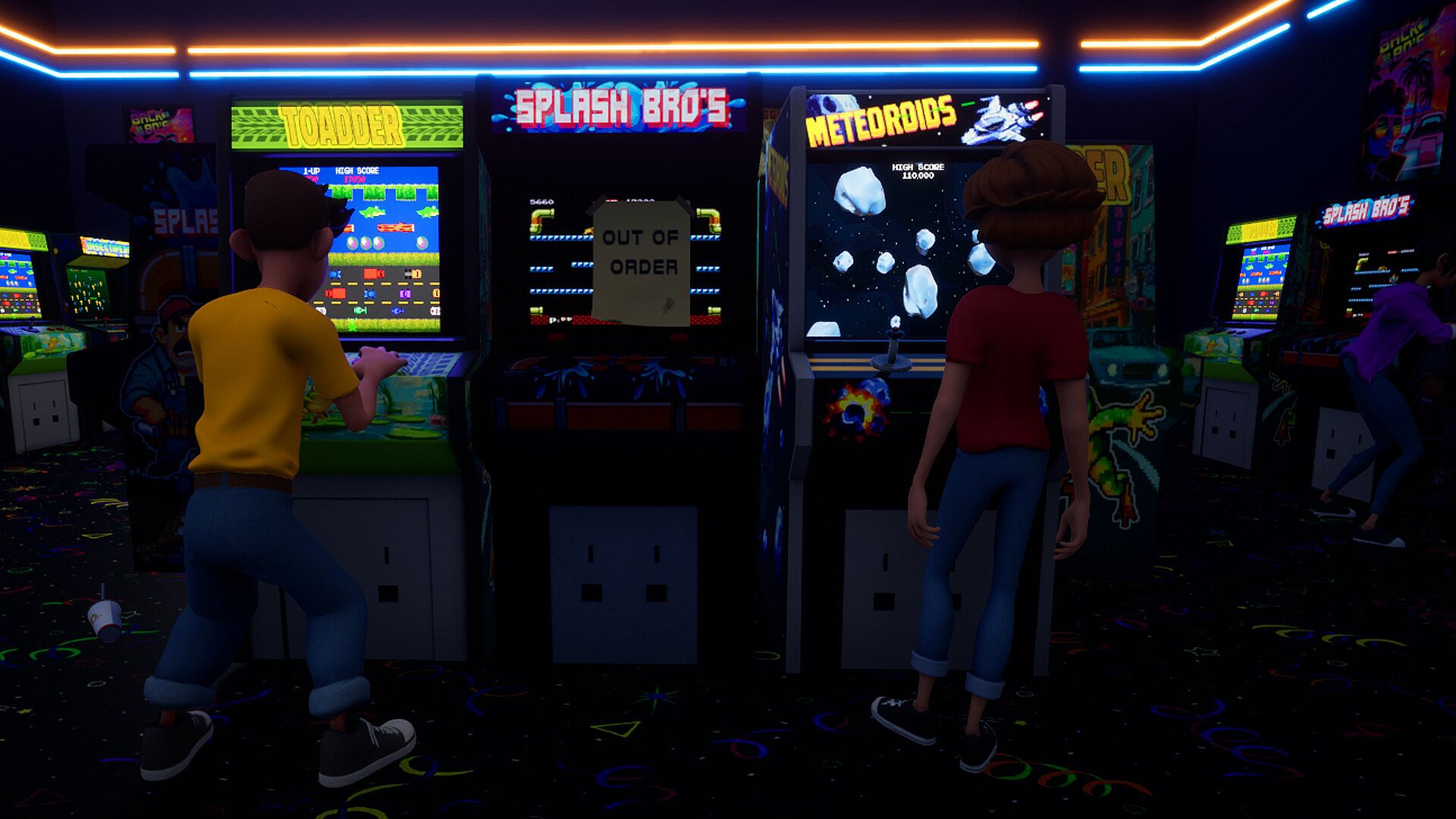
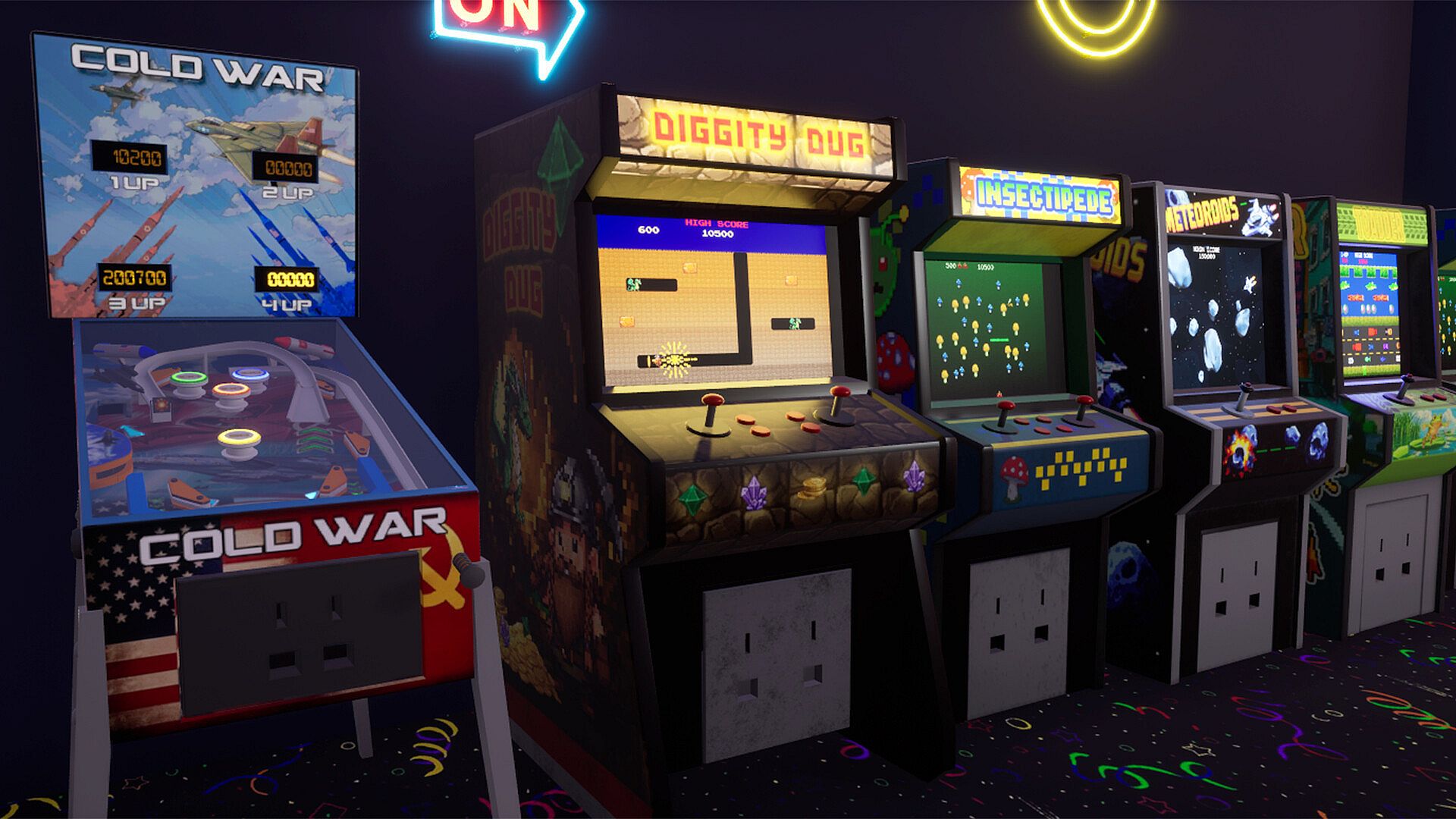
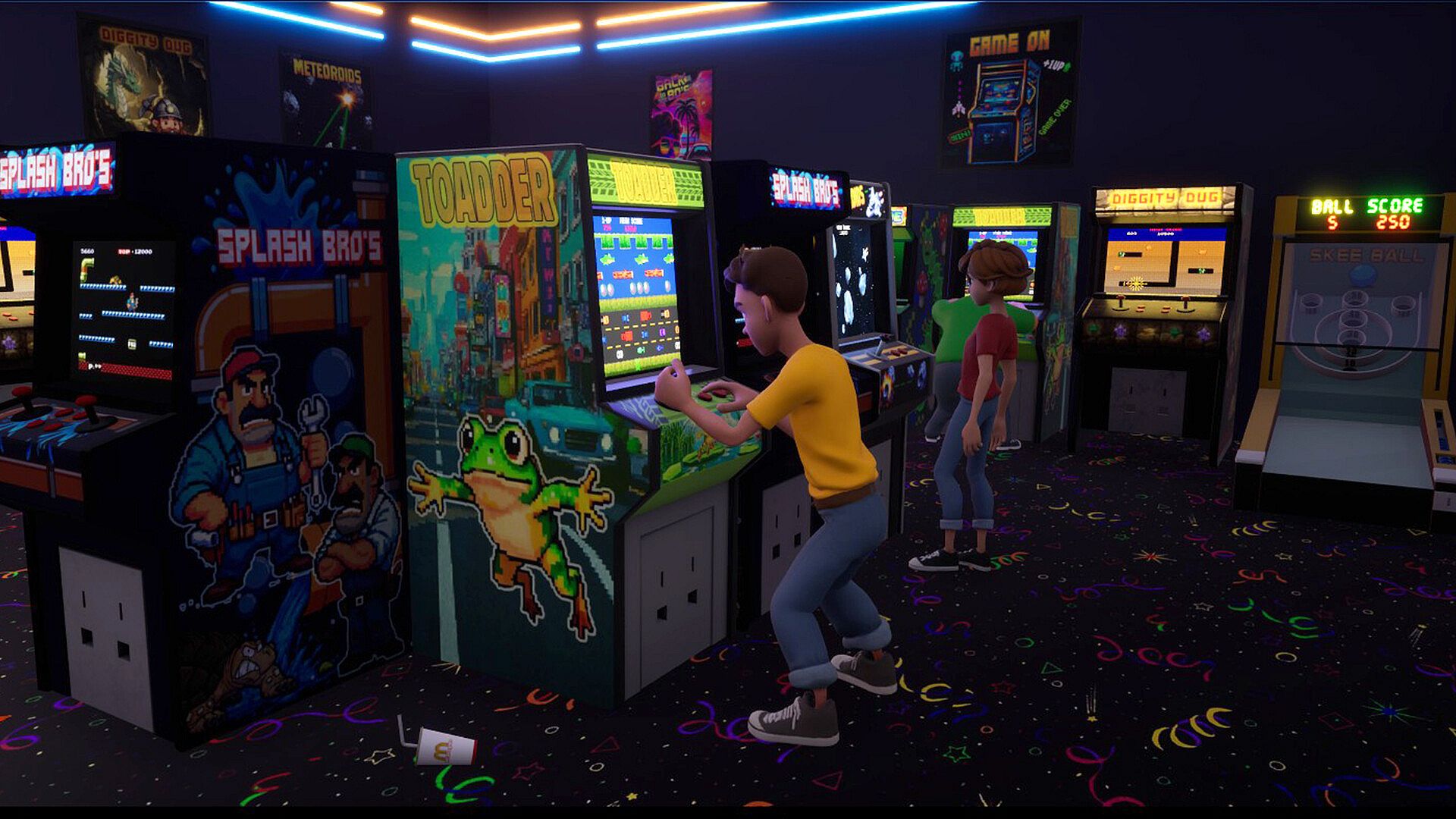
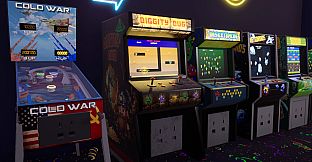
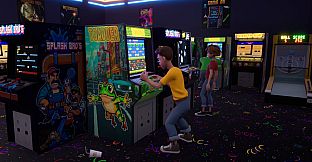
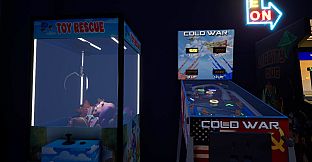
Indie Arcade is a strategy, indie, casual, and simulation game set on PC where players take charge of building and operating their own 1980s-style arcade from the ground up.
Gameplay
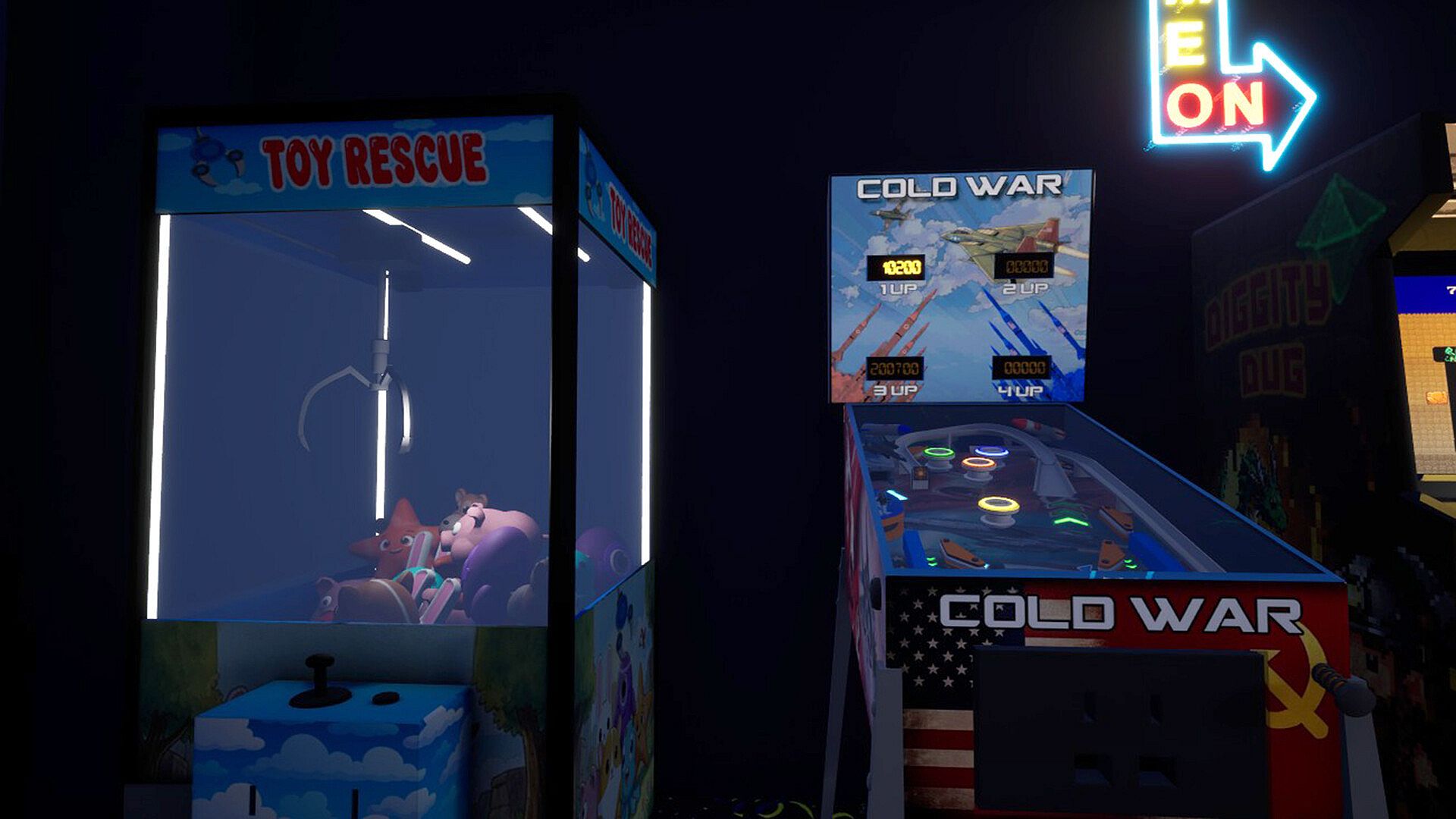
The core loop centers on designing and expanding an arcade floor while balancing daily operations to keep customers engaged and quarters flowing. Players start small with a handful of cabinets and gradually add video games, pinball tables, skee-ball lanes, claw machines, and assorted knockoff attractions to fill the space. Floor layout matters because thoughtful placement draws more visitors and supports steady revenue growth.
Maintenance forms another key pillar. Machines break down over time, requiring players to order parts, perform repairs personally, or assign staff to the task so downtime stays minimal. Cleanliness plays an equal role in reputation management, as messes accumulate from foot traffic and neglected equipment can turn customers away. Hiring employees helps offload routine cleaning and repairs, freeing the owner to focus on financial planning and long-term expansion decisions.
Resource management ties everything together. Earnings must cover new machines, staff wages, repairs, and eventual store expansions that unlock additional floor space. Reputation grows through consistent upkeep and variety, attracting larger crowds and higher earnings potential over successive play sessions.
Game Modes
Indie Arcade offers a single-player management experience focused on progressive building and operational oversight. There are no separate competitive or cooperative modes; the entire session revolves around one continuous campaign of starting, maintaining, and scaling an arcade business. Players advance by meeting customer demand, handling equipment issues, and reinvesting profits into larger facilities rather than switching between distinct game types or scenarios.
Building and Expansion
Early stages emphasize efficient use of limited space with a mix of classic arcade staples and quirky additions. As quarters accumulate, players unlock extra store units to create a larger venue packed with more attractions. This progression rewards careful financial decisions and proactive maintenance, turning a modest neighborhood spot into a bustling local destination filled with neon lights and repeat visitors.
Staff management adds depth once the arcade grows. Employees handle cleaning and repairs while the player oversees broader strategy, such as ordering replacement parts or deciding which new machines best suit the current customer base. Balancing these elements prevents bottlenecks that could stall growth.
Is It Worth Playing?
Indie Arcade targets players who enjoy relaxed management simulators centered on incremental progress and operational detail. The 1980s theme provides a clear visual and thematic hook through neon aesthetics and period-appropriate machines, while the loop of placing games, fixing breakdowns, maintaining cleanliness, and expanding the venue offers steady goals without overwhelming complexity. Because the title remains in a coming-soon state with no released reviews or player data available, prospective buyers should watch for launch updates to confirm how well the systems deliver on the described features. Those drawn to tycoon-style gameplay with a retro arcade setting will likely find the combination of creative placement, maintenance tasks, and business growth appealing once it becomes available.











