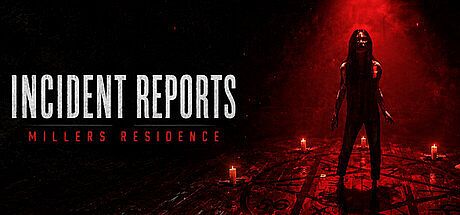


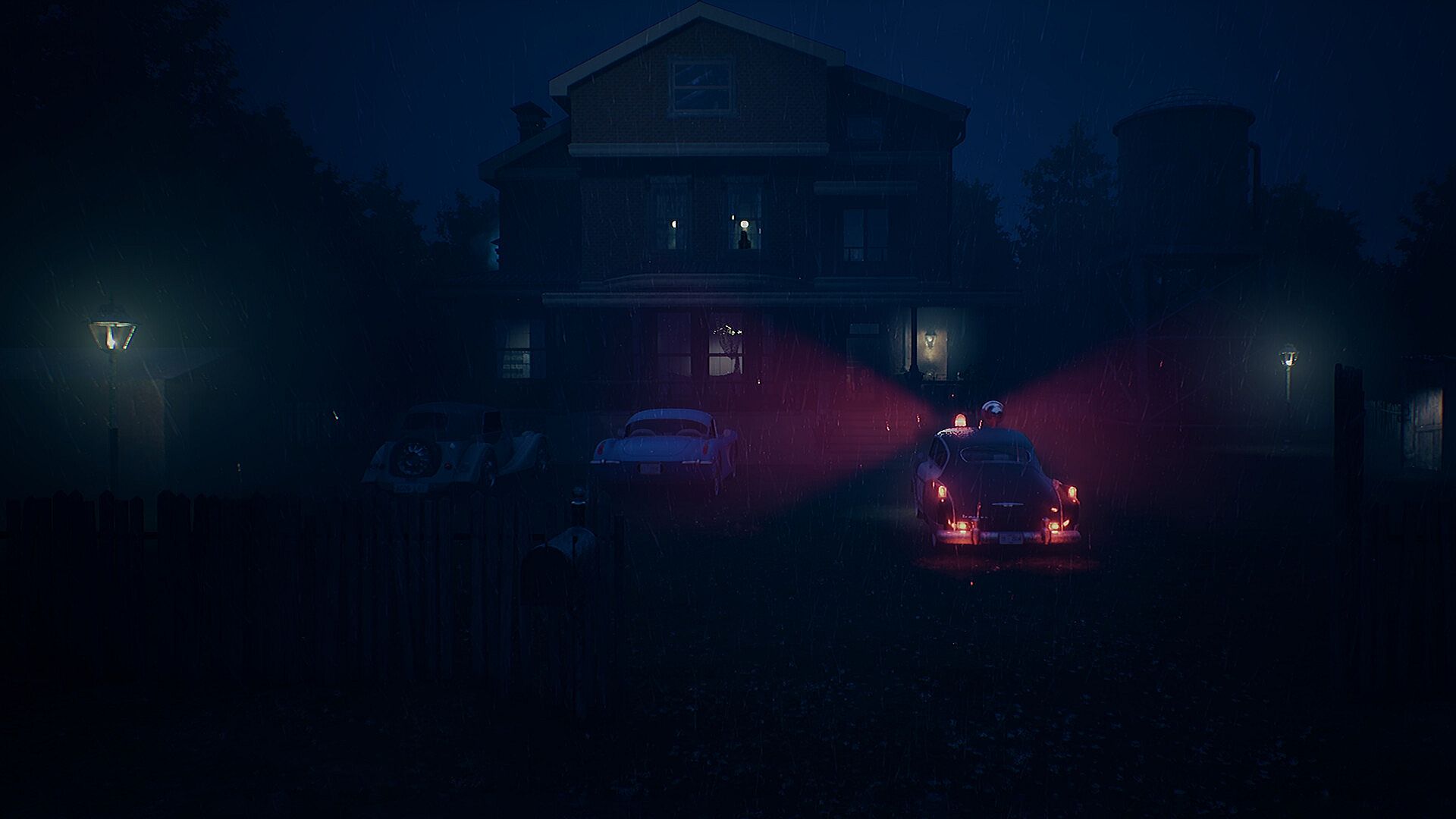
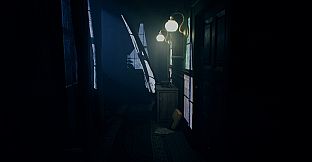
Incident Reports: Millers Residence is a first-person psychological horror adventure game developed as an indie title for PC. Players step into the role of a 1980s police investigator responding to a late-night emergency call at an isolated residence. The experience centers on uncovering fragments of a disturbing story through careful examination of the environment rather than action or combat.
Gameplay
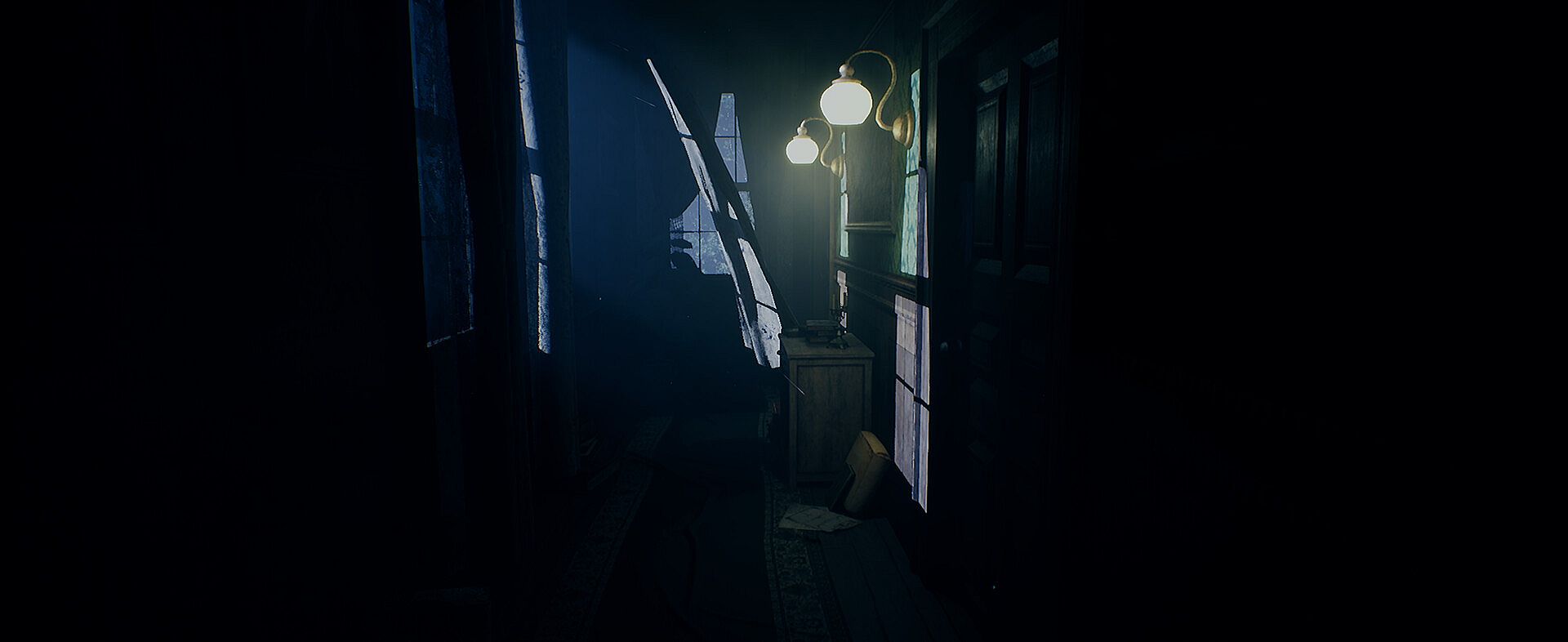
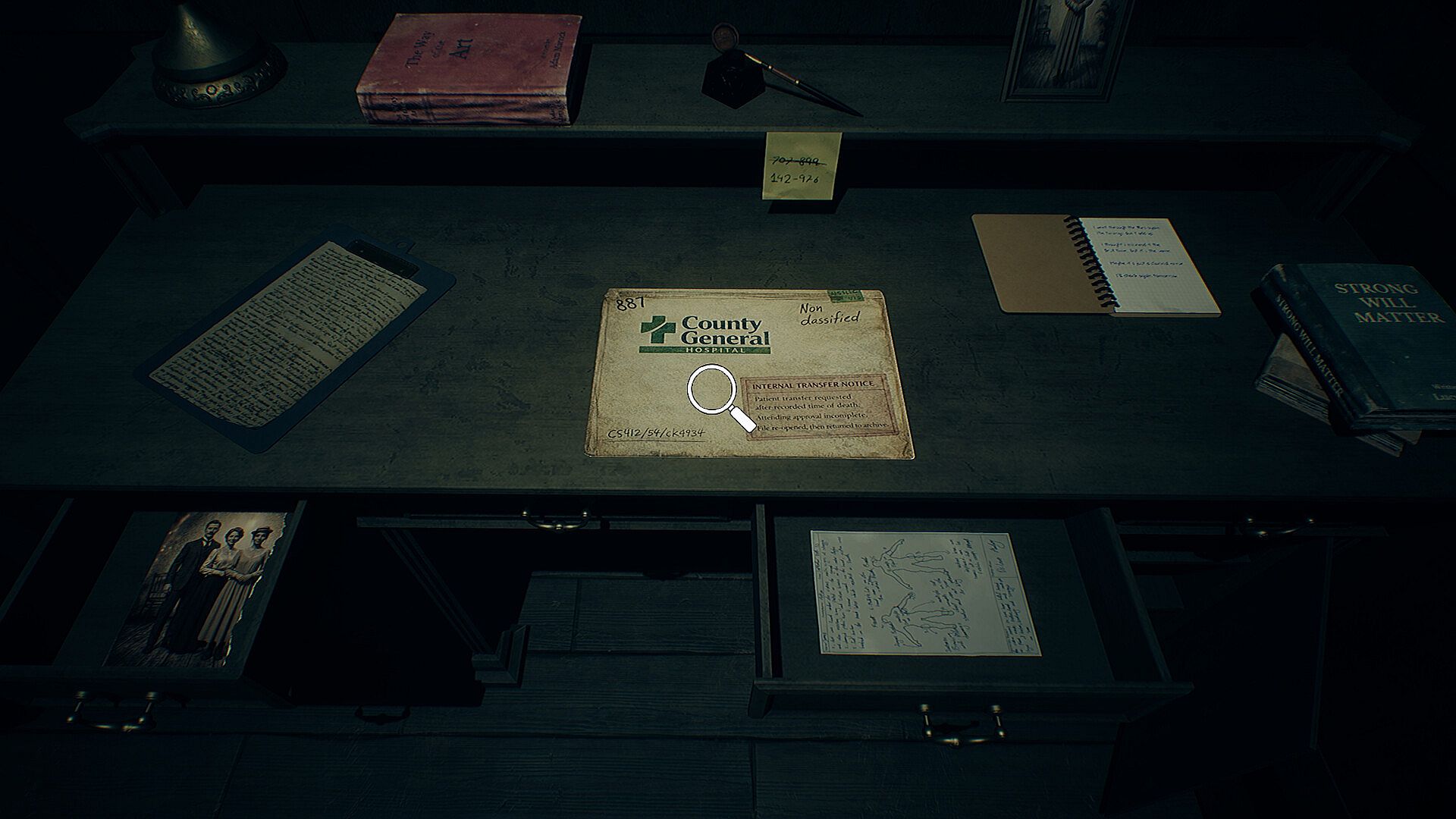
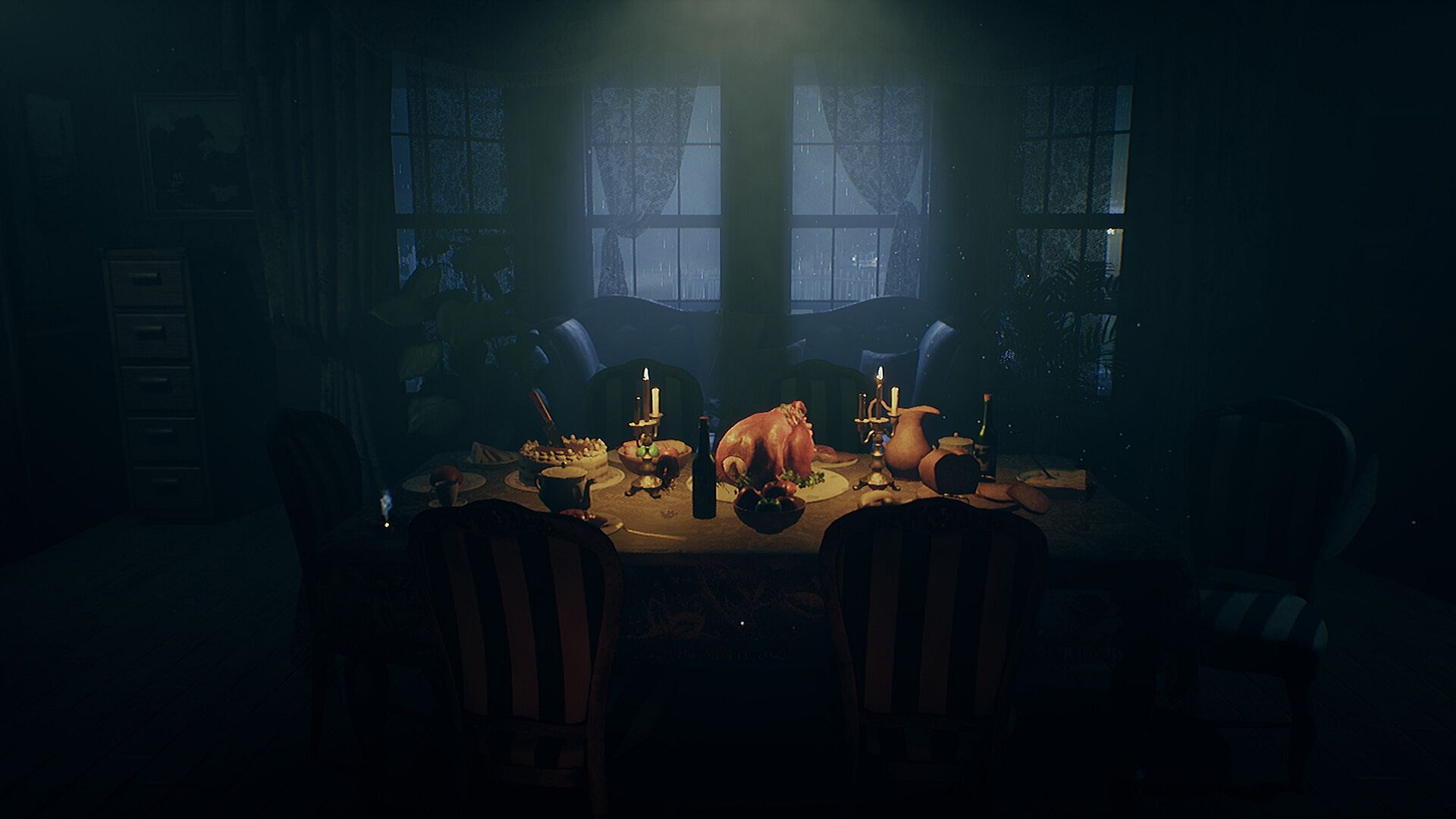
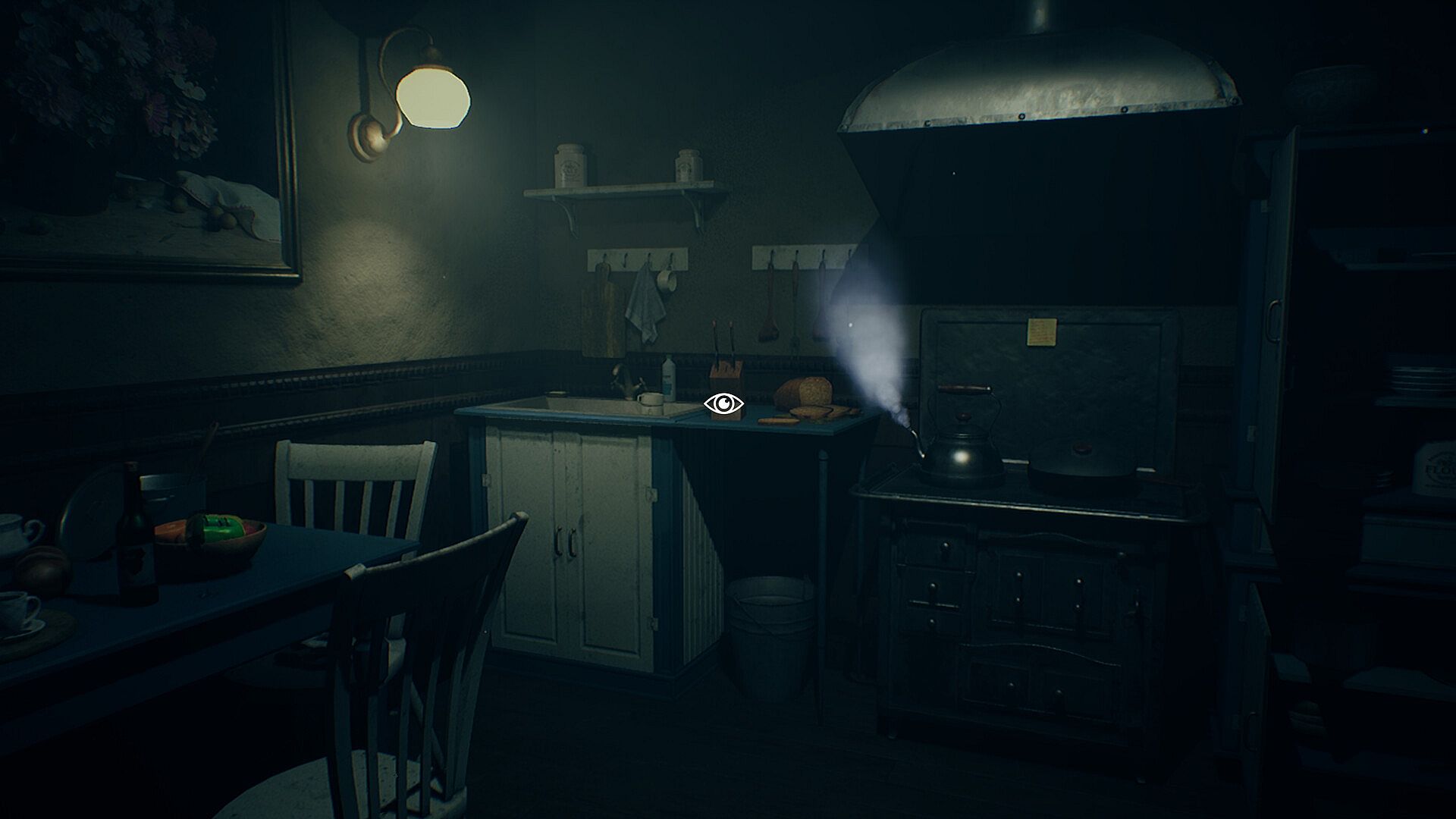
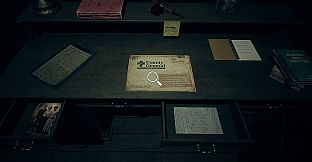
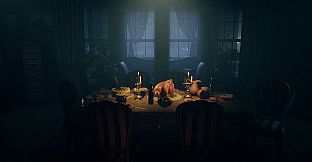
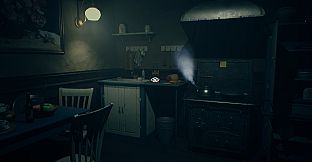
The core loop involves moving through the quiet house, inspecting objects, and interpreting documents left behind. A dinner left unfinished, stacked files, personal items arranged deliberately, strange symbols, handwritten notes, and blood-stained details all contribute to the narrative. These elements build tension as the investigator pieces together events that led to the night's horror. The house remains silent, yet every room conveys unease through visual details and environmental storytelling.
Exploration stays focused and linear, guiding players from room to room without branching paths or open-world freedom. Interaction remains simple and direct: pick up or examine items, read notes, and observe clues that point toward hidden truths. The atmosphere relies on mood and mystery, with the growing sense that something inside the residence watches the proceedings. No combat or resource management interrupts the investigation, keeping attention on the accumulating evidence and the unsettling quiet.
Game Modes
The game offers a single linear experience designed for solo play. There are no separate modes, multiplayer options, or alternate scenarios. Players progress through the residence in sequence, following the investigator's dispatch and the clues that emerge room by room. The structure emphasizes a contained, atmospheric session built around mood rather than replayability or varied objectives.
Story and Setting
Set in the 1980s, the residence serves as the entire stage for the unfolding events. The isolated home begins as a routine call but reveals layers of intent and concealment through its contents. Players encounter personal belongings, official files, and cryptic markings that suggest someone attempted to hide the truth. The narrative unfolds entirely through these found objects and documents, creating a sense of piecing together a larger, disturbing picture without direct exposition or character dialogue.
The time period adds a layer of period-appropriate detail to the investigation tools and surroundings, reinforcing the feeling of stepping into an older, less connected era of police work. Every item placement carries weight, turning ordinary spaces into sources of growing dread.
Is It Worth Playing?
This title suits players who enjoy short, focused psychological horror centered on investigation and environmental clues. The experience delivers a contained session that prioritizes atmosphere and discovery over length or complexity. Those seeking quick sessions with strong mood and mystery will find the linear structure effective, while fans of longer campaigns or action elements may prefer other options. The game stands as a self-contained indie release with no confirmed ongoing updates or additional content at this time.