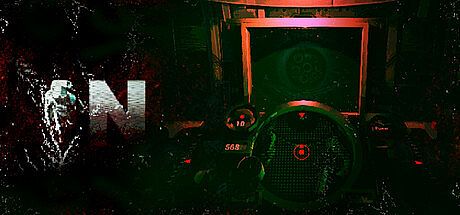


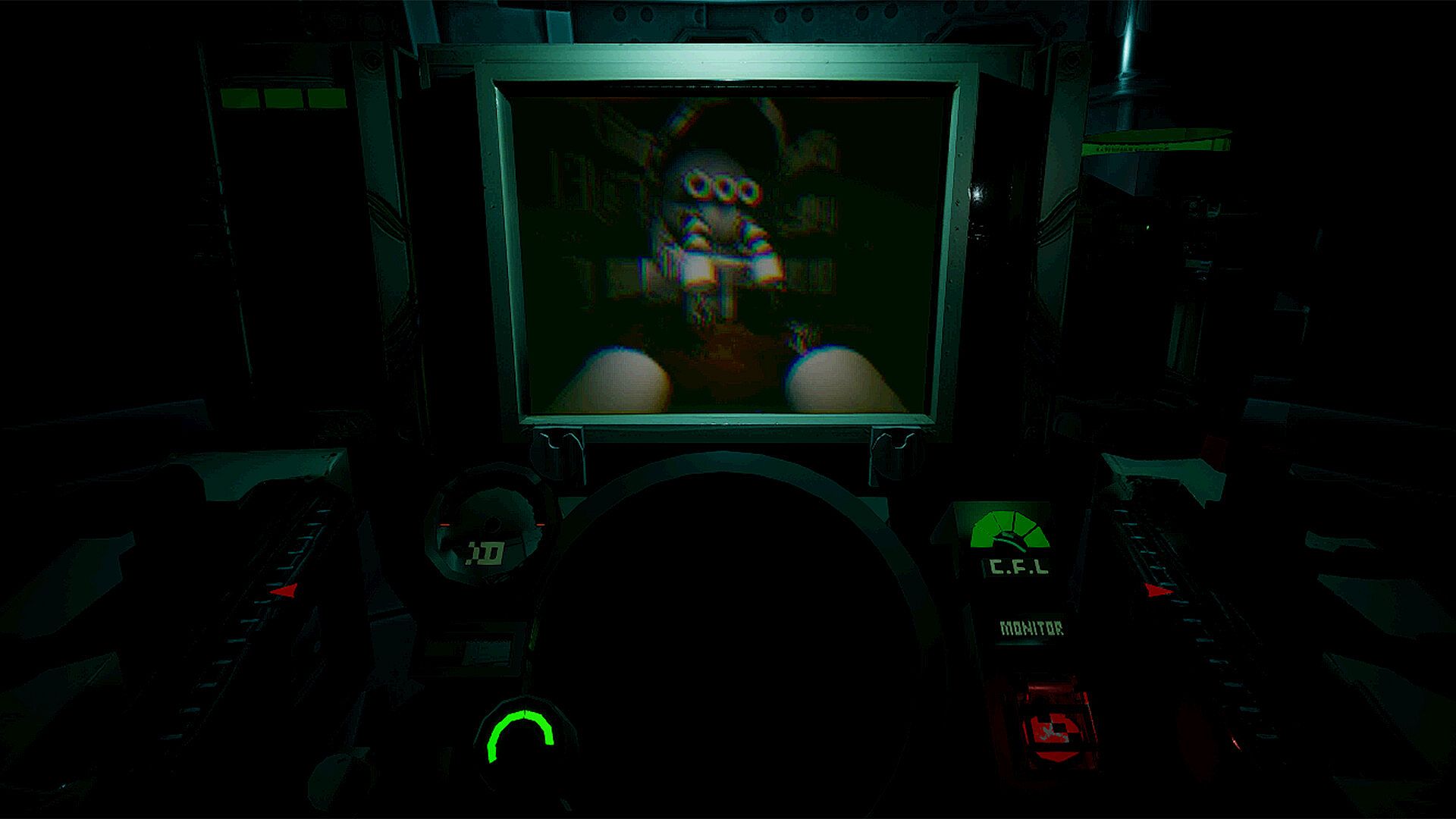
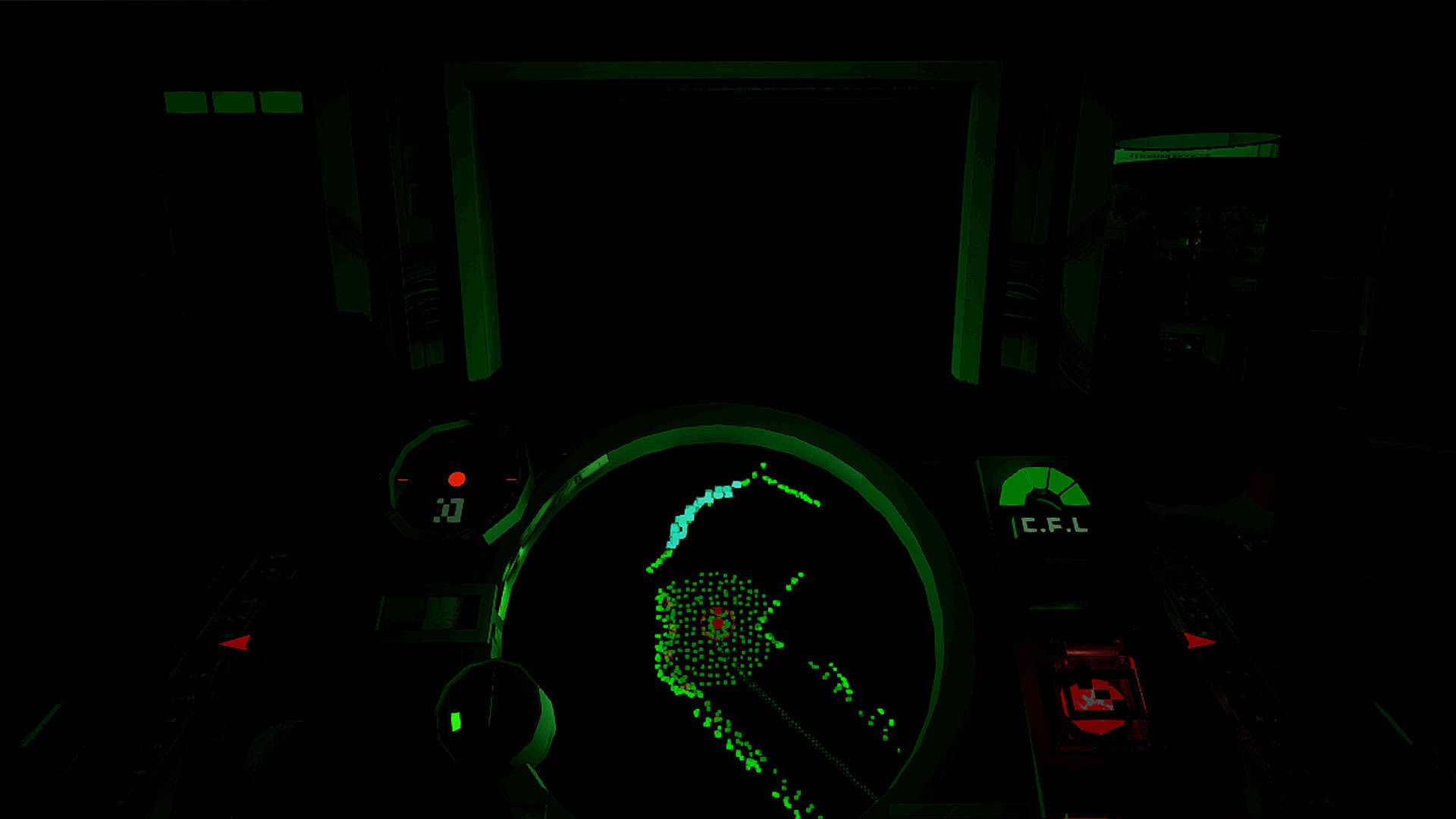
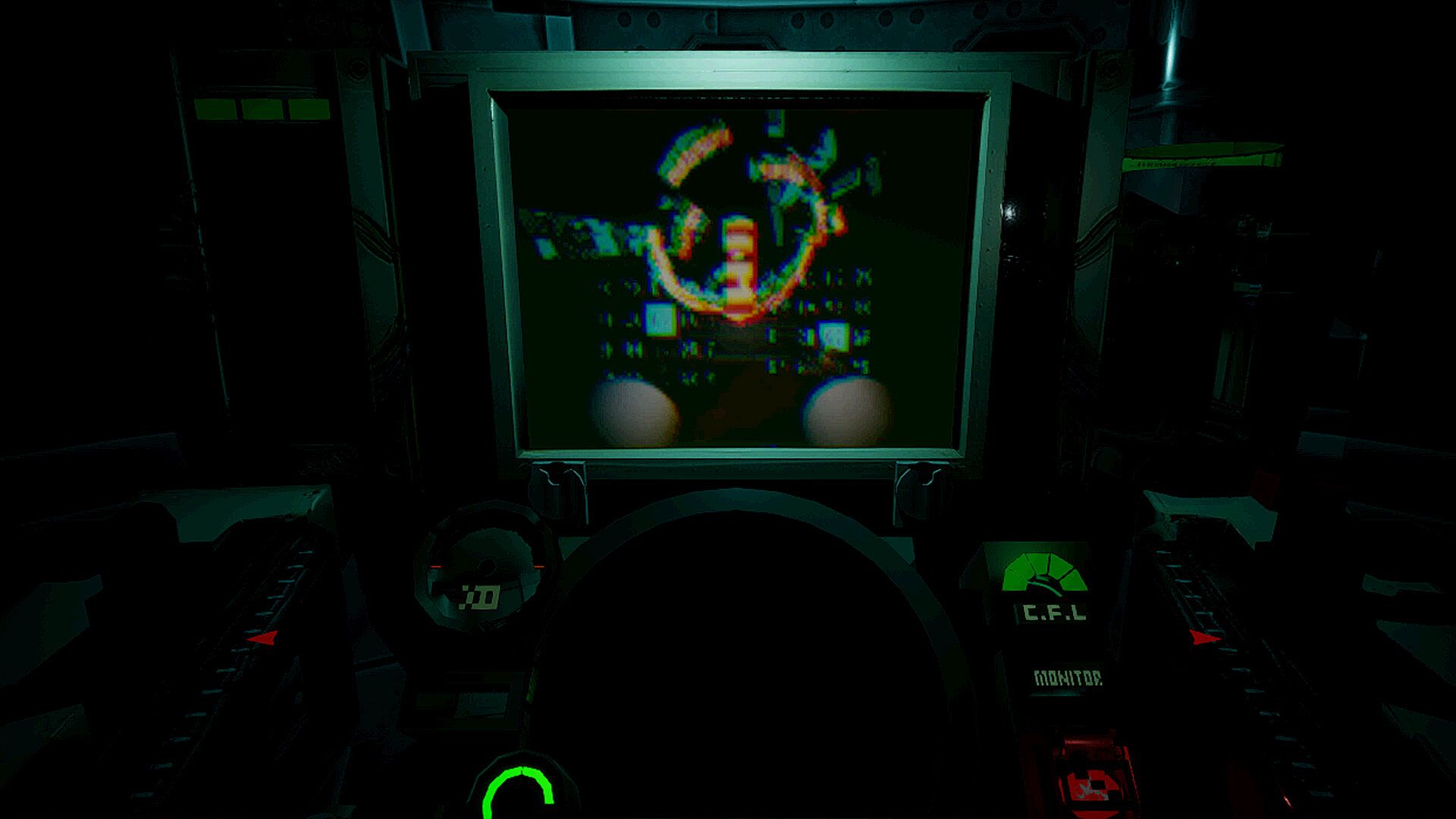
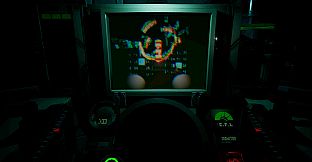
IN is a single-player indie simulation adventure game set aboard a derelict orbital station. Players control a compact maintenance sphere tasked with restoring emergency power after a total blackout. The core loop centers on navigation through zero-gravity environments, targeted collection of CFL canisters, and careful reactivation of twelve out of fifteen dormant generator units before the facility fails completely.
Gameplay
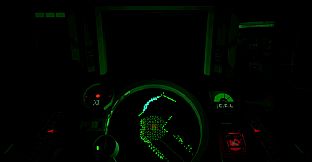
The experience unfolds as a deliberate exploration of interconnected industrial zones. Movement relies on precise maneuvering around collapsed gravity fields and active machinery, with players threading through maintenance shafts, docking arrays, and sealed laboratories. Collection of CFL canisters forms the primary progression mechanic, each one feeding power back into critical systems while revealing more of the station layout.
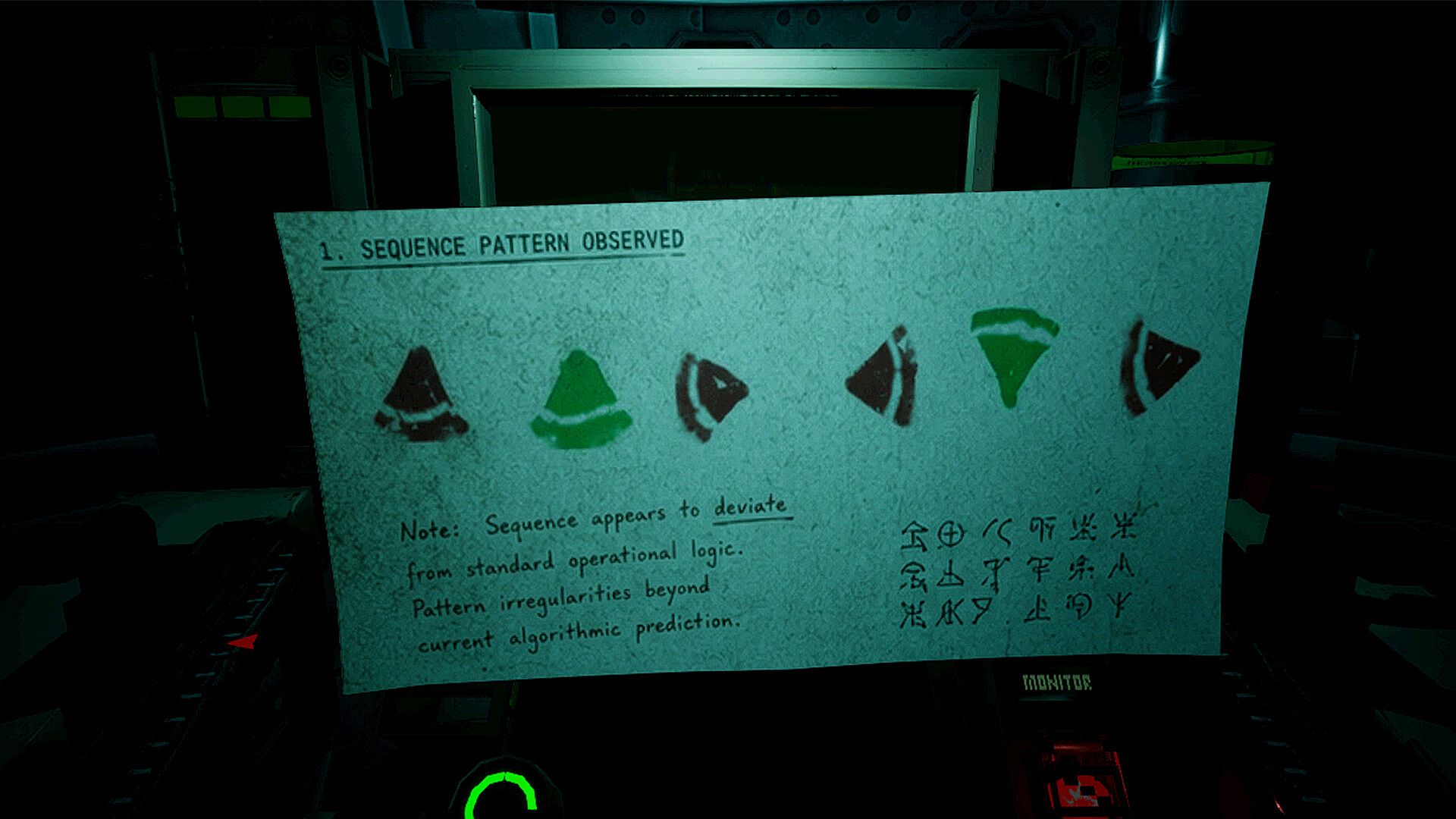
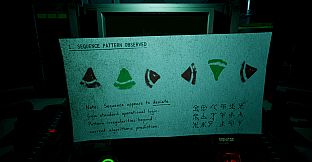
Environmental storytelling drives discovery. Scattered logs, classified documents, and altered physical materials hint at prior operations that contradict the stated maintenance mission. Fuel samples exhibit organic properties, and generator behavior deviates from expected energy consumption patterns. These elements build tension without direct confrontation, relying on implication and gradual revelation.
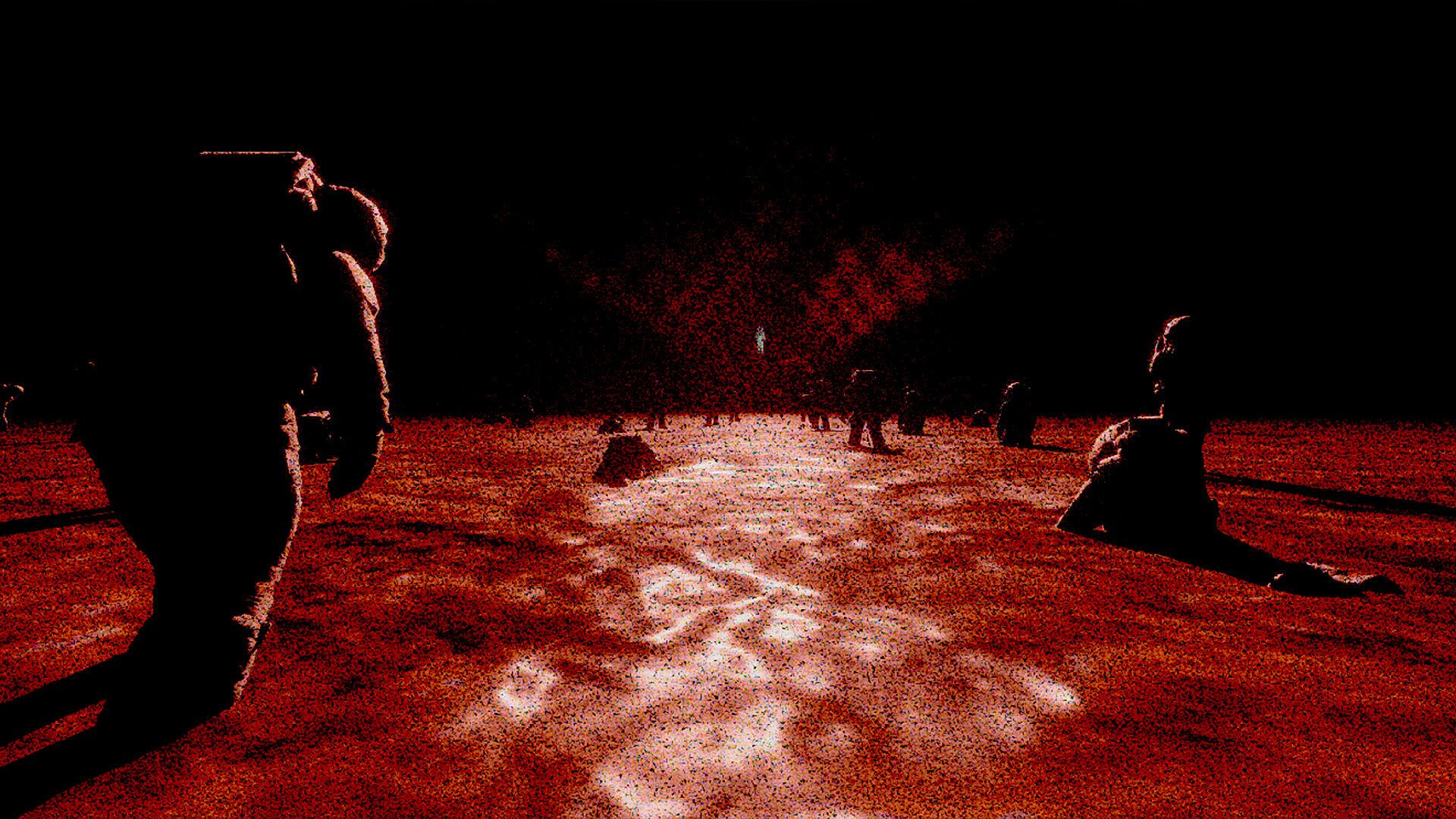
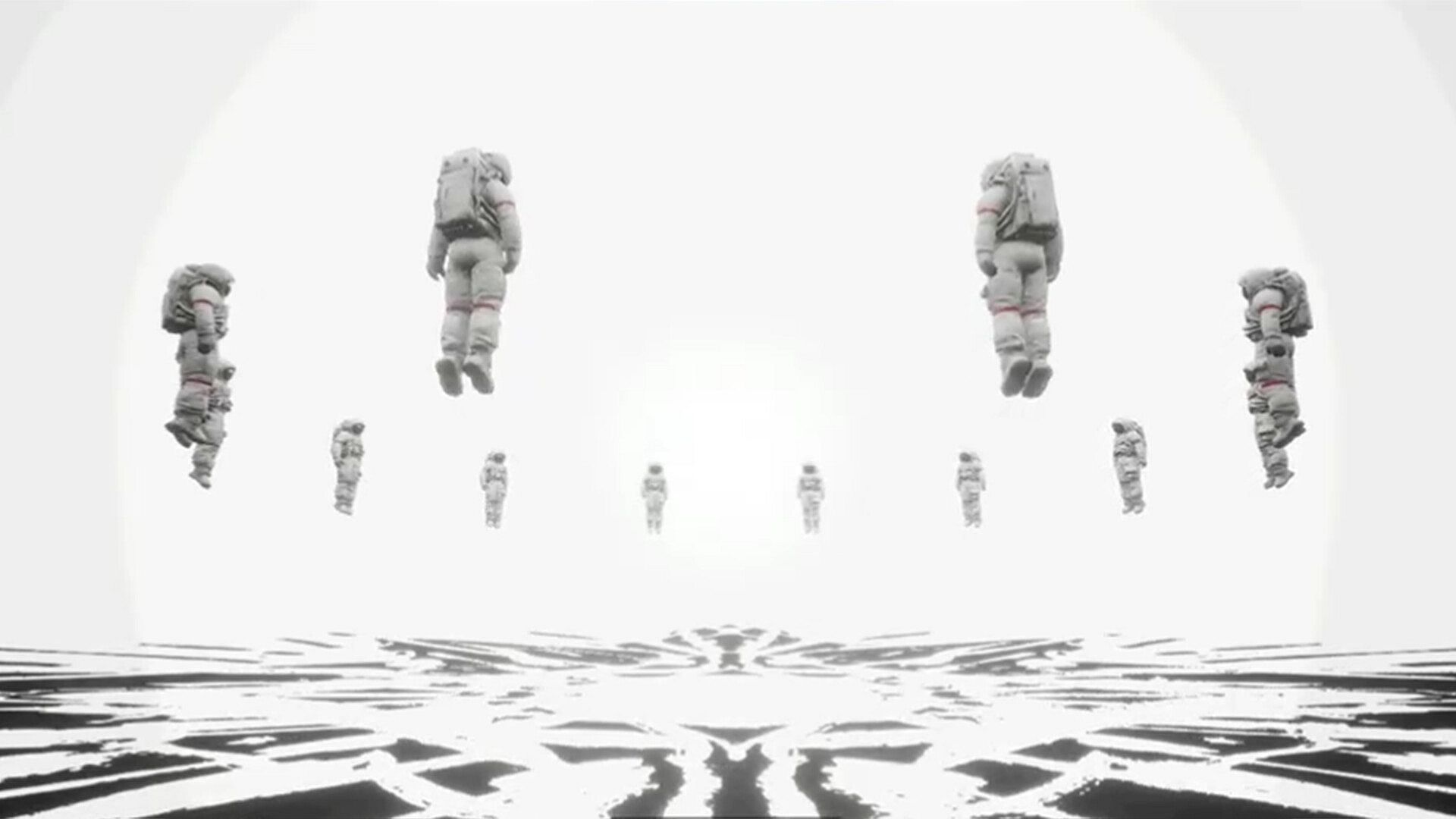
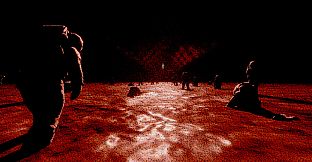
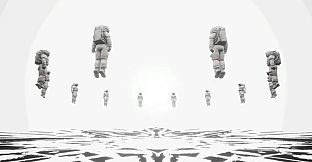
Surreal sequences interrupt standard traversal, shifting into abstract spaces that extend beyond the station's physical boundaries. These moments integrate with the cosmic horror tone, emphasizing isolation and the persistence of systems long after their operators have vanished. No combat or resource crafting systems appear; focus remains on observation, navigation, and incremental power restoration across sectors such as the command center, cryogenic storage, botanical laboratory, biological containment, manufacturing complex, maintenance tunnels, and docking array.
Game Modes
IN operates exclusively as a single-player title. No multiplayer options, cooperative sessions, or competitive modes exist in the confirmed feature set. The entire narrative and mechanical structure supports solo progression through the station at the player's own pace, with achievements and cloud saving available for tracking individual progress.
Exploration and Narrative Layers
Each sector presents distinct environmental challenges tied to the station's failing infrastructure. Players piece together fragments of a larger operation whose original purpose has been obscured. The deeper descent introduces contradictions in mission parameters, suggesting the recovery effort may serve an unintended function. Multiple interpretive layers emerge from routine maintenance tasks, rewarding repeated visits to previously cleared areas with new context from altered documents or shifted conditions.
The design avoids explicit exposition, instead presenting a world that continues functioning independently of human oversight. This approach aligns with the simulation and adventure genres, where mechanical consistency supports atmospheric discovery rather than linear objectives.
Is It Worth Playing?
IN remains listed as coming soon on its platform, with no release date or user reviews available at present. The single-player structure and emphasis on atmospheric exploration suit players interested in deliberate pacing, environmental puzzles, and understated cosmic horror. Those drawn to titles focused on implication over direct action will find the described systems and narrative approach consistent with the provided details. Availability will depend on the eventual launch, after which reception can be assessed through actual play. The confirmed features center on restoration mechanics and layered storytelling within a contained industrial setting, offering a focused experience for the target audience.