


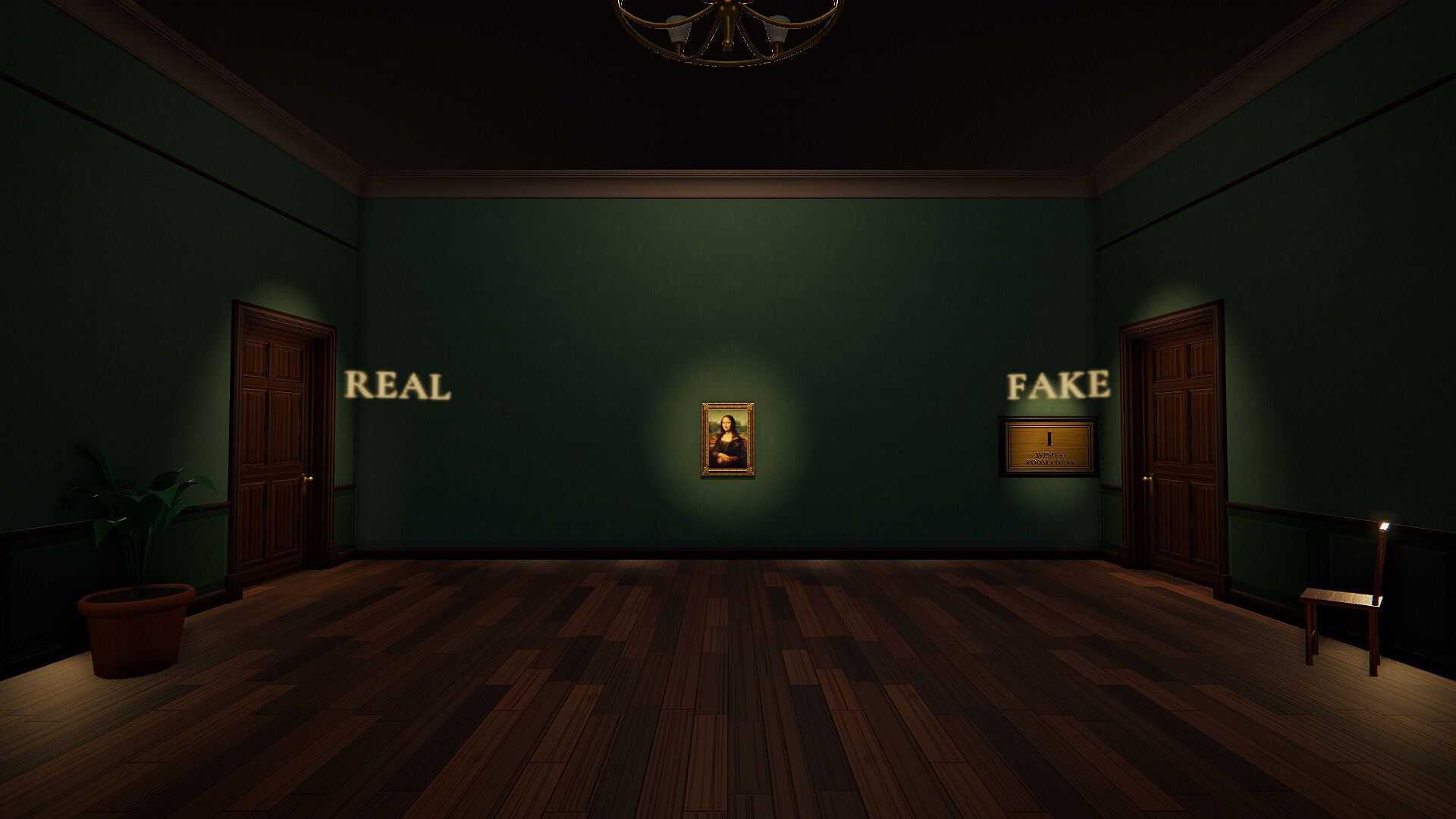
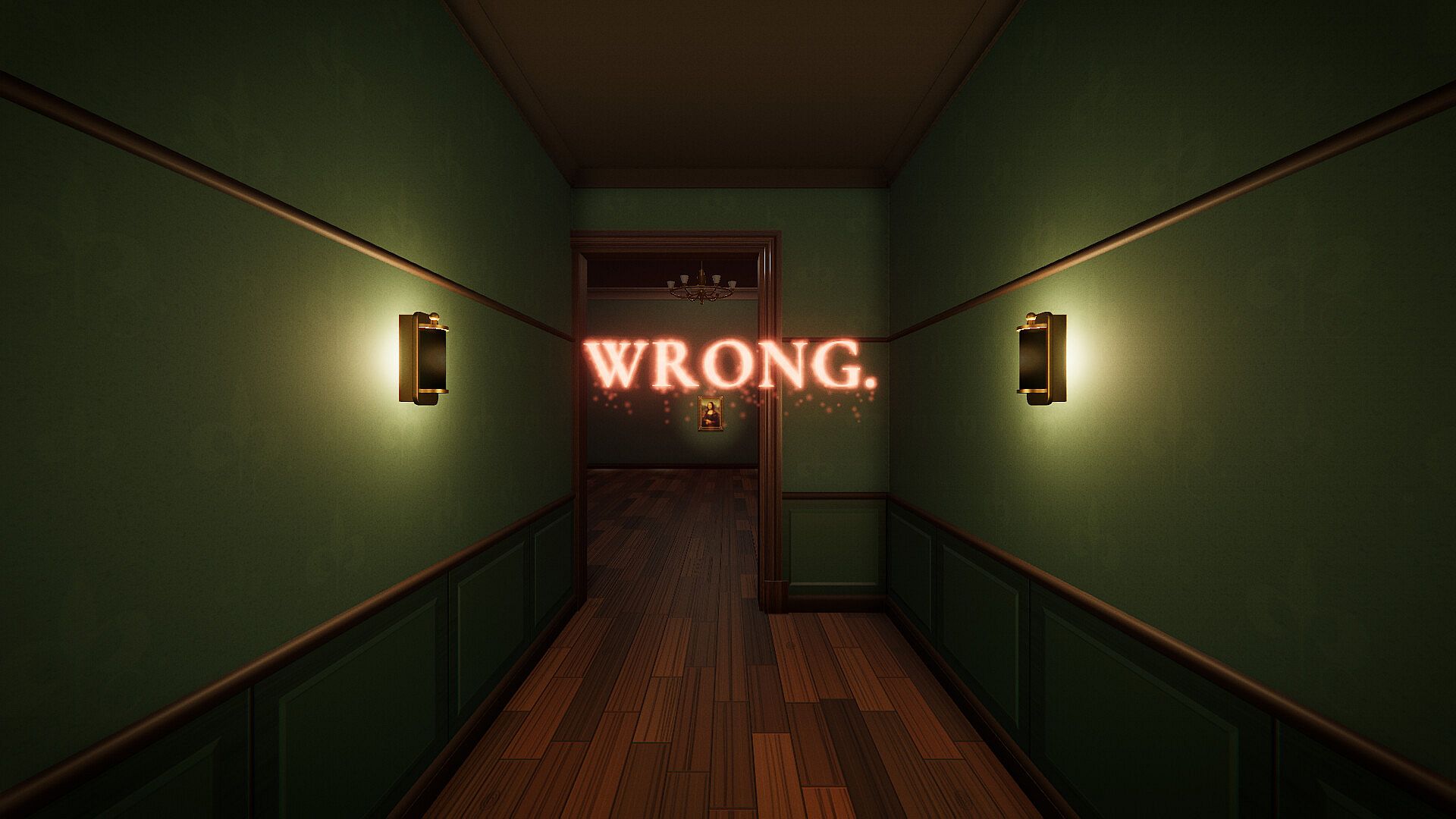

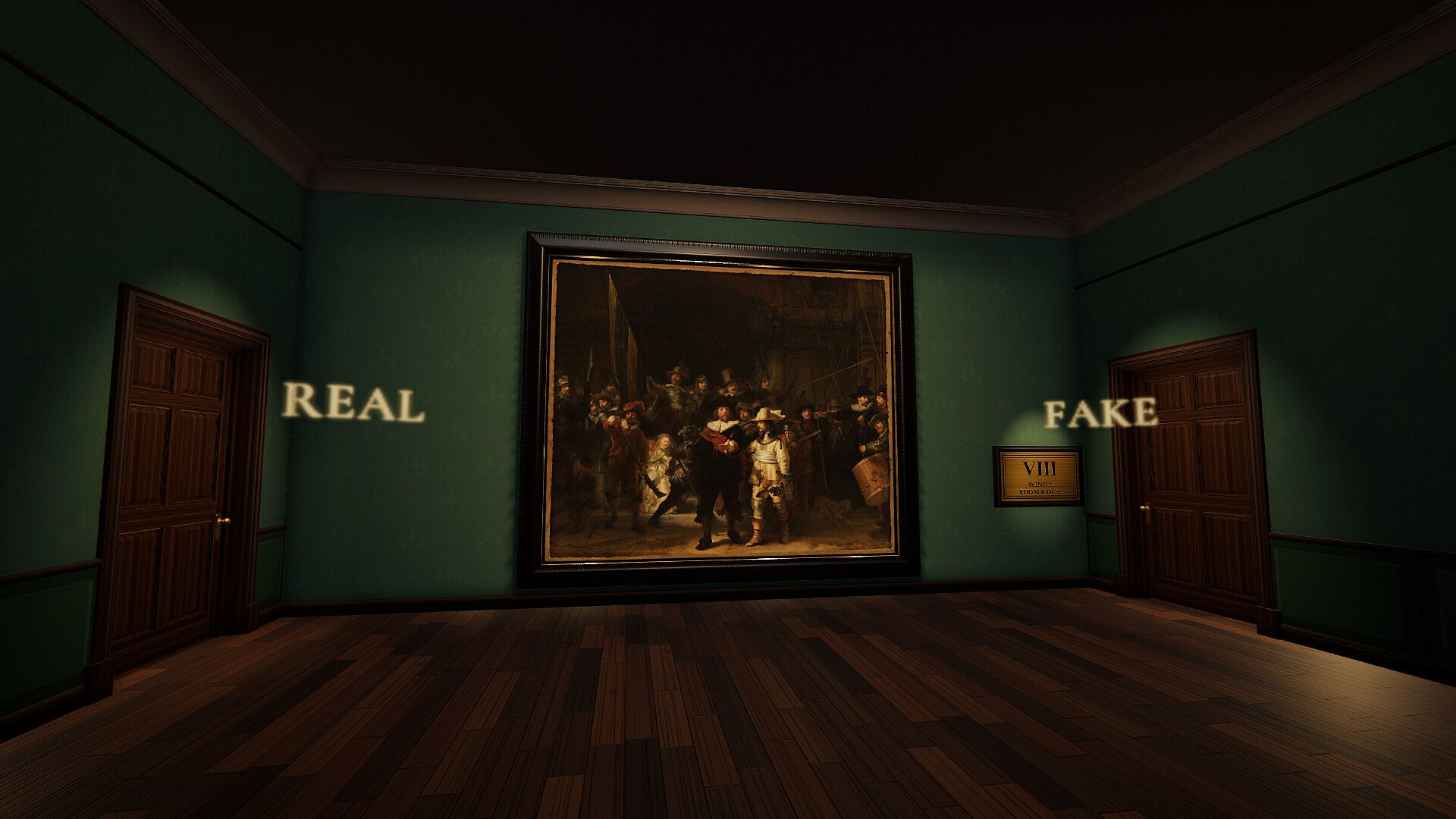
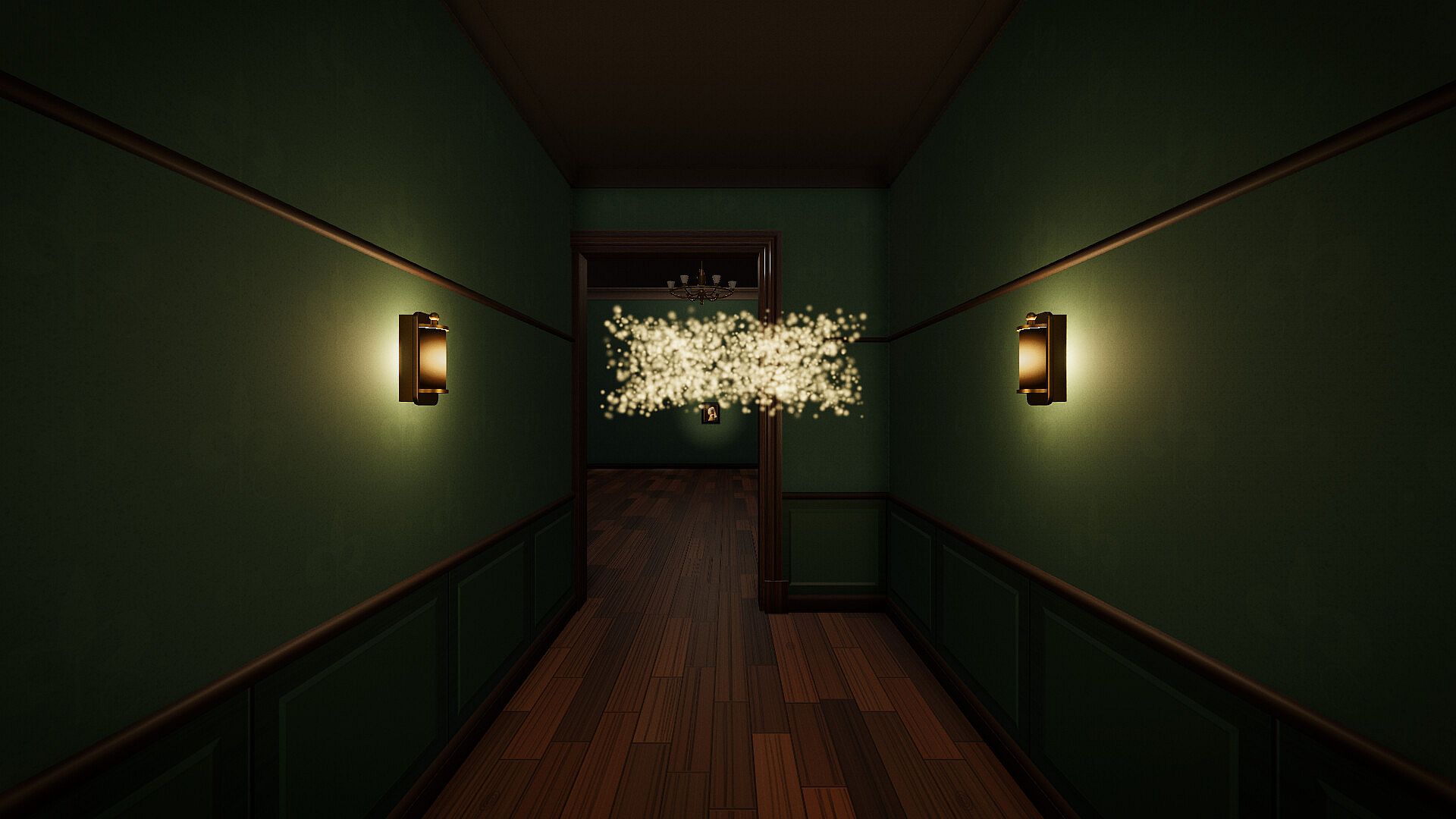
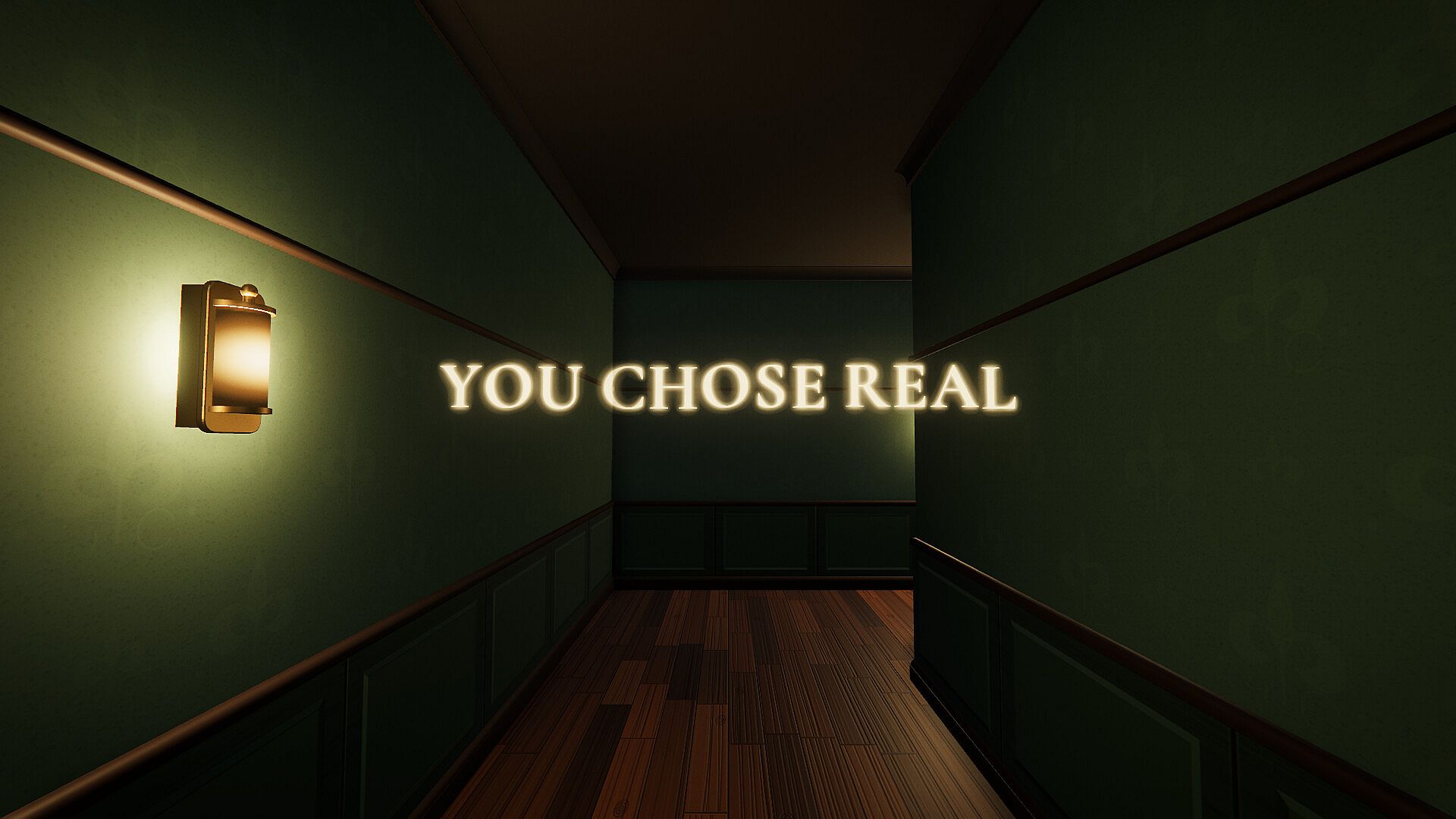
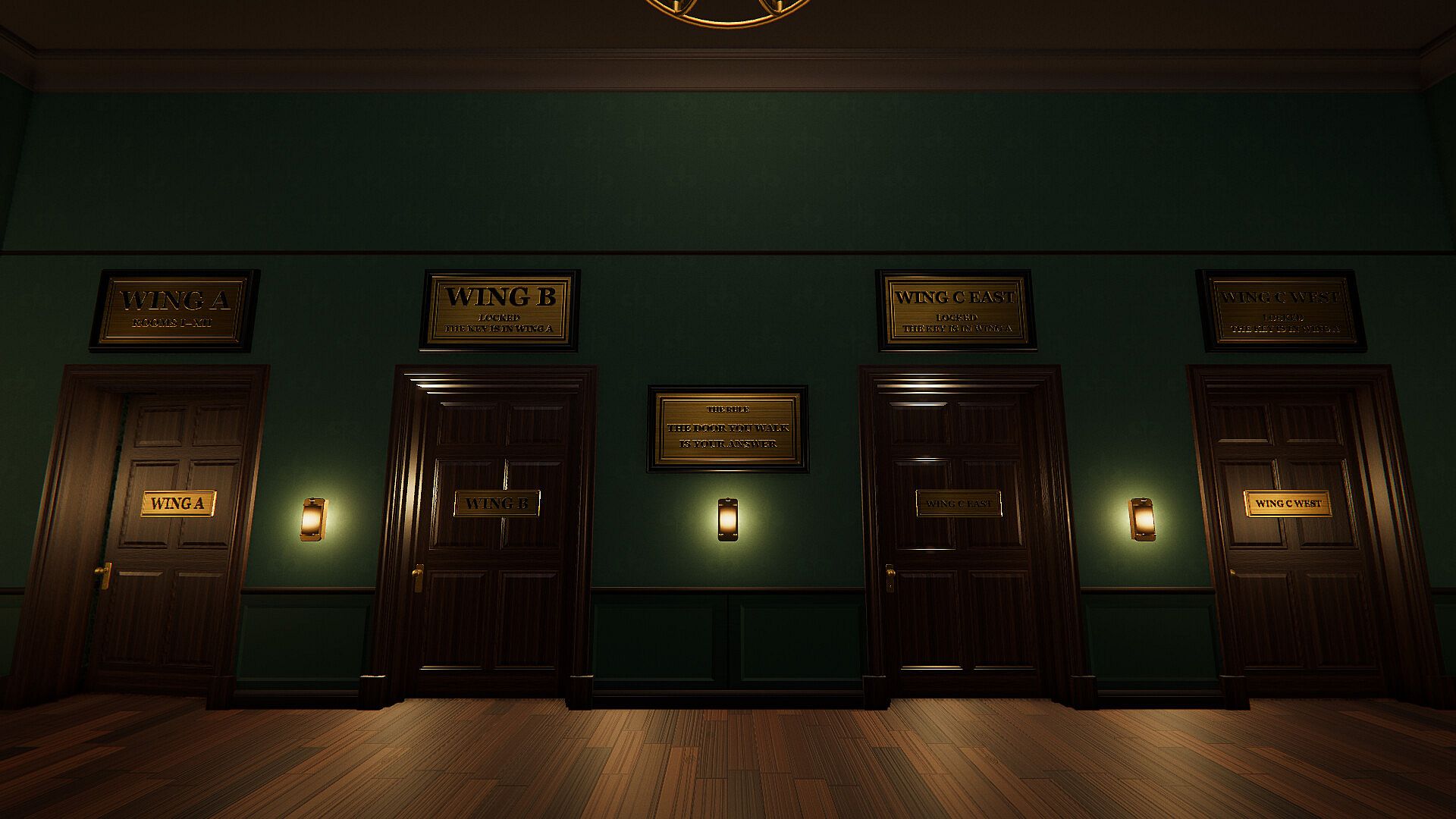
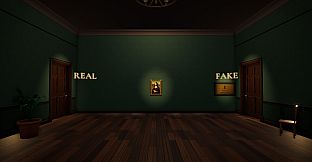



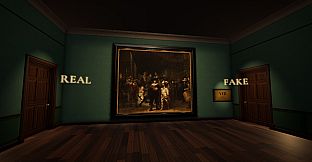
I Know This One (IKTO) is a single-player indie adventure game for PC in which players navigate a nighttime museum filled with world-famous paintings and decide which door leads forward by judging each work as real or fake.
Gameplay
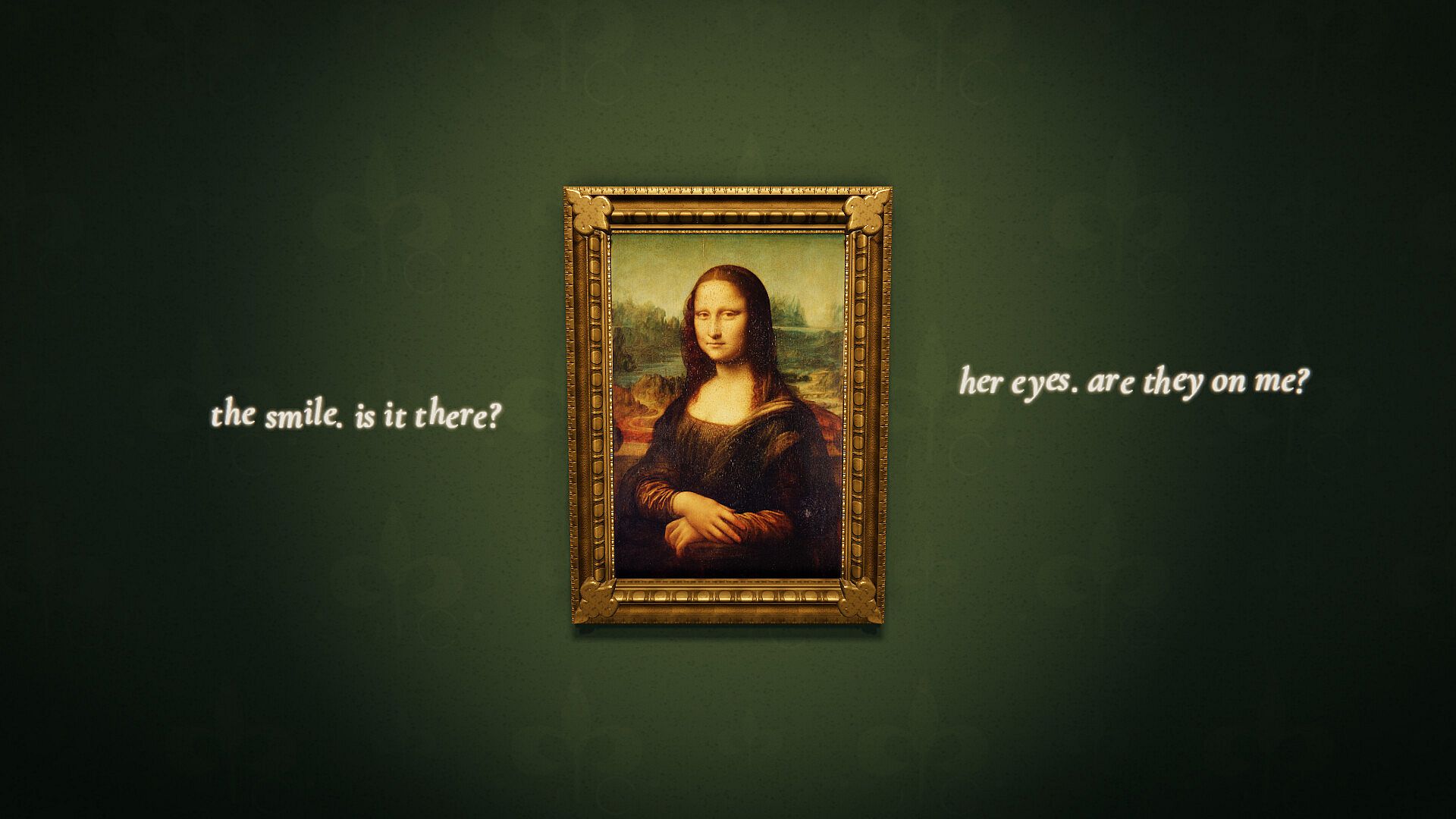
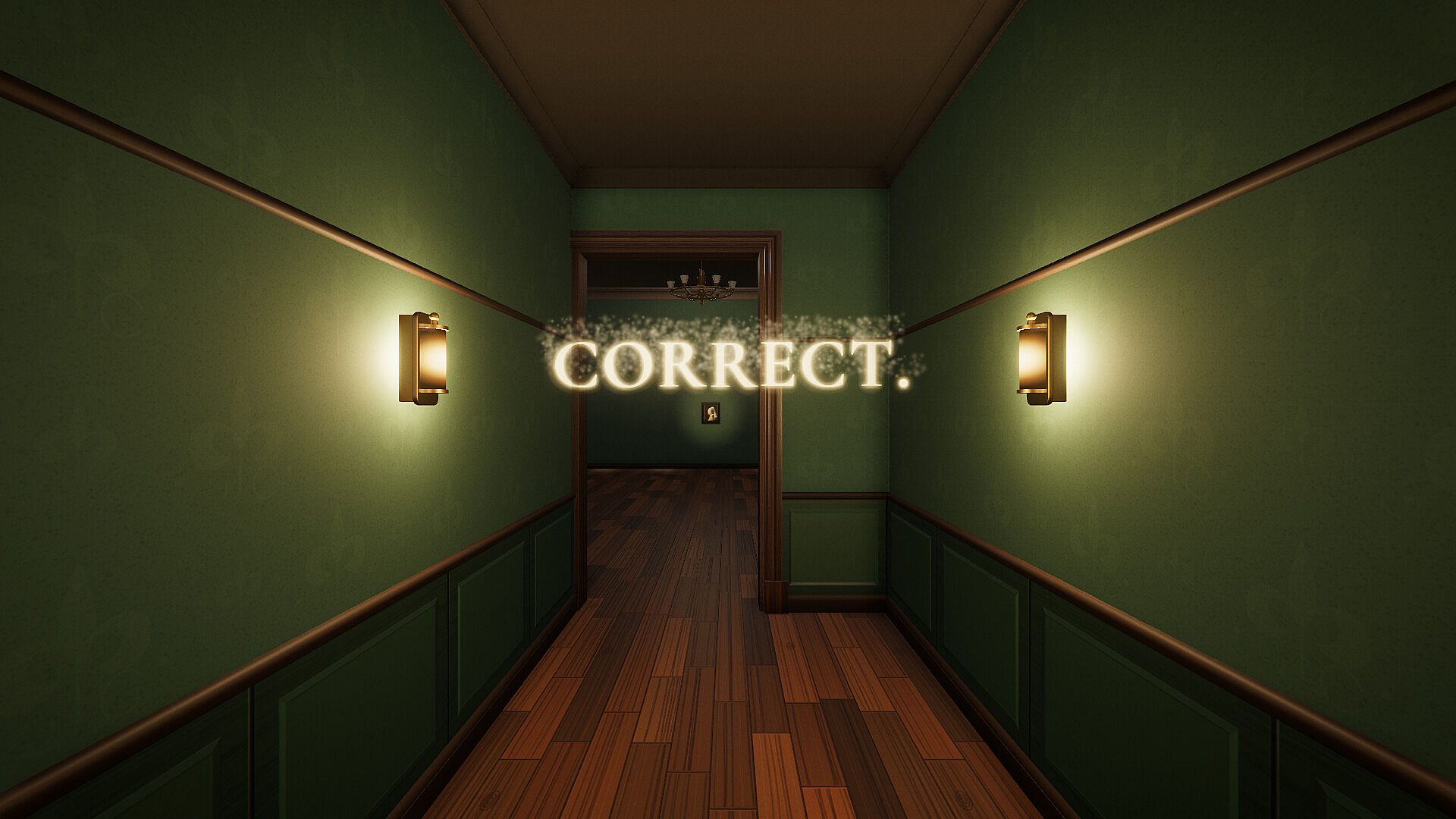
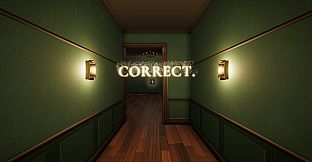
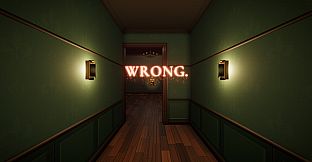
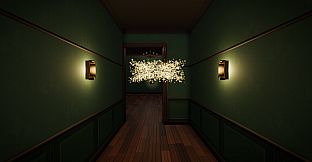
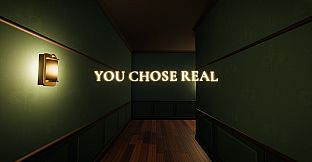
The core loop places one masterpiece on the wall directly ahead in each room. Players examine the painting at its actual scale without any zoom, timer, or on-screen hints, then choose between two side doors labeled REAL and FAKE. The correct choice advances the player through a quiet corridor into the next room. An incorrect choice returns them to the starting room of that sequence, where the same painting must be judged again alongside new ones that appear in later attempts. The environment records prior mistakes through small, persistent details such as a door left slightly ajar or a guard's chair that shifts position, creating a subtle sense of the building responding to repeated failures.
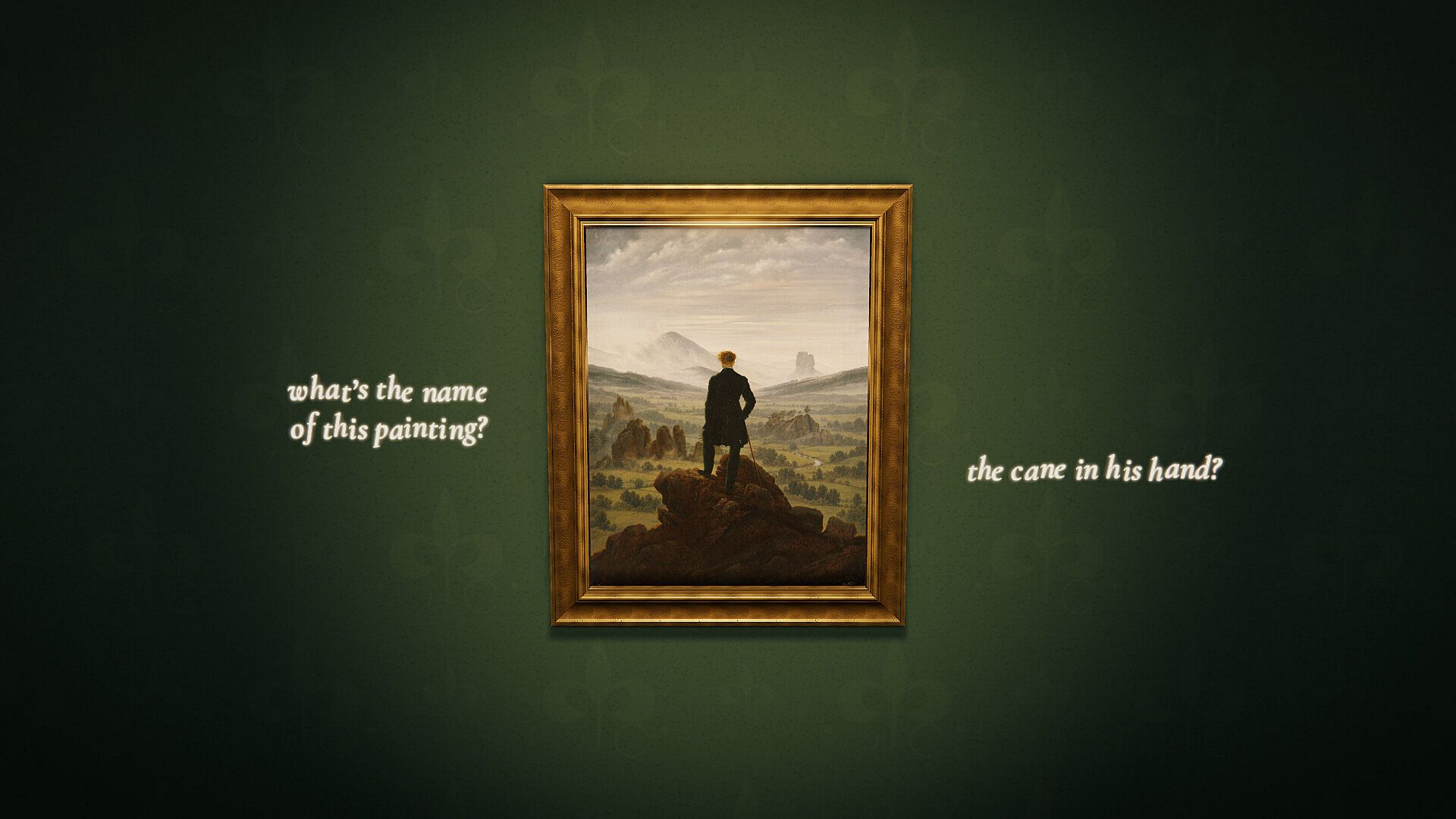
Forty public-domain masterpieces appear across multiple playthroughs, ranging from small woodblock prints to large canvases. Some hang exactly as they exist in museums, while others contain subtle alterations such as a changed expression, an altered moon phase, or a cleared fog. Later sequences introduce mirrored hangings and rooms that rearrange when the player is absent. No reference images or external lookup tools are provided, so success depends entirely on personal recollection and close observation of the work in front of the player.
Game Modes
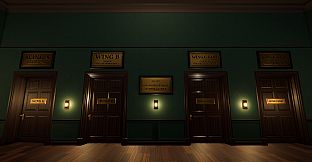
The game operates as a single continuous experience with procedural variation. Four wings and three nights generate fresh layouts on each full run, ensuring that the sequence of paintings and the placement of forgeries change between attempts. There are no separate multiplayer modes, competitive leaderboards, or additional game types beyond this core single-player loop.
Atmosphere and Accessibility
The presentation emphasizes quiet tension rather than sudden shocks. Sound design focuses on ambient museum acoustics and the soft echo of footsteps, with an optional toggle to disable the gunshot audio cue that plays after a wrong door. Comfort options include adjustable field of view from 80 to 110 degrees, variable walking speed, and a draw scale setting that lowers graphical demands on older hardware. A steady-lamps toggle replaces rapid corridor flickering after mistakes with a single slow light dip, addressing photosensitivity concerns while preserving the visual feedback of an error.
Is It Worth Playing?
Players who enjoy deliberate observation, memory challenges, and atmospheric exploration without combat, timers, or jump scares will find a focused experience here. The absence of HUD elements and the reliance on personal knowledge create a distinctive puzzle structure that rewards repeated visits as familiarity with the masterpieces grows. With a planned October 2026 release and no reviews available yet, the game suits those seeking a short, self-contained indie adventure that can be approached at a personal pace. System requirements remain modest, supporting a wide range of PCs, and accessibility features allow customization for different comfort needs.