


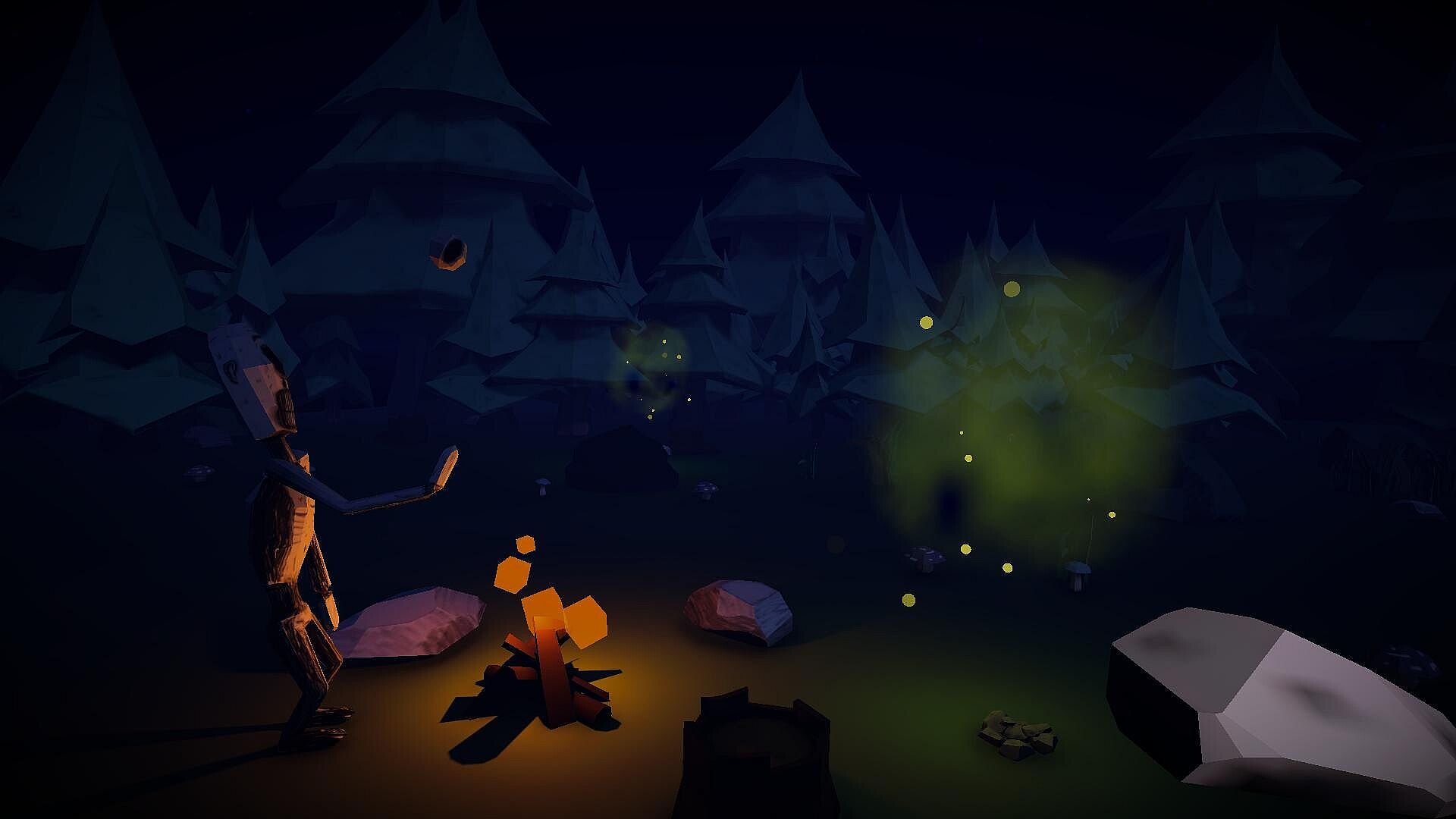
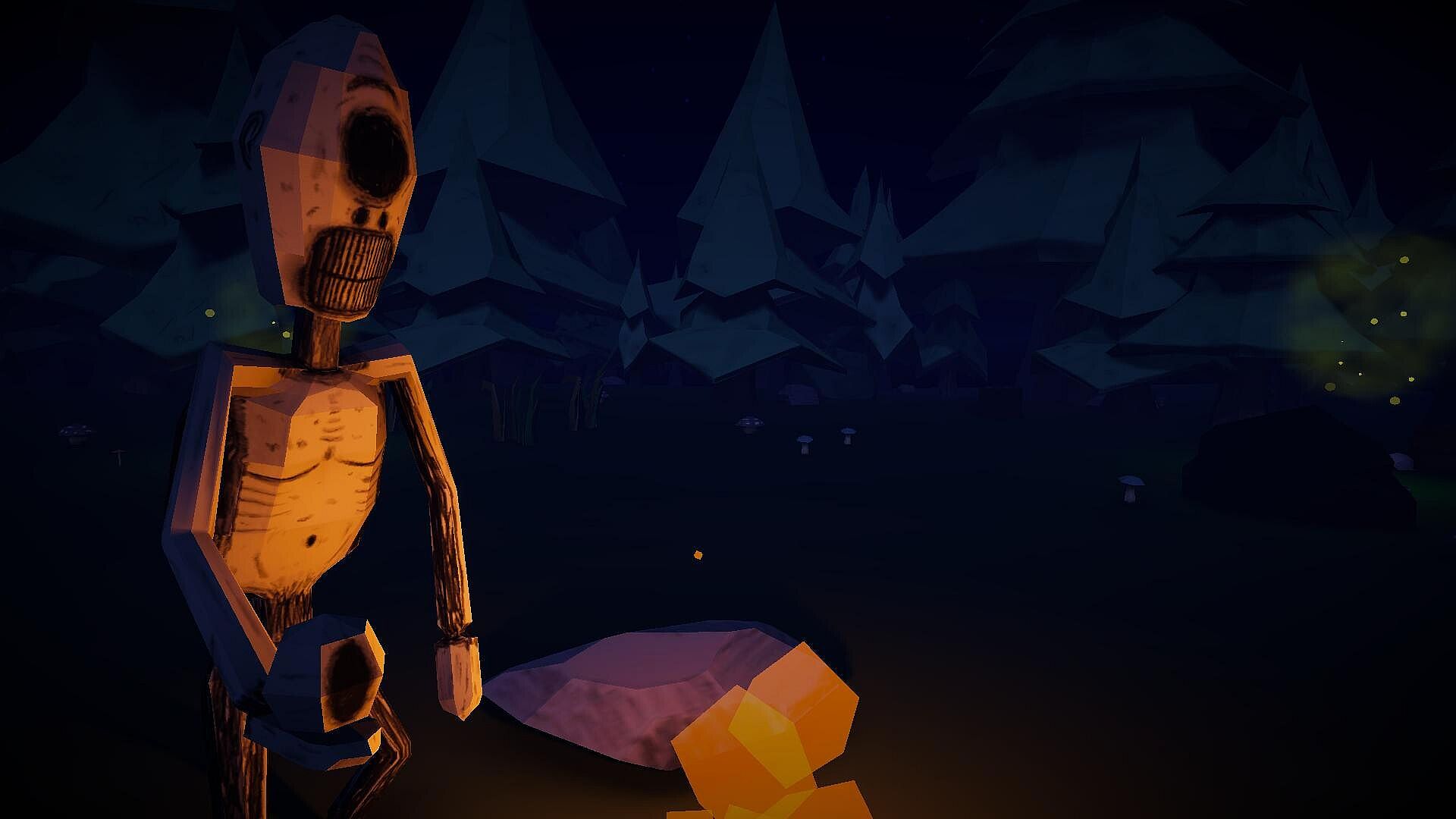

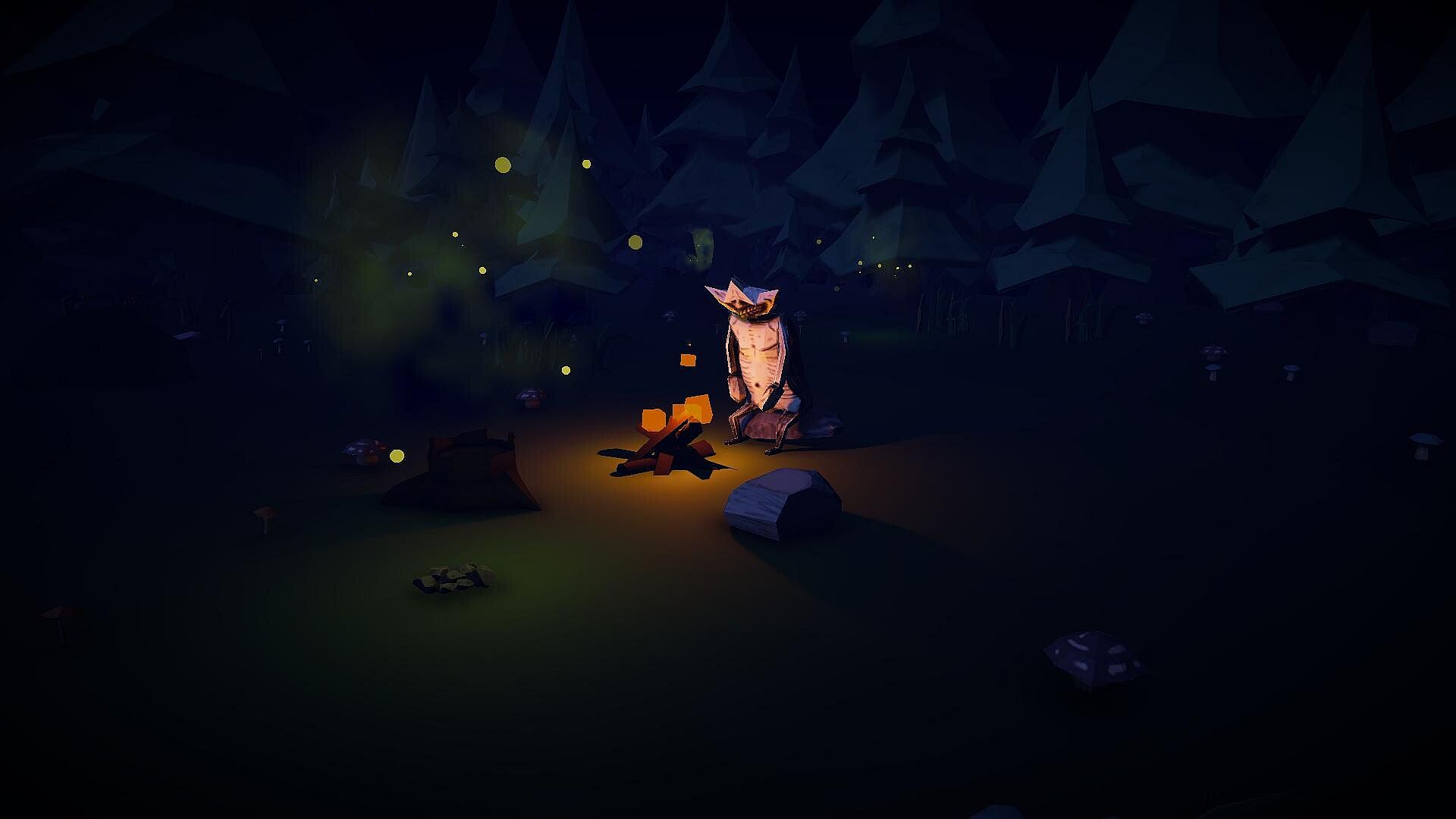
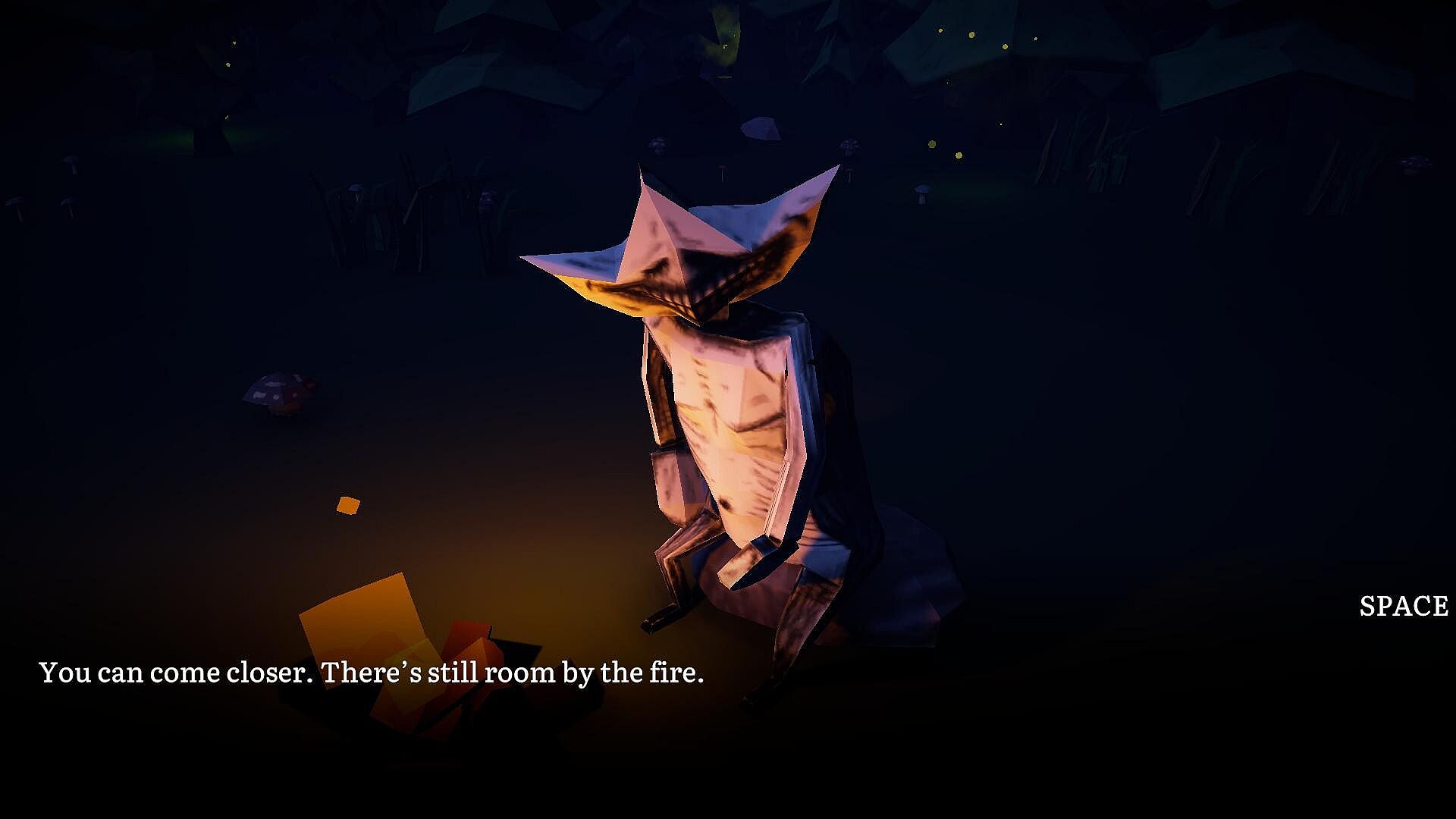
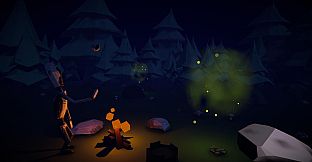



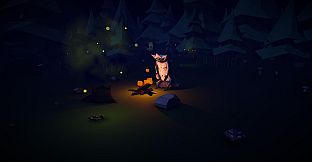

Hush Wood is an indie first-person adventure game set on PC that places players in a strange nocturnal forest known as HushWood. The experience centers on exploration and quiet discovery rather than combat or fast action. Players arrive in this place after attempting to escape personal troubles, only to find the environment gradually encouraging them to stay through its calm and unusual inhabitants.
Gameplay
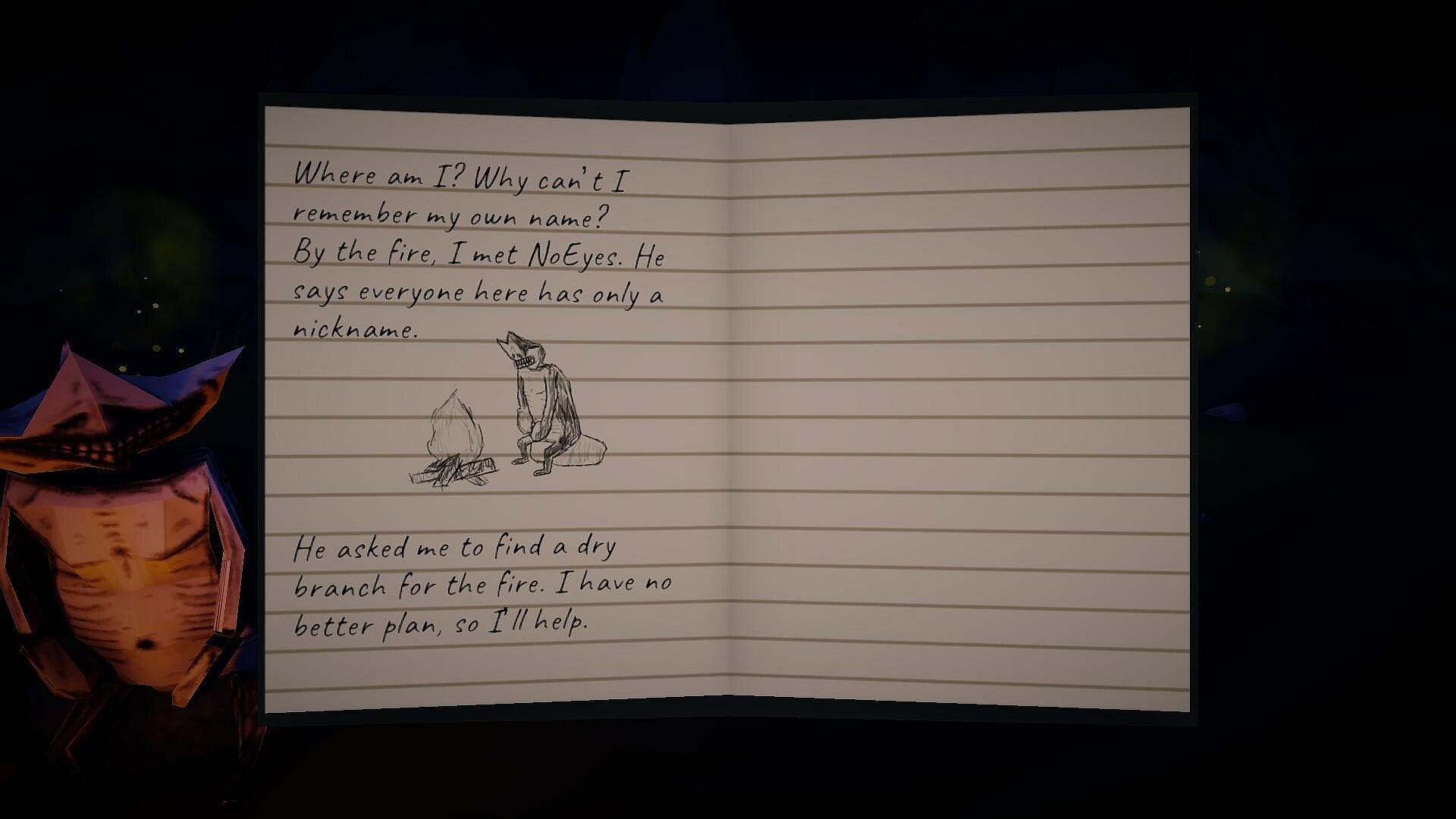
The core loop involves moving through a handcrafted nighttime forest while paying close attention to environmental cues. Light sources such as fires can signal safe resting spots or points of interest. Distinct sounds help locate needed items or guide progress without any on-screen markers or highlighted objects. A notebook serves as the main tool for tracking notes, objectives, and clues gathered along the way.
Interactions with the forest's inhabitants form another key part of play. These characters share stories and issue requests that lead to searching distant areas or completing small puzzles. Dialogue is written rather than voiced, and the words spoken often require careful interpretation since they may not be entirely straightforward. The overall pace remains deliberate, allowing the atmosphere to build a sense of peace that contrasts with the underlying theme of escape and memory.
Spatial audio plays a significant role in navigation and immersion. Players must listen carefully to distinguish helpful sounds from ambient noise, which reinforces the game's emphasis on observation over direct instruction. Story-driven quests emerge naturally from these encounters rather than through traditional quest logs or objective lists.
Game Modes
Hush Wood offers a single-player experience with no separate multiplayer modes or competitive elements. The structure revolves around a continuous narrative journey through the forest, where progress comes from exploration, conversation, and puzzle-solving rather than distinct game modes like survival, racing, or team-based play. All activities tie directly into the central story about the pull of a place that feels increasingly comfortable.
Exploration and Navigation
Without arrows or waypoints, movement relies on interpreting the world itself. A flickering light might draw attention to a new path, while an unusual noise could indicate an item or inhabitant nearby. The notebook compiles these observations into usable information, turning scattered clues into a personal record of discoveries. This approach encourages repeated visits to areas as new details emerge from different angles or times of exploration.
The stylized forest environment supports this style of play through its consistent nighttime aesthetic and carefully placed details. Players gradually learn to read the space, using both visual and auditory signals to avoid feeling lost while still maintaining a sense of mystery.
Is It Worth Playing?
Hush Wood suits players who prefer atmospheric single-player adventures that reward patience and attention to detail. Those who enjoy exploring without constant guidance, listening for environmental hints, and piecing together stories through dialogue and small tasks will find a focused experience here. The game avoids high-pressure mechanics in favor of a reflective tone centered on memory and the subtle dangers of comfort.
Its indie scale means the content stays intimate rather than expansive, with an emphasis on mood and personal interpretation over large-scale systems. Anyone drawn to first-person exploration titles that blend quiet discovery with light puzzle elements may appreciate the approach, particularly if they value narrative delivery through environmental storytelling and character interactions.