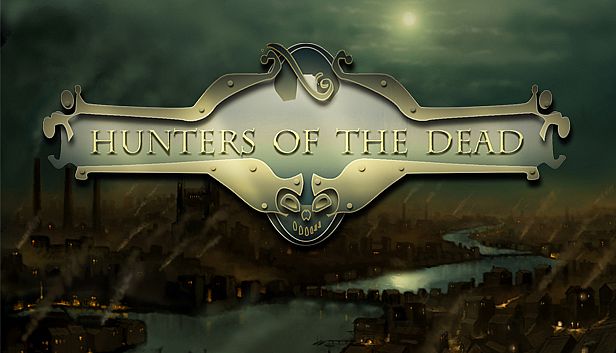
















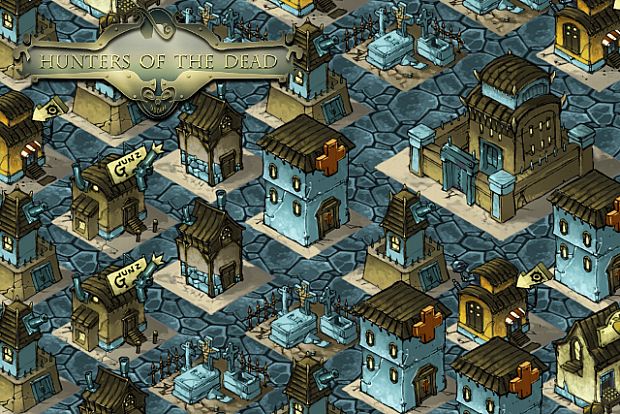
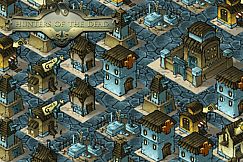
Hunters of the Dead is a strategy indie game on PC that blends survival management with roguelike tower defense and light micromanagement. Players take control of a small group of hunters tasked with rescuing others while pushing back against an undead army raised by Dracula across a ruined city.
Gameplay
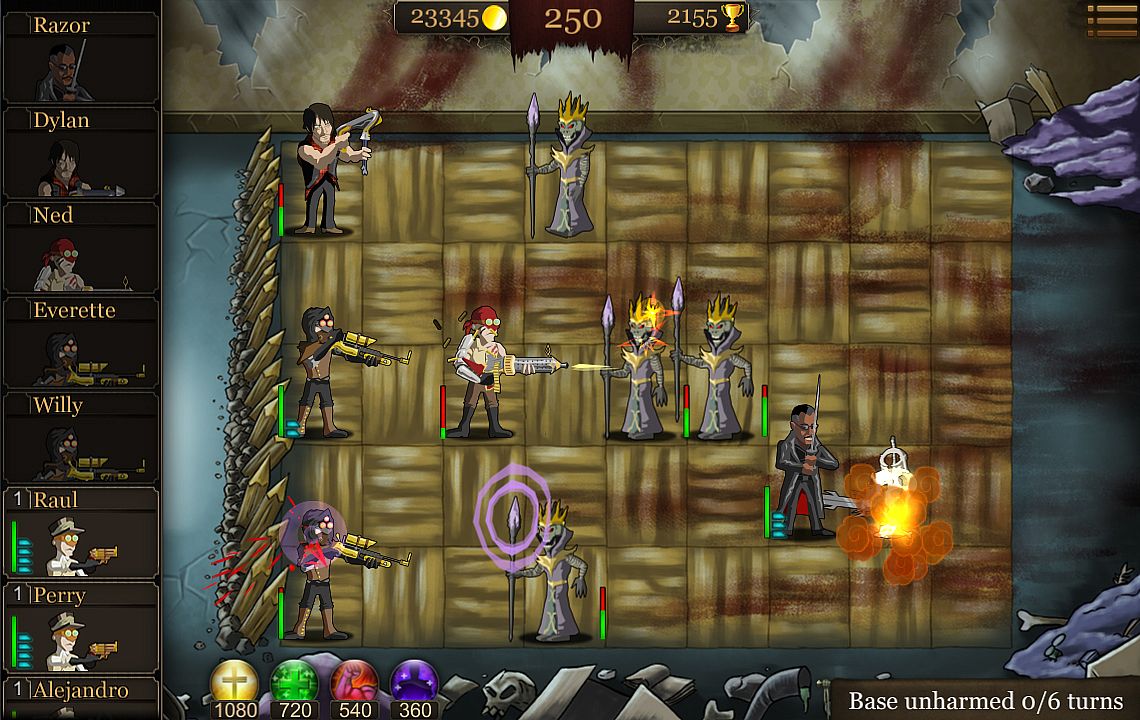
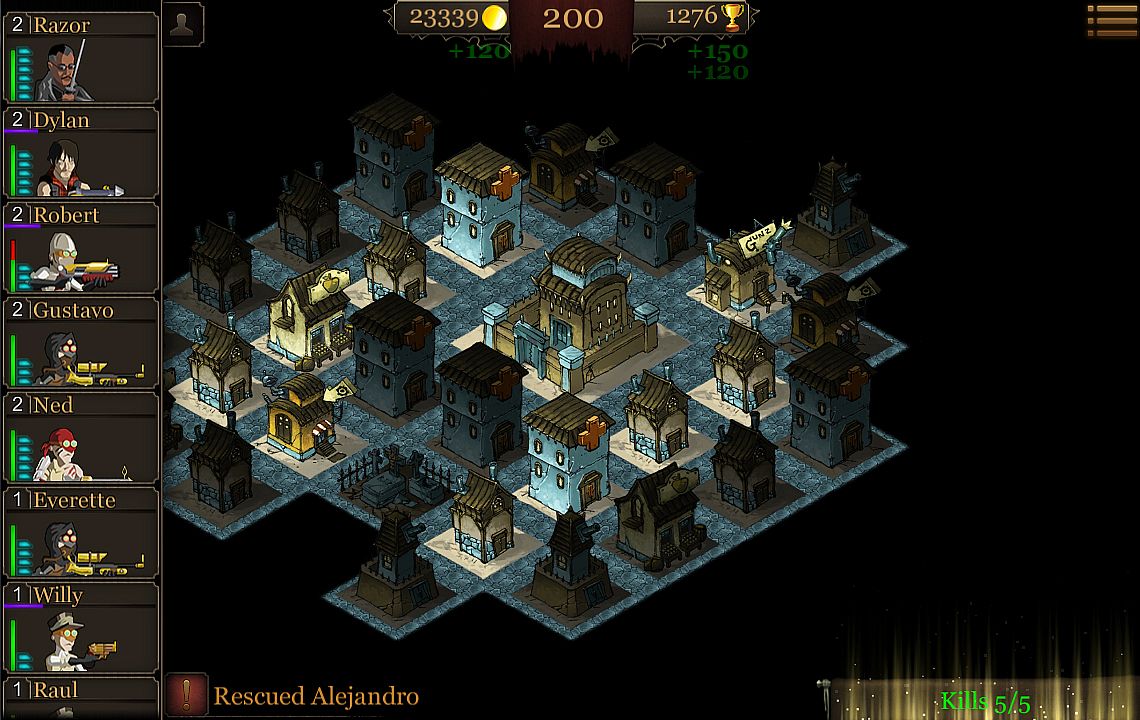
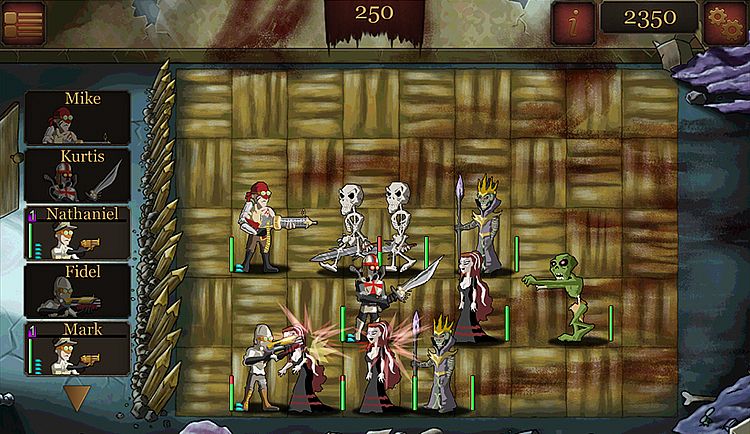
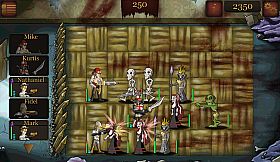
The core loop centers on base defense combined with careful exploration of nearby buildings. Hunters must be positioned to hold off waves of undead while others venture out to gather resources and locate more survivors. As distance from the base increases, encounters grow more frequent and difficult, requiring players to weigh the risks of further scavenging against the need to maintain a strong defensive line.
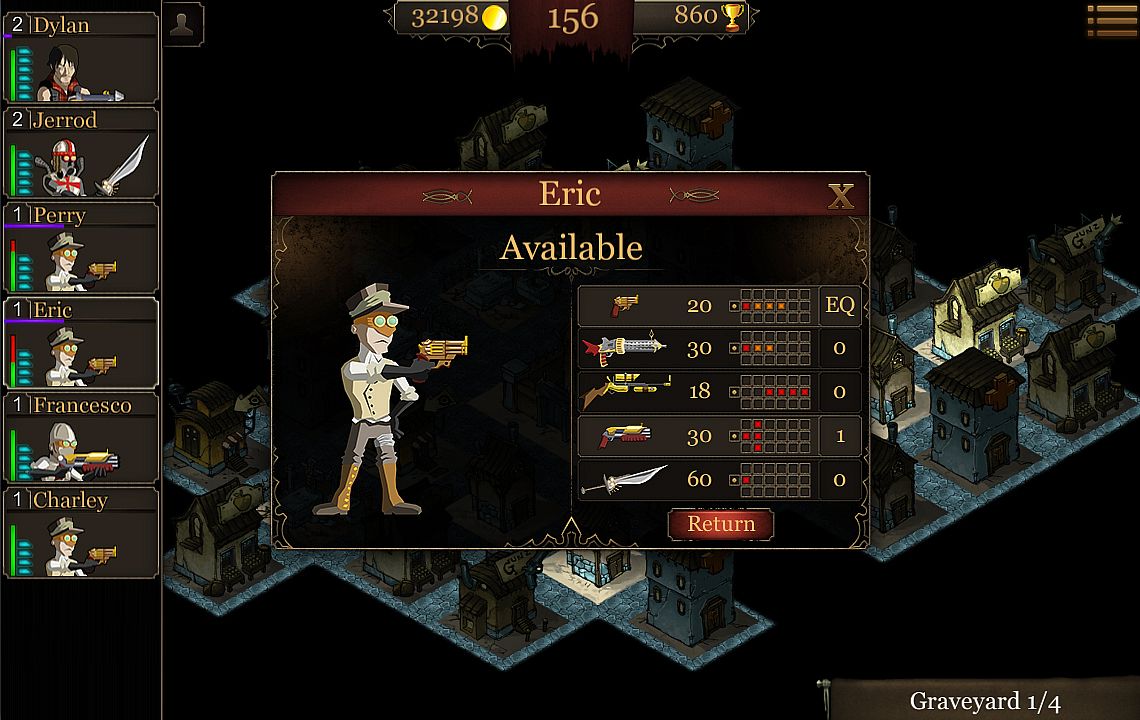
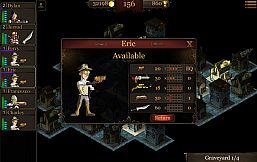
Micromanagement plays a key role in daily decisions. Hunters sent to hospitals for healing or graveyards for training become unavailable for combat during that time, which can leave the base vulnerable if an attack occurs. This creates constant tension between long-term preparation and immediate survival needs. Random generation affects the layout of the city, available quests, weapons, and individual hunters, ensuring each attempt plays out differently.
Game Modes
The game operates as a single continuous experience built around roguelike runs. Permadeath means the loss of the base ends the current attempt, though accumulated resources carry over to support upgrades for the next run. There are no separate competitive or cooperative modes; the focus remains on managing a single base defense campaign against escalating threats.
Procedural elements extend to quests and hunter recruitment, which feed into the central objective of locating and confronting Dracula. Two unlockable difficulty levels provide additional challenge once initial progress is made, but the structure stays centered on repeated attempts to push further into the city.
Hunters and Progression
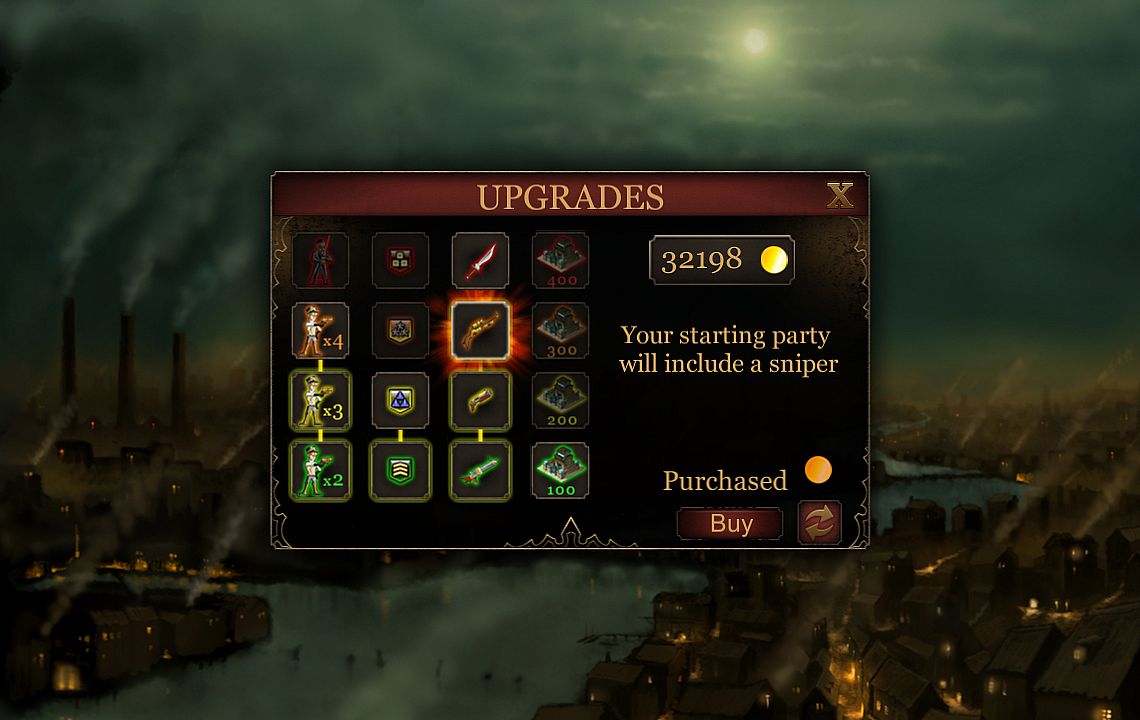
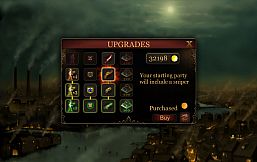
Five distinct hunter classes offer different strengths in combat and support roles. Players assign these units to tasks while balancing their availability for battles. Sixteen upgrades become available through resource collection, allowing improvements to defenses, hunter capabilities, or exploration efficiency across multiple runs.
Dozens of quests appear through random generation, each tied to specific buildings or objectives that reward materials or new recruits. The system encourages repeated playthroughs as players experiment with different class combinations and upgrade paths to reach Dracula more effectively.
Is It Worth Playing?
Hunters of the Dead suits players who enjoy deliberate resource and unit management within a roguelike framework. Its tower defense elements require ongoing attention to positioning and timing, while the survival aspects punish poor planning with base destruction and restarts. The game has seen no major updates since its 2014 release, so expectations should align with a compact indie title rather than ongoing content support.
Those drawn to micromanagement challenges and procedural replayability will find the systems rewarding after several attempts. The limited scope and focus on careful hunter allocation make it a niche experience best suited to fans of strategy games that emphasize risk assessment over fast action.