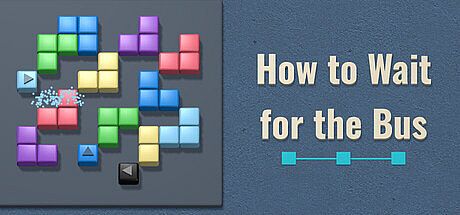


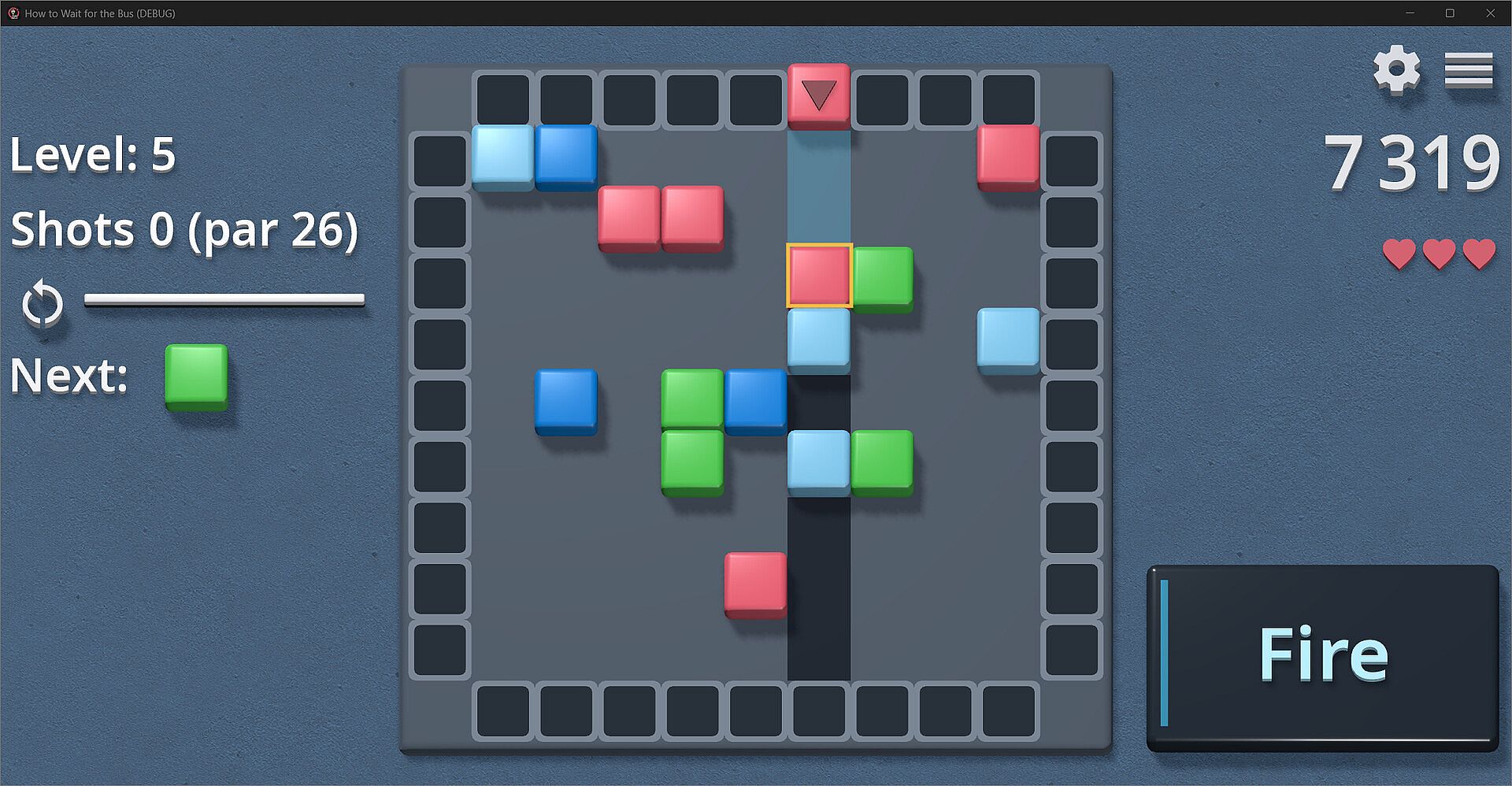
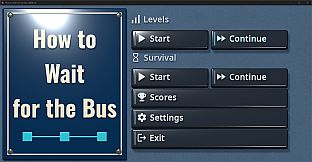
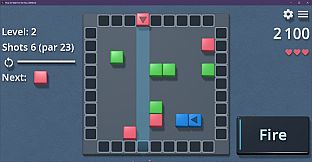
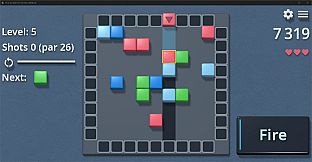
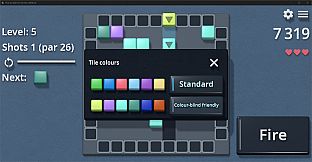
How to Wait for the Bus is an indie casual puzzle game for PC that turns idle moments into focused tile-matching sessions. Players fire colored tiles from the edges of a board, aiming to align three or more of the same color so they explode and trigger chain reactions that clear space. The experience stays simple and self-contained, with no interruptions from timers, energy systems, or purchases.
Gameplay
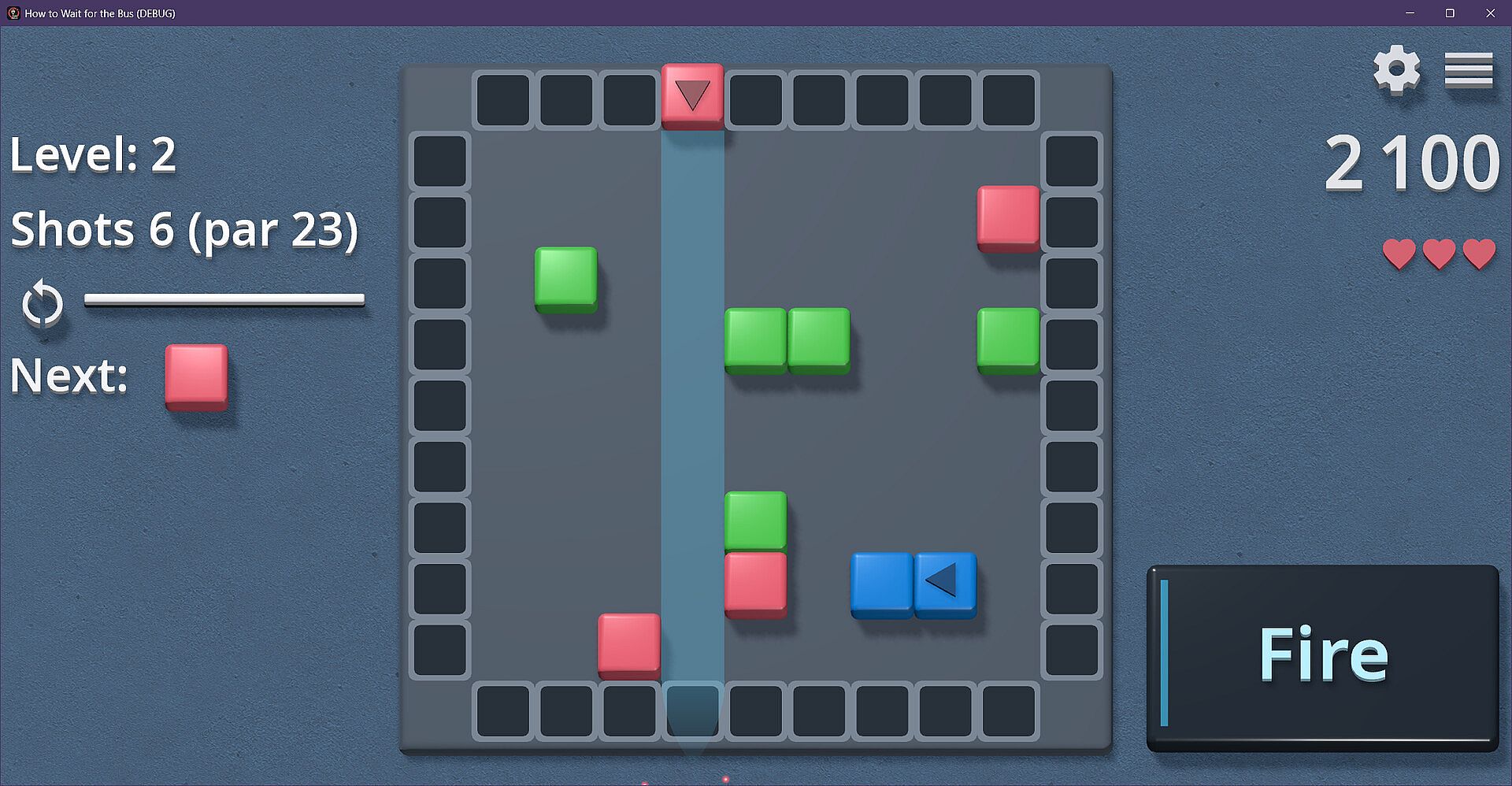
The core loop centers on precise shots and forward planning. Each tile enters the board from any side the player chooses, and positioning matters because a single placement can set up multiple matches or block future options. When three or more matching tiles connect, they detonate, often sending neighboring pieces into new alignments that continue the chain. These cascades reward careful observation of the current layout and anticipation of how the next shot will interact with existing clusters.
Every move carries risk and reward. A well-aimed tile can clear large sections in one sequence, while a misjudged shot might cluster colors in awkward ways that limit later options. The board gradually empties as explosions remove tiles, and the process repeats until the field is clear or the player decides to stop. Controls remain straightforward, relying on mouse or touch input to select direction and power for each launch.
Game Modes
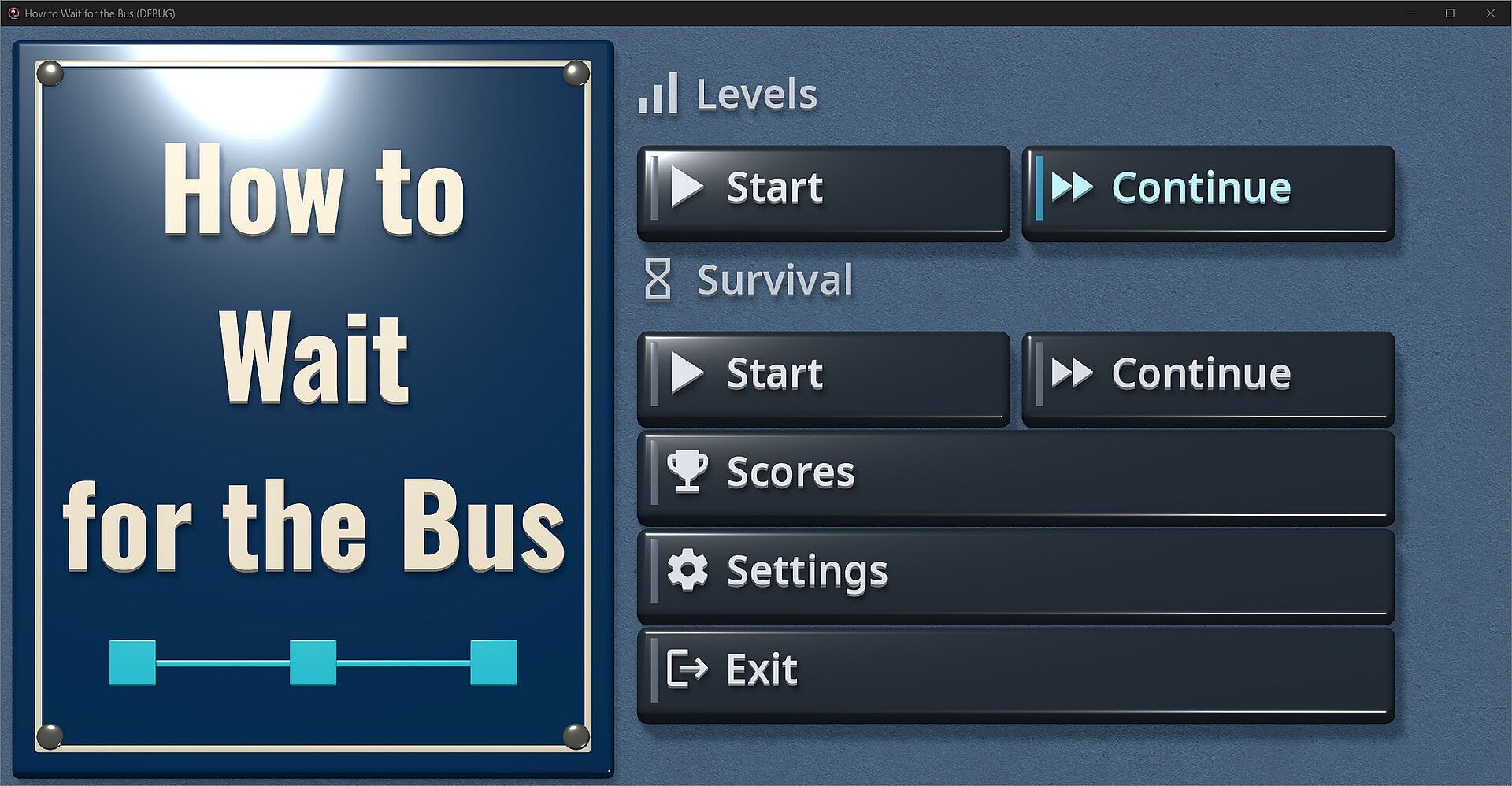
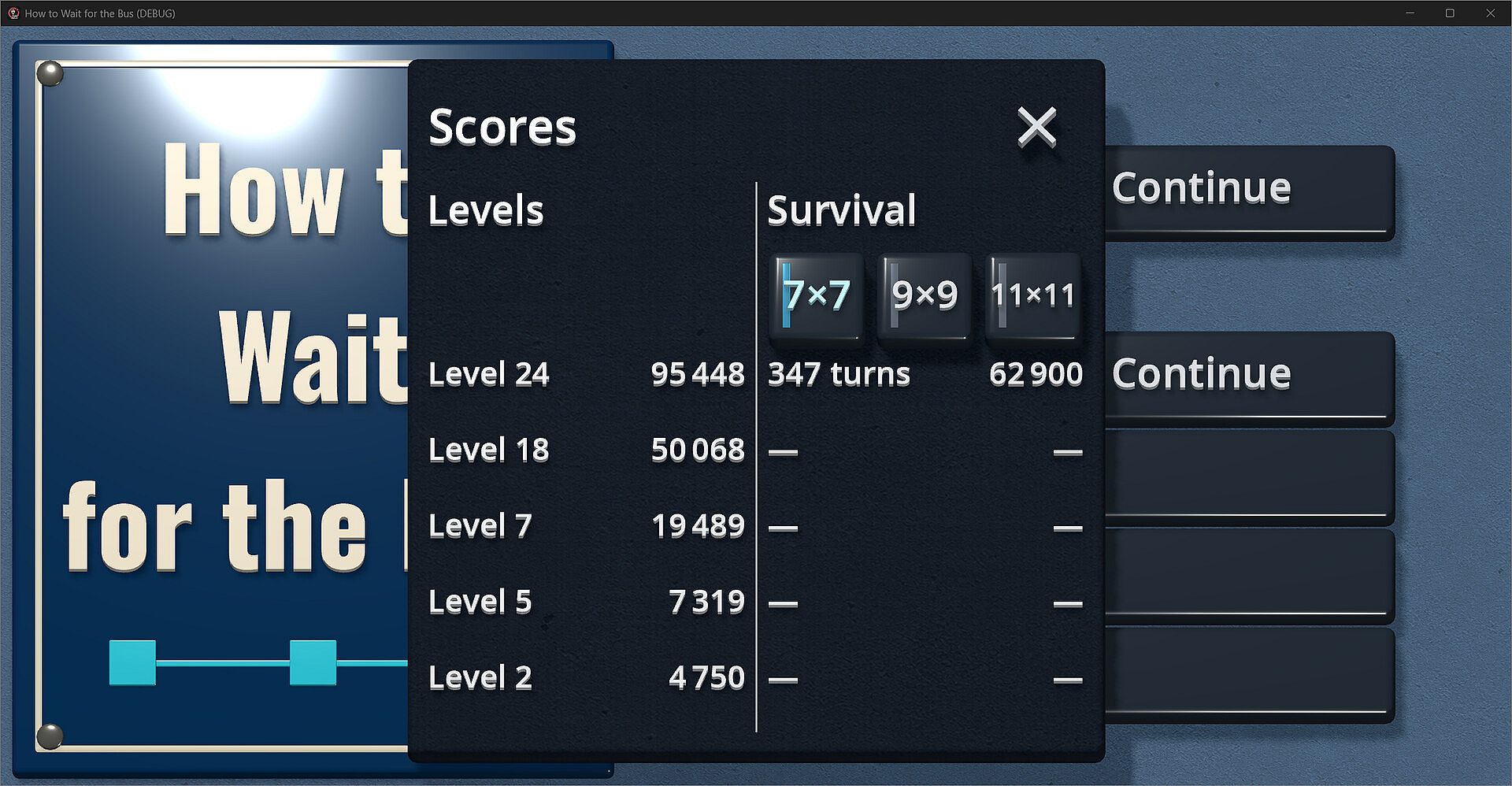
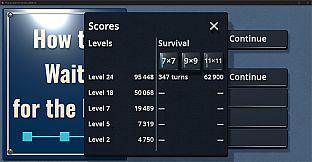
The game offers a single, uninterrupted puzzle experience without separate modes or variations. Players engage directly with the tile board in sessions that last as long as desired, focusing solely on matching and clearing. There are no levels with escalating rules, no competitive brackets, and no cooperative elements. The emphasis stays on the repeated cycle of shooting, matching, and watching reactions unfold across one consistent board format.
Is It Worth Playing?
This title suits players who enjoy deliberate, low-pressure puzzle mechanics and want a complete experience without ongoing obligations. The absence of advertisements, daily tasks, or monetization features keeps attention on the tile interactions themselves. Sessions can be short or extended depending on preference, and the straightforward rules allow quick entry while still demanding attention to placement and chain potential.
Reception centers on its clean presentation and satisfying feedback from successful cascades. Those seeking variety in game types or structured progression may find the single focus limiting, yet the design delivers exactly what the premise promises: a compact puzzle loop centered on exploding tiles. For anyone comfortable with match-style games and looking for an undemanding PC option, the game provides a direct and consistent alternative to more complex titles.