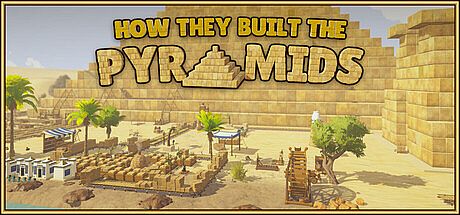


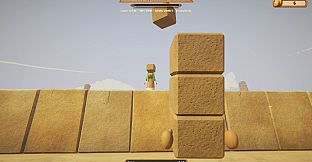
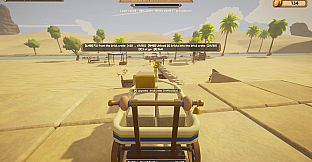
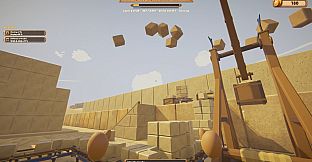
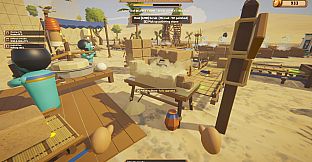
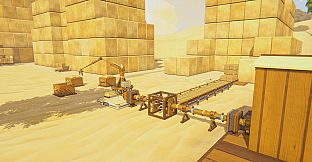
How They Built the Pyramids is an indie casual simulation game centered on collaborative pyramid construction. Players work together to produce bricks from Nile clay and assemble a massive structure block by block in an online co-op environment that supports one to eight participants on PC.
Gameplay
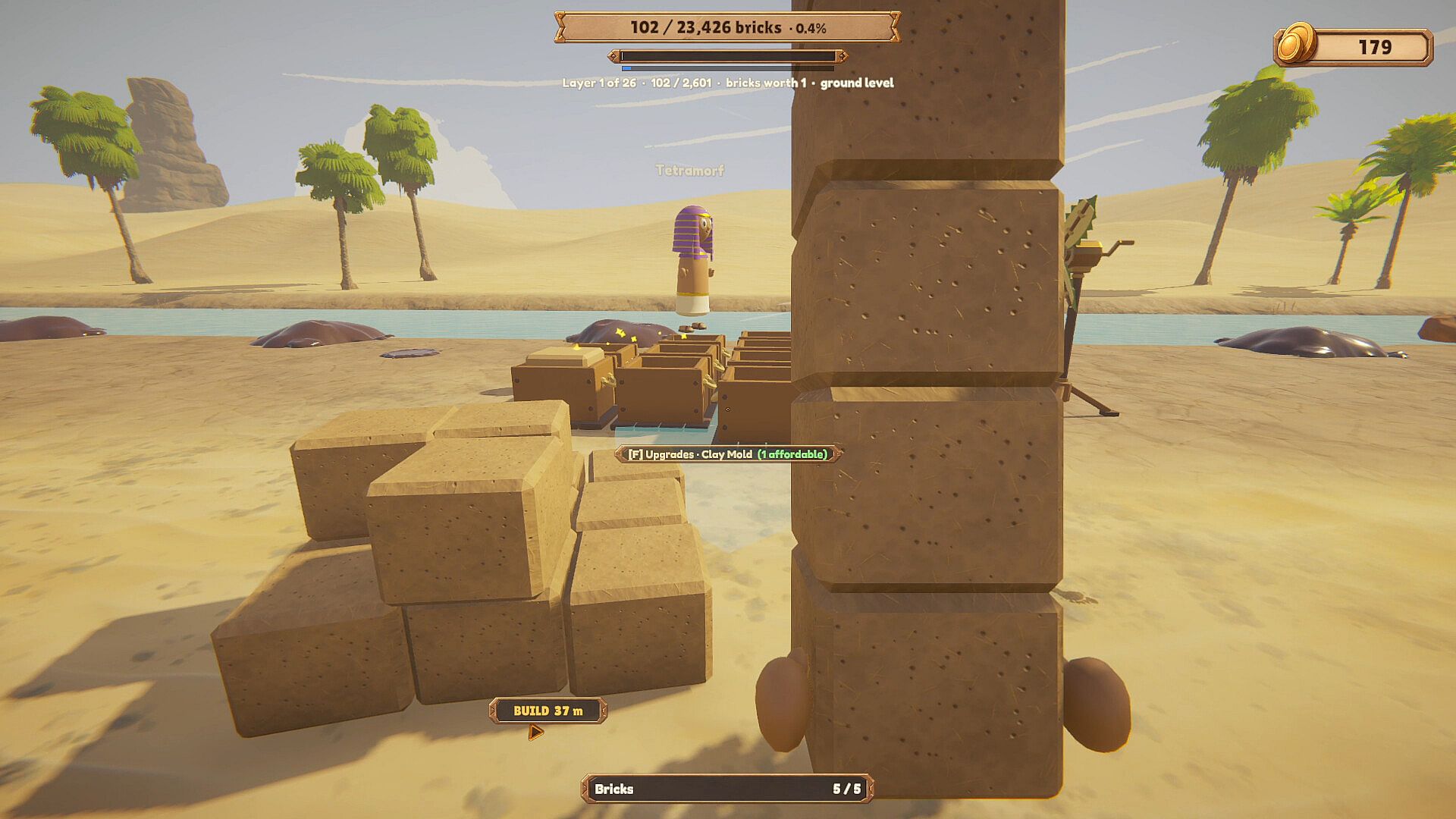
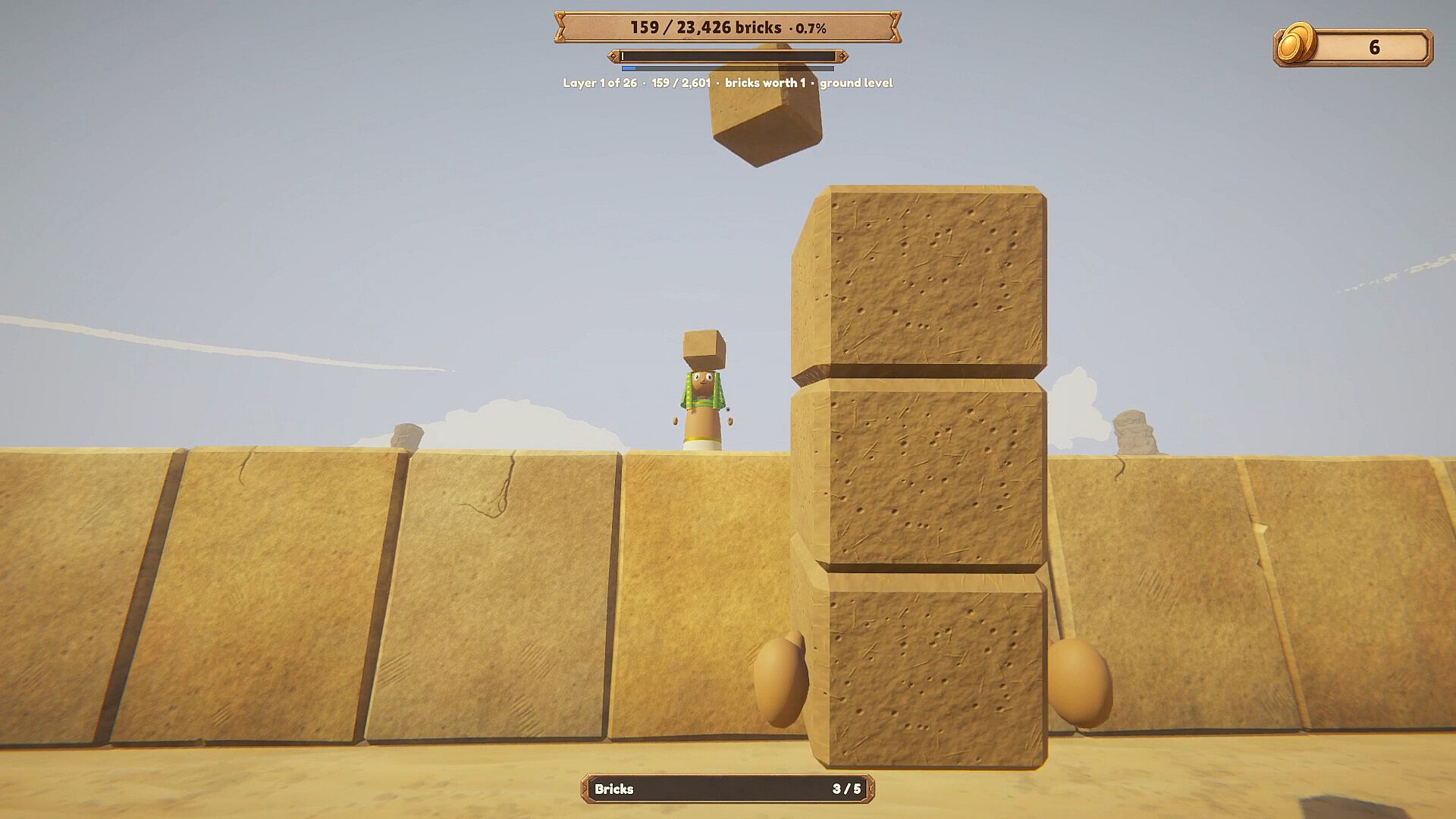
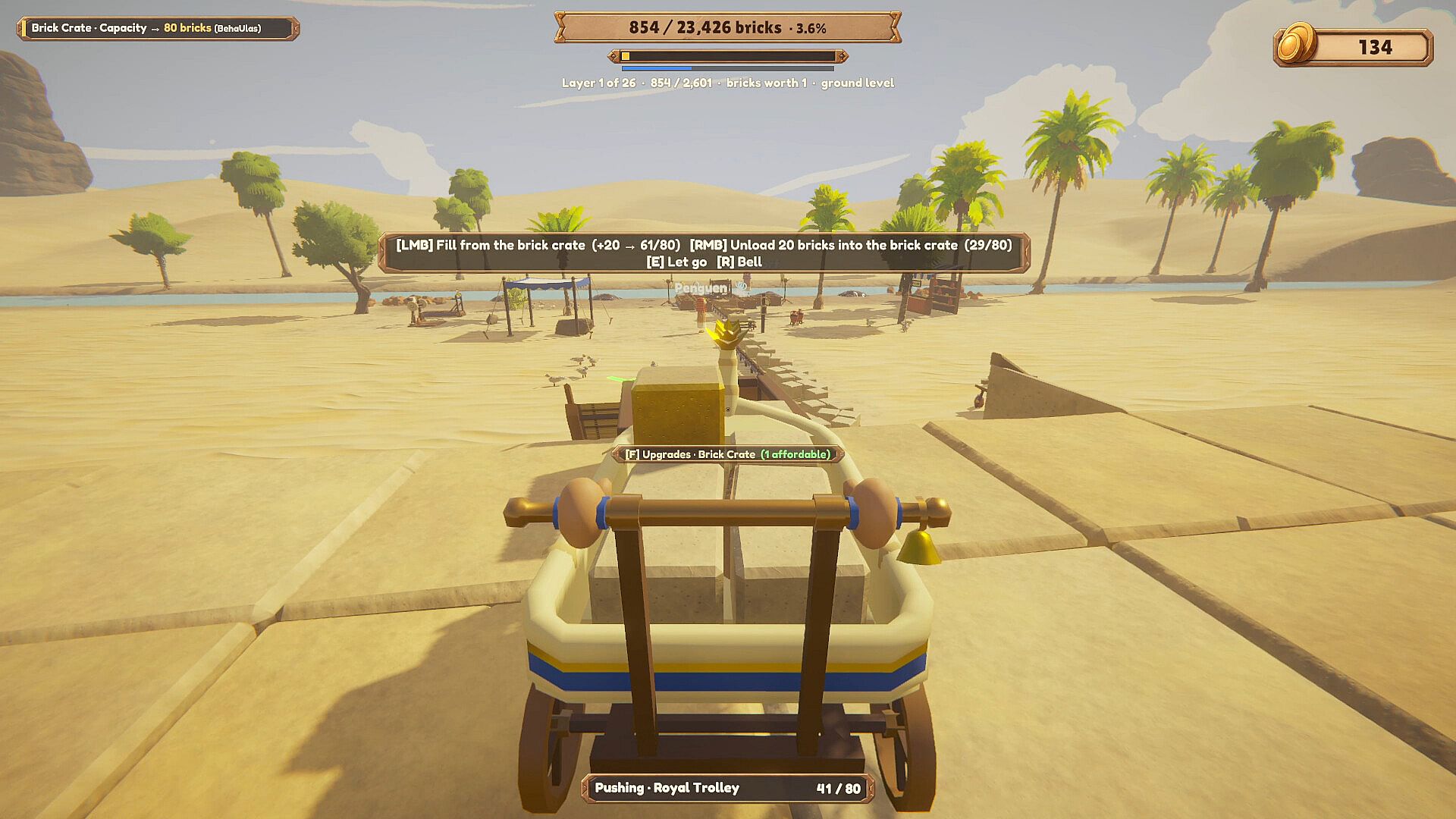
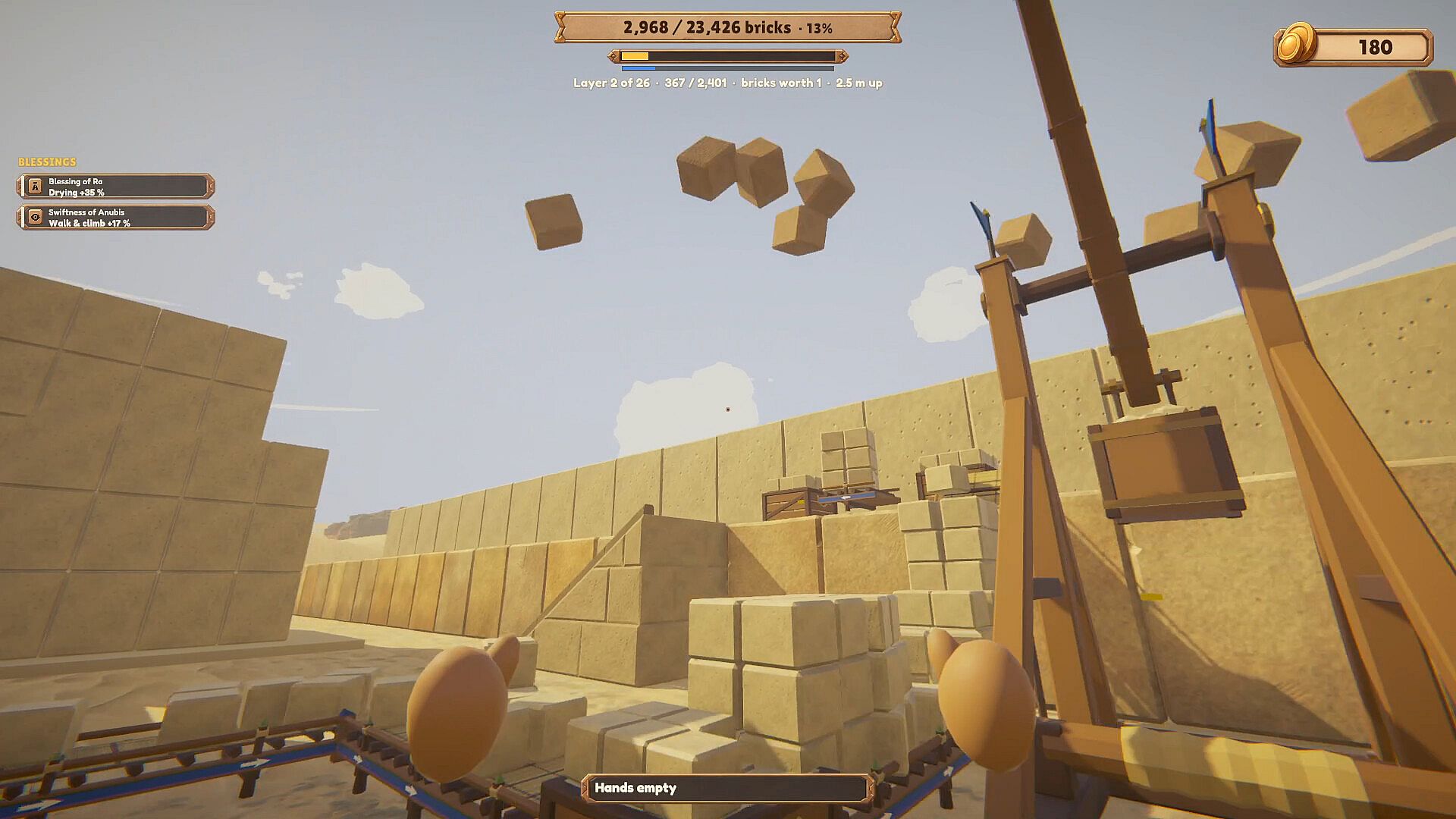
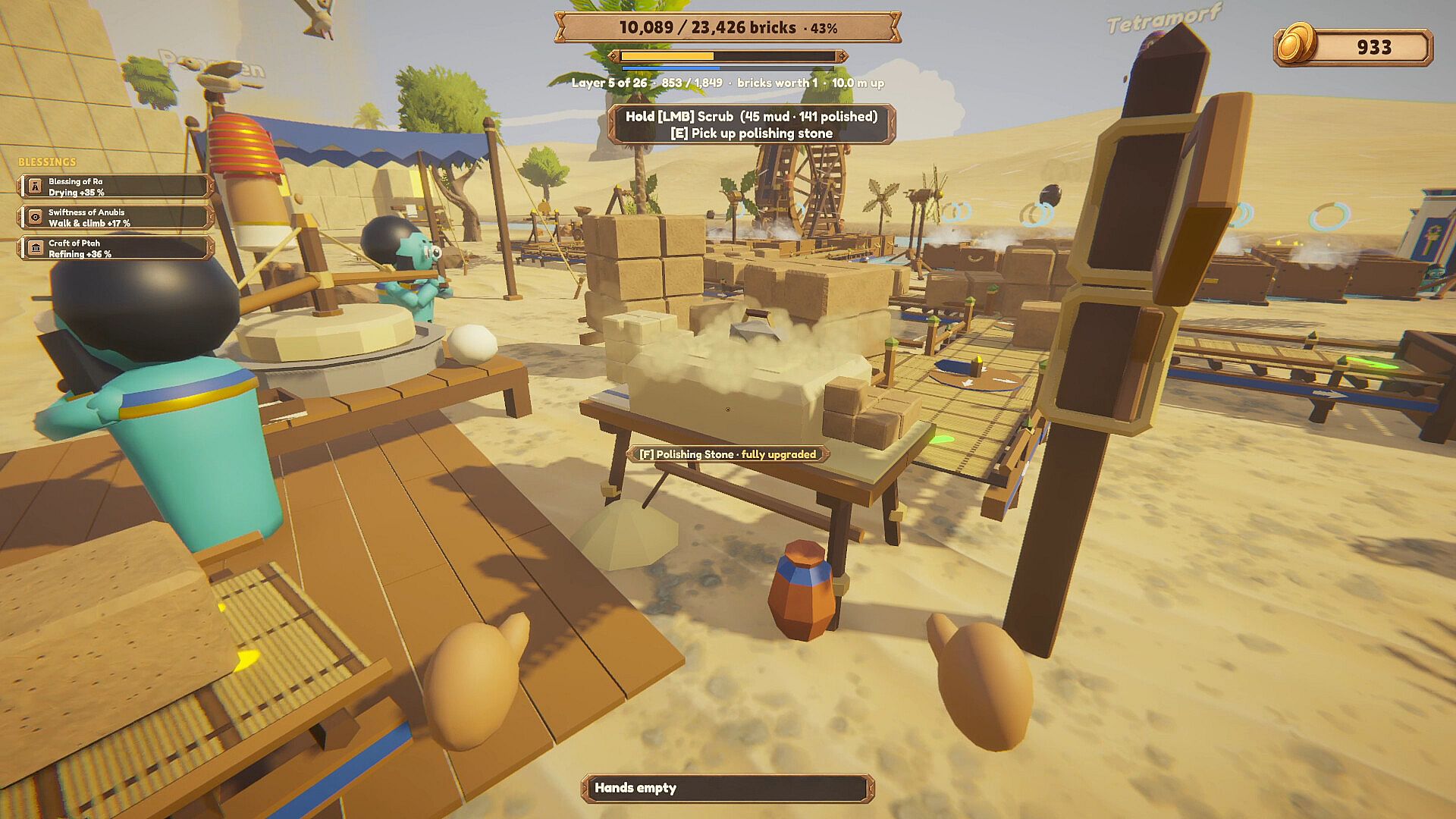
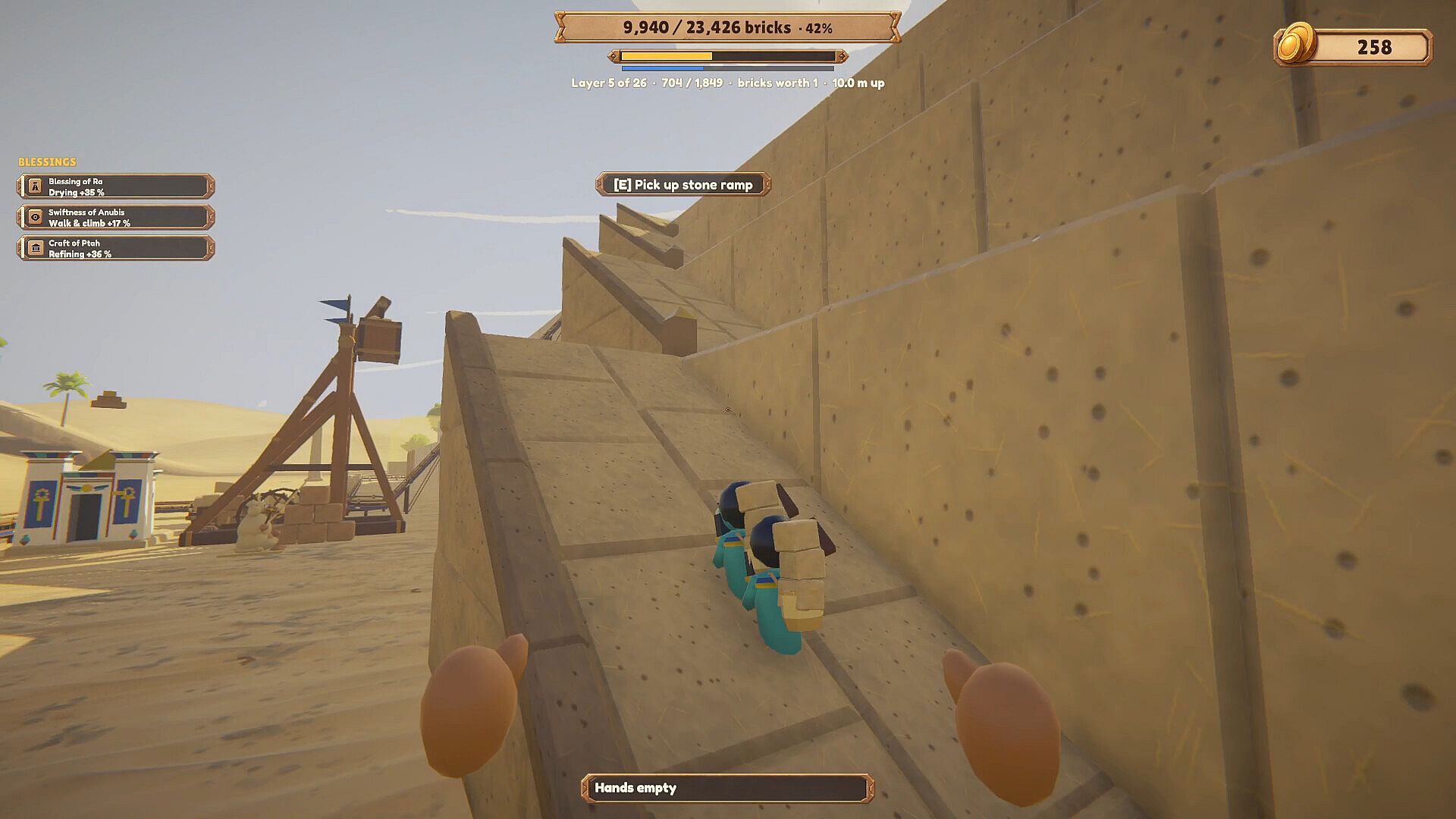
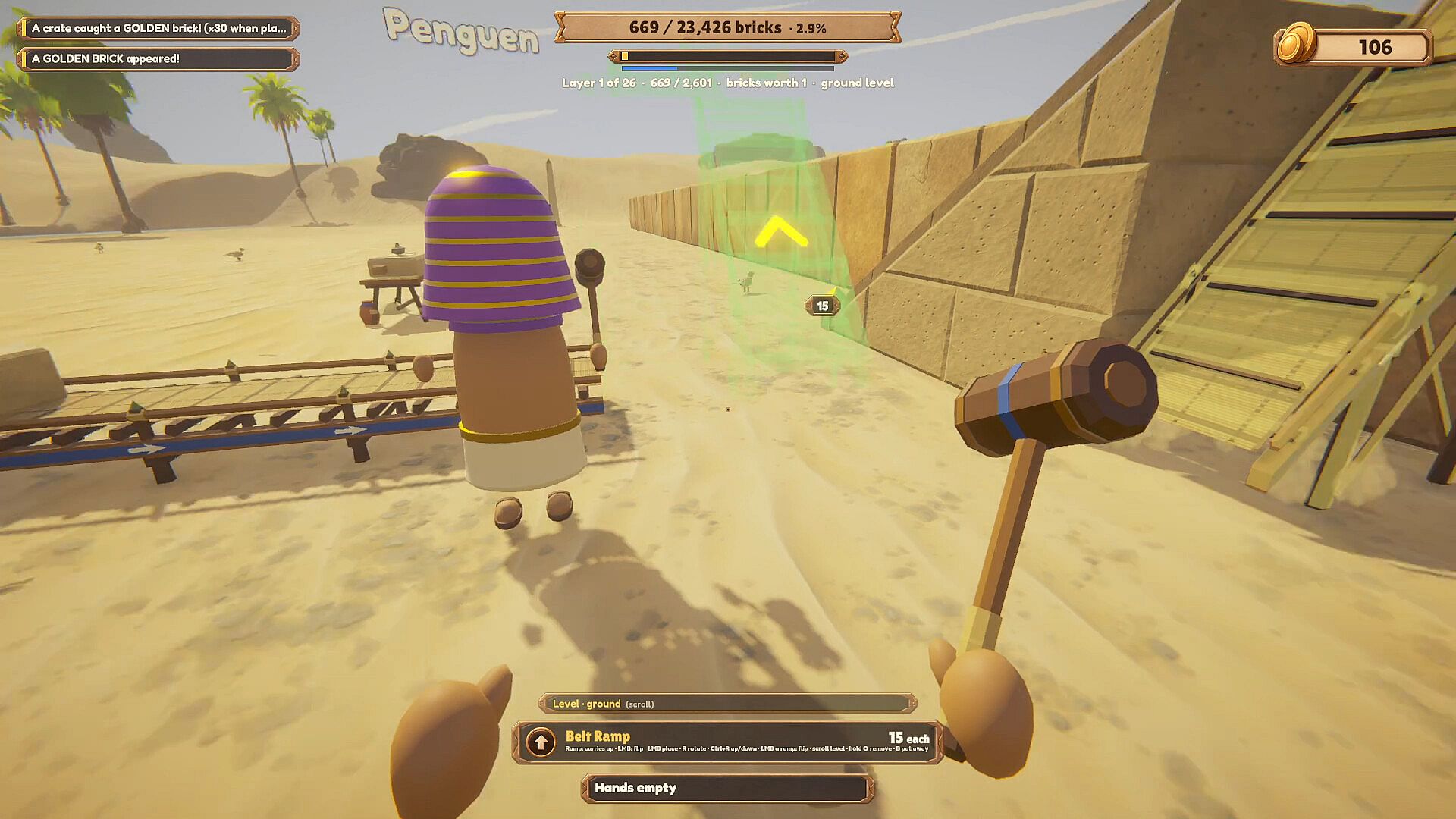
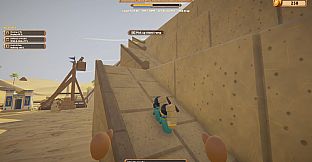
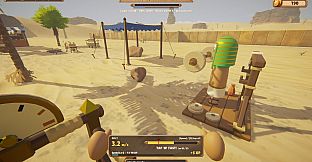
The core loop revolves around resource production and transport. Everything begins with gathering raw clay to form bricks, then refining their quality and streamlining output through process improvements. Once made, bricks must reach the construction site, which involves carrying them manually, tossing them between teammates, or experimenting with unconventional launch and delivery techniques to cover distance efficiently. Safety matters during these handoffs, as falling objects pose risks to those below.
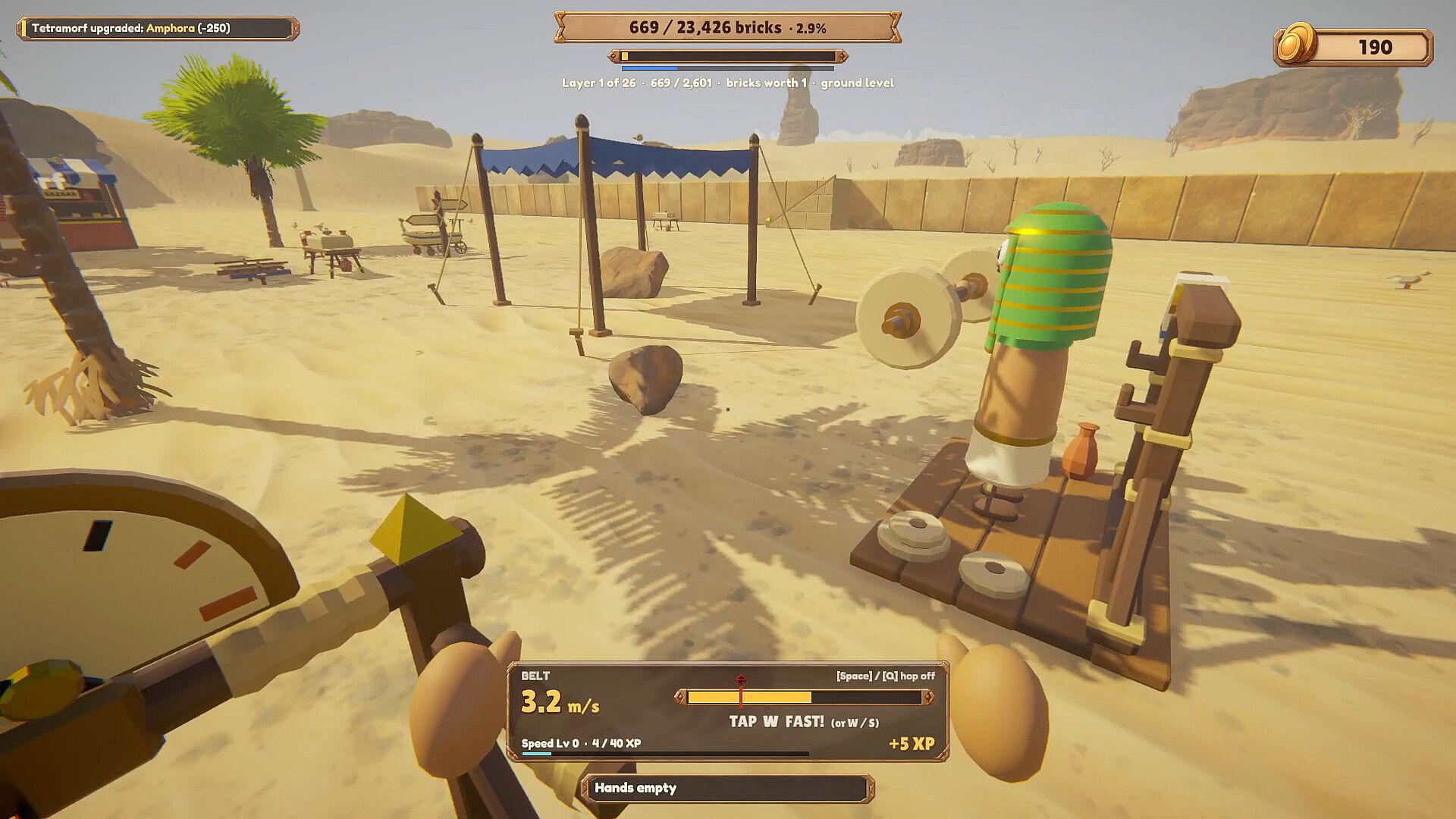
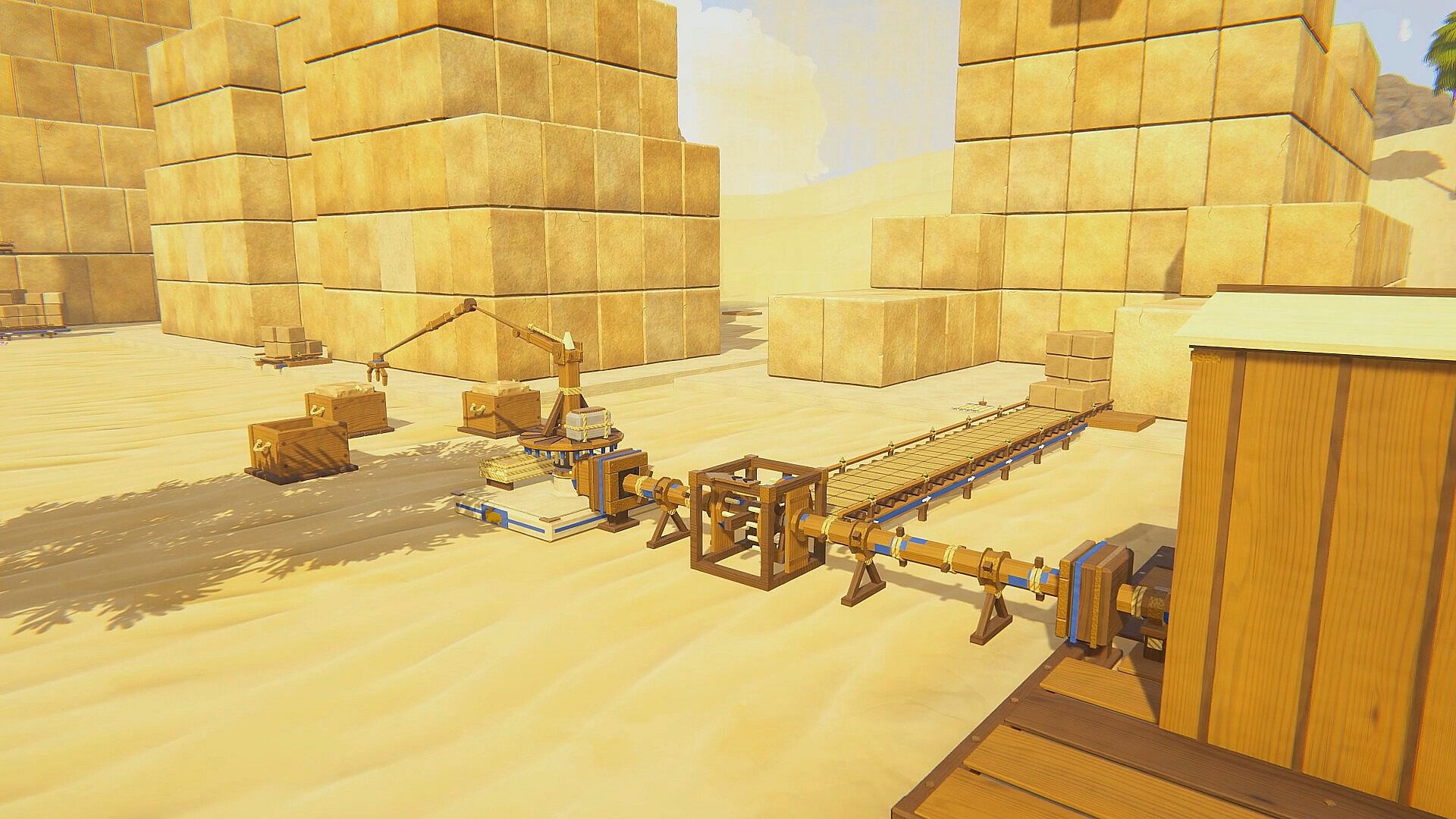
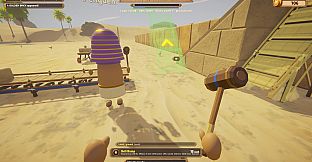
Automation enters the picture as operations scale. Early efforts rely on manual labor, but players can expand into connected systems that handle repetitive tasks, freeing the crew to focus on placement and oversight. Abilities improve over time, allowing individuals to handle greater loads as the project advances. Little helpers called Shabti can join the effort when recruited, though they require attention to stay productive.
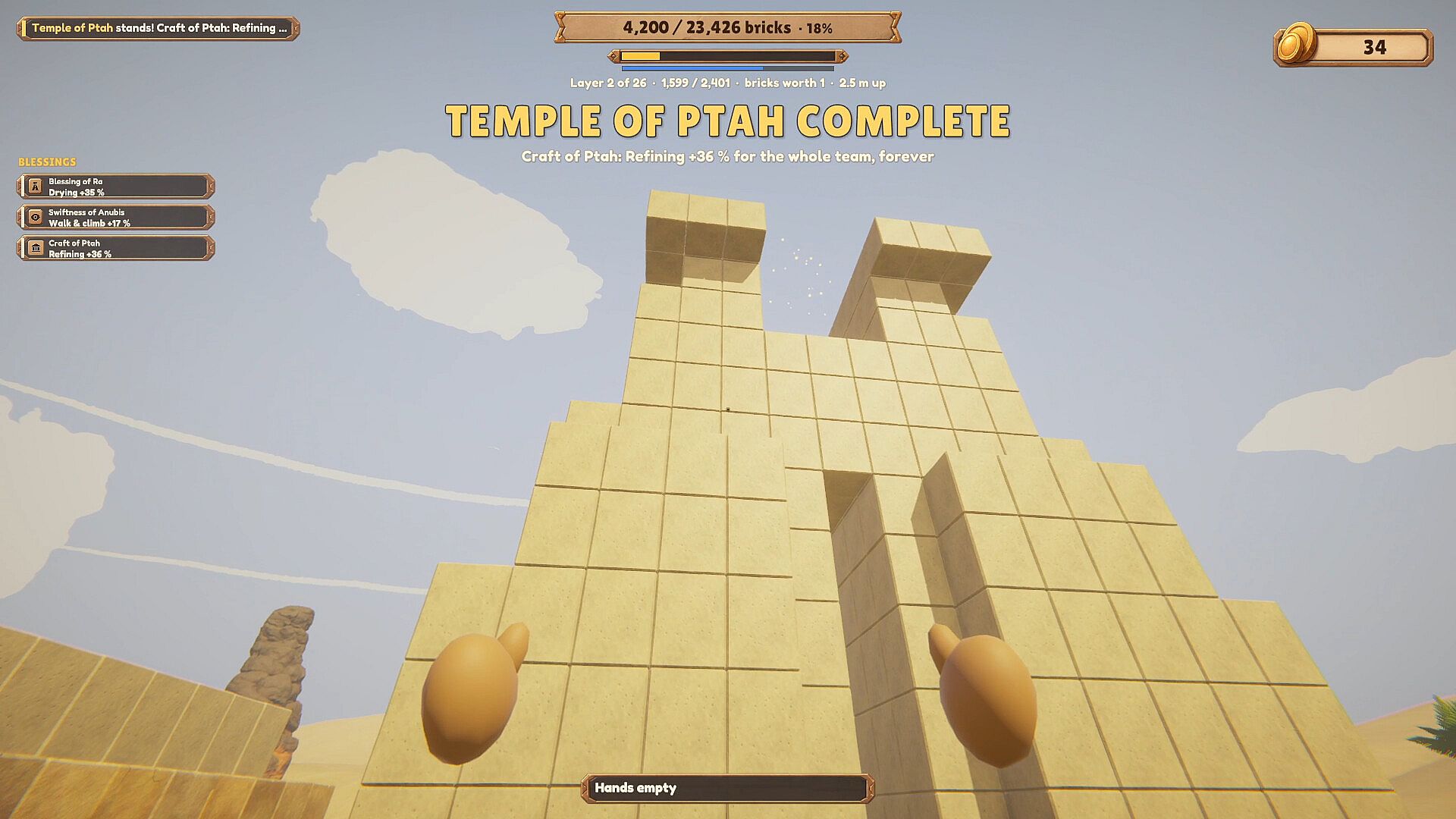
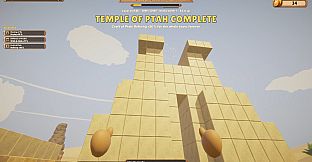
Creative problem solving adds variety. Instead of straightforward carrying, participants might send bricks airborne or devise transport routes that bypass traditional paths. The result is a 65-metre pyramid composed of 26 layers and exactly 23,426 blocks, built one placement at a time through coordinated effort.
Game Modes
The game centers on a single shared building experience that adapts to group size. Solo players manage the full sequence from brick making through final placement, while larger crews divide responsibilities across production, transport, and assembly. Up to eight participants join the same session, allowing teams to split workloads or experiment with overlapping roles that sometimes interfere in humorous ways.
Progression continues after the main pyramid reaches completion. Additional monuments can be raised, and the operation expands with further automation and ability upgrades. The structure supports both focused short sessions and extended collaborative runs where players refine efficiency and test new methods for moving materials upward.
Building and Automation Systems
Production starts small with basic clay processing and grows into interconnected lines that reduce manual intervention. Players connect facilities, introduce machinery, and optimize flow so that bricks arrive steadily at the build site. This shift from hand labor to automated support mirrors the increasing scale of the project itself.
Shabti recruitment supplements the player crew on routine duties, creating a hybrid workforce that balances human creativity with reliable assistance. Keeping these helpers content ensures steady contributions without constant oversight. The emphasis remains on teamwork, whether that means coordinating tosses across levels or troubleshooting bottlenecks in the supply chain.
Is It Worth Playing?
How They Built the Pyramids suits players who enjoy methodical building simulations combined with light co-op interaction. The fixed target of 23,426 blocks provides a clear endpoint, while optional post-completion activities extend engagement through monument expansion and system refinement. Those who appreciate dividing tasks among friends or testing inventive transport solutions will find repeated value in the setup. The casual tone and focus on creative shortcuts rather than strict realism make it accessible for shorter play sessions or longer group efforts. Availability on PC keeps the experience straightforward without additional platform complications.